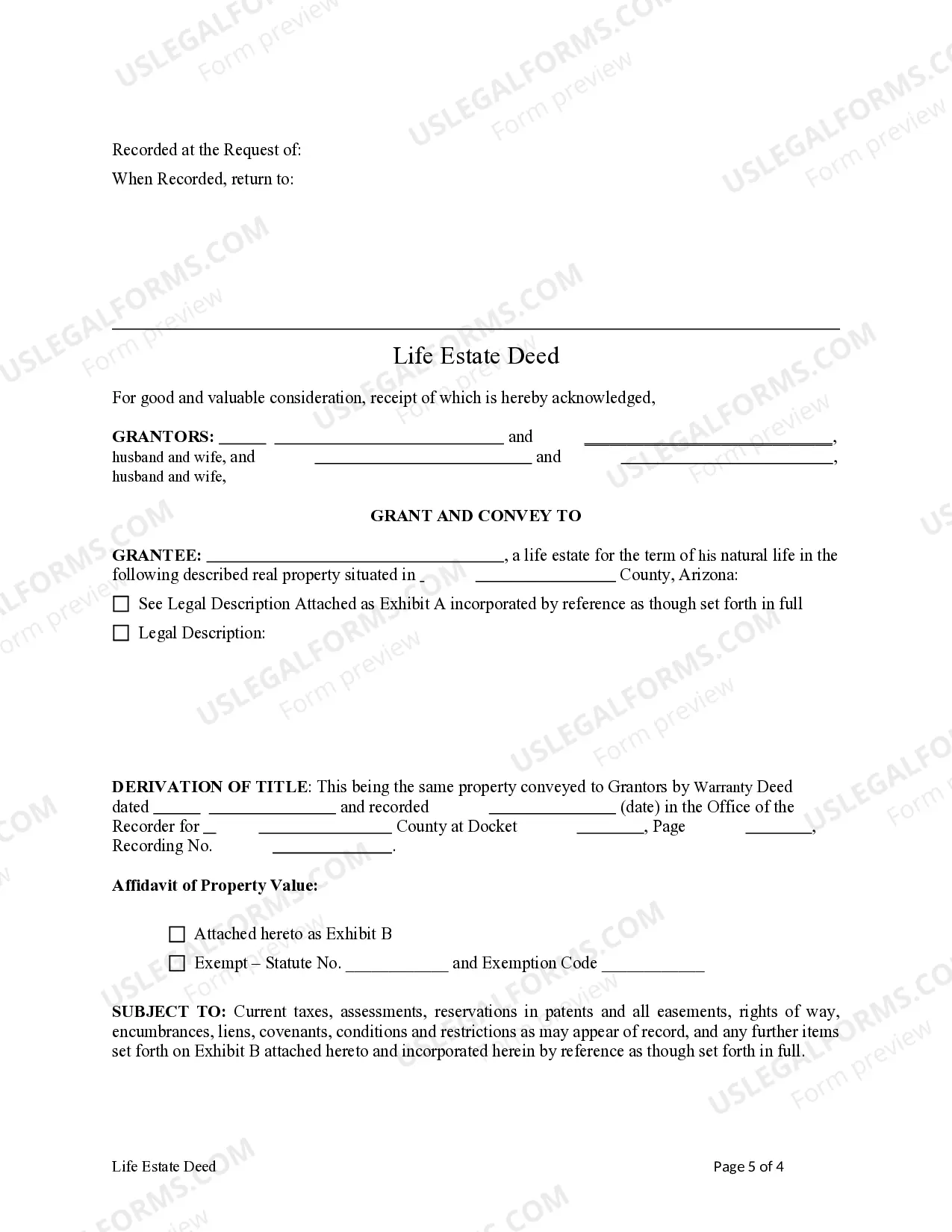
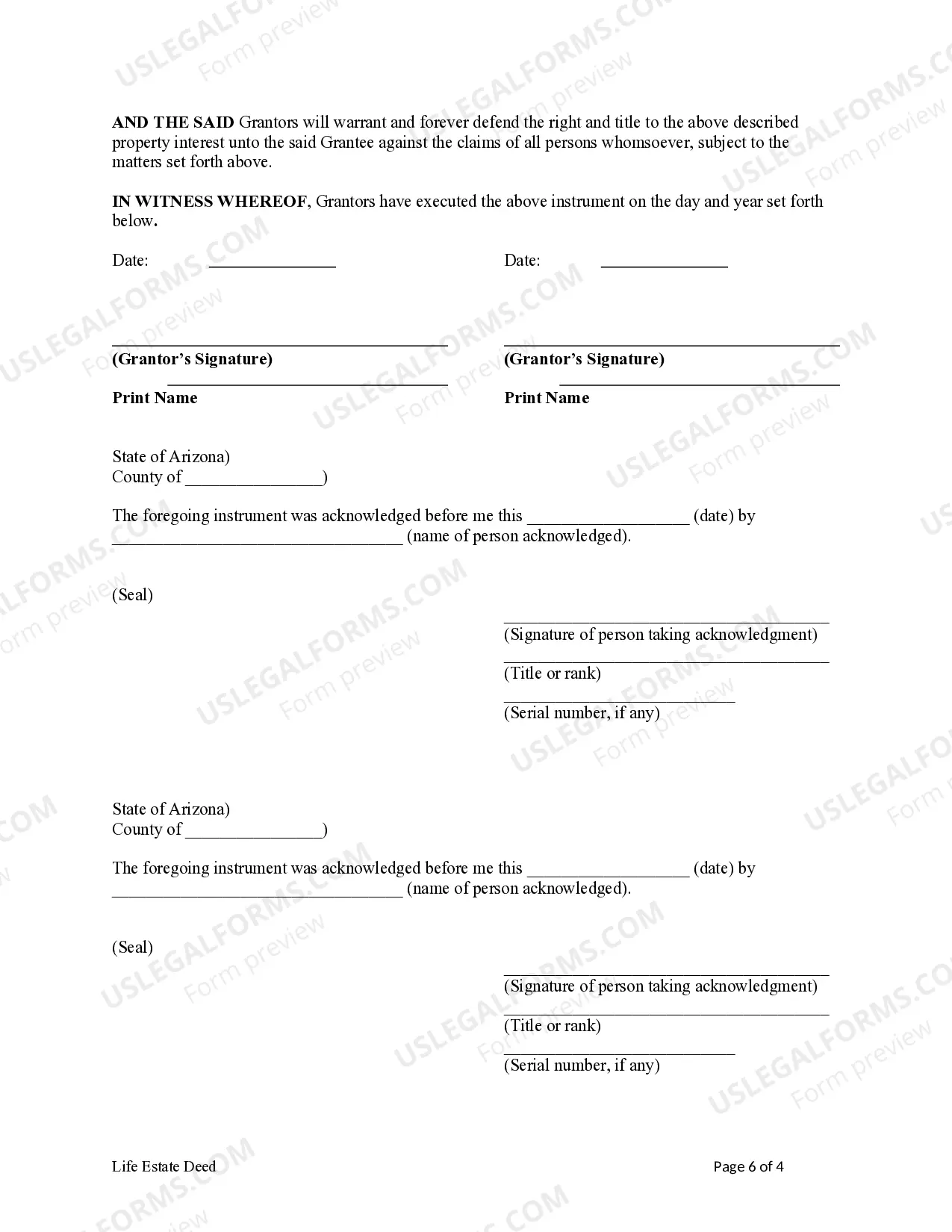
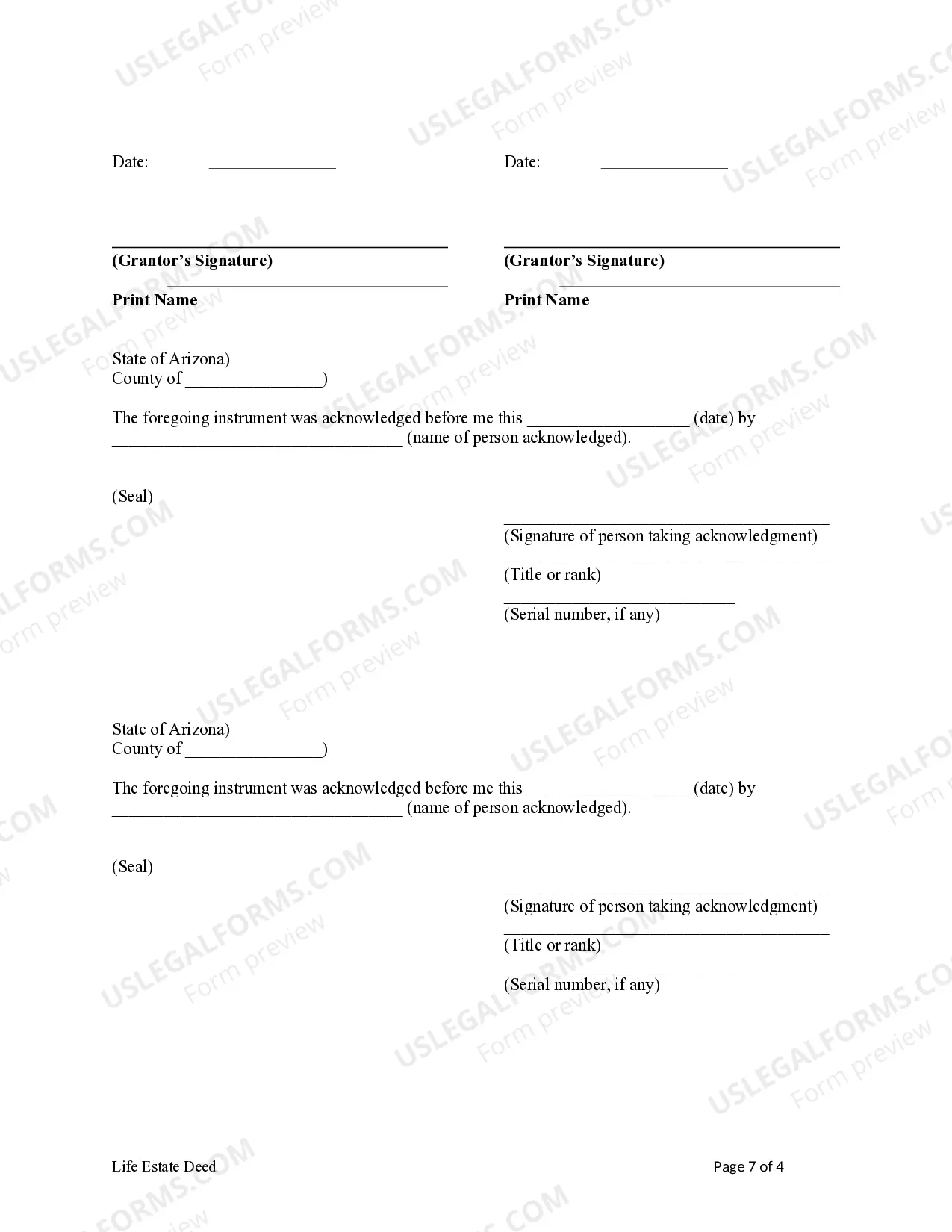
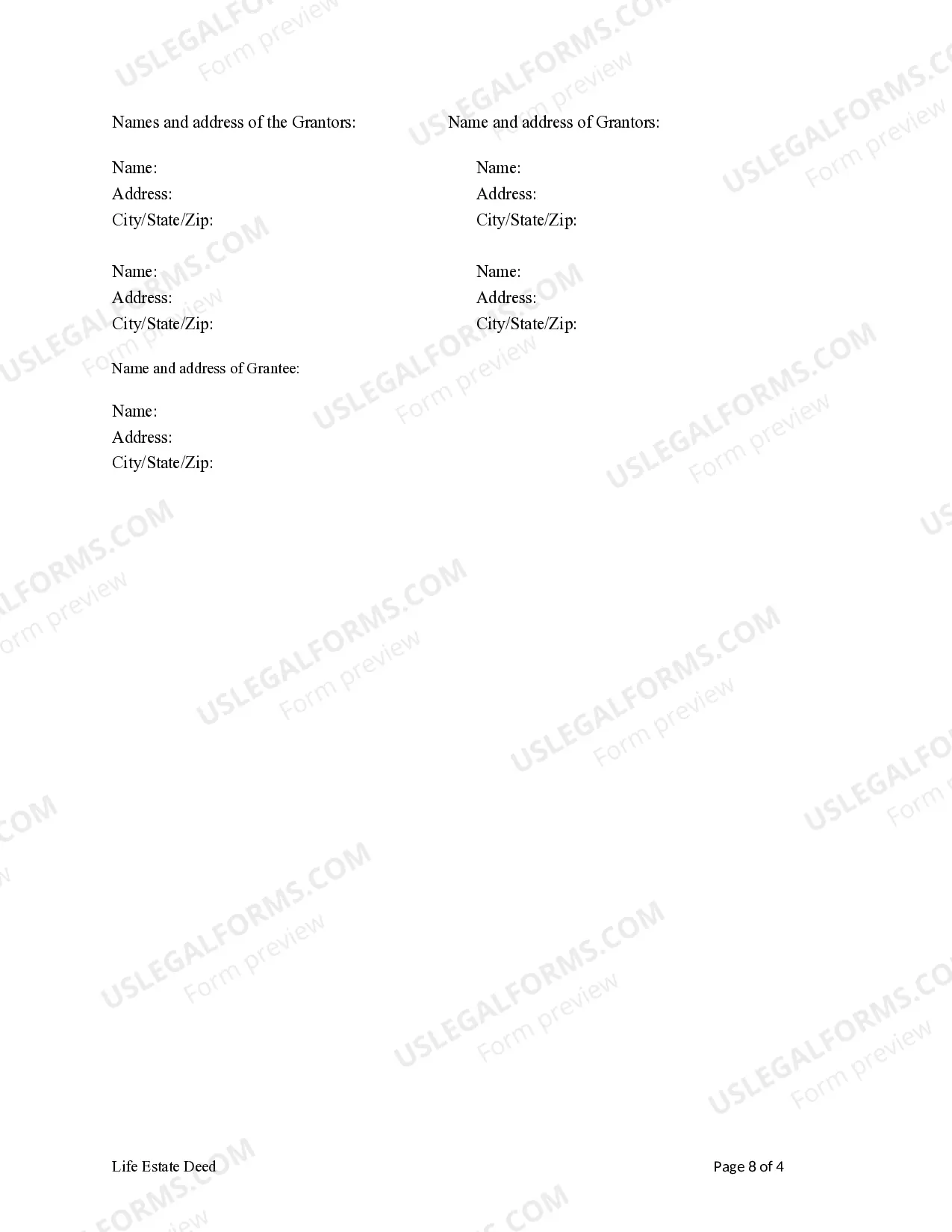
Life Estate Deed With Full Powers
Description


Get your form ready online
Our built-in tools help you complete, sign, share, and store your documents in one place.
Make edits, fill in missing information, and update formatting in US Legal Forms—just like you would in MS Word.
Download a copy, print it, send it by email, or mail it via USPS—whatever works best for your next step.
Sign and collect signatures with our SignNow integration. Send to multiple recipients, set reminders, and more. Go Premium to unlock E-Sign.
If this form requires notarization, complete it online through a secure video call—no need to meet a notary in person or wait for an appointment.
We protect your documents and personal data by following strict security and privacy standards.

Make edits, fill in missing information, and update formatting in US Legal Forms—just like you would in MS Word.

Download a copy, print it, send it by email, or mail it via USPS—whatever works best for your next step.

Sign and collect signatures with our SignNow integration. Send to multiple recipients, set reminders, and more. Go Premium to unlock E-Sign.

If this form requires notarization, complete it online through a secure video call—no need to meet a notary in person or wait for an appointment.

We protect your documents and personal data by following strict security and privacy standards.
Looking for another form?







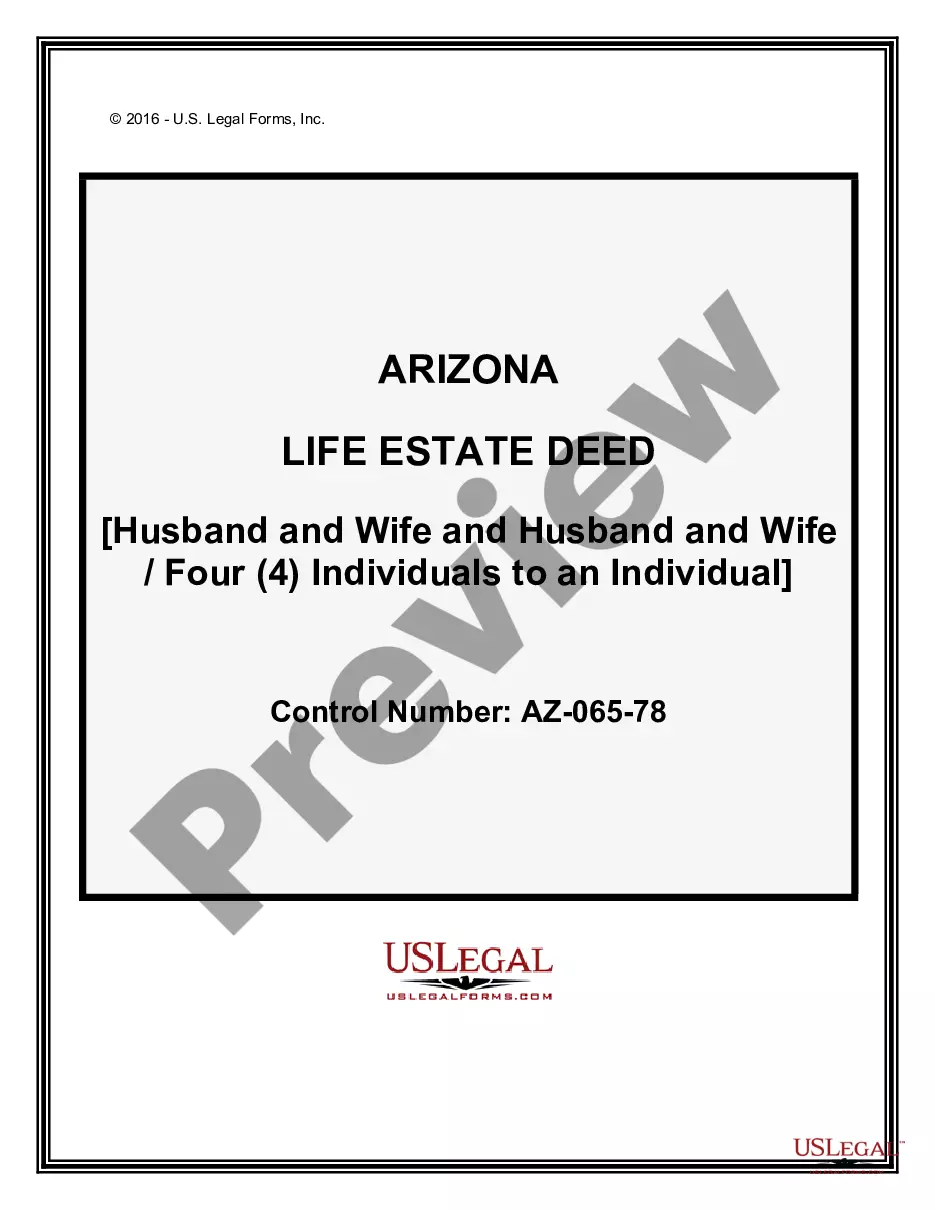
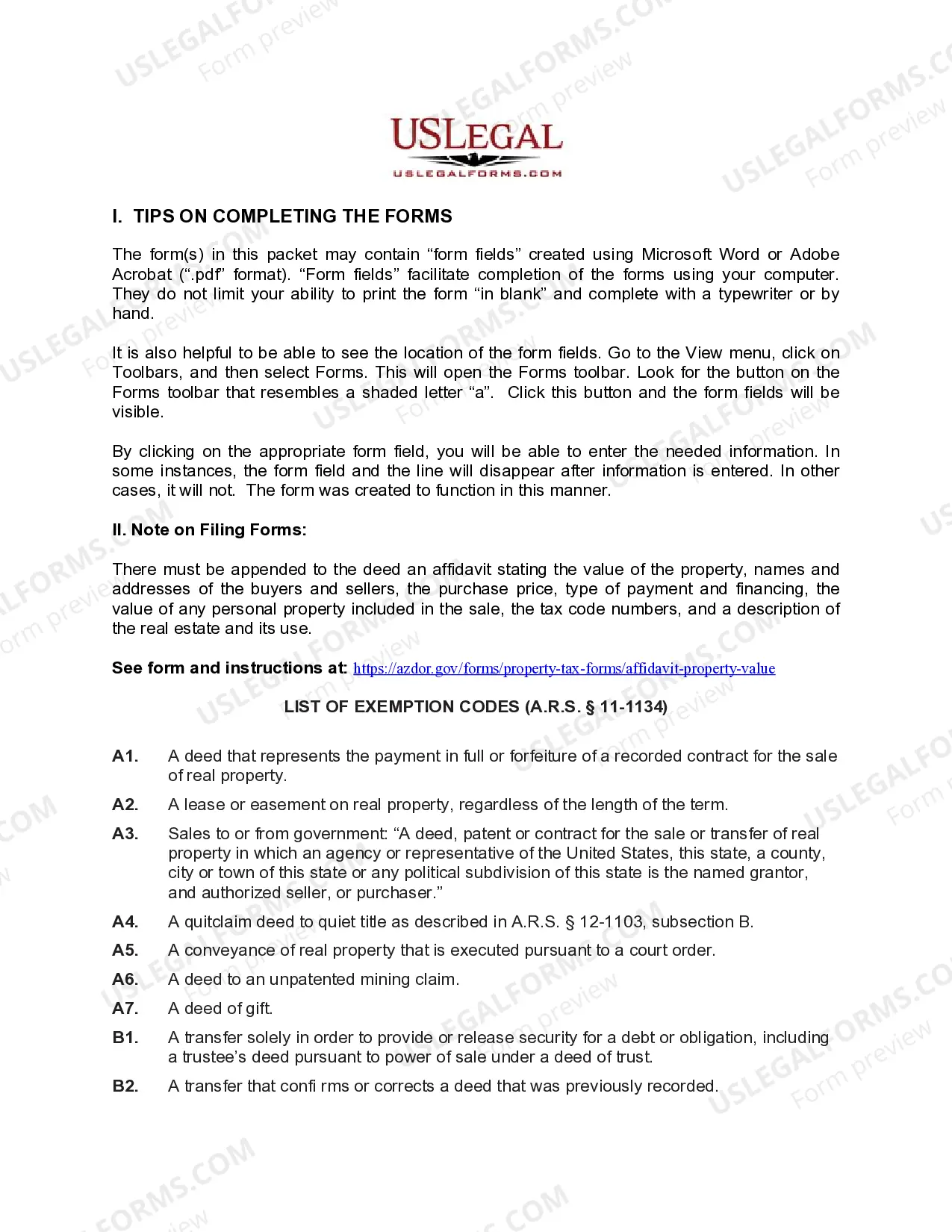
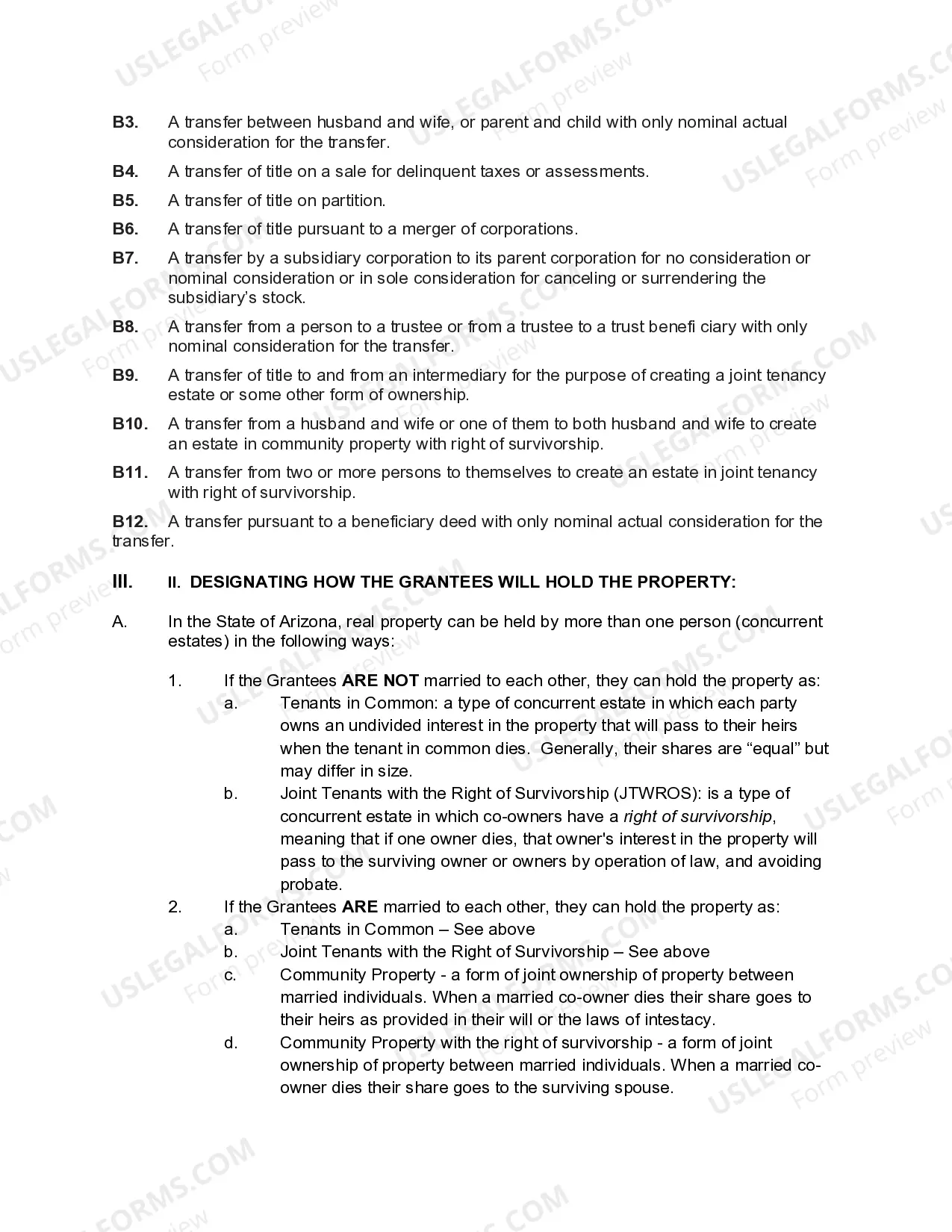
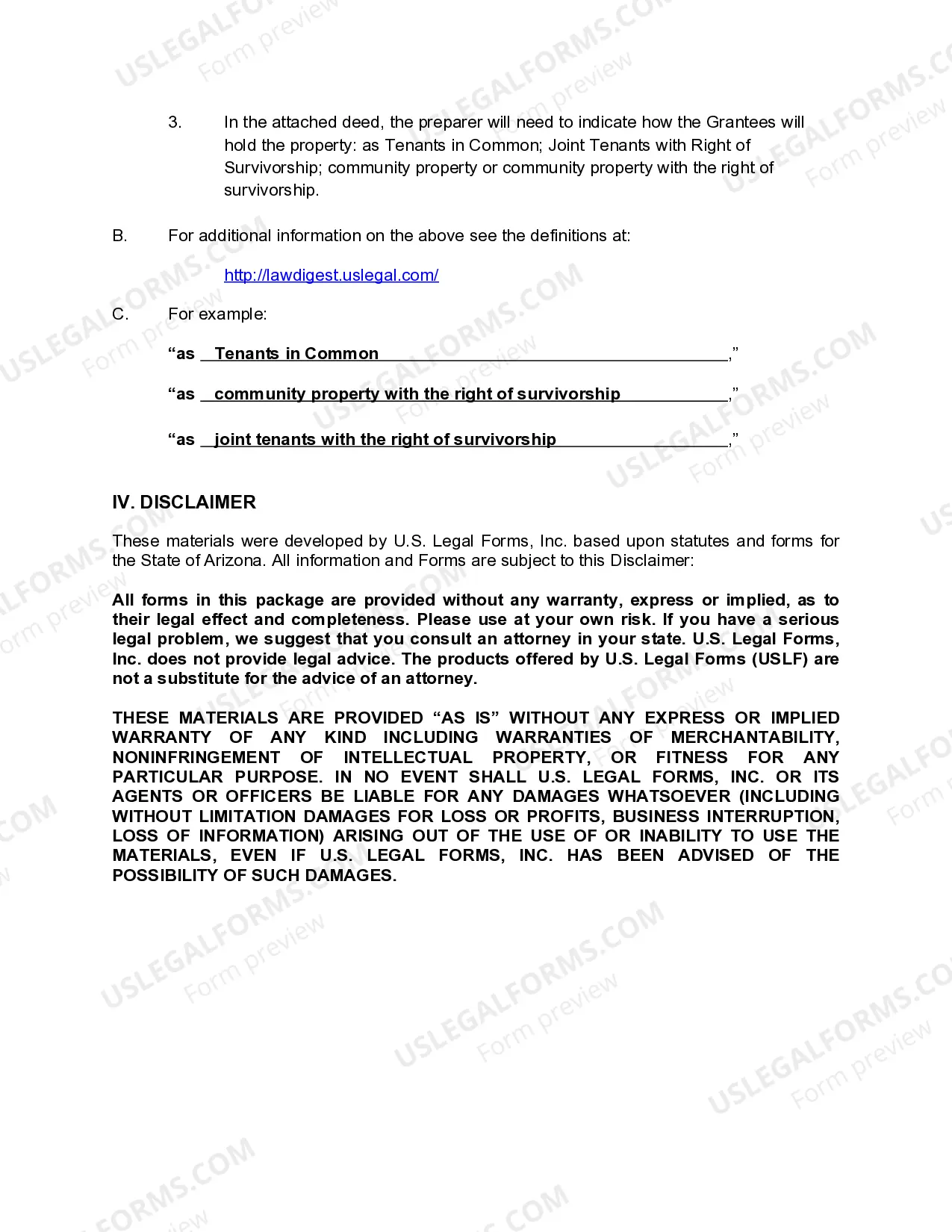
How to fill out Arizona Life Estate Deed From Two Married Couples To An Individual?
- Begin by logging into your US Legal Forms account. If you don't have one, create a new account to access the forms.
- Navigate to the library and search for 'Life estate deed with full powers.' Review the document preview to ensure it matches your requirements.
- If adjustments are needed, explore other forms using the search feature until you find the perfect match.
- Once you confirm the right template, click on the 'Buy Now' button to select a suitable subscription plan.
- Complete the payment by entering your credit card information or using your PayPal account.
- Finally, download the form to your device. You can also find it in the 'My Forms' section for future reference.
By following these straightforward steps, you can easily secure your life estate deed with full powers through US Legal Forms. The platform not only simplifies the process but also provides access to professional assistance, ensuring your documents are accurate and legally compliant.
Start your estate planning today with US Legal Forms! Visit our site to explore the extensive repository of legal documents.
Form popularity
FAQ
When you create a life estate deed with full powers, it can impact how property taxes are assessed. The transfer of property can trigger reassessment, potentially leading to higher property taxes. Additionally, the individual holding the life estate may be responsible for property tax payments. Consulting with a tax professional can help clarify any specific implications relevant to your situation.
A will does not override a life estate deed with full powers because the life estate designates specific rights that exist outside of the will. When a life tenant passes away, the property will automatically transfer to the remainderman, regardless of any conflicting instructions in a will. It's important to plan accordingly and consider how life estates fit into your overall estate plan.
Selling a house in a life estate is possible, but it presents unique challenges. The life tenant retains rights until their death, which can affect the sale process. Understanding the implications of a life estate deed with full powers is crucial, as it typically requires consent from the remainderman to make the sale smooth and effective.
Yes, you can sell a house that is in a life estate, but with some limitations. The life tenant can sell their interest in the property, but the buyer must understand that they will only hold ownership until the life tenant passes away. It is essential to consult a legal expert to navigate the complexities of a life estate deed with full powers before proceeding with a sale.
The main disadvantage of a life estate deed with full powers is that it limits the owner's control over the property after their death. The life tenant cannot sell or mortgage the property without the consent of the remainderman. This can create complications when managing the property, especially if the life tenant wishes to make changes or needs funds.
Yes, a life estate deed with full powers generally supersedes a will regarding the property it governs. The deed’s terms dictate the property's distribution, which is separate from any instructions outlined in a will. Therefore, it is essential to coordinate these documents to avoid conflicts.
A life estate deed with full powers has disadvantages that can complicate ownership. The life tenant cannot freely sell or encumber the property without the remainderman's approval, which can limit financial options. Furthermore, if the life tenant incurs debts or legal judgments, creditors may have claims against the property.
Individuals create a life estate deed with full powers to simplify their estate planning. This arrangement allows them to retain lifetime control while streamlining the transfer process upon their passing. Additionally, this approach can provide tax benefits and ensure their property stays within their family.
Selling a property with a life estate deed with full powers is possible but complex. The life tenant retains the right to live in the property, while selling typically requires agreement from the remainderman. Engaging with uslegalforms can help you understand your obligations and options when selling.
You can potentially undo a life estate deed with full powers, but the process usually requires the agreement of all parties involved. If relationships permit, you may seek a mutual release or modification of the deed. Consulting legal expertise is recommended to ensure you follow the necessary legal steps.