Beneficiary Transfer Death With Beneficiary
Description


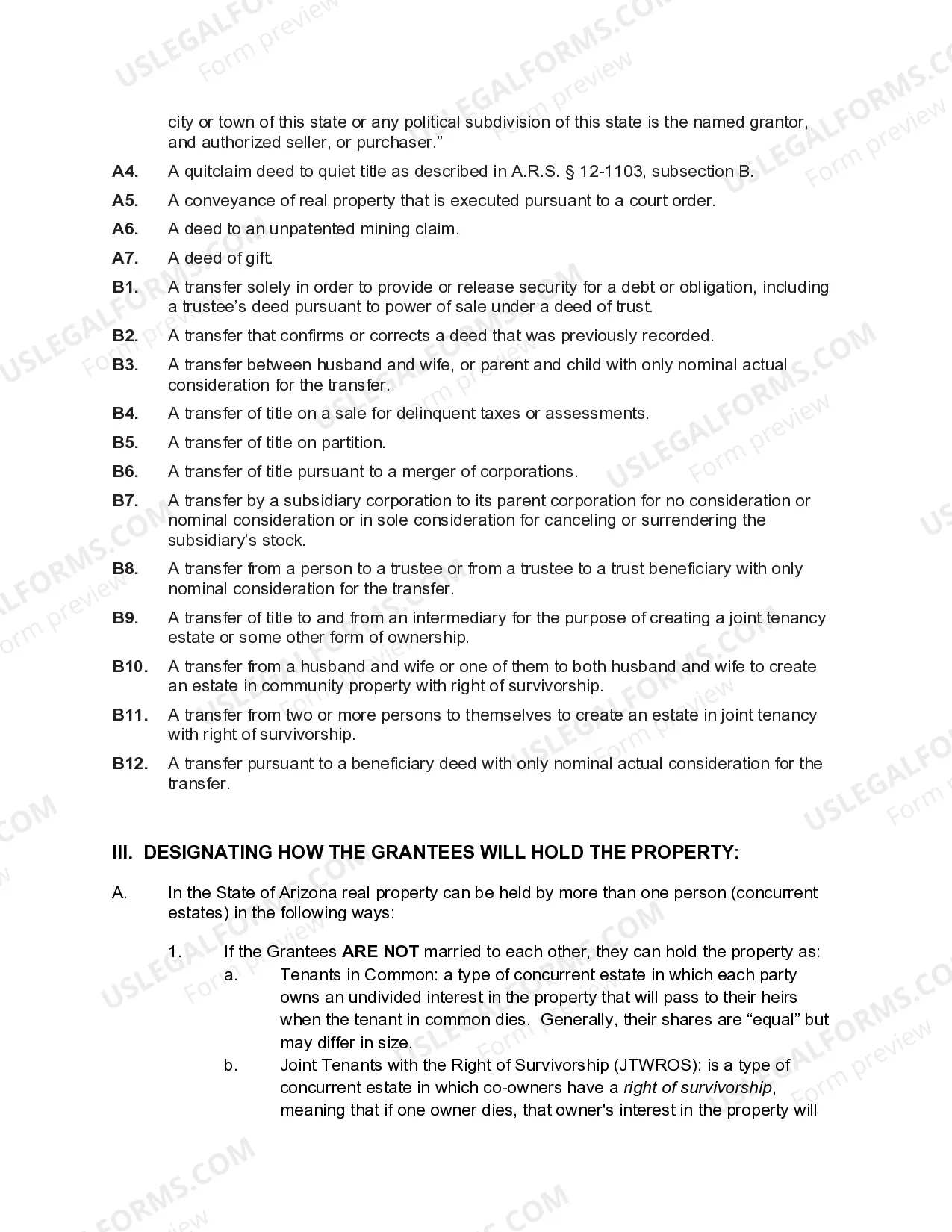
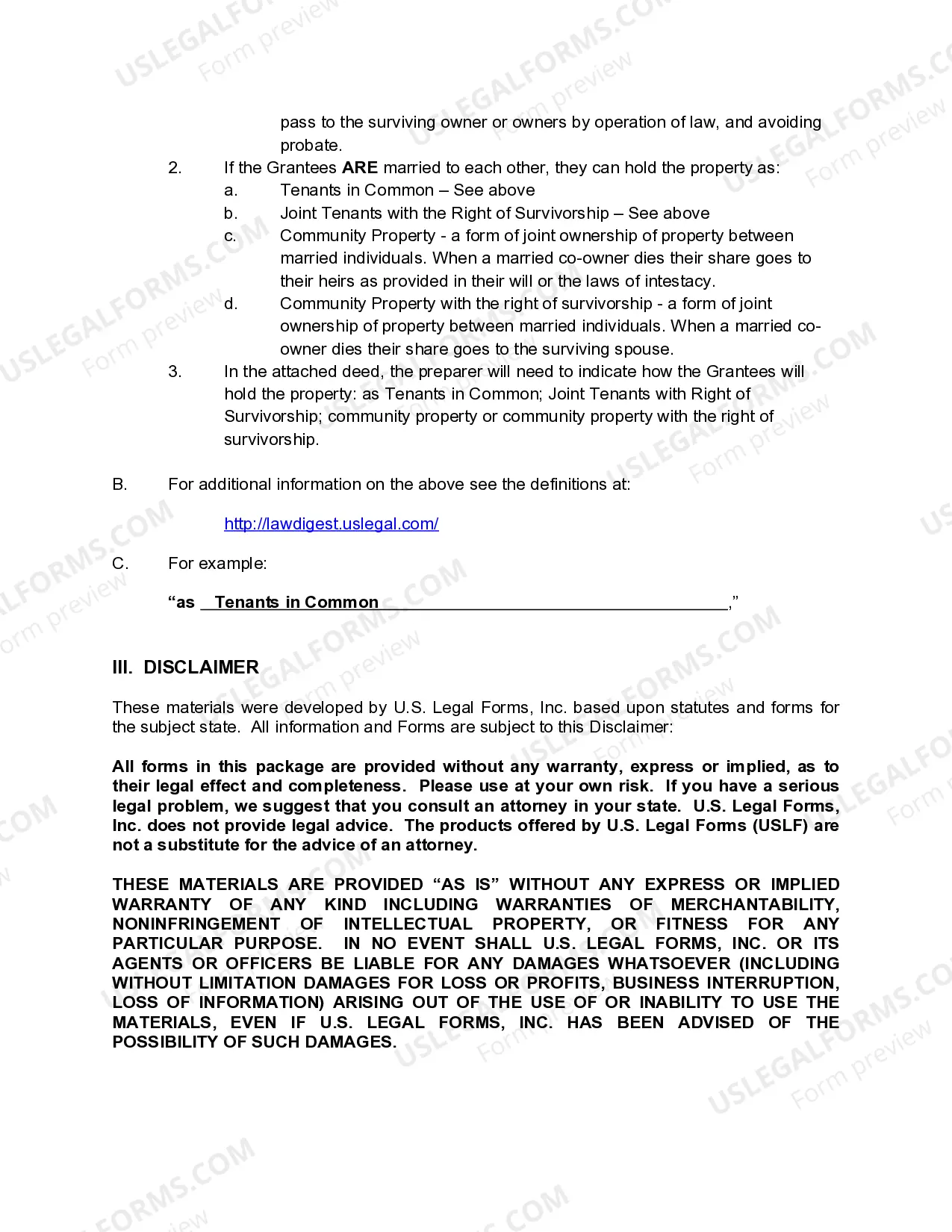
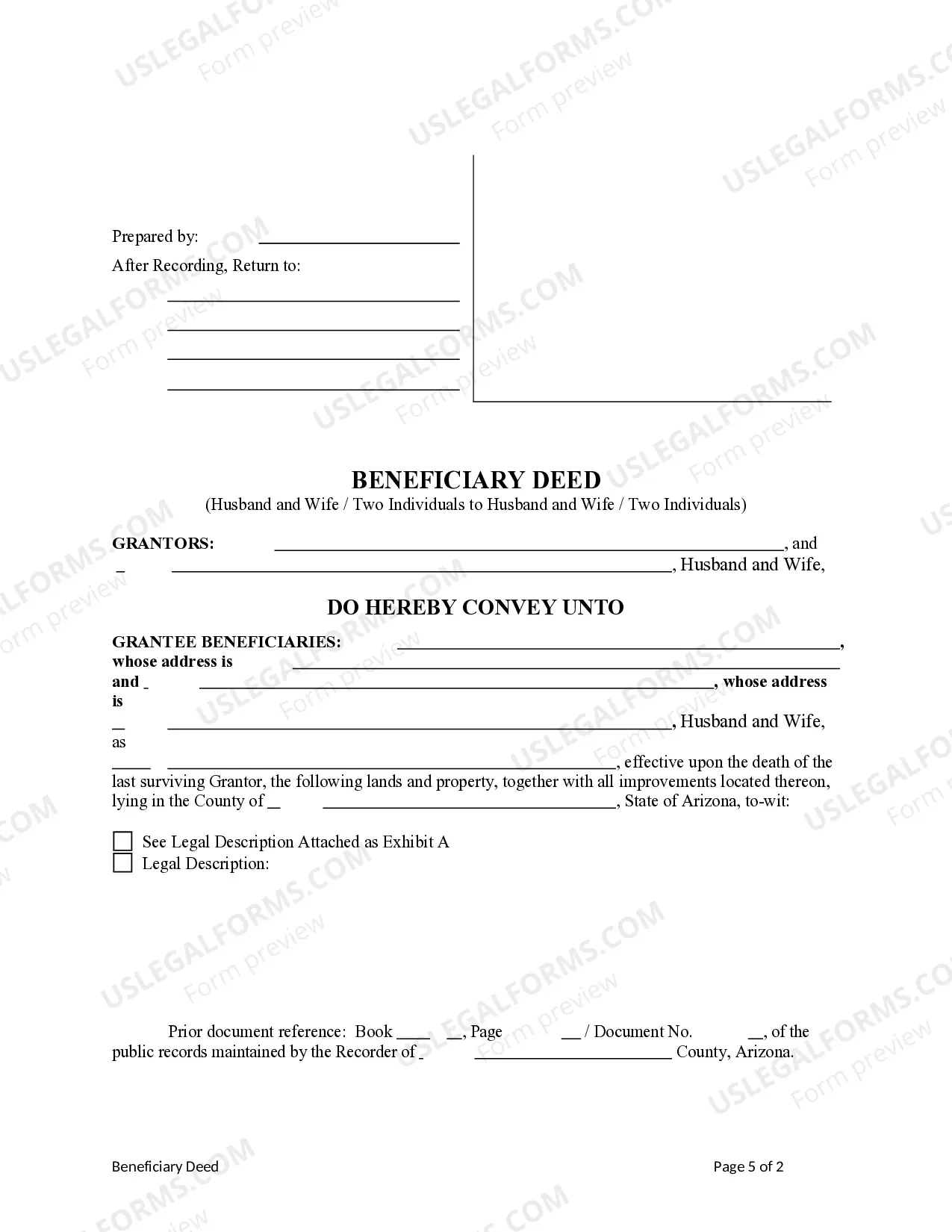
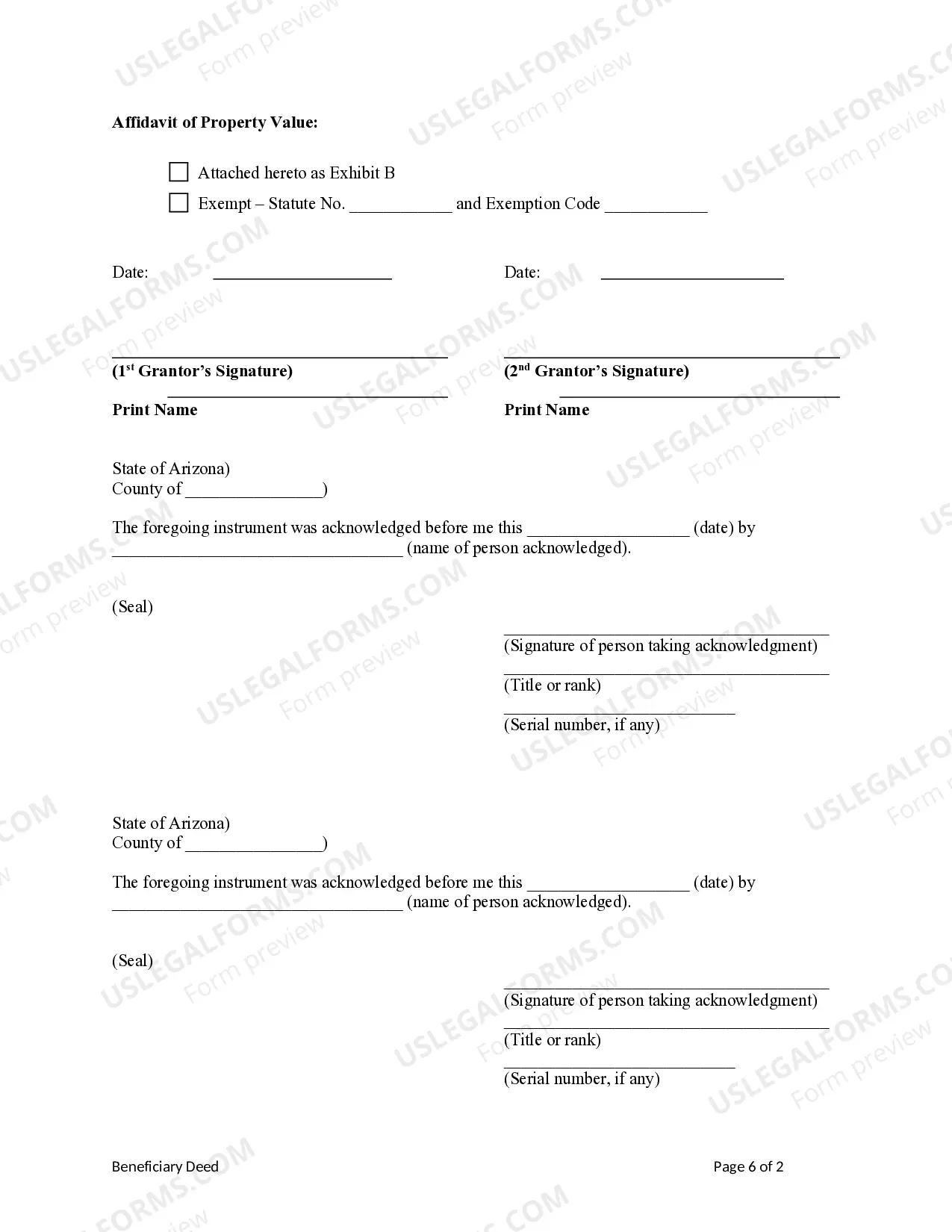


Get your form ready online
Our built-in tools help you complete, sign, share, and store your documents in one place.
Make edits, fill in missing information, and update formatting in US Legal Forms—just like you would in MS Word.
Download a copy, print it, send it by email, or mail it via USPS—whatever works best for your next step.
Sign and collect signatures with our SignNow integration. Send to multiple recipients, set reminders, and more. Go Premium to unlock E-Sign.
If this form requires notarization, complete it online through a secure video call—no need to meet a notary in person or wait for an appointment.
We protect your documents and personal data by following strict security and privacy standards.

Make edits, fill in missing information, and update formatting in US Legal Forms—just like you would in MS Word.

Download a copy, print it, send it by email, or mail it via USPS—whatever works best for your next step.

Sign and collect signatures with our SignNow integration. Send to multiple recipients, set reminders, and more. Go Premium to unlock E-Sign.

If this form requires notarization, complete it online through a secure video call—no need to meet a notary in person or wait for an appointment.

We protect your documents and personal data by following strict security and privacy standards.
Looking for another form?
How to fill out Arizona Beneficiary Or Transfer Of Death (TOD) Deed - Husband And Wife / Two Individuals To Husband And Wife / Two Individuals?
- If you are an existing user, log in to your account and download the required form template by clicking the Download button. Ensure your subscription is current; if not, renew it according to your payment plan.
- For first-time users, start by previewing the form descriptions. Check that you have selected a document that aligns with your jurisdiction's requirements.
- If necessary, search for additional templates using the Search tab above to find the correct one.
- When you are ready, click the Buy Now button to select your desired subscription plan and create an account to access the documents.
- Complete your purchase by entering your payment details through credit card or PayPal.
- Download the final form to your device and complete it at your convenience. You can also access your downloaded templates anytime via the My Forms section of your profile.
Utilizing US Legal Forms gives users access to an extensive library of over 85,000 editable legal forms. This ensures not only a comprehensive selection but also top-tier assistance from legal experts when needed.
In conclusion, US Legal Forms empowers you to streamline the beneficiary transfer death process with beneficial documentation. Start creating legally sound forms today—your peace of mind is just a click away!
Form popularity
FAQ
A transfer on death (TOD) is related but not identical to the term beneficiary. While both involve designating individuals to receive assets posthumously, TOD specifically refers to the method of asset transfer that bypasses probate. Conversely, a beneficiary can apply to various legal instruments like life insurance policies. To navigate these differences effectively, exploring uslegalforms can provide the guidance you need.
If a beneficiary passes away before you do, the rules depend on how you have structured your assets. Typically, the assets may go to the contingent beneficiary or revert to your estate if none is designated. It's crucial to regularly review your beneficiary designations to ensure they align with your wishes. This aspect of beneficiary transfer death with beneficiary underscores the importance of clear estate planning.
The key difference between a transfer on death and a beneficiary lies in how the asset ownership is transferred. A TOD designates a recipient upon your death, while a beneficiary can refer to a person named to receive assets from various accounts or policies. Understanding the nuances of these terms helps you make informed decisions about your estate. Utilizing uslegalforms can simplify this process for better clarity.
When considering beneficiary transfer death with beneficiary, both options have unique advantages. A transfer on death (TOD) allows you to specify a person who will receive your assets, avoiding probate. However, naming a beneficiary can offer a broader range of benefits depending on the type of account. Ultimately, the better choice depends on your specific situation and estate planning goals.
A beneficiary statement is a formal document that details the individuals designated to receive assets from an account after the account holder passes away. This statement is essential for ensuring that assets are distributed according to the account holder's wishes upon their death. Familiarizing yourself with a beneficiary transfer death with beneficiary mechanism through platforms like uslegalforms can further simplify this process.
In a beneficiary account description, include details about the account type, such as a retirement account or life insurance policy, and specify any particular terms related to the beneficiaries. Describe each beneficiary's share of the account and any conditions tied to the transfer. This clarity not only aids the administrators but also facilitates a seamless beneficiary transfer death with beneficiary.
Writing a beneficiary statement involves several steps. Begin with the title of the document, then clearly state the account holder's name and details. Next, list each beneficiary's name, relationship, and share of the assets. This clear documentation streamlines the beneficiary transfer death with beneficiary process, ensuring clarity for all parties involved.
A beneficiary is an individual or entity designated to receive assets from a financial account, will, or trust after the account holder's death. For instance, if you name your child as a beneficiary of your savings account, that child will inherit the funds upon your death. This concept is crucial for ensuring that your wishes are honored in the event of a beneficiary transfer death with beneficiary.
To fill out a beneficiary statement, start by entering the name of the account holder and the account number. Next, list the beneficiaries’ names, along with their relationship to the account holder. Make sure to provide each beneficiary's contact information and clarify how you want the assets to be distributed upon death. This ensures a smooth beneficiary transfer death with beneficiary.
Yes, transfers on death accounts generally avoid probate, allowing assets to pass directly to the named beneficiary. This enables a quicker distribution of your estate and can streamline the process after your passing. By utilizing a beneficiary transfer death with beneficiary approach, you ensure that your loved ones receive their inheritance with minimal hassle.