Az Beneficiary Individual Death With Dignity
Description
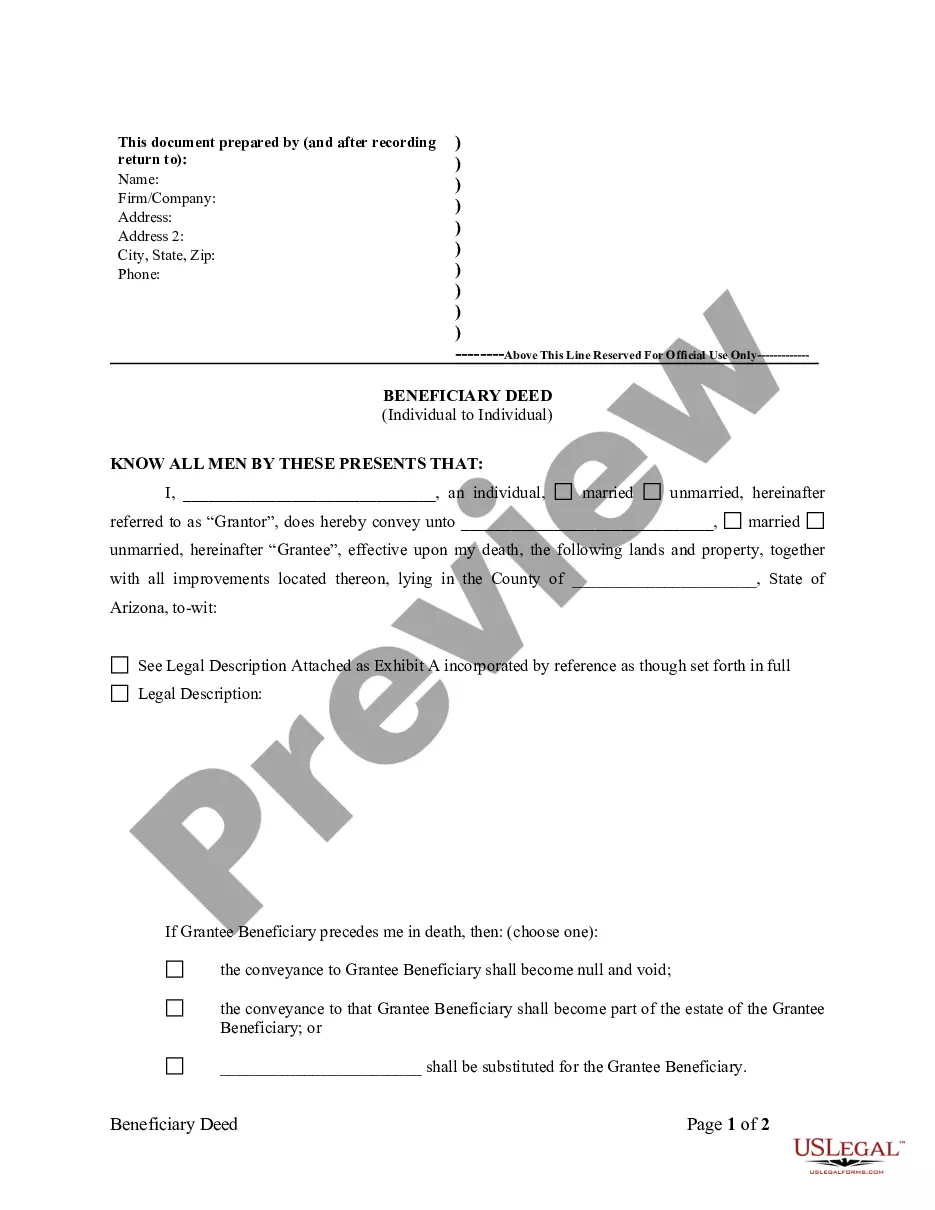
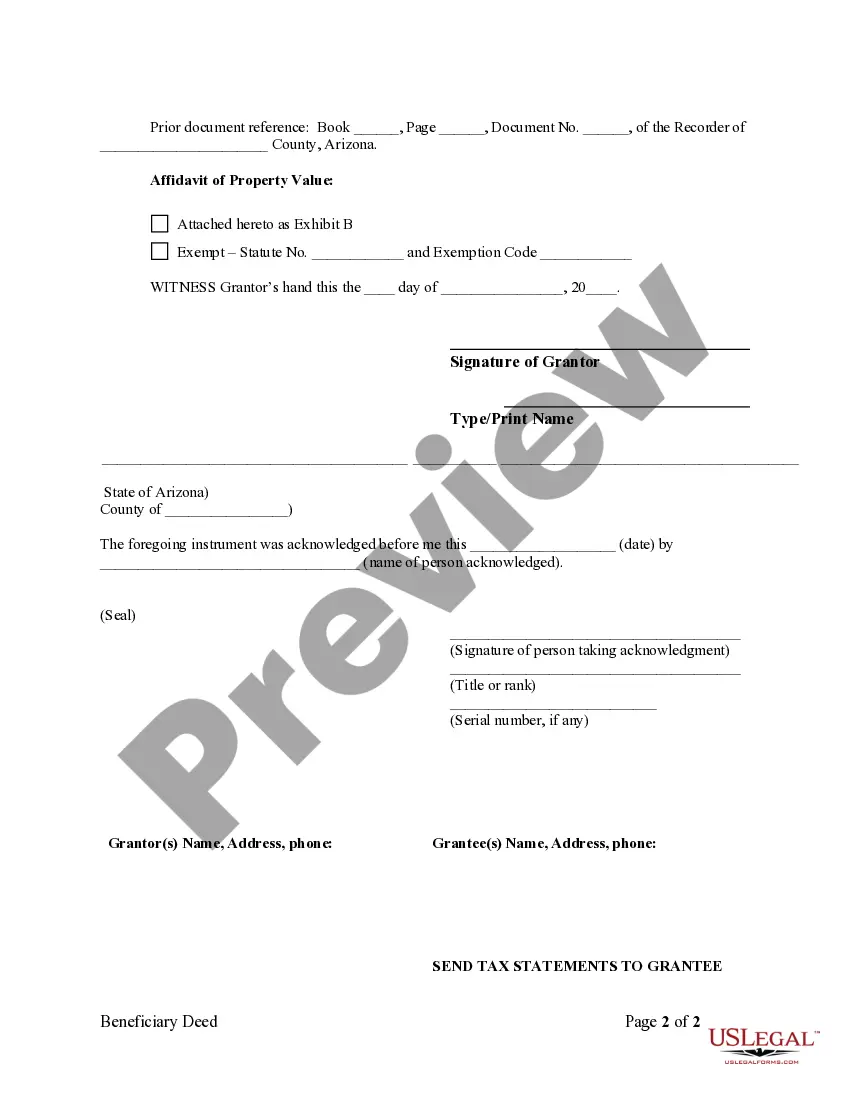

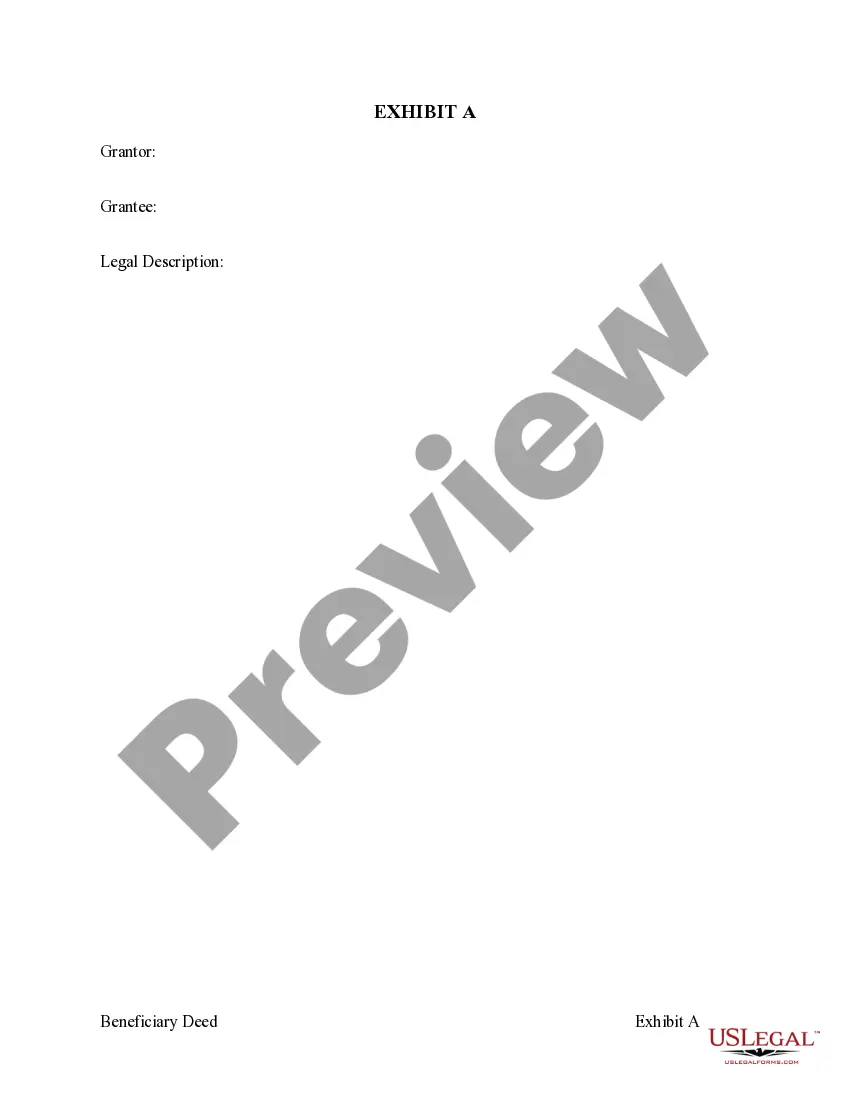

Get your form ready online
Our built-in tools help you complete, sign, share, and store your documents in one place.
Make edits, fill in missing information, and update formatting in US Legal Forms—just like you would in MS Word.
Download a copy, print it, send it by email, or mail it via USPS—whatever works best for your next step.
Sign and collect signatures with our SignNow integration. Send to multiple recipients, set reminders, and more. Go Premium to unlock E-Sign.
If this form requires notarization, complete it online through a secure video call—no need to meet a notary in person or wait for an appointment.
We protect your documents and personal data by following strict security and privacy standards.

Make edits, fill in missing information, and update formatting in US Legal Forms—just like you would in MS Word.

Download a copy, print it, send it by email, or mail it via USPS—whatever works best for your next step.

Sign and collect signatures with our SignNow integration. Send to multiple recipients, set reminders, and more. Go Premium to unlock E-Sign.

If this form requires notarization, complete it online through a secure video call—no need to meet a notary in person or wait for an appointment.

We protect your documents and personal data by following strict security and privacy standards.
Looking for another form?







How to fill out Arizona Beneficiary Deed For Individual To Individual?
It’s clear that you cannot become a legal expert instantly, nor can you understand how to swiftly compose Az Beneficiary Individual Death With Dignity without possessing a specialized education.
Drafting legal documents is a labor-intensive task that demands specific training and expertise. So why not entrust the preparation of the Az Beneficiary Individual Death With Dignity to the experts.
With US Legal Forms, one of the largest legal template repositories, you can discover everything from court documents to templates for in-office correspondence.
If you need a different form, restart your search.
Sign up for a free account and choose a subscription option to buy the form. Click Buy now. Once the transaction is complete, you can access the Az Beneficiary Individual Death With Dignity, fill it out, print it, and send or mail it to the required individuals or entities.
- We recognize how crucial compliance and adherence to federal and local regulations are.
- That’s why, on our platform, all documents are region-specific and current.
- Here’s how you can begin with our website and acquire the form you require in just minutes.
- Locate the form you need by utilizing the search bar at the top of the page.
- Preview it (if this option is available) and read the supporting description to ascertain whether Az Beneficiary Individual Death With Dignity is what you’re looking for.
Form popularity
FAQ
Passive euthanasia: intentionally letting a patient die by withholding artificial life support such as a ventilator or feeding tube. Some ethicists distinguish between withholding life support and withdrawing life support (the patient is on life support but then removed from it).
An advance request involves a competent person making a written request for medical assistance in dying (MAID) that could be honoured later, after they lose the capacity to make medical decisions for themselves.
As of March 17, 2021, persons who wish to receive MAID must satisfy the following eligibility criteria: be 18 years of age or older and have decision-making capacity. be eligible for publicly funded health care services. make a voluntary request that is not the result of external pressure.
To requesta prescription for lethal medications, the DWDA requires that a patient must be: ? an adult (18 years of age or older), ? a resident of Oregon, ? capable (defined as able to make and communicate health care decisions), and ? diagnosed with a terminal illness that will lead to death within six months.
Advance directives are a way of making sure that your wishes and values are respected in important decisions (especially health care decisions) made for you when you are no longer able to make such decisions for yourself.