Arkansas Real Estate Disclosure Laws Withdrawal
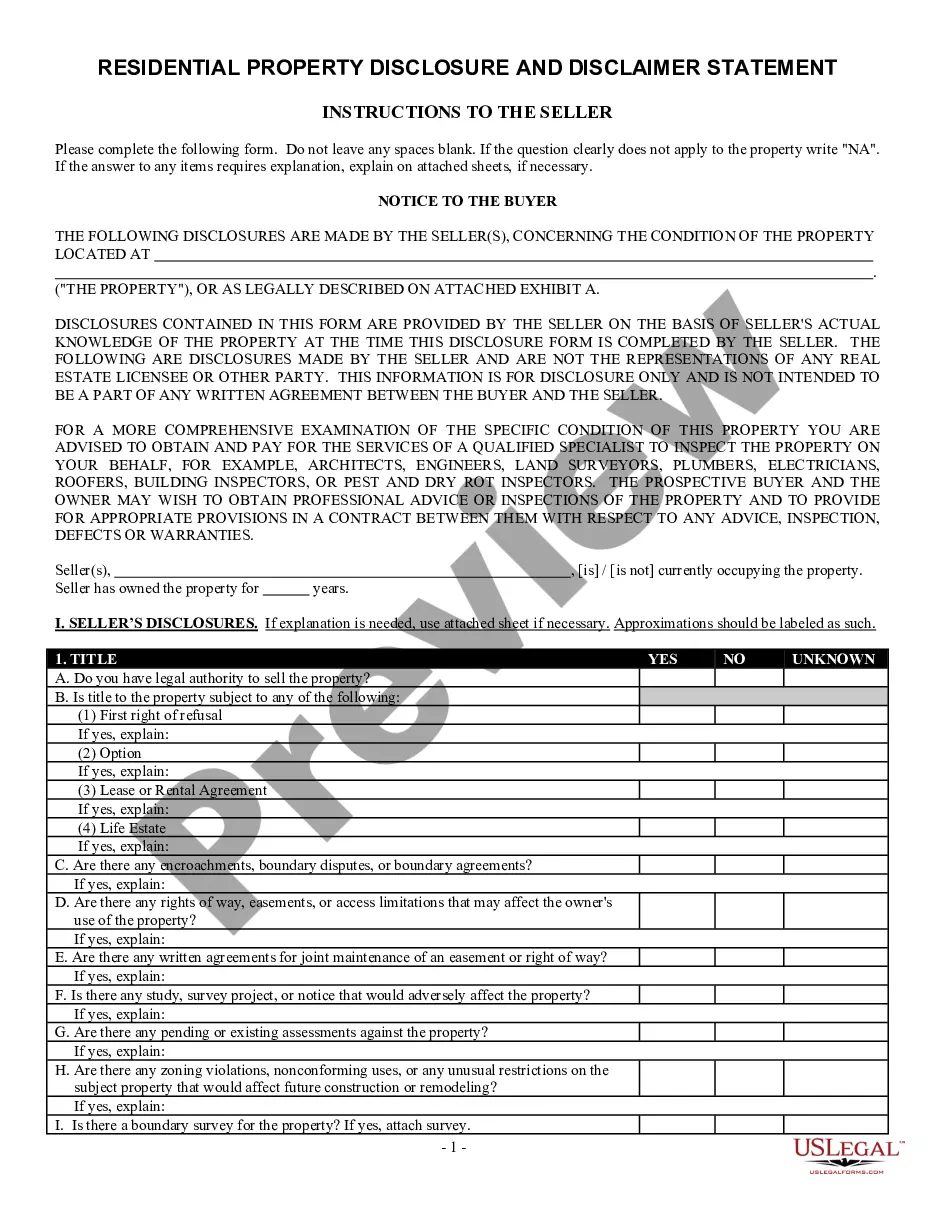
Description
Get your form ready online
Our built-in tools help you complete, sign, share, and store your documents in one place.
Make edits, fill in missing information, and update formatting in US Legal Forms—just like you would in MS Word.
Download a copy, print it, send it by email, or mail it via USPS—whatever works best for your next step.
Sign and collect signatures with our SignNow integration. Send to multiple recipients, set reminders, and more. Go Premium to unlock E-Sign.
If this form requires notarization, complete it online through a secure video call—no need to meet a notary in person or wait for an appointment.
We protect your documents and personal data by following strict security and privacy standards.

Make edits, fill in missing information, and update formatting in US Legal Forms—just like you would in MS Word.

Download a copy, print it, send it by email, or mail it via USPS—whatever works best for your next step.

Sign and collect signatures with our SignNow integration. Send to multiple recipients, set reminders, and more. Go Premium to unlock E-Sign.

If this form requires notarization, complete it online through a secure video call—no need to meet a notary in person or wait for an appointment.

We protect your documents and personal data by following strict security and privacy standards.
Looking for another form?

Form popularity
FAQ
Yes, you can sue a previous homeowner for non-disclosure under certain circumstances. If you can prove that the homeowner intentionally hid significant issues about the property, Arkansas real estate disclosure laws withdrawal may support your claim. Legal action is often a lengthy process, so consider consulting with an attorney who specializes in real estate law. Being informed about your rights can empower you during these disputes.
The Arkansas Real Estate Commission (AREC) administers and enforces the real estate license law in Arkansas. This agency ensures that all real estate practices comply with state laws, including Arkansas real estate disclosure laws withdrawal. They investigate complaints and can take action against licensees who violate regulations. Staying informed about these laws helps protect both buyers and sellers.
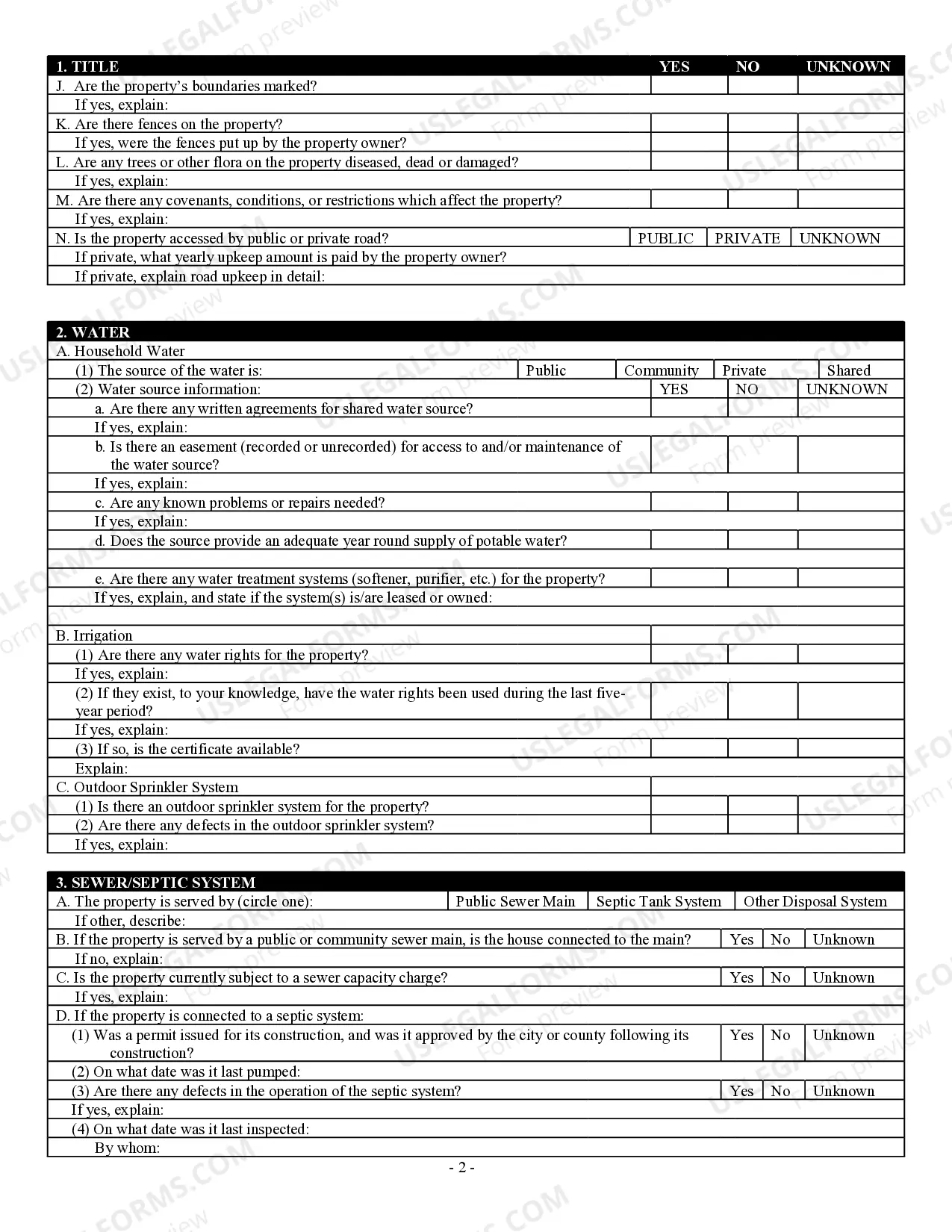
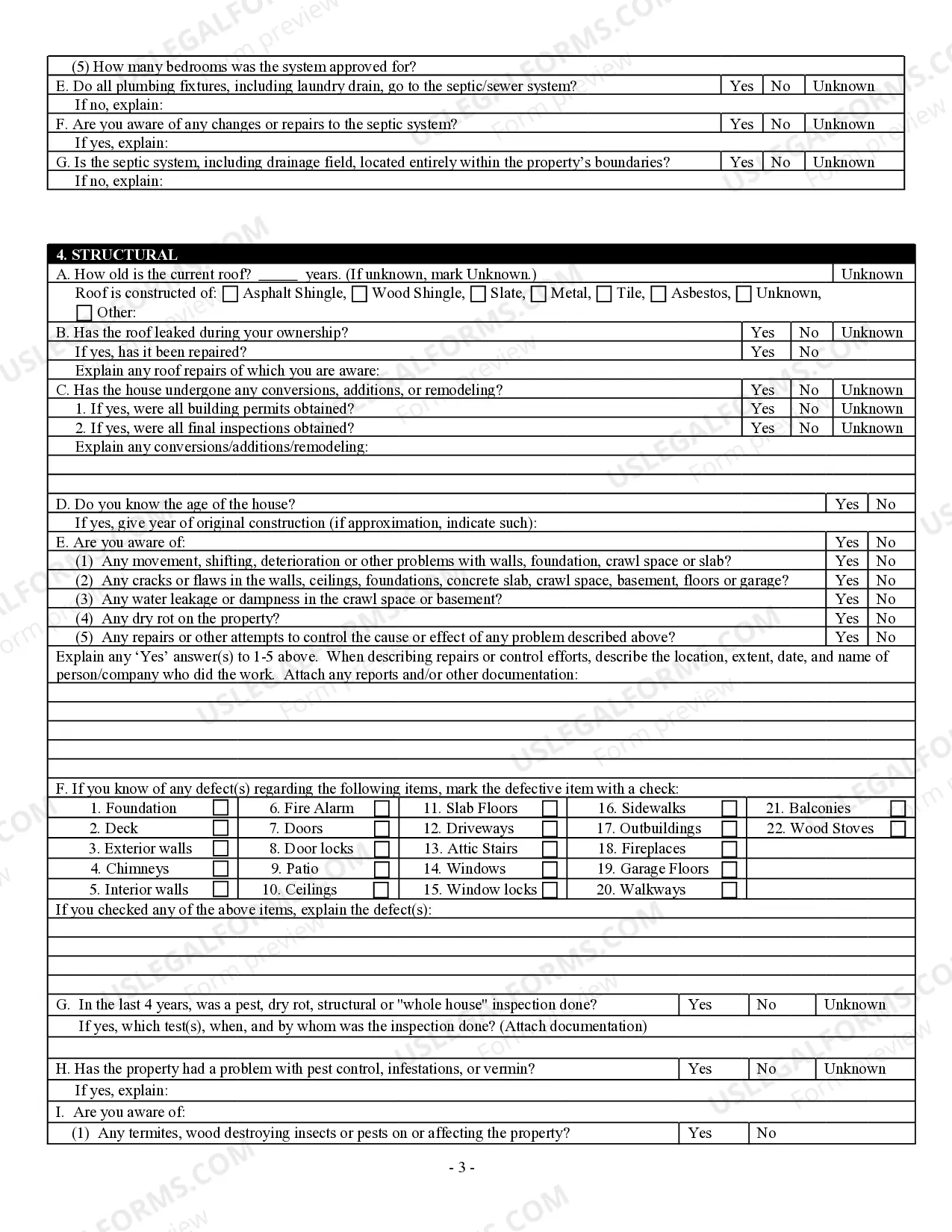
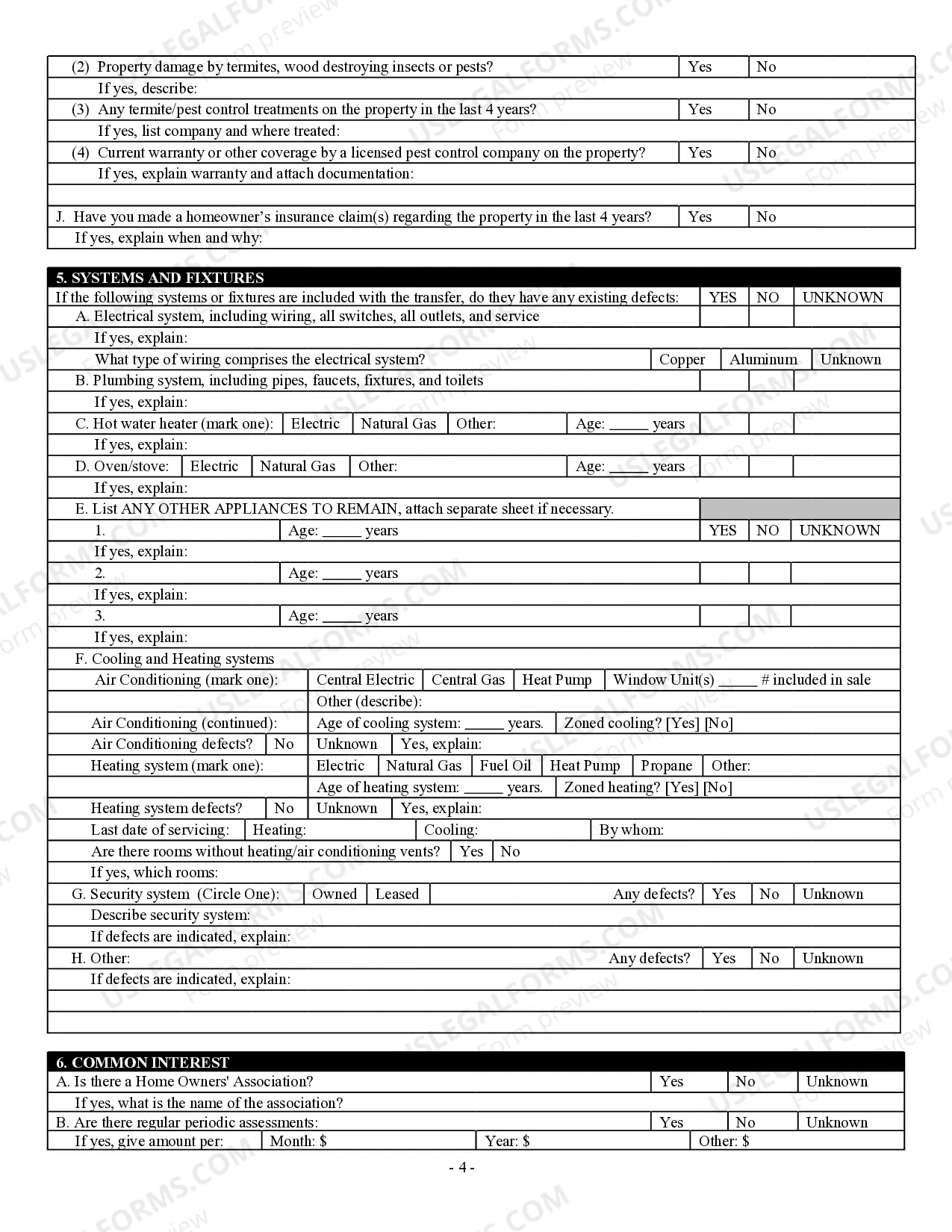
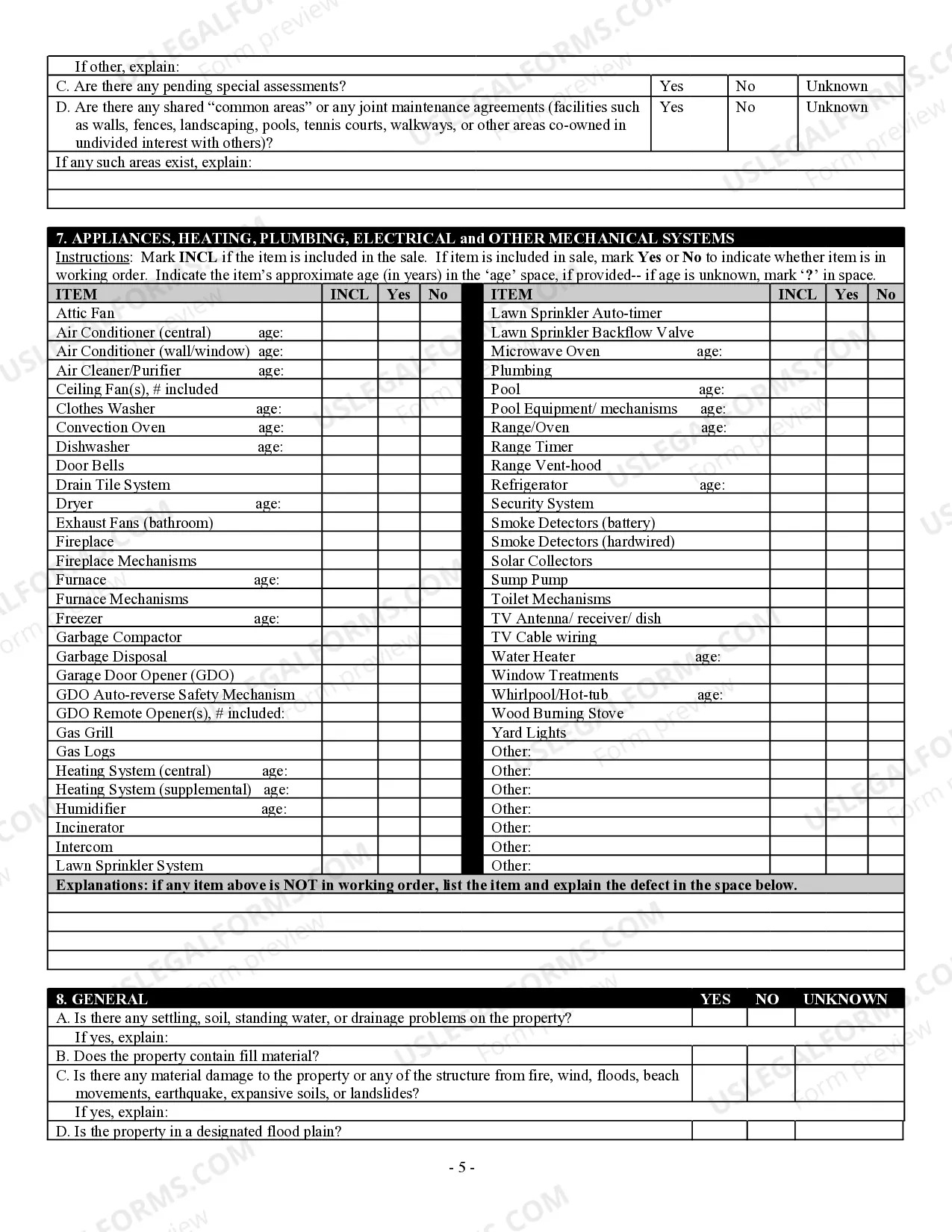
Sellers in Arkansas are required to disclose any material defects that affect the property's value or safety. This includes issues with the roof, basement, and other critical areas. Being aware of Arkansas real estate disclosure laws withdrawal protects you from future legal issues. Always provide full and honest disclosures to promote a positive real estate transaction.
When selling a house in Arkansas, you must disclose any known defects, issues with the structure, and other relevant information that could influence the buyer's decision. This includes problems with plumbing, electrical systems, or any environmental hazards. Understanding Arkansas real estate disclosure laws withdrawal can help you meet your responsibilities as a seller. Accurate disclosure is crucial for an effective sale.
No, Arkansas is not a non-disclosure state for real estate. In fact, sellers in Arkansas must disclose significant information about the property. Knowing the ins and outs of Arkansas real estate disclosure laws withdrawal can make a big difference during a transaction. Adhering to these laws benefits both parties involved.
Currently, there are 13 non-disclosure states in the U.S. These states do not require the disclosure of sale prices for real estate transactions. Familiarity with Arkansas real estate disclosure laws withdrawal is important, especially if you are considering moving from a non-disclosure state to one like Arkansas. Each state's requirements can affect your buying and selling experience.
In Arkansas, sellers are not required to disclose a death that occurred in the home, unless it was related to illegal activity. However, ethical considerations may encourage sellers to share this information. As with all aspects of real estate, understanding Arkansas real estate disclosure laws withdrawal is vital for managing expectations. Transparency is often appreciated by buyers.
Yes, Arkansas is a real estate disclosure state. Sellers are legally obligated to disclose known defects or issues with the property to potential buyers. Familiarizing yourself with Arkansas real estate disclosure laws withdrawal can help sellers avoid liability and give buyers peace of mind about their investment. Accurate disclosure fosters trust in the home buying process.
If sellers fail to disclose known issues with the property, they may face legal repercussions. Buyers can often sue for damages if undisclosed problems arise after the sale. It is crucial to adhere to Arkansas real estate disclosure laws withdrawal to ensure a smooth transaction. Disclosures protect both the seller and the buyer from unexpected surprises.
Yes, Texas is a non-disclosure state when it comes to real estate transactions. This means that property sales do not require sellers to disclose sale prices to the public. However, understanding how Arkansas real estate disclosure laws withdrawal works is essential for buyers and sellers alike. Always be aware of state-specific laws to avoid complications.