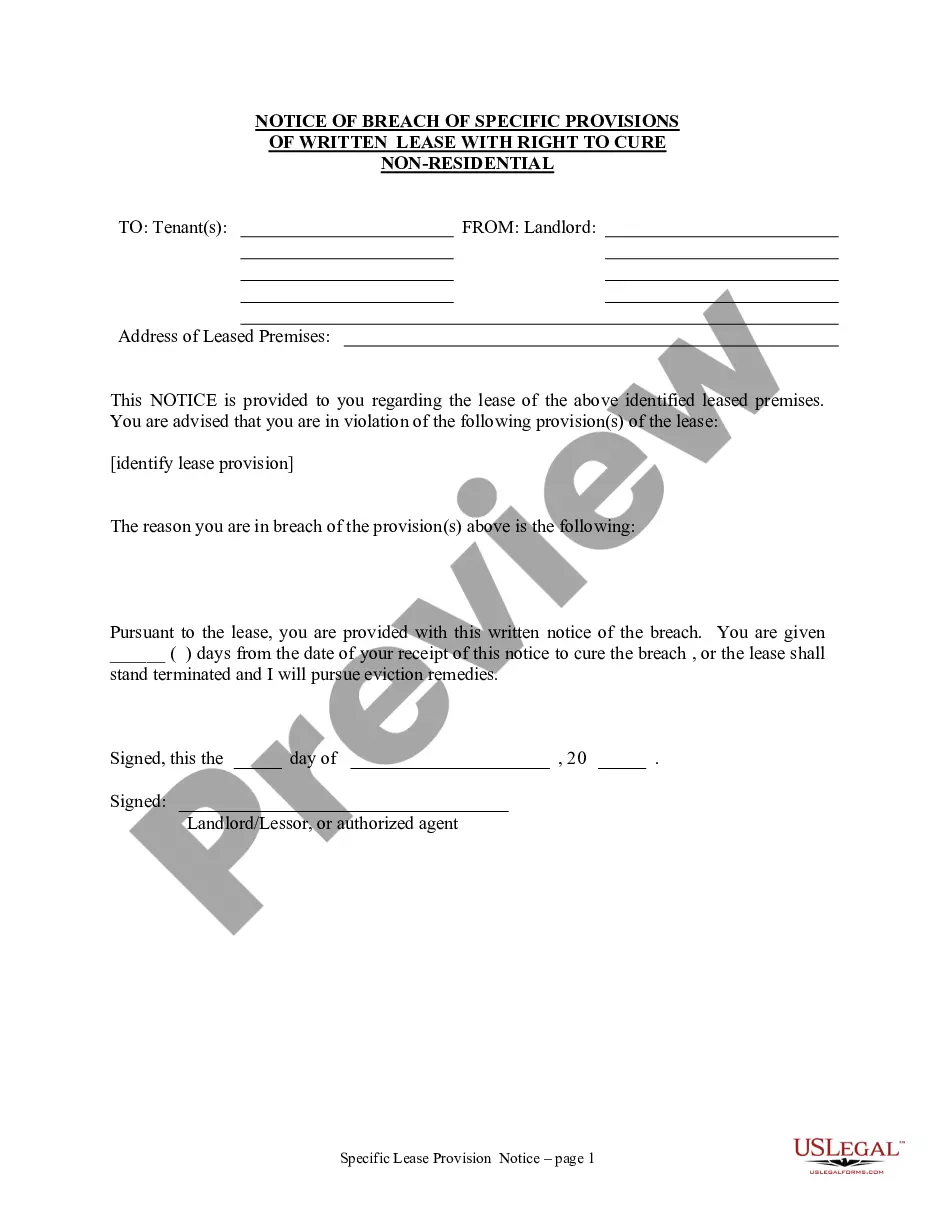
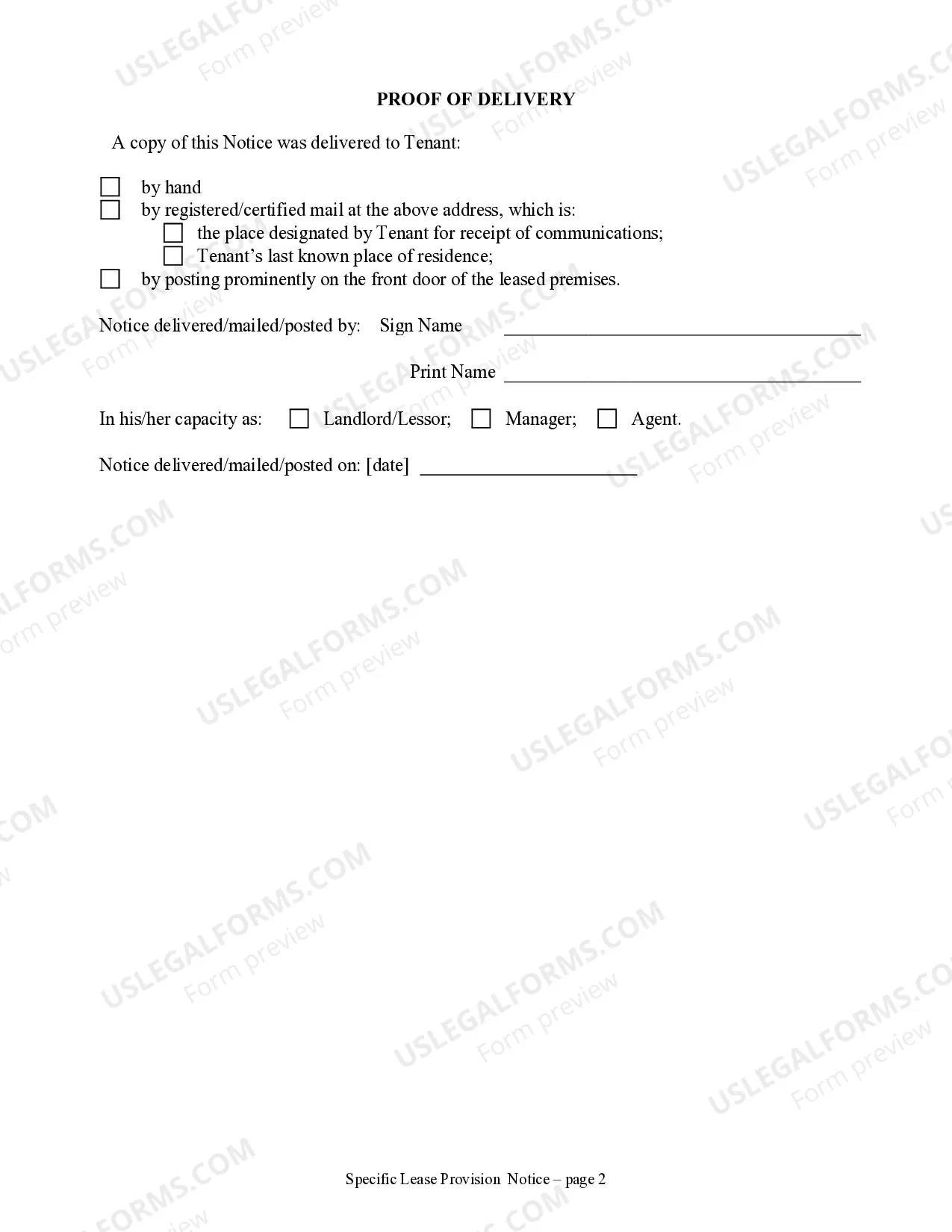
Breach Landlord Tenant Without Court Order
Description


Get your form ready online
Our built-in tools help you complete, sign, share, and store your documents in one place.
Make edits, fill in missing information, and update formatting in US Legal Forms—just like you would in MS Word.
Download a copy, print it, send it by email, or mail it via USPS—whatever works best for your next step.
Sign and collect signatures with our SignNow integration. Send to multiple recipients, set reminders, and more. Go Premium to unlock E-Sign.
If this form requires notarization, complete it online through a secure video call—no need to meet a notary in person or wait for an appointment.
We protect your documents and personal data by following strict security and privacy standards.

Make edits, fill in missing information, and update formatting in US Legal Forms—just like you would in MS Word.

Download a copy, print it, send it by email, or mail it via USPS—whatever works best for your next step.

Sign and collect signatures with our SignNow integration. Send to multiple recipients, set reminders, and more. Go Premium to unlock E-Sign.

If this form requires notarization, complete it online through a secure video call—no need to meet a notary in person or wait for an appointment.

We protect your documents and personal data by following strict security and privacy standards.
Looking for another form?
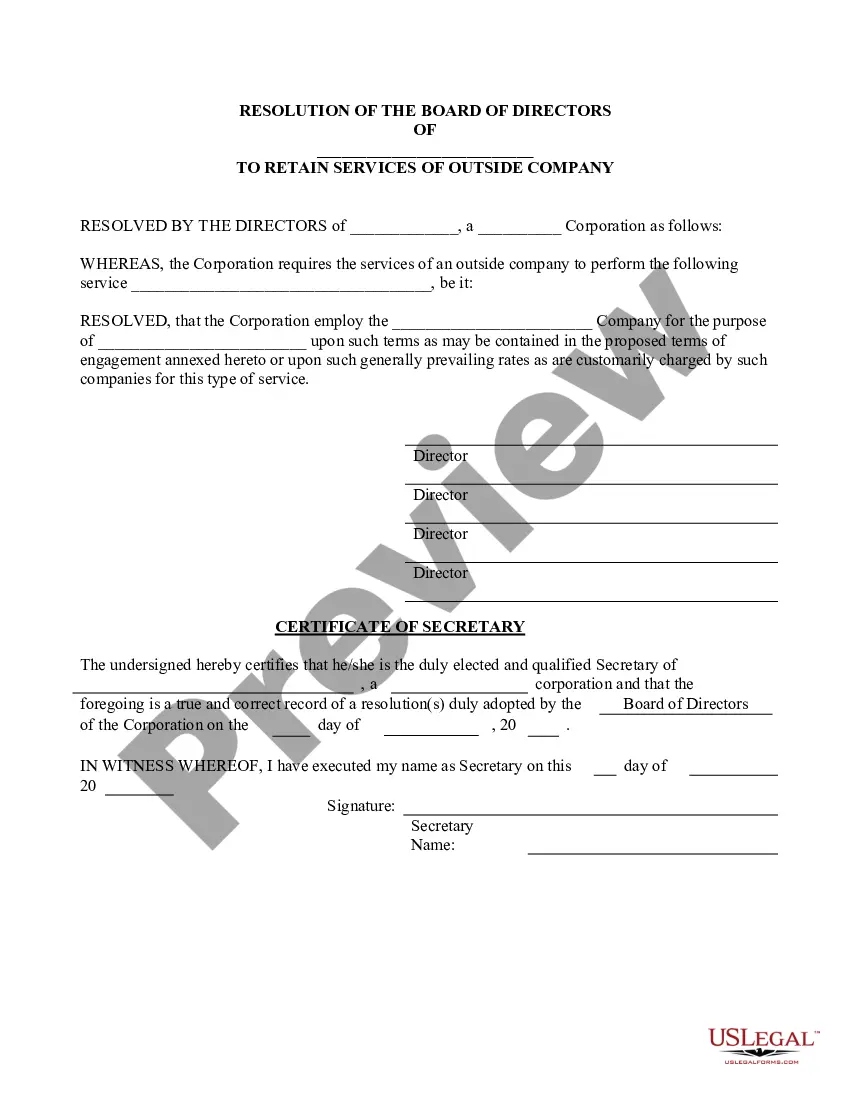
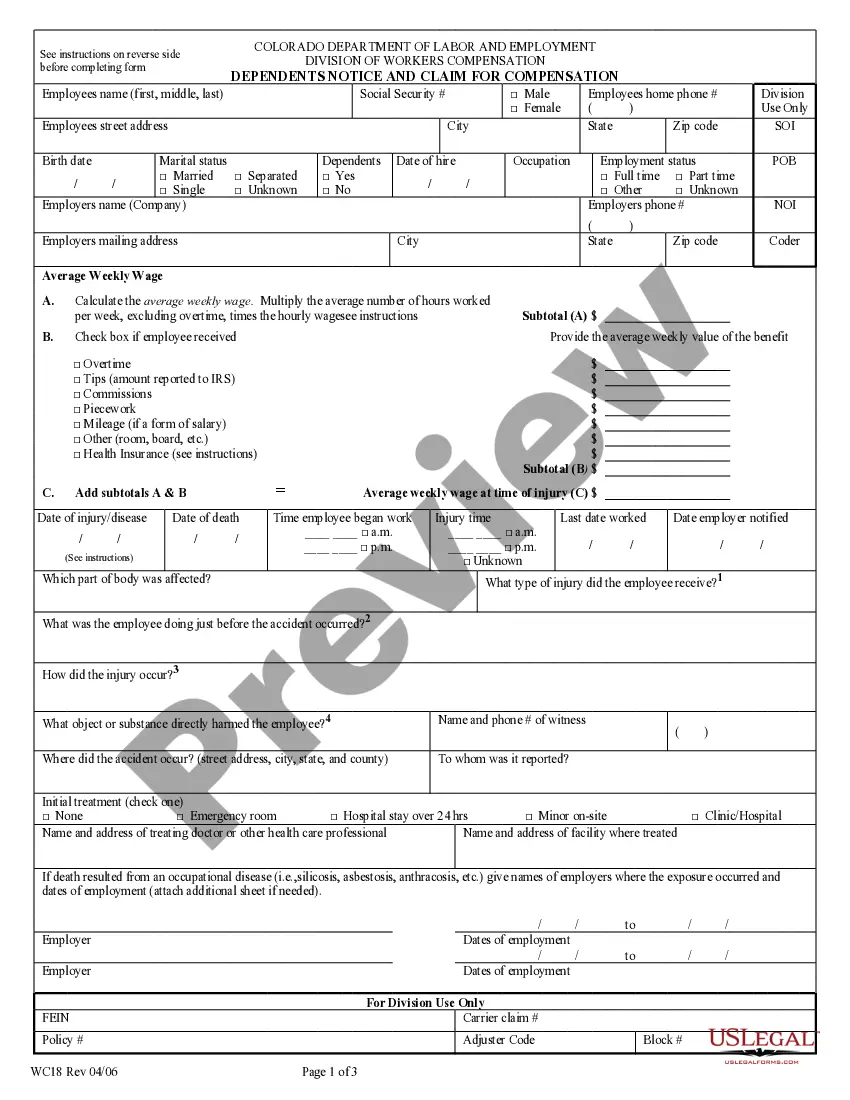


How to fill out Arkansas Notice Of Breach Of Written Lease For Violating Specific Provisions Of Lease With Right To Cure For Nonresidential Property From Landlord To Tenant?
Individuals often connect legal documentation with complexity that solely an expert can handle. In some respects, this is valid, as creating a Breach Landlord Tenant Without Court Order necessitates considerable proficiency in relevant criteria, including state and local laws.
However, with US Legal Forms, matters have become more straightforward: ready-to-use legal templates for every personal and business circumstance specific to state regulations are compiled in a unified online library and are now accessible to all.
US Legal Forms offers over 85,000 current forms categorized by state and application field, making the search for Breach Landlord Tenant Without Court Order or any other specific template a matter of minutes.
All templates in our library are reusable: once acquired, they are stored in your profile. You can access them whenever required through the My documents tab. Explore all the benefits of using the US Legal Forms platform. Subscribe today!
- Examine the page content thoroughly to ensure it meets your requirements.
- Review the form description or check it using the Preview option.
- If the initial one doesn't fit, find another sample using the Search bar above.
- Click Buy Now once you identify the correct Breach Landlord Tenant Without Court Order.
- Select a pricing plan that aligns with your needs and finances.
- Create an account or Log In to continue to the payment page.
- Pay for your subscription via PayPal or with your credit card.
- Select the format for your sample and click Download.
- Print your document or upload it to an online editor for quicker completion.
Form popularity
FAQ
Pennsylvania Supreme Court OrderThe PA Supreme Court extended the eviction moratorium from April 30, 2020 to . The Order closes most courts and prohibits any eviction, ejectment, or other displacement of PA residents for failure to make payments or pay property taxes through .
To evict the tenant without going to court, you must give 'reasonable notice', either verbally or in writing. This is usually the regular period of rent payments; for example, if they pay rent monthly, the notice can be a month.
Evicting a tenant in Pennsylvania can take around one to two months, depending on the reason for the eviction. If tenants file an appeal, the process can take longer (read more). Introduction. Pennsylvania evictions are governed by the Landlord Tenant Act of 1951.
1, 2022. Landlords are only able to evict tenants after going before a judge and the judge finding in favor of the landlord. Once the judge issues a judgment allowing for eviction of a tenant, the landlord must wait at least 10 days to file a Request for Order of Possession of the property.
If you're an occupier with basic protection, your landlord must get a court order before you can be evicted. They don't need to give you or the court a reason.