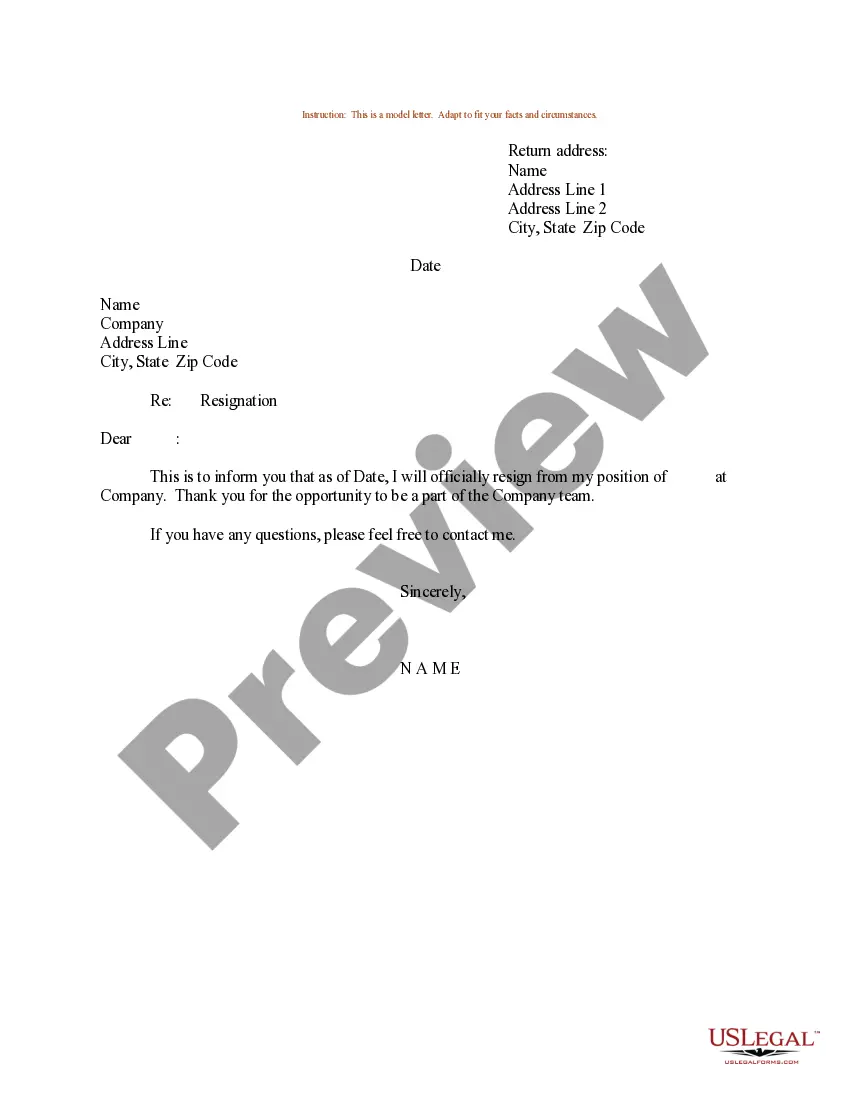
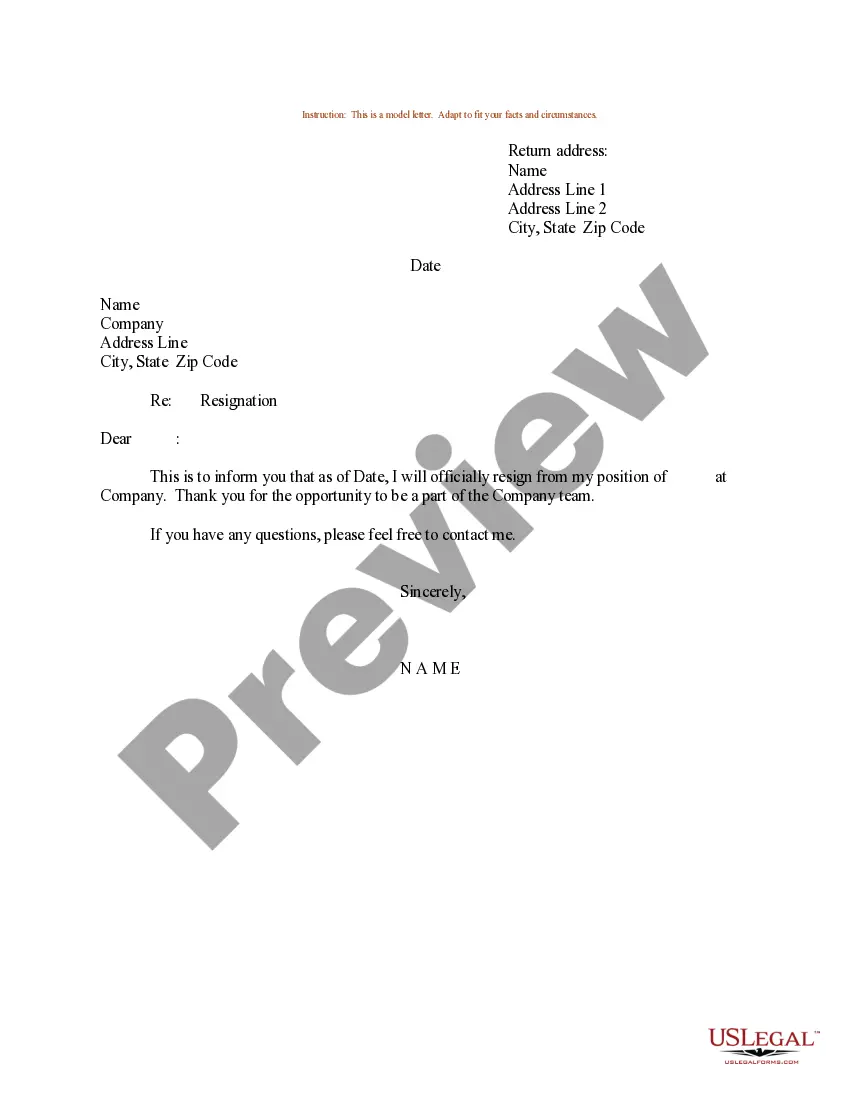
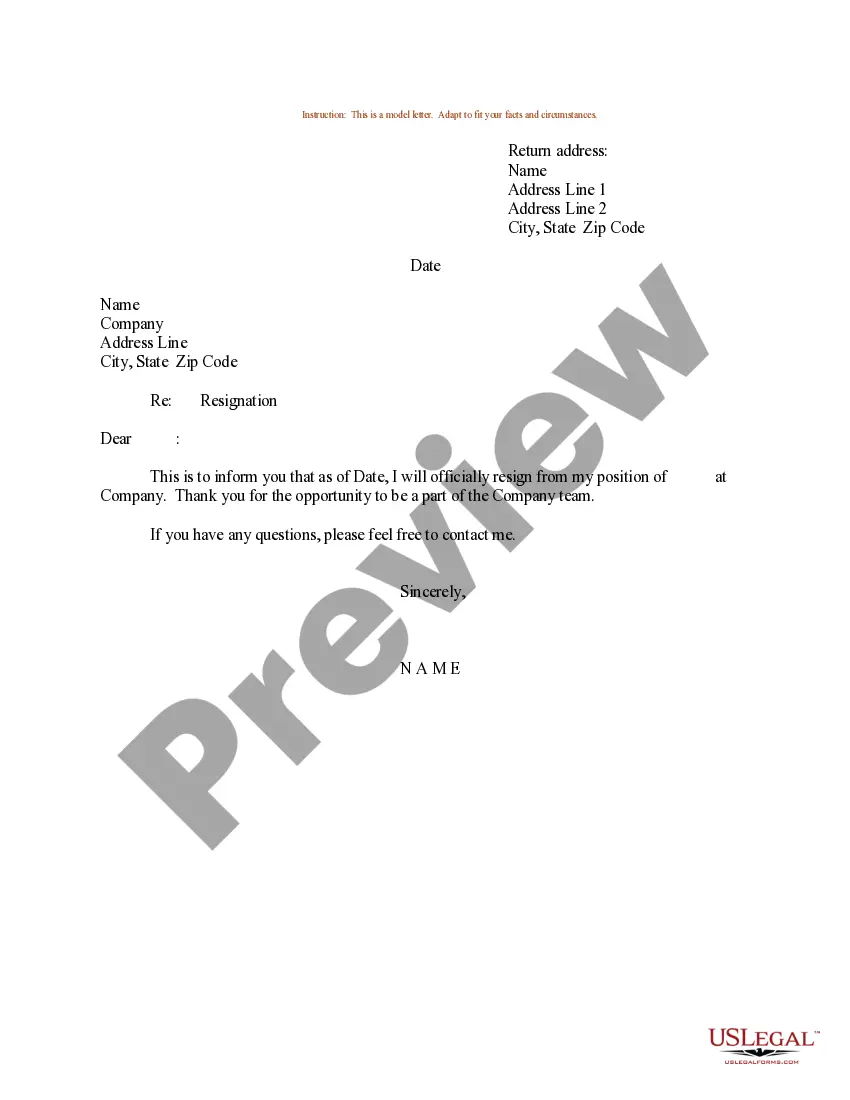
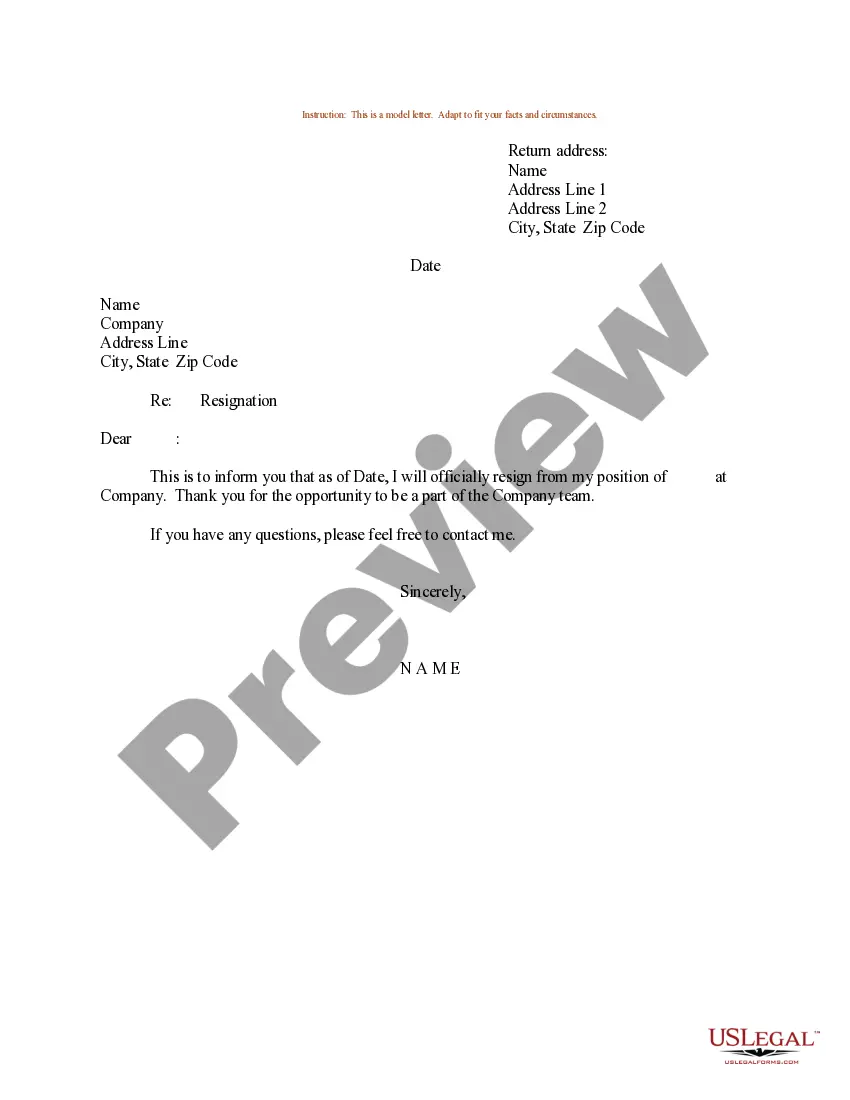
Florida Warning of Default on Commercial Lease
Overview of this form
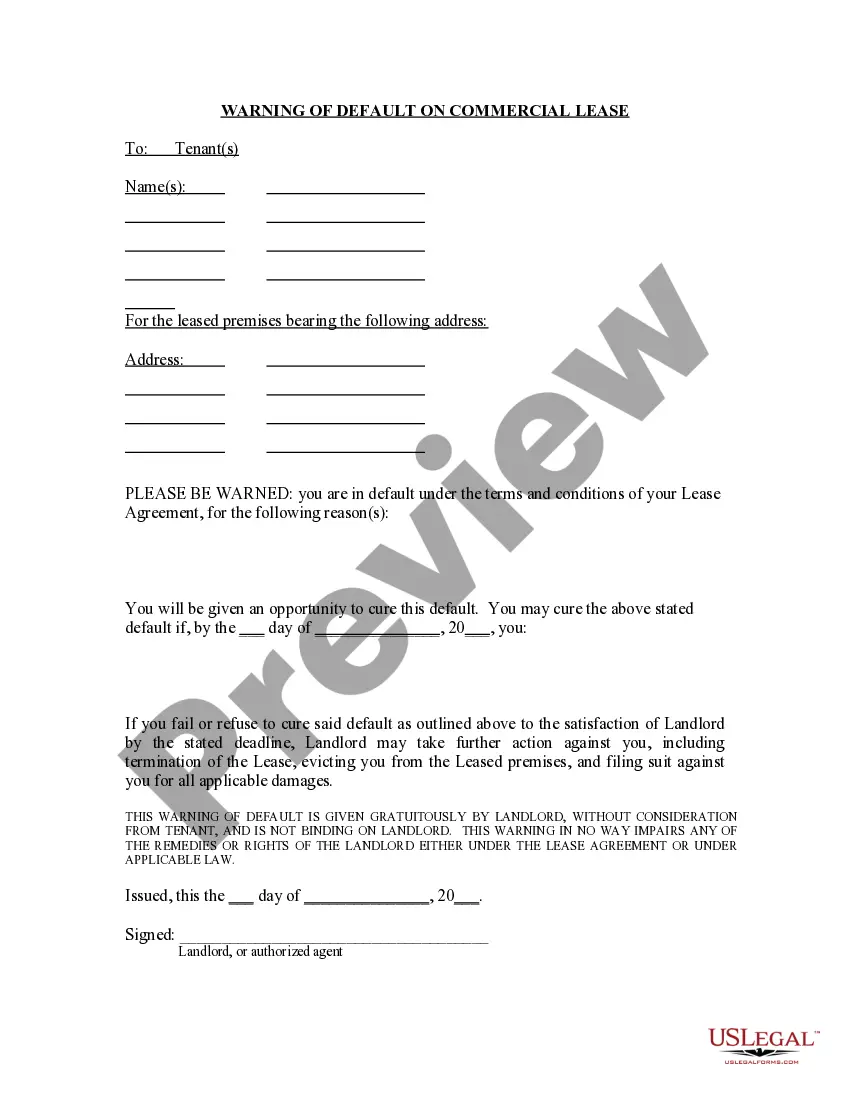
This Warning of Default on Commercial Lease is a crucial letter from a landlord to a tenant, serving as notice that the tenant may be in breach of their lease agreement. Its primary purpose is to formally alert tenants to any concerning issues regarding payments or other lease obligations. Unlike other legal forms, this warning emphasizes the landlord's concerns before proceeding with potential eviction or invoking security deposits, ensuring transparency in landlord-tenant relationships.
Main sections of this form
- Warning statement: A clear declaration indicating that the tenant is in default.
- Landlordâs signature: Signature of the landlord or an authorized agent to validate the warning.
- Date of issuance: The specific date when the warning is issued, which is essential for legal timelines.
- Concerns specified: Clear articulation of the issues leading to the default warning.
- Non-binding clause: A statement clarifying that this warning does not limit the landlord's legal rights.

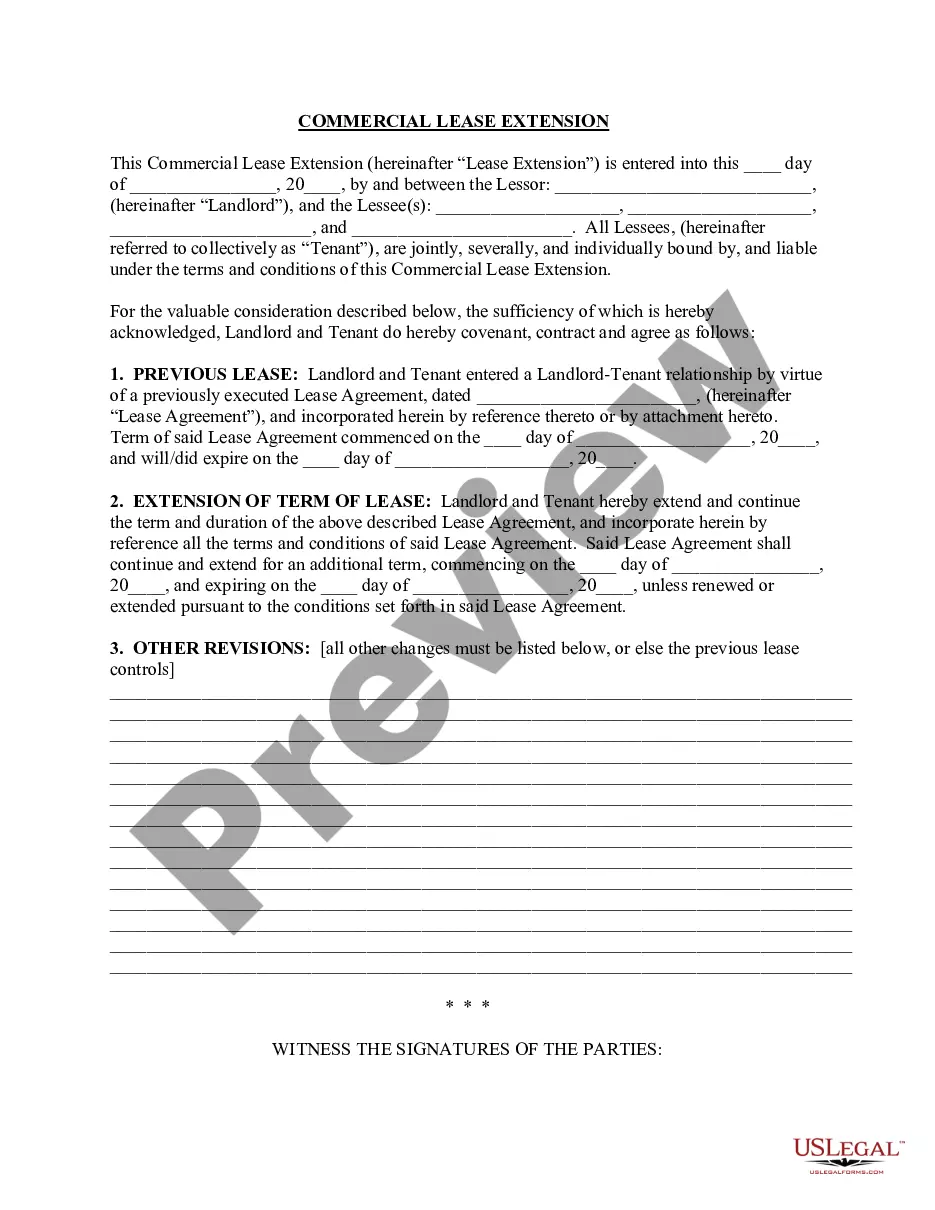
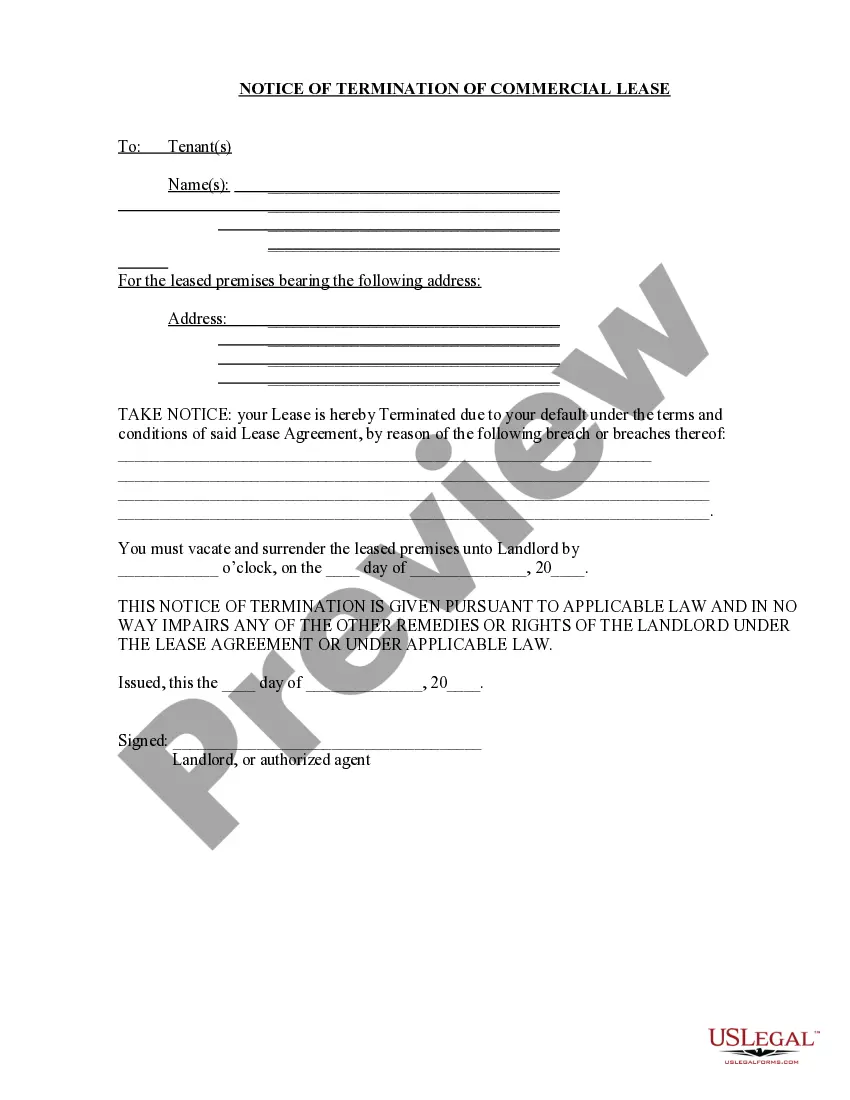
When this form is needed
This form should be used when a landlord has reason to believe that a tenant has breached the lease agreement, typically through late or missed rent payments. It acts as an initial step toward resolving the issue by providing a formal notice that prompts the tenant to remedy the default. Landlords often issue this warning before embarking on more severe actions, such as issuing an eviction notice.
Intended users of this form
Identifying the audience for this form:
- Landlords wishing to formally notify tenants of payment issues.
- Property managers acting on behalf of landlords.
- Investors that own rental properties and need to manage tenant relationships effectively.
How to prepare this document
Steps to complete the Warning of Default on Commercial Lease:
- Identify the parties: Fill in the names of the landlord and tenant involved.
- Specify the default: Clearly indicate the reasons for the warning regarding the breach of the lease agreement.
- Enter the dates: Fill in the date of issuance at the top of the form.
- Obtain signature: The landlord or authorized agent must sign the form to make it official.
- Deliver the notice: Provide this warning to the tenant via a method that confirms delivery.
Is notarization required?
This form does not typically require notarization unless specified by local law. Ensure you check your jurisdiction's guidelines to confirm any additional requirements for the notice.
Get your form ready online
Our built-in tools help you complete, sign, share, and store your documents in one place.
Make edits, fill in missing information, and update formatting in US Legal Forms—just like you would in MS Word.
Download a copy, print it, send it by email, or mail it via USPS—whatever works best for your next step.
Sign and collect signatures with our SignNow integration. Send to multiple recipients, set reminders, and more. Go Premium to unlock E-Sign.
If this form requires notarization, complete it online through a secure video call—no need to meet a notary in person or wait for an appointment.
We protect your documents and personal data by following strict security and privacy standards.

Make edits, fill in missing information, and update formatting in US Legal Forms—just like you would in MS Word.

Download a copy, print it, send it by email, or mail it via USPS—whatever works best for your next step.

Sign and collect signatures with our SignNow integration. Send to multiple recipients, set reminders, and more. Go Premium to unlock E-Sign.

If this form requires notarization, complete it online through a secure video call—no need to meet a notary in person or wait for an appointment.

We protect your documents and personal data by following strict security and privacy standards.
Typical mistakes to avoid
Common mistakes:
- Failing to specify the reason for the default clearly.
- Not providing the correct date on the notice.
- Omitting the landlord's signature, which can invalidate the form.
- Not delivering the notice according to state-specific regulations.
Benefits of using this form online
Benefits of using this form online:
- Convenience: Access and fill out the form from anywhere with an internet connection.
- Editability: Easily make adjustments to fit your specific situation.
- Reliability: Templates are drafted by licensed attorneys, ensuring legal compliance and clarity.
Looking for another form?


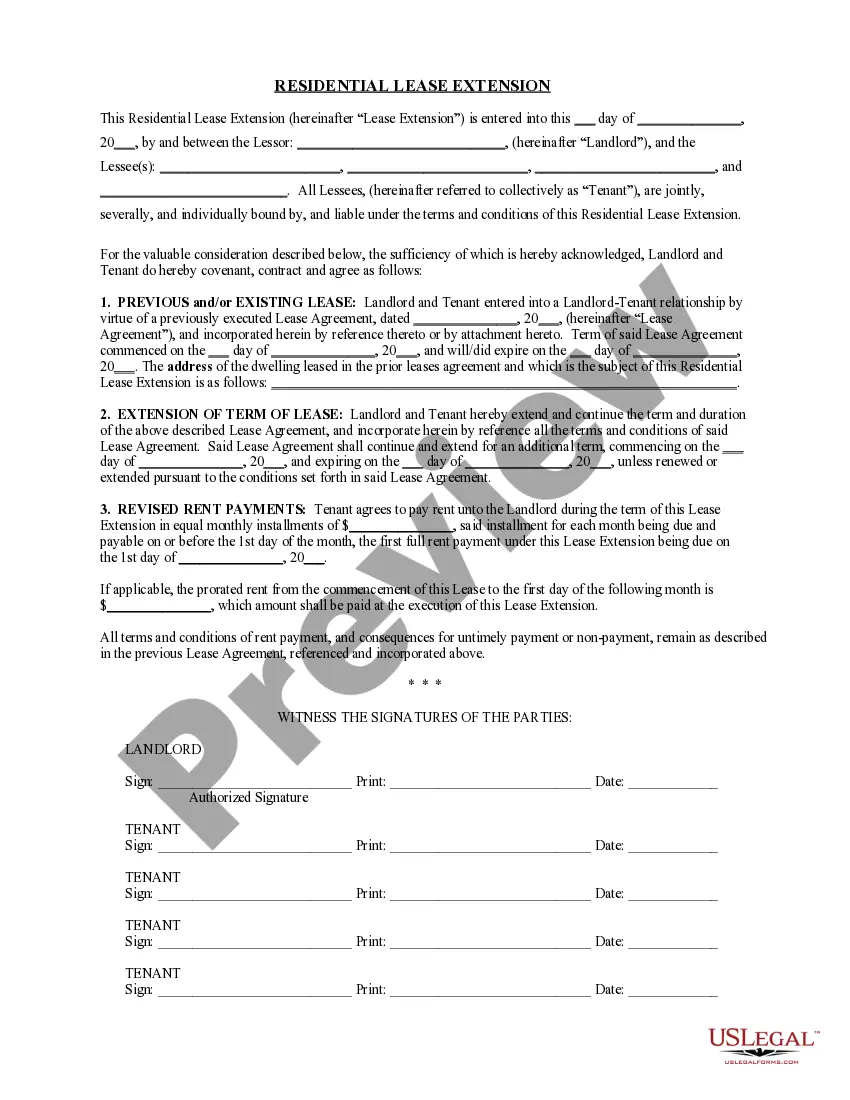

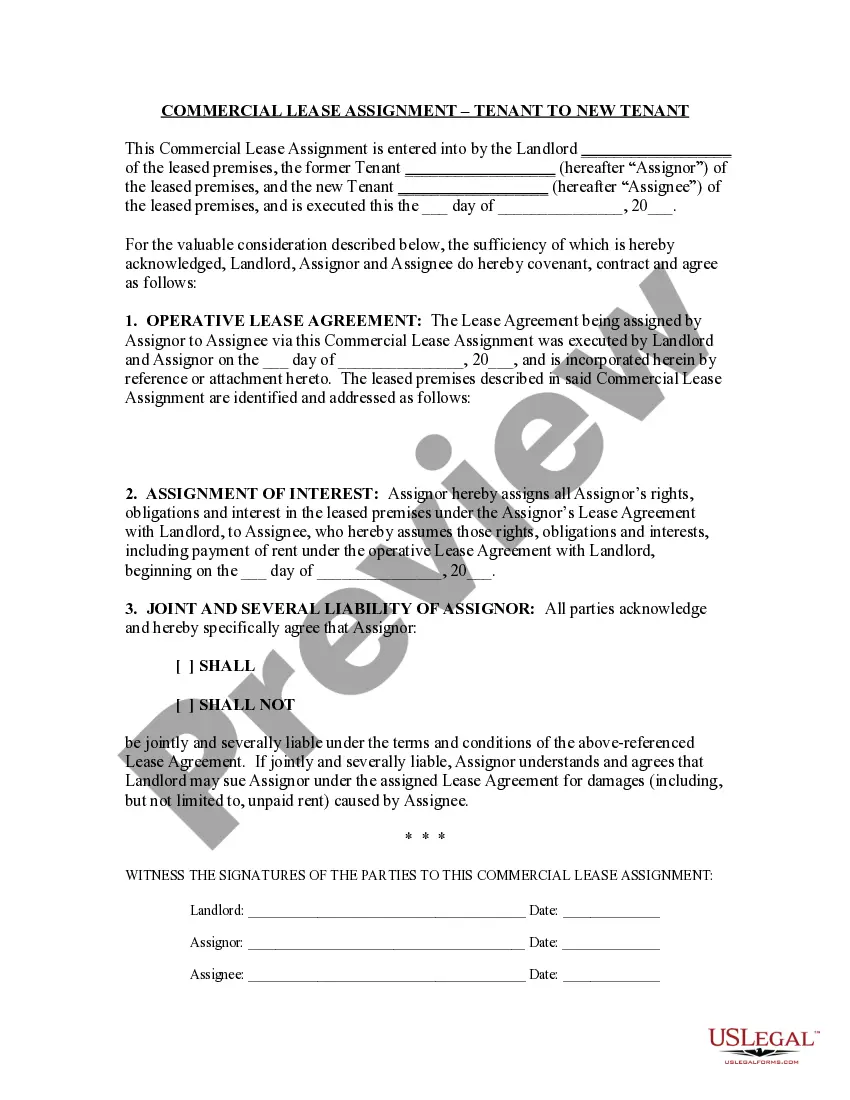


Form popularity
FAQ
To evict a commercial tenant in Florida, first serve them with a Florida Warning of Default on Commercial Lease if they have violated the lease terms. This notice allows them to address the issue within a specified time frame. If the tenant fails to comply, you can file for eviction in the local court. Utilizing platforms like USLegalForms can streamline this process, providing the necessary legal documentation to assist you.
A commercial landlord cannot lock you out without following the law in Florida. The proper legal channels require that landlords issue a Florida Warning of Default on Commercial Lease before commencing eviction proceedings. Direct lockouts can lead to lawsuits and penalties for the landlord. Always communicate openly with your landlord to find a resolution without resorting to such measures.
No, a commercial landlord cannot simply lock you out in Florida without going through the legal process. Taking such action could be considered illegal eviction. If a landlord issues a Florida Warning of Default on Commercial Lease, they must follow the proper legal steps to address lease violations instead of resorting to lockouts. It is essential to adhere to the law to avoid potential legal repercussions.
In Florida, landlords have a clear path to evict a commercial tenant involved in illegal activities. Your first step typically involves providing a Florida Warning of Default on Commercial Lease. This document notifies the tenant of the violation, allowing them a chance to remedy the situation. If the illegal activity persists, you can proceed with the eviction process by filing in court.
A notice of default is a formal notification sent to a commercial tenant indicating that they are in breach of their lease agreement. This document outlines the specifics of the default and often serves as a precursor to a Florida Warning of Default on Commercial Lease. Receiving this notice prompts tenants to correct the issue or face potential eviction. Utilizing platforms like US Legal Forms can provide you with templates and guidance to navigate this process effectively.
A landlord generally cannot lock out a commercial tenant without following legal procedures defined under Florida law. Such actions may violate tenant rights, especially in the face of a Florida Warning of Default on Commercial Lease. It is critical for landlords to pursue proper legal channels for eviction instead of self-help methods. Tenants facing this situation should consult legal experts to explore their options and protect their rights.
A landlord default clause outlines what constitutes a breach of contract by the landlord in a commercial lease agreement. This clause often includes failures to maintain the property, authorize necessary repairs, or provide essential services. When a landlord’s actions lead to a Florida Warning of Default on Commercial Lease, tenants may exercise specific rights, such as withholding rent or pursuing legal remedies. Familiarizing yourself with this clause helps in managing expectations and responsibilities.
In the context of a Florida Warning of Default on Commercial Lease, both landlords and tenants have specific remedies available. Landlords can terminate the lease, recover unpaid rent, or pursue damages for breach of contract. Tenants may seek to remedy the default by curing any outstanding issues or negotiating settlements to avoid eviction. Understanding these remedies is crucial for both parties to protect their interests.
Defaulting on a lease occurs when a tenant fails to comply with the terms of their agreement with the landlord. Common reasons for default include missing rent payments, neglecting property maintenance, or violating lease terms. If you receive a Florida Warning of Default on Commercial Lease, it signifies that you have not met these obligations. Addressing these issues promptly can help you avoid further legal complications.
The default clause in a commercial lease specifies the conditions that qualify as a default, such as late payments or failure to maintain the property. This clause clarifies the landlord's options should a default occur. It is crucial for both landlords and tenants to understand this clause, as it can lead to a Florida Warning of Default on Commercial Lease if violated.