Proprietary Technology - Horizontal Well - Restriction on Disclosure
About this form
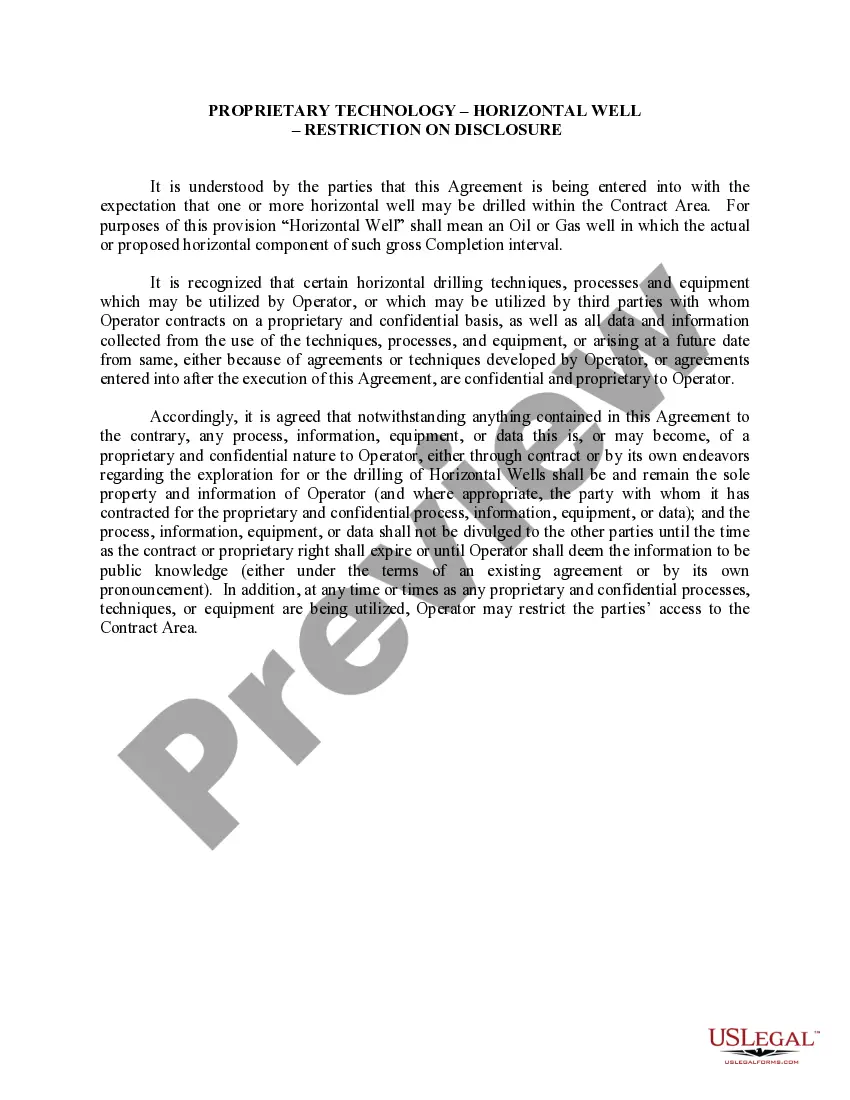
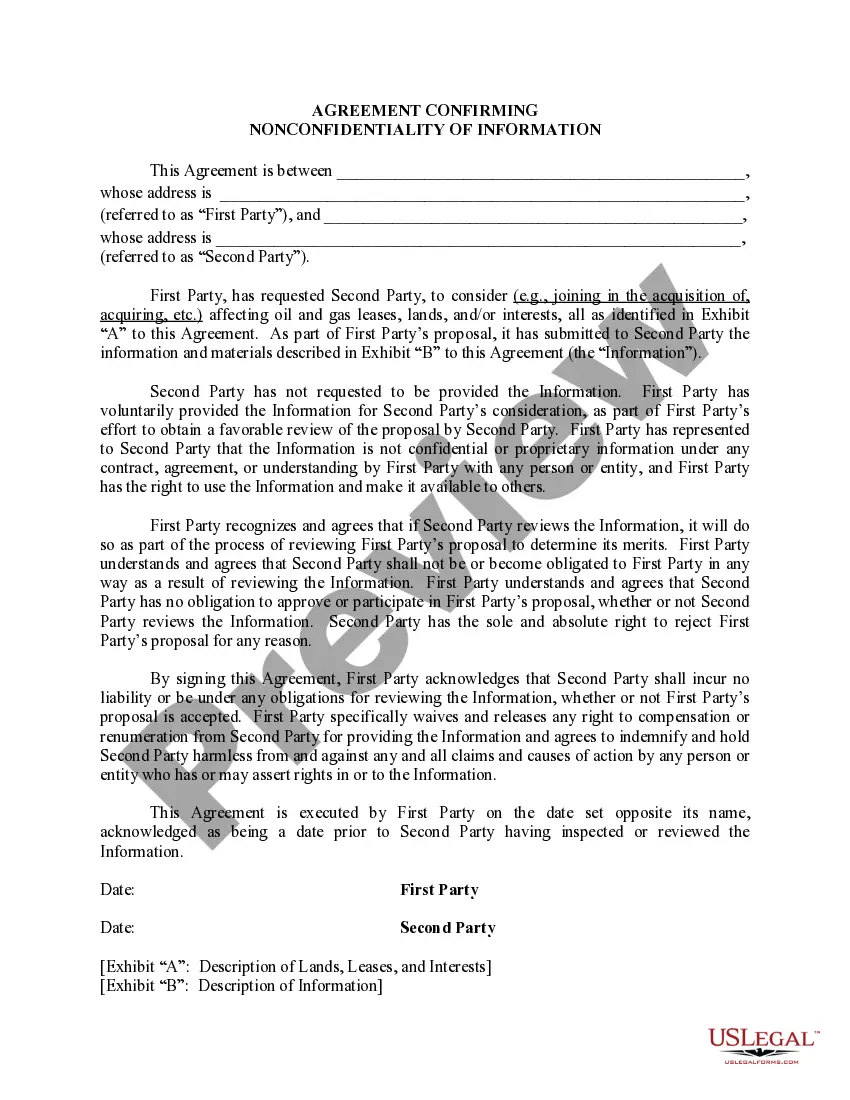
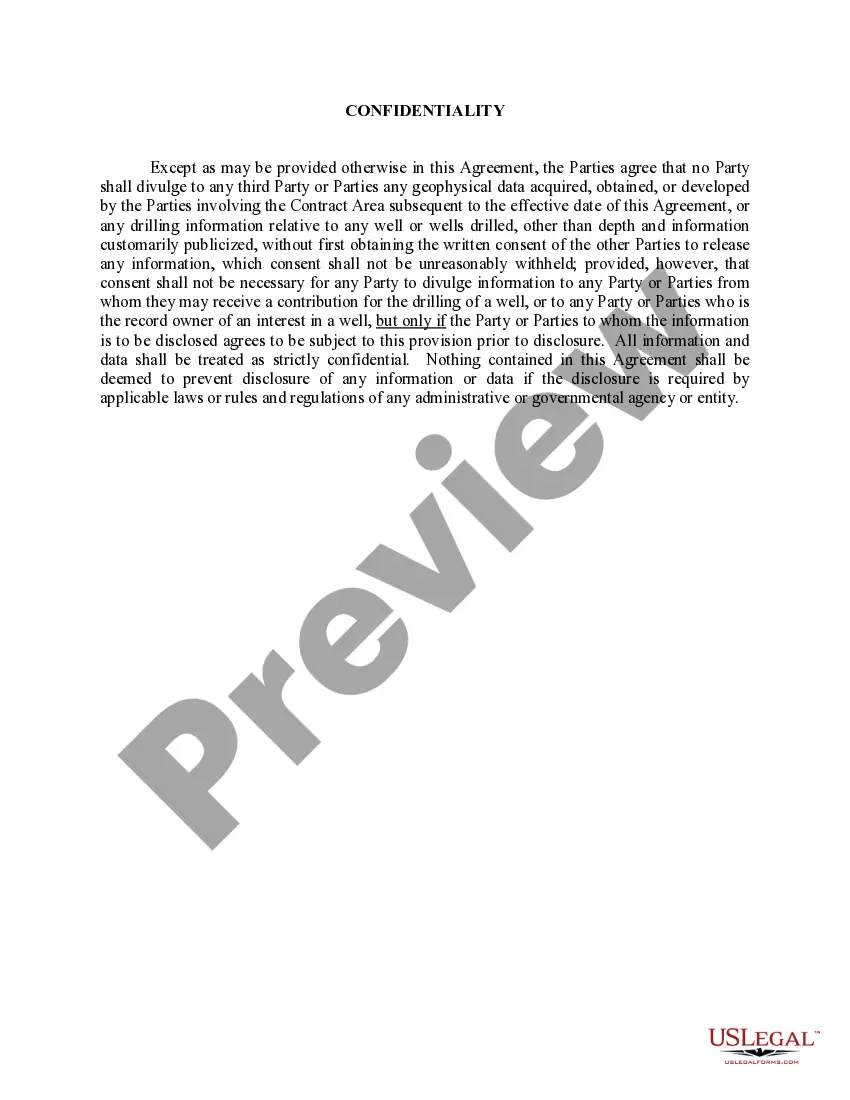
The Proprietary Technology - Horizontal Well - Restriction on Disclosure form is designed to protect proprietary information related to horizontal well drilling in a specified contract area. This document establishes that details about the horizontal wells are the sole property of the operator, differentiating it from general non-disclosure agreements by focusing specifically on the context of horizontal drilling operations.
What’s included in this form
- Identification of the Operator and the Contract Area.
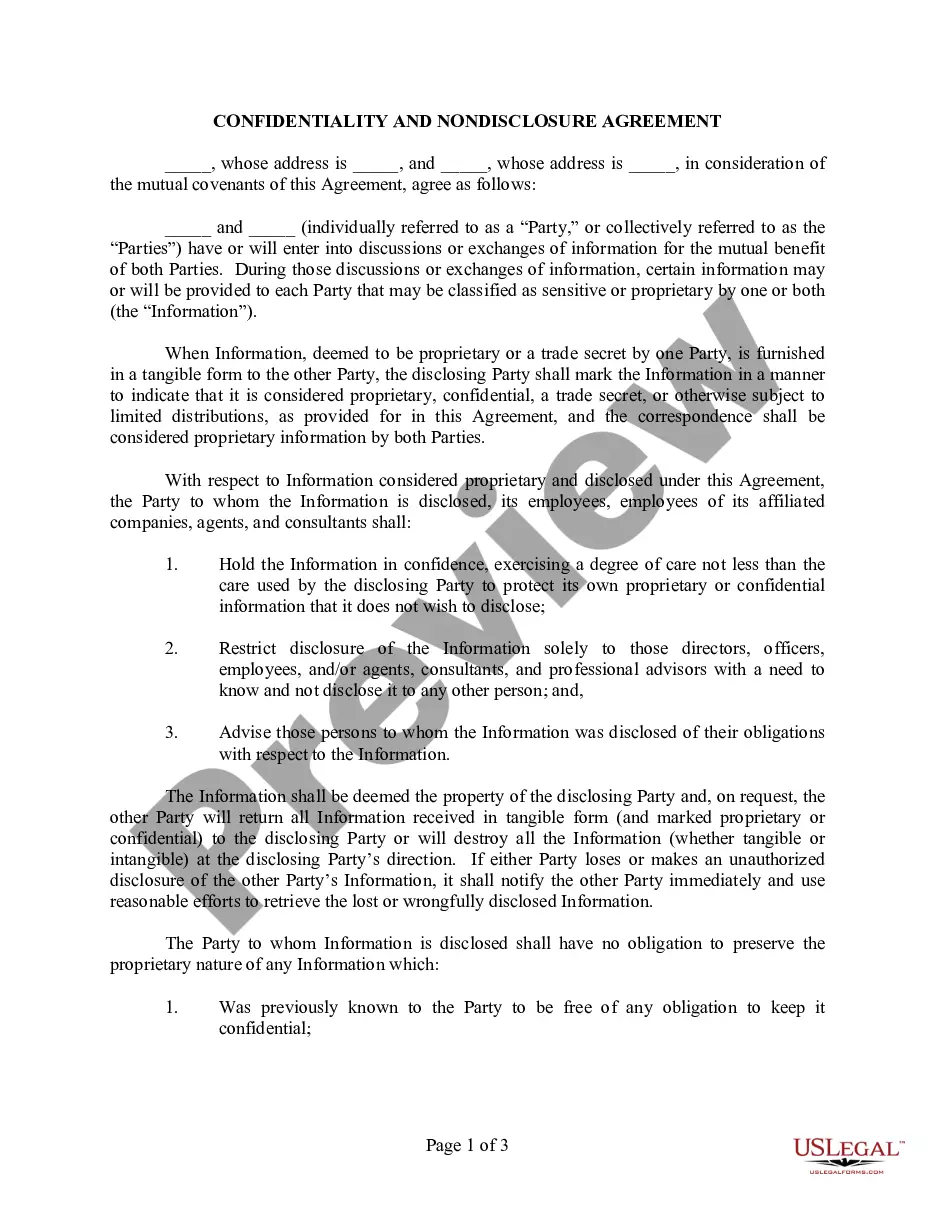
- Definition of what constitutes proprietary information.
- Clarification of restrictions on the disclosure of sensitive information.
- Terms related to the ownership of data associated with horizontal wells.
- Duration of the restriction on disclosure.
When to use this document
This form should be used when entering into an agreement where horizontal wells are involved, particularly when proprietary technology or sensitive operational data needs to be safeguarded. It is essential when the operator intends to keep certain information confidential and ensure that all parties understand the limitations on sharing that information.
Who should use this form
- Operators of horizontal wells needing to protect proprietary information.
- Companies involved in agreements related to oil and gas exploration and production.
- Legal professionals drafting agreements for energy sector clients.
- Parties entering into contracts where horizontal drilling technology is involved.
Instructions for completing this form
- Identify the parties involved, including the operator and any other relevant stakeholders.
- Clearly specify the Contract Area where the horizontal wells will be drilled.
- Define what constitutes proprietary information in the context of the agreement.
- Specify the terms and duration of the restriction on disclosure.
- Include dates, signatures, and any additional necessary information for the agreement to be valid.
Notarization guidance
Notarization is generally not required for this form. However, certain states or situations might demand it. You can complete notarization online through US Legal Forms, powered by Notarize, using a verified video call available anytime.
Get your form ready online
Our built-in tools help you complete, sign, share, and store your documents in one place.
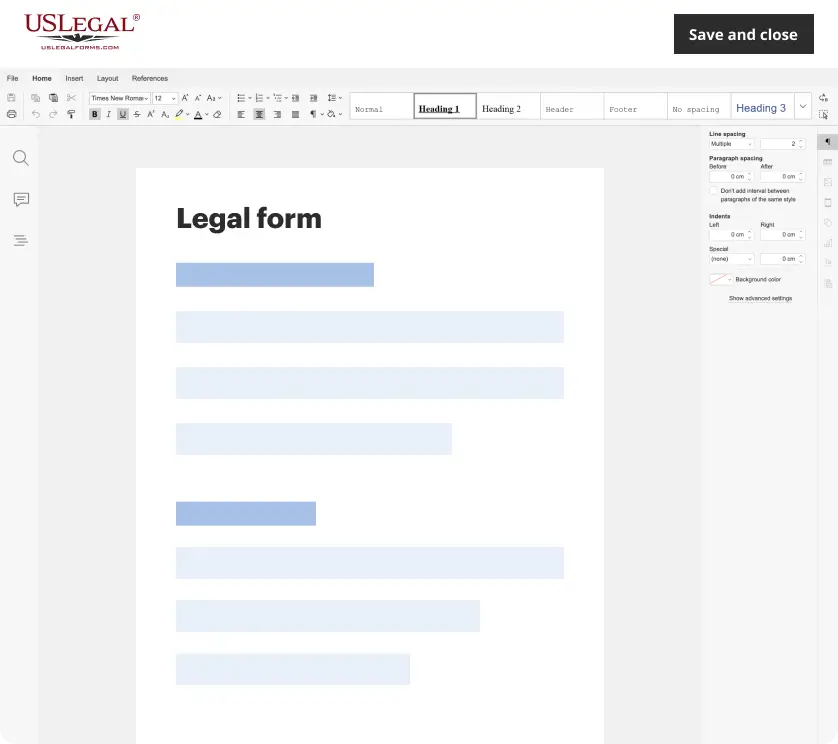
Make edits, fill in missing information, and update formatting in US Legal Forms—just like you would in MS Word.
Download a copy, print it, send it by email, or mail it via USPS—whatever works best for your next step.
Sign and collect signatures with our SignNow integration. Send to multiple recipients, set reminders, and more. Go Premium to unlock E-Sign.
If this form requires notarization, complete it online through a secure video call—no need to meet a notary in person or wait for an appointment.
We protect your documents and personal data by following strict security and privacy standards.
Make edits, fill in missing information, and update formatting in US Legal Forms—just like you would in MS Word.
Download a copy, print it, send it by email, or mail it via USPS—whatever works best for your next step.
Sign and collect signatures with our SignNow integration. Send to multiple recipients, set reminders, and more. Go Premium to unlock E-Sign.

If this form requires notarization, complete it online through a secure video call—no need to meet a notary in person or wait for an appointment.
We protect your documents and personal data by following strict security and privacy standards.
Typical mistakes to avoid
- Failing to clearly define the proprietary information.
- Neglecting to specify the geographical scope of the Contract Area.
- Not including all relevant parties in the agreement.
- Inadequate detailing of the duration for the restriction on disclosure.
Benefits of using this form online
- Convenient download and immediate access to the form.
- Editability allows you to customize the document to fit your specific needs.
- Reliability of templates created by licensed attorneys ensures legal validity.
Legal use & context
- This form establishes legal rights and obligations regarding proprietary information.
- It may serve as an enforceable contract in the event of disclosure breaches.
- Understand that the effectiveness of this form depends on accurately capturing all necessary details within the agreement.
Quick recap
- The form protects proprietary technology associated with horizontal wells.
- It specifies ownership and restrictions on the disclosure of information.
- Ideal for operators and companies involved in drilling agreements.
- Review local laws to ensure compliance with state-specific requirements.
Looking for another form?


Form popularity
FAQ
Proprietary information, also known as a trade secret, is information a company wishes to keep confidential. Proprietary information can include secret formulas, processes, and methods used in production.
Proprietary information, also known as a trade secret, is information a company wishes to keep confidential. Proprietary information can include secret formulas, processes, and methods used in production.
As adjectives the difference between confidential and proprietary. is that confidential is (meant to be) kept secret within a certain circle of persons; not intended to be known publicly while proprietary is of or relating to property or ownership, as proprietary rights .
Proprietary Information In fact, a company may view as proprietary virtually everything it does or creates, even if some of it is not protectable as a form of intellectual property.
Confidential and Proprietary Information means all information, not generally known to the public, that relates to the business, technology, manner of operation, subscribers, customers, finances, employees, plans, proposals or practices of the Company or of any third parties doing business with the Company, and
As adjectives the difference between confidential and proprietary. is that confidential is (meant to be) kept secret within a certain circle of persons; not intended to be known publicly while proprietary is of or relating to property or ownership, as proprietary rights .
Proprietary information is confidential information that a company owns and safeguards to protect itself. When any of an organization's intellectual property is recorded on paper, it becomes a proprietary document.
If you own something, especially something of value, then you have proprietary rights. The word is most often used in relation to new inventions or patents. Proprietary refers to property: things that are owned by individuals or businesses.A proprietary claim is usually protected by trademark or copyright.
Proprietary information, also known as a trade secret, is information a company wishes to keep confidential. Proprietary information can include secret formulas, processes, and methods used in production.