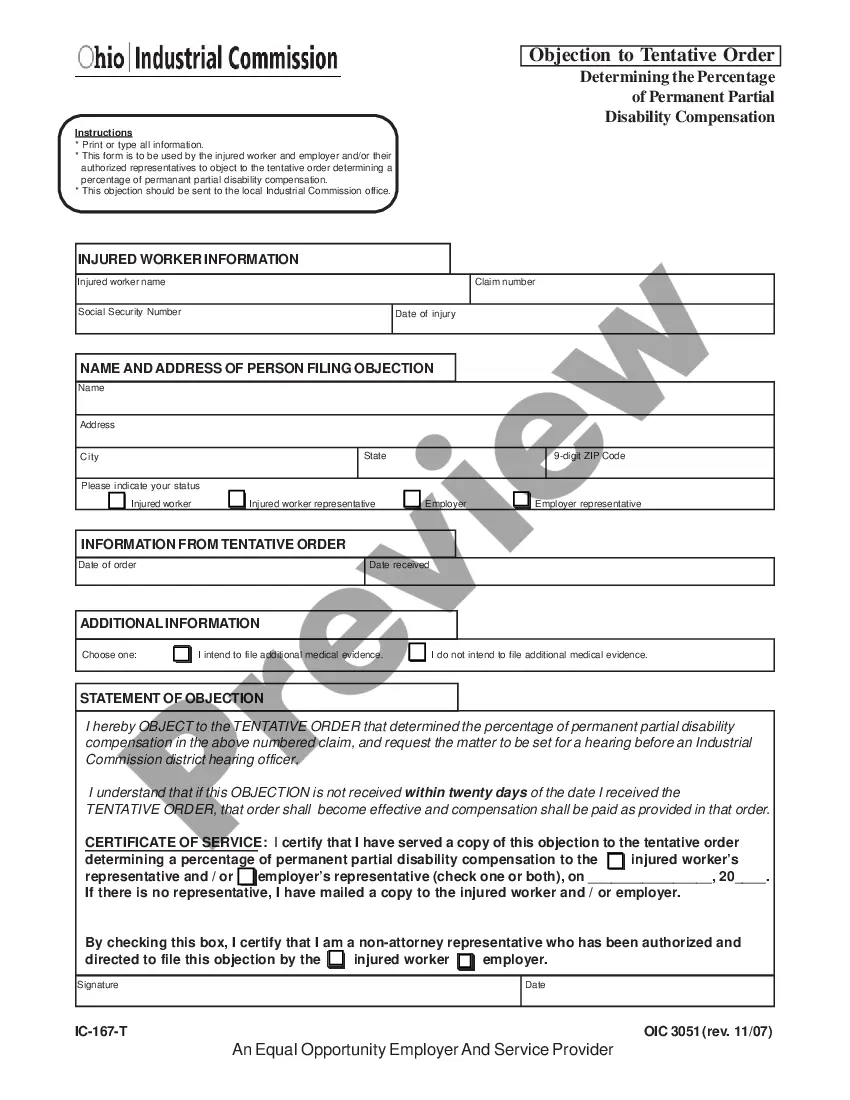
Loan Commitment Form and Variations
About this form
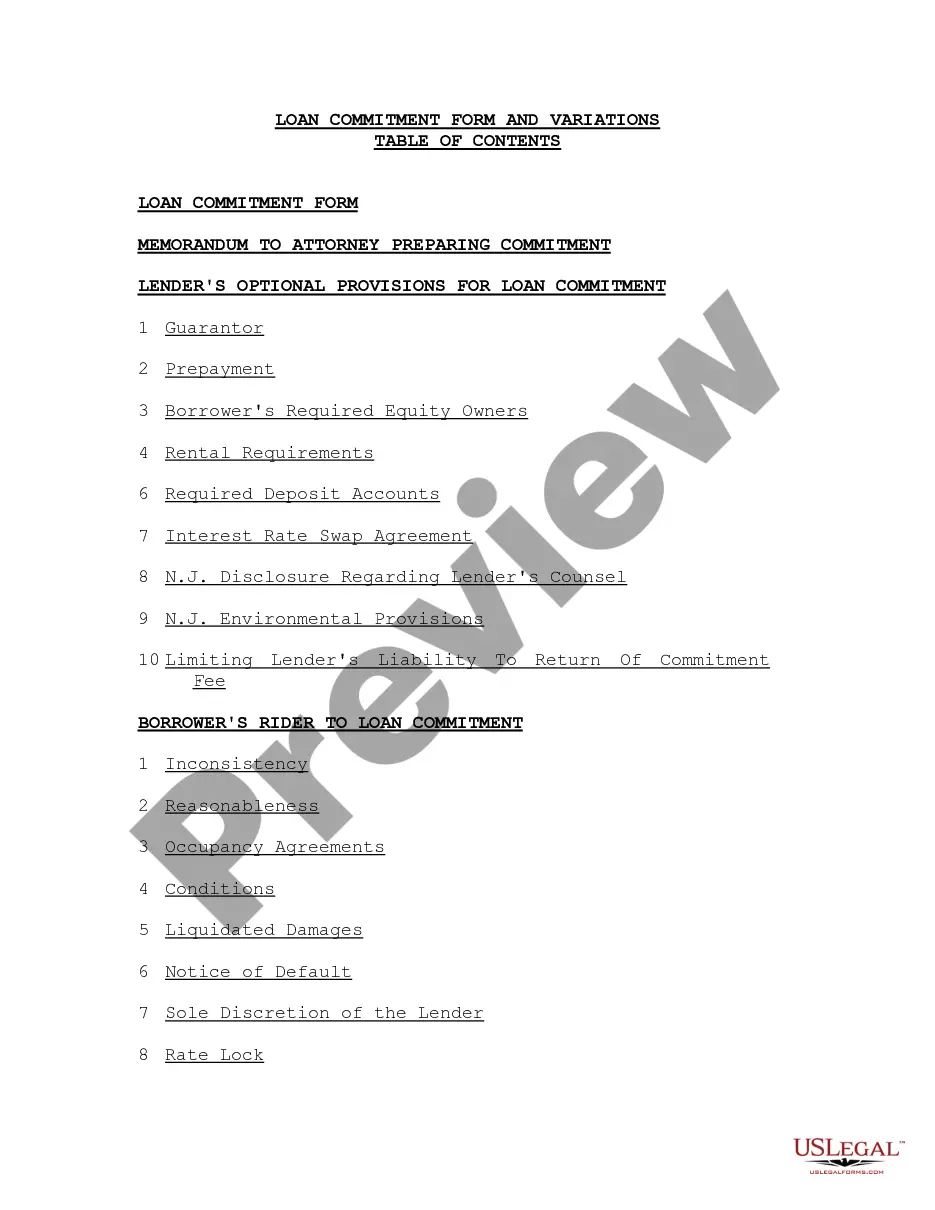
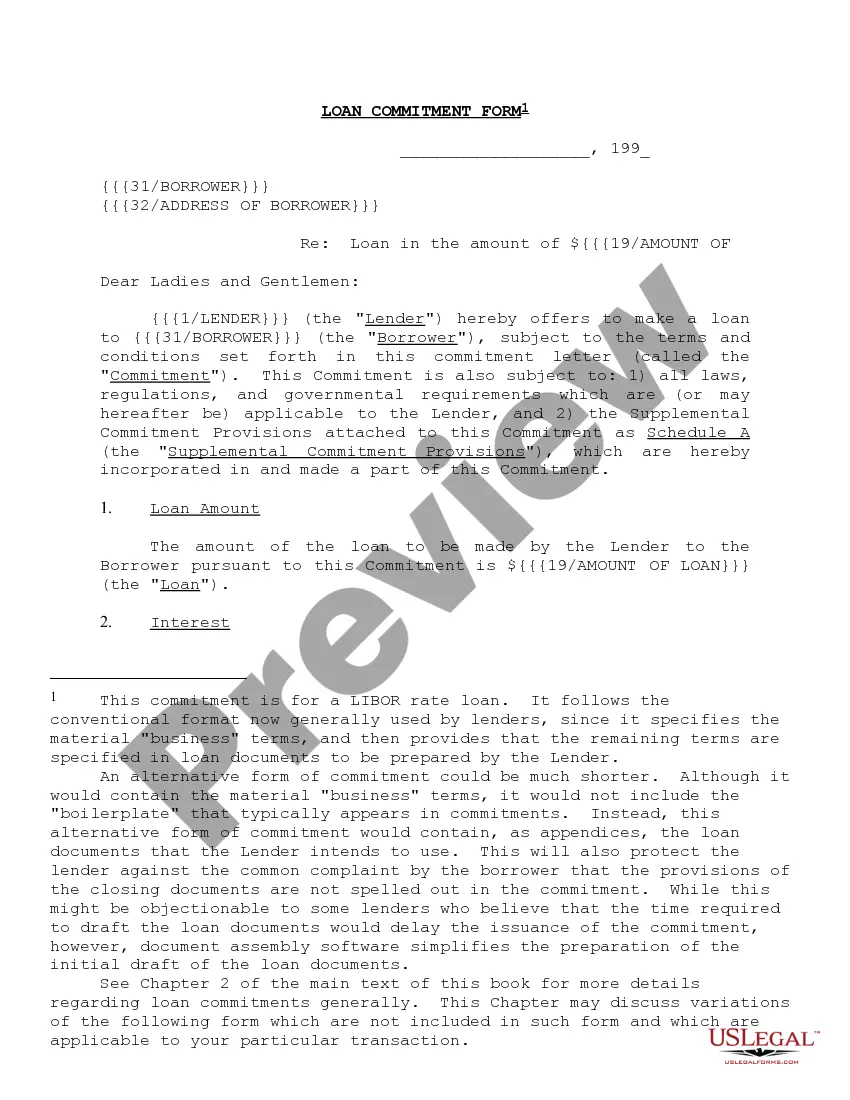
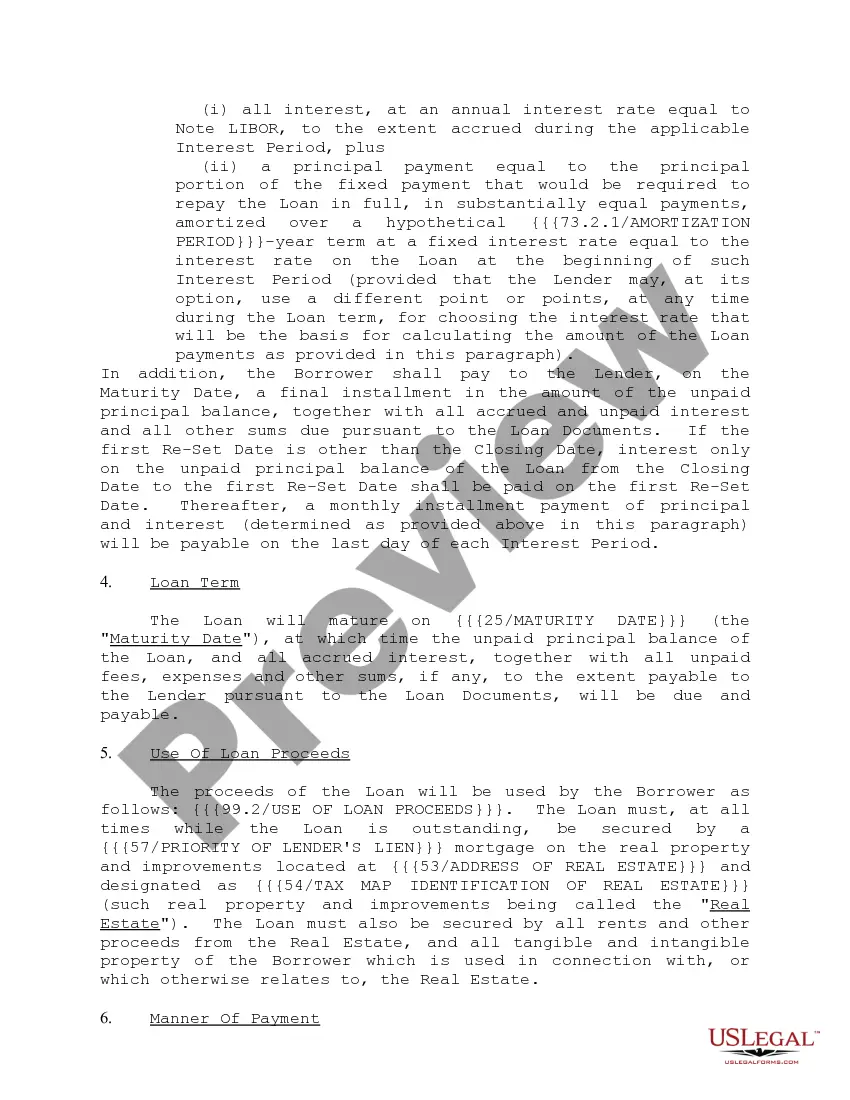
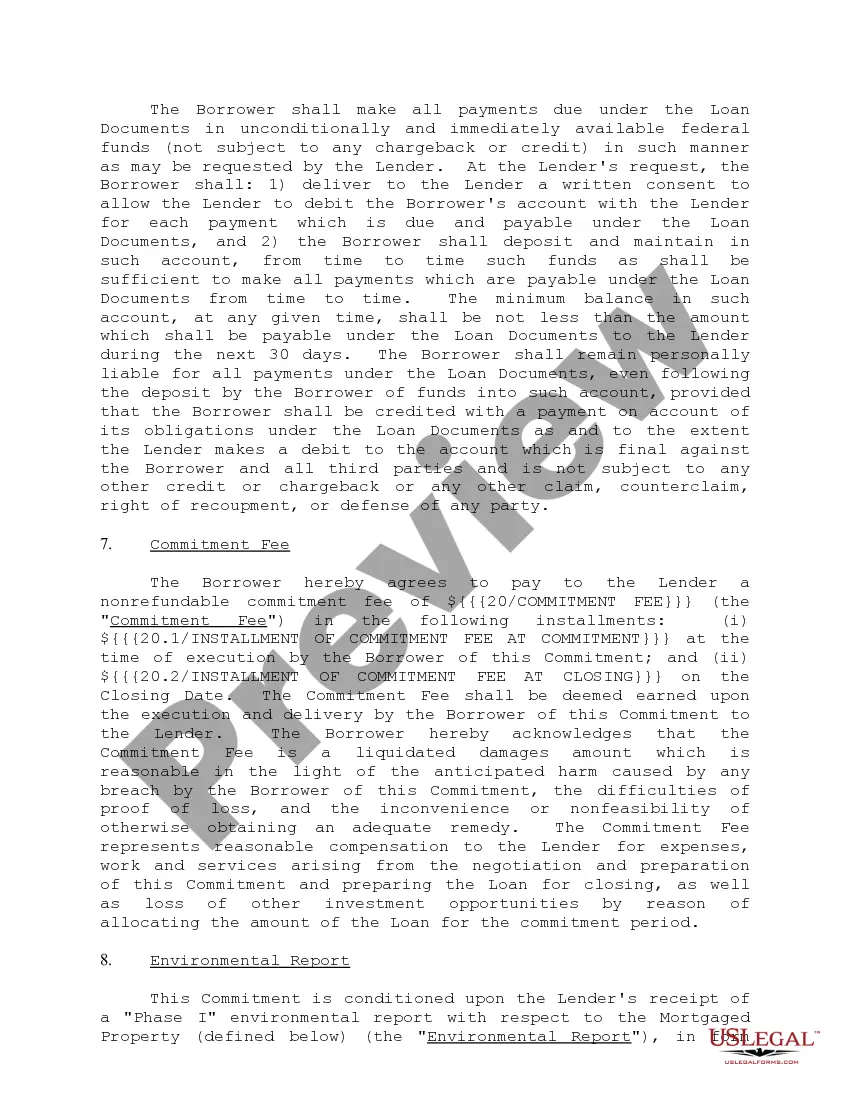
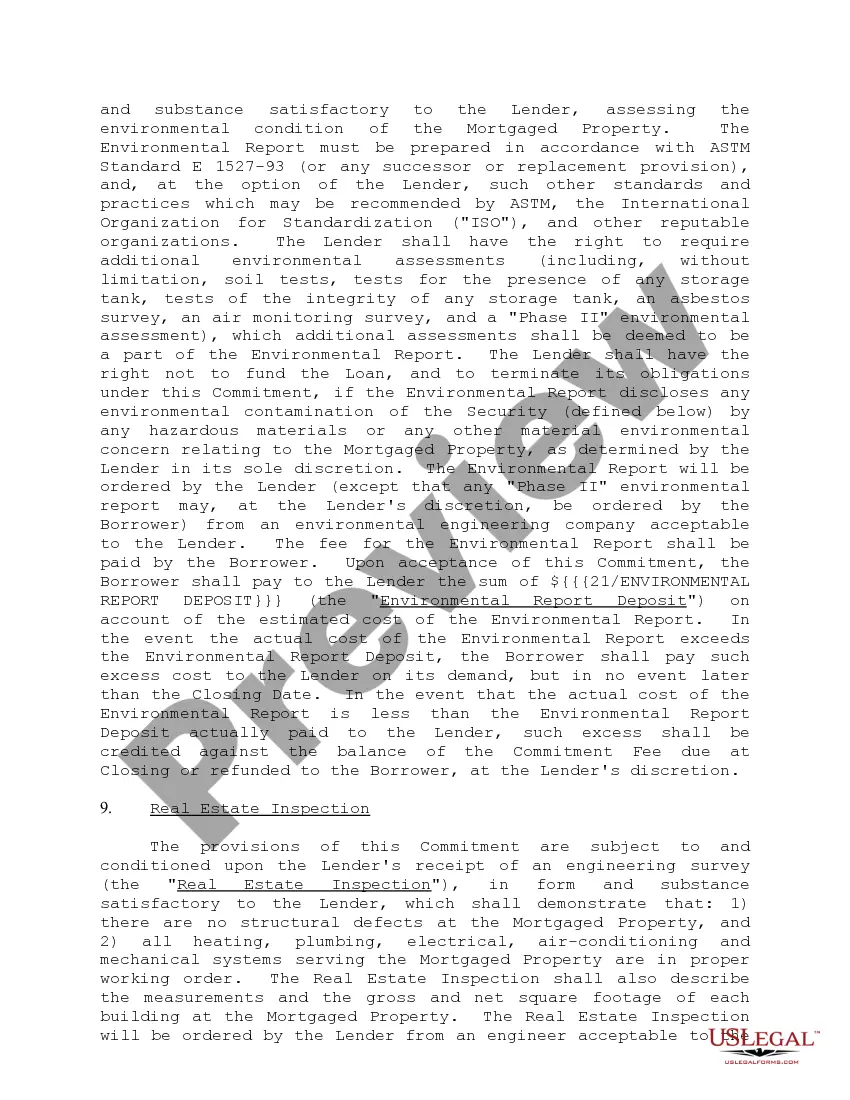
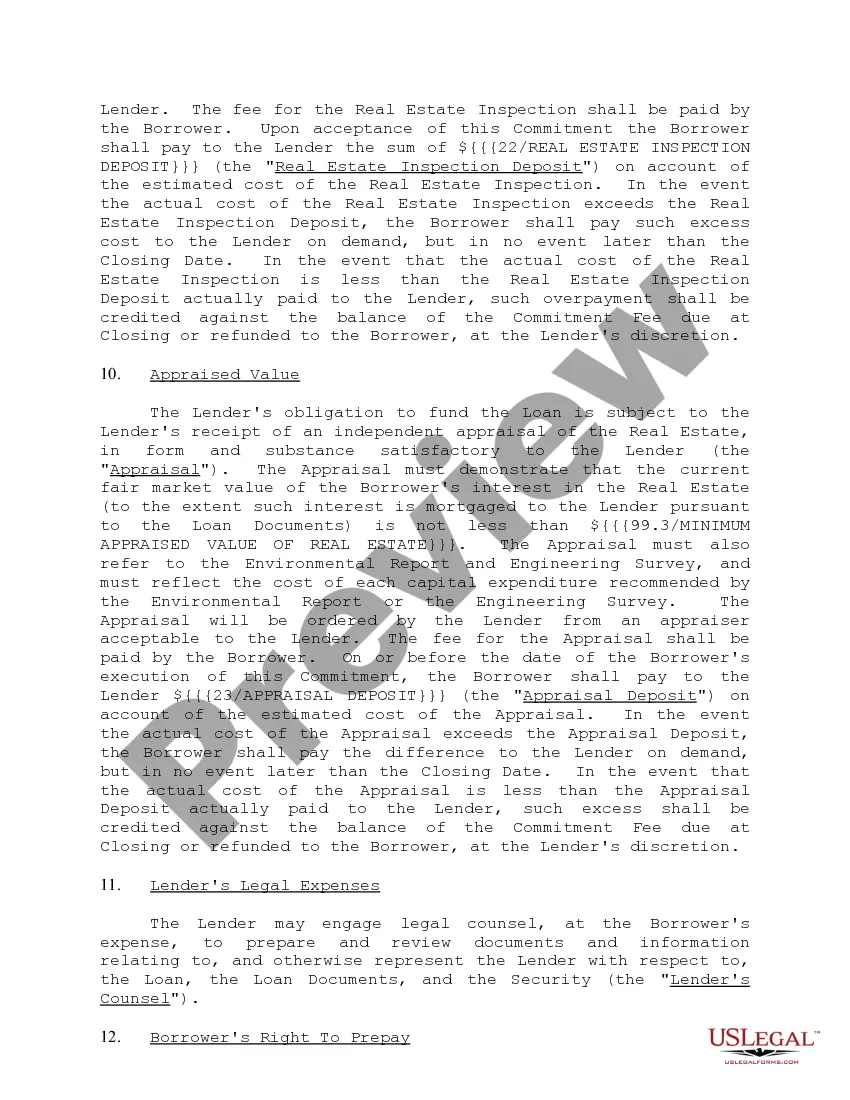
The Loan Commitment Form is a vital document in the lending process, serving as an offer from a lender to loan a specified amount to a borrower under particular terms. This form outlines the conditions the borrower must fulfill to secure the loan, distinguishing it from other lending documents that may not include such detailed commitments or conditions. It includes various components such as interest rates, loan amounts, and geolocation stipulations, providing clarity and security for both parties involved in the transaction.
Form components explained
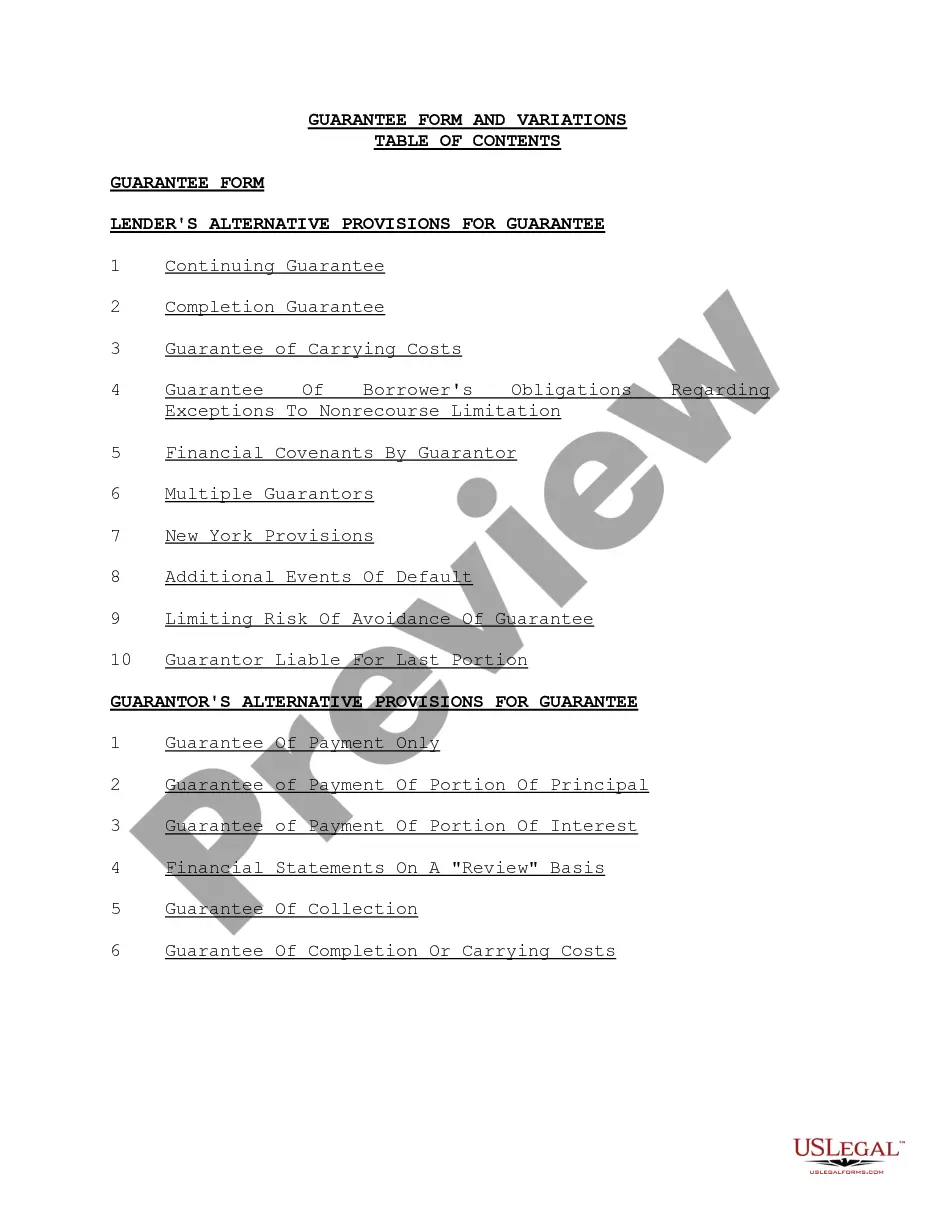
- Loan amount: Specifies the total amount of money the lender will provide.
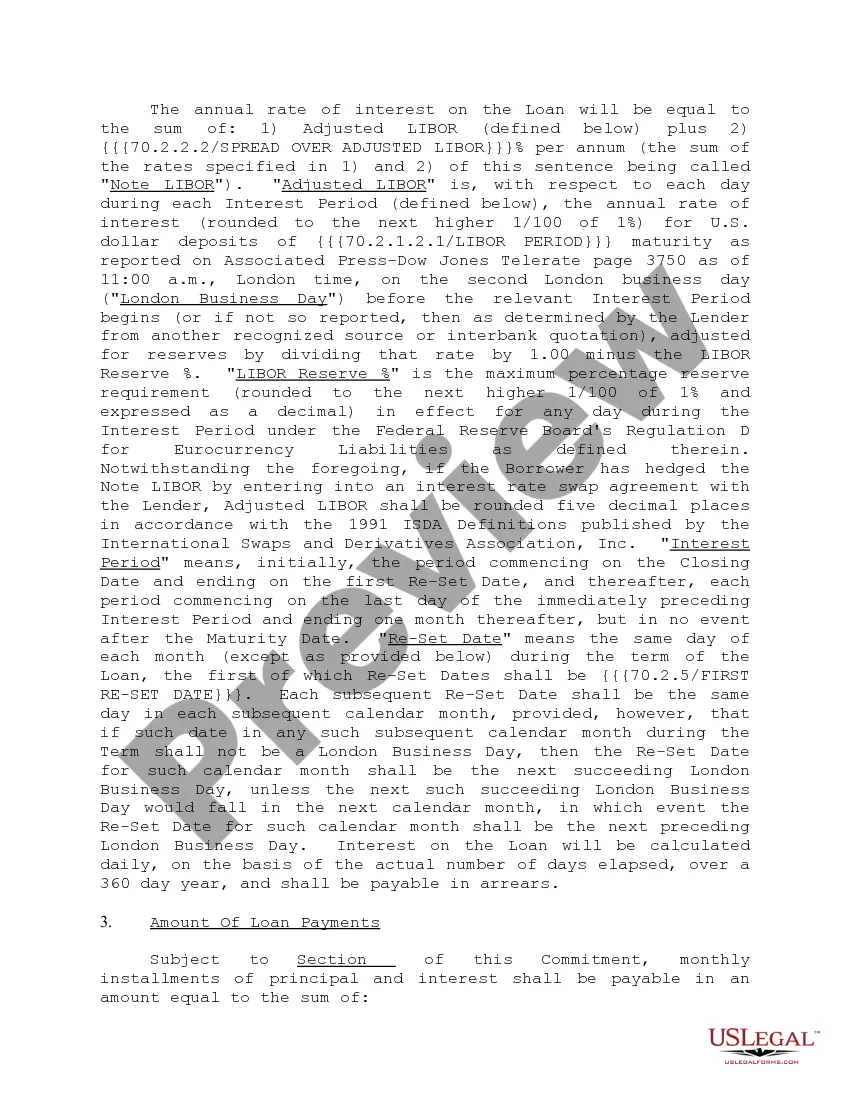
- Interest rate: Outlines how the interest on the loan is calculated, including any adjustments based on market rates.
- Payment terms: Details the schedule for when payments are due, including principal and interest amounts.
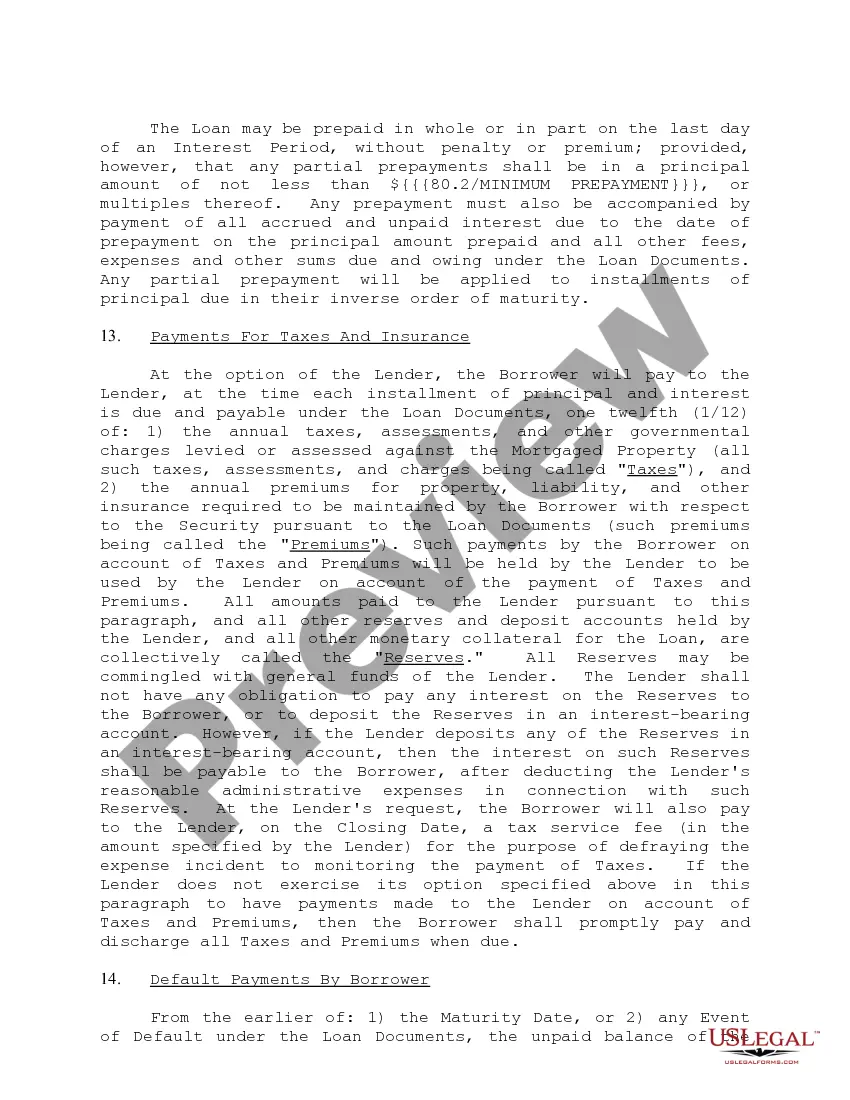
- Conditions precedent: Lists any requirements the borrower must satisfy before the loan is funded.
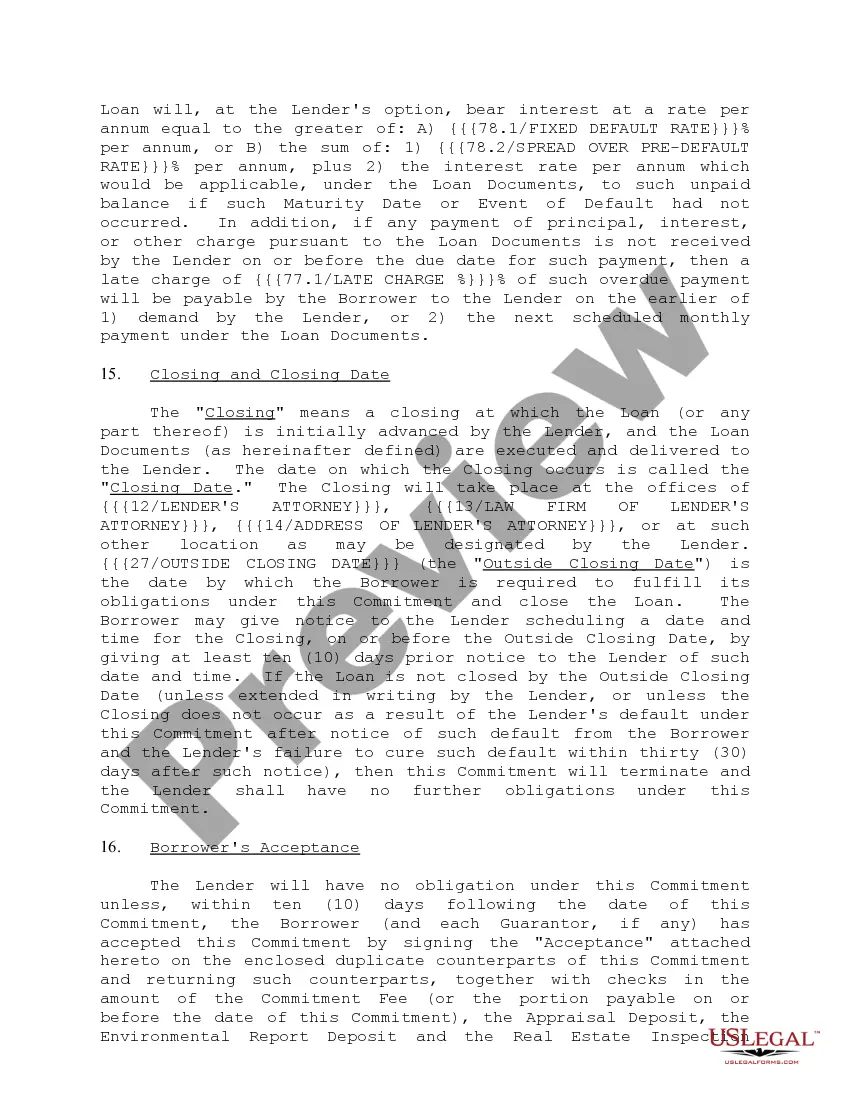
- Fees: Describes any fees associated with the commitment, such as commitment fees or legal expenses.
- Environmental provisions: Ensures that environmental assessments are completed and concerns are addressed.

Situations where this form applies
This form is essential when a borrower wants to formalize a loan offer from a lender. It should be used in scenarios where detailed commitments are necessary, such as acquiring real estate, refinancing an existing loan, or securing capital for a business venture. The form helps protect both the lender and the borrower by clearly outlining obligations and expectations.
Who can use this document
- Borrowers seeking financing for real estate purchases or business purposes.
- Lenders offering loans and wanting to ensure legal protections and commitments.
- Real estate professionals facilitating transactions requiring formal financing commitments.
- Attorneys representing either party in the transaction and requiring documentation of loan terms.
Completing this form step by step
- Identify the parties involved, including the borrower and lender, and enter their legal names and addresses.
- Specify the loan amount to be provided by the lender to the borrower.
- Determine and enter the interest rate, ensuring to understand how it is calculated or subject to fluctuations.
- Include any conditions or documentation required to finalize the loan, such as environmental assessments.
- Sign and date the form to indicate acceptance of the terms and conditions by both parties.
Does this document require notarization?
Notarization is generally not required for this form. However, certain states or situations might demand it. You can complete notarization online through US Legal Forms, powered by Notarize, using a verified video call available anytime.
Get your form ready online
Our built-in tools help you complete, sign, share, and store your documents in one place.
Make edits, fill in missing information, and update formatting in US Legal Forms—just like you would in MS Word.
Download a copy, print it, send it by email, or mail it via USPS—whatever works best for your next step.
Sign and collect signatures with our SignNow integration. Send to multiple recipients, set reminders, and more. Go Premium to unlock E-Sign.
If this form requires notarization, complete it online through a secure video call—no need to meet a notary in person or wait for an appointment.
We protect your documents and personal data by following strict security and privacy standards.

Make edits, fill in missing information, and update formatting in US Legal Forms—just like you would in MS Word.

Download a copy, print it, send it by email, or mail it via USPS—whatever works best for your next step.

Sign and collect signatures with our SignNow integration. Send to multiple recipients, set reminders, and more. Go Premium to unlock E-Sign.

If this form requires notarization, complete it online through a secure video call—no need to meet a notary in person or wait for an appointment.

We protect your documents and personal data by following strict security and privacy standards.
Common mistakes
- Failing to accurately complete all required fields, which can delay the approval process.
- Not fully understanding the outlined terms, particularly concerning interest rates and fees.
- Not providing necessary documentation or compliance measures required by the lender.
- Ignoring state-specific regulations that may apply to the Loan Commitment Form.
Benefits of completing this form online
- Convenience of completing the form at any time without the need for an in-person appointment.
- Editability allows users to easily make modifications or updates to the form as necessary.
- Access to expert-reviewed templates drafted by licensed attorneys ensures legal soundness.
- Secure storage of completed forms providing easy access for all parties involved.
Legal use & context
- This form establishes a formal offer for a loan, making it enforceable under relevant lending laws.
- It clarifies the obligations of both the borrower and lender, serving as a record for future reference.
- Completing the form correctly is crucial to avoid potential disputes over loan terms.
Main things to remember
- The Loan Commitment Form is essential for outlining the agreement between lenders and borrowers.
- It helps prevent misunderstandings regarding the loan terms and conditions.
- Completing this form carefully is crucial for legal enforceability.
- Consider state-specific requirements for regional compliance.
Looking for another form?
Form popularity
FAQ
Although the average time it takes for a lender to completely close a mortgage is 53 days, it could be as little as 15 days. The actual timing of the mortgage commitment letter arriving in escrow depends on many factors and must arrive before the house can close.
The letter will also feature your lender's information, your loan number, and the date your commitment letter will expire. You'll also find the terms of you loan listed in the letter. These may include the amount of money you'll pay each month and the number of monthly payments you'll make until the loan is paid off.
A mortgage commitment letter (also called an approval letter) is an agreement between a buyer and their lender outlining the agreed-upon terms of a mortgage. It signifies that financing is officially approved.
Names and addresses of the borrower and lender. The type of loan applied for. The loan amount. The agreed upon loan repayment period. The interest rate for the loan. Date of lock expiration (if the loan is locked in) for the interest rate.
A loan commitment is a lender's promise to offer a loan or credit of a specified amount to a borrower. Also called a commitment letter, it includes all of the terms and conditions of the loan.
Once your application for a mortgage loan has been approved and you have received a commitment letter from the lender, the final step before you can call the house your own is the closing, or settlement, of the purchase transaction and mortgage loan.
1Step 1 Loan Amount, Borrower and Lender.2Step 2 Payment.3Step 3 Interest.4Step 4 Expenses.5Step 5 Governing Law.6Step 6 Signing.
1Come up with a schedule for repayment. Use a family contract template that includes a repayment schedule.2Set and interest rate.3Put your agreement in writing.4Keep payment records.
1Starting the Document. Write the date at the top of the page.2Write the Terms of the Loan. State the purpose of the personal payment agreement and the terms for returning the money.3Date the Document.4Statement of Agreement.5Sign the Document.6Record the Document.