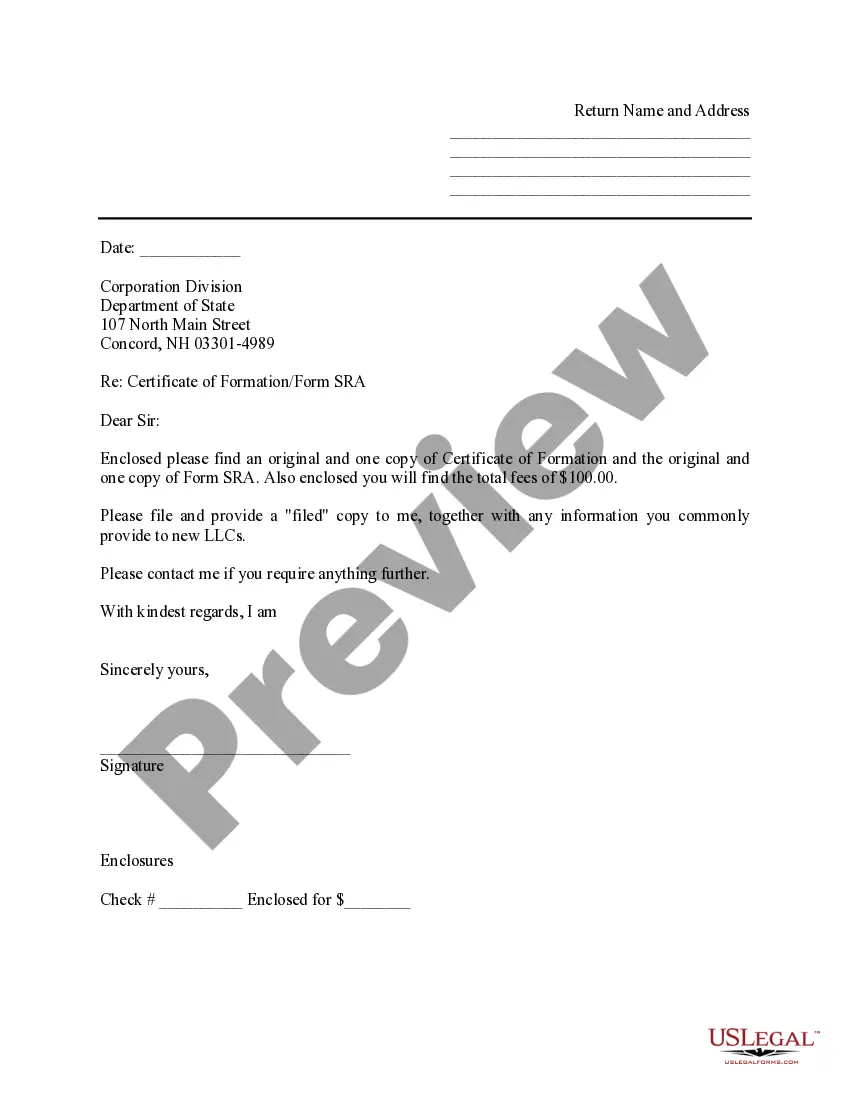
Death To Do List - Checklist
About this form
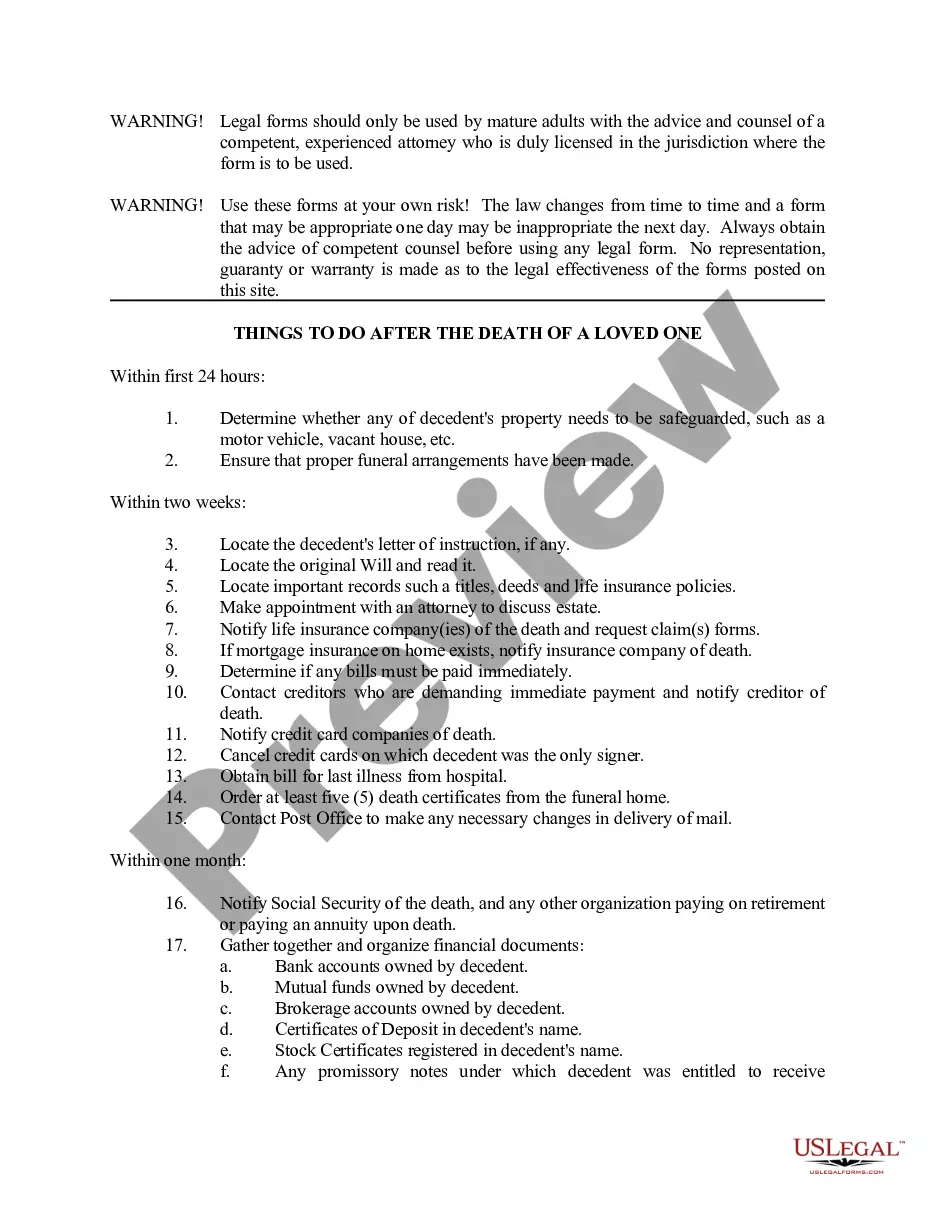
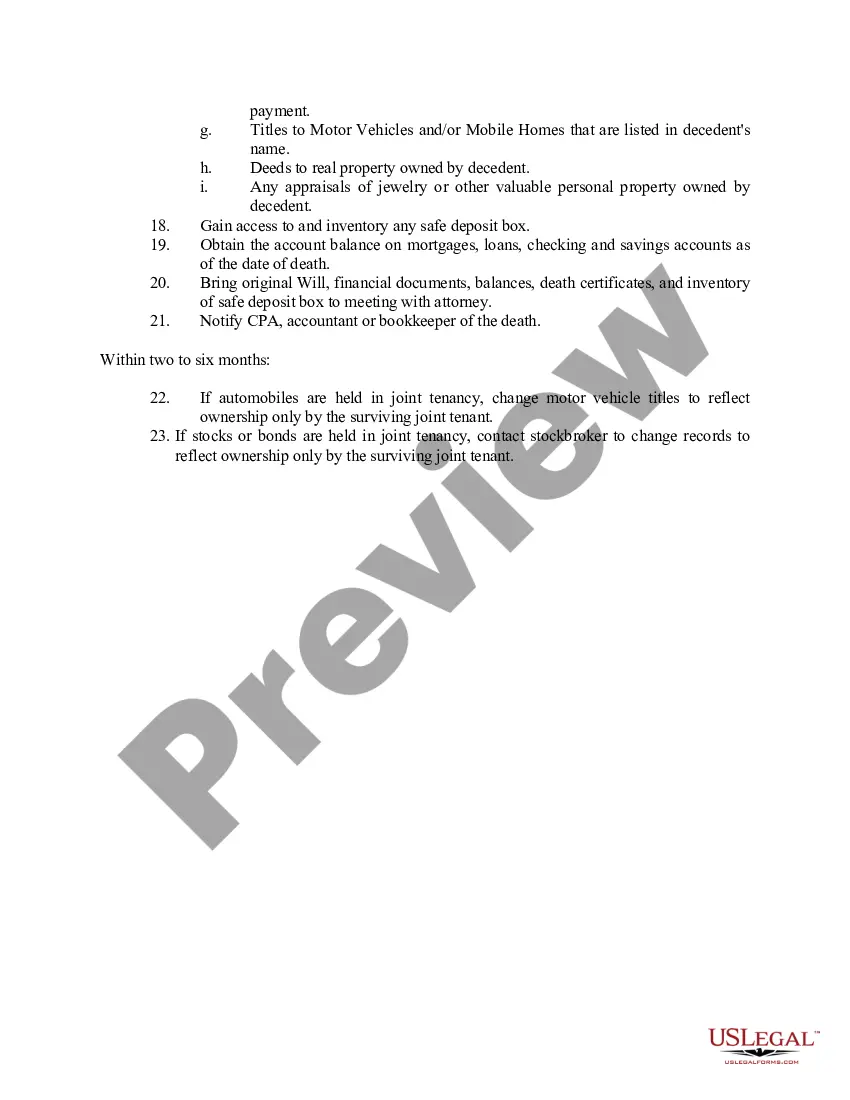
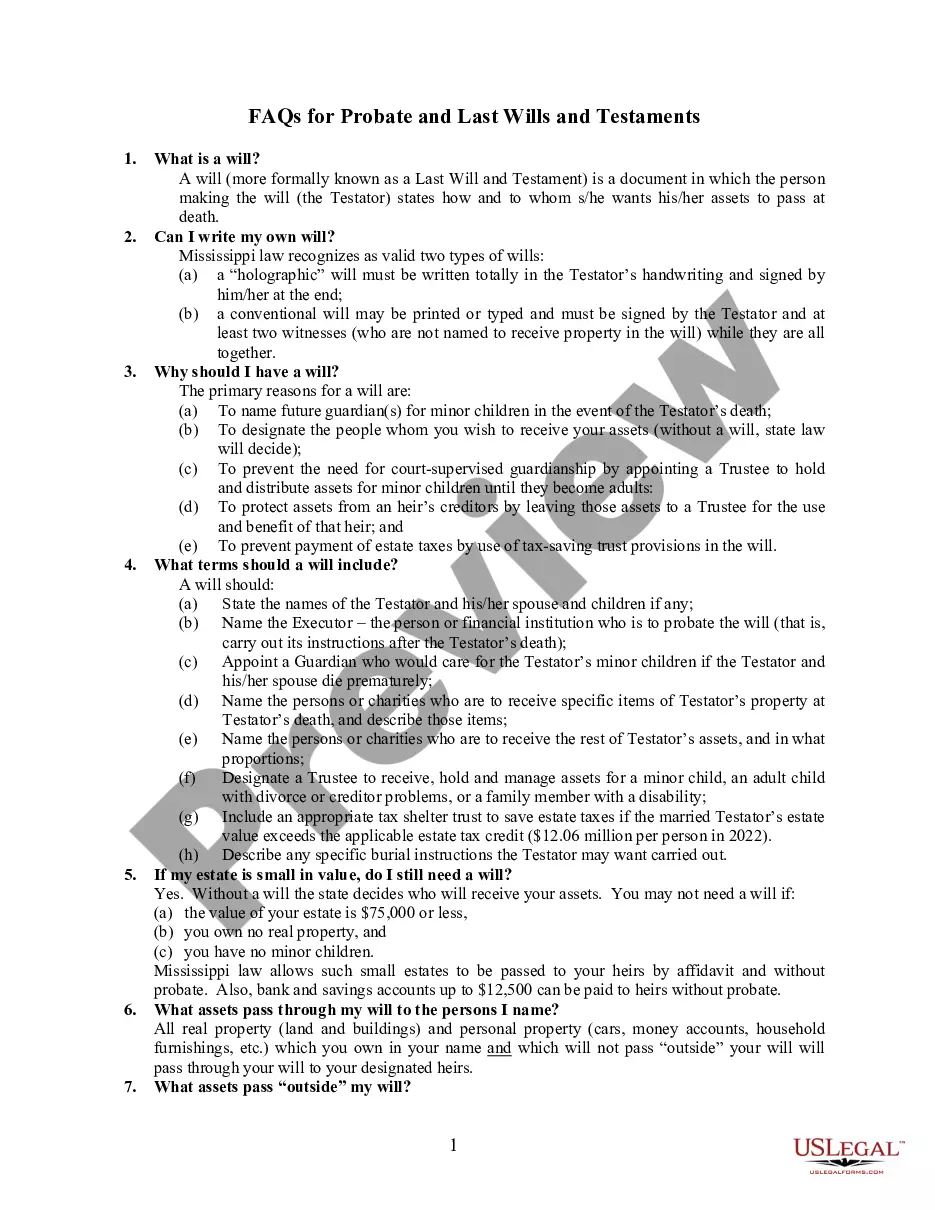
The Death To Do List - Checklist is a practical tool designed to help individuals manage tasks following the passing of a loved one. This multi-state form outlines essential steps to be taken in the aftermath of a death, covering critical legal and administrative actions necessary during this emotionally challenging time. Unlike general checklists, this form provides a structured approach tailored to facilitate organization and ensure nothing important is overlooked.
What’s included in this form
- Tasks to complete within the first 24 hours after a death.
- Actions to take within the first two weeks, including locating important documents.
- Recommendations for tasks within one month, such as notifying Social Security.
- Guidance on long-term responsibilities within two to six months.
- Important considerations for safeguarding the decedent's property.
When this form is needed
This form is essential for anyone who has recently lost a loved one. It is particularly useful for family members or executors responsible for managing the deceased's affairs. The checklist can guide you on what to do immediately after a death, as well as the necessary steps to ensure all legal and financial matters are addressed promptly.
Who can use this document
- Family members of the deceased.
- Executors or personal representatives of the estate.
- Individuals responsible for handling funeral and estate matters.
How to complete this form
- Review the checklist and prioritize tasks according to the specified timeframes.
- Gather necessary documents such as the original Will, death certificates, and financial records.
- Make appointments with an attorney and financial professionals as indicated.
- Notify relevant organizations and creditors about the death promptly.
- Keep a record of all steps taken and documentation gathered for future reference.
Is notarization required?
Notarization is not commonly needed for this form. However, certain documents or local rules may make it necessary. Our notarization service, powered by Notarize, allows you to finalize it securely online anytime, day or night.
Get your form ready online
Our built-in tools help you complete, sign, share, and store your documents in one place.
Make edits, fill in missing information, and update formatting in US Legal Forms—just like you would in MS Word.
Download a copy, print it, send it by email, or mail it via USPS—whatever works best for your next step.
Sign and collect signatures with our SignNow integration. Send to multiple recipients, set reminders, and more. Go Premium to unlock E-Sign.
If this form requires notarization, complete it online through a secure video call—no need to meet a notary in person or wait for an appointment.
We protect your documents and personal data by following strict security and privacy standards.

Make edits, fill in missing information, and update formatting in US Legal Forms—just like you would in MS Word.

Download a copy, print it, send it by email, or mail it via USPS—whatever works best for your next step.

Sign and collect signatures with our SignNow integration. Send to multiple recipients, set reminders, and more. Go Premium to unlock E-Sign.

If this form requires notarization, complete it online through a secure video call—no need to meet a notary in person or wait for an appointment.

We protect your documents and personal data by following strict security and privacy standards.
Typical mistakes to avoid
- Failing to obtain multiple copies of the death certificate.
- Not notifying relevant financial institutions timely.
- Overlooking important administrative tasks within specified timeframes.
- Neglecting to consult an attorney for estate planning and execution.
Benefits of using this form online
- Convenience of downloading and printing the checklist at any time.
- Editability allows you to customize the checklist based on your situation.
- Access to trusted, attorney-drafted content ensures reliability.
Quick recap
- The Death To Do List - Checklist is a critical tool for managing tasks following a death.
- It outlines important steps to ensure all legal and financial obligations are met.
- This form is suitable for family members and executors dealing with estate matters.
Looking for another form?


Form popularity
FAQ
Do you need a solicitor Many executors and administrators act without a solicitor. However, if the estate is complicated, it is best to get legal advice. You should always get legal advice if, for example: the terms of a will are not clear.
Gather Important Documents and Contact Information. Execute a Last Will and Testament. Complete a Living Will or Advance Directive. Put in Place a Power of Attorney. Establish a Living Trust. Update Your Beneficiaries. Secure Your Digital Assets. Plan Final Arrangements.
Finding out details of money owed to the estate. finding out details of money owed by the person who has died. preparing a detailed list of the property, money and possessions and debts in the estate. working out the amount of inheritance tax due and arranging to pay it.
More Than a Last Will. Itemize Your Inventory. Follow with Non-Physical Assets. Assemble a List of Debts. Make a Memberships List. Make Copies of Your Lists. Review Your Retirement Account. Update Your Insurance.
Put your important papers and copies of legal documents in one place. Tell a trusted family member or friend where you put all your important papers. Discuss your end-of-life preferences with your doctor.
Tell family members and friends about the death. Employer or educational establishments. Health professionals. You will also need to cancel any outstanding hospital, dental, podiatry or other health related appointments. Agencies providing care such as social services, home carers, meals on wheels and day centres.
When a family member or friend has died, it is important to notify various government agencies, banks, creditors and credit reporting agencies of the death. To reduce the risk of identity theft, these notifications should be made promptly after the death.
Always try to have two people present to make the notification. Ideally, the persons would be a law enforcement officer, in uniform, and the medical examiner or other civilian such as a chaplain, victim service counselor, family doctor, clergy person, or close friend. A female/male team often is advantageous.
If the eligible surviving spouse or child is not currently receiving benefits, they must apply for this payment within two years of the date of death. For more information about this lump-sum payment, contact your local Social Security office or call 1-800-772-1213 ( TTY 1-800-325-0778).