Standard Non-Compete, Non-Disclosure Agreement
Understanding this form
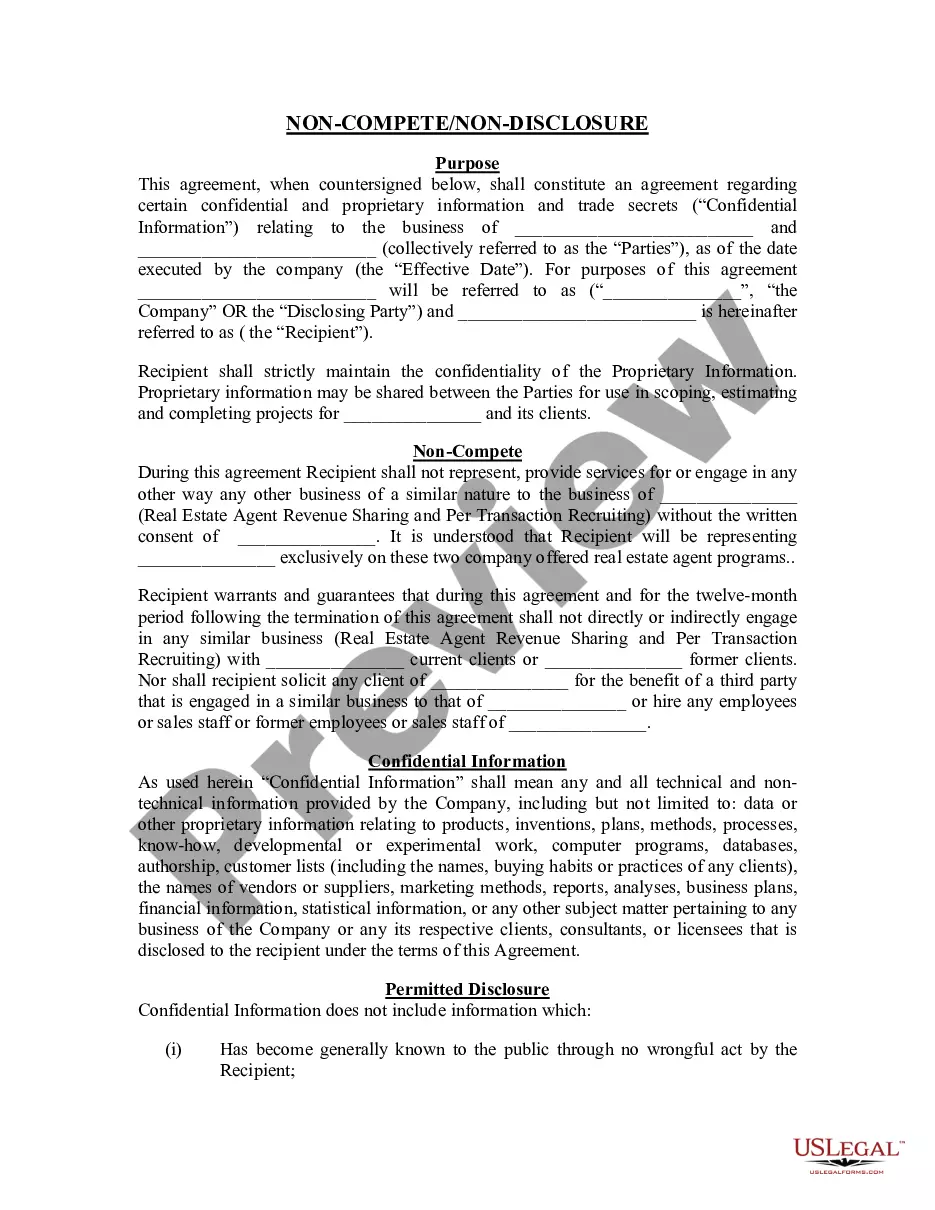
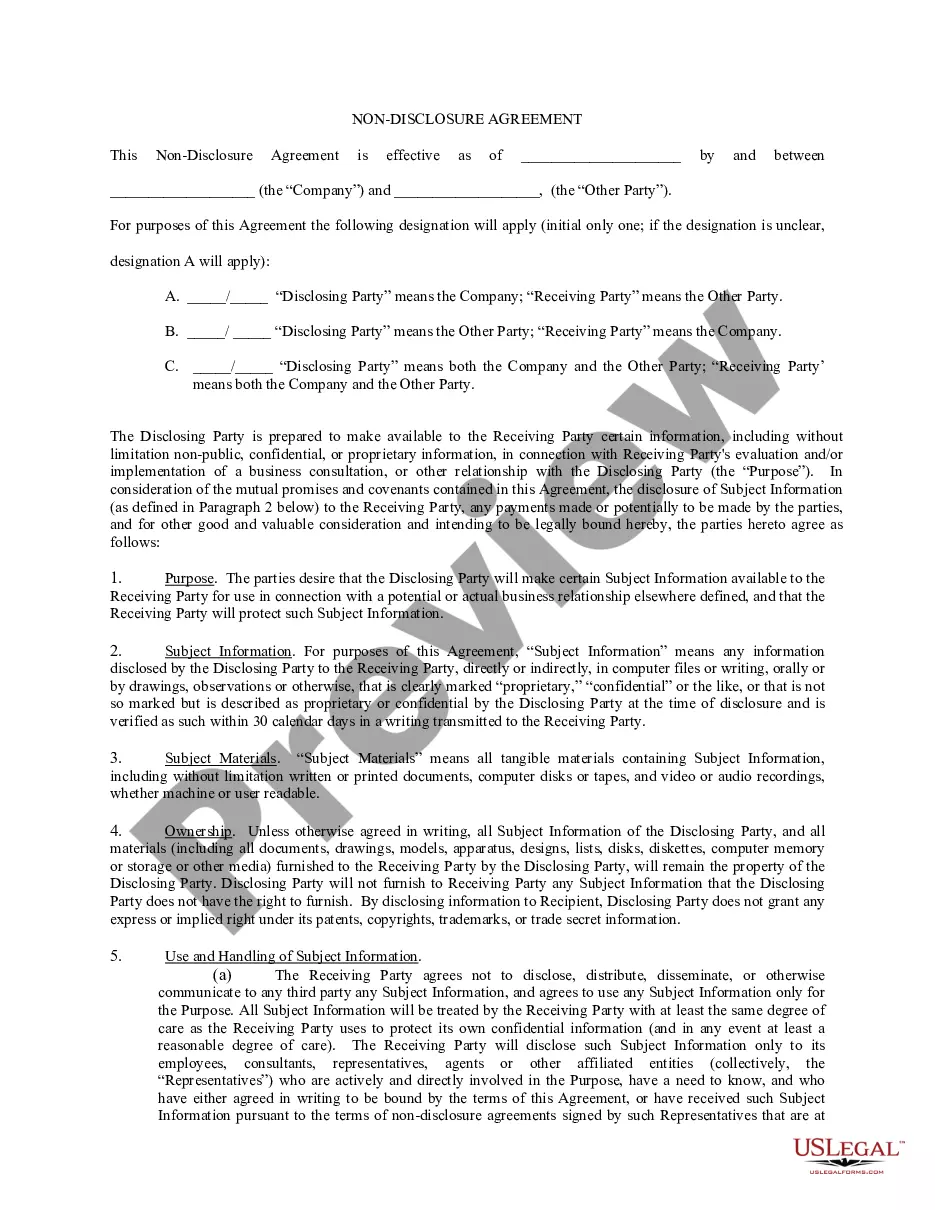
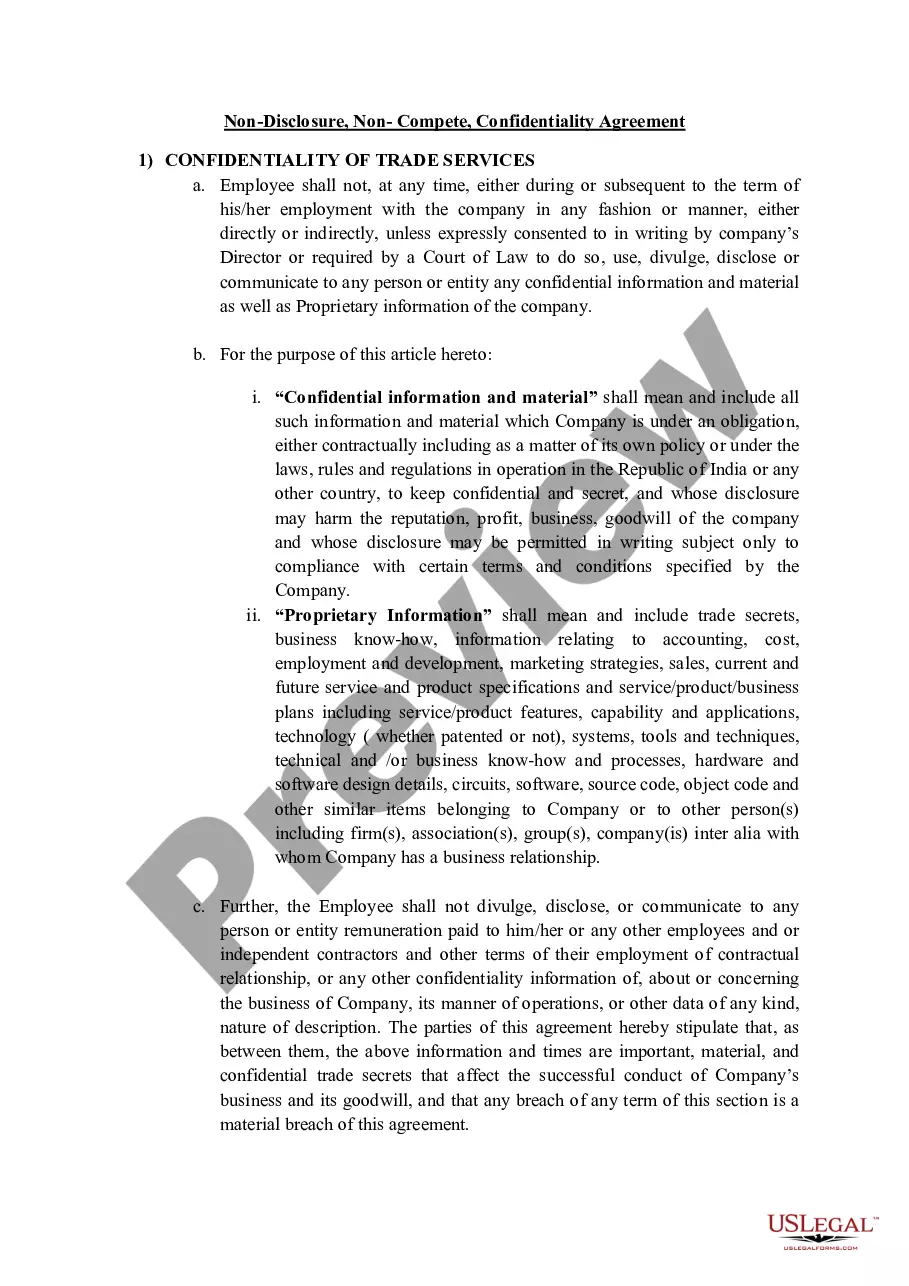
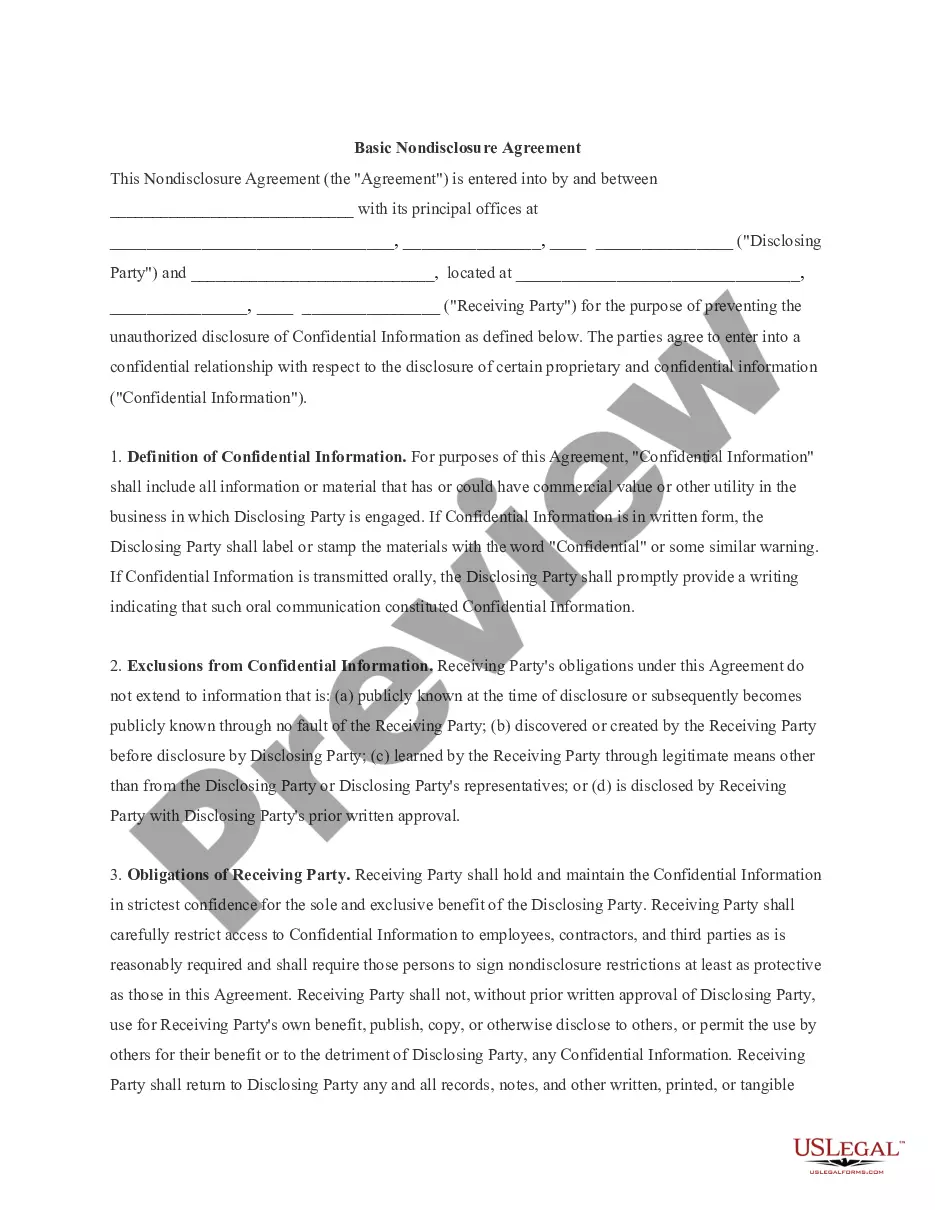
The Standard Non-Compete, Non-Disclosure Agreement is a legal document used to protect confidential information shared between two parties. It outlines the obligations of the recipient to maintain confidentiality while also restricting their ability to engage in similar business activities that may compete with the disclosing party. This agreement serves a dual purpose by addressing both non-disclosure and non-compete aspects, ensuring that sensitive business information remains protected and that competition is limited during the business relationship and for a specified period thereafter.
Main sections of this form
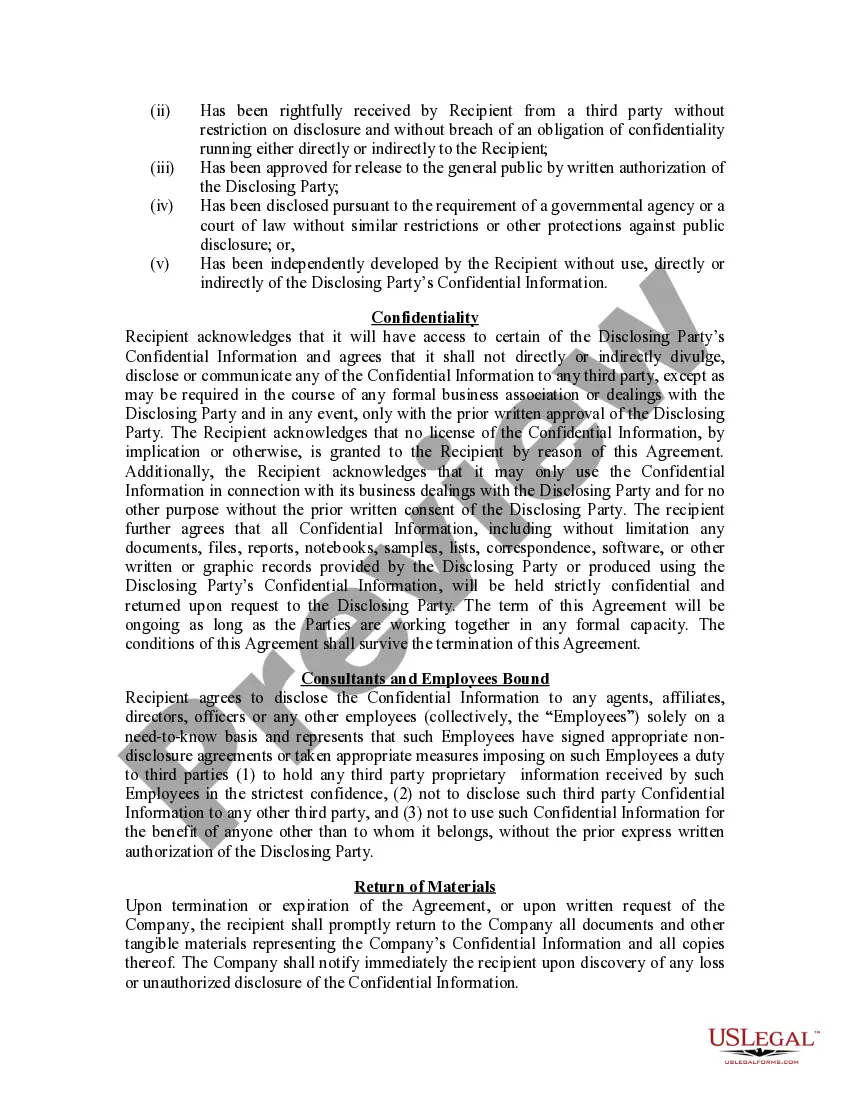
- Confidential Information: Defines what constitutes confidential information shared between the parties.
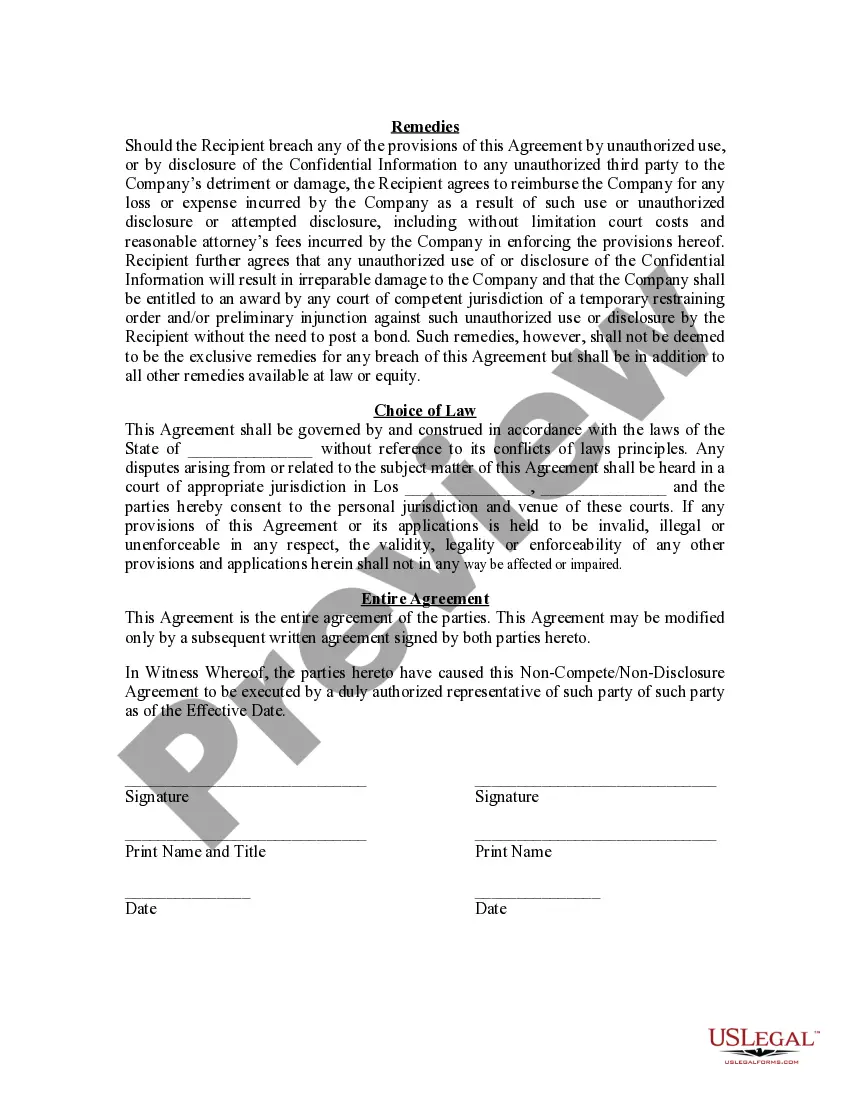
- Non-Compete Clause: Restricts the recipient from engaging in similar business activities without the disclosing partyâs consent.
- Permitted Disclosure: Outlines circumstances under which confidential information can be disclosed.
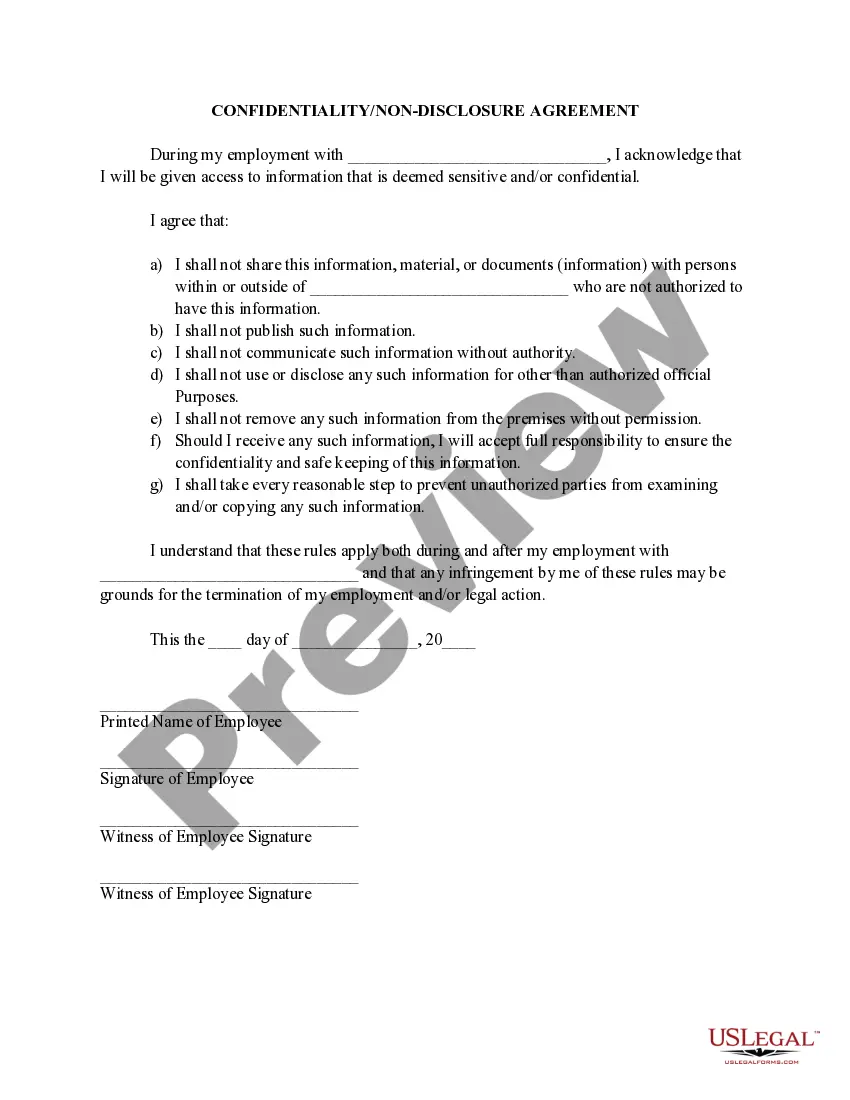
- Confidentiality Obligations: Requires the recipient to keep the information confidential and outlines their responsibilities regarding its use and protection.
- Return of Materials: Specifies that all confidential materials must be returned upon termination of the agreement.
- Remedies: Details the consequences for breach of the agreement, including potential legal action.
Situations where this form applies
This form is essential when two businesses or individuals plan to share confidential information and wish to protect that information from being disclosed to outside parties. It is particularly important in industries like real estate, where business strategies, client lists, and marketing methods are often sensitive and proprietary. Use this agreement before entering any discussions or projects that involve sharing valuable business insights or methodologies.
Intended users of this form
This agreement is appropriate for:
- Businesses seeking to protect their proprietary information during negotiations.
- Consultants working with companies that require access to confidential data.
- Employees who are given access to sensitive information during their employment.
- Parties involved in joint ventures or partnerships that share trade secrets.
How to prepare this document
- Identify the parties involved by filling in the names of the disclosing party and the recipient.
- Specify the confidential information that will be protected under the agreement.
- Include the duration of the non-compete obligations, typically lasting 12 months after the termination of the agreement.
- Ensure both parties sign and date the agreement to make it legally binding.
- Return all confidential materials to the disclosing party upon completion or termination of the relationship.
Notarization requirements for this form
This form typically does not require notarization unless specified by local law. However, having it notarized can add an extra layer of authenticity and may help in enforcing the agreement if disputes arise.
Get your form ready online
Our built-in tools help you complete, sign, share, and store your documents in one place.
Make edits, fill in missing information, and update formatting in US Legal Forms—just like you would in MS Word.
Download a copy, print it, send it by email, or mail it via USPS—whatever works best for your next step.
Sign and collect signatures with our SignNow integration. Send to multiple recipients, set reminders, and more. Go Premium to unlock E-Sign.
If this form requires notarization, complete it online through a secure video call—no need to meet a notary in person or wait for an appointment.
We protect your documents and personal data by following strict security and privacy standards.

Make edits, fill in missing information, and update formatting in US Legal Forms—just like you would in MS Word.

Download a copy, print it, send it by email, or mail it via USPS—whatever works best for your next step.

Sign and collect signatures with our SignNow integration. Send to multiple recipients, set reminders, and more. Go Premium to unlock E-Sign.

If this form requires notarization, complete it online through a secure video call—no need to meet a notary in person or wait for an appointment.

We protect your documents and personal data by following strict security and privacy standards.
Mistakes to watch out for
- Failing to specify what constitutes confidential information, leading to vague protections.
- Not including a time frame for the non-compete clause, making it unenforceable.
- Neglecting to secure all necessary signatures, which could invalidate the agreement.
- Overlooking local laws that may affect the enforceability of non-compete clauses.
Why complete this form online
- Convenient access to a customizable template that is easy to download and fill out.
- Reliable forms drafted by licensed attorneys to ensure legal compliance and protection.
- Editable options that allow users to tailor the agreement to their specific needs without legal jargon.
- Quick updates to forms in line with recent legal changes to maintain compliance.
Legal use & context
- This agreement is legally binding once signed by both parties and serves to protect sensitive information shared during a business relationship.
- Non-compete clauses must be reasonable in scope, duration, and geographic area to be enforceable.
- Understanding state-specific laws is crucial, as non-compete agreements can be treated differently in various jurisdictions.
What to keep in mind
- The Standard Non-Compete, Non-Disclosure Agreement protects confidential information and restricts competition between parties.
- It is crucial for businesses who share sensitive information and want to safeguard their interests.
- Completing the form accurately ensures legal protection and minimizes the risk of potential disputes.
Looking for another form?


Form popularity
FAQ
The company or person that the NDA violation has damaged has the ability to seek legal remedy in a civil court. This could include being sued for breach of contract, but also potentially for the following, depending on the circumstances: Copyright infringement. Breach of fiduciary responsibility.
disclosure agreement (NDA) is a legally binding contract that establishes a confidential relationship. The party or parties signing the agreement agree that sensitive information they may obtain will not be made available to any others. An NDA may also be referred to as a confidentiality agreement.
compete agreement is only used between an employee and a business to specify who may hire them should they leave the company. An NDA is much broader and is used to protect any personal or businessrelated information that one or both parties want to remain confidential.
Before you sign an NDA, keep the following seven points in mind. Parties to the agreement.Identification of what information is confidential.Time frame of the agreement.Return of the information.Obligations of the recipient.Remedies for breaches of agreement.Other clauses.
Confidentiality/non-disclosure agreements are contracts in which the employee promises not to disclose certain proprietary information, such as trade secrets. Non-compete agreements are contracts in which the employee agrees not to unfairly compete against his/her (former) employer.
Public records, including SEC filings or company addresses, are not covered by these confidentiality agreements. The courts can also interpret the scope of an NDA in ways that one or more participants may not have initially expected.
compete agreement is only used between an employee and a business to specify who may hire them should they leave the company. An NDA is much broader and is used to protect any personal or businessrelated information that one or both parties want to remain confidential.
It doesn't mean you can't work for a competitor; it simply means you can't use proprietary or confidential information you learned or obtained from the former employer with a new employer.