Jury Instruction - Possession
What this document covers
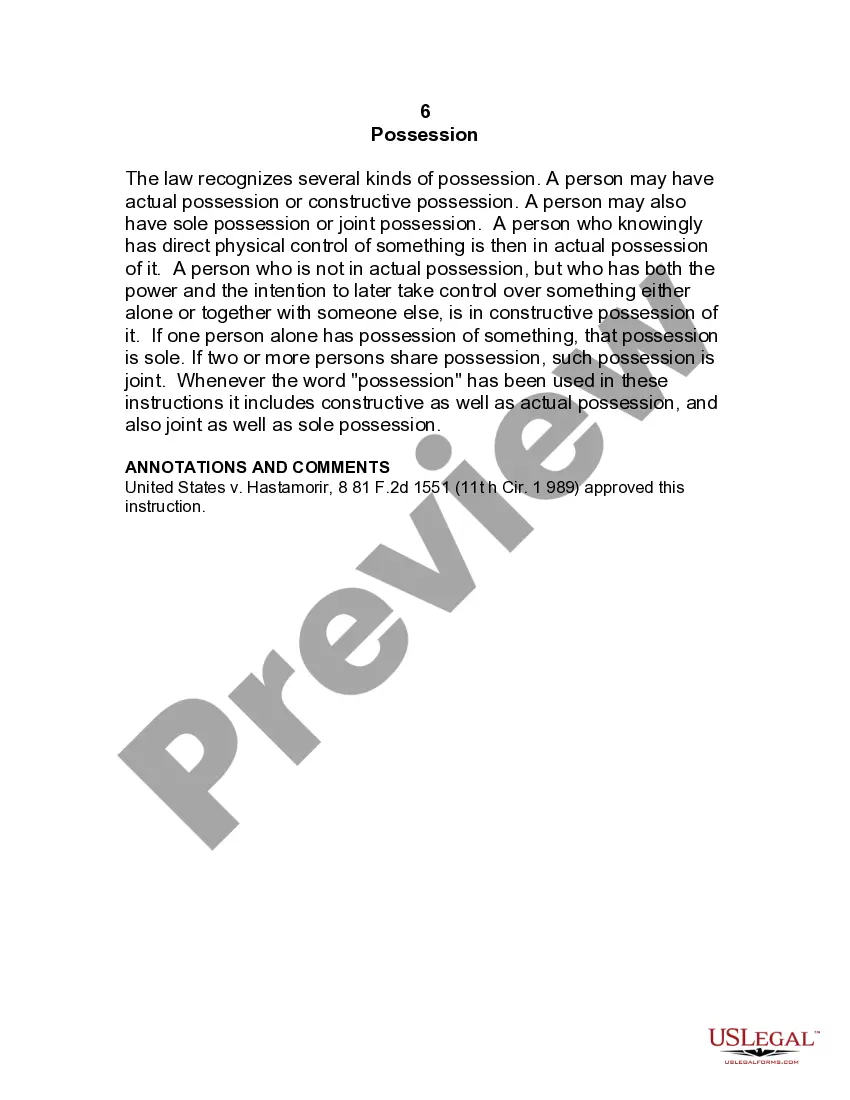
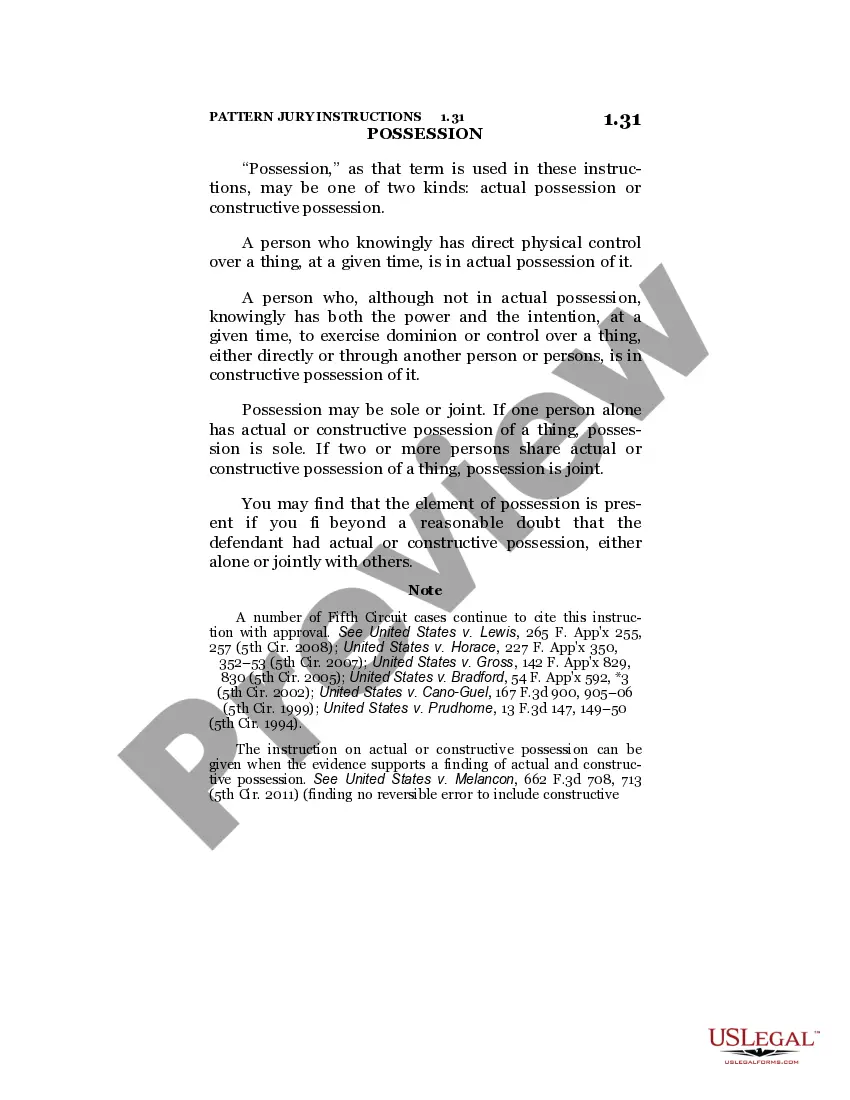
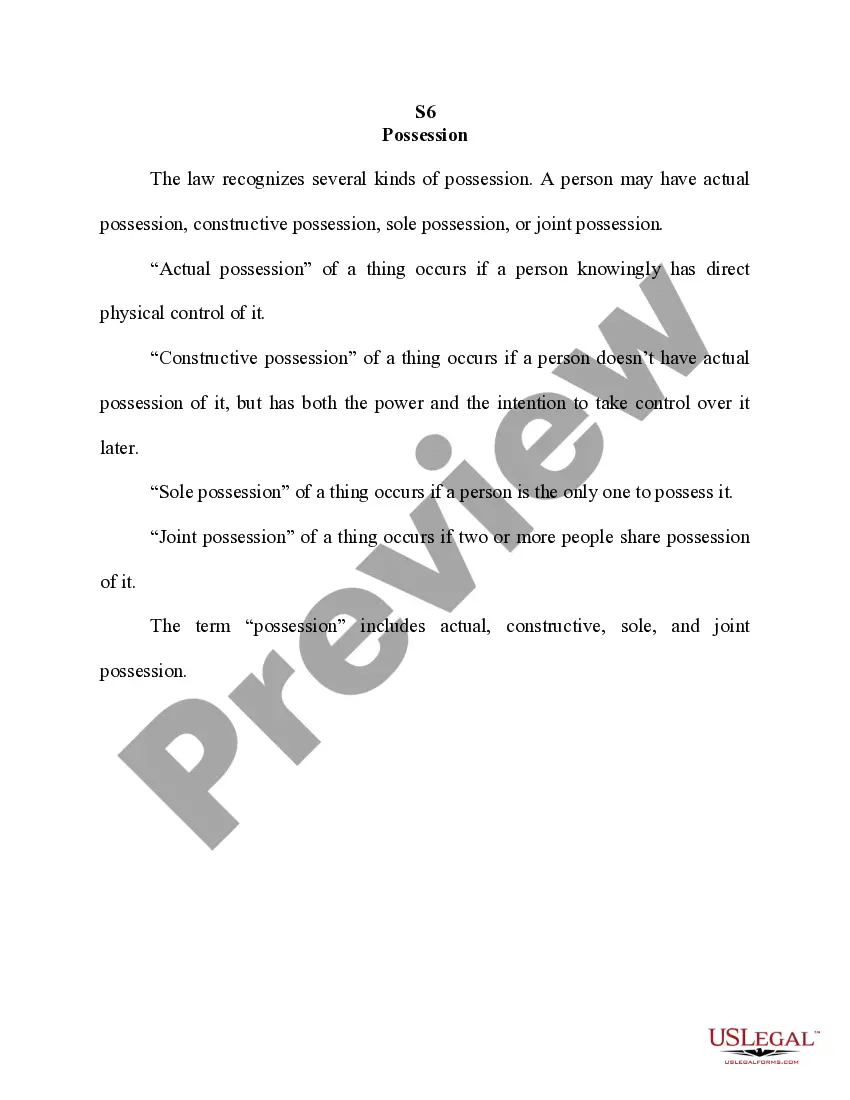
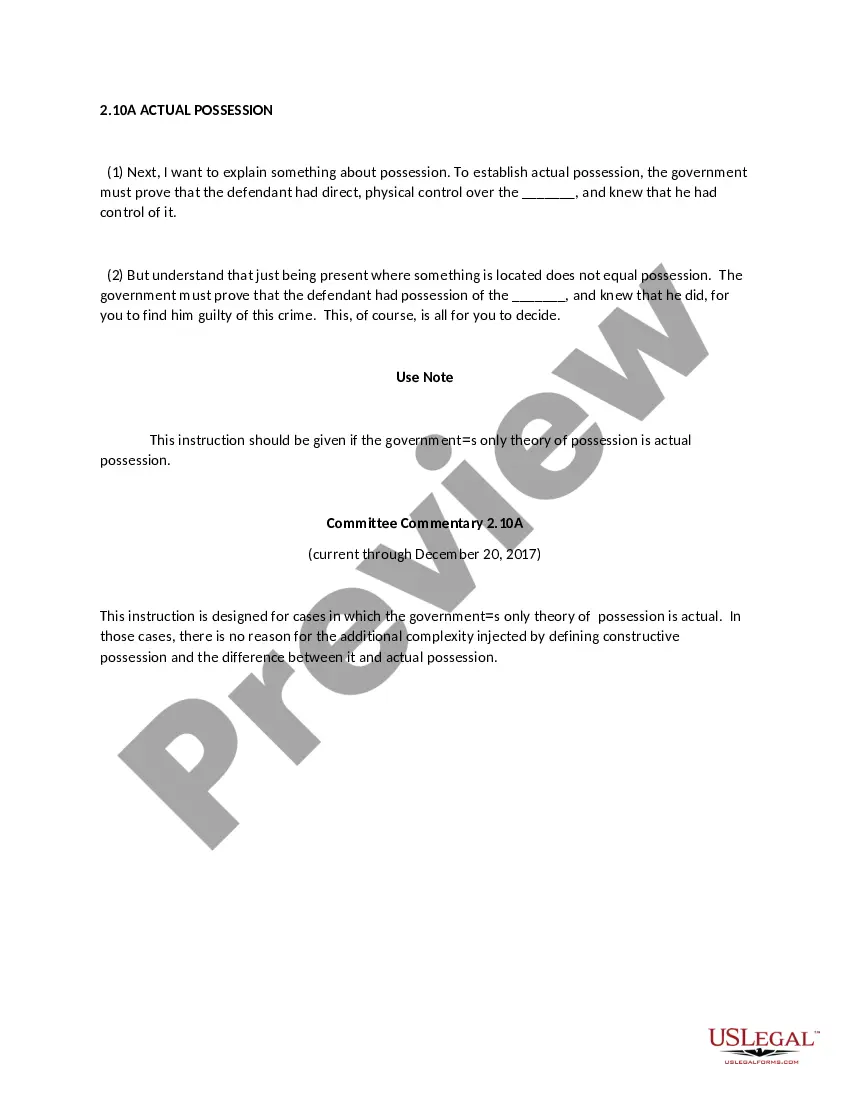
The Jury Instruction - Possession form provides sample jury instructions used in legal cases across the United States. This form clarifies the concept of possession, defining actual and constructive possession, as well as sole and joint possession. It serves as a model to be tailored according to your specific legal needs, distinguishing it from other jury instruction forms that may cover different legal topics or scenarios.
Key components of this form
- Definitions of actual and constructive possession.
- Clarification of sole versus joint possession.
- Legal standards for possession referenced in case law.
- Instructions for adapting the form to fit specific cases.
Common use cases
This form is applicable when you need to provide jury instructions in a legal case involving possession. Use it in scenarios such as criminal defense cases, property disputes, or any situation where possession is a key issue. It helps ensure that jurors understand the different types of possession relevant to the case being tried.
Who should use this form
- Attorneys preparing for trial.
- Legal professionals involved in jury selection or jury instruction.
- Individuals representing themselves in legal matters related to possession.
Instructions for completing this form
- Identify the specific case and parties involved.
- Specify whether the possession is actual or constructive.
- Clarify if the possession is sole or joint.
- Modify the instructions to fit your unique legal argument.
- Prepare the form for presentation to the court.
Does this document require notarization?
This form does not typically require notarization unless specified by local law. However, it is always advisable to check the specific requirements in your jurisdiction.
Get your form ready online
Our built-in tools help you complete, sign, share, and store your documents in one place.
Make edits, fill in missing information, and update formatting in US Legal Forms—just like you would in MS Word.
Download a copy, print it, send it by email, or mail it via USPS—whatever works best for your next step.
Sign and collect signatures with our SignNow integration. Send to multiple recipients, set reminders, and more. Go Premium to unlock E-Sign.
If this form requires notarization, complete it online through a secure video call—no need to meet a notary in person or wait for an appointment.
We protect your documents and personal data by following strict security and privacy standards.

Make edits, fill in missing information, and update formatting in US Legal Forms—just like you would in MS Word.

Download a copy, print it, send it by email, or mail it via USPS—whatever works best for your next step.

Sign and collect signatures with our SignNow integration. Send to multiple recipients, set reminders, and more. Go Premium to unlock E-Sign.

If this form requires notarization, complete it online through a secure video call—no need to meet a notary in person or wait for an appointment.

We protect your documents and personal data by following strict security and privacy standards.
Common mistakes
- Using outdated legal definitions or terminology.
- Failing to specify the type of possession relevant to the case.
- Not adapting the instructions to fit local jurisdictional requirements.
Advantages of online completion
- Convenience of accessing the form anywhere and anytime.
- Editability to tailor the form to your specific needs swiftly.
- Reliability as it is drafted by licensed attorneys.
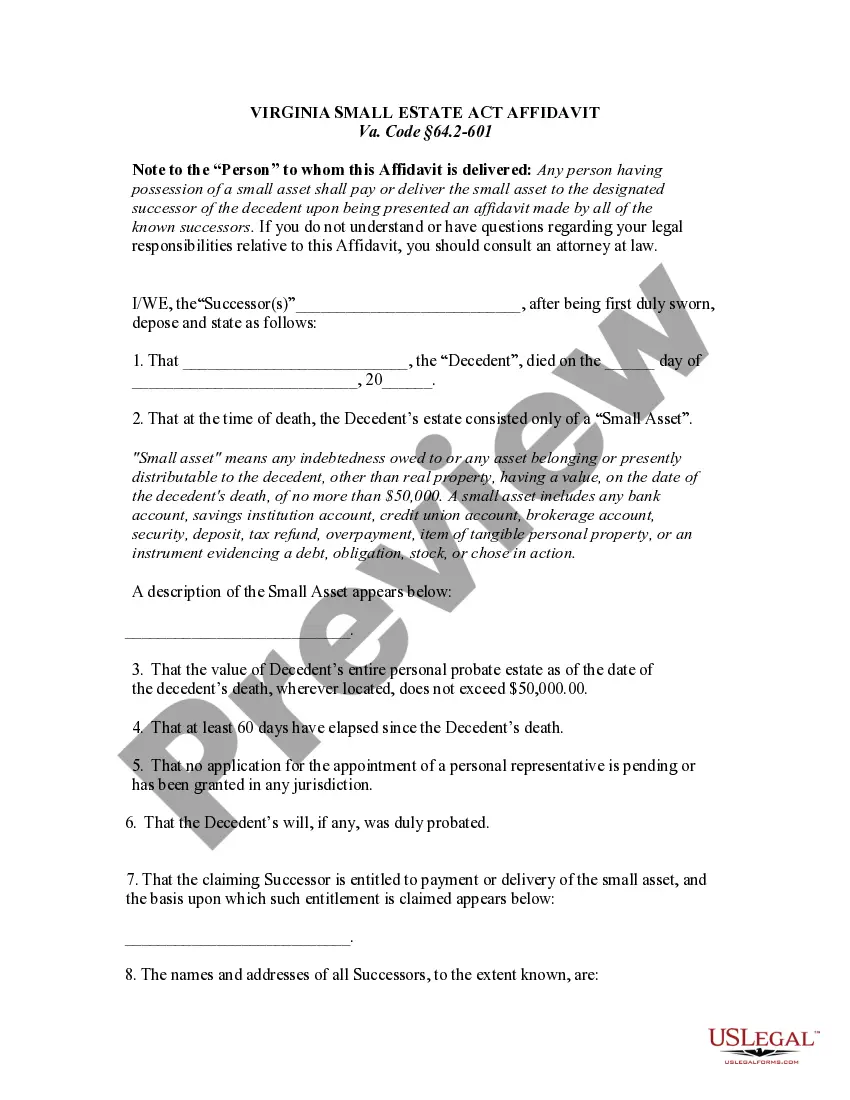
Looking for another form?





Form popularity
FAQ
Jury Instructions. instructions that are given by the trial judge that specifically state what the defendant can be found guilty of and what the prosecution or plaintiff has to prove in order for a guilty verdict.
Jury instructions are important for several reasons. The primary reason is they lay out the applicable law for jurors to follow. Without jury instructions, the jury would not know the elements of a DUI or Robbery charge.That is why jury instructions are typed and printed and placed in the court file.
Westlaw: Jury instructions can be found by going to Secondary Sources link, then selecting jury selections from the options listed on the left side of the page.
A jury instruction is given by the judge to the jury to explain what is happening in the court, to explain the points of law relevant to the case, to explain certain aspects of the evidence presented and to assist the jurors in understanding their duties in reaching a verdict.
A judgment notwithstanding the verdict (or JNOV) is an order by a judge after a jury has returned its verdict. The judge can overturn the jury's verdict if he or she feels it cannot reasonably be supported by the evidence or if it contradicts itself.
These are civil or criminal jury instructions approved by a state court, bench committee, or bar association. They are commonly used by courts in the relevant jurisdiction, as they ease the process of drafting fair jury instructions and theoretically do not have errors.
Jury instructions, directions to the jury, or judge's charge are legal rules that jurors should follow when deciding a case.
The judge instructs the jury about the relevant laws that should guide its deliberations. (In some jurisdictions, the court may instruct the jury at any time after the close of evidence.The judge reads the instructions to the jury. This is commonly referred to as the judge's charge to the jury.