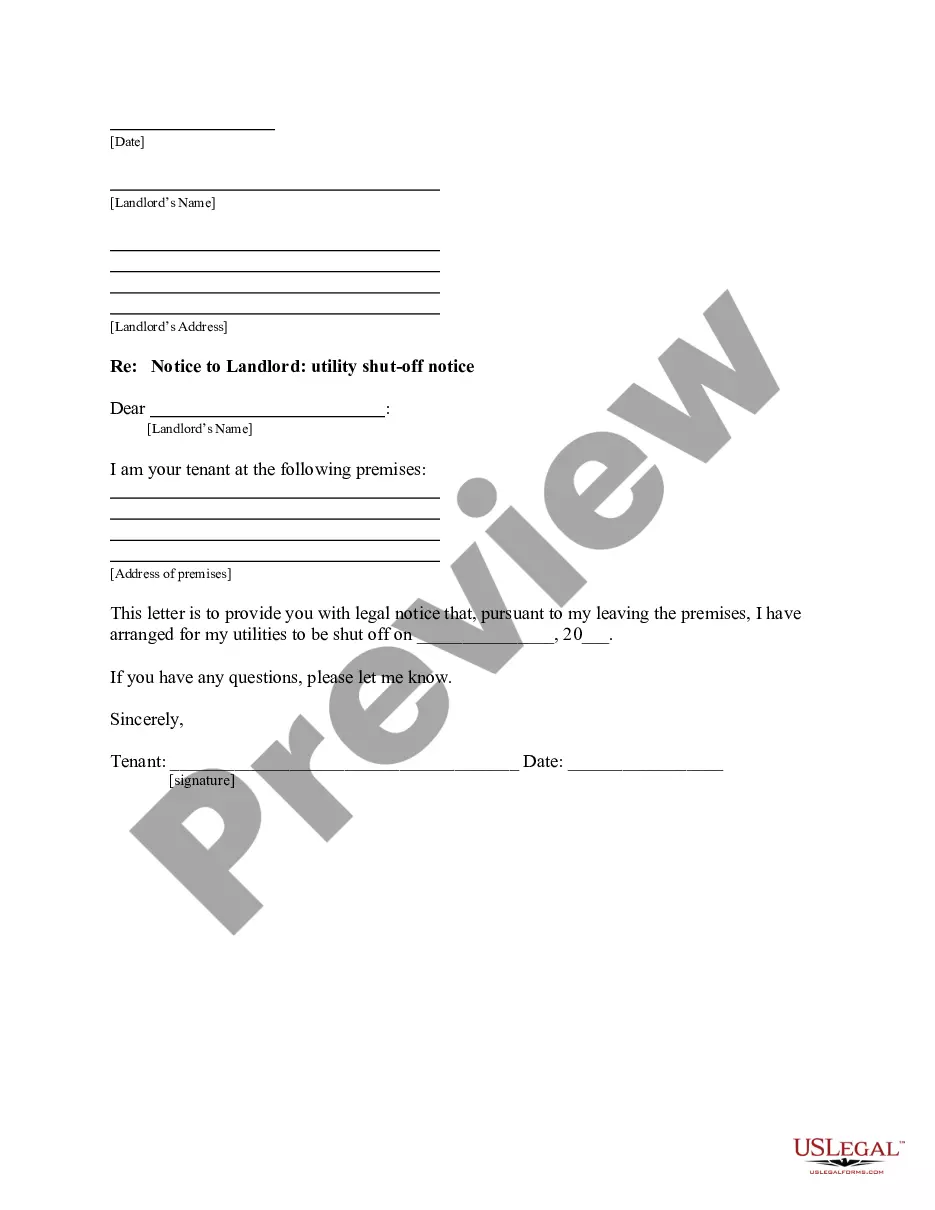
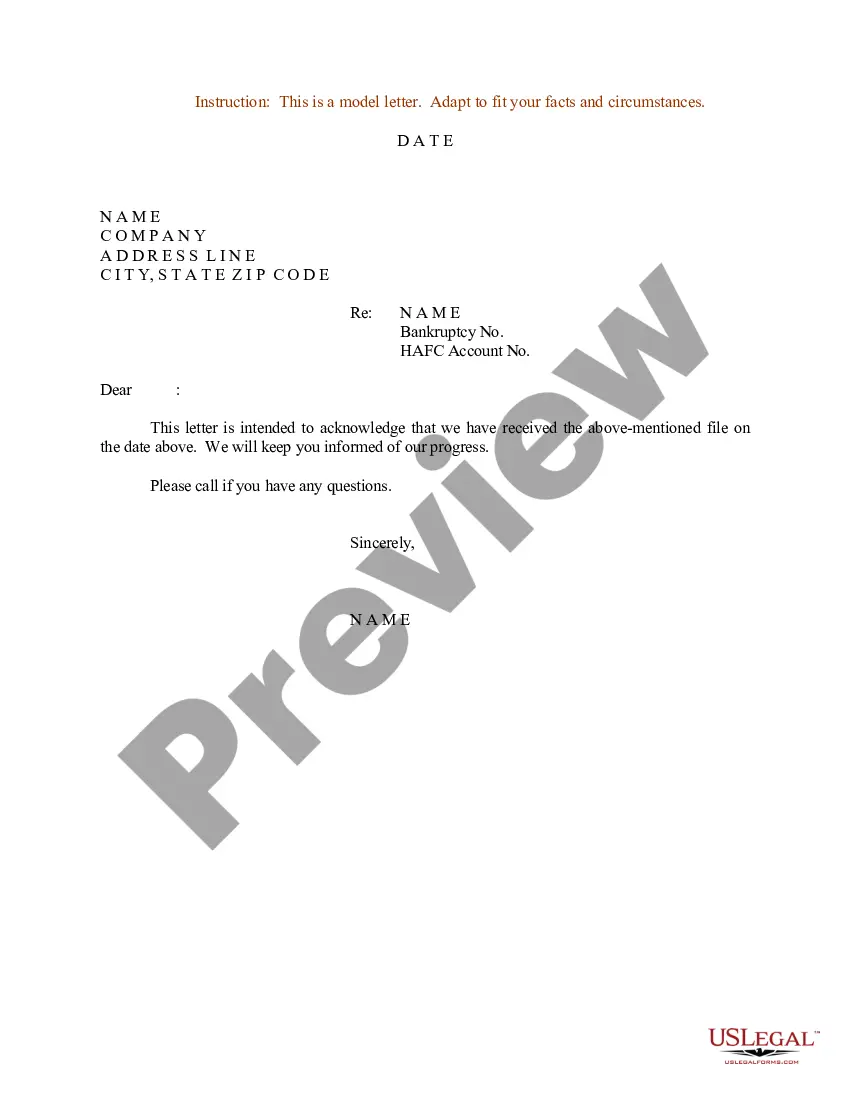
Sample Letter for Written Acknowledgment of Bankruptcy Information
Understanding this form
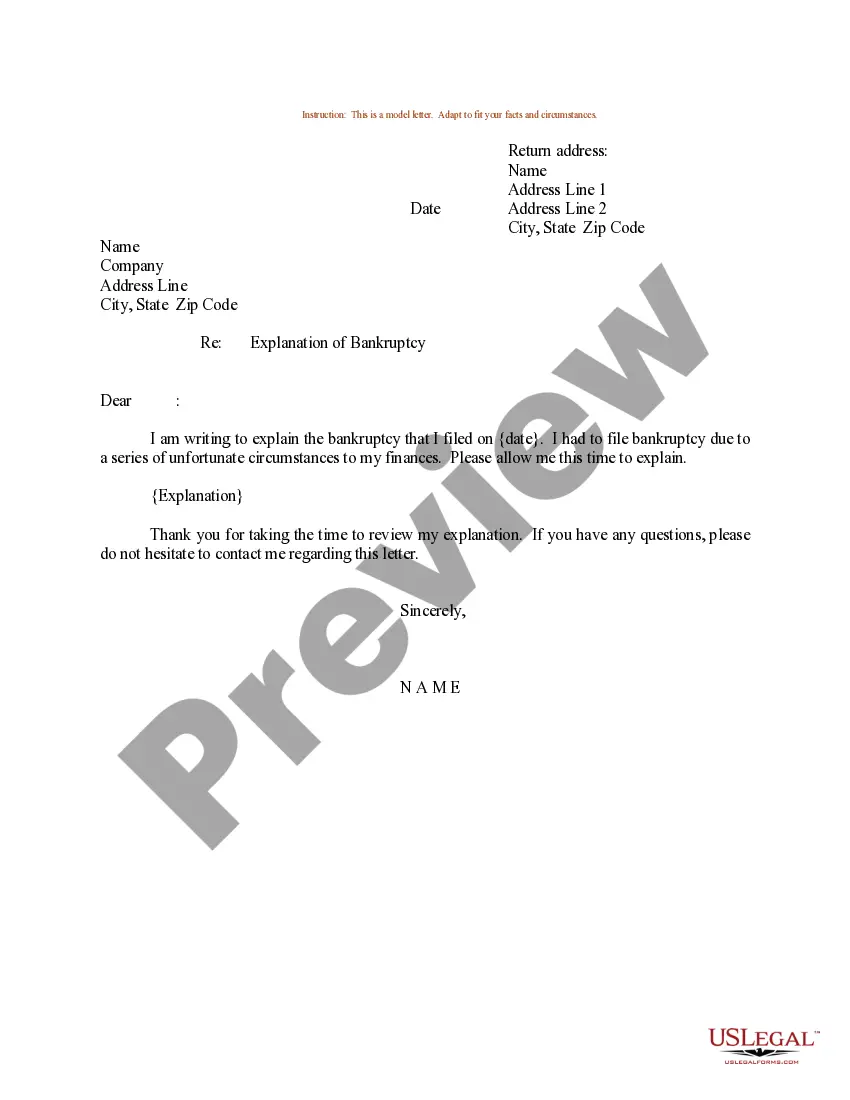
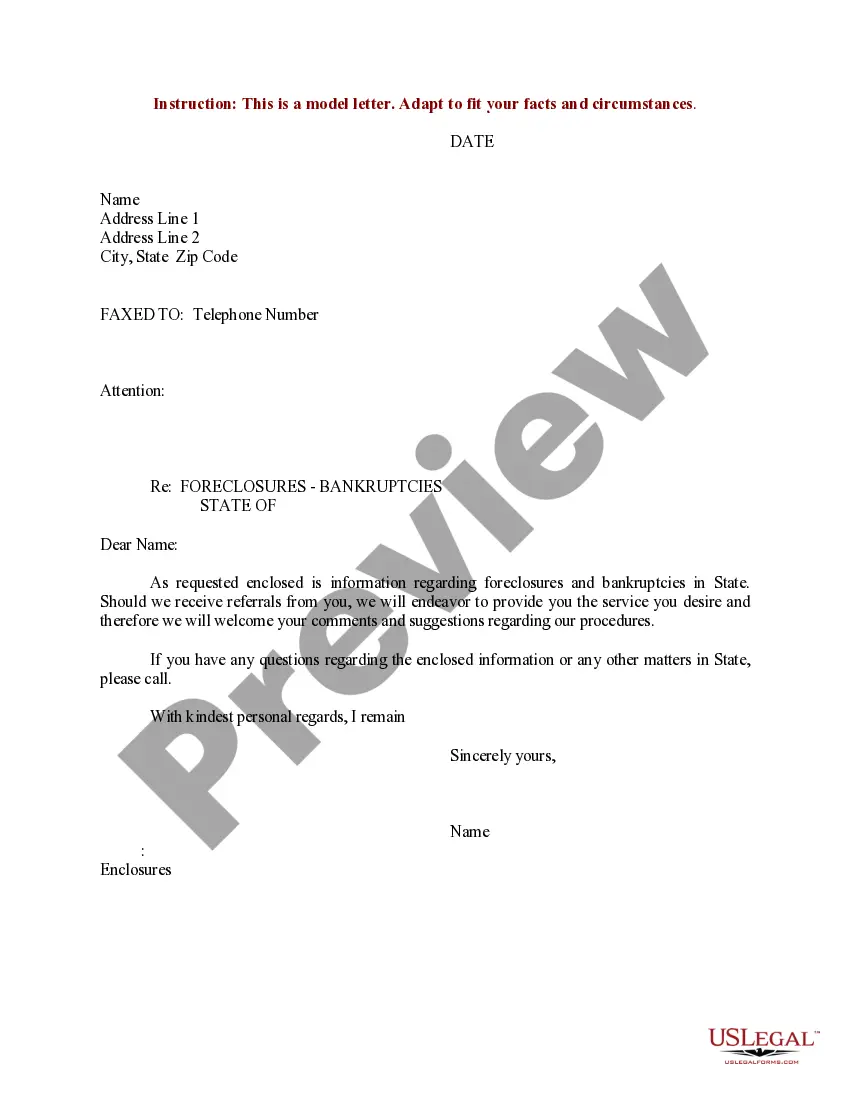
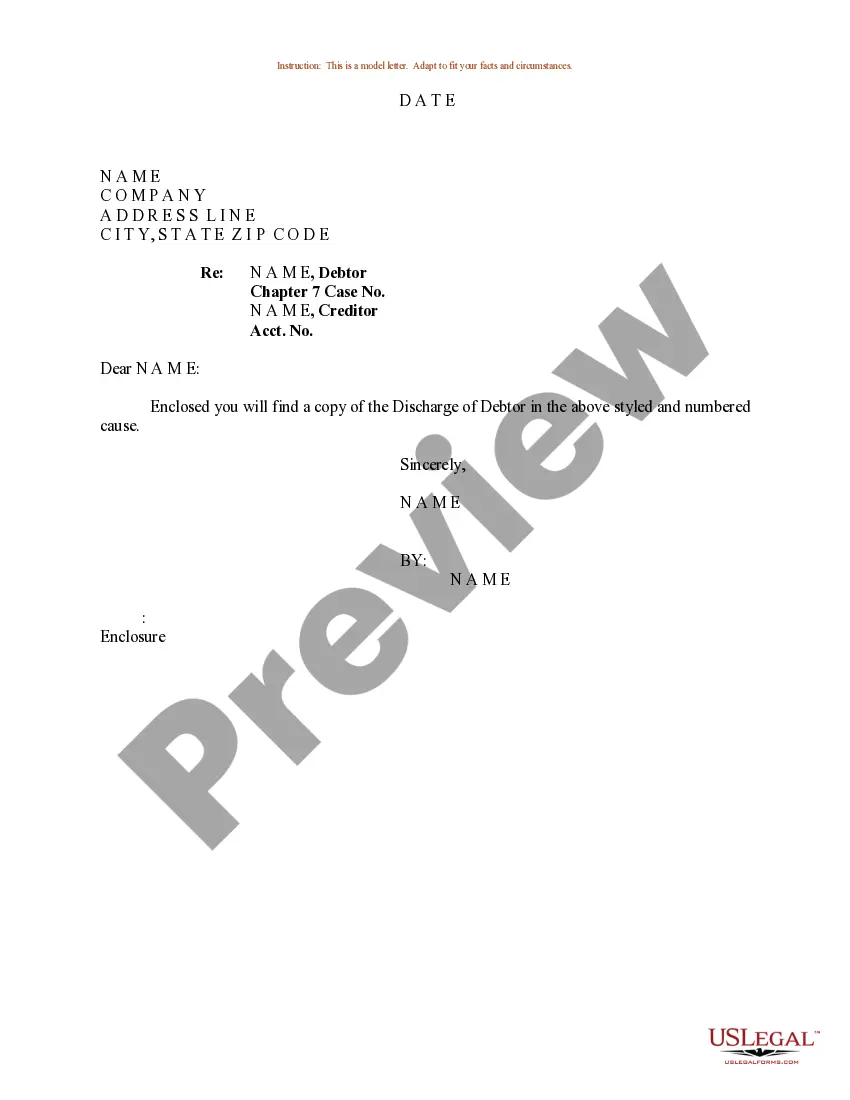
This Sample Letter for Written Acknowledgment of Bankruptcy Information is a template designed to facilitate communication regarding a bankruptcy situation. It serves to acknowledge the receipt of important bankruptcy details and can help prevent misunderstandings between parties involved. Unlike more complex legal documents, this form provides a simple yet effective means of formal acknowledgment in a bankruptcy context.
Key components of this form
- Date of the letter
- Name and address of the intended recipient
- Statement acknowledging receipt of bankruptcy information
- Contact information for further questions
- Sender's name and signature line
When to use this document
This form is useful in situations where a business or individual needs to formally acknowledge receipt of bankruptcy information from a creditor or other entities. It is appropriate for use when initiating communication about the bankruptcy process, ensuring that all parties are aware of the pertinent details that may affect their dealings.
Who this form is for
- Individuals or businesses involved in bankruptcy proceedings
- Creditors seeking acknowledgment from debtors
- Attorneys representing clients in bankruptcy matters
- Anyone needing to formalize communication regarding bankruptcy information
How to prepare this document
- Enter the date at the top of the letter.
- Insert the name and address of the recipient.
- Clearly state that you are acknowledging receipt of their bankruptcy information.
- Provide your contact information for any further inquiries.
- Sign the letter and include your printed name below the signature.
Is notarization required?
Notarization is generally not required for this form. However, certain states or situations might demand it. You can complete notarization online through US Legal Forms, powered by Notarize, using a verified video call available anytime.
Get your form ready online
Our built-in tools help you complete, sign, share, and store your documents in one place.
Make edits, fill in missing information, and update formatting in US Legal Forms—just like you would in MS Word.
Download a copy, print it, send it by email, or mail it via USPS—whatever works best for your next step.
Sign and collect signatures with our SignNow integration. Send to multiple recipients, set reminders, and more. Go Premium to unlock E-Sign.
If this form requires notarization, complete it online through a secure video call—no need to meet a notary in person or wait for an appointment.
We protect your documents and personal data by following strict security and privacy standards.

Make edits, fill in missing information, and update formatting in US Legal Forms—just like you would in MS Word.

Download a copy, print it, send it by email, or mail it via USPS—whatever works best for your next step.

Sign and collect signatures with our SignNow integration. Send to multiple recipients, set reminders, and more. Go Premium to unlock E-Sign.

If this form requires notarization, complete it online through a secure video call—no need to meet a notary in person or wait for an appointment.

We protect your documents and personal data by following strict security and privacy standards.
Common mistakes to avoid
- Failing to include all necessary contact information.
- Not properly signing the letter.
- Leaving out the date, which can lead to confusion about when the acknowledgment was made.
- Using vague language that does not clearly acknowledge the bankruptcy information.
Advantages of online completion
- Convenience of downloading and editing at your own pace.
- Reliability of using a template crafted by licensed attorneys.
- Easy to customize for your specific needs without legal jargon.
- Immediate access allows for quick acknowledgment processes.
Looking for another form?










Form popularity
FAQ
There is no minimum amount of debt you must have in order to file for bankruptcy relief. While the amount of your debt is an important factor to consider, there are other more important factors to take into account in determining if a bankruptcy filing is in your best interest.
If your annual income, as calculated on line 12b, is less than $84,952, you may qualify to file Chapter 7 bankruptcy. If it's greater than $84,952, you'll have to continue to Form 122A-2, which we'll review in the next section. It should be noted that every state has different median income calculations.
Filing Bankruptcy: The Cons The first downside to filing for bankruptcy is that despite helping you out of debt, it will not eliminate all your debts. The following are some of the debts that will remain after filing for bankruptcy: Your most recent back taxes. Most student loans.
In both cases, the bankruptcy court can discharge certain debts. Once a debt has been discharged, the creditor can no longer take action against the debtor, such as attempting to collect the debt or seize any collateral. Not all debts can be discharged, however, and some are very difficult to get discharged.
While you are bankrupt, you will not have to make payments on most of your debts unless you have surplus income. Your creditors will not be able to contact you about your debts. Any lawsuits about your debt will stop. Your assets are things that you own that can be sold to help pay off your debts.
You won't lose all of your property when you file for bankruptcy.Bankruptcy law allows you to exempt, or take out of the bankruptcy estate, the things you need to maintain a home and job, such as household furnishings, clothing, and an inexpensive car.
Even if you make too much money to automatically pass the Chapter 7 means test, you may still be able to qualify for Chapter 7 bankruptcy. This is because you can deduct certain expenses in full to help you reduce your disposable income on the means test.
After filing for Chapter 7, your property will go into a bankruptcy estate held by the Chapter 7 bankruptcy trustee appointed to your case. However, you don't lose everything because you can remove (exempt) property reasonably necessary to maintain a home and employment.
When you declare bankruptcy, it's a sign that you are no longer paying your debts as originally agreed, and it can seriously damage your credit history.Because chapter 7 bankruptcy completely eliminates the debts you include when you file, it can stay on your credit report for up to 10 years.