Best Practice Protocols Clinical Procedures Safety
About this form
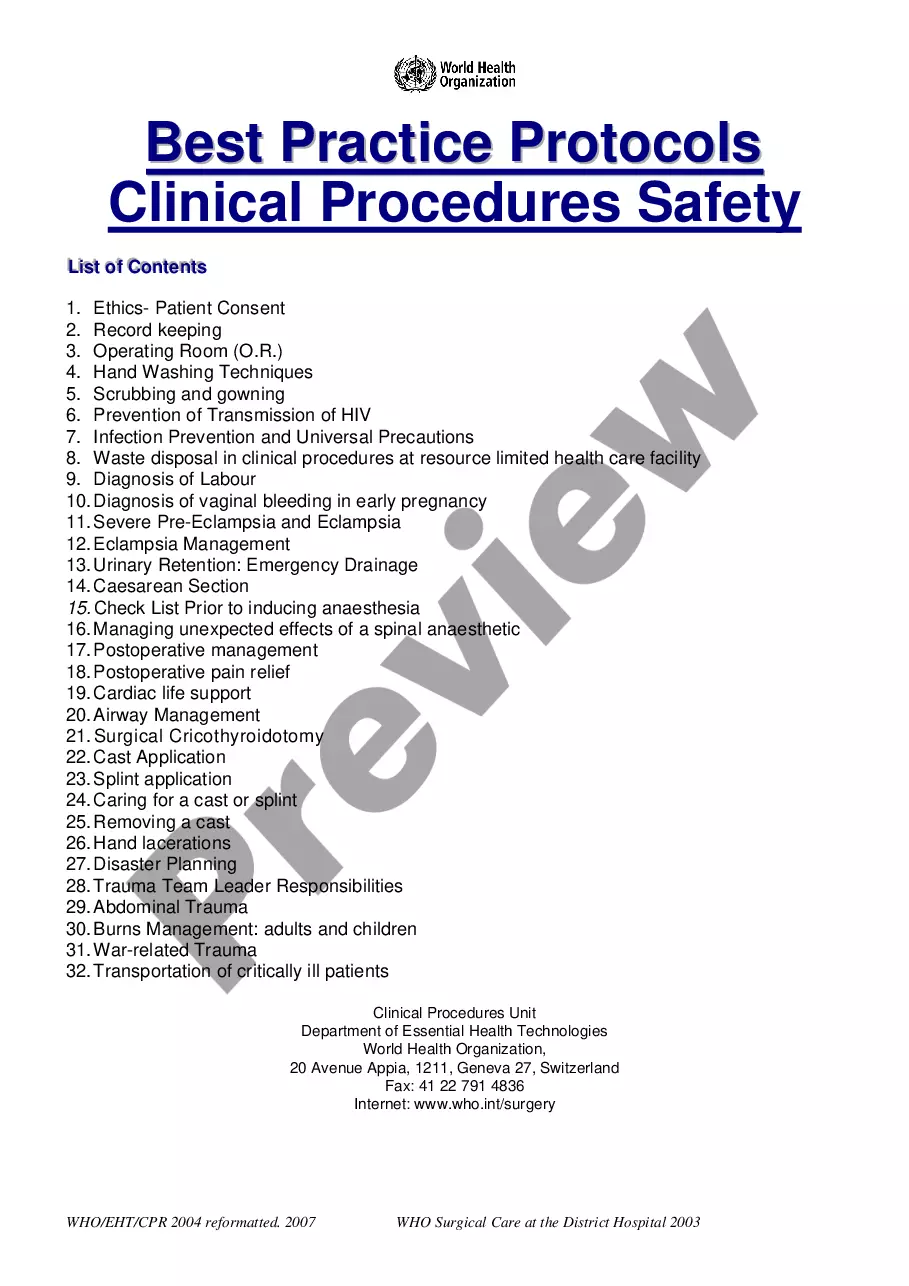
The Best Practice Protocols Clinical Procedures Safety form outlines essential protocols aimed at maintaining safety during clinical procedures. This form differs from other medical forms by providing specific, comprehensive guidelines that enhance patient care and reduce the risk of errors during clinical settings. It serves as a crucial resource for healthcare professionals to ensure adherence to best practices in patient management and surgical procedures.
Key parts of this document
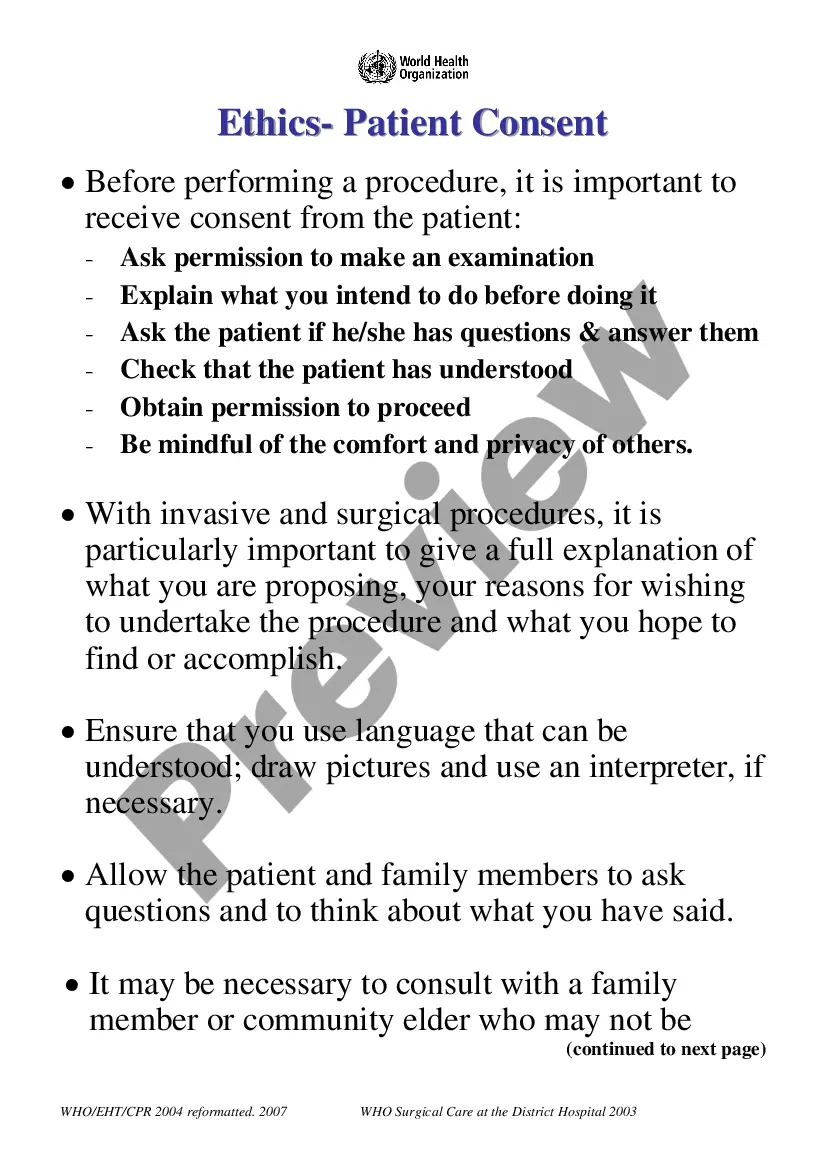
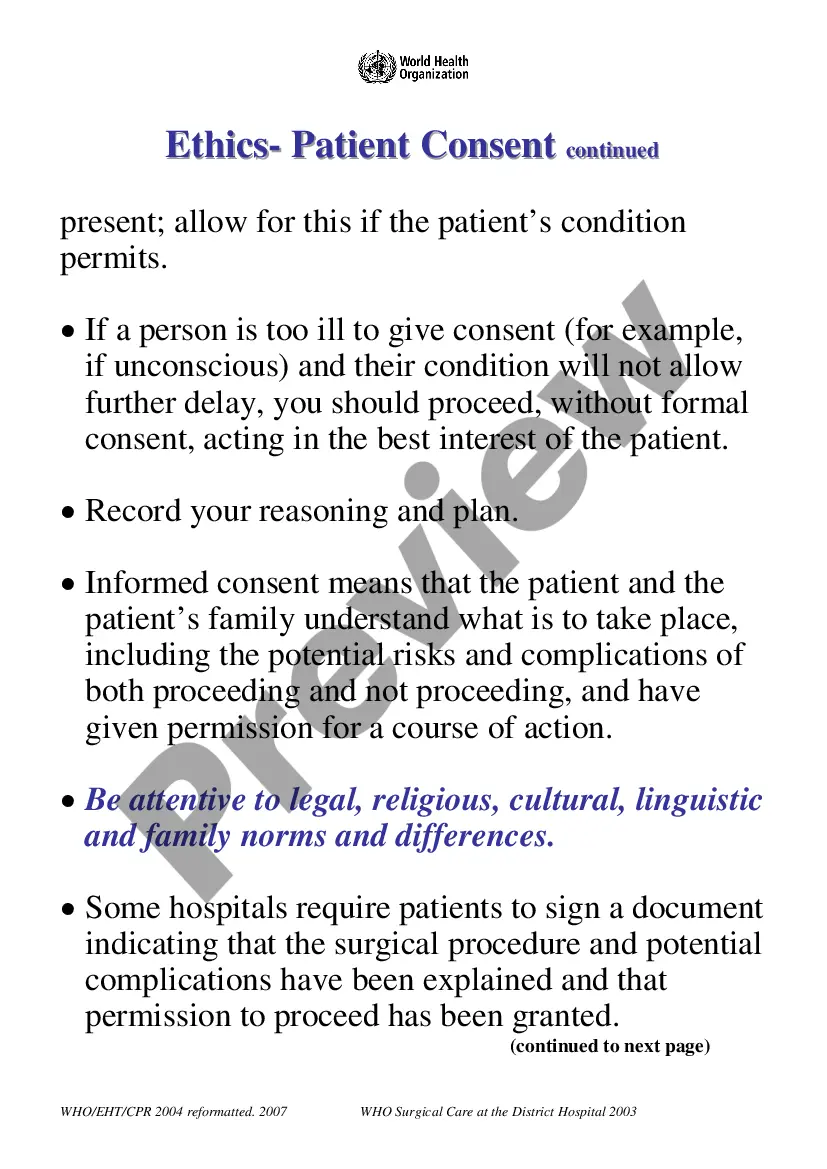
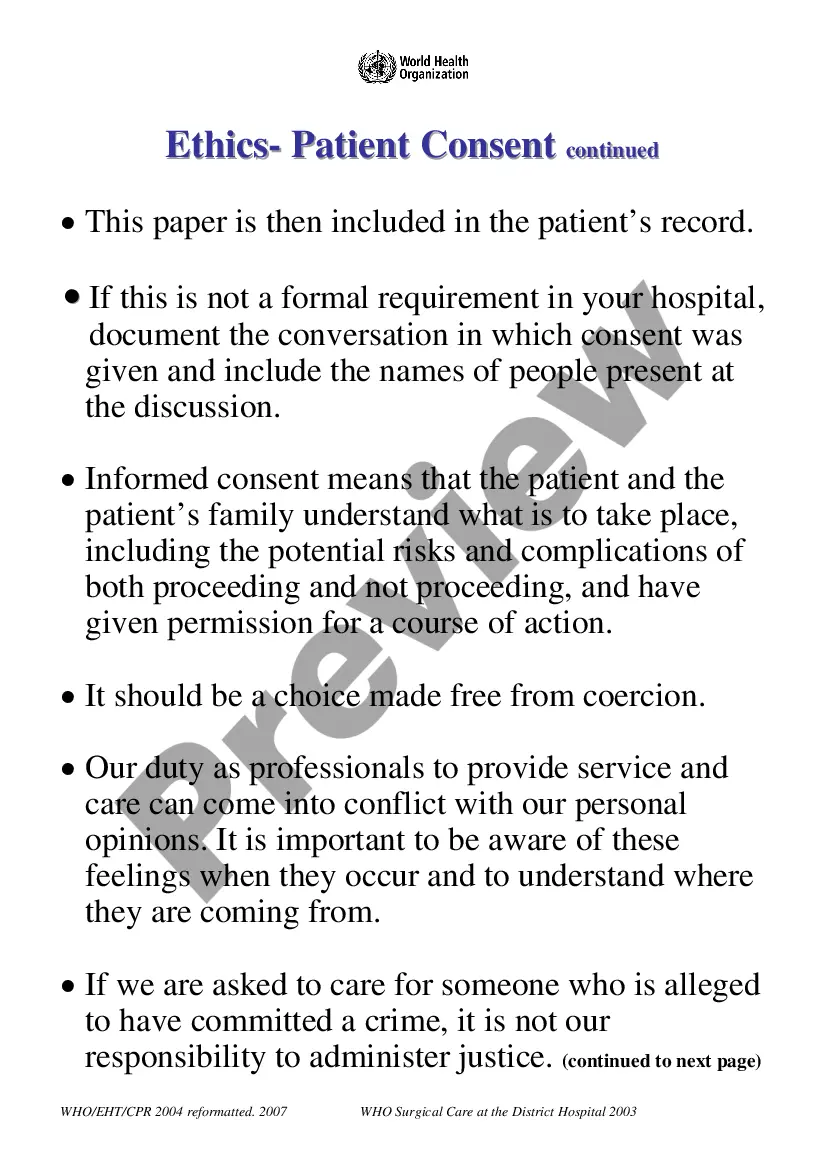
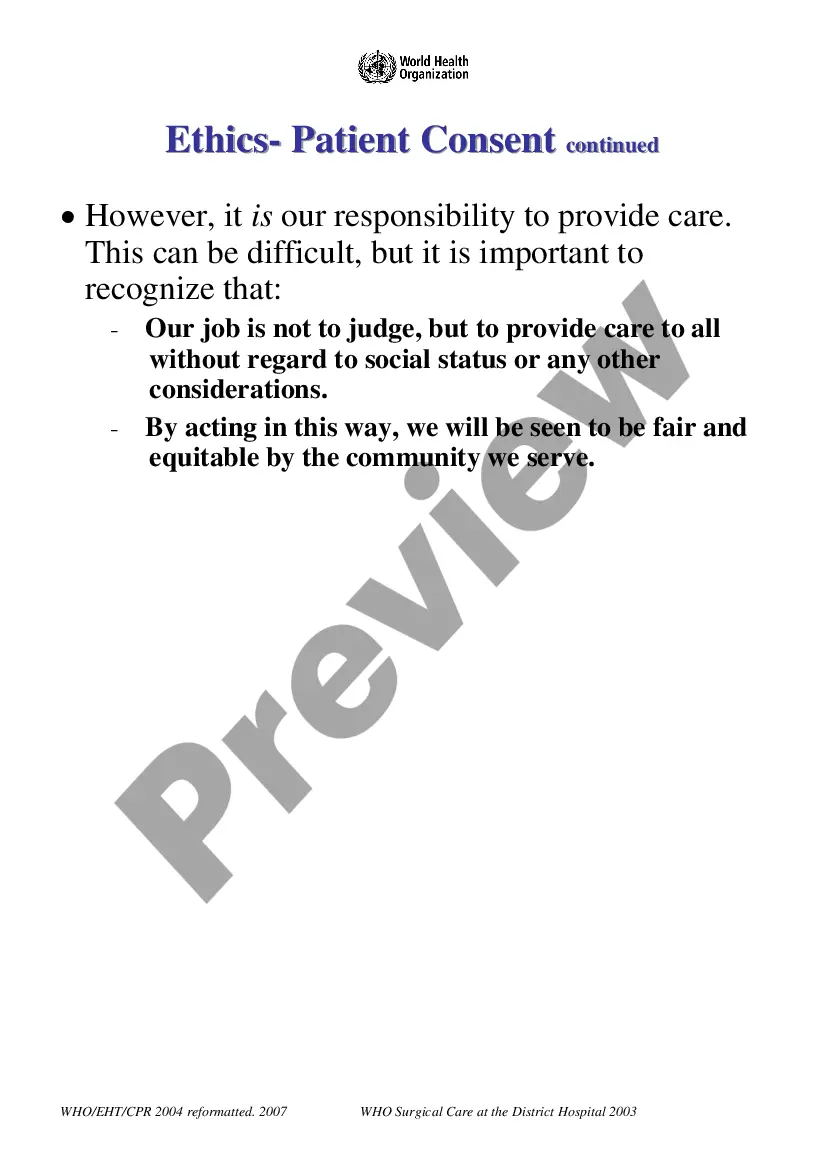
- Ethics and patient consent protocols.
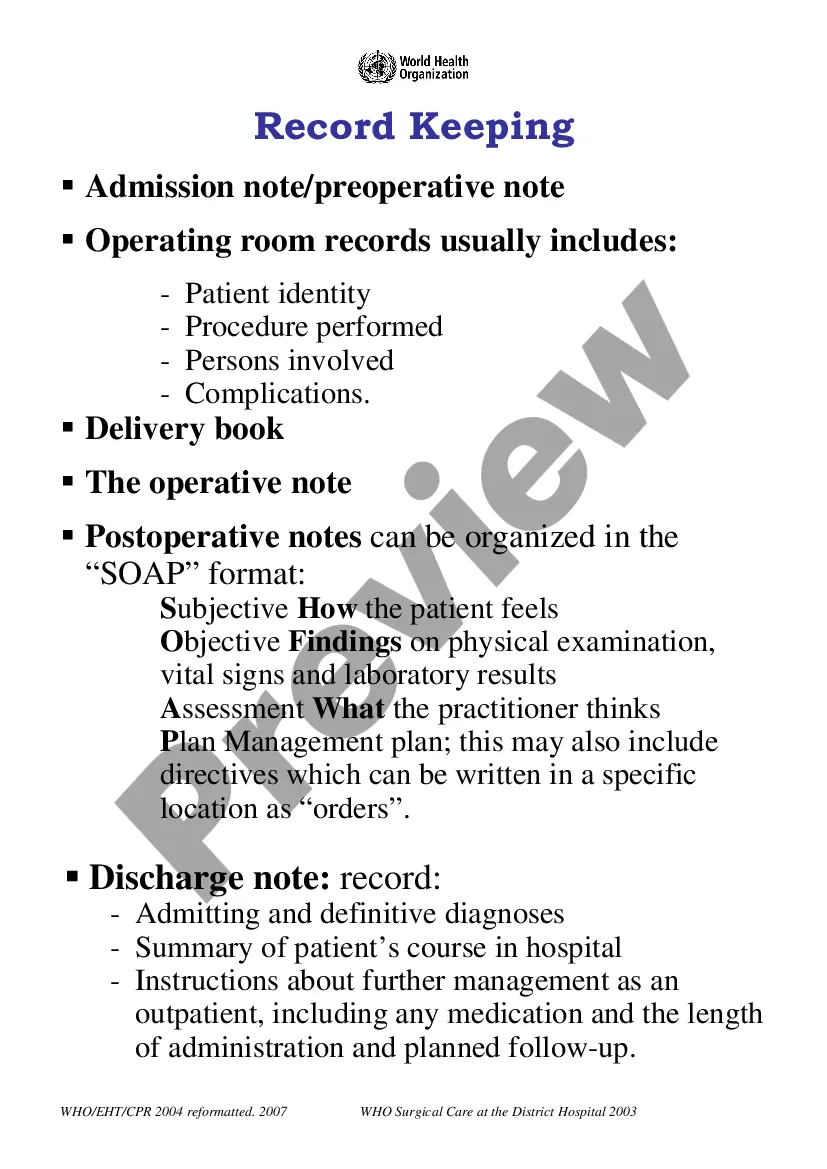
- Detailed record-keeping requirements.
- Guidelines for maintaining operating room safety.
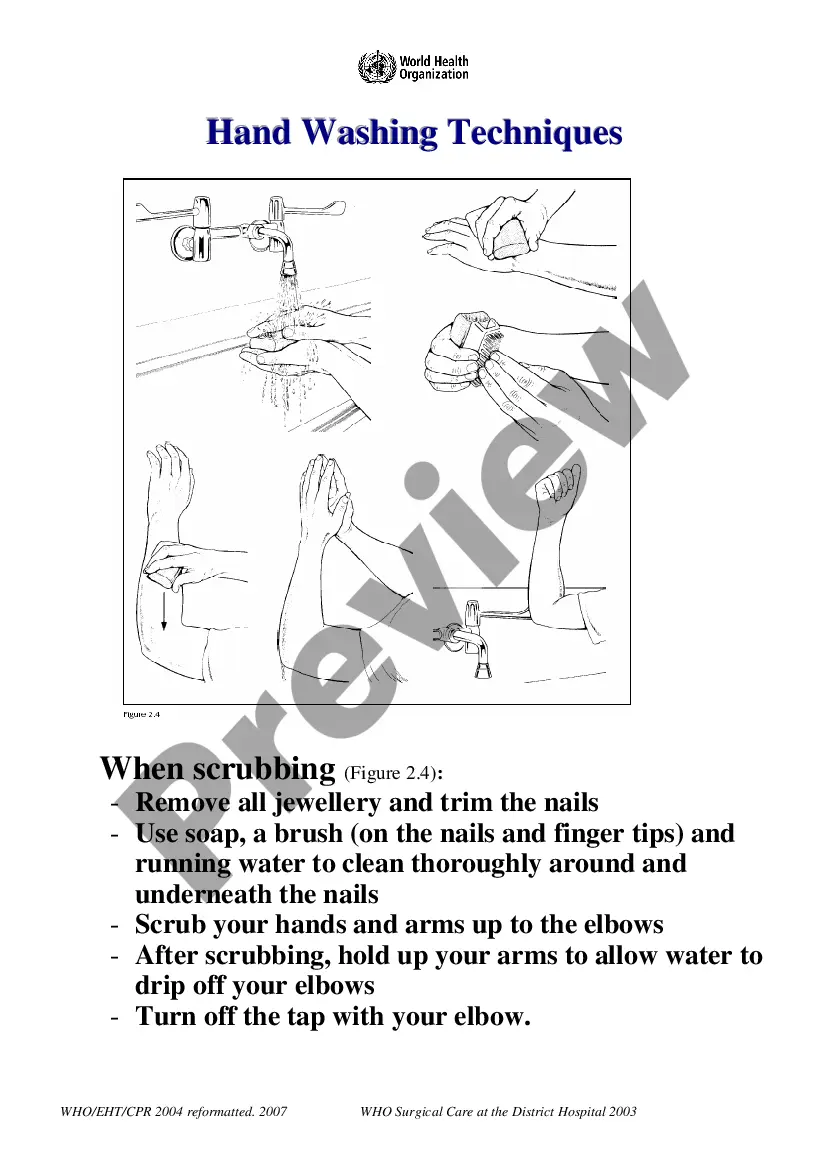
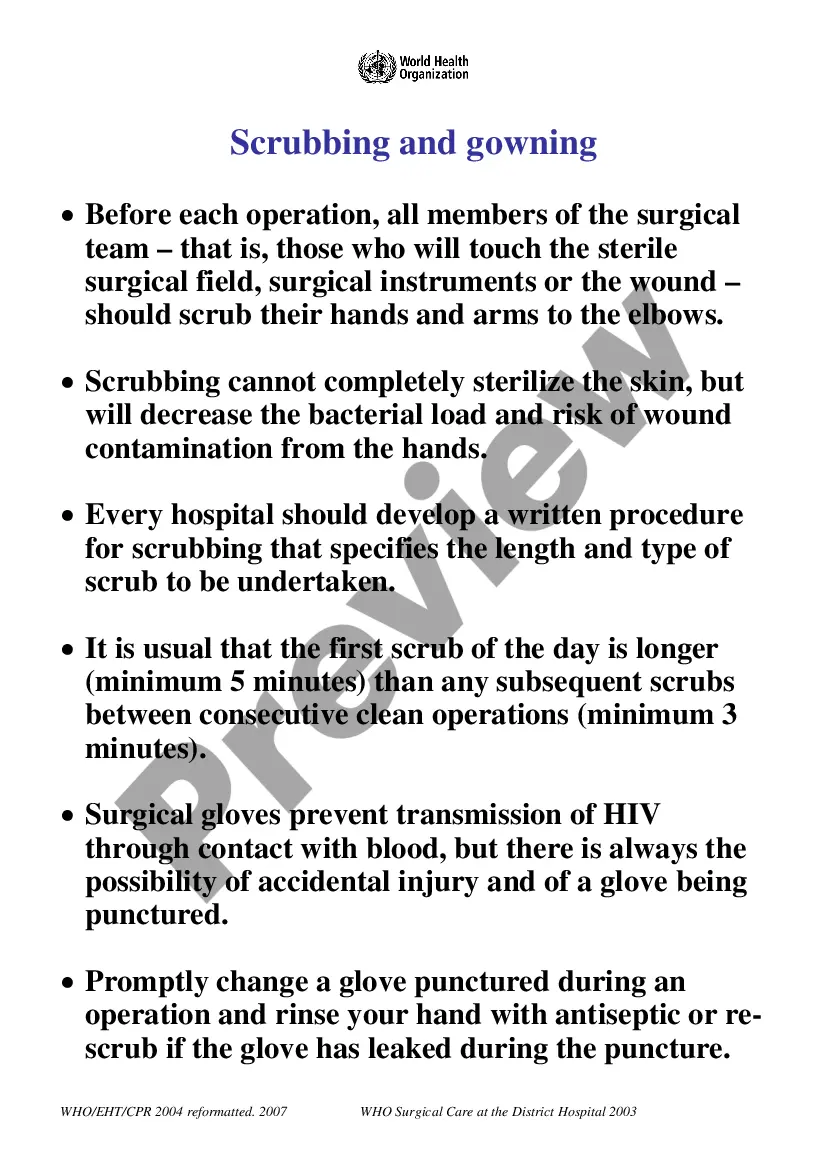
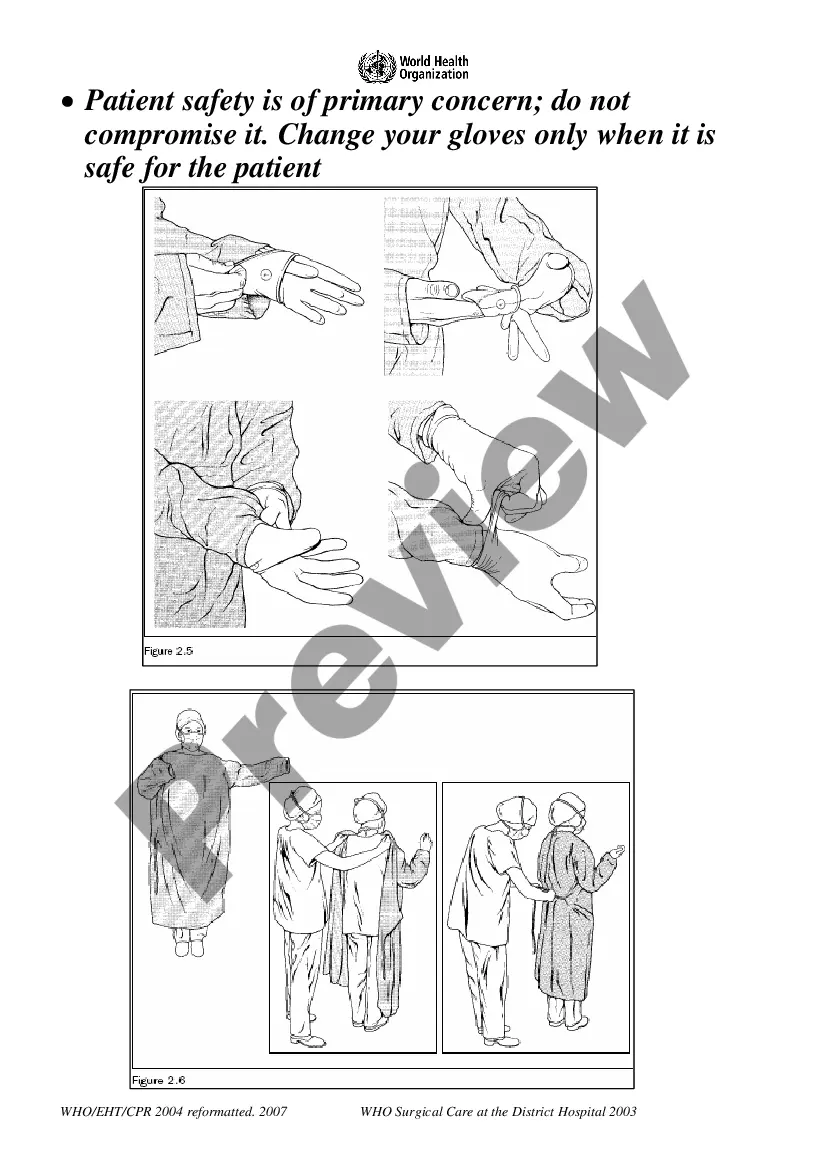
- Hand washing techniques and scrubbing protocols.
- Infection prevention and waste disposal procedures.
- Emergency protocols for various clinical procedures.


When to use this document
This form is essential in various scenarios, including but not limited to the following: during surgical procedures when ethical guidelines must be observed, ensuring proper patient consent; when establishing safety protocols in the operating room; and in emergency contexts where adherence to clinical procedures can significantly impact patient outcomes. It can also be utilized in training settings for healthcare staff to reinforce the importance of safety standards.
Who should use this form
- Healthcare professionals involved in surgical procedures.
- Medical administrators overseeing hospital protocols.
- Nurses and care staff responsible for patient safety.
- Healthcare educators providing training on best practices.
How to complete this form
- Identify the specific clinical procedure to be undertaken.
- Ensure patient consent is documented following the outlined ethical guidelines.
- Complete the record-keeping sections detailing all relevant patient information.
- Review and implement the protocols related to infection prevention and waste disposal.
- Ensure all team members are aware of their roles and responsibilities within the operating room.
Notarization requirements for this form
This form does not typically require notarization unless specified by local law. Ensure to review local regulations regarding the notarization of medical forms.
Get your form ready online
Our built-in tools help you complete, sign, share, and store your documents in one place.
Make edits, fill in missing information, and update formatting in US Legal Forms—just like you would in MS Word.
Download a copy, print it, send it by email, or mail it via USPS—whatever works best for your next step.
Sign and collect signatures with our SignNow integration. Send to multiple recipients, set reminders, and more. Go Premium to unlock E-Sign.
If this form requires notarization, complete it online through a secure video call—no need to meet a notary in person or wait for an appointment.
We protect your documents and personal data by following strict security and privacy standards.

Make edits, fill in missing information, and update formatting in US Legal Forms—just like you would in MS Word.

Download a copy, print it, send it by email, or mail it via USPS—whatever works best for your next step.

Sign and collect signatures with our SignNow integration. Send to multiple recipients, set reminders, and more. Go Premium to unlock E-Sign.

If this form requires notarization, complete it online through a secure video call—no need to meet a notary in person or wait for an appointment.

We protect your documents and personal data by following strict security and privacy standards.
Avoid these common issues
- Failing to obtain proper informed consent from patients.
- Poor documentation of patient records and clinical procedures.
- Inadequate hand hygiene before and after procedures.
- Ignoring emergency protocols during unexpected situations.
Why complete this form online
- Convenient access to up-to-date clinical protocols.
- Ability to fill out and customize forms as needed.
- Ensures compliance with established safety standards in a digital format.
- Provides assurance of reliability through attorney-drafted content.
Looking for another form?
Form popularity
FAQ
Our clinical trials registry is available online at www.clinicaltrials.gov. Additionally, clinical trial protocol information submitted by AbbVie to the EudraCT database is made publicly available by the EMA via the clinical trials register.
What is a Nursing Protocol? 25a1 A nursing protocol is considered to be a set of. predetermined criteria that define appropriate nursing interventions that articulate or describe situations in which the nurse makes judgments relative to a course of action for effective management of common patient care problems.
The protocol is a document that describes how a clinical trial will be conducted (the objective(s), design, methodology, statistical considerations and organization of a clinical trial,) and ensures the safety of the trial subjects and integrity of the data collected.
A protocol can be described as an agreement to a particular sequence of activities that assist health care workers to respond consistently in complex areas of clinical practice. Protocols may be established on a unidisciplinary or multidisciplinary basis.
However, the use of checklists and protocols clearly has been demonstrated to improve outcomes and their use is strongly encouraged. Checklists and protocols should be incorporated into systems as a way to help practitioners provide the best evidence-based care to their patients.
Clinical protocols are basically rules of how to proceed in certain situations. They provide health care practitioners with parameters in which to operate. The term 'code of practice' may be used synonymously with clinical protocols. A code comprises a set of laws or rules.
The protocol should outline the rationale for the study, its objective, the methodology used and how the data will be managed and analysed. It should highlight how ethical issues have been considered, and, where appropriate, how gender issues are being addressed.
The use of clinical protocols allows health care providers to offer appropriate diagnostic treatment and care services to patients, variance reports to purchasers and quality training to clinical staff.
Nursing protocols in high-acuity and critical care settings help prevent complications, promote faster recovery, enhance patient safety, increase nursing autonomy and reduce costs, according to expert critical care nurses such as Ramon Lavandero, RN, MA, MSN, FAAN, director, communications and strategic alliances for