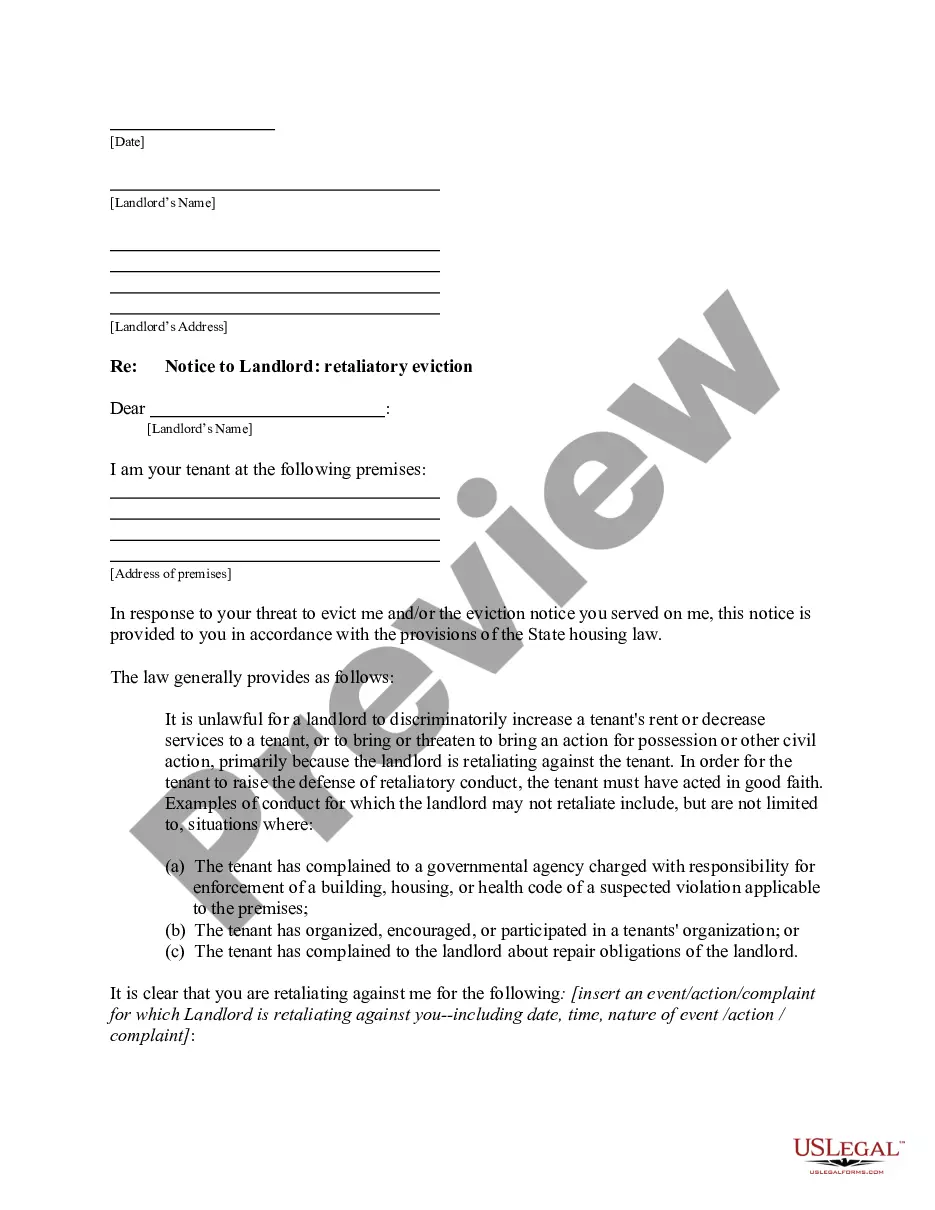
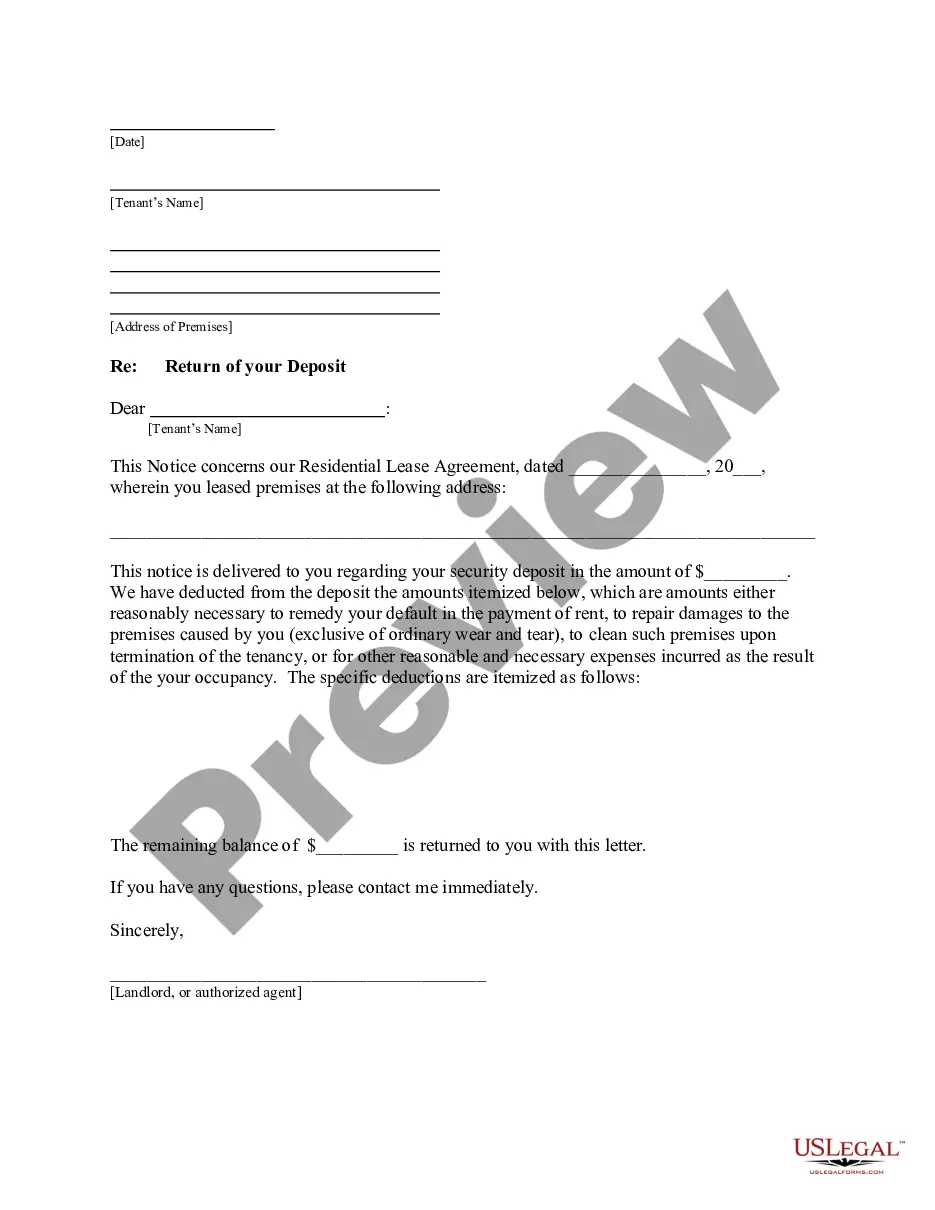
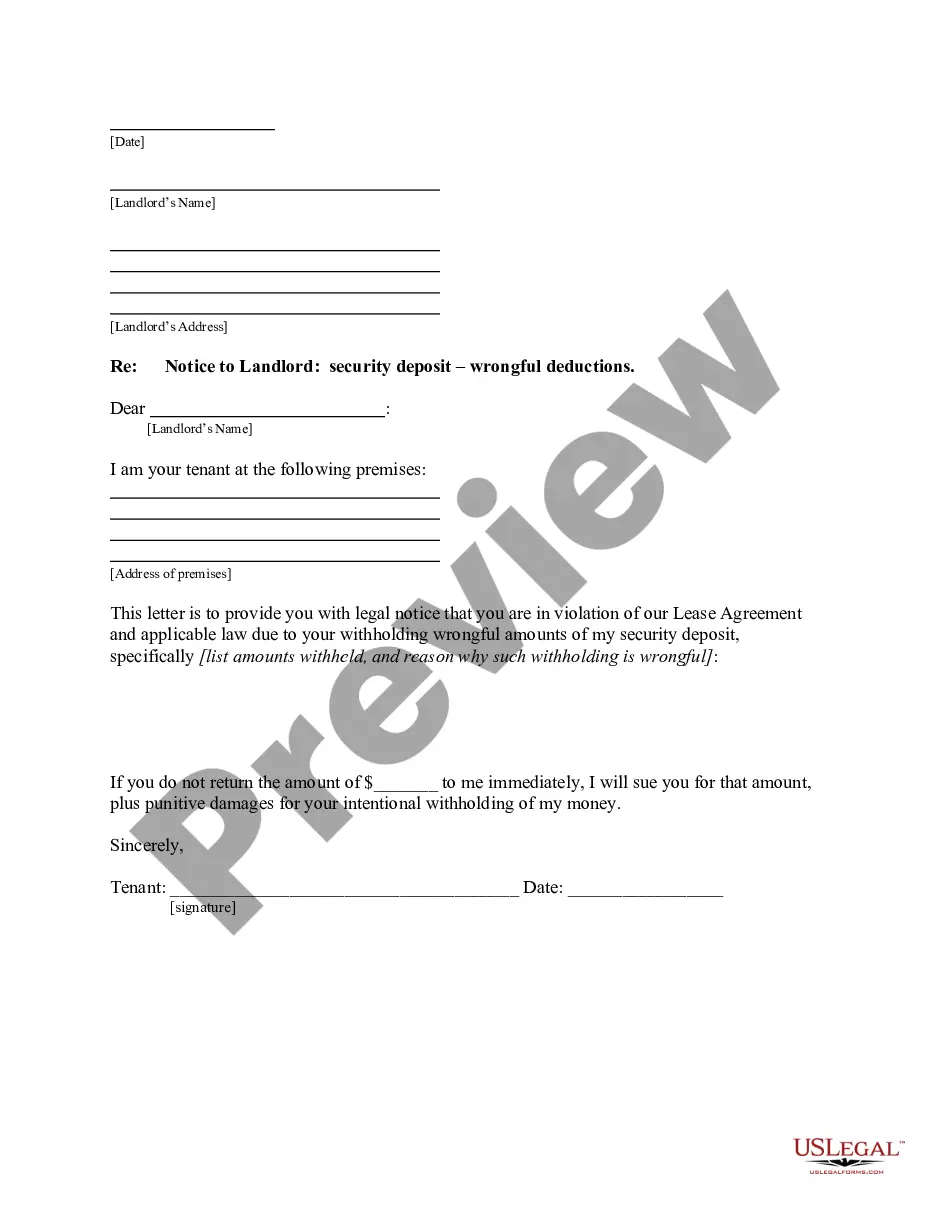
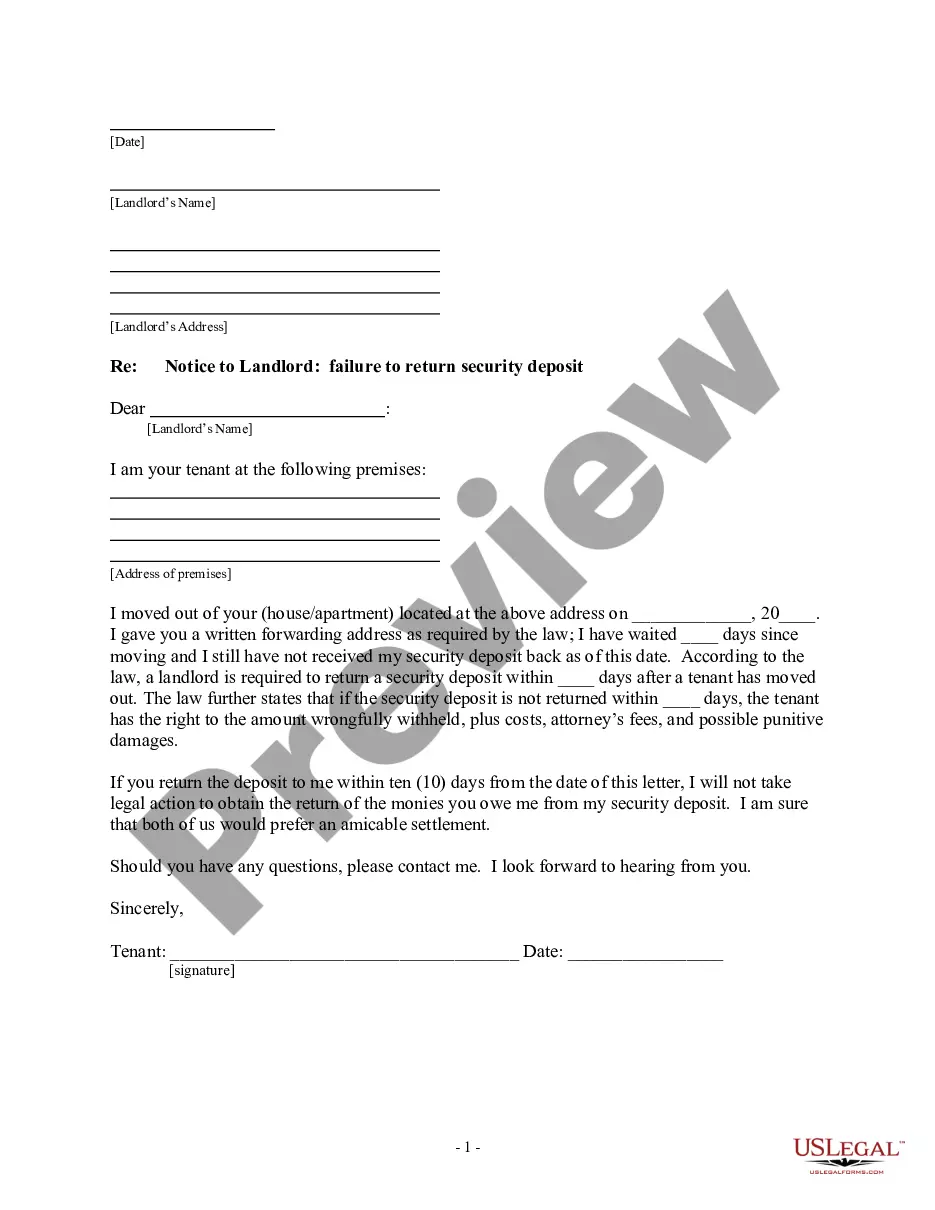
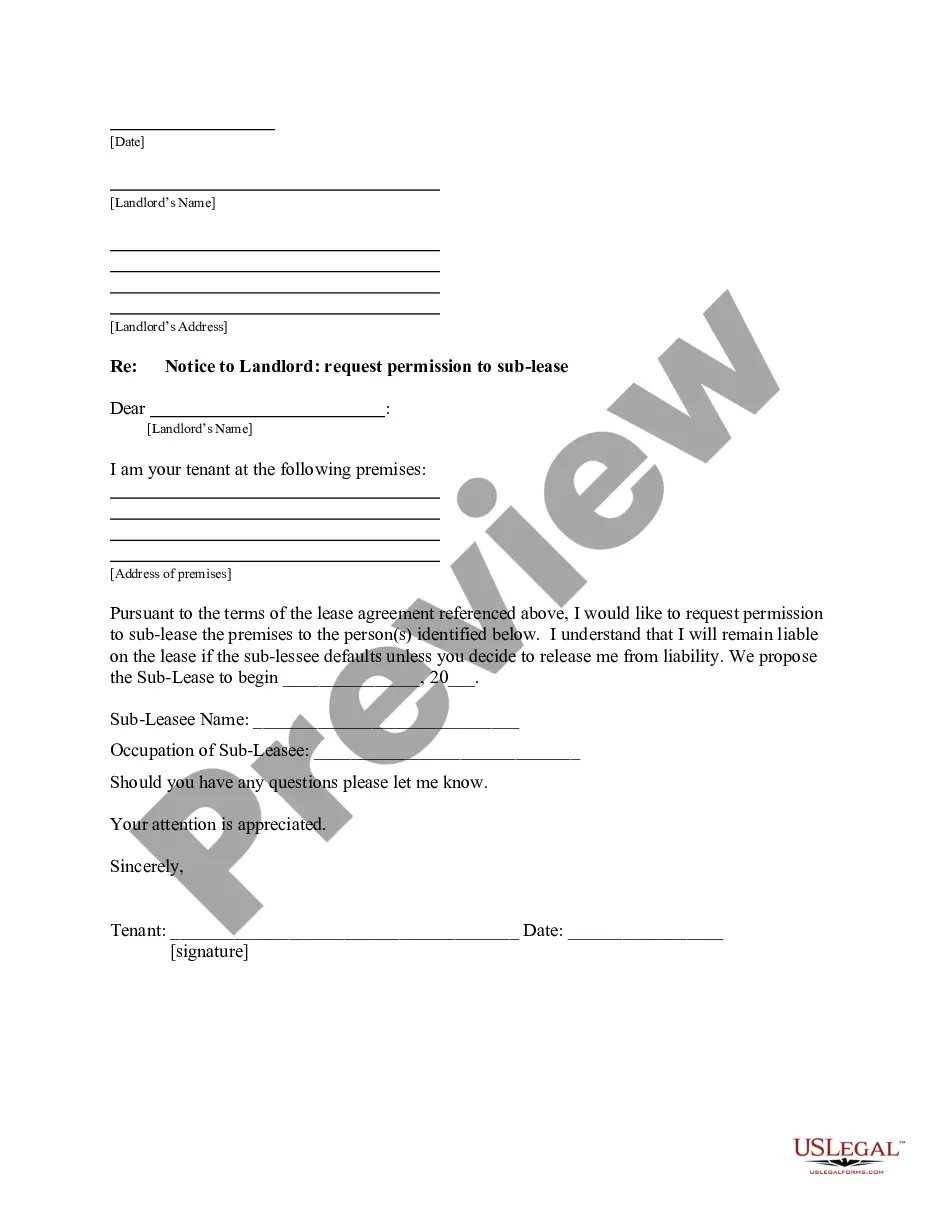
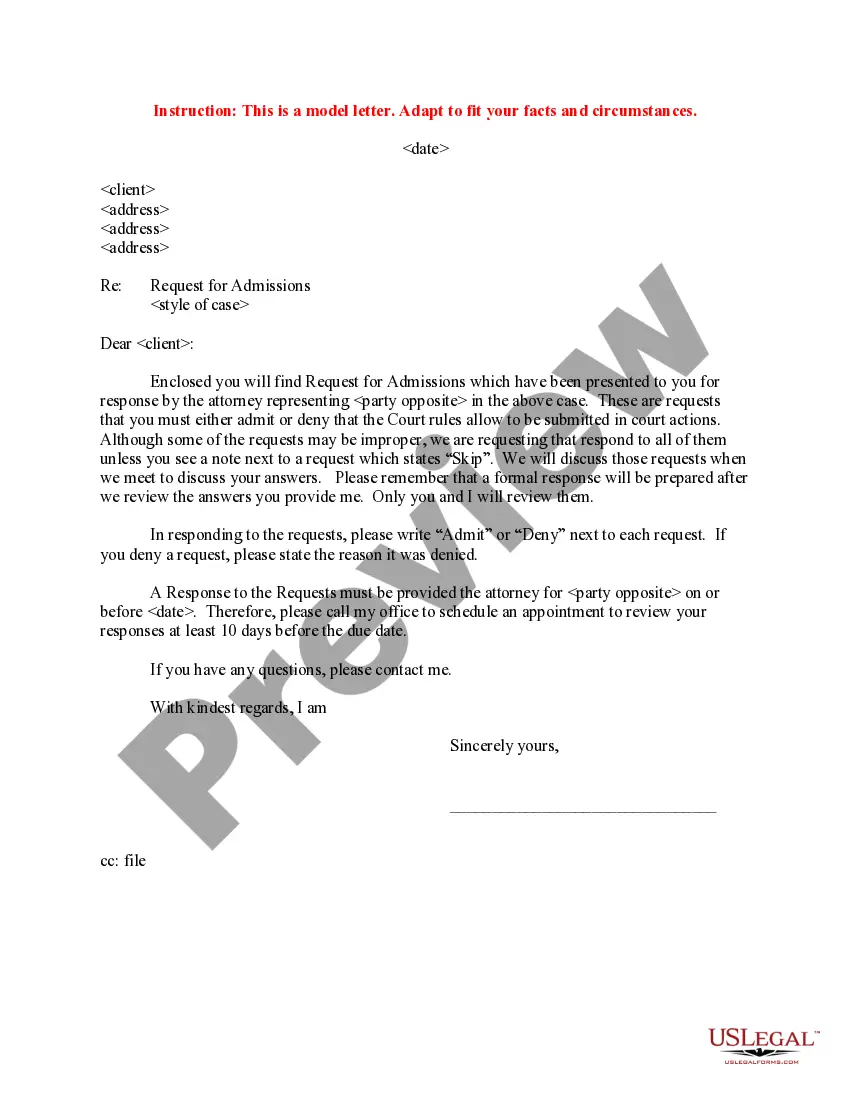
Sample Letter to Client regarding Request for Admissions to Answer
What is this form?
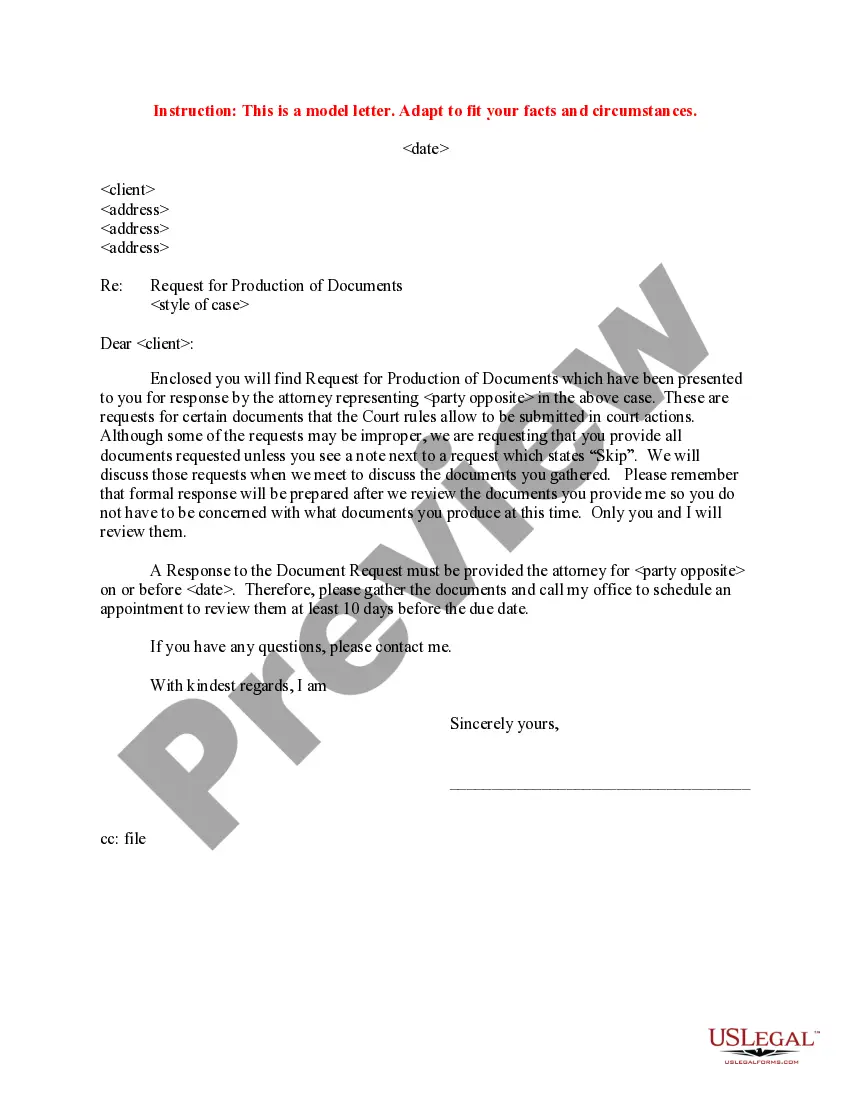
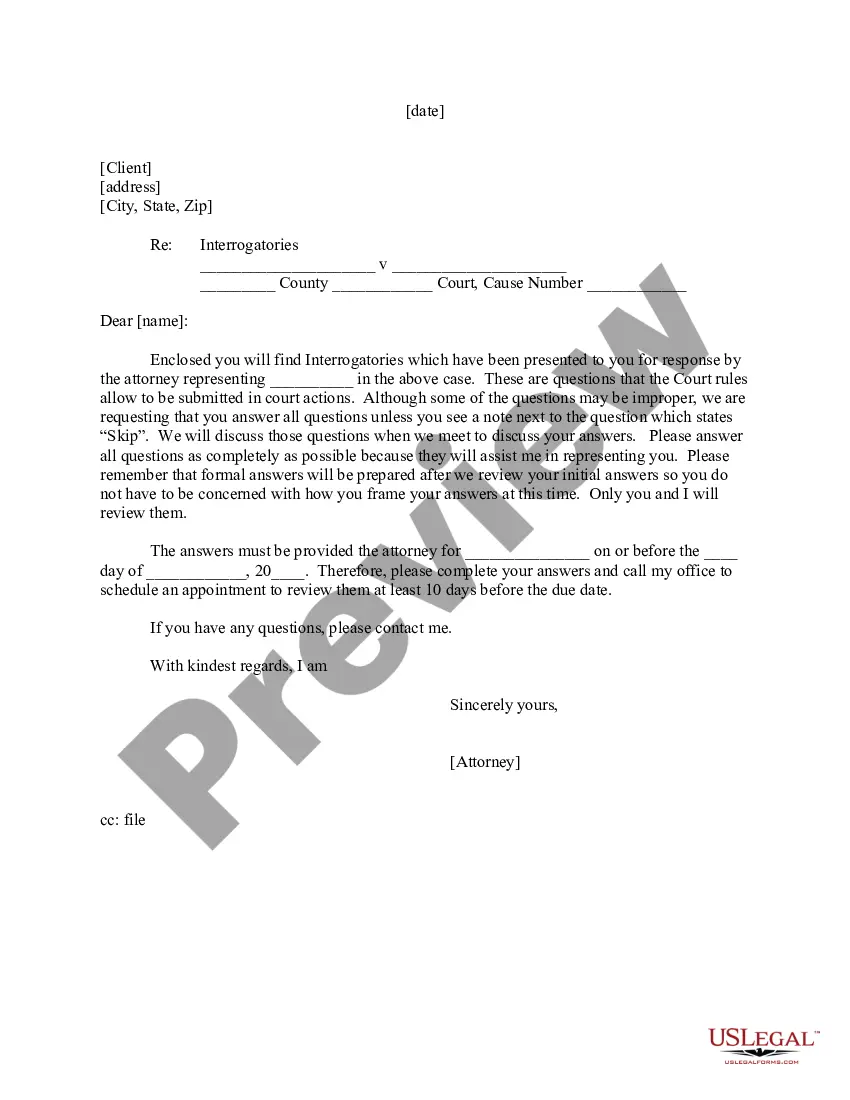
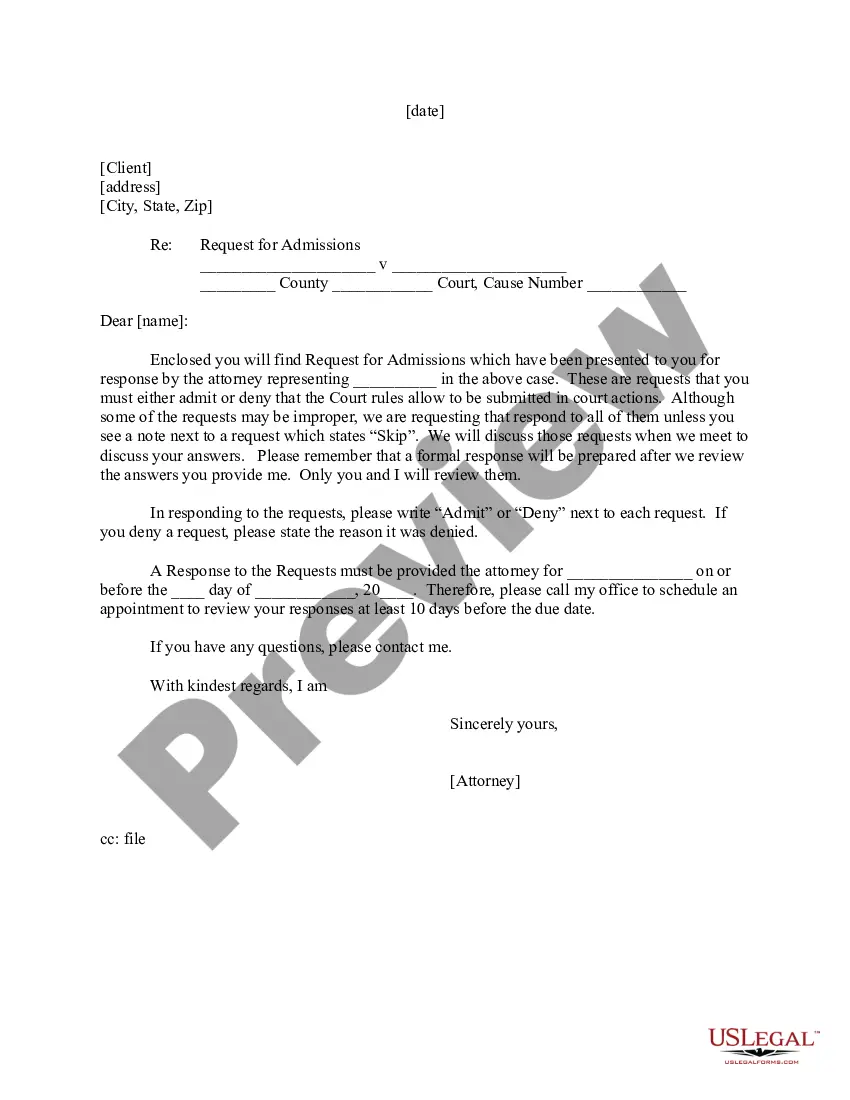
This form is a sample letter to a client regarding a Request for Admissions to Answer in a legal case. It serves as a guide for attorneys to communicate specific requests made by the opposing party. The letter outlines the importance of admitting or denying the requests and sets a framework for compiling the client's responses, distinguishing it from other forms of correspondence in legal matters.
Key parts of this document
- Date: The date the letter is prepared.
- Client information: Includes the client's name and address.
- Style of case: Reference to the ongoing legal matter.
- Request for Admissions: Specific requests from the opposing counsel that need responses.
- Instructions for response: Guidelines on how the client should respond to each request.
- Deadline for submission: The due date for the responses, emphasizing timeliness.
Common use cases
This form should be used when a party in a legal case has received Requests for Admissions from the opposing party. It is essential for guiding clients on how to respond appropriately to the requests, which may impact the case's outcome. It is typically used in civil litigation where these requests are common procedural steps.
Intended users of this form
- Attorneys preparing correspondence for their clients regarding Requests for Admissions.
- Clients involved in litigation who have received requests from opposing counsel.
- Legal professionals who need a structured way to communicate legal matters to clients.
How to complete this form
- Enter the date the letter is being sent.
- Fill in the clientâs name and complete address.
- Specify the style of the case to provide context.
- Detail the Request for Admissions and include instructions to respond.
- Indicate the deadline by which the client must respond to the requests.
- Sign the letter for authenticity before sending it to the client.
Does this document require notarization?
This form does not typically require notarization unless specified by local law. Ensure that you follow the legal requirements specific to your jurisdiction for added authority.
Get your form ready online
Our built-in tools help you complete, sign, share, and store your documents in one place.
Make edits, fill in missing information, and update formatting in US Legal Forms—just like you would in MS Word.
Download a copy, print it, send it by email, or mail it via USPS—whatever works best for your next step.
Sign and collect signatures with our SignNow integration. Send to multiple recipients, set reminders, and more. Go Premium to unlock E-Sign.
If this form requires notarization, complete it online through a secure video call—no need to meet a notary in person or wait for an appointment.
We protect your documents and personal data by following strict security and privacy standards.

Make edits, fill in missing information, and update formatting in US Legal Forms—just like you would in MS Word.

Download a copy, print it, send it by email, or mail it via USPS—whatever works best for your next step.

Sign and collect signatures with our SignNow integration. Send to multiple recipients, set reminders, and more. Go Premium to unlock E-Sign.

If this form requires notarization, complete it online through a secure video call—no need to meet a notary in person or wait for an appointment.

We protect your documents and personal data by following strict security and privacy standards.
Mistakes to watch out for
- Failing to review all Requests for Admissions before discussing with the client.
- Omitting the deadline for responses, which may confuse clients.
- Not clearly instructing clients on how to admit or deny each request.
Why use this form online
- Convenient access: Download and customize the letter anytime, anywhere.
- Editability: Easily modify the letter to fit specific cases and client needs.
- Reliable templates: Use professionally drafted content to ensure legal compliance.
Legal use & context
- This form facilitates effective communication between attorney and client, essential for proper case management in litigation.
- Provides a structured approach to responding to Requests for Admissions, which can influence the discovery process.
Looking for another form?
Form popularity
FAQ
When responding to Requests for Admissions, remember to answer as follows: Admit: If any portion of the Request for Admission is true then you must admit to that portion of the request. You are also allowed to have a hybrid response admit the part of the request that is true while denying another part.
2033.210. (a) The party to whom requests for admission have been directed shall respond in writing under oath separately to each request. (b) Each response shall answer the substance of the requested admission, or set forth an objection to the particular request.
In a civil action, a request for admission is a discovery device that allows one party to request that another party admit or deny the truth of a statement under oath. If admitted, the statement is considered to be true for all purposes of the current trial.
Each request must be numbered consecutively. The first paragraph immediately shall state he identity of the party requesting the admissions, the set number, and the identity of the responding party. Each request shall be separately set forth and identified by letter or number. C.C.P.
It is possible to object to all or part of a request as well, but courts do not like parties who play word games to avoid responding.A responding party can qualify an answer or deny only a part of the matter of which an admission is requested, and admit the remainder of the request.
Similar to responses to Requests for Production, responses to Requests for Admissions do not have to be verified. It is critical to respond to Requests for Admissions because failure to respond results in the requests being deemed admitted without the need for a motion to have the responses established as admitted.
A request for admission (sometimes also called a request to admit) is a set of statements sent from one litigant to an adversary, for the purpose of having the adversary admit or deny the statements or allegations therein. Requests for admission are part of the discovery process in a civil case.
When responding to Requests for Admissions, remember to answer as follows: Admit: If any portion of the Request for Admission is true then you must admit to that portion of the request. You are also allowed to have a hybrid response admit the part of the request that is true while denying another part. See C.C.P.