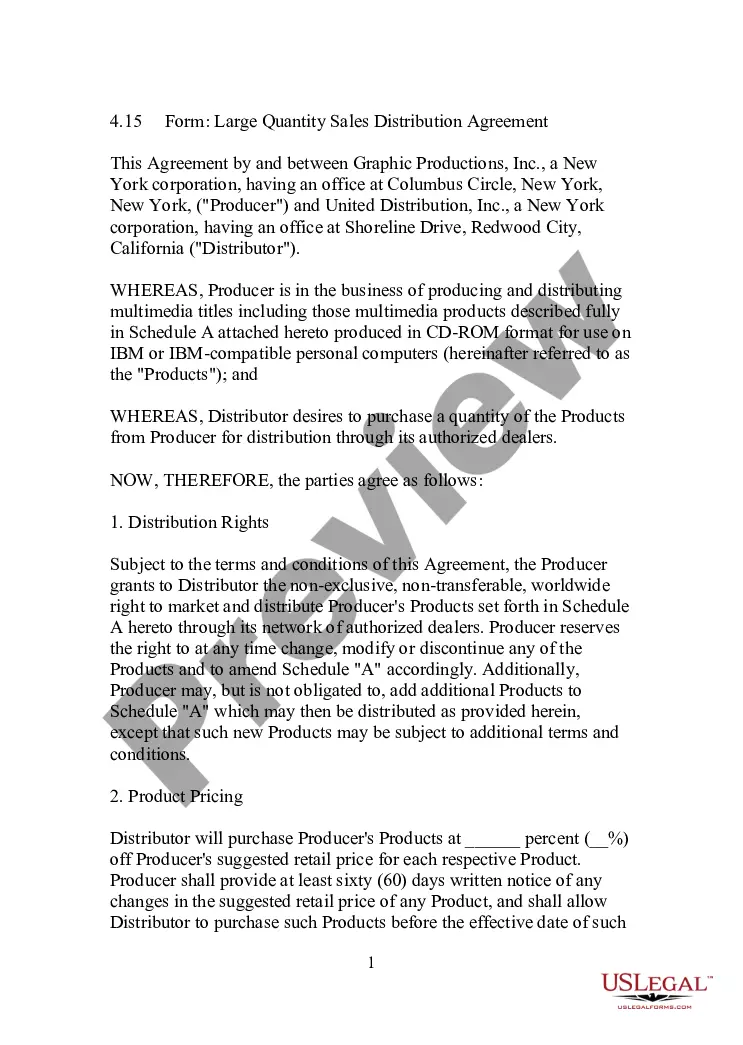
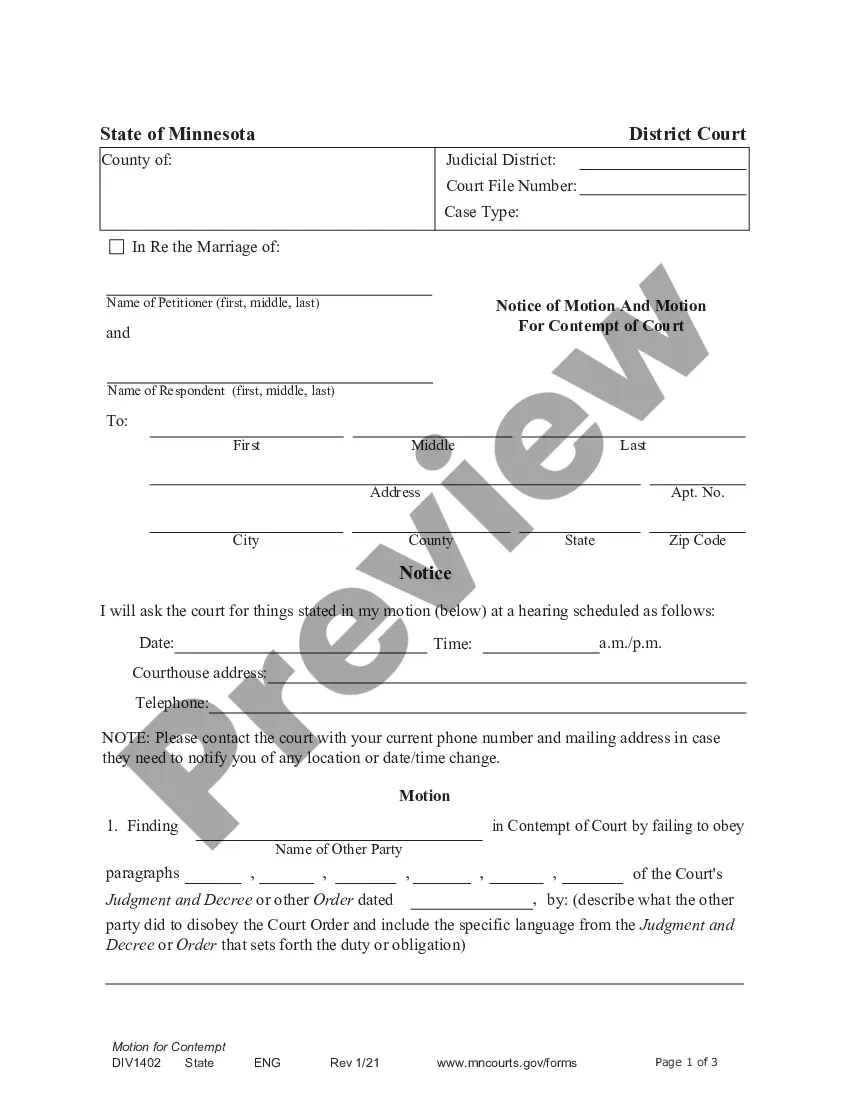
Minnesota Notice of Motion and Motion - Contempt
Overview of this form
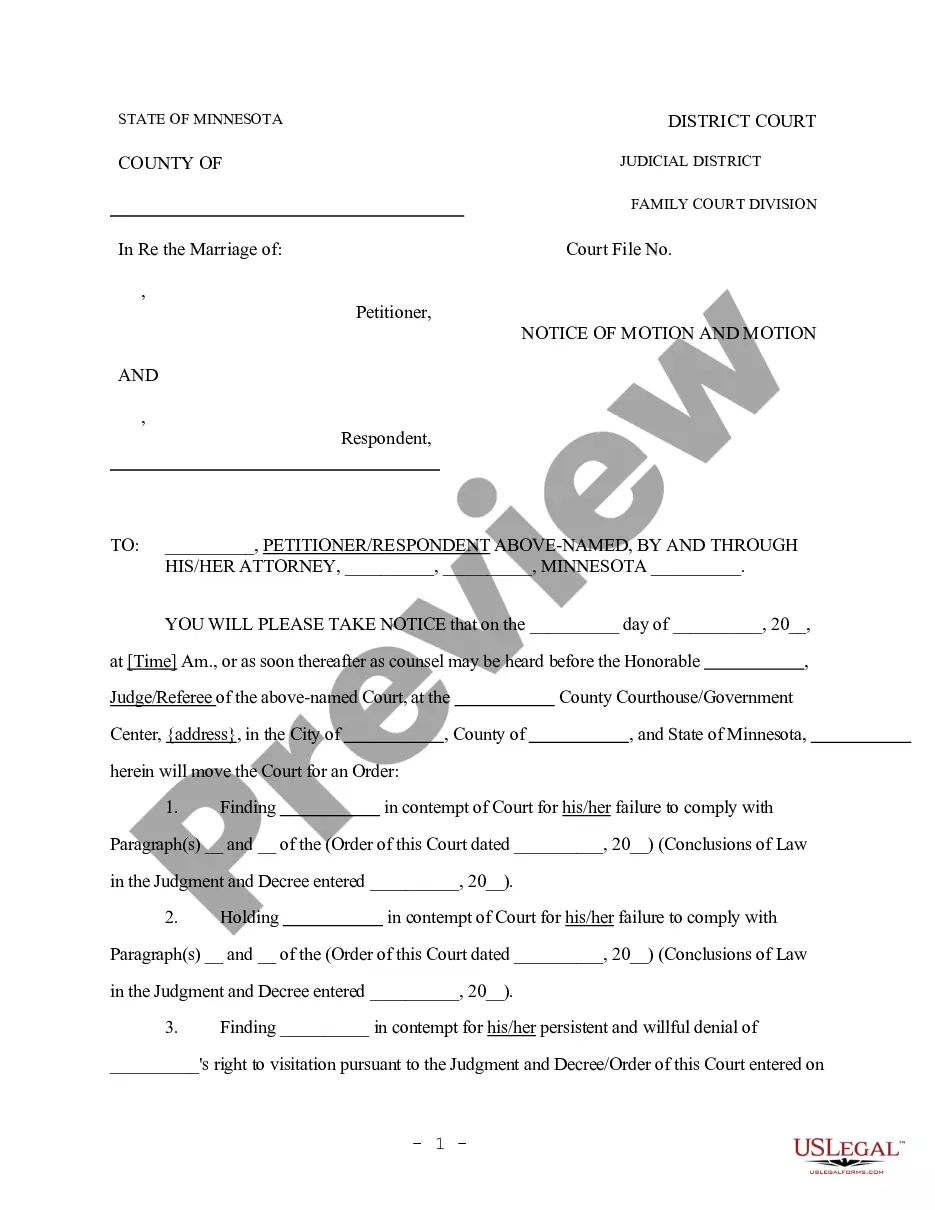
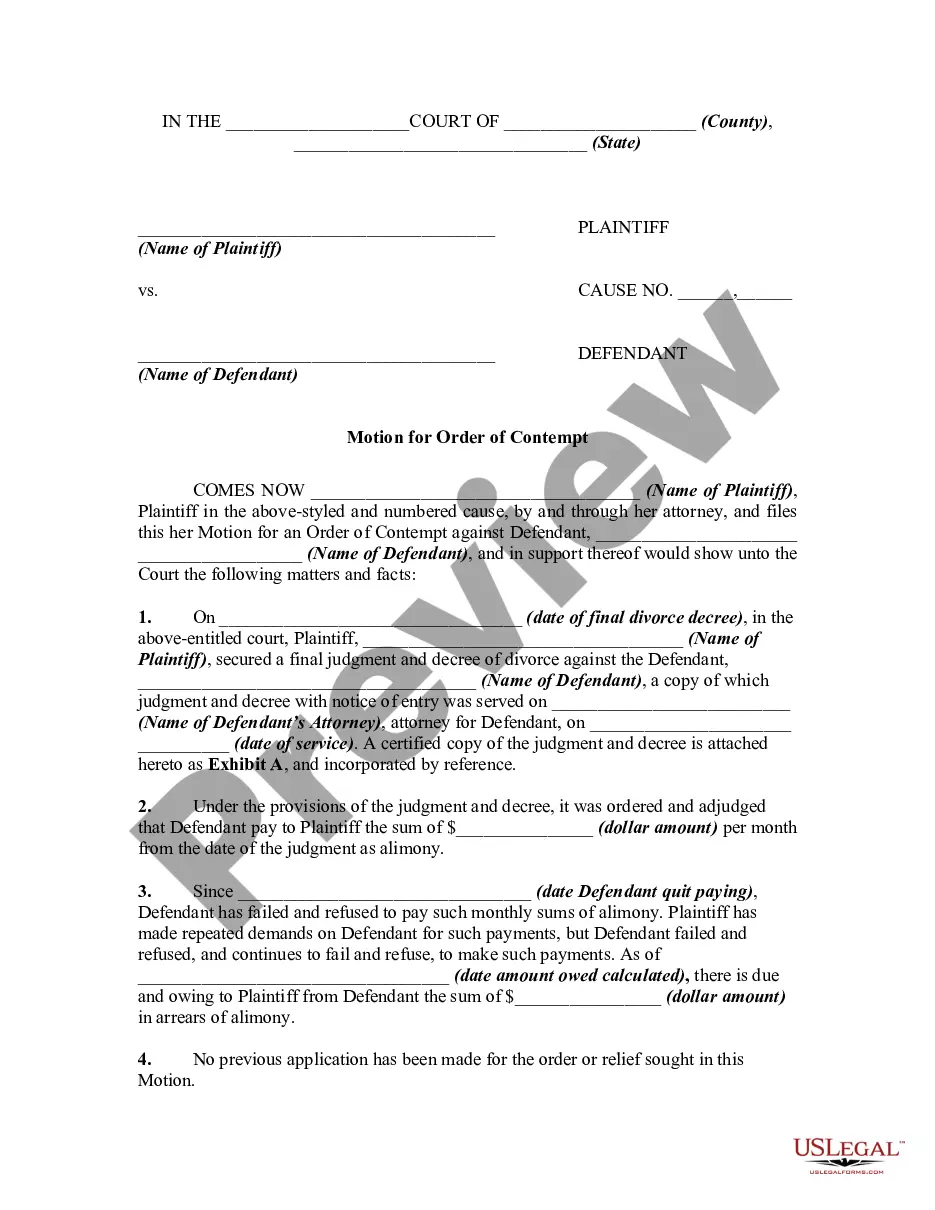
The Notice of Motion and Motion - Contempt is a legal document used by one party to notify the court and the other party of a request for a court order finding the opposing party in contempt. This form is specifically designed for cases where visitation rights have been willfully denied. It is essential for enforcing court orders related to visitation and ensuring compliance from the other party.
Key parts of this document
- Identifies the parties involved in the case.
- Specifies the date and time of the motion hearing.
- Outlines the contempt charges against the opposing party.
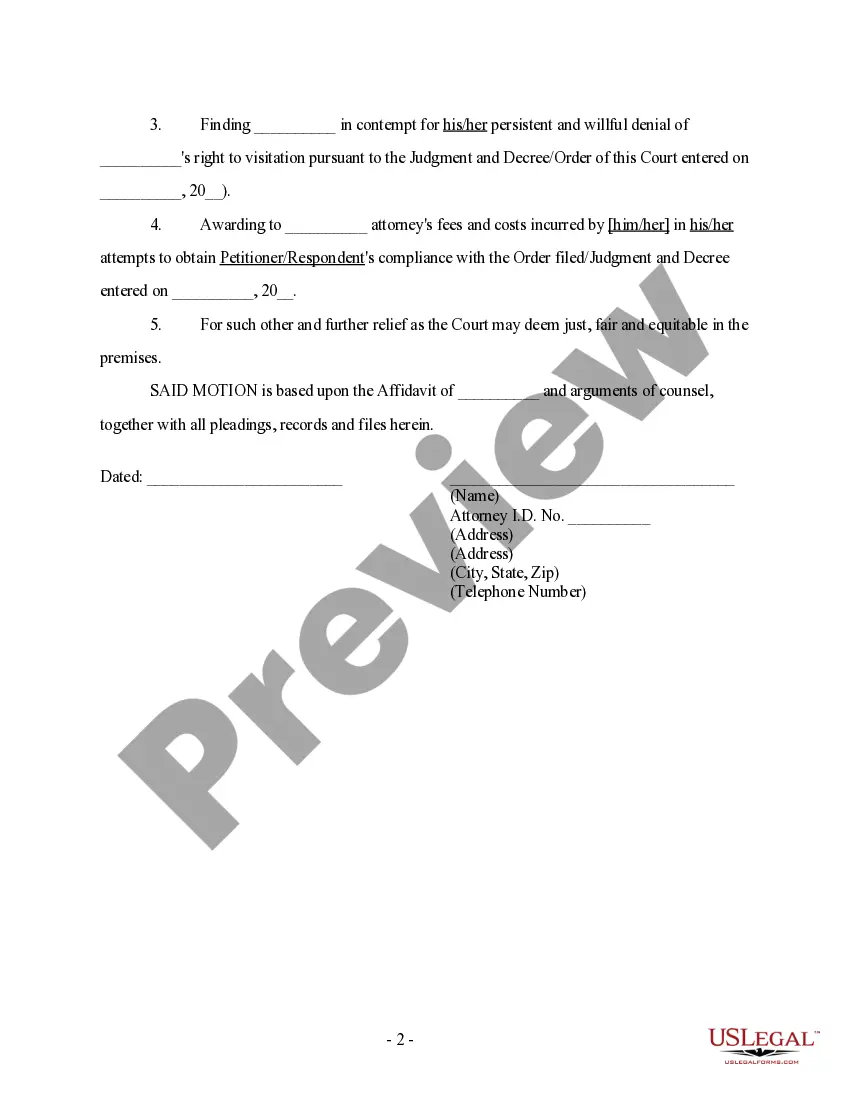
- Requests the court to award attorneys' fees and costs.
- Includes a statement of additional relief the court may grant.


When to use this form
This form should be used when the opposing party has failed to comply with a court-ordered visitation schedule. If you believe that your right to visitation has been unreasonably denied, this form allows you to formally request the court to take action against the other party for contempt.
Who can use this document
- Individuals in family court seeking to enforce visitation orders.
- Legal representatives acting on behalf of clients in custody cases.
- Parties involved in ongoing litigation regarding visitation rights.
How to prepare this document
- Identify the parties involved, including names and roles (petitioner/respondent).
- Enter the specific date and time for the motion hearing.
- List the paragraphs of the order or judgment that the opposing party has failed to comply with.
- Detail the specific visitation rights that have been denied.
- Provide information regarding any attorneys' fees incurred due to the contempt.
Does this document require notarization?
This form usually doesn’t need to be notarized. However, local laws or specific transactions may require it. Our online notarization service, powered by Notarize, lets you complete it remotely through a secure video session, available 24/7.
Get your form ready online
Our built-in tools help you complete, sign, share, and store your documents in one place.
Make edits, fill in missing information, and update formatting in US Legal Forms—just like you would in MS Word.
Download a copy, print it, send it by email, or mail it via USPS—whatever works best for your next step.
Sign and collect signatures with our SignNow integration. Send to multiple recipients, set reminders, and more. Go Premium to unlock E-Sign.
If this form requires notarization, complete it online through a secure video call—no need to meet a notary in person or wait for an appointment.
We protect your documents and personal data by following strict security and privacy standards.

Make edits, fill in missing information, and update formatting in US Legal Forms—just like you would in MS Word.

Download a copy, print it, send it by email, or mail it via USPS—whatever works best for your next step.

Sign and collect signatures with our SignNow integration. Send to multiple recipients, set reminders, and more. Go Premium to unlock E-Sign.

If this form requires notarization, complete it online through a secure video call—no need to meet a notary in person or wait for an appointment.

We protect your documents and personal data by following strict security and privacy standards.
Common mistakes to avoid
- Failing to properly notify the other party of the motion.
- Omitting specific details from the contempt charges.
- Not providing sufficient evidence or affidavits to support the motion.
Why complete this form online
- Convenience of immediate access to legal forms.
- Editable formats allow for customizations based on individual needs.
- Drafted by licensed attorneys, ensuring legal accuracy.
Looking for another form?
Form popularity
FAQ
Yes, you can file a contempt of court order yourself by preparing a Minnesota Notice of Motion and Motion - Contempt. It’s important to clearly state your case and provide evidence to support your claim. While you can handle this independently, using platforms like US Legal Forms can provide valuable resources to ensure your motion is correctly drafted and filed.
Filing a motion for contempt requires you to complete a Minnesota Notice of Motion and Motion - Contempt. This motion needs to specify the actions that constitute contempt and provide supporting documentation. After completing the motion, submit it to the court and deliver a copy to the opposing party. Utilizing services like US Legal Forms can make this process easier by providing templates and guidance.
To file a contempt of court in Minnesota, you need to prepare a Minnesota Notice of Motion and Motion - Contempt. This document outlines the reasons for the contempt and includes relevant evidence. You will then file this motion with the court and serve a copy to the other party involved. It’s advisable to seek guidance from legal resources or platforms like US Legal Forms to ensure proper filing.
To initiate contempt proceedings, you must file a Minnesota Notice of Motion and Motion - Contempt with the court. This document outlines the reasons for the contempt claim and the evidence supporting your case. It is crucial to follow the correct procedures and deadlines, which can vary by jurisdiction. Utilizing services like US Legal Forms can provide you with the necessary templates and instructions to make this process smoother.
Yes, you can file a Motion of contempt without a lawyer. However, navigating the legal process can be complex, and having a clear understanding of the Minnesota Notice of Motion and Motion - Contempt is essential. If you choose to proceed without legal representation, consider using resources like US Legal Forms to ensure you have the proper forms and guidance. This can help you present your case effectively.
Fill out the forms. You have to fill out at least 2 forms, maybe more, to file your opposition. File the forms. Turn in your completed forms by mail or efiling. Serve the other party. Get ready for the hearing. Prepare an order.
This Motion asks the court to hold a hearing where the other parent will have to explain why they aren't following the court order(s). A parent who violates a court order can be found in contempt, and the judge can order that parent to obey the order or impose other penalties.
After you complete your motion, you must file it with the court.You must then serve (mail) a copy of your filed motion (including all exhibits and the date, time, and place of hearing) to all other parties in the case. If a party is represented by an attorney, mail the motion directly to the attorney's office.
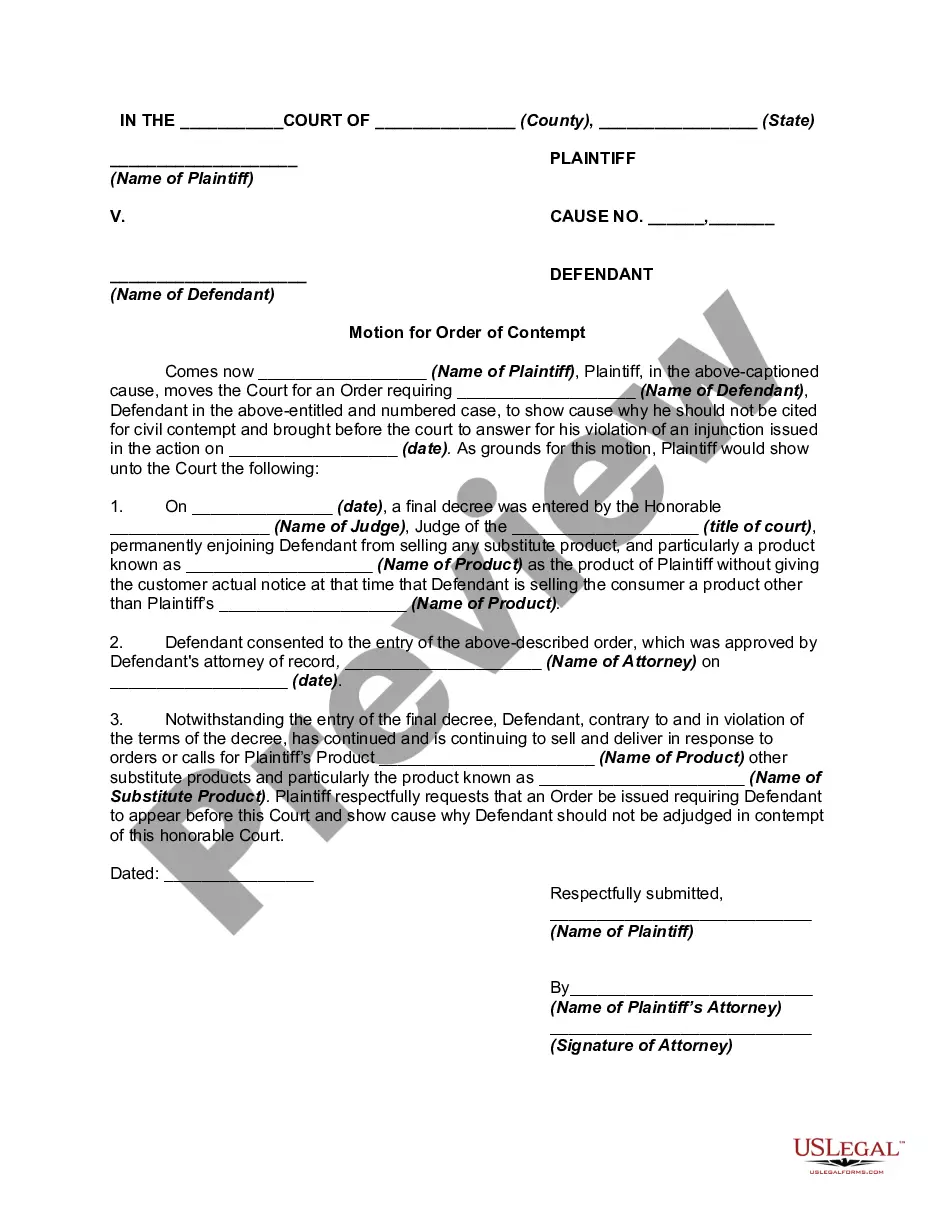
When one party refuses to follow a court order, the other party can file a motion for contempt. Any violation of the terms of the order can be the basis for contempt. For example, a party may file a motion for contempt if the other party is not paying support or following the custody schedule.
Section 14 deals with contempt in the face of the Supreme Court and High Courts and it provides that whenever it appears to the Supreme Court and the High Courts that a person appears to have committed contempt in its presence or hearing the court may cause such person to be detained in custody.