Improper Billing after Payment
What this document covers
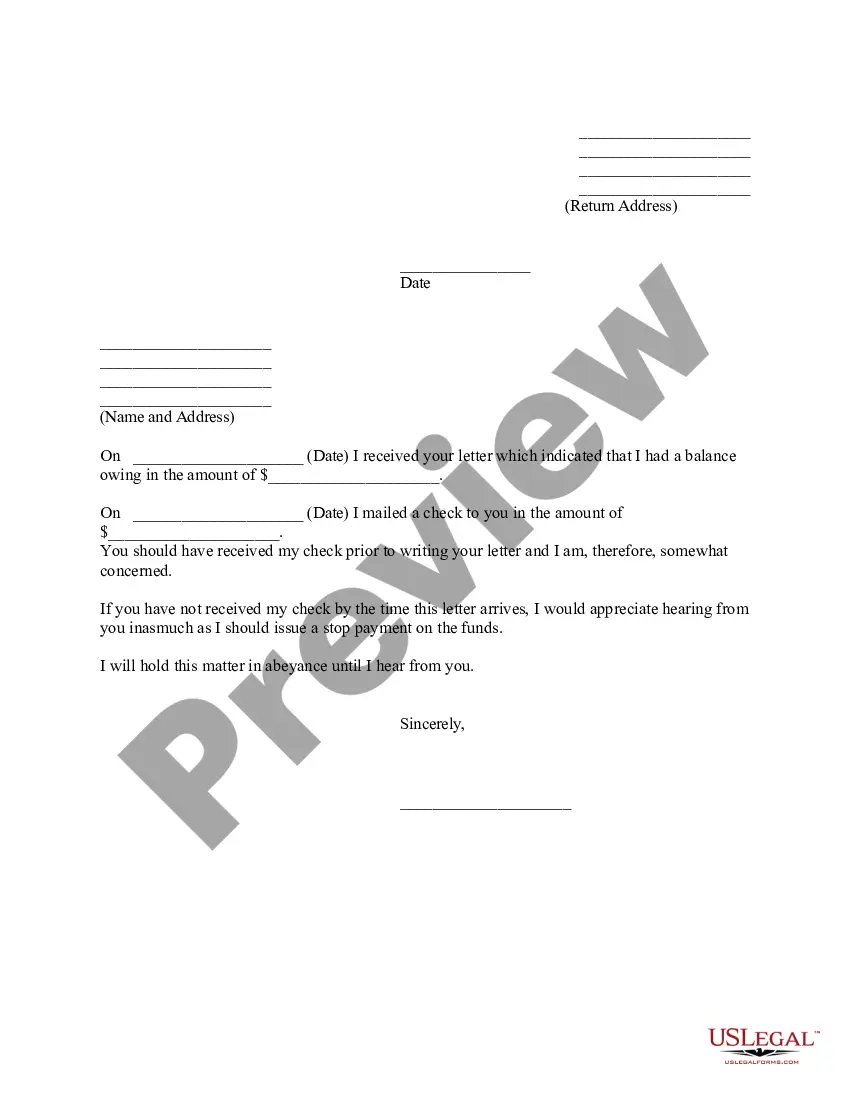
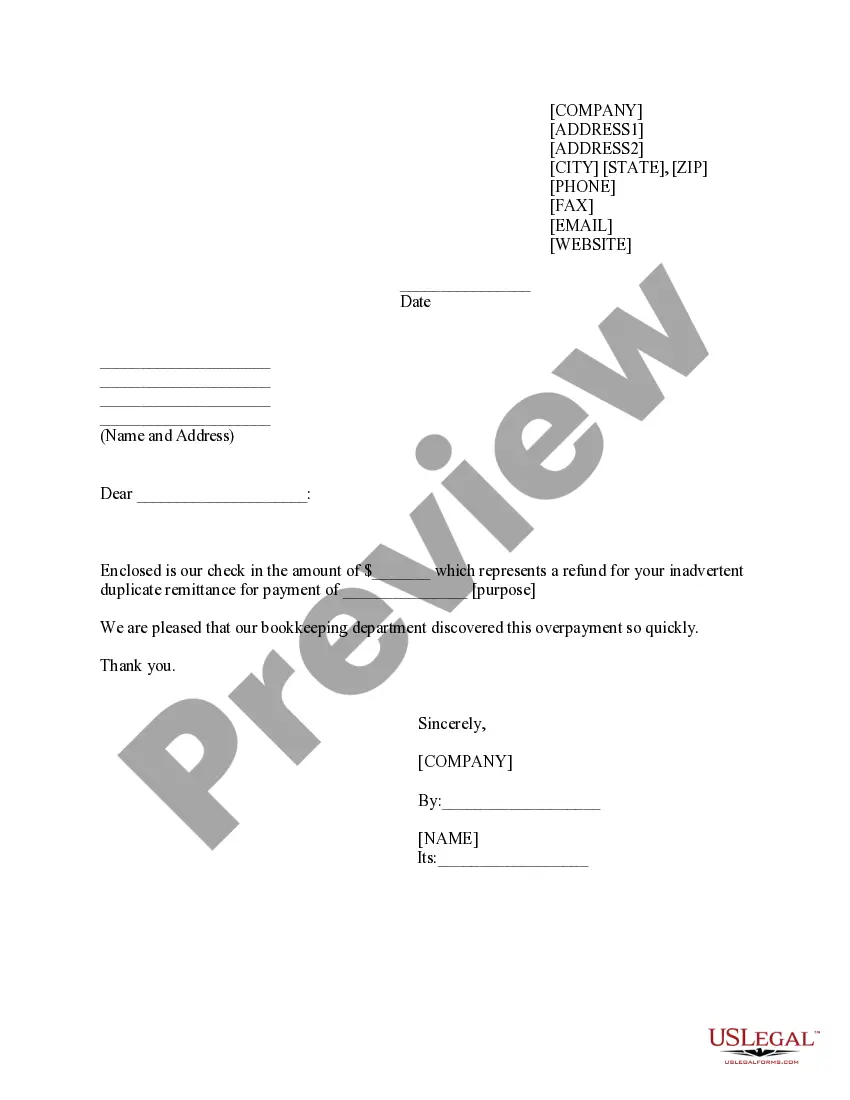
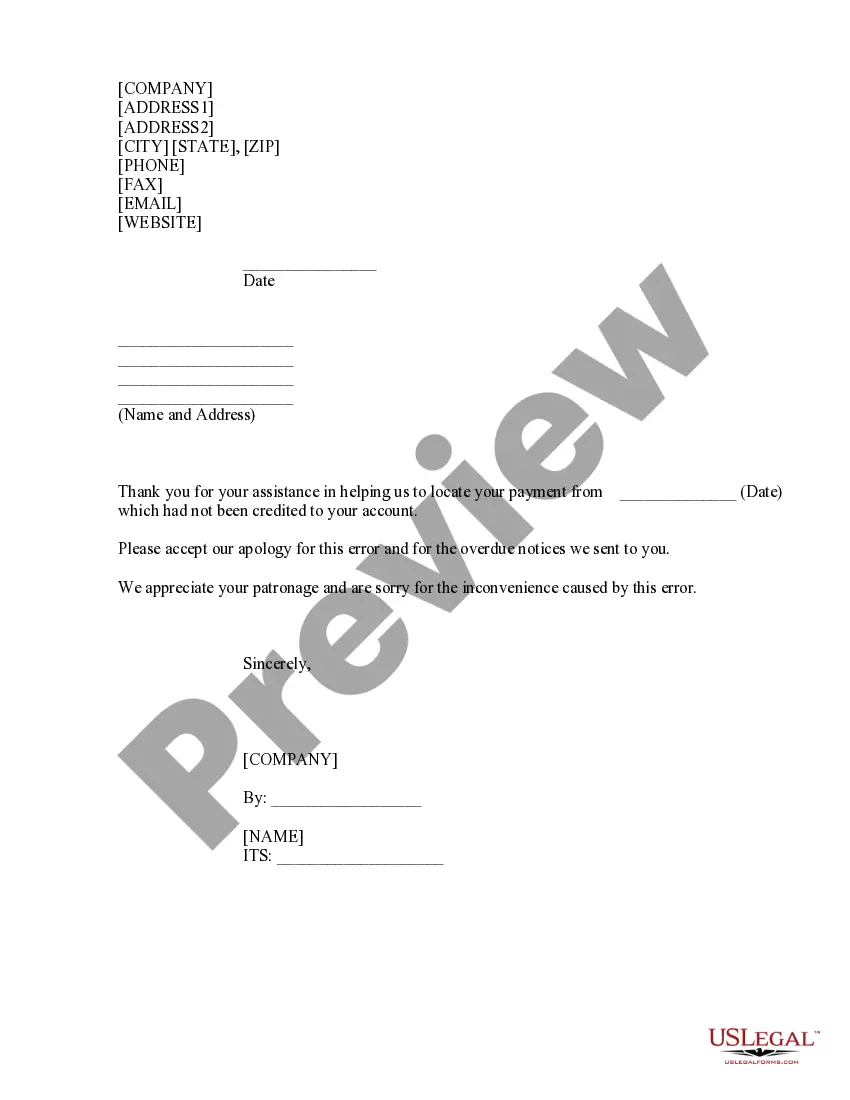
The Improper Billing after Payment form is a legal document used to address concerns about incorrect billing or outstanding balances after a payment has been made. This form helps formalize your communication with a creditor or service provider by clearly outlining your payment history and requesting clarification about the alleged debt. It differs from general billing dispute forms by specifically targeting issues related to improper billing after payment has already been issued.
Form components explained
- The sender's return address.
- The date of the correspondence.
- The recipient's name and address.
- The date you received the notice of an outstanding balance.
- The amount claimed to be owed.
- The date and amount of the payment you made.
- A request for confirmation if your payment has not been received.
- A closing signature line.
When to use this form
This form should be used when you receive a notice of an outstanding balance from a creditor after you have already made a payment. It is particularly relevant if you are unsure whether the payment was processed or if there has been an error in billing. Utilizing this form can help you clarify the situation and protect your financial interests.
Intended users of this form
- Individuals who have received incorrect billing statements after making a payment.
- Consumers concerned about erroneous debts or balances.
- Anyone needing to formalize communication regarding disputed charges.
Steps to complete this form
- Identify the sender's return address and enter it at the top of the form.
- Insert the current date in the designated section.
- Provide the name and address of the recipient.
- Document the date when you received the billing notice and the amount claimed.
- Record the date and amount of your payment.
- Sign the letter at the bottom to finalize the communication.
Notarization requirements for this form
This form does not typically require notarization unless specified by local law. Always check your state's specific requirements to ensure compliance.
Get your form ready online
Our built-in tools help you complete, sign, share, and store your documents in one place.
Make edits, fill in missing information, and update formatting in US Legal Forms—just like you would in MS Word.
Download a copy, print it, send it by email, or mail it via USPS—whatever works best for your next step.
Sign and collect signatures with our SignNow integration. Send to multiple recipients, set reminders, and more. Go Premium to unlock E-Sign.
If this form requires notarization, complete it online through a secure video call—no need to meet a notary in person or wait for an appointment.
We protect your documents and personal data by following strict security and privacy standards.

Make edits, fill in missing information, and update formatting in US Legal Forms—just like you would in MS Word.

Download a copy, print it, send it by email, or mail it via USPS—whatever works best for your next step.

Sign and collect signatures with our SignNow integration. Send to multiple recipients, set reminders, and more. Go Premium to unlock E-Sign.

If this form requires notarization, complete it online through a secure video call—no need to meet a notary in person or wait for an appointment.

We protect your documents and personal data by following strict security and privacy standards.
Mistakes to watch out for
- Failing to provide accurate payment details.
- Not including the recipient's full name or address.
- Leaving out dates can create confusion regarding timelines.
- Neglecting to sign the form before sending it.
Advantages of online completion
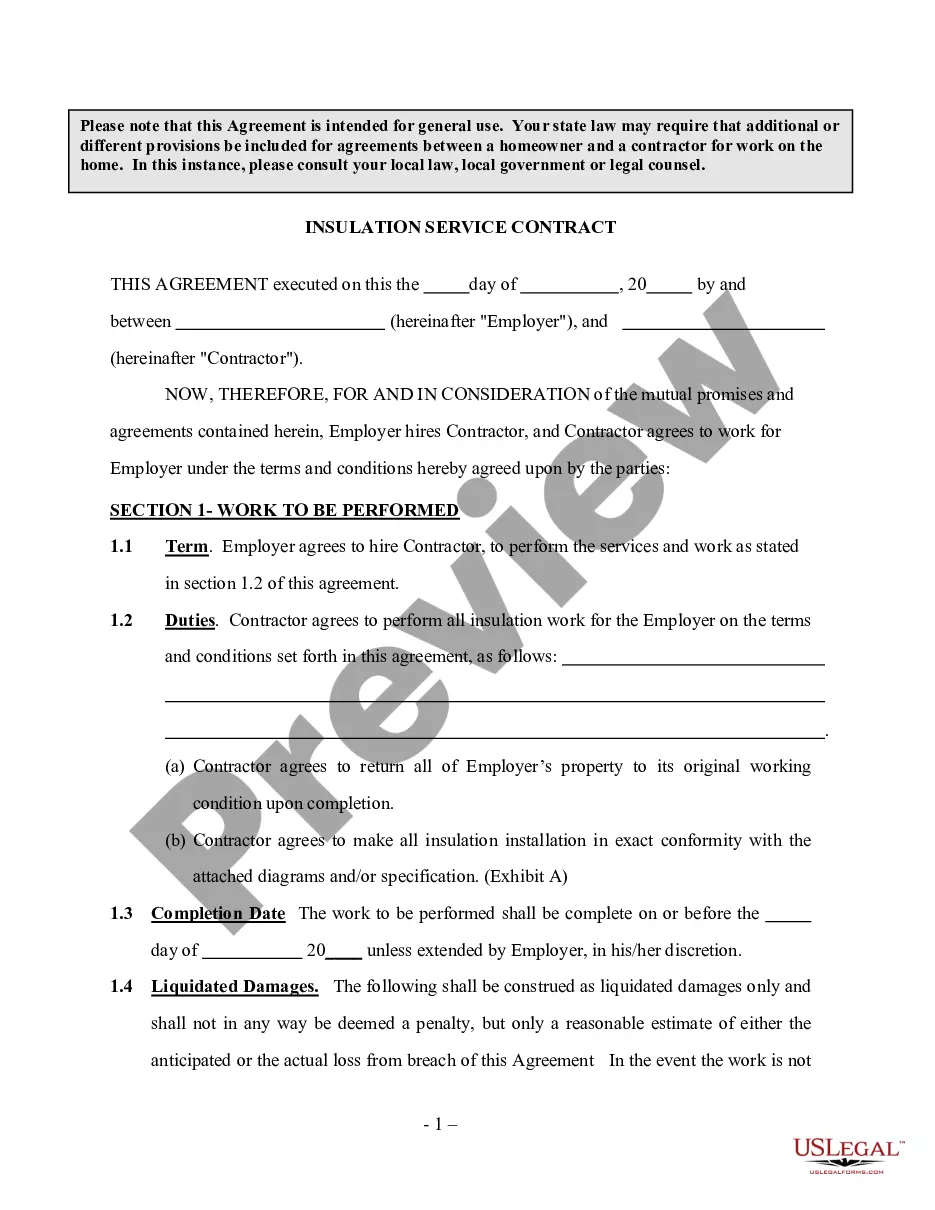
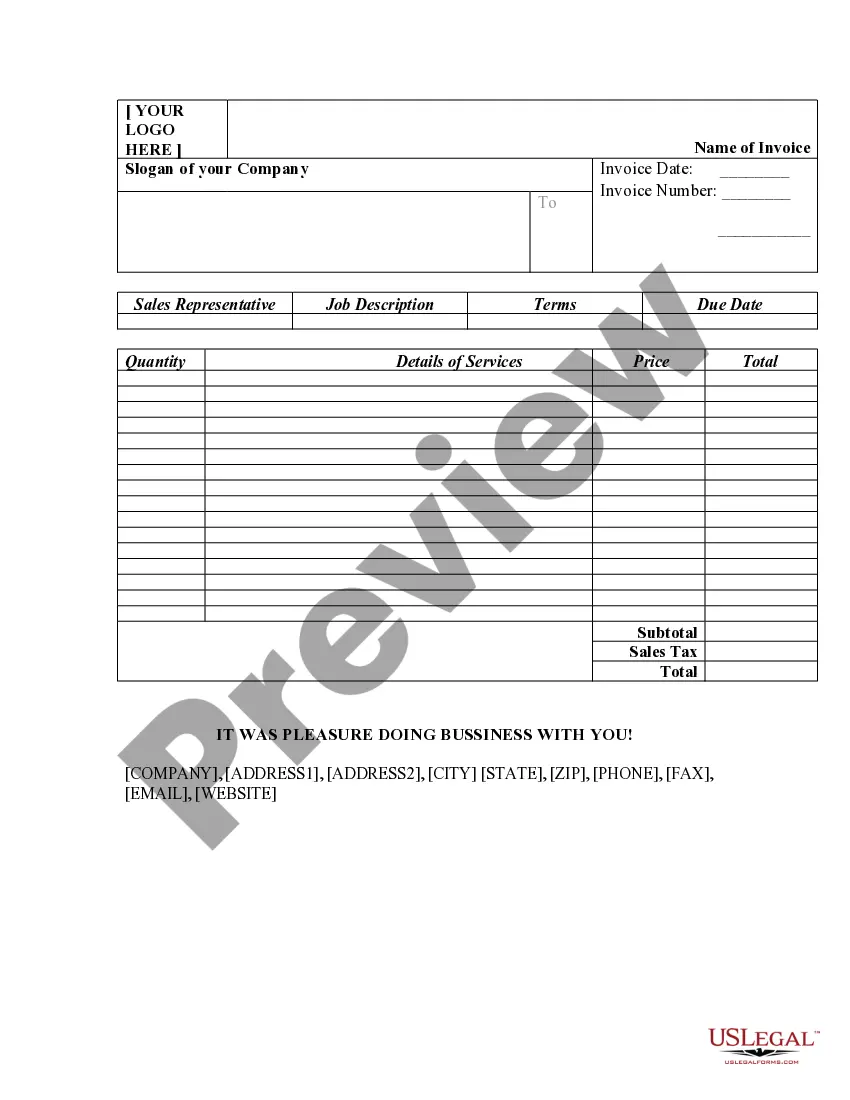
- Convenient access to legal templates drafted by licensed attorneys.
- Easy customization to fit your specific situation.
- Reliable formatting that meets legal standards.
- Quick download and ready for immediate use.
Quick recap
- The form serves to address improper billing after payment.
- It is essential to clearly document your payment history.
- This document is useful for maintaining good communication with creditors.
Looking for another form?
Form popularity
FAQ
You bill frequency varies based on energy type. Natural gas is typically billed quarterly (unless you live in Victoria where it is billed every two months), electricity monthly or every few months and hot water usually once a month.
This is known as balance billing, or ?improper billing,? and is illegal under both federal and state law. This means dual eligible beneficiaries cannot be charged for co-pays, co-insurance, or deductibles. Similarly, this protection also applies to Qualified Medicare Beneficiaries (QMBs).
You can be backbilled for any energy used up to 4 months prior. Retailers can't go back any further than this unless the undercharge is your fault (for example; if you have denied a request for meter access).
If you ignore? a bill, the utility company or a debt collector may chase you for the outstanding debt and may start a court case against you. You may also have to pay late fee?s.
Rules about backbilling cannot bill you for usage any further than nine months prior to the date you were advised of the undercharge where it was the fault of the retailer ? even if that means some of your usage won't be billed. cannot charge you interest on the amount being backbilled.
If you have concerns about your energy bill or any other energy matter, talk to your energy provider. If you feel the issue has still not been resolved, contact the Energy and Water Ombudsman NSW (EWON) to lodge a formal complaint.
For purposes of this section, the term billing error means: (1) A reflection on or with a periodic statement of an extension of credit that is not made to the consumer or to a person who has actual, implied, or apparent authority to use the consumer's credit card or open-end credit plan.