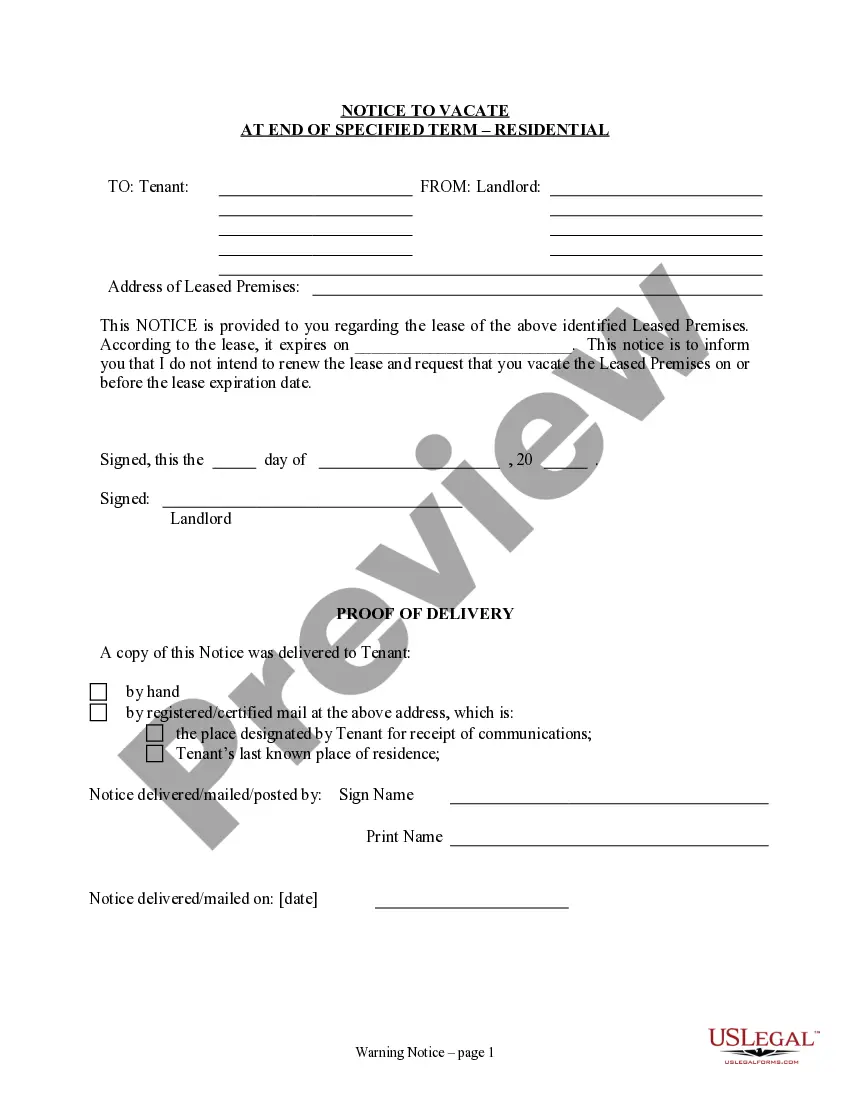
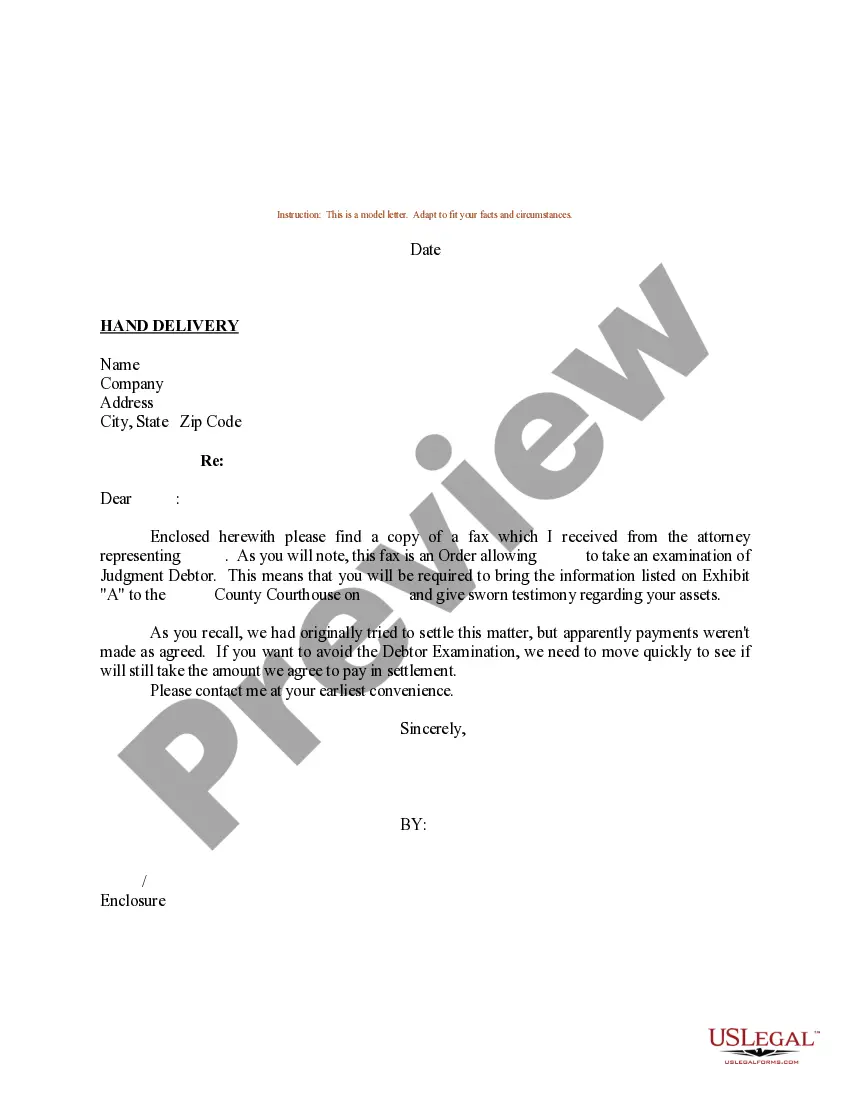
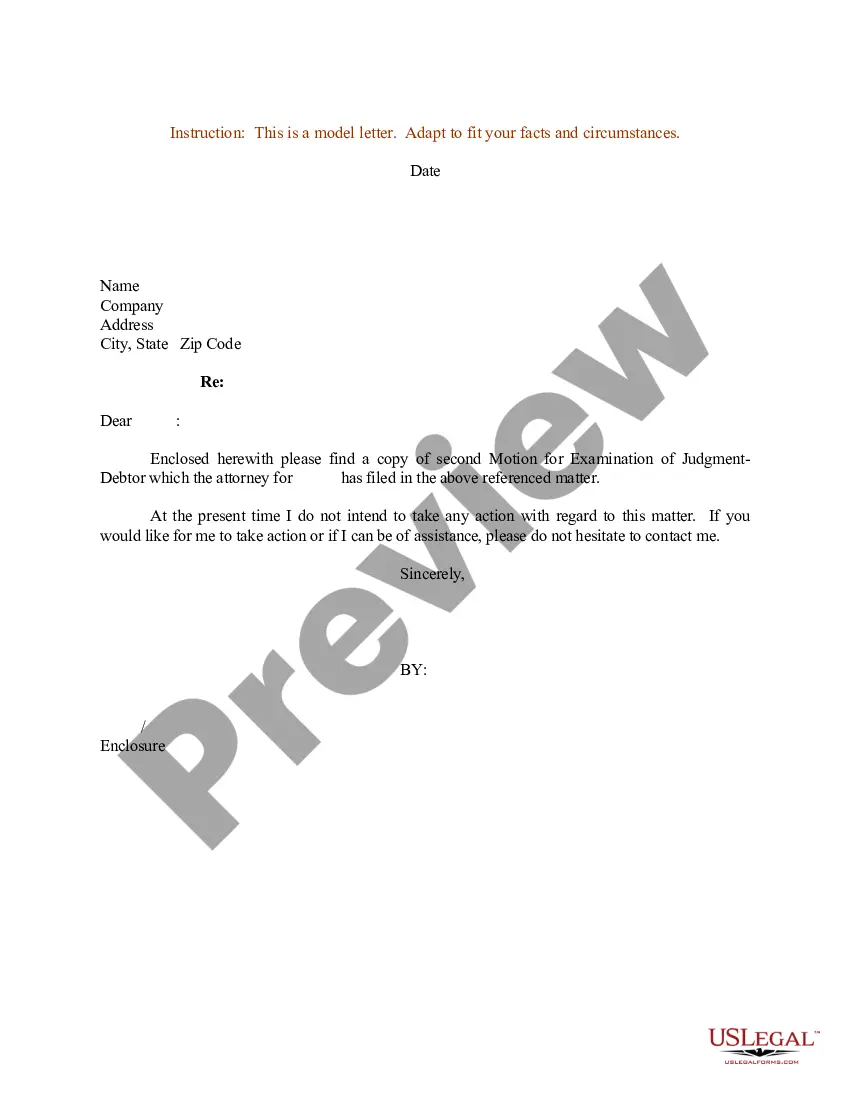
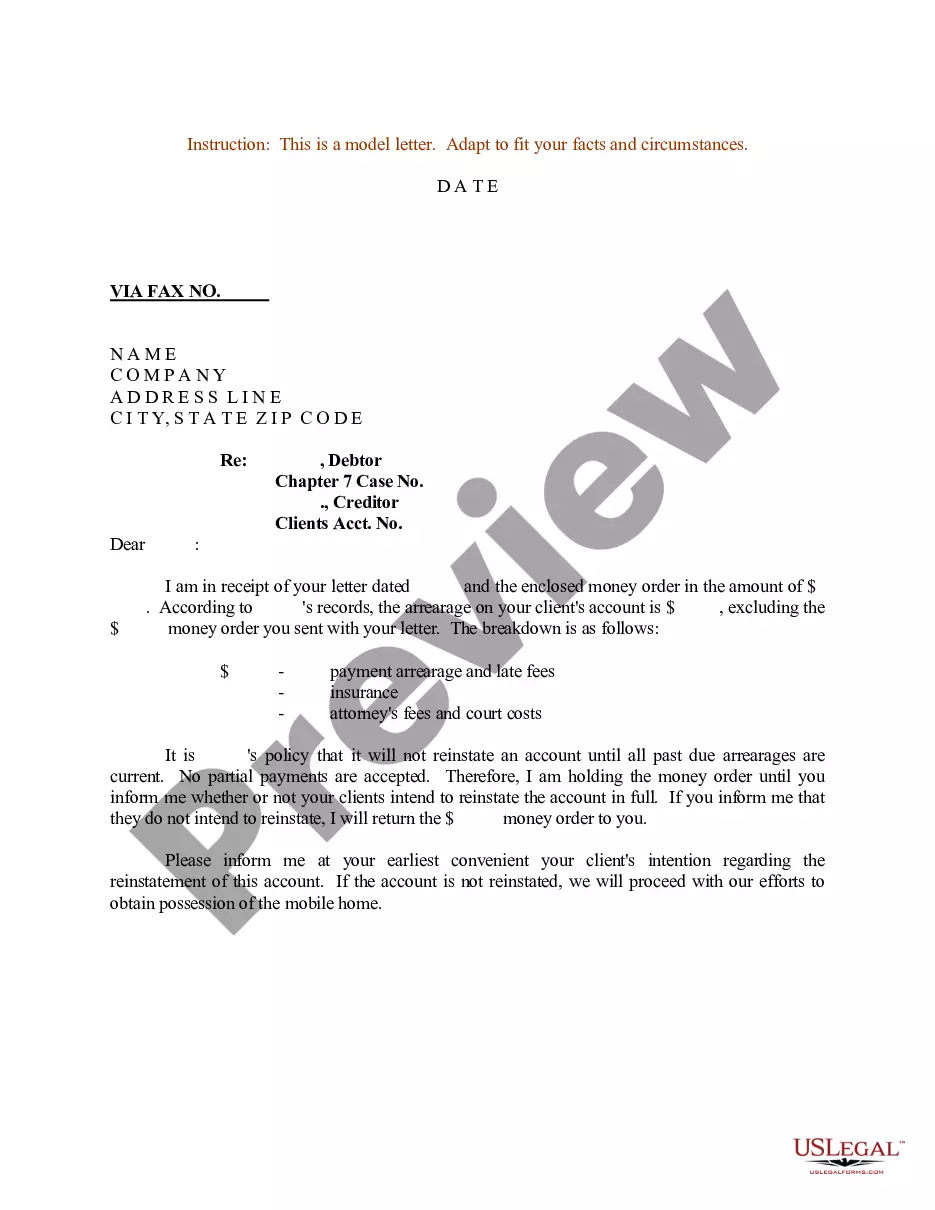
Sample Letter for Debtor Examination
What this document covers
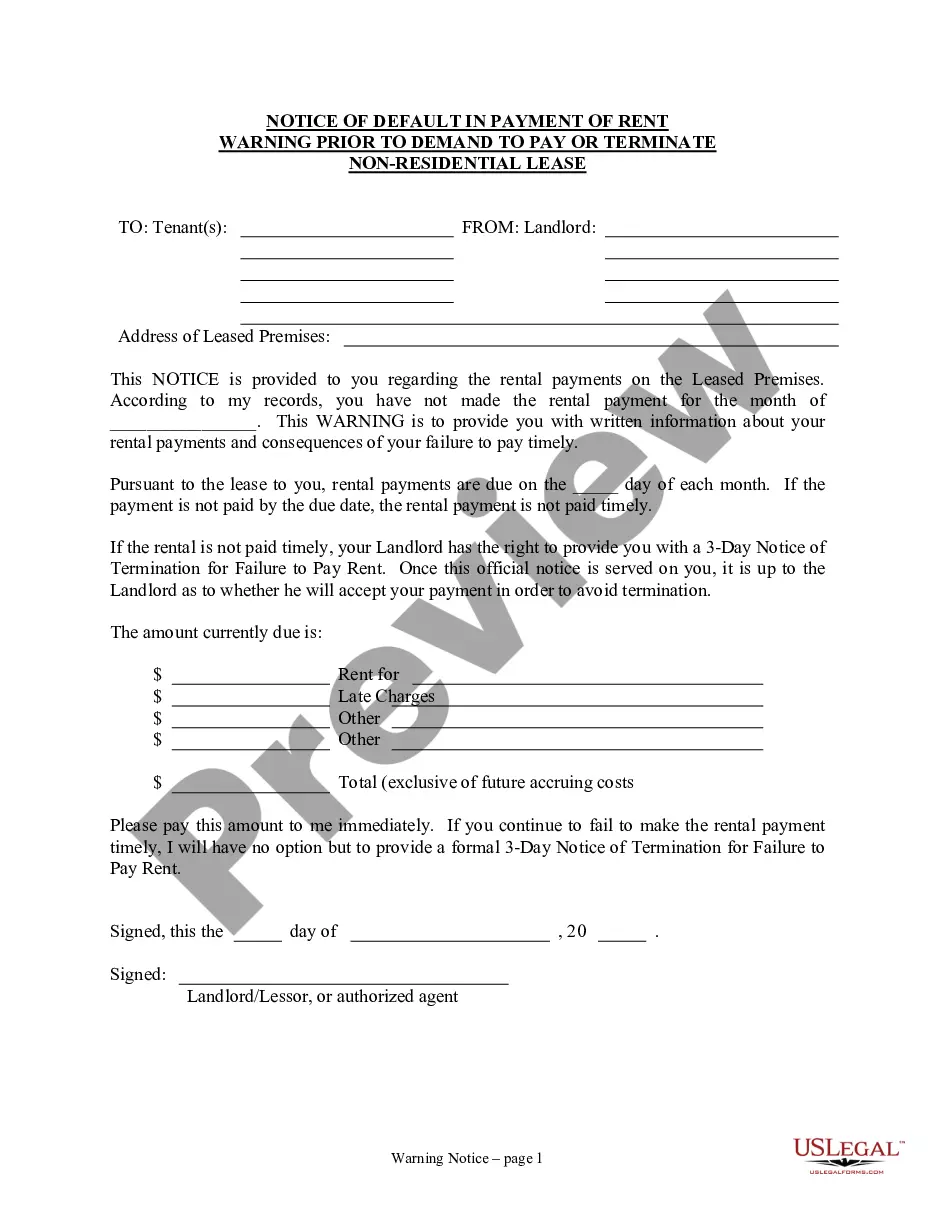
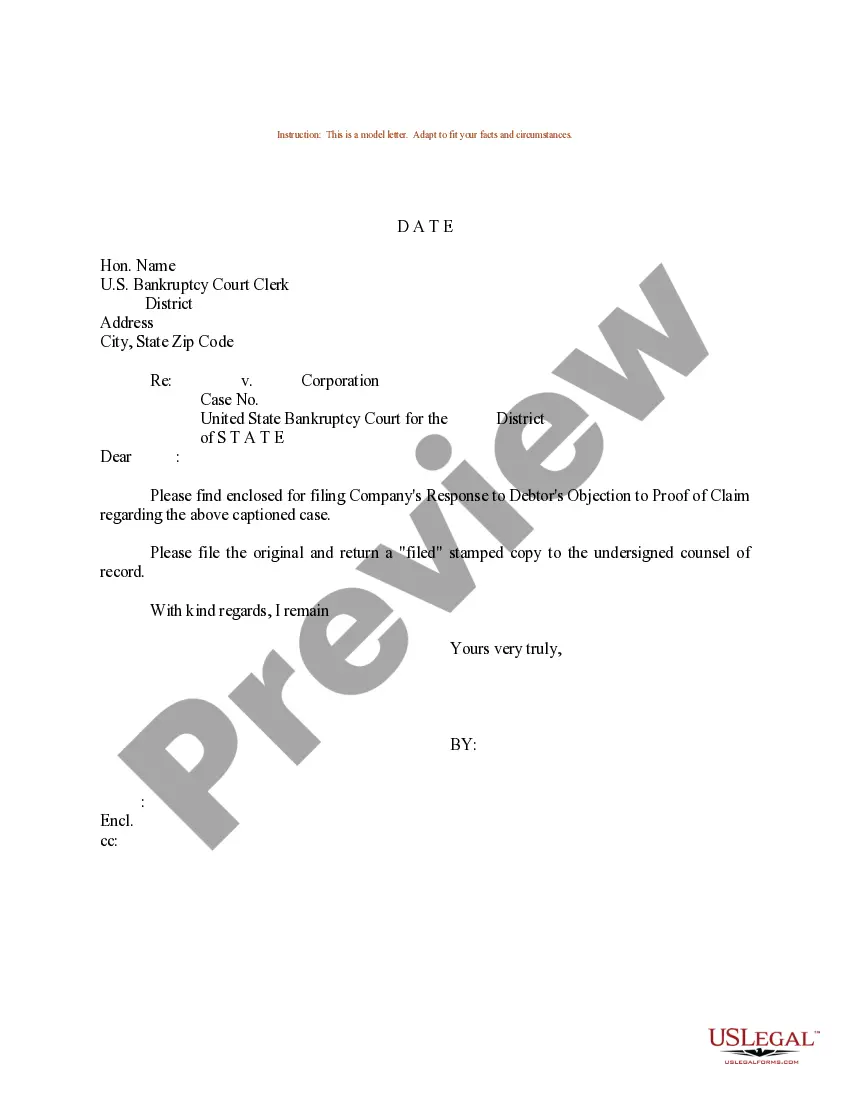
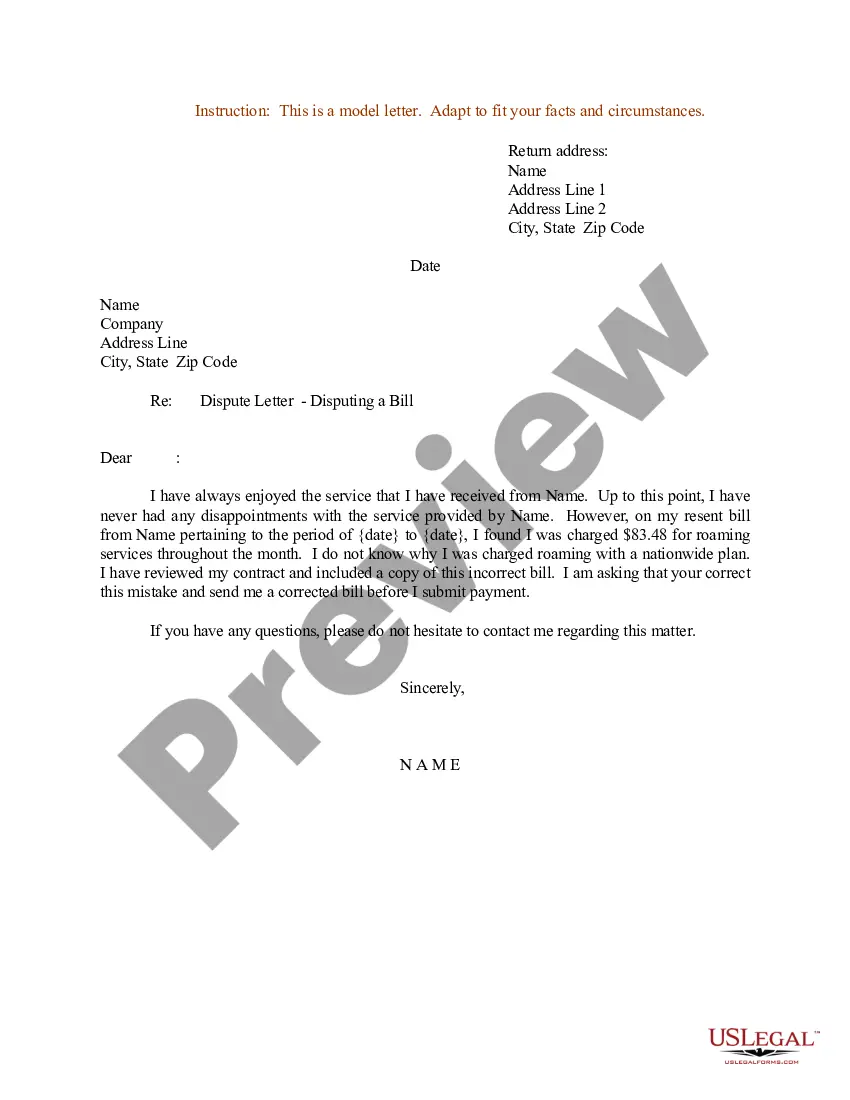
The Sample Letter for Debtor Examination is a model letter used to formally notify a debtor about the requirement to attend an examination regarding their financial circumstances. This form serves a specific purpose in the debt collection process by ensuring that the debtor provides necessary information to the creditor. It differs from other legal notices by focusing on the debtorâs investigation into their assets and liabilities, enabling the creditor to collect owed debts effectively.
Main sections of this form
- Sender's name and contact information
- Date of the letter
- Debtor's name and address
- Detailed instructions for the debtor examination
- Signature line for the sender
Common use cases
This letter should be used when a creditor seeks to investigate a debtor's financial situation. It is essential in scenarios where the creditor needs to gather information about the debtor's assets or when preparing for a court hearing related to debt recovery. Utilizing this letter helps to ensure compliance with legal requirements for debt collections.
Intended users of this form
- Creditors who are owed money by a debtor
- Collection agencies seeking to recover debts
- Attorneys representing creditors in debt-related cases
How to complete this form
- Identify the sender's name and address at the top of the letter.
- Insert the date the letter is being sent.
- Clearly write the debtor's full name and address.
- Detail the instructions for the debtor examination in a clear manner.
- Include a signature line and print the sender's name below it.
Notarization requirements for this form
This form does not typically require notarization unless specified by local law. It is advisable to check local regulations regarding the notarization of debtor examination letters.
Get your form ready online
Our built-in tools help you complete, sign, share, and store your documents in one place.
Make edits, fill in missing information, and update formatting in US Legal Forms—just like you would in MS Word.
Download a copy, print it, send it by email, or mail it via USPS—whatever works best for your next step.
Sign and collect signatures with our SignNow integration. Send to multiple recipients, set reminders, and more. Go Premium to unlock E-Sign.
If this form requires notarization, complete it online through a secure video call—no need to meet a notary in person or wait for an appointment.
We protect your documents and personal data by following strict security and privacy standards.
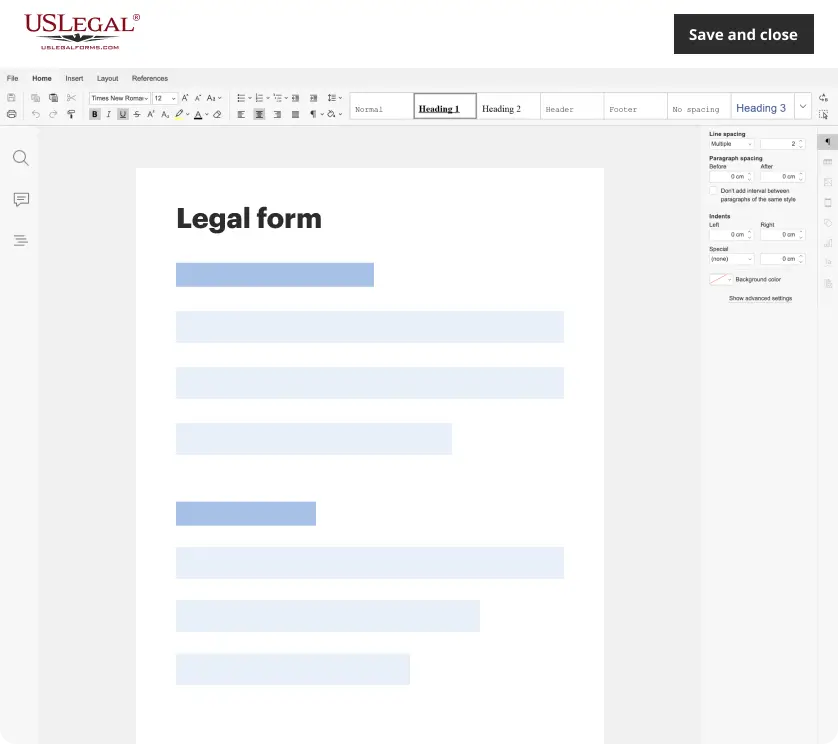
Make edits, fill in missing information, and update formatting in US Legal Forms—just like you would in MS Word.
Download a copy, print it, send it by email, or mail it via USPS—whatever works best for your next step.
Sign and collect signatures with our SignNow integration. Send to multiple recipients, set reminders, and more. Go Premium to unlock E-Sign.
If this form requires notarization, complete it online through a secure video call—no need to meet a notary in person or wait for an appointment.
We protect your documents and personal data by following strict security and privacy standards.
Common mistakes
- Failing to include complete and accurate contact information.
- Not specifying the date of the examination clearly.
- Using vague language that could confuse the debtor.
- Neglecting to sign the letter.
Why use this form online
- Convenience of downloading the letter at any time.
- Editability to tailor the letter to specific circumstances.
- Reliability, as the form is drafted by licensed attorneys.
Looking for another form?


Form popularity
FAQ
Days past due. Amount due. Note previous attempts to collect. Summary of account. Instructions- what would you like them to do next? Due date for payment- it is important to use an actually date, not in the next 7 business days as this can be vauge.
Served By: The writ is served by the U.S. Marshal or other person, presumably a law enforcement officer, specially appointed by the court pursuant to Federal Rule of Civil Procedure 4.1(a).
Make sure you state explicitly what the payment is for, or what payment/transaction the letter is in regard to. Include all relevant information, such as the parties involved, dates of payments and amounts due or guaranteed. Be straightforward and polite. There is no need to ramble, but a thank you goes a long way.
Keep it short and to the point; do not use complicated language. Type the letter; do not handwrite it. Use company letterhead. Include a copy of the invoice(s) or a summarized statement if multiple outstanding invoices.
You may serve your employer with the Acknowledgement of Satisfaction of Judgment by mail or in person. You can have your employer file the Acknowledgement of Satisfaction of Judgment with the court if you serve the employer personally, but it is generally wiser to file the form with the court yourself.
Type your letter. Concisely review the main facts. Be polite. Write with your goal in mind. Ask for exactly what you want. Set a deadline. End the letter by stating you will promptly pursue legal remedies if the other party does not meet your demand. Make and keep copies.
Accept plenty of payment methods. Five years ago, just about all of my clients paid by cheque. Ask for a deposit up-front. Spell out payment terms clearly and regularly. Follow up overdue invoices immediately. Increase the debtor pressure. Offer repayment schedules. Engage a good debt collector.
When writing the letter, it is crucial to use a simple and professional language. Do not be harsh or threat the debtor in your letter as it can turn the tables against you. The letter should be addressed to the debtor's home address or any other address that the debtor has provided before.
Use a letterhead. Outline the facts/story leading up to the demand letter in a chronological manner. State the legal basis for your claim. State how you will pursue legal action if your demand is not met, and include a timeline within which the demand is to be met.