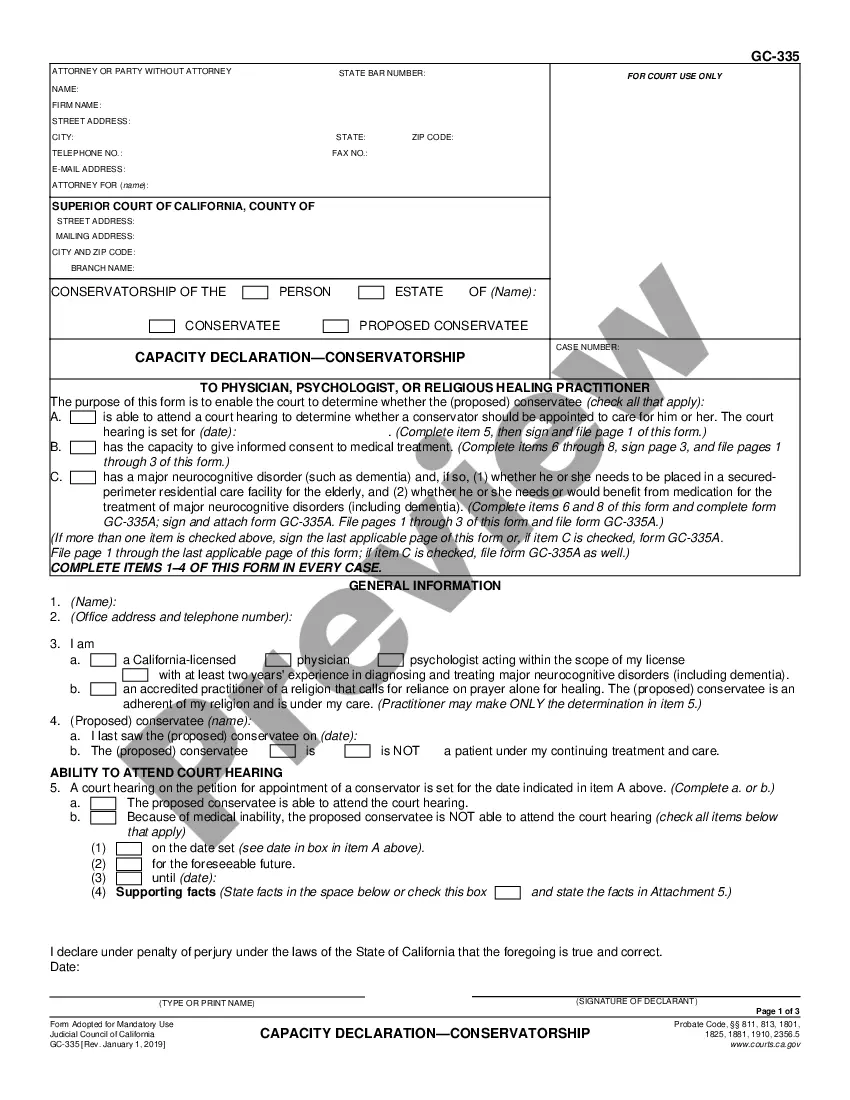
Motion for Default Judgment against Garnishee
Understanding this form
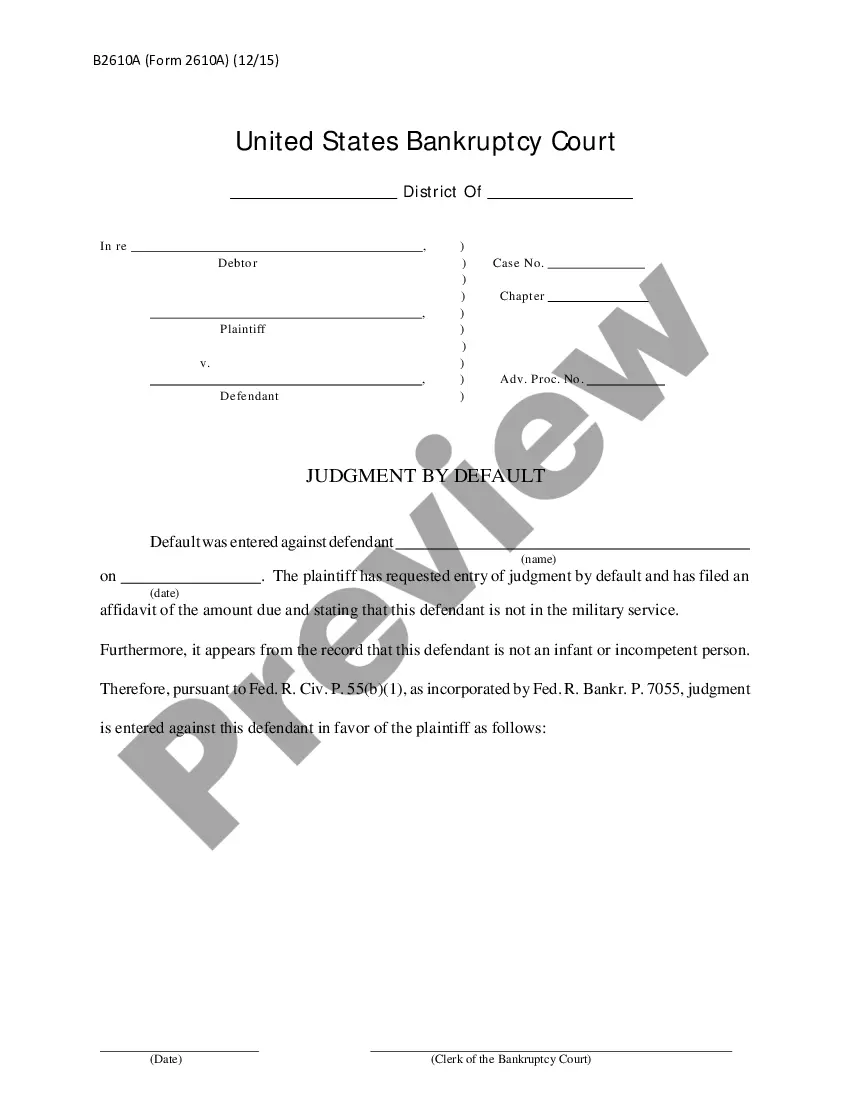
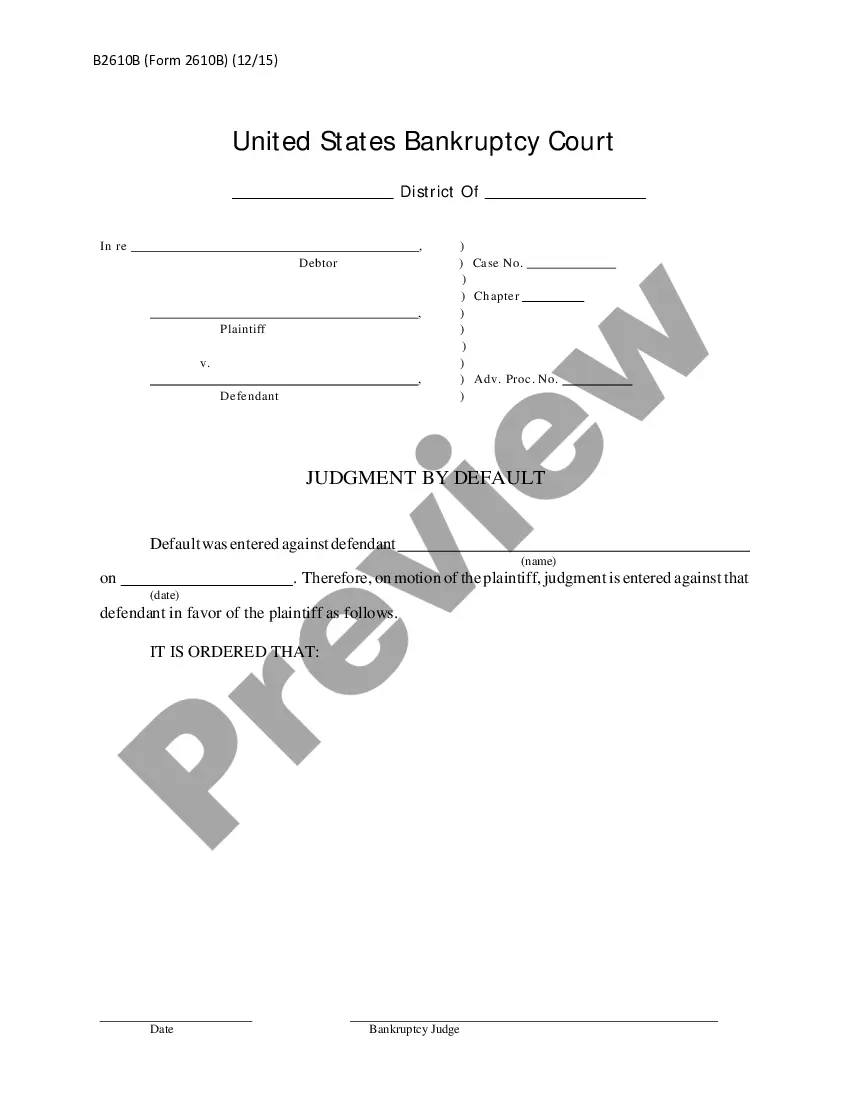
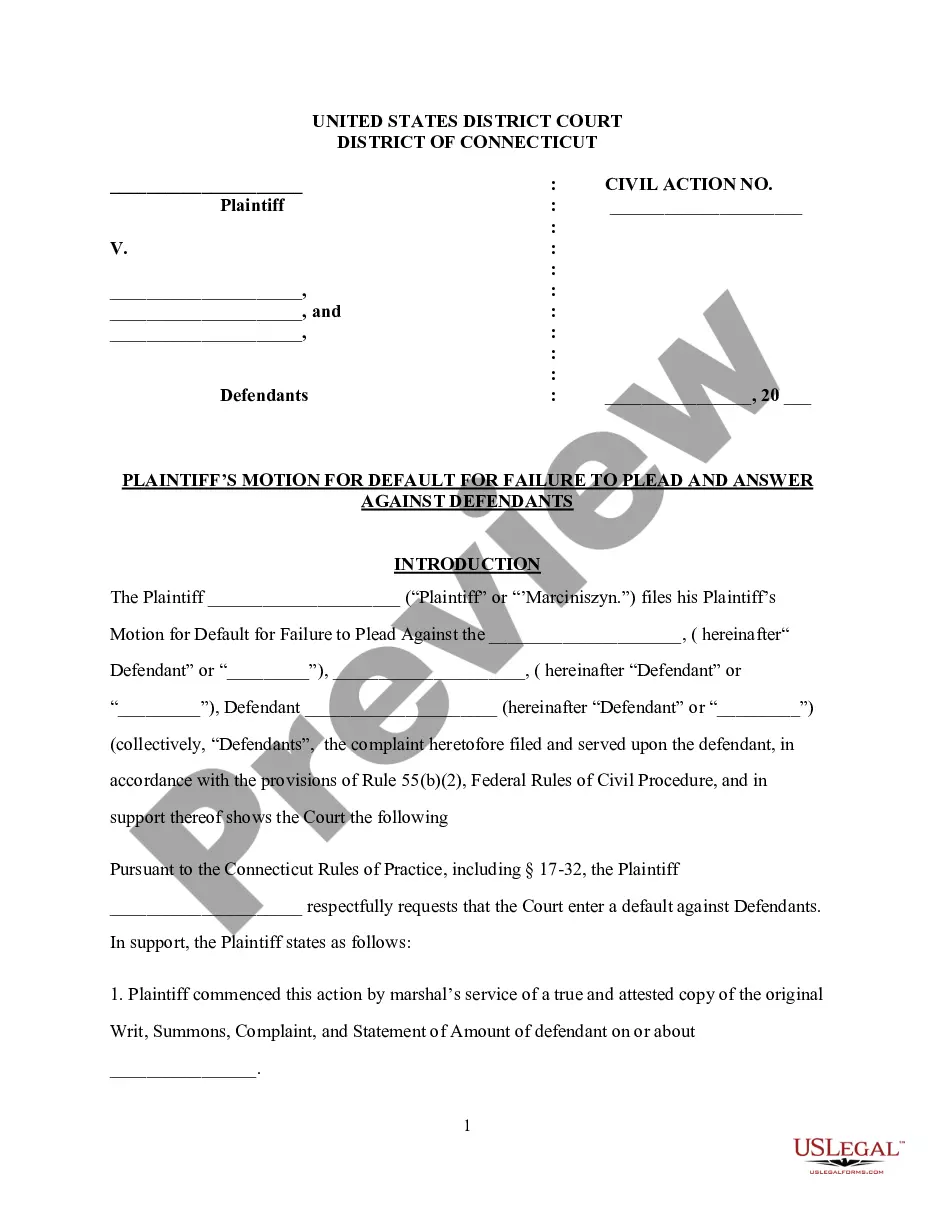
The Motion for Default Judgment against Garnishee is a legal document used by a plaintiff to request a court order when a garnishee fails to respond to a writ of garnishment. This form is crucial in situations where the garnishee has been properly summoned but does not file an answer, allowing the court to enter a judgment against them for the amount owed to the plaintiff. Unlike standard motions, this specific form addresses the situation of non-responsive garnishees, ensuring the plaintiff can seek their entitled funds swiftly and accurately.
Key parts of this document
- Caption including the names of the plaintiff, defendant, and garnishee.
- Motion statement outlining the request for a default judgment.
- Details of the writ of garnishment service and the garnishee's lack of response.
- Amount of the judgment requested plus applicable legal interest.
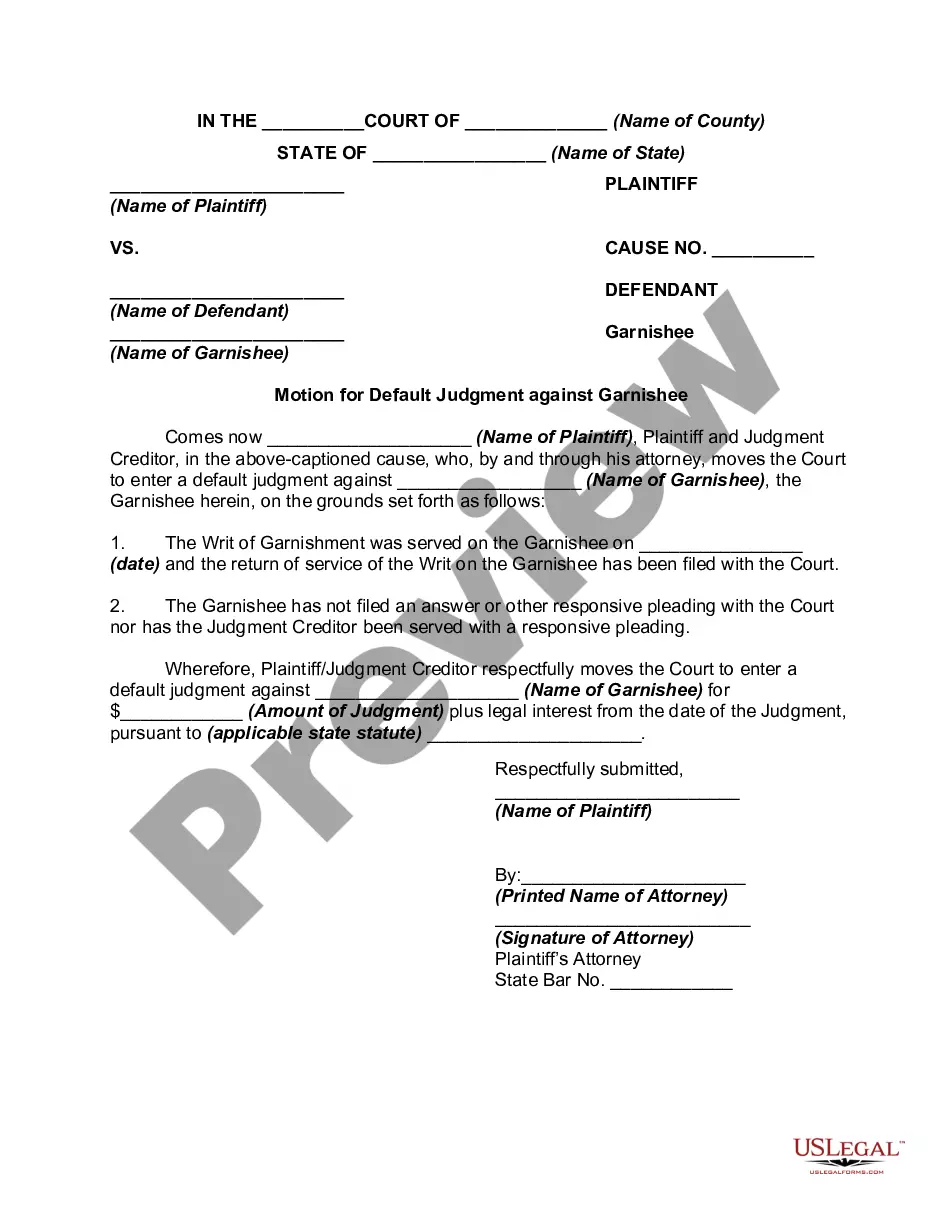
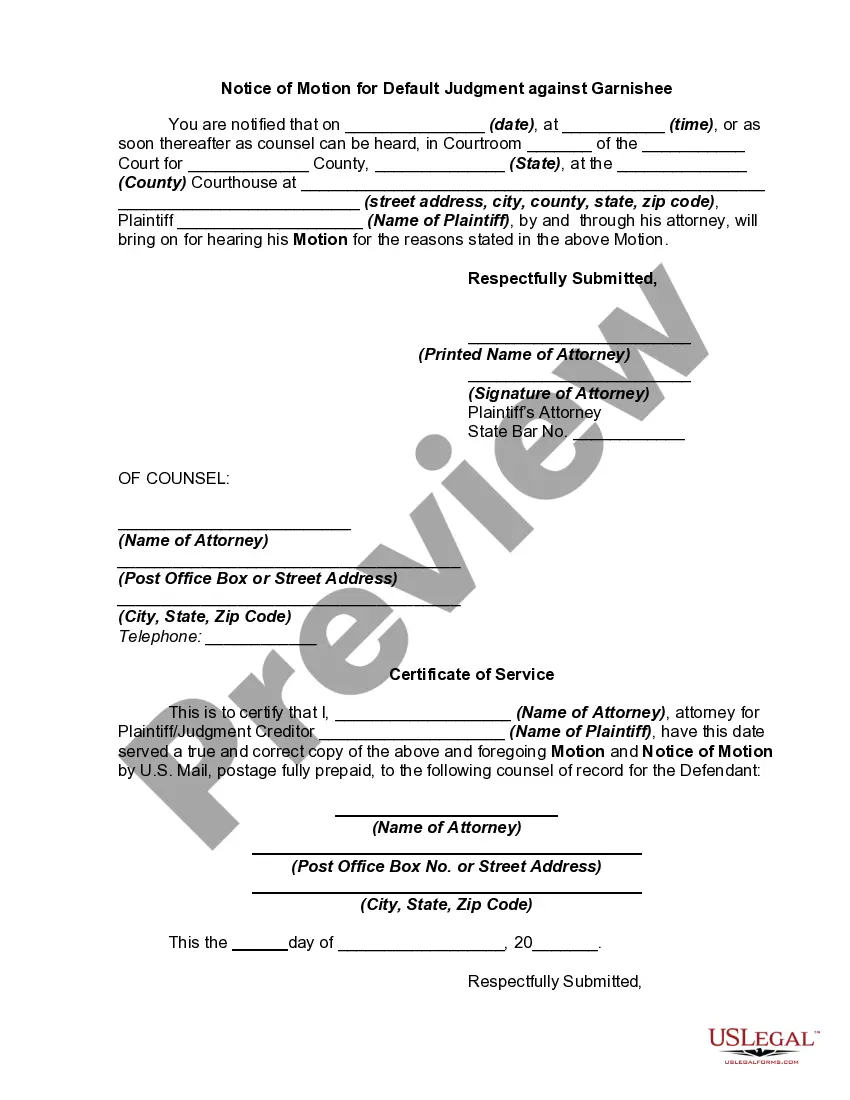
- Notice of the motion hearing, including date and location.
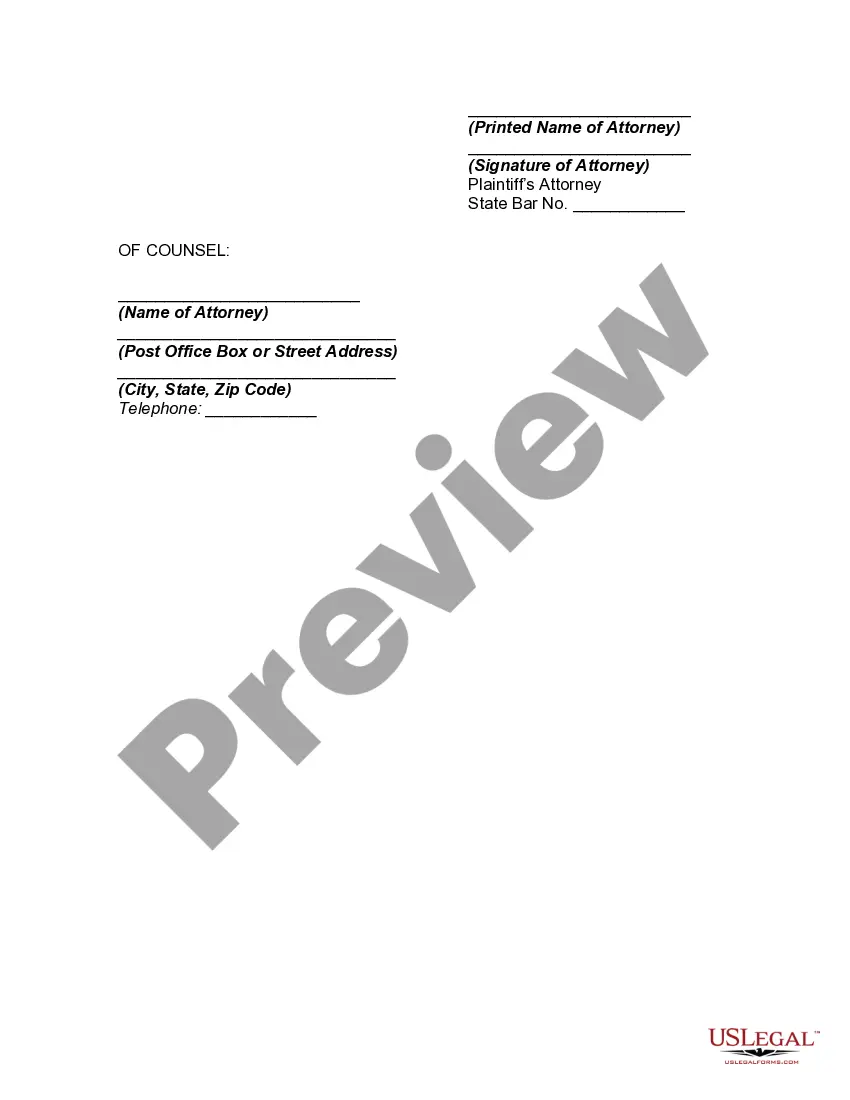
- Certificate of service confirming that the motion has been shared with the relevant parties.
When to use this document
This form is needed when a plaintiff has initiated a garnishment process but the garnishee has failed to provide a required response. Situations include cases where wages or bank accounts are being garnished, and the garnishee does not contest the garnishment. It is essential for the plaintiff to obtain a default judgment to ensure they can collect the owed amounts without further delays.
Intended users of this form
- Individuals or businesses who have filed a writ of garnishment.
- Plaintiffs seeking to collect a debt when the garnishee does not respond.
- Attorneys representing plaintiffs in garnishment proceedings.
Completing this form step by step
- Identify and enter the names of the plaintiff, defendant, and garnishee at the top of the form.
- Specify the date when the writ of garnishment was served on the garnishee.
- State that the garnishee has not responded by indicating the lack of answer.
- Fill in the amount of judgment being sought, including any legal interest applicable.
- Complete the notice of motion section with the hearing date, time, and court location.
- Sign and date the document, including all necessary attorney details if applicable.
Is notarization required?
In most cases, this form does not require notarization. However, some jurisdictions or signing circumstances might. US Legal Forms offers online notarization powered by Notarize, accessible 24/7 for a quick, remote process.
Get your form ready online
Our built-in tools help you complete, sign, share, and store your documents in one place.
Make edits, fill in missing information, and update formatting in US Legal Forms—just like you would in MS Word.
Download a copy, print it, send it by email, or mail it via USPS—whatever works best for your next step.
Sign and collect signatures with our SignNow integration. Send to multiple recipients, set reminders, and more. Go Premium to unlock E-Sign.
If this form requires notarization, complete it online through a secure video call—no need to meet a notary in person or wait for an appointment.
We protect your documents and personal data by following strict security and privacy standards.

Make edits, fill in missing information, and update formatting in US Legal Forms—just like you would in MS Word.

Download a copy, print it, send it by email, or mail it via USPS—whatever works best for your next step.

Sign and collect signatures with our SignNow integration. Send to multiple recipients, set reminders, and more. Go Premium to unlock E-Sign.

If this form requires notarization, complete it online through a secure video call—no need to meet a notary in person or wait for an appointment.

We protect your documents and personal data by following strict security and privacy standards.
Mistakes to watch out for
- Neglecting to serve the garnishee properly, which can invalidate the motion.
- Failing to include the correct amount owed, leading to potential disputes.
- Omitting details from the notice of motion, resulting in a lack of clarity for the hearing.
Benefits of completing this form online
- Convenient access to a detailed, attorney-drafted template.
- Editable format allows users to customize their filings easily.
- Reliable resources help ensure legal accuracy and compliance.
Looking for another form?
Form popularity
FAQ
In most cases, however, default judgment can be obtained through an administrative process, simply by filing a request with the court, and even where an application is required it can in some circumstances be made without notice to the defendant.
Fill out a Notice of Motion to Vacate Judgment and Declaration (Small Claims) (Form SC-135 ). File it with the small claims court clerk. Pay the filing fee. If you cannot afford the fee, ask for a fee waiver. The clerk will give you a date for your hearing.
A very important fact you should keep in mind is that California courts do impose a timeline for seeking entry of a default judgment. Specifically, a request for entry of default must be filed within 10 days following a defendant's failure to timely file and serve a responsive pleading.
Default judgments happen when you don't respond to a lawsuit often from a debt collector and a judge resolves the case without hearing your side. In effect, you're found guilty because you never entered a defense. Default judgments are sometimes called automatic judgments because of how fast they can happen.
When a default is entered, the party who requested the entry of default must obtain a default judgment against the defaulting party within 45 days after the default was entered, unless the court has granted an extension of time.
What happens next? When you file your Motion and Affidavit to Set Aside Default, you will get a hearing date and time from the court clerk. At the hearing, the judge will grant or deny the motion. If the judge grants your motion, the default or default judgment will be set aside, and the case will move forward.
If you owe a creditor on a debt like a loan, hospital bill, or credit card, it can't automatically garnish your wages.Once that happens, then the judgment creditor must file papers with the court to start the garnishment process.
Step 1: Make Sure You've Met the Requirements for a Default. Step 2: Decide How You Wish to Proceed. Step 3: Complete the Necessary Forms. Step 4: Complete Your Declaration in Support of Default Judgment. Step 5: Calculate Prejudgment Interest, if Appropriate. Step 6: Copy and Assemble Your Documents.
Generally, if a defendant fails to respond to a complaint you can get a default judgment after 45 days. However, the court system is very slow these days and it can take several months to get the court to issue the default judgment.