Sample Letter for Construction Plans
About this form
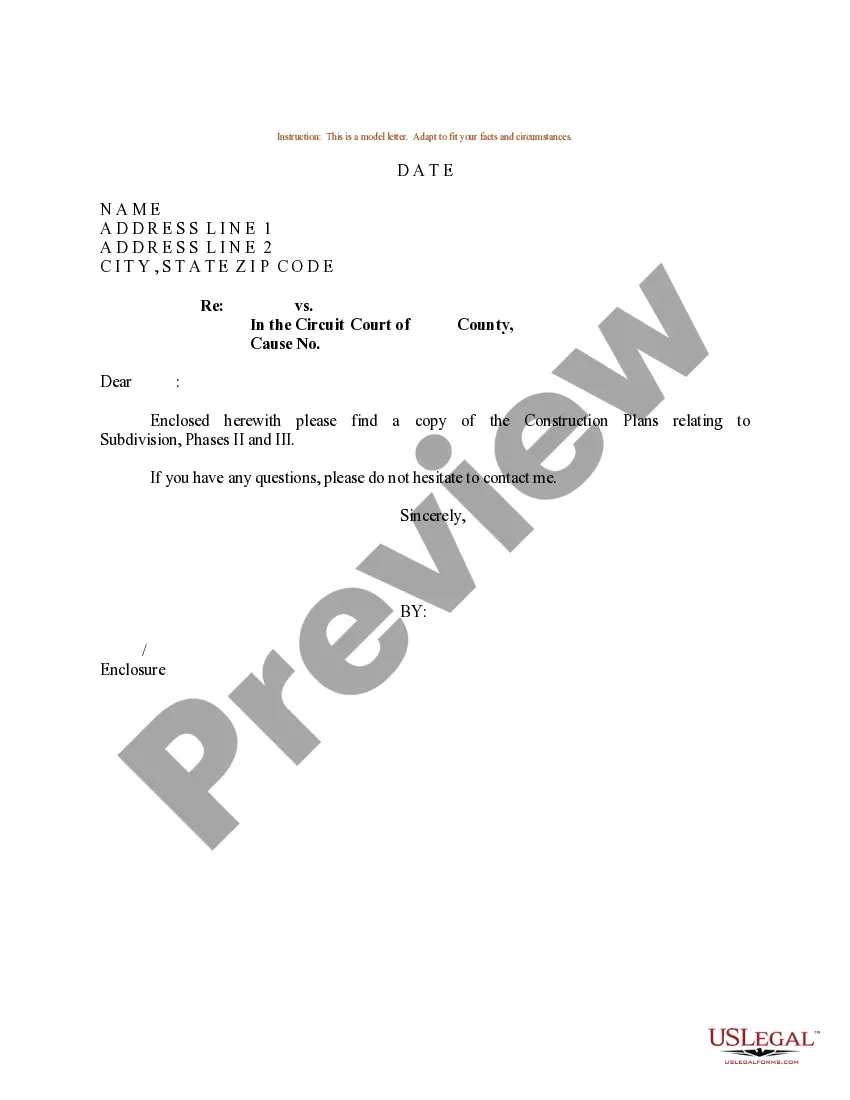
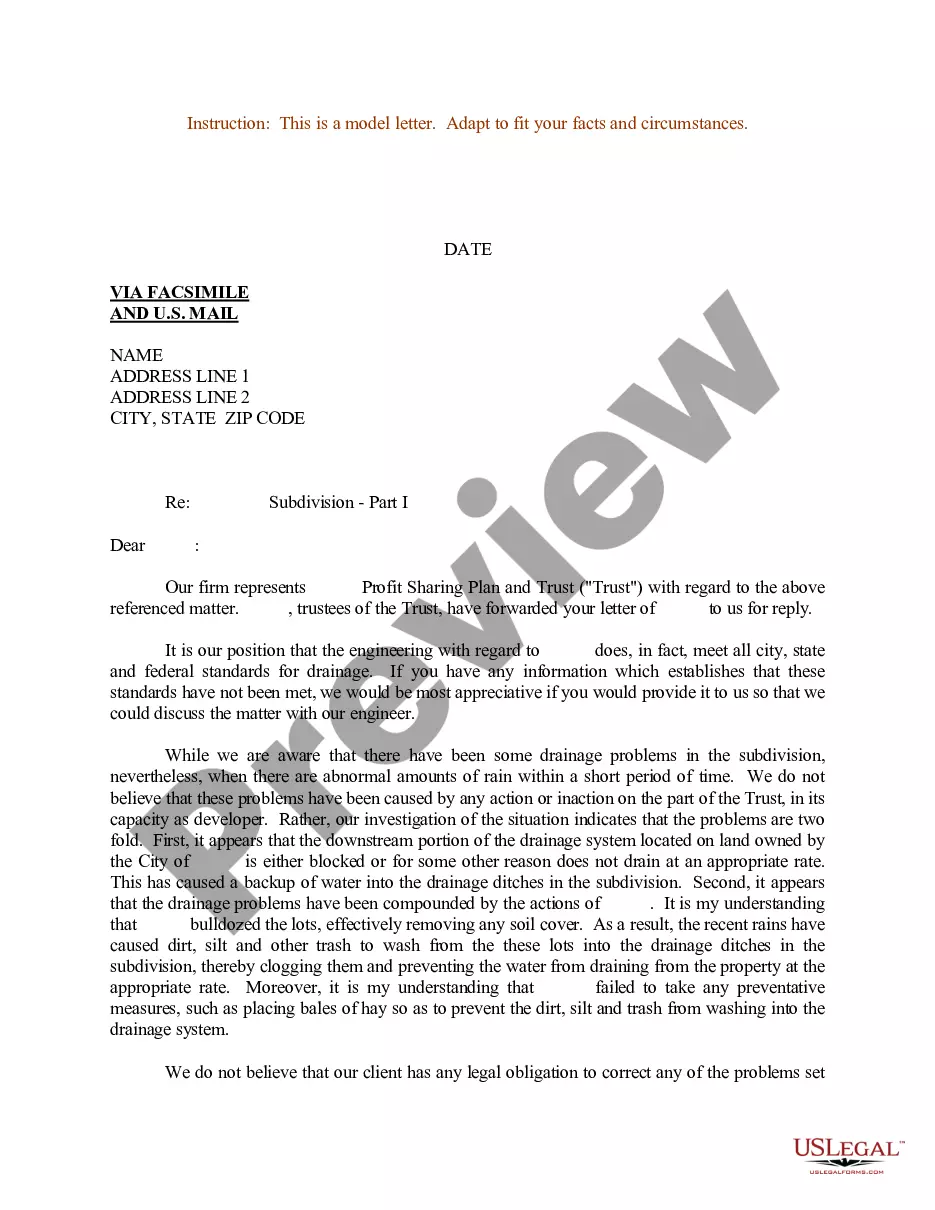
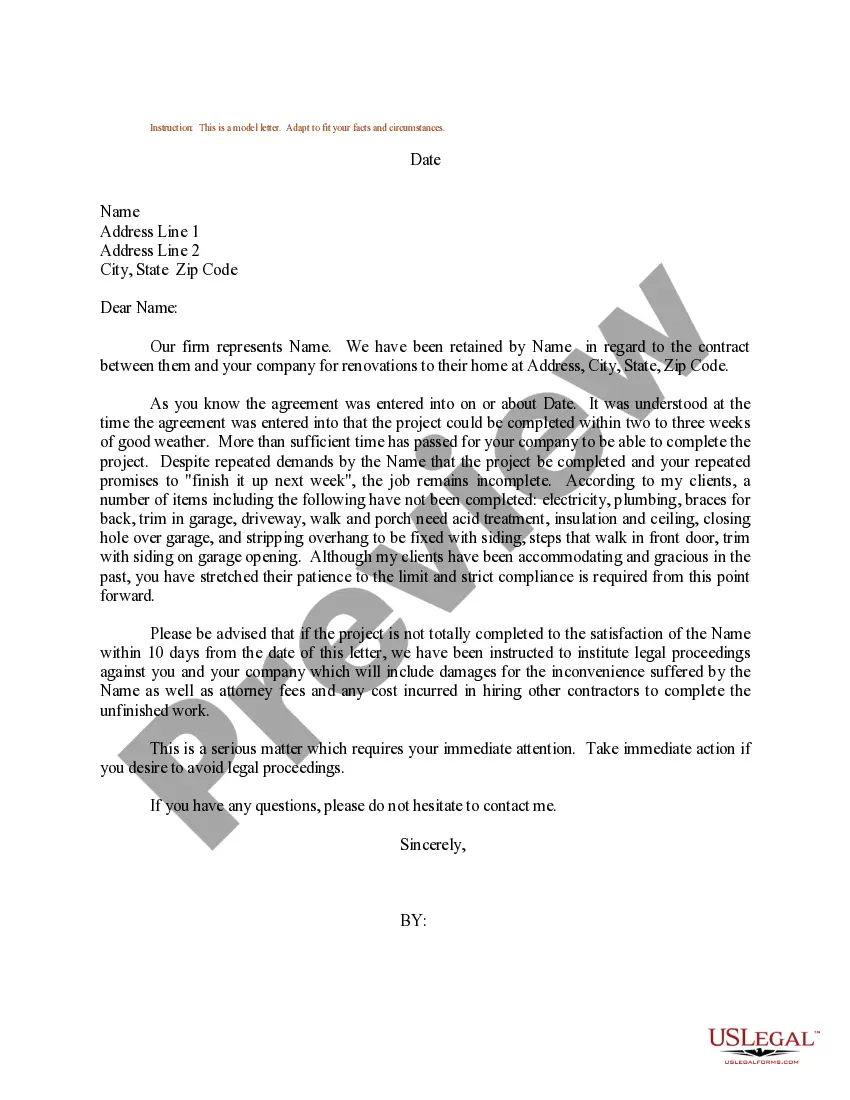
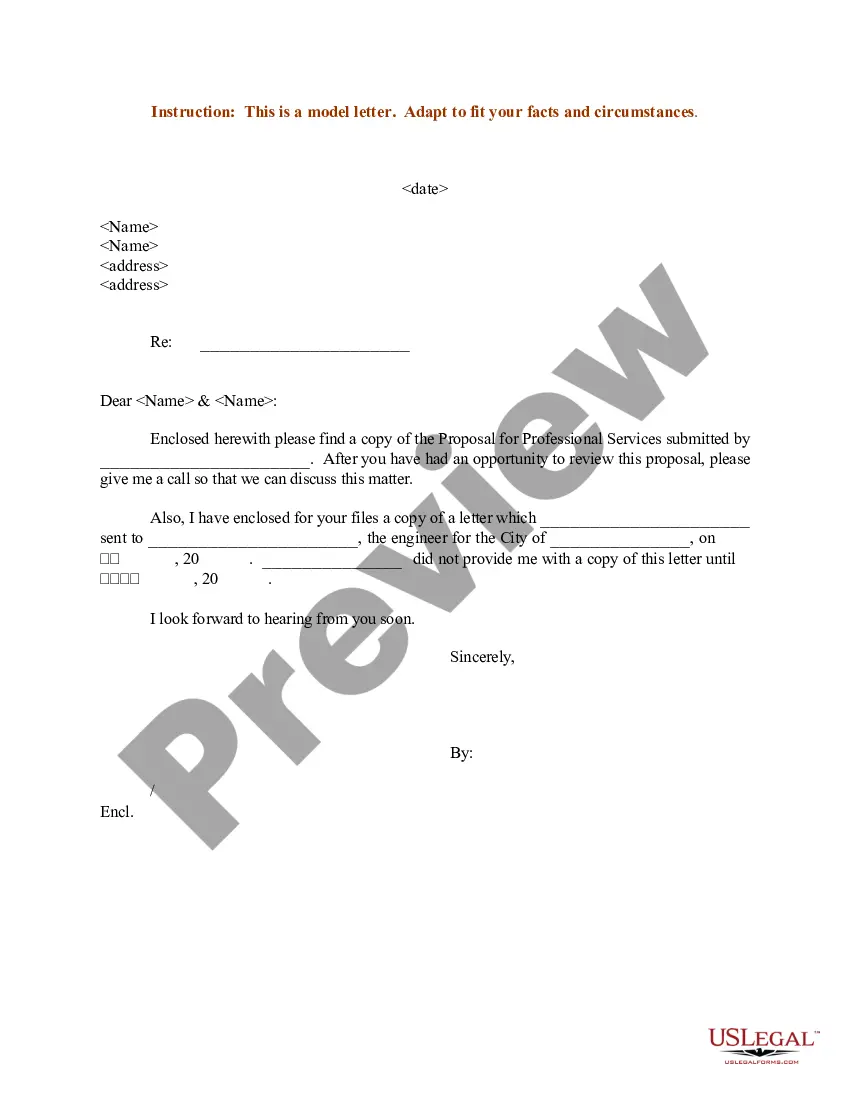
The Sample Letter for Construction Plans is a formal document designed to communicate specific details about construction projects. This letter serves to address project plans, ensuring all parties are informed and aligned. It is tailored to those involved in the construction process, distinguishing it from other general correspondence forms by its specific focus on project logistics and timelines.
Form components explained
- Date: Indicates when the letter is being sent.
- Recipient's name and address: Essential for ensuring the letter reaches the intended individual or organization.
- Details of the construction plans: Provides specific information regarding the project.
- Signatory line: Where the sender signs the letter to confirm authenticity.

Situations where this form applies
This form should be used when you need to formally communicate or clarify details regarding construction plans to contractors, clients, or regulatory entities. It is particularly useful for notifying stakeholders of project milestones, changes in plans, or compliance with building regulations.
Who can use this document
- Contractors who need to inform clients about project details.
- Property developers communicating with construction teams.
- Architects relaying design plans to builders.
- Homeowners overseeing renovations or new constructions.
Steps to complete this form
- Enter the date at the top of the letter.
- Fill in the recipient's name and address accurately.
- Detail the specific construction plans in clear language.
- Sign the letter to validate and officially send it.
Notarization requirements for this form
Notarization is generally not required for this form. However, certain states or situations might demand it. You can complete notarization online through US Legal Forms, powered by Notarize, using a verified video call available anytime.
Get your form ready online
Our built-in tools help you complete, sign, share, and store your documents in one place.
Make edits, fill in missing information, and update formatting in US Legal Forms—just like you would in MS Word.
Download a copy, print it, send it by email, or mail it via USPS—whatever works best for your next step.
Sign and collect signatures with our SignNow integration. Send to multiple recipients, set reminders, and more. Go Premium to unlock E-Sign.
If this form requires notarization, complete it online through a secure video call—no need to meet a notary in person or wait for an appointment.
We protect your documents and personal data by following strict security and privacy standards.

Make edits, fill in missing information, and update formatting in US Legal Forms—just like you would in MS Word.

Download a copy, print it, send it by email, or mail it via USPS—whatever works best for your next step.

Sign and collect signatures with our SignNow integration. Send to multiple recipients, set reminders, and more. Go Premium to unlock E-Sign.

If this form requires notarization, complete it online through a secure video call—no need to meet a notary in person or wait for an appointment.

We protect your documents and personal data by following strict security and privacy standards.
Common mistakes
- Failing to include the recipient's correct address.
- Not detailing the construction plans clearly.
- Neglecting to add the date, which can cause confusion regarding timelines.
Benefits of completing this form online
- Convenience of immediate access and download.
- Editable format allowing customization of details.
- Reliability of templates drafted by licensed attorneys, ensuring legal validity.
Summary of main points
- The Sample Letter for Construction Plans is essential for effective communication in construction projects.
- Accurate completion is necessary to avoid delays and misunderstandings.
- Utilizing this form can streamline the planning phase of construction.
Looking for another form?
Form popularity
FAQ
Use an appropriate business letter format. Keep it simple. If appropriate, provide the recipient with pertinent information to help them remember who you are. Briefly explain what it is you want the reader to do.
Make sure to include all of your contact information, including your number, city and state, a single email address and a single phone number. Give your cover letter a sharp focus by highlighting the kind of work you want to be doing and emphasizing specific skills.
Carefully review the job posting and research the company's website. List your contact information at the top of the document. Greet the reader and introduce yourself. Explain your skills and achievements relevant to the position. Remind them why you're best for the position.
Step 1: Research the Company You're Applying For. Step 2: Start Strong and Stand Out. Step 3: Highlight Relevant Experience. Step 4: Explain How You Could Contribute and Use Examples. Step 5: End Firmly and Confidently. Step 6: Proofread and Send.
Address the person or company to whom you are writing the letter. Introduce your company well and mention the services of the company. Mention the goals of the company well. Avoid making any grammatical errors and spelling mistakes.
Place your contact information in the header. Address the hiring manager by name. Show relevant achievements to introduce yourself in the first paragraph. Target the employer's needs and prove you can help in the second paragraph.
The names and contact information of the owner and contractor. The location of the work. A detailed description of the work to be completed (scope of work) The cost of the work and a payment schedule. The signatures of both parties and the date.
Explain precisely what your request is. Mention the reason for the request. Use polite language and a professional tone. Demonstrate respect and gratitude to the reader. The content of the letter should be official. You may provide contact information where you can be reached.
Remember why you are writing the letter. Don't regurgitate your resume. Know your audience. Begin with the problem. Tell a story. It's not about you. Make it easy to read. What will you bring to the table?