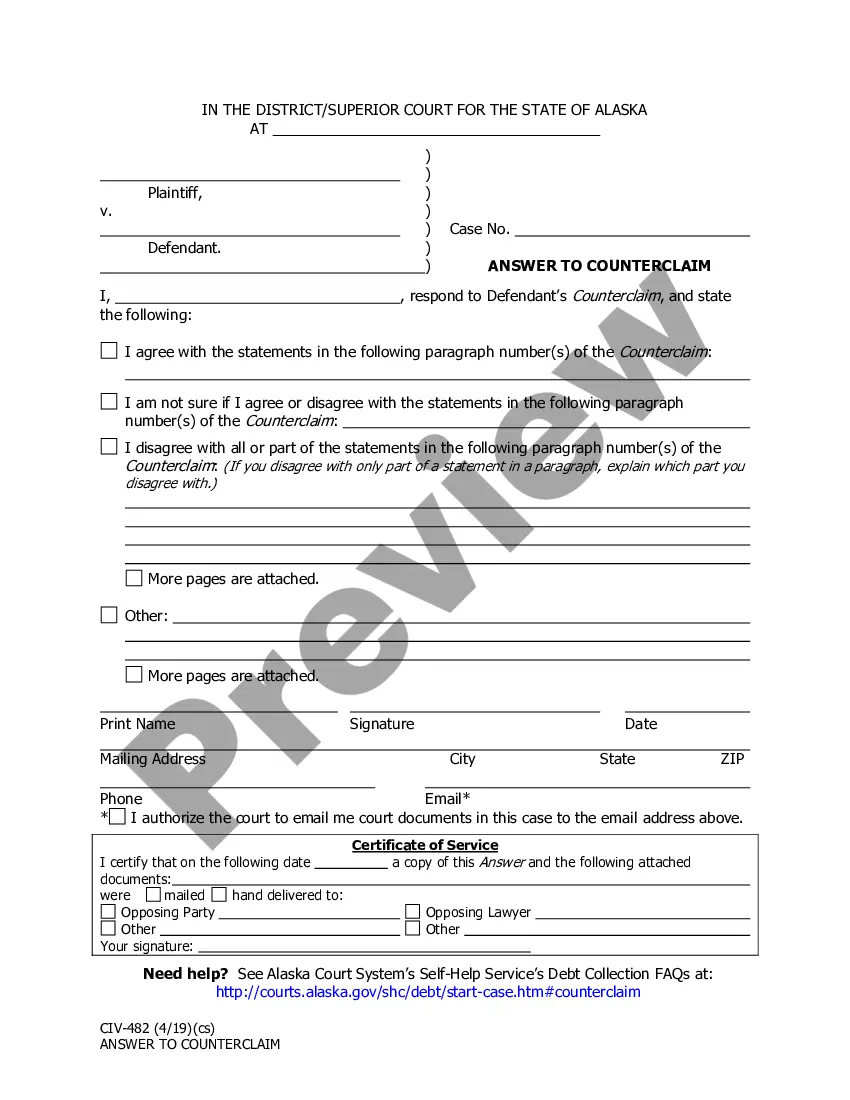
Sample Letter for Full, Final, and Absolute Mutual Release and Bill of Sale
What this document covers
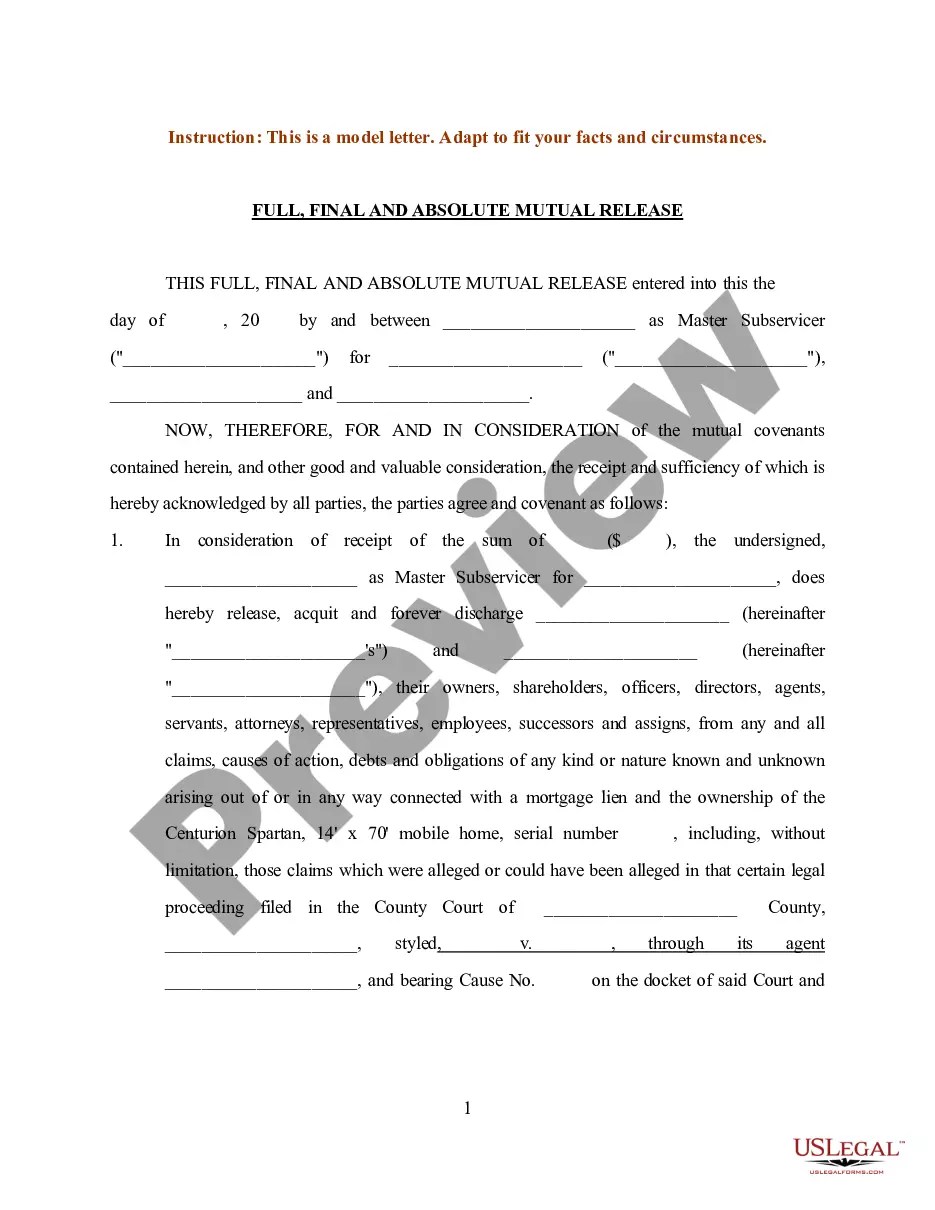
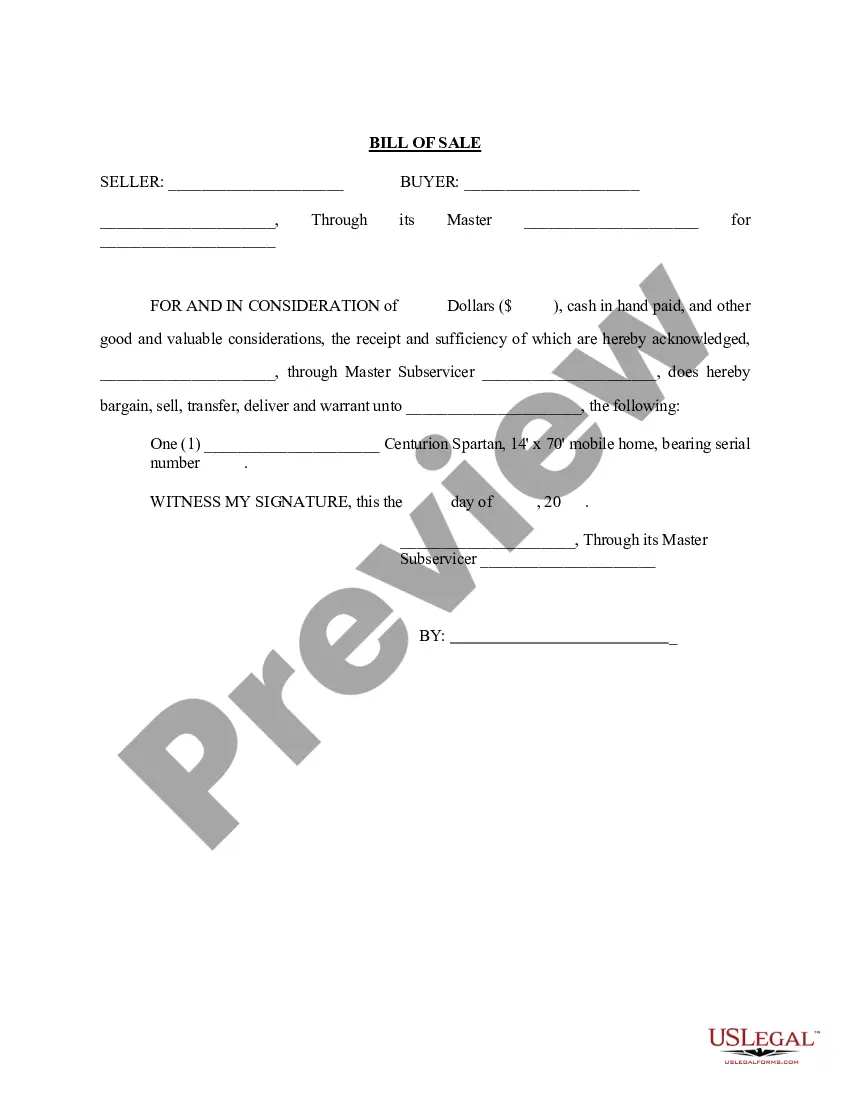
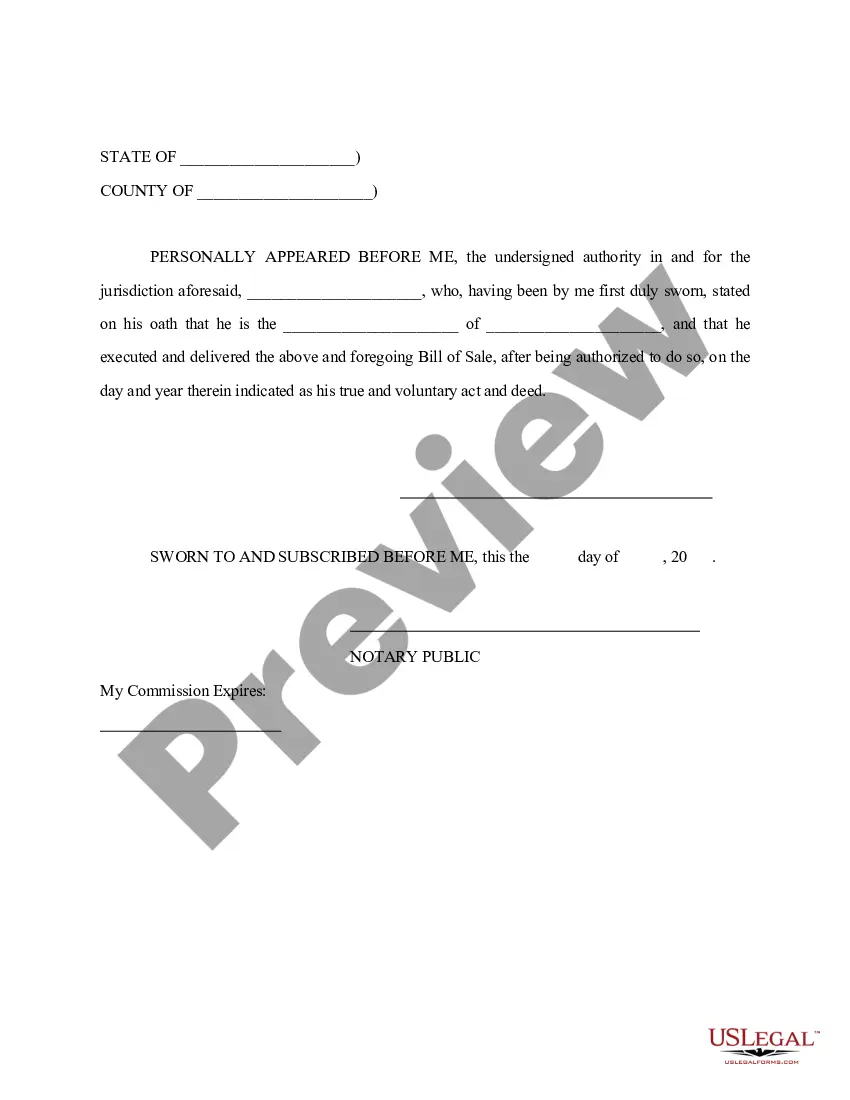
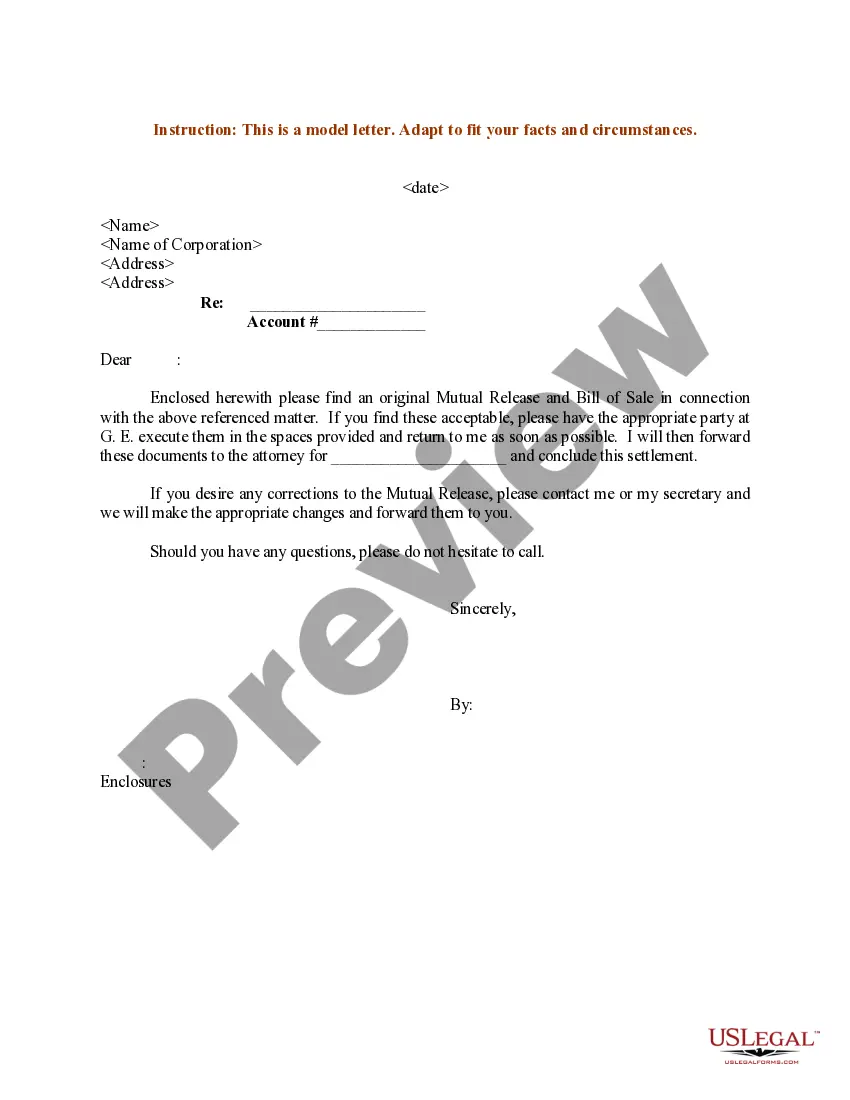
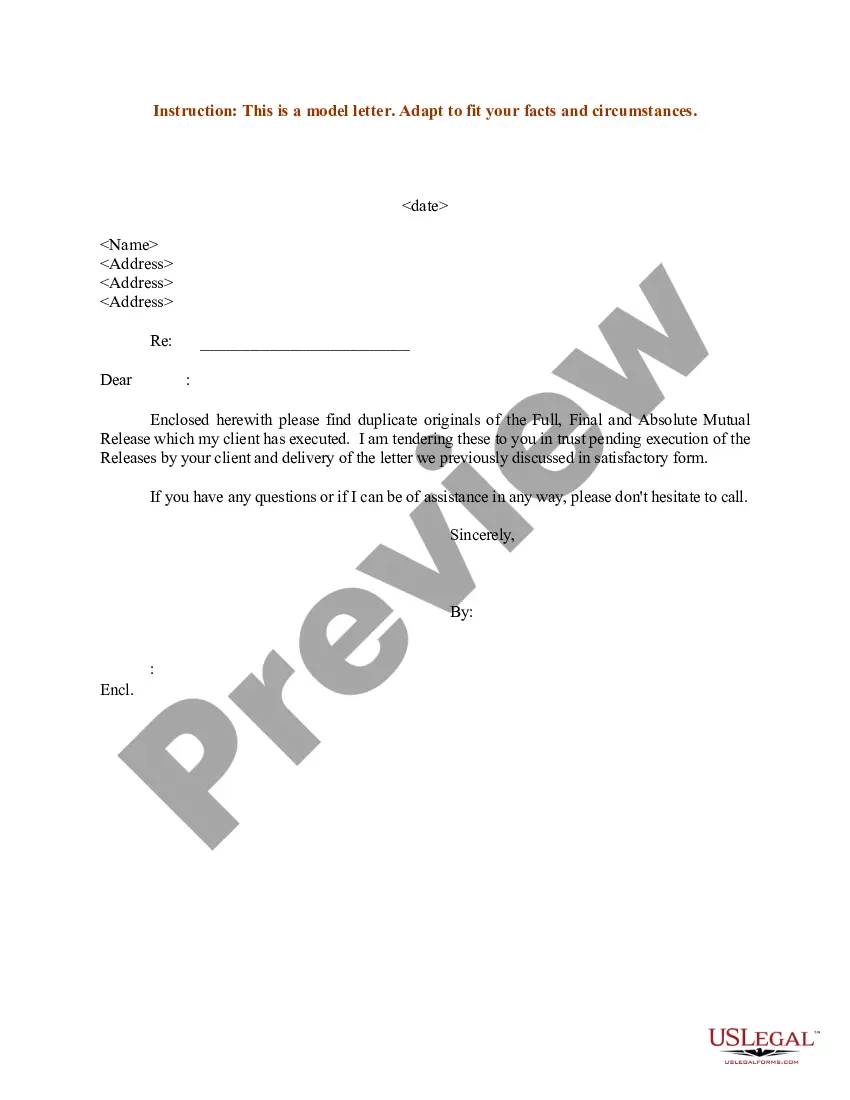
The Sample Letter for Full, Final, and Absolute Mutual Release and Bill of Sale is a legal document utilized by parties to mutually release each other from any claims or liabilities while confirming the sale of property. This form is significantly different from other release forms because it encompasses both the release of claims and a bill of sale in one comprehensive letter. Its purpose is to provide a clear understanding of the agreements made and to ensure that all parties acknowledge the finality of their arrangements.
Key components of this form
- Introduction clause stating mutual consideration for the release.
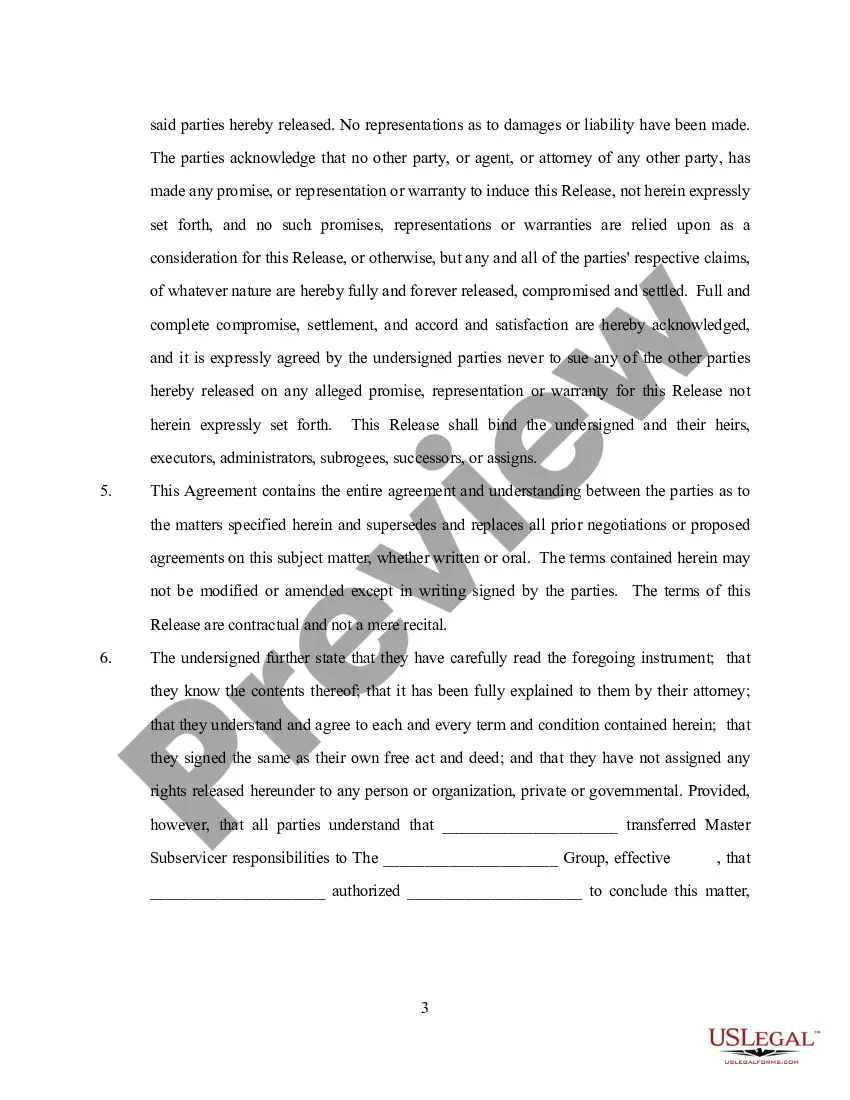
- Declarations affirming that no additional claims or representations exist outside this agreement.
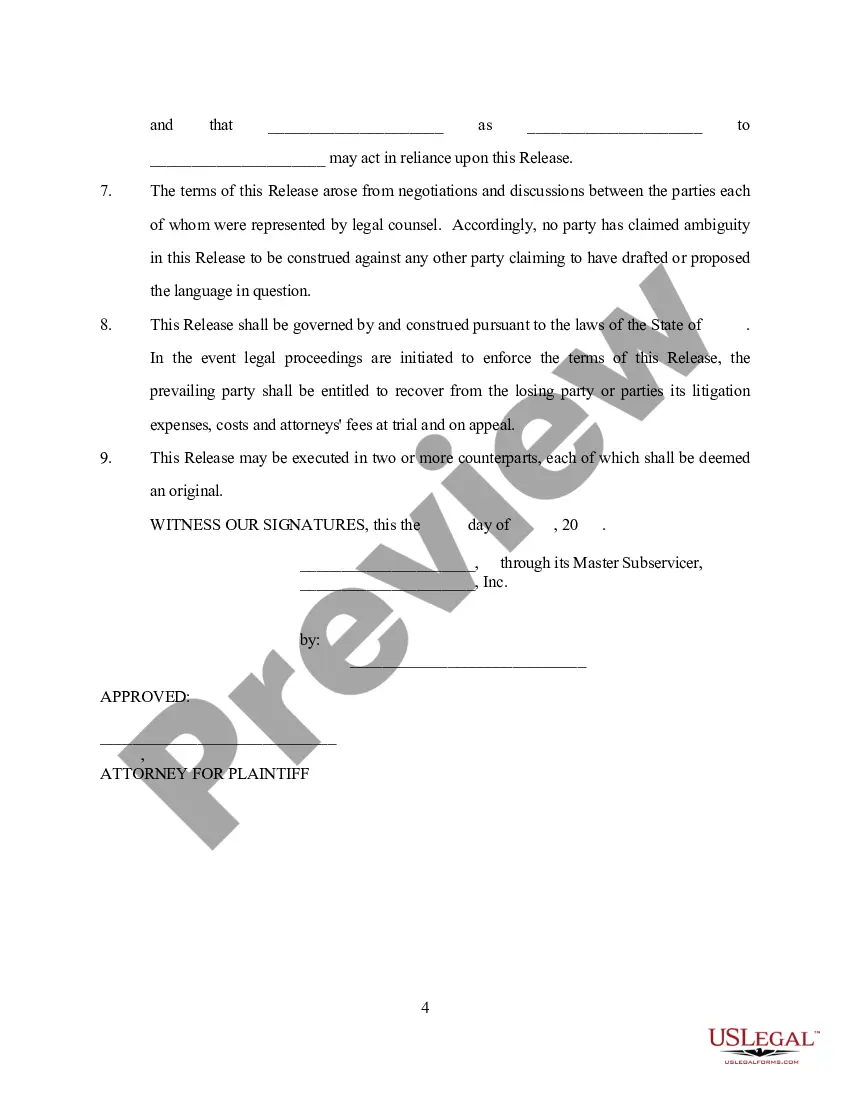
- Section detailing the binding nature of the agreement on heirs and assigns.
- A clause confirming this document is the complete agreement that supersedes other negotiations.
- Agreement on contractual terms that cannot be modified without written consent.

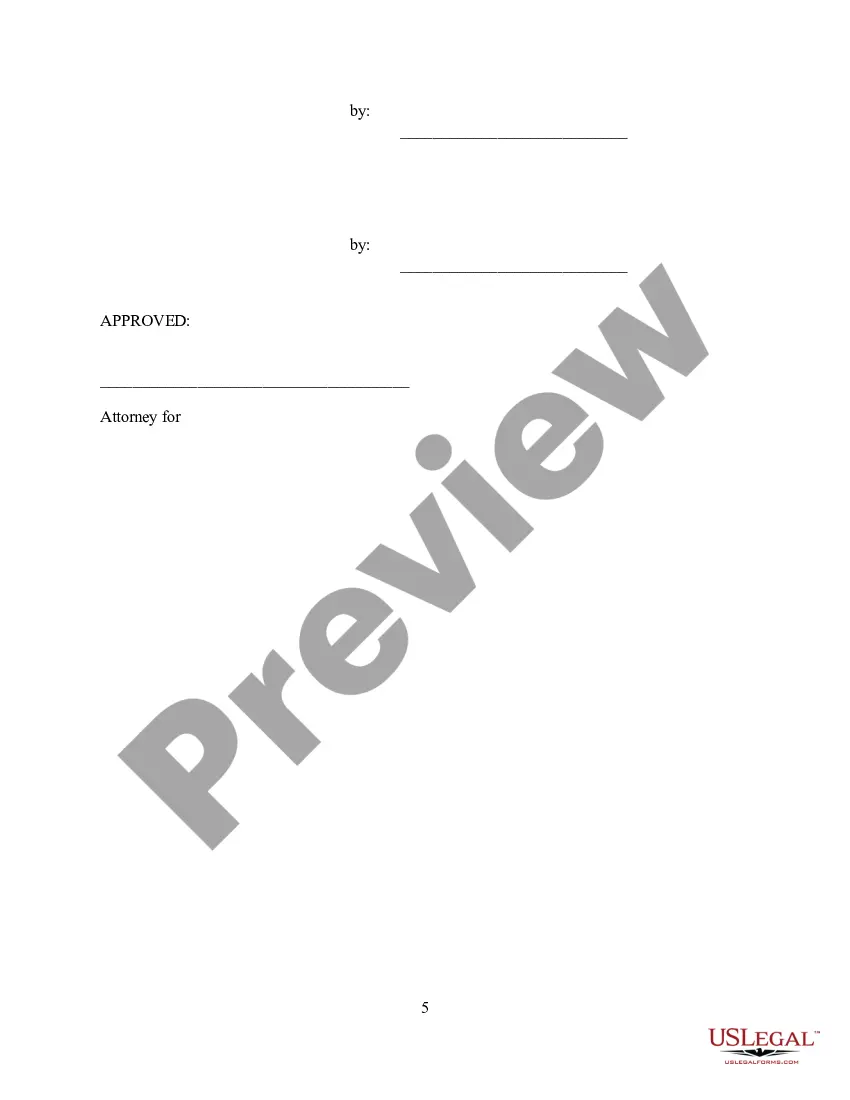
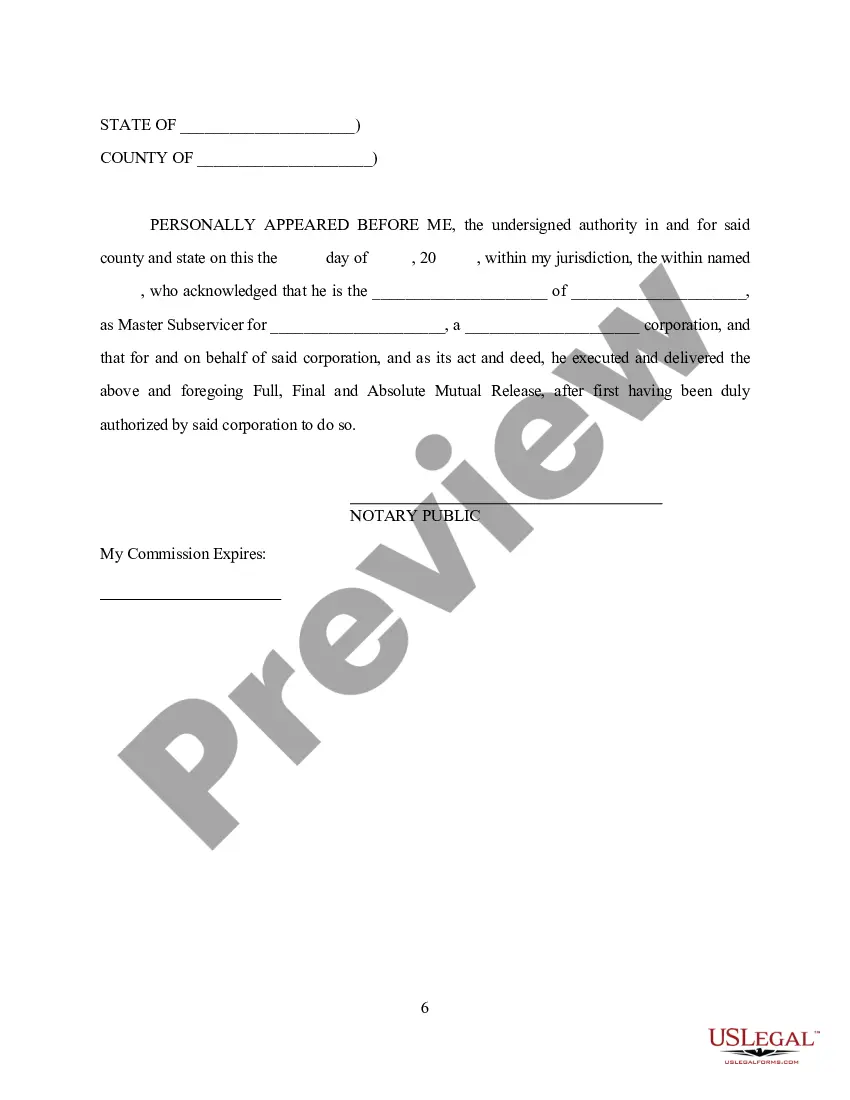
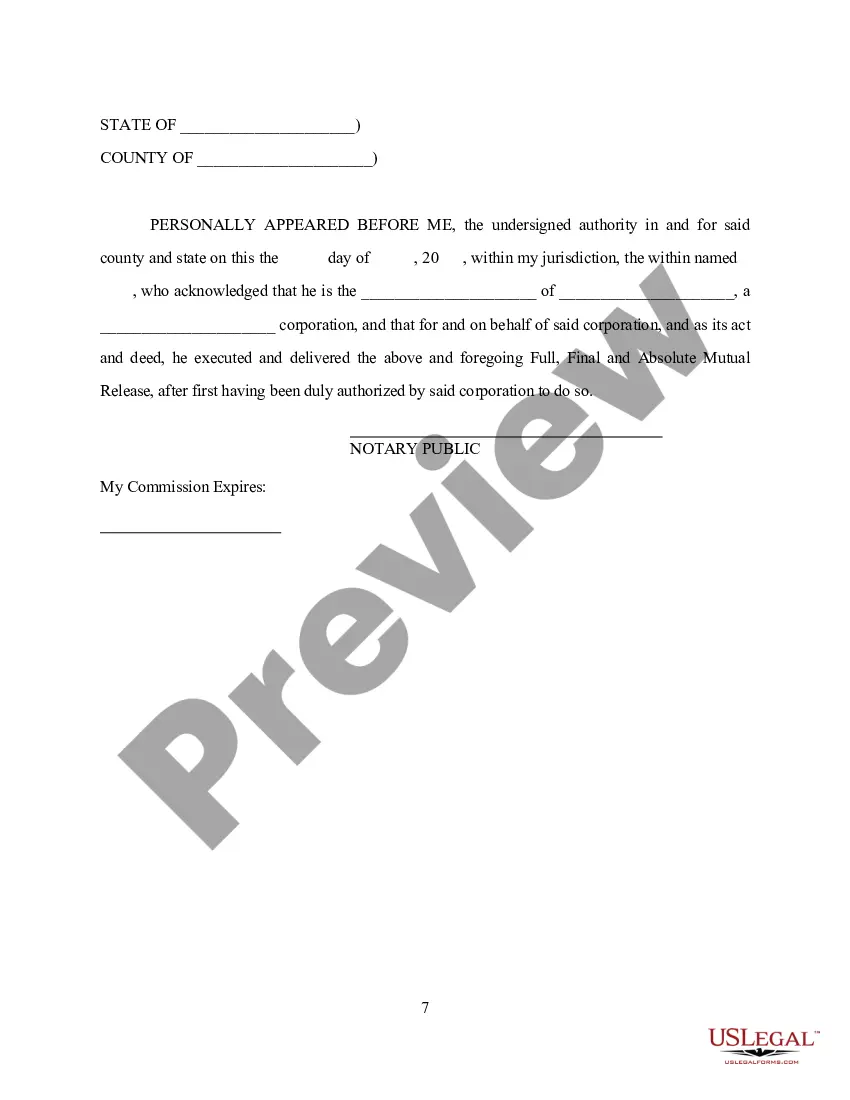
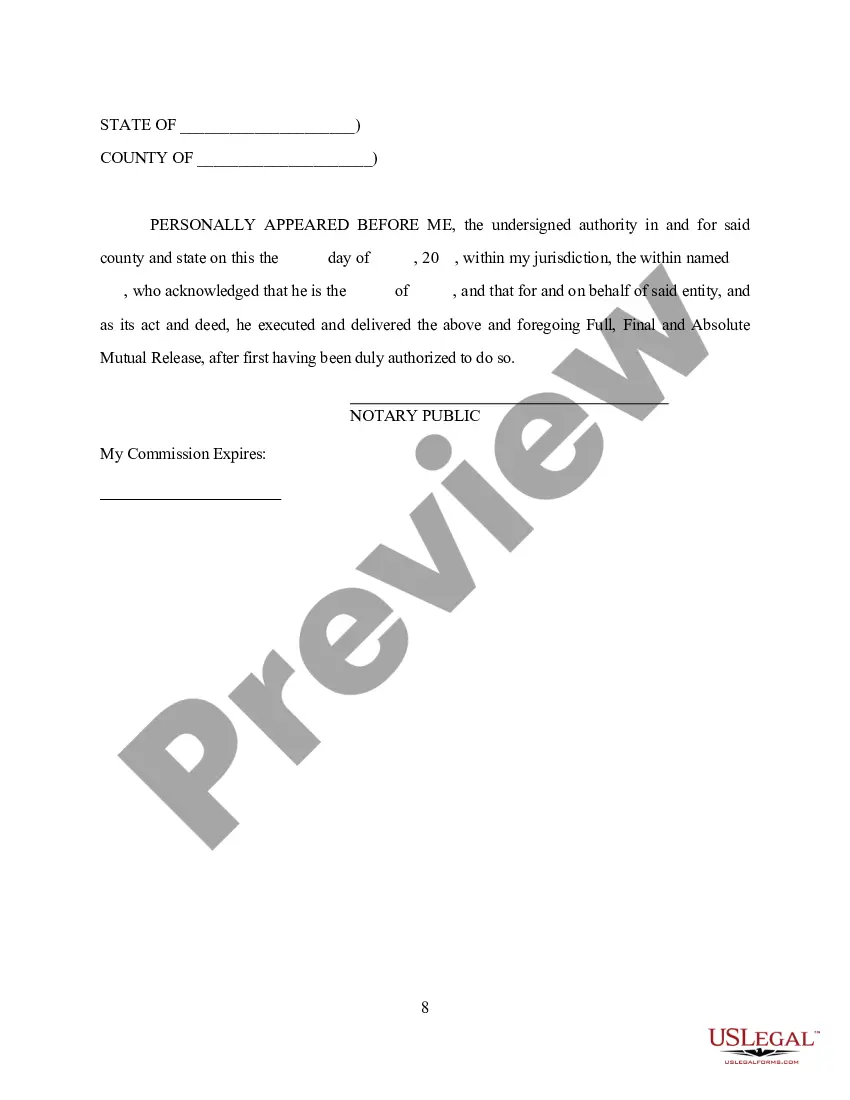

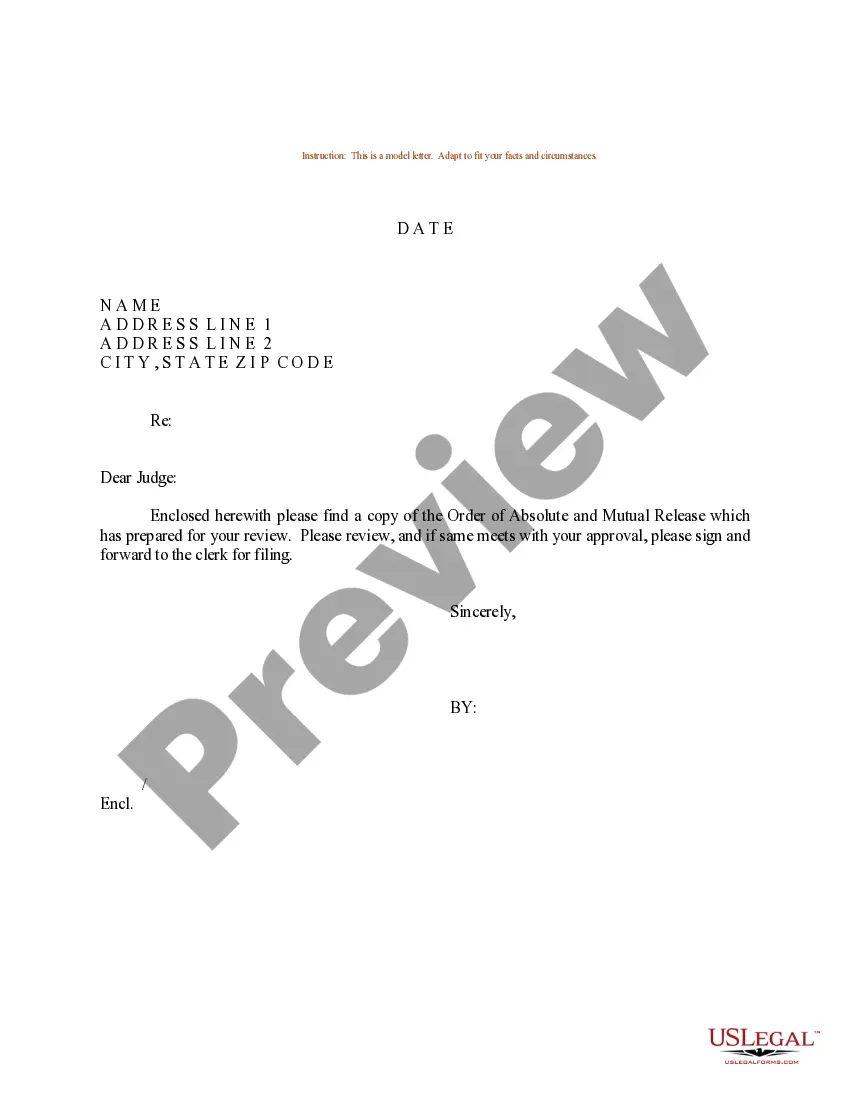
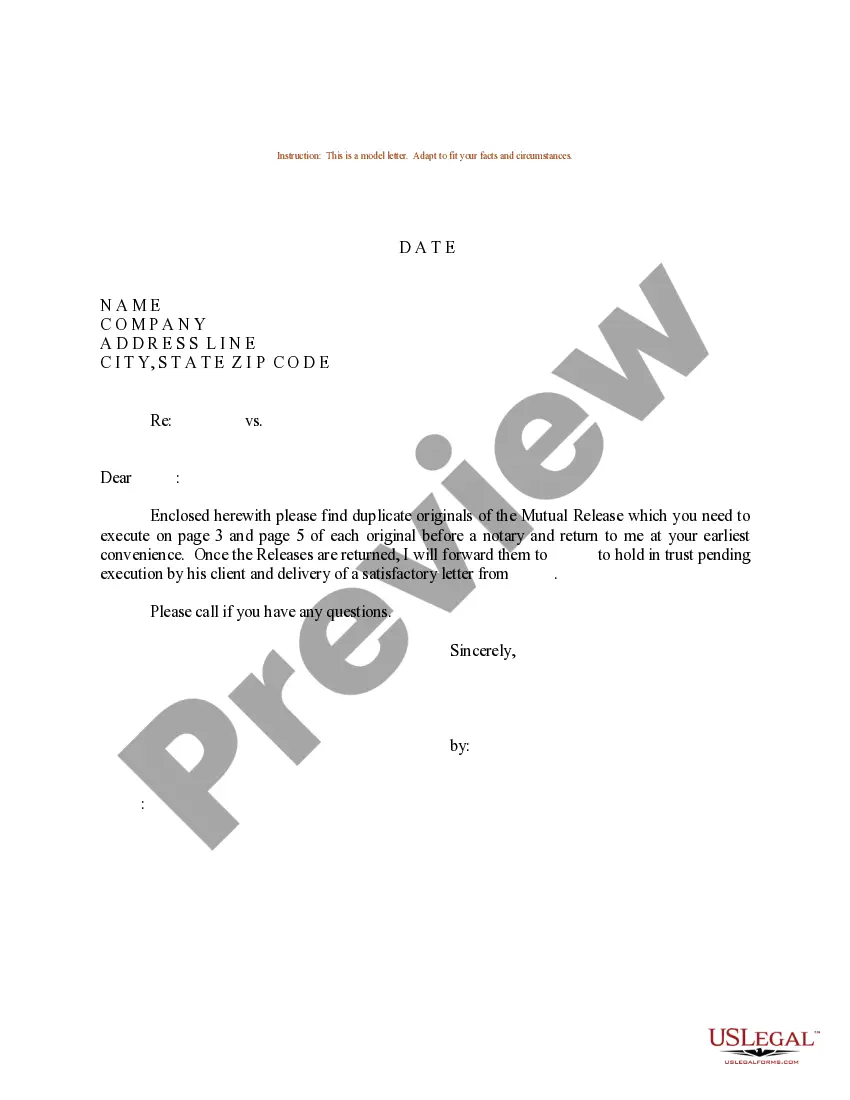
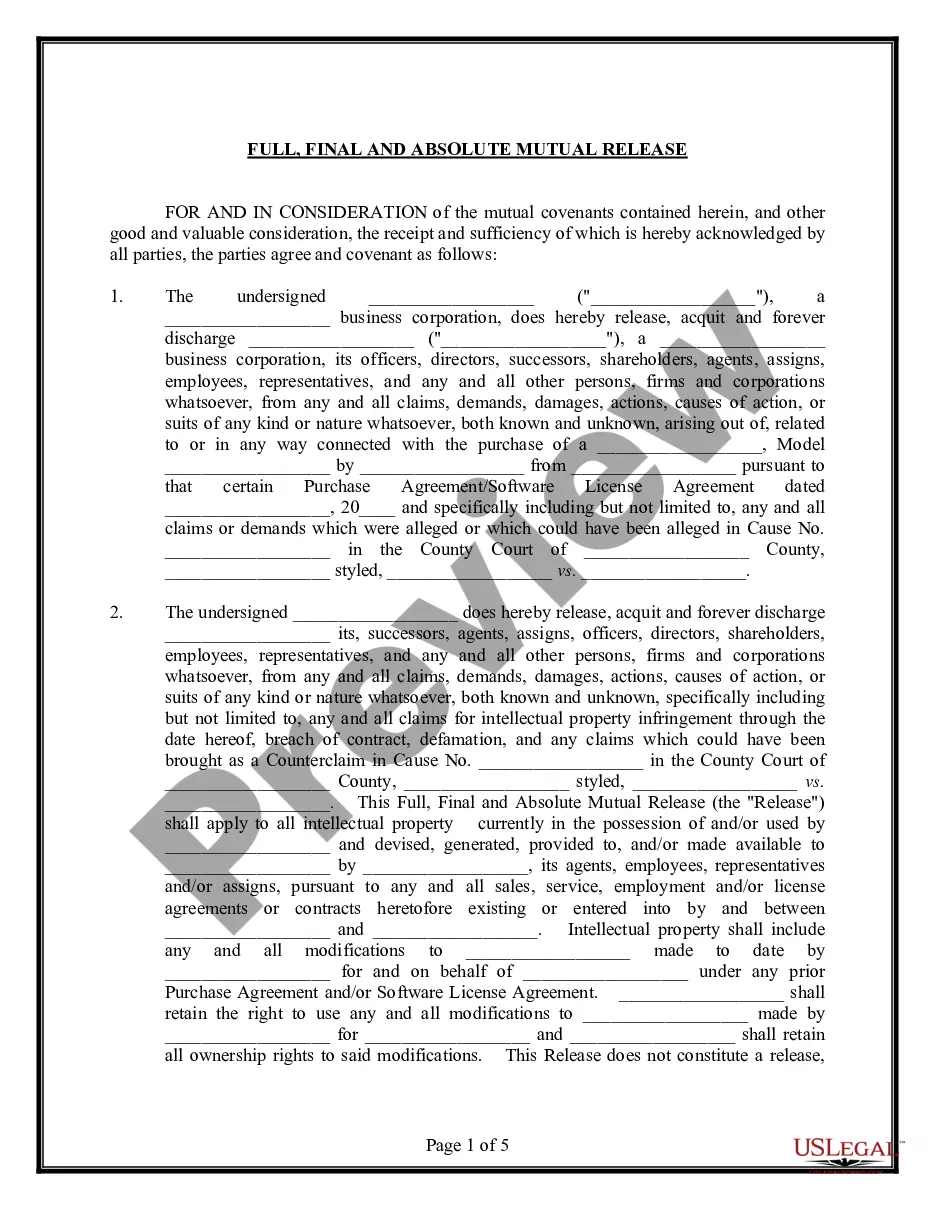
Common use cases
This form is necessary when parties involved in a transaction want to formally acknowledge the release of any potential claims or disputes against each other. It is particularly useful after the sale of property or upon settling a dispute, helping to protect both parties from future litigation regarding the matters addressed in the document.
Intended users of this form
This form is suitable for:
- Individuals or businesses completing a sale where mutual claims need to be released.
- Parties involved in legal disputes to achieve a final resolution.
- Those who have received or made payments that warrant formal release from liabilities.
Completing this form step by step
Follow these steps to correctly complete the form:
- Identify all parties involved in the release and ensure their appropriate details are included.
- Clearly specify the subject matter of the release and any property involved in the sale.
- Check all dates and ensure they are accurately filled to reflect the timing of the agreements.
- Each party should read the terms carefully and sign the document to acknowledge their consent.
- Retain copies of the signed document for each party involved for future reference.
Does this form need to be notarized?
This form does not typically require notarization to be legally valid. However, some jurisdictions or document types may still require it. US Legal Forms provides secure online notarization powered by Notarize, available 24/7 for added convenience.
Get your form ready online
Our built-in tools help you complete, sign, share, and store your documents in one place.
Make edits, fill in missing information, and update formatting in US Legal Forms—just like you would in MS Word.
Download a copy, print it, send it by email, or mail it via USPS—whatever works best for your next step.
Sign and collect signatures with our SignNow integration. Send to multiple recipients, set reminders, and more. Go Premium to unlock E-Sign.
If this form requires notarization, complete it online through a secure video call—no need to meet a notary in person or wait for an appointment.
We protect your documents and personal data by following strict security and privacy standards.

Make edits, fill in missing information, and update formatting in US Legal Forms—just like you would in MS Word.

Download a copy, print it, send it by email, or mail it via USPS—whatever works best for your next step.

Sign and collect signatures with our SignNow integration. Send to multiple recipients, set reminders, and more. Go Premium to unlock E-Sign.

If this form requires notarization, complete it online through a secure video call—no need to meet a notary in person or wait for an appointment.

We protect your documents and personal data by following strict security and privacy standards.
Mistakes to watch out for
- Failing to include the complete names and addresses of all parties.
- Omitting the signatures of all parties involved.
- Not specifying the exact consideration exchanged between parties.
- Ignoring state-specific requirements that may affect the validity of the release.
Benefits of completing this form online
- Convenient access to the document from anywhere, allowing quick completion.
- Editability ensures that the form can be customized to fit specific needs.
- Reliable source of attorney-drafted templates ensures compliance with legal standards.
Quick recap
- The form serves both as a mutual release and a bill of sale.
- It is crucial for clarifying terms and preventing future disputes.
- Always ensure compliance with state-specific rules when using the form.
Looking for another form?

Form popularity
FAQ
The Sample Letter for Full, Final, and Absolute Mutual Release and Bill of Sale is a single document that allows two parties to mutually release each other from claims while confirming the sale of property. It is used to finalize settlements or transactions, establish finality, and make the release and sale binding on heirs and assigns.
To fill out this form, identify the parties and the sale, then include an introduction with mutual consideration for the release. Add declarations that no additional claims exist outside the agreement, and complete the section binding the agreement on heirs and assigns. State that this document is the complete agreement and that changes require written consent.
This form is intended for individuals or businesses completing a sale where mutual claims must be released, or for parties in dispute seeking final resolution. It should be executed after consideration is exchanged and both sides agree to the terms, ensuring a formal mutual release and a bill of sale in a single instrument.
Key components include: an introduction clause stating mutual consideration; declarations affirming no other claims or representations exist outside the agreement; a section stating the agreement is binding on heirs and assigns; a clause declaring this document is the complete agreement that supersedes prior negotiations; and a provision that contractual terms cannot be modified without written consent.
Yes. The form includes a binding-on-heirs-and-assigns clause, ensuring the mutual release and bill of sale bind successors. It also contains declarations that no additional claims exist and that the agreement is final, helping prevent future disputes and ensuring the release applies to related parties under the contract.
This form combines both a mutual release of claims and a bill of sale into one document. It finalizes the transaction and releases liabilities in a single instrument, and includes a complete-agreement and written-consent modification requirement to ensure finality beyond what a standard release or separate bill of sale would provide.