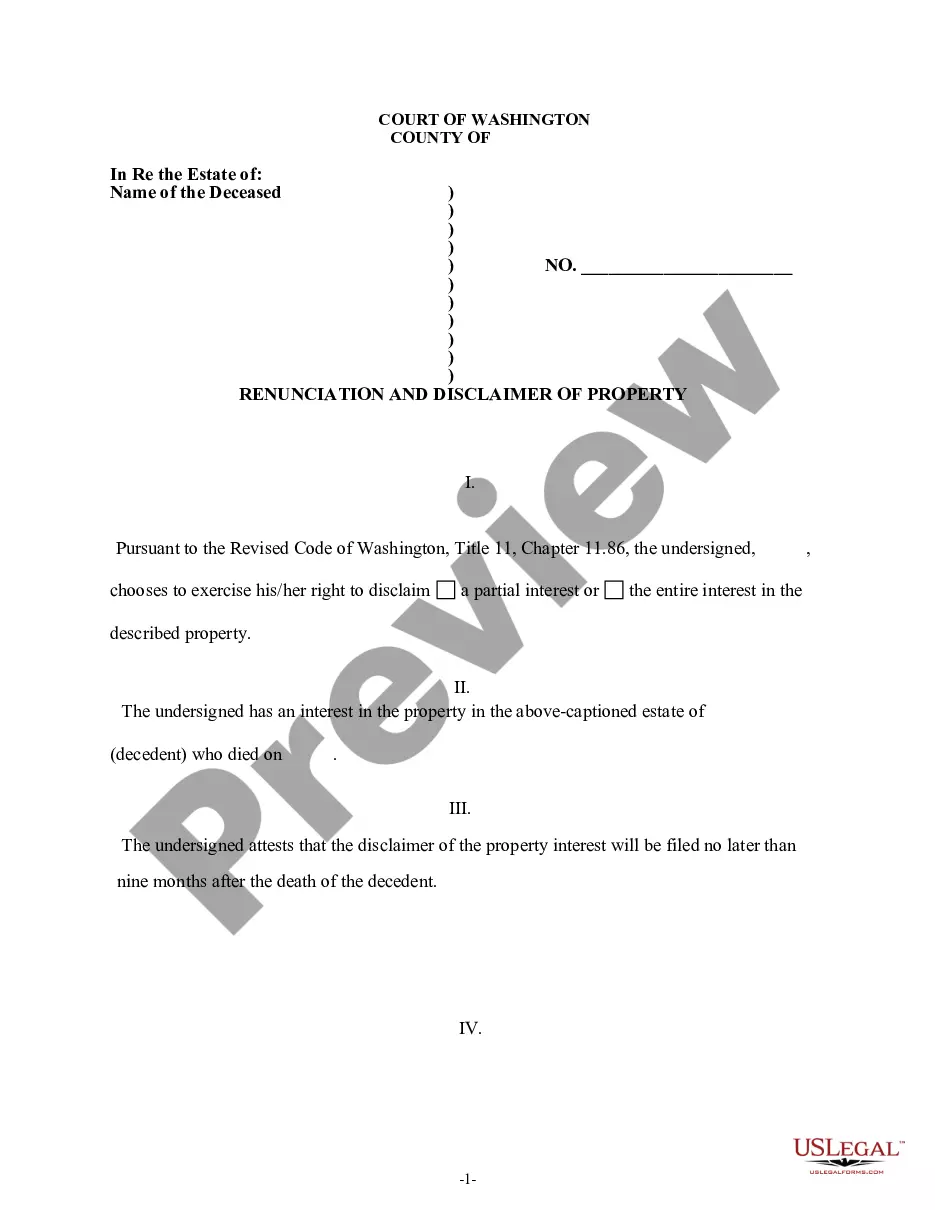
General Form for Deed Granting Easement
Overview of this form
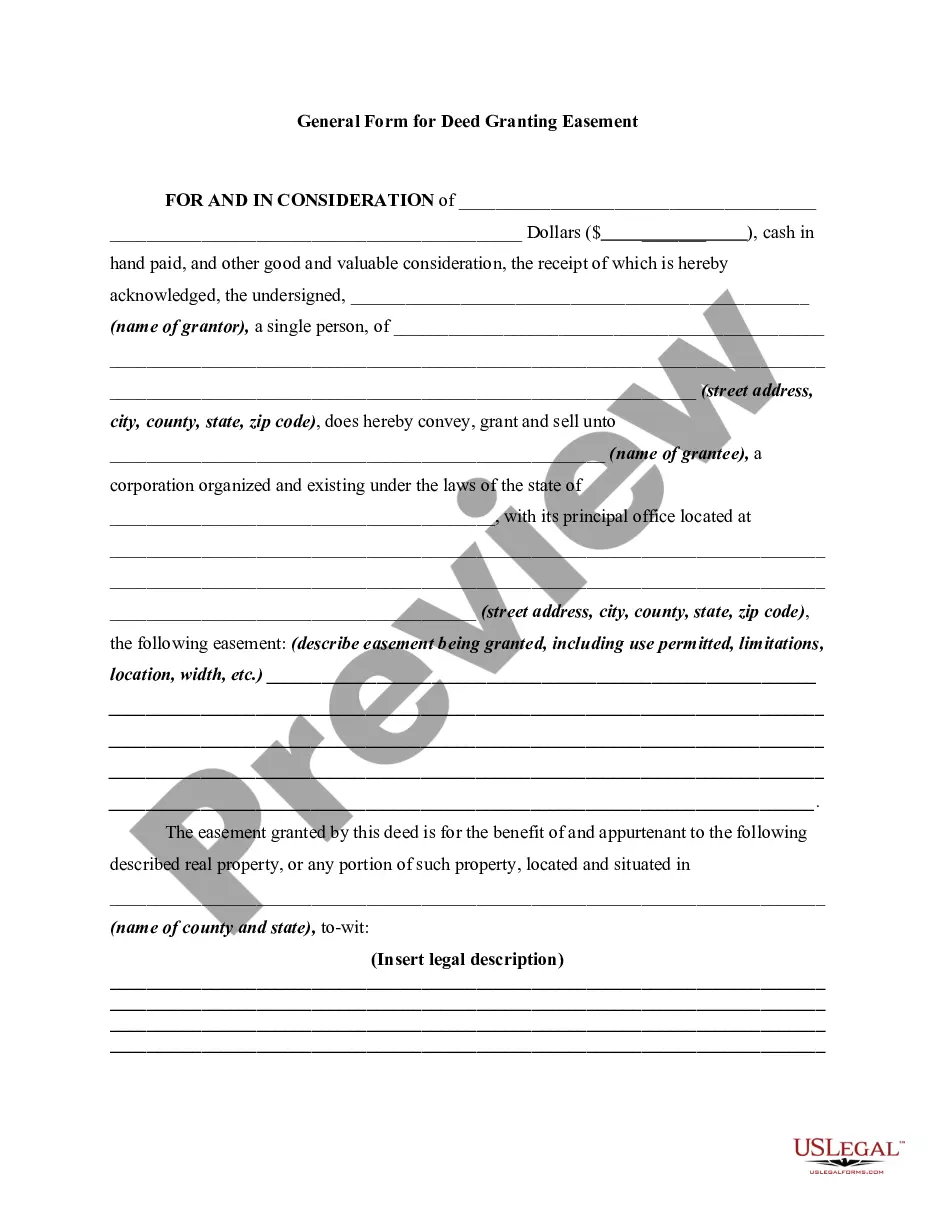
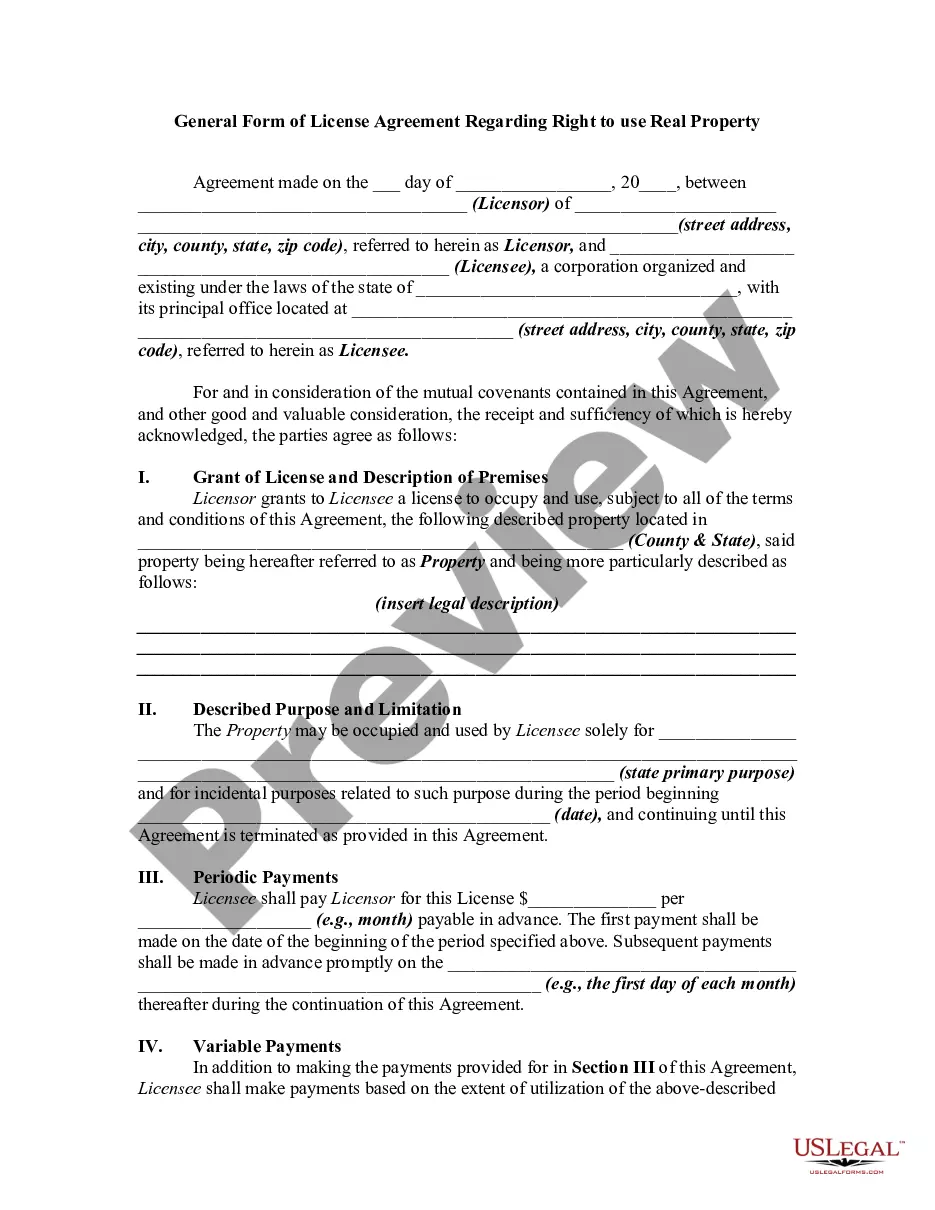
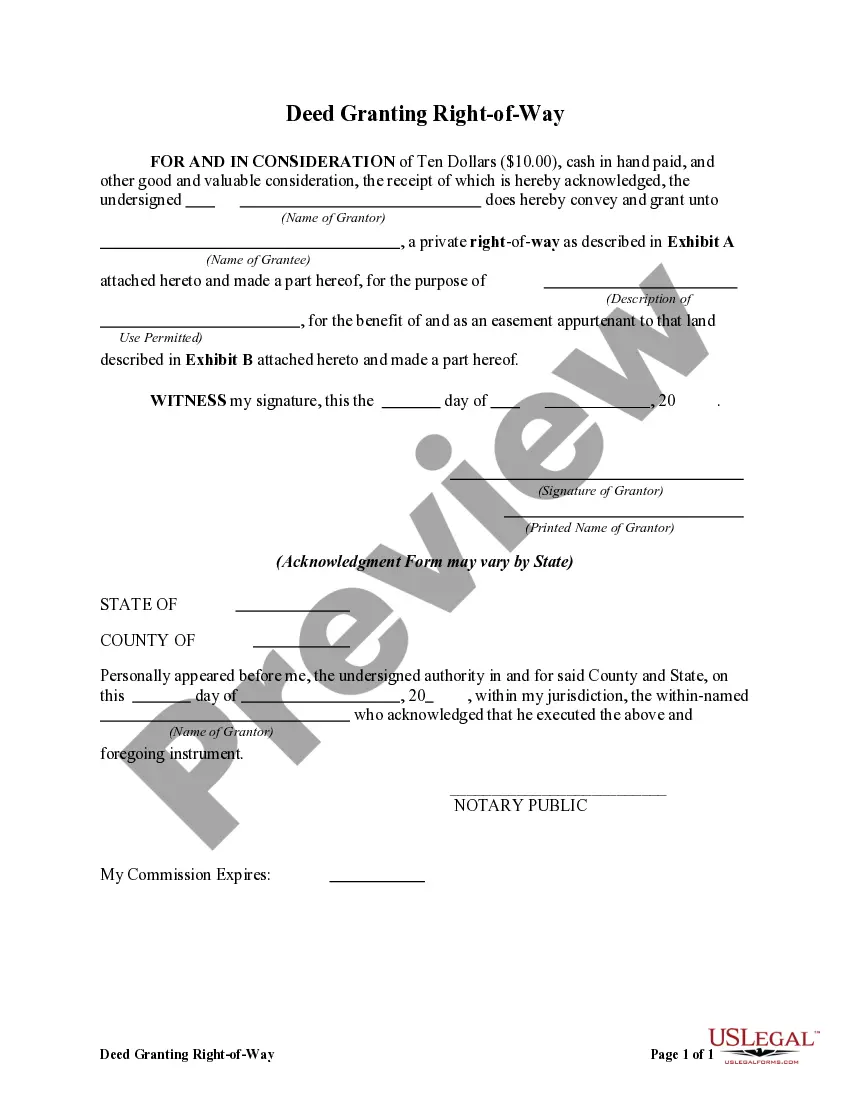
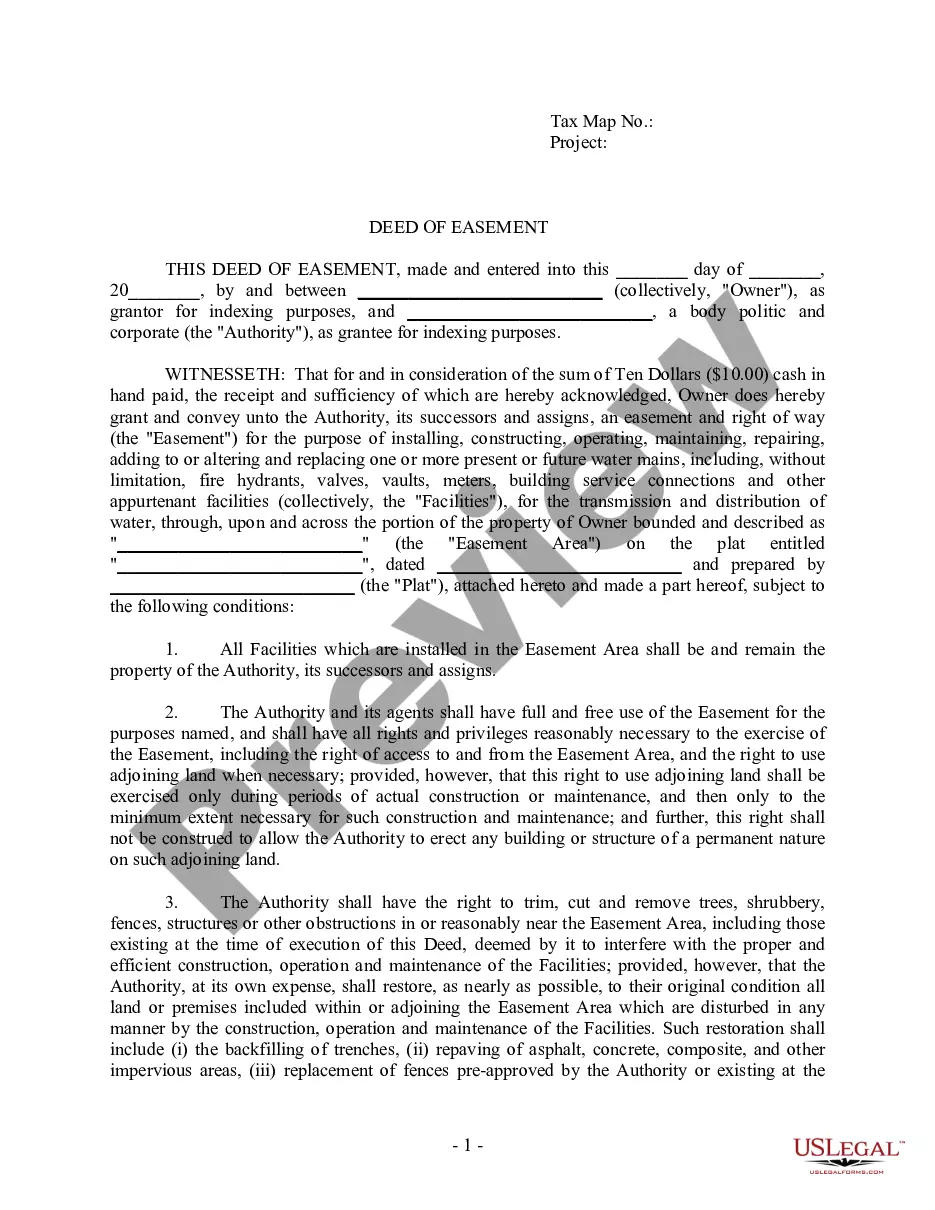
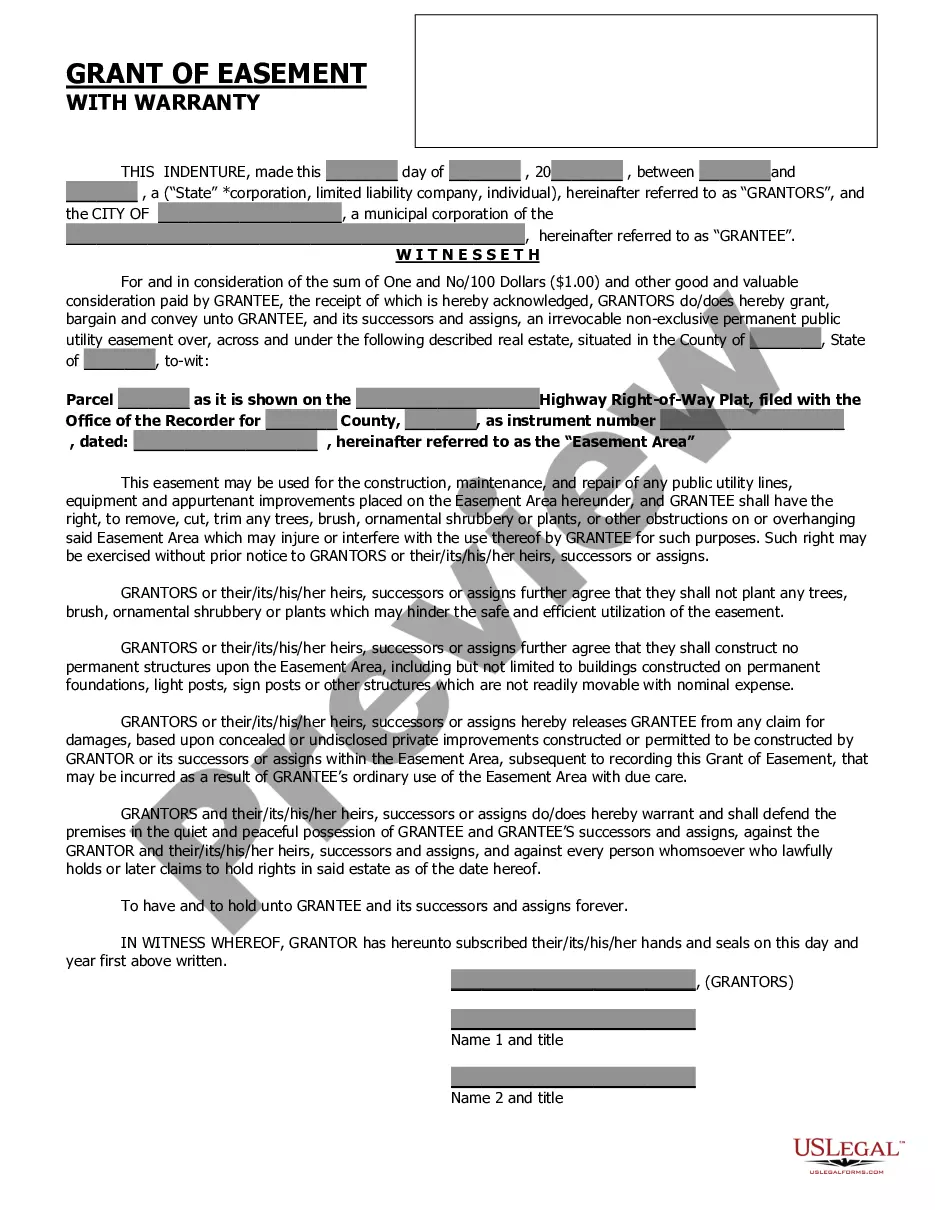
The General Form for Deed Granting Easement is a legal document that allows one party to use a portion of another party's land for a specific purpose. Unlike a lease, an easement grants rights without transferring ownership of the property. This form serves as a template that can be customized based on state-specific laws and requirements.
Form components explained
- Names and addresses of the grantor (landowner) and grantee (the party receiving the easement).
- Description of the easement, including its purpose, limitations, and specific location on the property.
- Legal description of the property benefiting from the easement.
- Recognition of payment and any other considerations exchanged between parties.
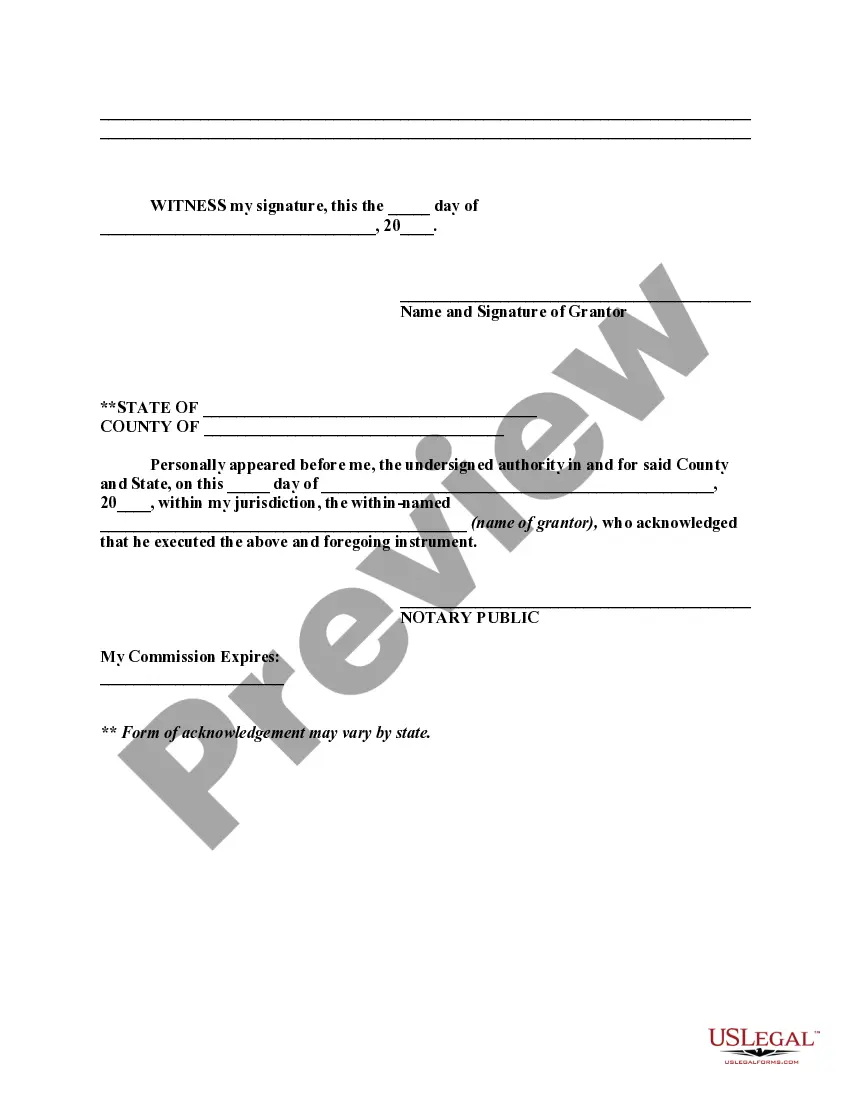
- Signature of the grantor and a space for notarization.
When to use this document
This form is commonly used when a property owner wishes to grant someone else the right to use a portion of their land, such as for utilities, access to another property, or recreational use. It can also be employed in real estate transactions where easements are required for development or construction purposes.
Who should use this form
- Property owners (grantors) who wish to grant an easement to another party.
- Individuals or organizations (grantees) seeking to obtain an easement for specific use.
- Real estate professionals and attorneys involved in property transactions.
Instructions for completing this form
- Identify the parties involved, including the grantor and grantee.
- Specify the easement's description, including permitted use and limitations.
- Enter the legal description of the property benefiting from the easement.
- Fill in the payment details, acknowledging any compensation exchanged.
- Have the grantor sign and date the document.
- Arrange for notarization to ensure the document's legal validity.
Notarization requirements for this form
This form needs to be notarized to ensure legal validity. US Legal Forms provides secure online notarization powered by Notarize, allowing you to complete the process through a verified video call, available anytime.
Get your form ready online
Our built-in tools help you complete, sign, share, and store your documents in one place.
Make edits, fill in missing information, and update formatting in US Legal Forms—just like you would in MS Word.
Download a copy, print it, send it by email, or mail it via USPS—whatever works best for your next step.
Sign and collect signatures with our SignNow integration. Send to multiple recipients, set reminders, and more. Go Premium to unlock E-Sign.
If this form requires notarization, complete it online through a secure video call—no need to meet a notary in person or wait for an appointment.
We protect your documents and personal data by following strict security and privacy standards.

Make edits, fill in missing information, and update formatting in US Legal Forms—just like you would in MS Word.

Download a copy, print it, send it by email, or mail it via USPS—whatever works best for your next step.

Sign and collect signatures with our SignNow integration. Send to multiple recipients, set reminders, and more. Go Premium to unlock E-Sign.

If this form requires notarization, complete it online through a secure video call—no need to meet a notary in person or wait for an appointment.

We protect your documents and personal data by following strict security and privacy standards.
Avoid these common issues
- Failing to provide a precise legal description of the property.
- Not clearly specifying the rights and limitations of the easement.
- Neglecting to obtain proper signatures and notarization.
- Using outdated or incorrect forms that do not meet state-specific laws.
Why complete this form online
- Convenient access from anywhere, allowing you to complete the form at your own pace.
- Editable templates that can be customized to fit your unique needs.
- Reliable legal wording reviewed by licensed attorneys to ensure accuracy.
Summary of main points
- The General Form for Deed Granting Easement allows property owners to grant specific usage rights of their land.
- It is important to include clear descriptions and comply with local laws when completing this form.
- Notarization is typically required for the document to be enforceable.
Looking for another form?


Form popularity
FAQ
Ask him to grant you a formal easement by deed. Your neighbor the servient, or burdened landowner can give the easement of his own accord, but he is not obligated to do this. The chances are, you will have to negotiate a price; an easement is, after all, an interest in land, which has a value attached to it.
For example, you might want an easement because someone's property provides easy access to water. In order to obtain an easement, you need to negotiate with the landowner whose property you want to use. Then, you will need to draft an acceptable legal document and file it with your Recorder of Deeds.
An easement is a limited right to use another person's land for a stated purpose. Examples of easements include the use of private roads and paths, or the use of a landowner's property to lay railroad tracks or electrical wires.
An easement deed allows a party that is not the owner to use a portion of the land. It is a written agreement between two parties that spells out what part of the property is available for access and how it may be used. Since you are granting an easement to your land, you can set any terms and conditions you like.
A 'deed of easement' is a signed, legal document that grants the right to use another person's land for a specifically stated purpose. The right to do something on your own land which would otherwise amount to a private nuisance can be an easement, for example, actions that give rise to noise.
An easement appurtenant is an easement that benefits one parcel of land, known as the dominant tenement, to the detriment of another parcel of land, known as the servient tenement.Similarly, if Landowner B sells his property to another landowner, that landowner will be able to use the easement. Easement in Gross.
Recording: The Easement must be recorded in the Office of the County Recorder of the county in which the Land is located. Copies: Copies of the fully executed recorded Easement should be provided to the campus real estate office and to RESS.
This deed of easement grants simple rights over the grantor's land in return for a payment made by the grantee to the grantor. It contains optional clauses for a lender to give consent to the grant of the rights.