Order to reduce bond
What this document covers
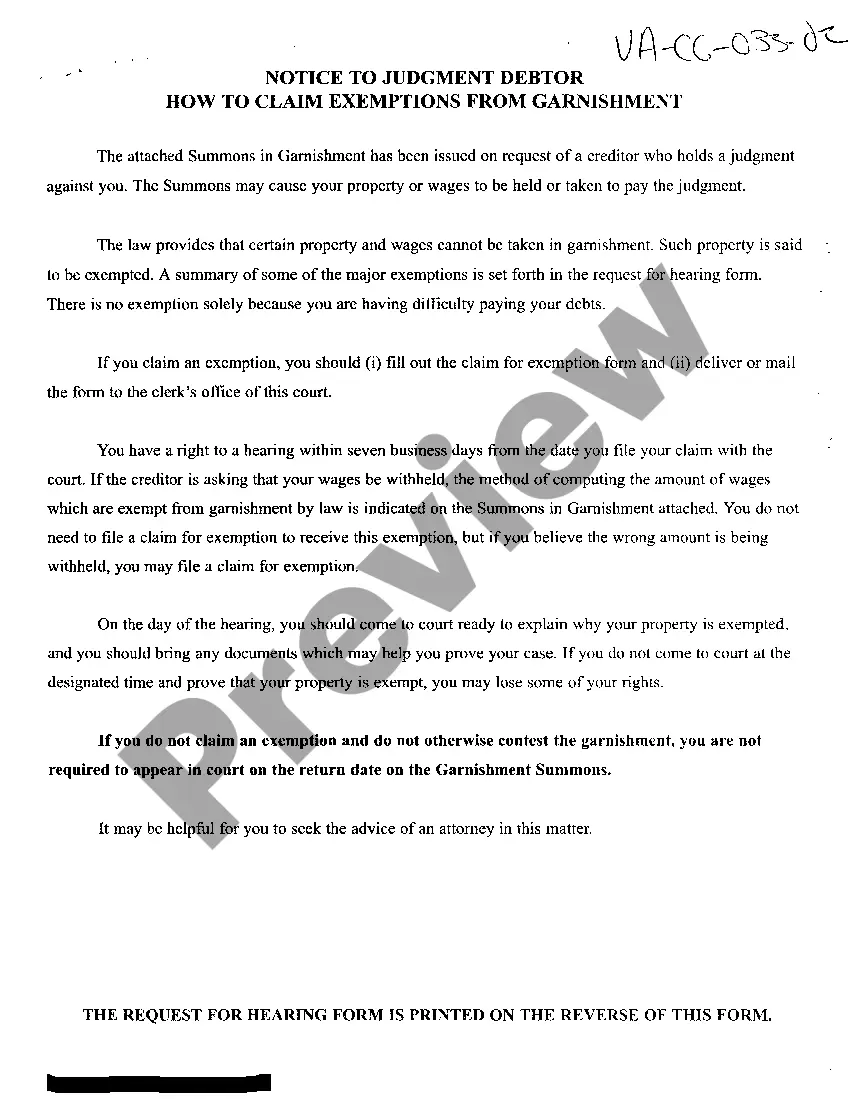
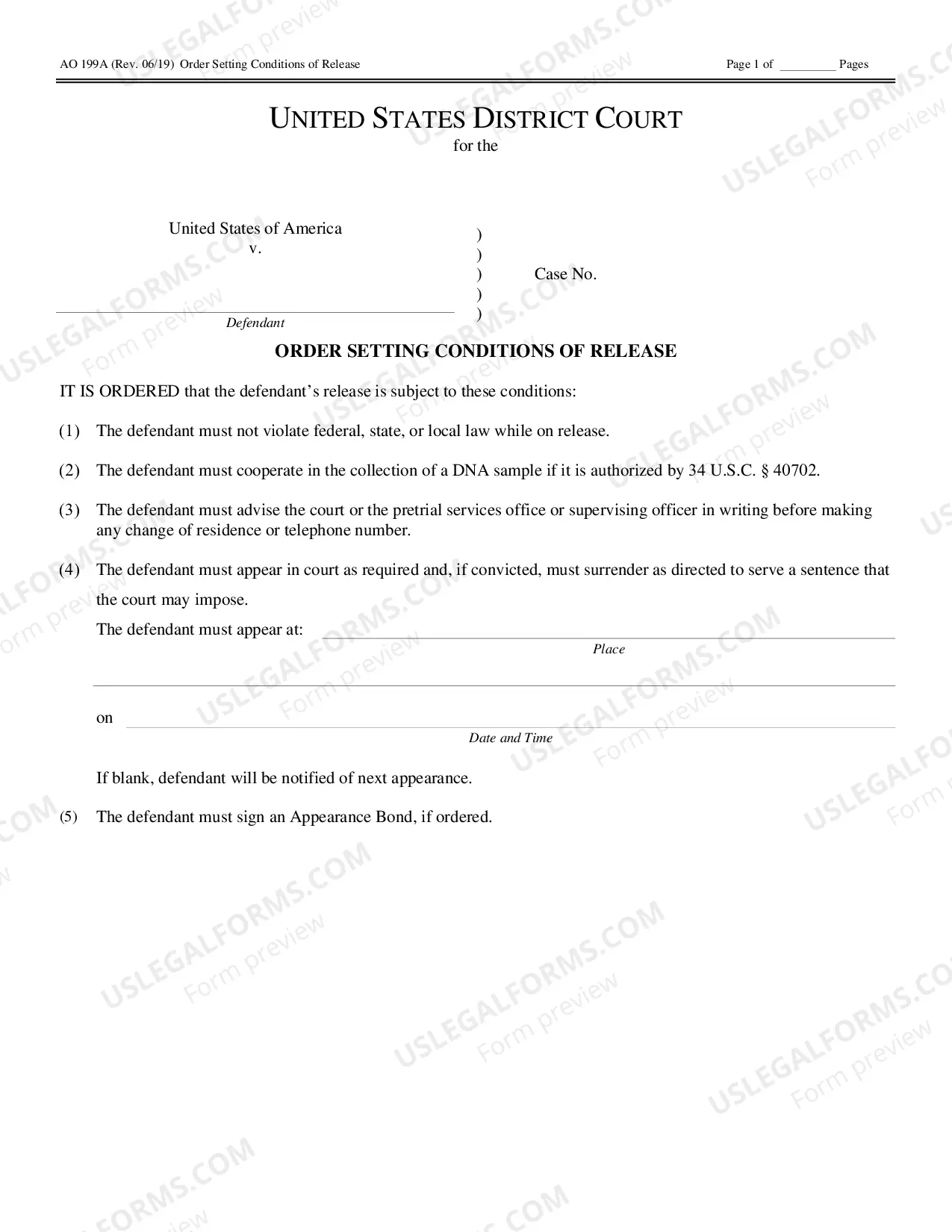
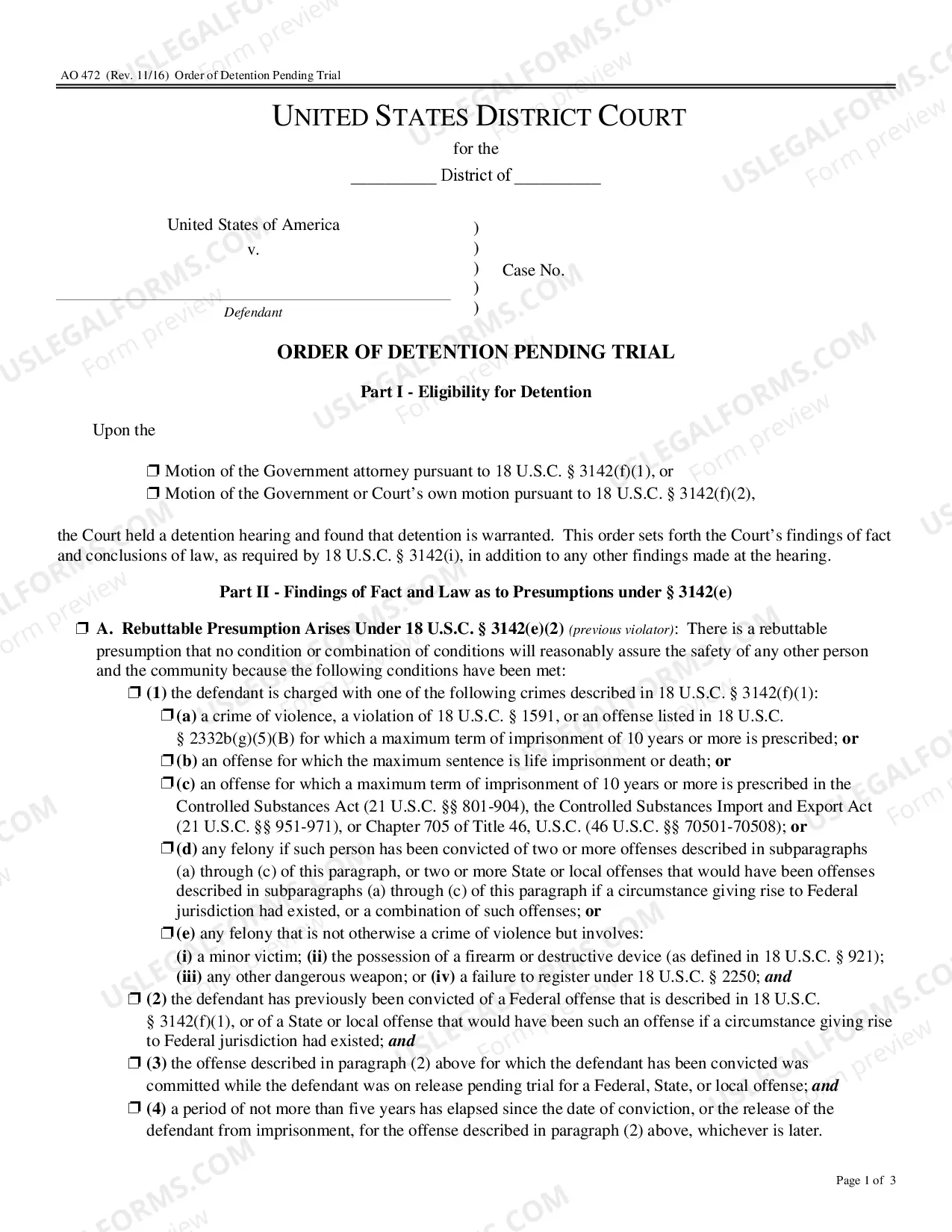
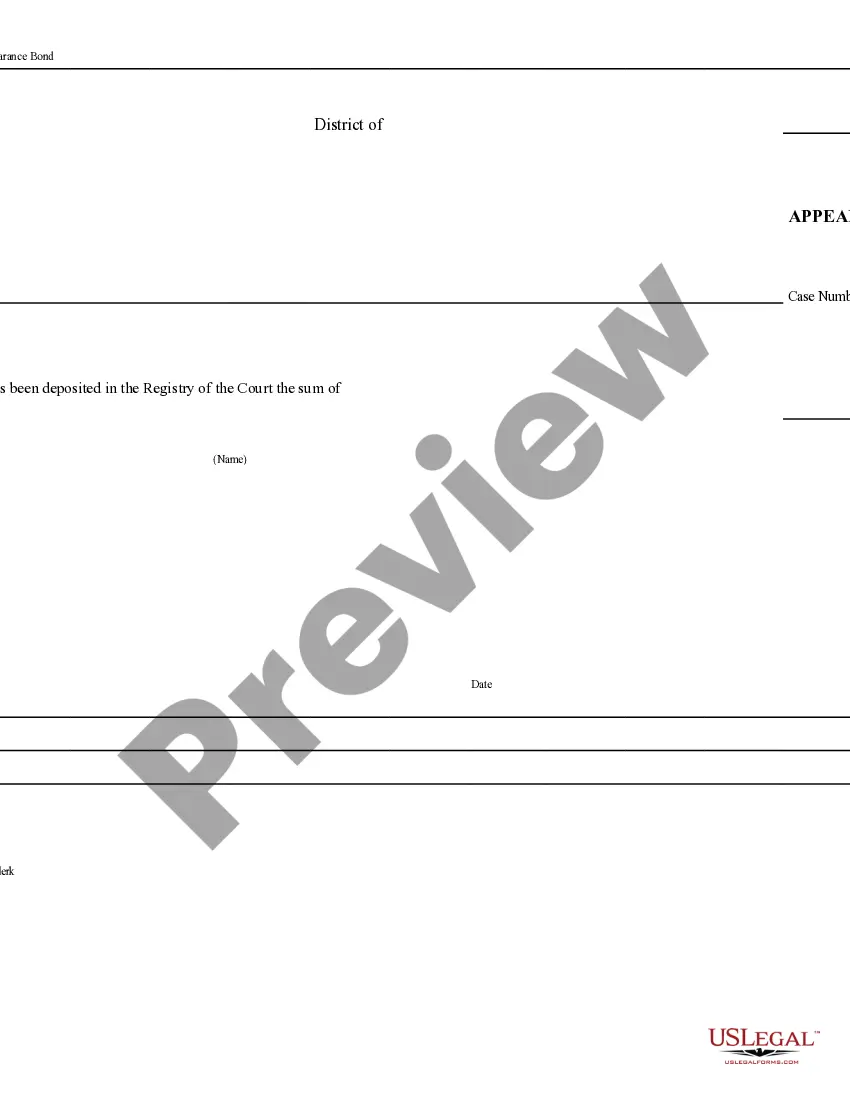
The Order to Reduce Bond is a legal document that allows a Defendant to request a reduction in the amount of bail or bond required for their release. Unlike standard bail agreements, this order specifies that the Defendant may only need to pay a percentage of the total bond while requiring them to report to the court monthly about their employment and residency status.
Key components of this form
- Bond amount: Specifies the monetary value set for the bond.
- Cash posting details: Indicates the conditions under which the Defendant is released without further approval.
- Reporting requirements: Mandates monthly reporting to the Circuit Clerk regarding employment and residence.
- Judicial approval: Includes sections for the Circuit Judge's signature and acknowledgment from both the District Attorney and the Defendant's attorney.

When this form is needed
This form is used in situations where a Defendant seeks to lessen their financial obligation for bail. It may be particularly relevant in cases where the Defendant is facing difficulties in meeting the entire bail amount or when their financial circumstances have changed since the original bond was set. This order can also facilitate the Defendantâs regular updates to the court, helping maintain compliance with bail conditions.
Intended users of this form
- Defendants looking to reduce their bail obligations.
- Individuals with limited financial resources needing assistance with bail costs.
- Defendants who have had a change in employment or residency status.
Instructions for completing this form
- Identify the appropriate court and fill in the courtâs name and location.
- Specify the total bond amount set by the court in the designated section.
- Complete the fields for the cash posting amount required for the Defendantâs release.
- Enter the Defendant's reporting frequency and details for employment and residence.
- Obtain signatures from the Circuit Judge, District Attorney, and the attorney for the Defendant to finalize the order.
Notarization guidance
This form does not typically require notarization unless specified by local law. However, verifying local requirements is crucial before submission to ensure compliance with any necessary legal formalities.
Get your form ready online
Our built-in tools help you complete, sign, share, and store your documents in one place.
Make edits, fill in missing information, and update formatting in US Legal Forms—just like you would in MS Word.
Download a copy, print it, send it by email, or mail it via USPS—whatever works best for your next step.
Sign and collect signatures with our SignNow integration. Send to multiple recipients, set reminders, and more. Go Premium to unlock E-Sign.
If this form requires notarization, complete it online through a secure video call—no need to meet a notary in person or wait for an appointment.
We protect your documents and personal data by following strict security and privacy standards.

Make edits, fill in missing information, and update formatting in US Legal Forms—just like you would in MS Word.

Download a copy, print it, send it by email, or mail it via USPS—whatever works best for your next step.

Sign and collect signatures with our SignNow integration. Send to multiple recipients, set reminders, and more. Go Premium to unlock E-Sign.

If this form requires notarization, complete it online through a secure video call—no need to meet a notary in person or wait for an appointment.

We protect your documents and personal data by following strict security and privacy standards.
Common mistakes
- Failing to specify the correct bond amount, which can lead to delays in processing.
- Omitting signatures from required parties, rendering the order invalid.
- Not providing updated employment or residency information, which is essential for compliance.
Why complete this form online
- Convenience of downloading and filling out the form at your own pace.
- Editable format allows for easy customization to fit individual needs.
- Ensures reliable and accurate legal language as the form is drafted by licensed attorneys.
Key takeaways
- The Order to Reduce Bond is intended for Defendants seeking to lower their bail amounts.
- It requires the Defendant to report their employment and residence status to the court monthly.
- Correct and complete information is essential to prevent delays or issues with court approvals.
Looking for another form?

Form popularity
FAQ
When an attorney knows that an inmate cannot afford the current bond, a Motion to Reduce Bond is filed in the hopes that the court will reduce the bond to something more affordable.
If you want your bail reduced, however, you will need to ask a judge to lower it. Your first arraignment usually takes place within 24 to 48 hours of the arrest. The court will advise you of your rights and set bail at this initial appearance, and your lawyer can make an argument about your bail.
There is no set minimum or maximum amount of times bond can be reduced. It is something that is usually within the discretion of the judge. In general, a person has a right to a reasonable bond. If there is a set bond and a judge reduces...
California law also permits courts to reduce bail following a change in circumstances. Specifically, Penal Code § 1289 authorizes a court to reduce the bail if good cause is shown. succeeds in having some charges dismissed, he or she may also be able to reduce your bail.
There is no rule that allows a bond reduction every 10 days. He can do a bond reduction hearing after the initial appearance in front of the assigned judge. However, after that, most judges will strike any future motions unless there is some sort of...
Defendant's Request to Reduce Bail The constitutional protections, as well as the Bail Reform Act (a federal statute), give a defendant the right to request lower bail when the amount initially set by the court is too high to pay. A defendant can request a hearing to seek a bail reduction.
A bail reduction hearing usually takes place within 48 hours of the request and sometimes the next day.
A defendant can request a hearing to seek a bail reduction. At the hearing, the defendant can argue that the initial bail set by the court is so high that it is effectively a denial of bail and amounts to pretrial detention in jail, even though the defendant is not a flight risk or a threat to the public.