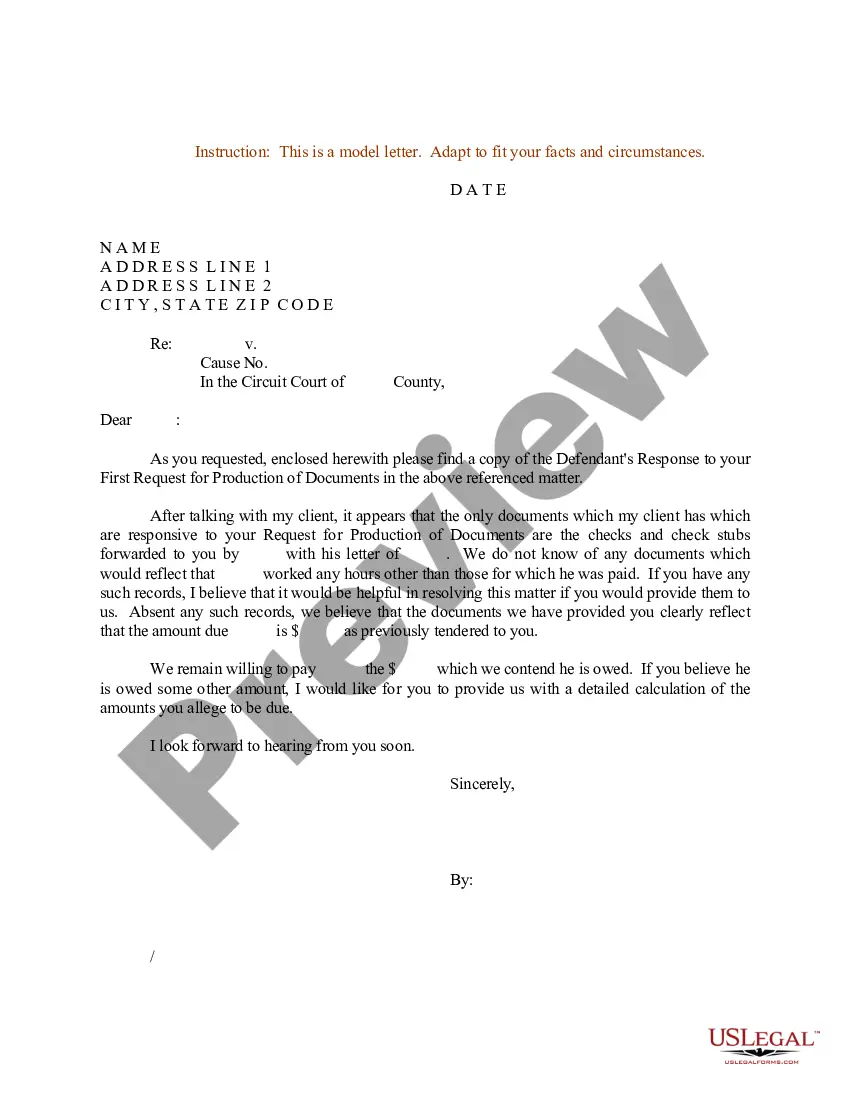
Texas General Easement
Understanding this form
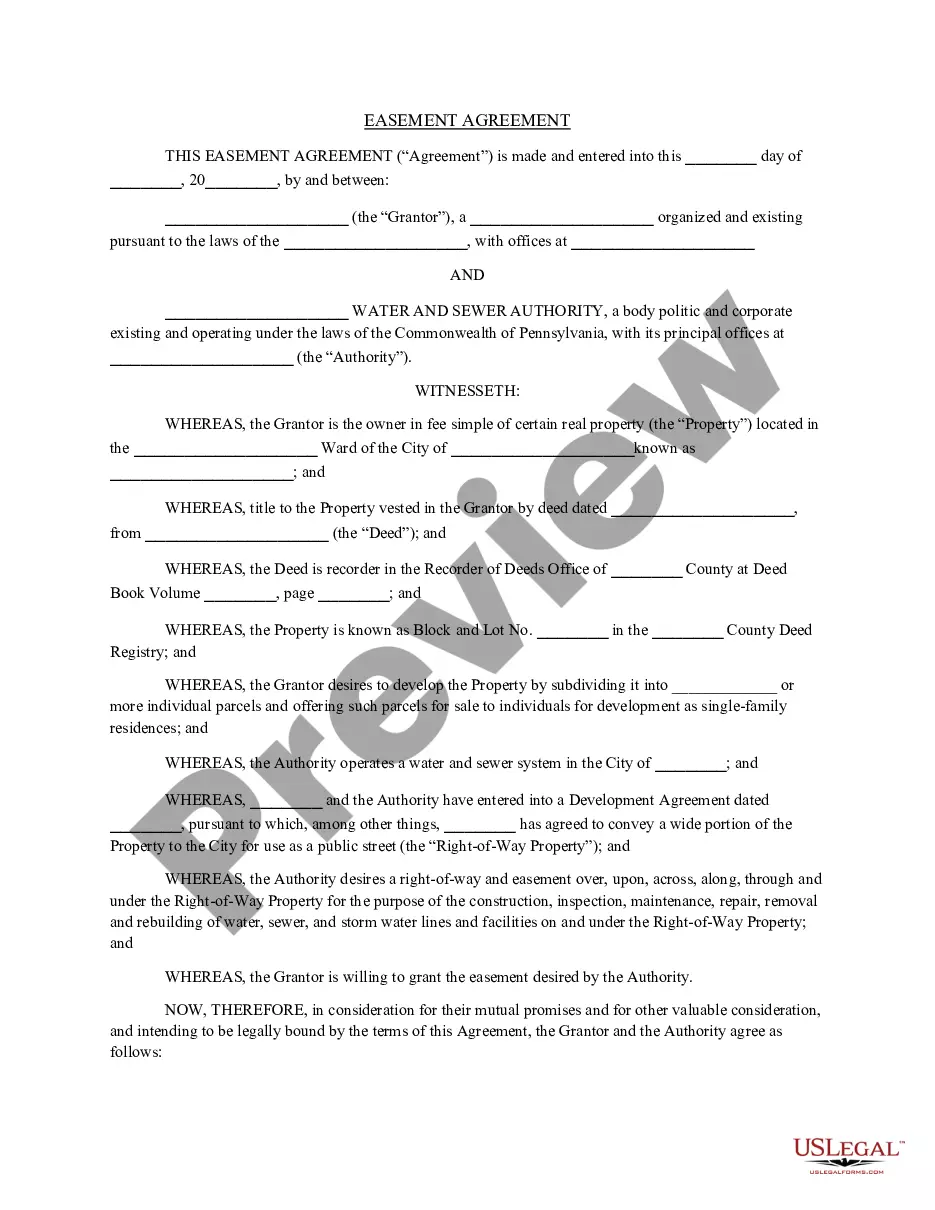
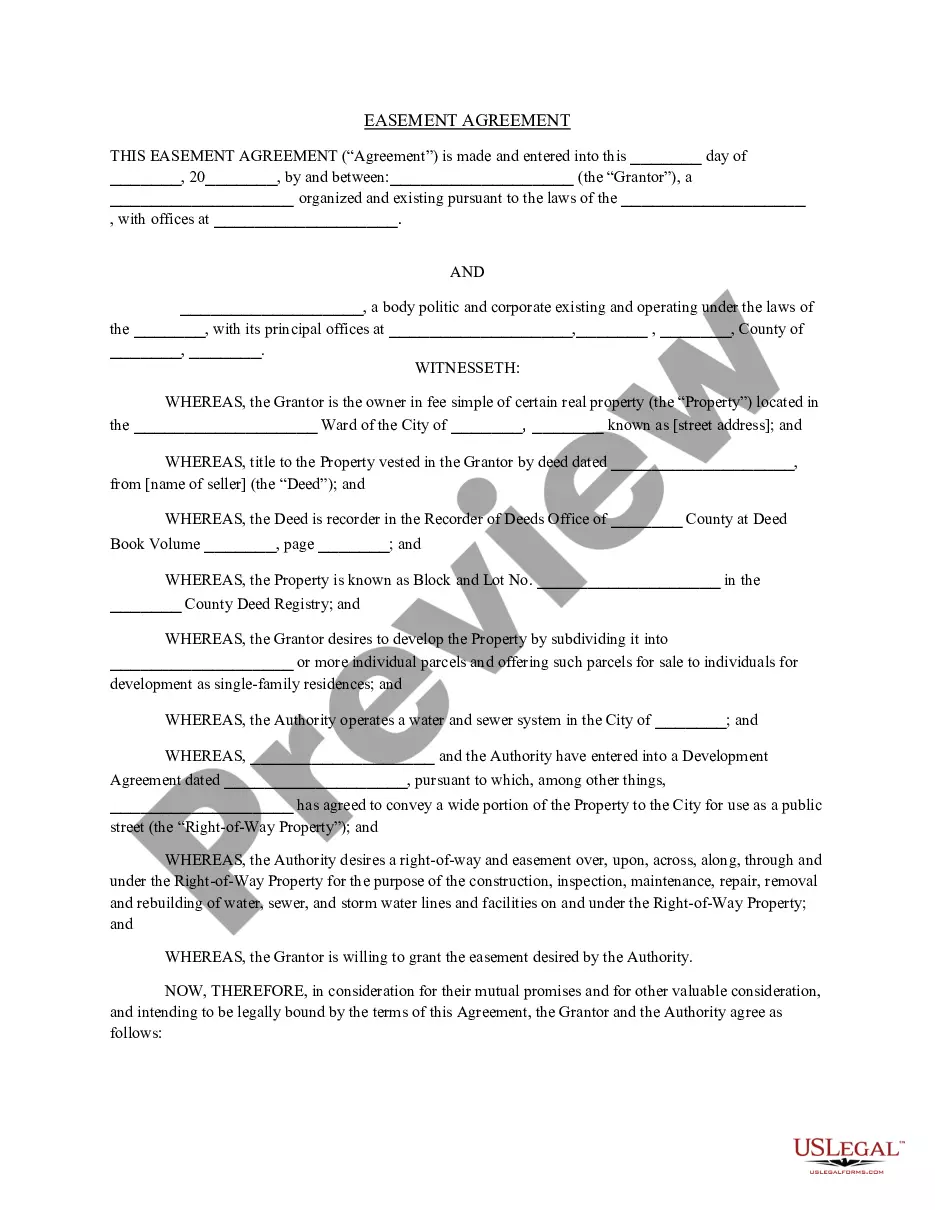
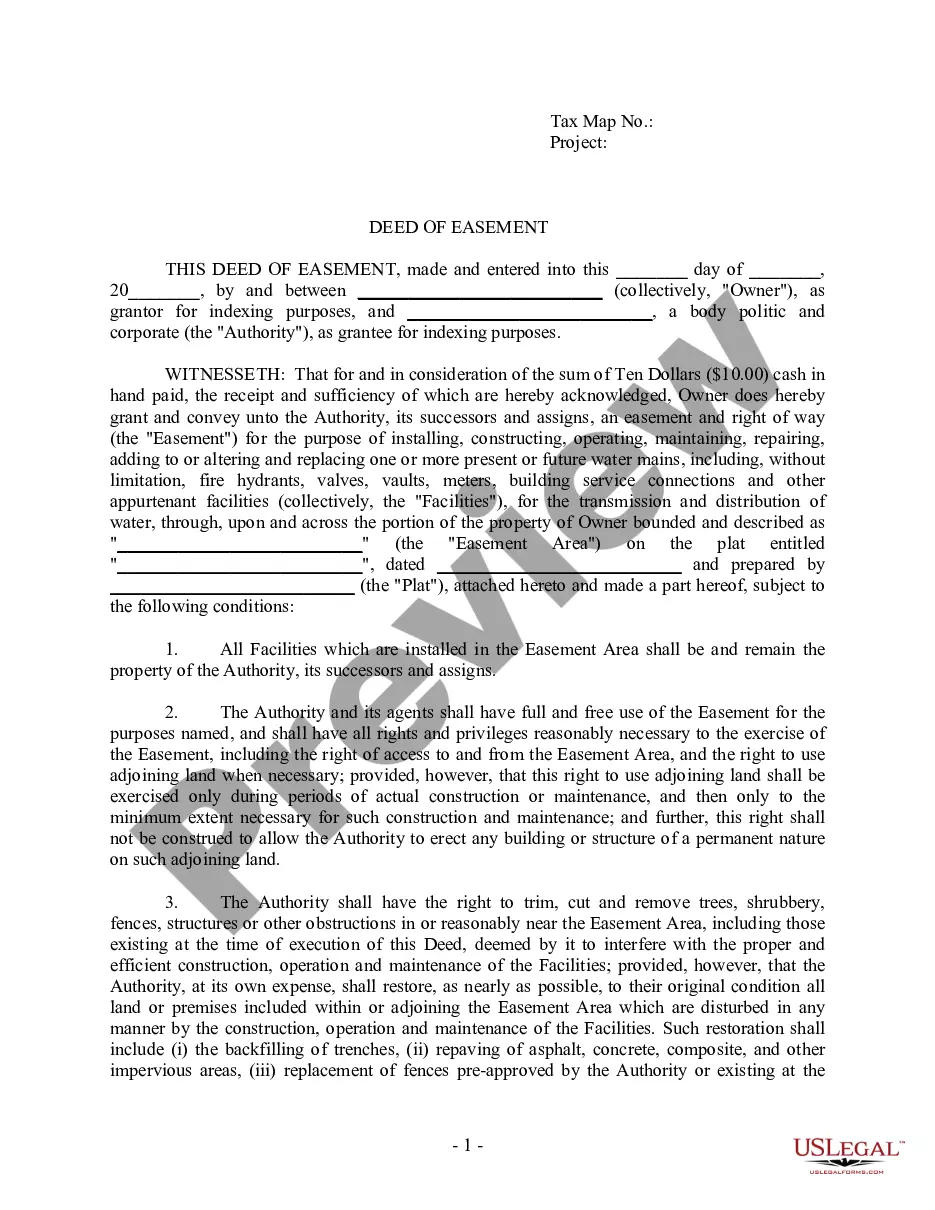
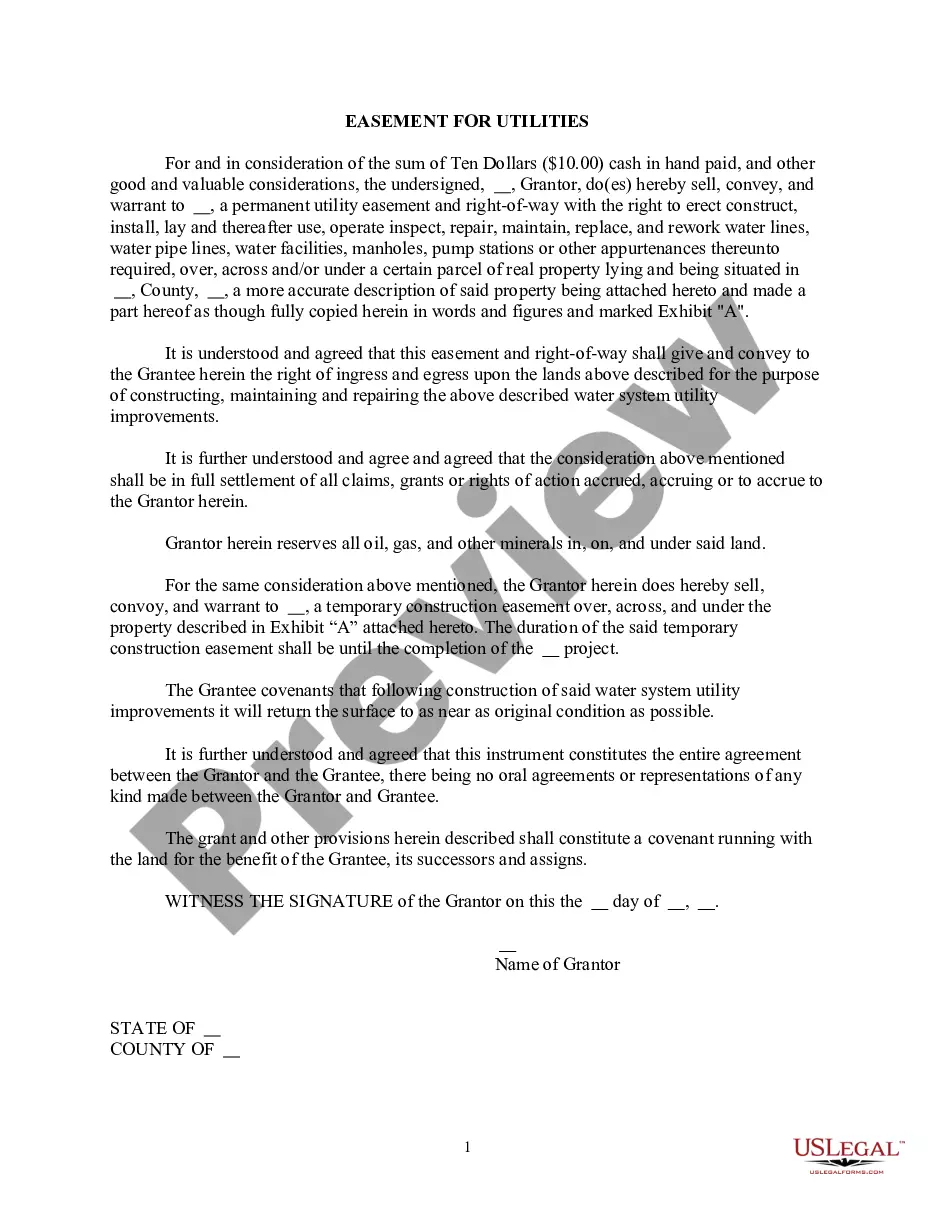
The General Easement form is a legal document that grants one party the right to use another party's property for specified purposes. Unlike other easements, a General Easement allows for a wide range of uses as designated by the drafter. This form is essential for establishing clear rights and responsibilities regarding access and utilization of property, ensuring legal protections for both parties involved.
Main sections of this form
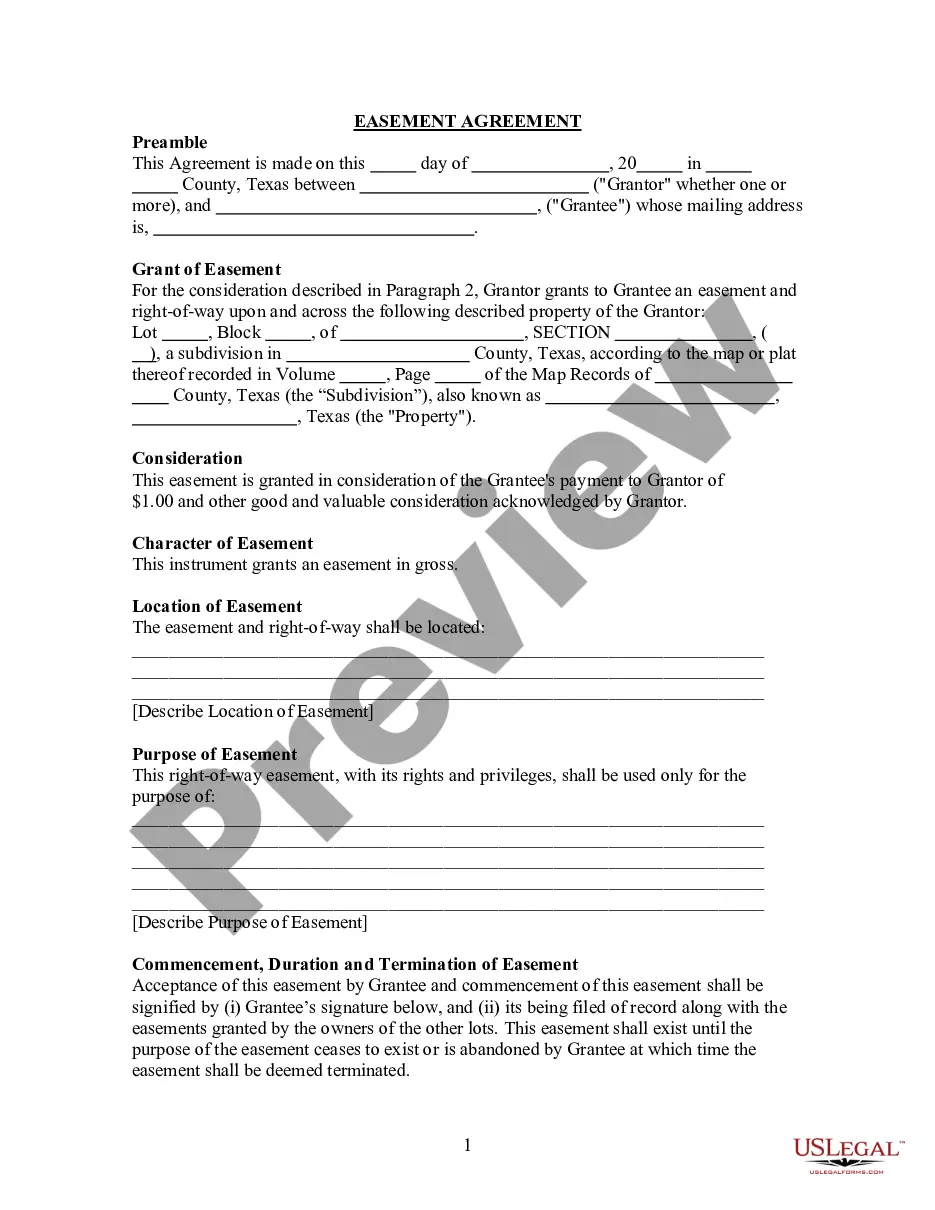
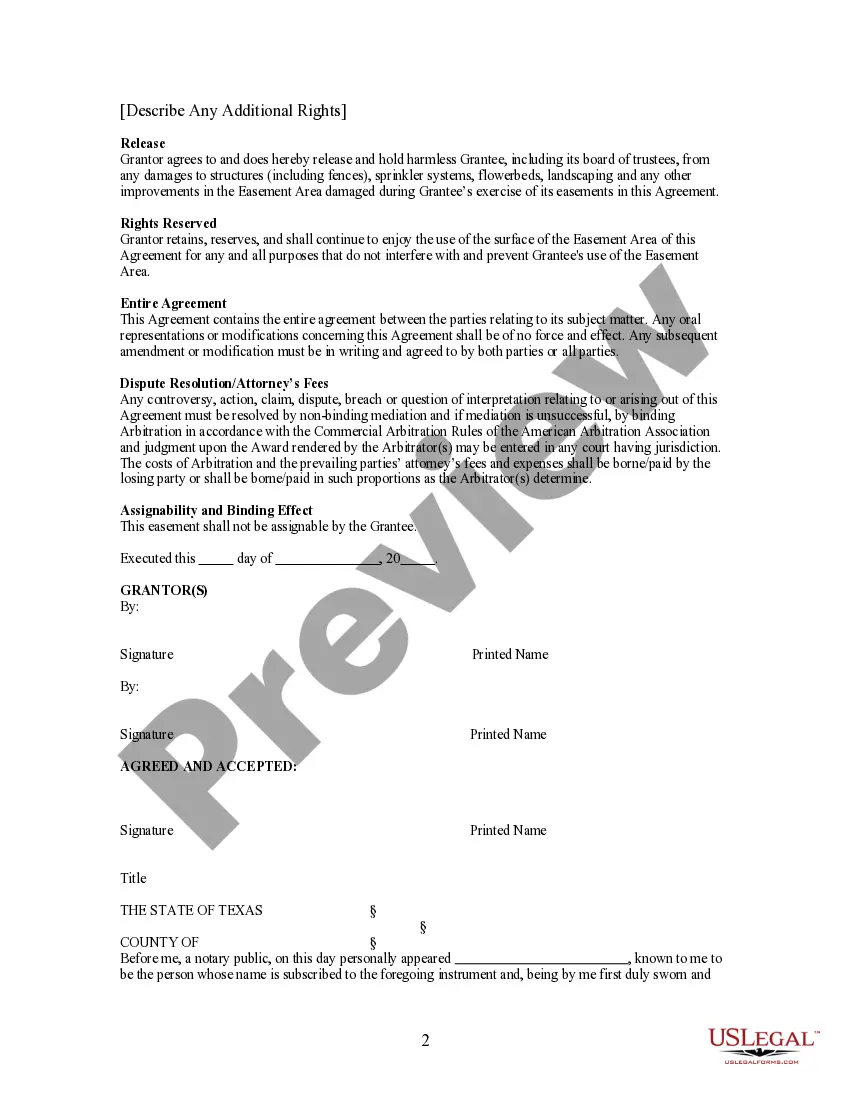
- Character of Easement: Specifies the type of easement being granted.
- Location of Easement: Identifies the specific area on the property where the easement applies.
- Purpose of Easement: Details the intended use of the easement.
- Commencement, Duration, and Termination: Outlines how the easement begins, how long it lasts, and conditions for termination.
- Warranty of Title: Assures that the property owner defends the easement against any claims.
- Rights Reserved: Clarifies the rights retained by the property owner during the easement's existence.

Situations where this form applies
This General Easement form should be used when a property owner wishes to grant another party specific rights to use their property for purposes such as utility access, passage to another property, or maintenance. It is applicable in various situations, including allowing utility companies to install services underground or giving individuals access for agricultural needs. It provides a legal framework to prevent disputes over property use.
Who needs this form
- Property owners who want to legally define access rights on their land.
- Businesses seeking easements for utilities or access routes.
- Individuals needing permission to cross another person's property for legitimate purposes.
How to prepare this document
- Identify the parties involved, including the grantor and grantee.
- Specify the exact location of the easement on the property.
- Clearly describe the purpose of the easement.
- Indicate the commencement date and any conditions for termination of the easement.
- Complete all signatures required by both parties to validate the document.
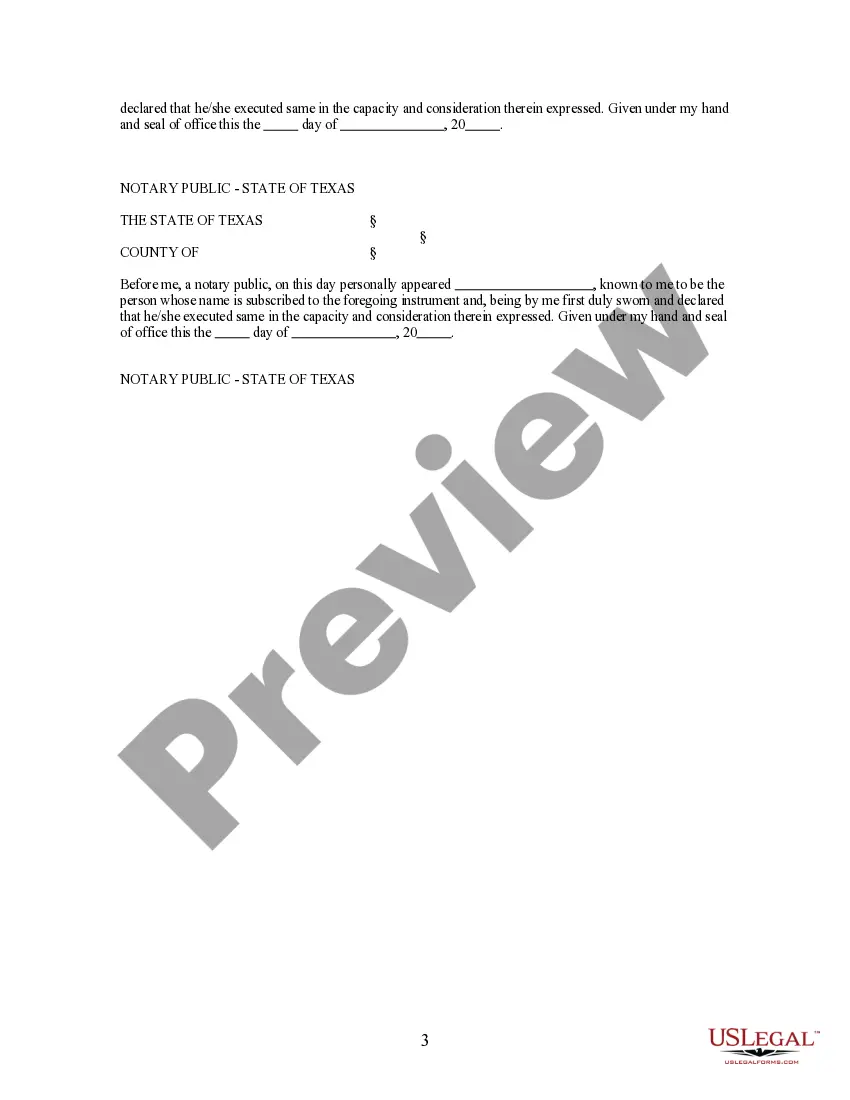
Does this form need to be notarized?
This form needs to be notarized to ensure legal validity. US Legal Forms provides secure online notarization powered by Notarize, allowing you to complete the process through a verified video call, available anytime.
Get your form ready online
Our built-in tools help you complete, sign, share, and store your documents in one place.
Make edits, fill in missing information, and update formatting in US Legal Forms—just like you would in MS Word.
Download a copy, print it, send it by email, or mail it via USPS—whatever works best for your next step.
Sign and collect signatures with our SignNow integration. Send to multiple recipients, set reminders, and more. Go Premium to unlock E-Sign.
If this form requires notarization, complete it online through a secure video call—no need to meet a notary in person or wait for an appointment.
We protect your documents and personal data by following strict security and privacy standards.

Make edits, fill in missing information, and update formatting in US Legal Forms—just like you would in MS Word.

Download a copy, print it, send it by email, or mail it via USPS—whatever works best for your next step.

Sign and collect signatures with our SignNow integration. Send to multiple recipients, set reminders, and more. Go Premium to unlock E-Sign.

If this form requires notarization, complete it online through a secure video call—no need to meet a notary in person or wait for an appointment.

We protect your documents and personal data by following strict security and privacy standards.
Common mistakes
- Failing to clearly define the easement's purpose, leading to potential misunderstandings.
- Not accurately identifying the location of the easement, which could cause disputes later.
- Omitting signatures from either party, rendering the agreement invalid.
- Neglecting to file the easement with local authorities to ensure public record.
Advantages of online completion
- Convenience of accessing and downloading the form at any time.
- Editability to customize the form according to specific needs.
- Reliability of having a legally vetted document crafted by licensed attorneys.
Looking for another form?
Form popularity
FAQ
The easiest way to gain access to a landlocked property is to obtain an express easement from the neighboring landowner. This easement should be in writing, signed by the grantor, specifically identify the property and details of the allowed easement use, and filed in the county deed records.
Absent an express agreement to the contrary, the owner of the dominant estate has a duty to maintain the easement, and the owner of the servient estate has no right to interfere with the dominant estate. Roberts v. Freindswood Dev. Co., 886 S.W.
A property easement is a legal situation in which the title to a specific piece land remains with the landowner, but another person or organization is given the right to use that land for a distinct purpose.
Easements are nonpossessory interests in land. The holder of an easement has the right to use a tract of land for a special use only, and does not own or have full use and enjoyment of the land. Often, easements are created in Texas to give a person or corporation a right of access across a piece of land.