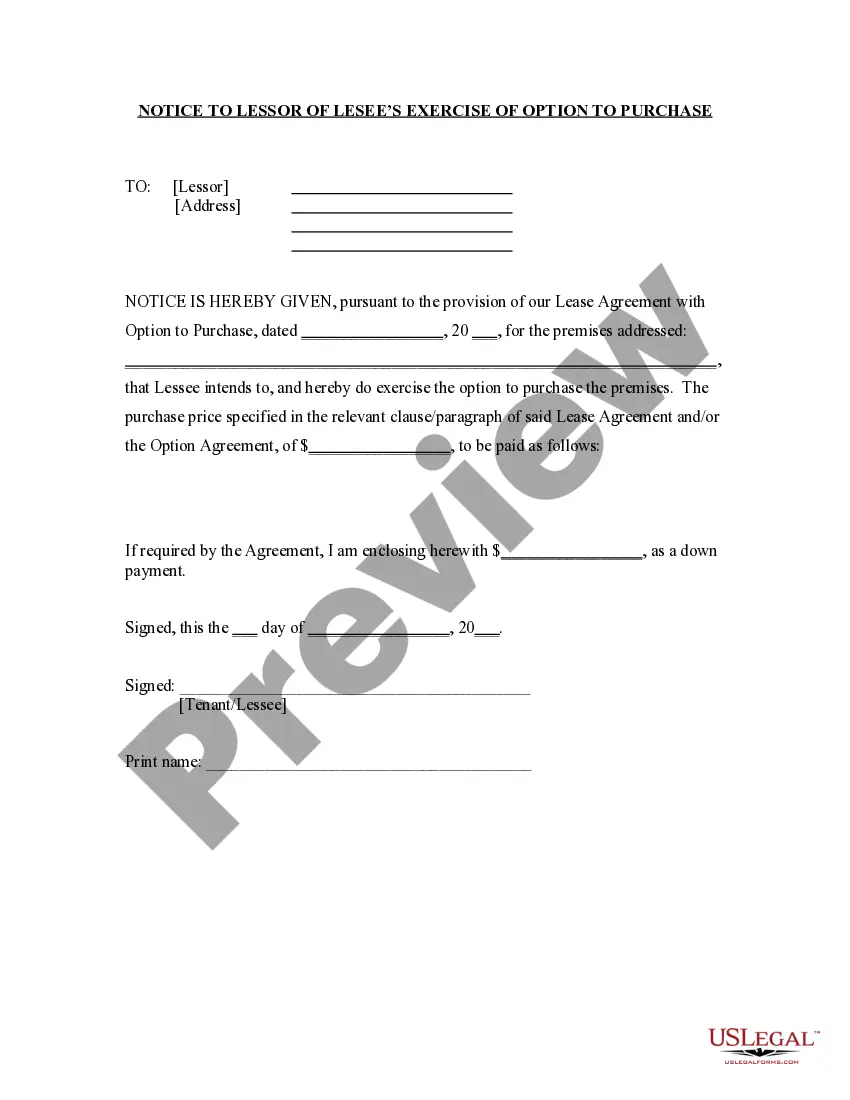
New York Warranty Deed For Use by an Executor - Executrix
Understanding this form
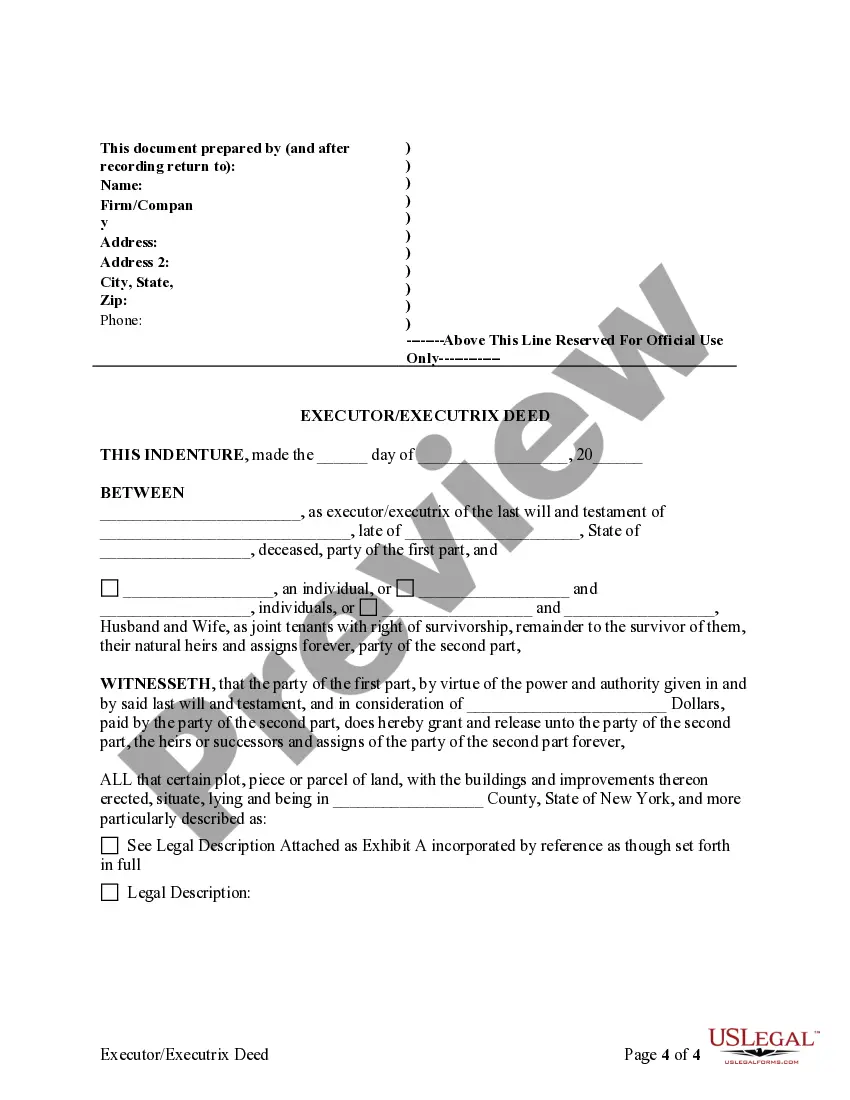
The Warranty Deed for Use by an Executor (or Executrix) is a legal document that allows an executor or executrix of a deceased person's estate to transfer property ownership to new grantees. This form serves a distinct purpose compared to other real estate deeds by specifically addressing the situation where the property is being conveyed as part of the decedentâs will. It outlines the terms of the transfer and ensures that the executor is acting in accordance with the wishes of the deceased.
What’s included in this form
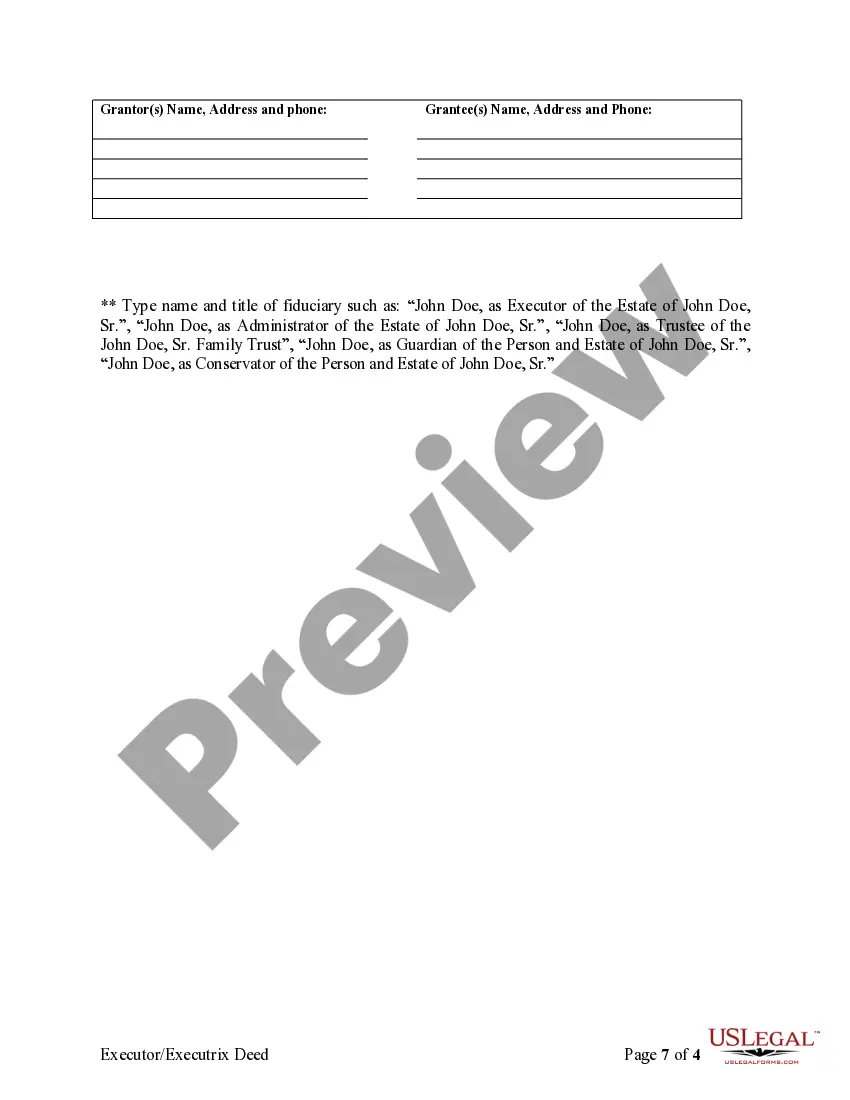
- Details of the grantor (executor/executrix) and grantees.
- Legal description of the property being transferred.
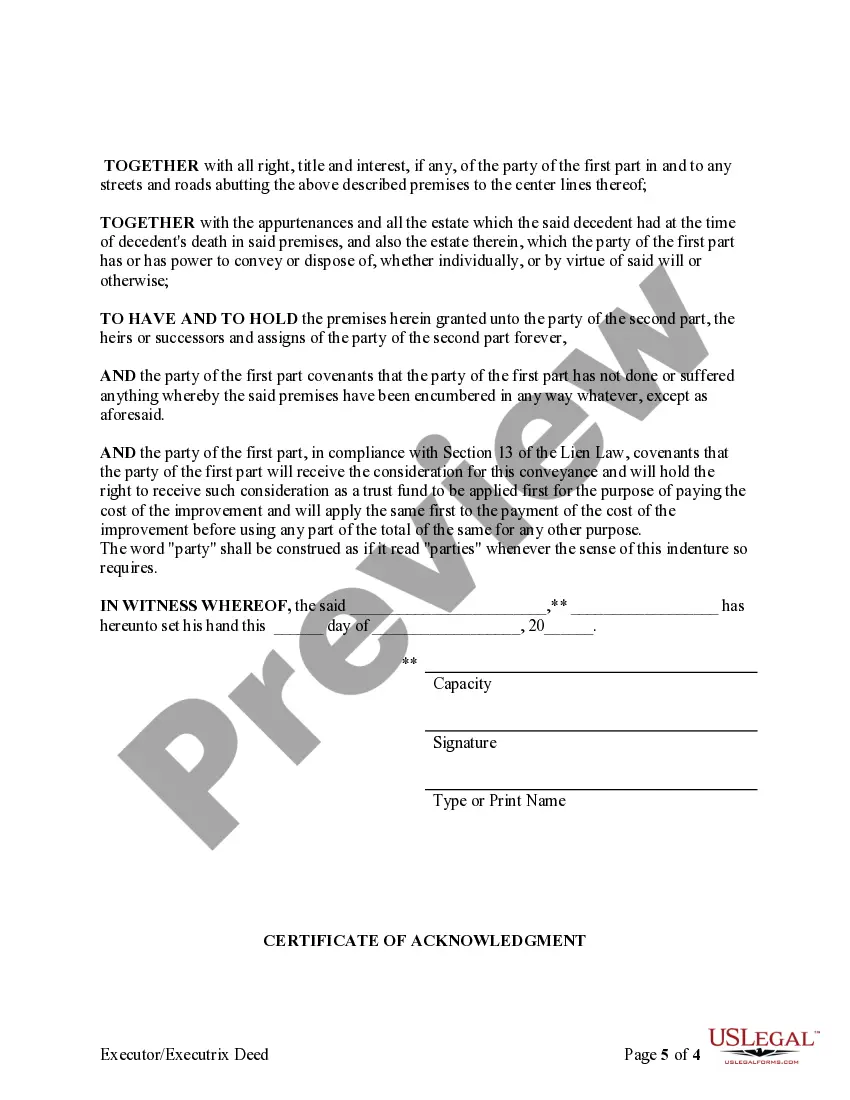
- Execution requirements, including signatures and dates.
- Conditions of the conveyance, ensuring clear title to the property.
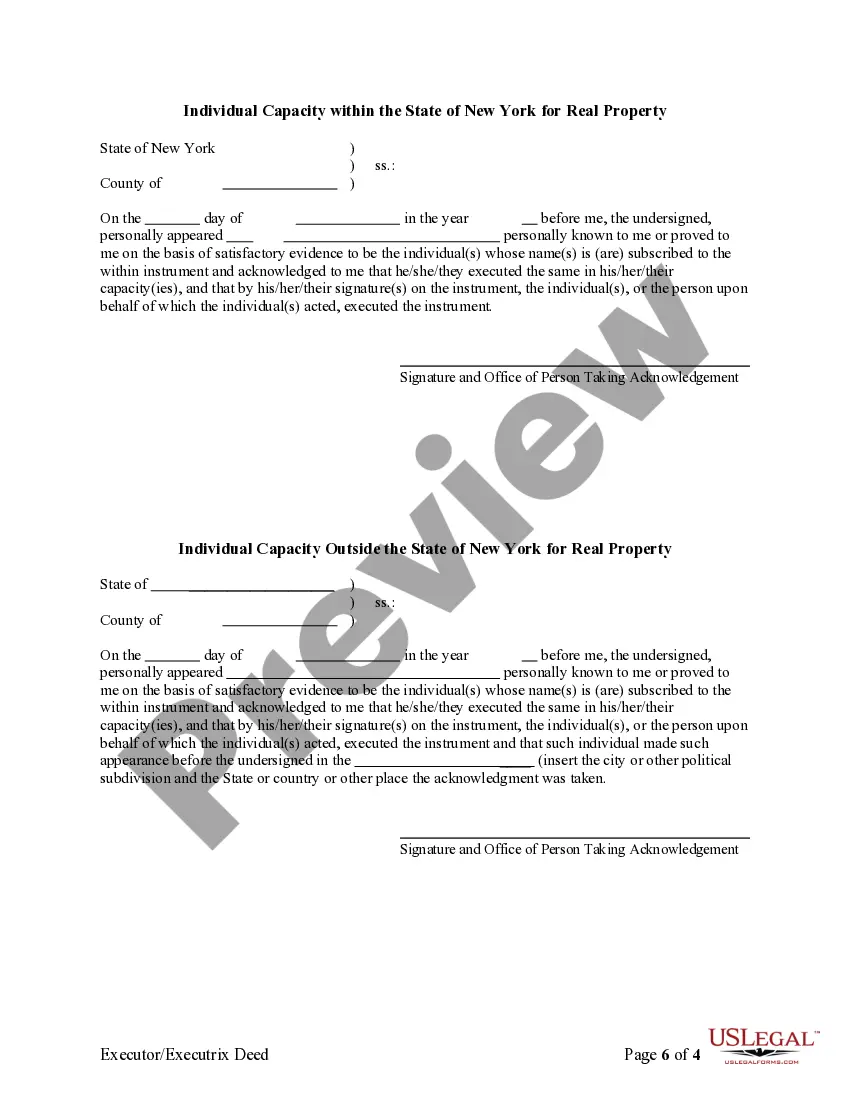
- Acknowledgment section for notarization purposes.



When this form is needed
This form should be used when an executor or executrix of an estate needs to legally transfer property that belonged to a decedent to one or more individuals or couples, as specified in the last will and testament. It is commonly utilized in situations such as distributing inheritance to beneficiaries or selling estate property during probate proceedings.
Intended users of this form
This form is intended for:
- Executors or executrices responsible for settling a deceased personâs estate.
- Beneficiaries who are receiving property as dictated by a will.
- Real estate professionals involved in transactions involving estate properties.
Instructions for completing this form
- Identify the grantor (executor/executrix) and grantees by entering their full names.
- Provide a complete legal description of the property being transferred.
- Fill in the date of execution and required signature of the executor/executrix.
- Ensure the acknowledgment section is filled out for notarization after signing.
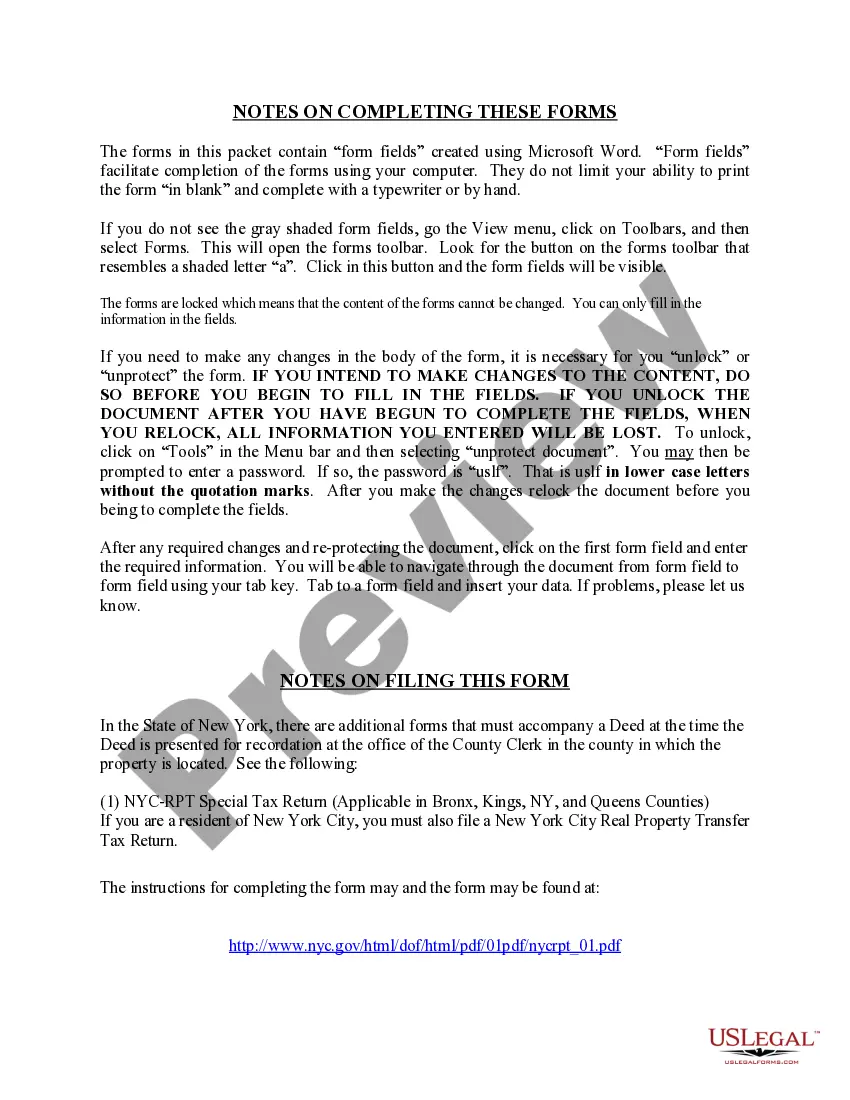
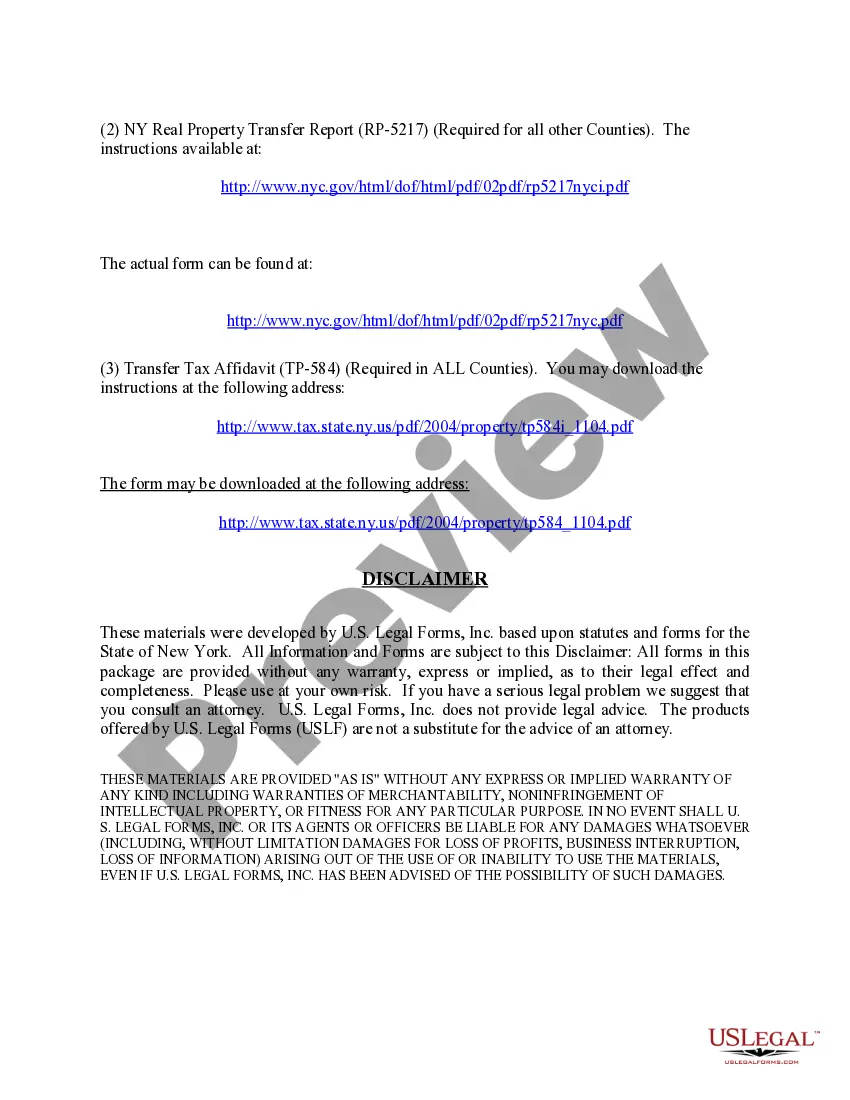
- File the completed deed along with any additional required documents with the County Clerkâs office.
Is notarization required?
Yes, this form must be notarized to be legally valid. Notarization confirms the identity of the signer and ensures that the signing is done willingly. U.S. Legal Forms offers integrated online notarization services that allow you to complete this process securely via a video call, making it convenient to finalize your document without needing to travel.
Get your form ready online
Our built-in tools help you complete, sign, share, and store your documents in one place.
Make edits, fill in missing information, and update formatting in US Legal Forms—just like you would in MS Word.
Download a copy, print it, send it by email, or mail it via USPS—whatever works best for your next step.
Sign and collect signatures with our SignNow integration. Send to multiple recipients, set reminders, and more. Go Premium to unlock E-Sign.
If this form requires notarization, complete it online through a secure video call—no need to meet a notary in person or wait for an appointment.
We protect your documents and personal data by following strict security and privacy standards.

Make edits, fill in missing information, and update formatting in US Legal Forms—just like you would in MS Word.

Download a copy, print it, send it by email, or mail it via USPS—whatever works best for your next step.

Sign and collect signatures with our SignNow integration. Send to multiple recipients, set reminders, and more. Go Premium to unlock E-Sign.

If this form requires notarization, complete it online through a secure video call—no need to meet a notary in person or wait for an appointment.

We protect your documents and personal data by following strict security and privacy standards.
Typical mistakes to avoid
- Failing to include a complete legal description of the property.
- Not obtaining the necessary notarization before filing.
- Forgetting to include additional forms required by New York law during recordation.
- Leaving out signatures or dates needed to validate the deed.
Benefits of completing this form online
- Convenience of completing the form at your own pace from any location.
- Editability allows you to make necessary changes before finalizing.
- Access to accurate, attorney-drafted forms tailored to New York law.
- Reduced likelihood of errors with clear prompts and guidelines.
Quick recap
- The Warranty Deed is essential for executing property transfers by an executor.
- It must be completed accurately to avoid legal complications.
- Additional state-specific documents are necessary when filing in New York.
- Online completion offers convenience and reduces errors.
Looking for another form?






Form popularity
FAQ
You can do this by simply signing your name and putting your title of executor of the estate afterward. One example of an acceptable signature would be Signed by Jane Doe, Executor of the Estate of John Doe, Deceased. Of course, many institutions may not simply take your word that you are the executor of the estate.
During the administration of the estate those Executors who have obtained a Grant of Probate (more of which later) must act jointly. That is to say that they must all agree on a course of action and each sign any documents, etc. Clearly there may be problems if those appointed do not get on.
Once the COURT appoints you as executor, you will record an affidavit of death of joint tenant to get your mother's name of the property. Then, when you get an order for final distribution, you will record a certified copy to get the property into the names of the beneficiaries under the will.
In most states, an executor's deed must be signed by a witness and notarized. An executor's deed should be recorded in the real estate records of the county in which the property being conveyed is located.
Upon the death of an owner of registered real property, it shall be incumbent upon the executor or administrator of the estate of the deceased, to present to the registrar a petition on the annexed form, for the transfer of title into the name of the executor or administrator, or upon filing of a deed executed by the
These deeds are called Transfer on Death (TOD) deeds. However, Transfer on Death deeds are not permissible in New York. Instead you must deed your property directly to the beneficiary, or to a trust to be held for your beneficiary, during your lifetime.
Using an Affidavit of Survivorship to Remove a Deceased Owner from Title. If you are already listed as a co-owner on the prior deedor if you inherited an interest in the property through a life estate deed, transfer-on-death deed, or lady bird deedyou may use an affidavit of survivorship to remove the deceased owner.
In most cases, the surviving owner or heir obtains the title to the home, the former owner's death certificate, a notarized affidavit of death, and a preliminary change of ownership report form. When all these are gathered, the transfer gets recorded, the fees are paid, and the county issues a new title deed.