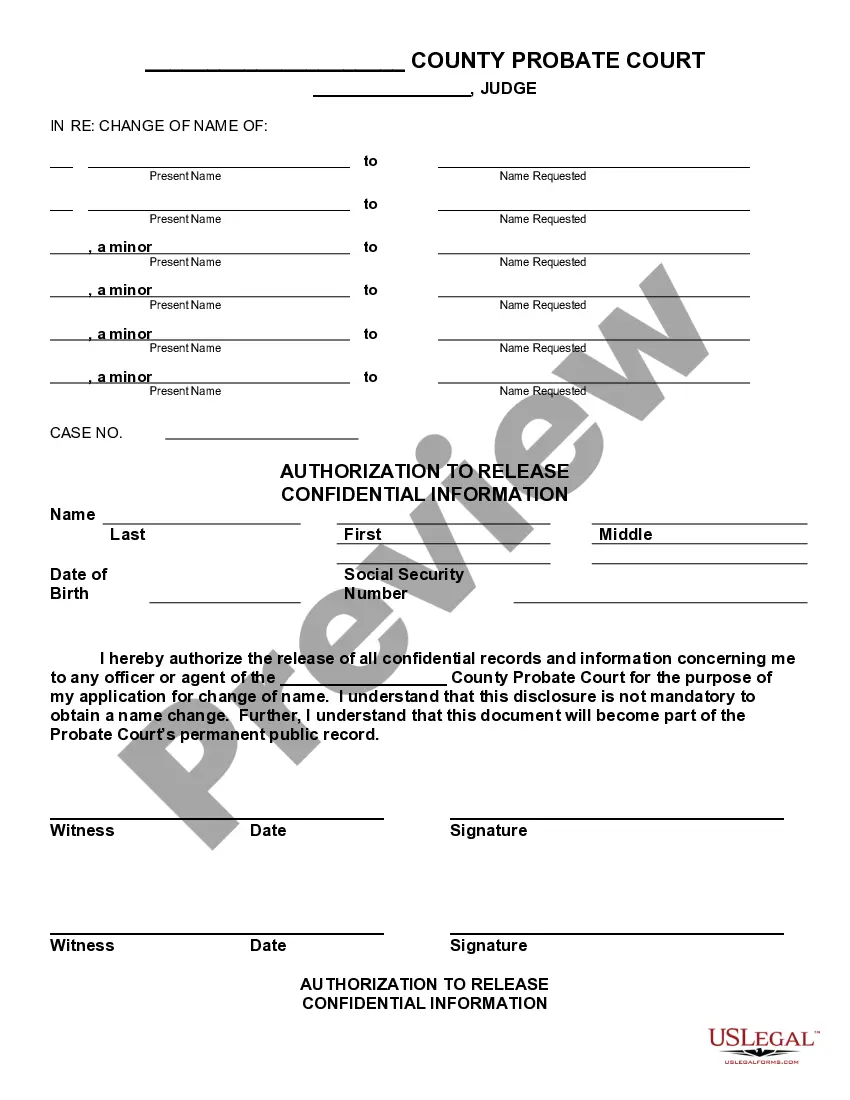
New Jersey Revolving Credit Mortgage
About this form
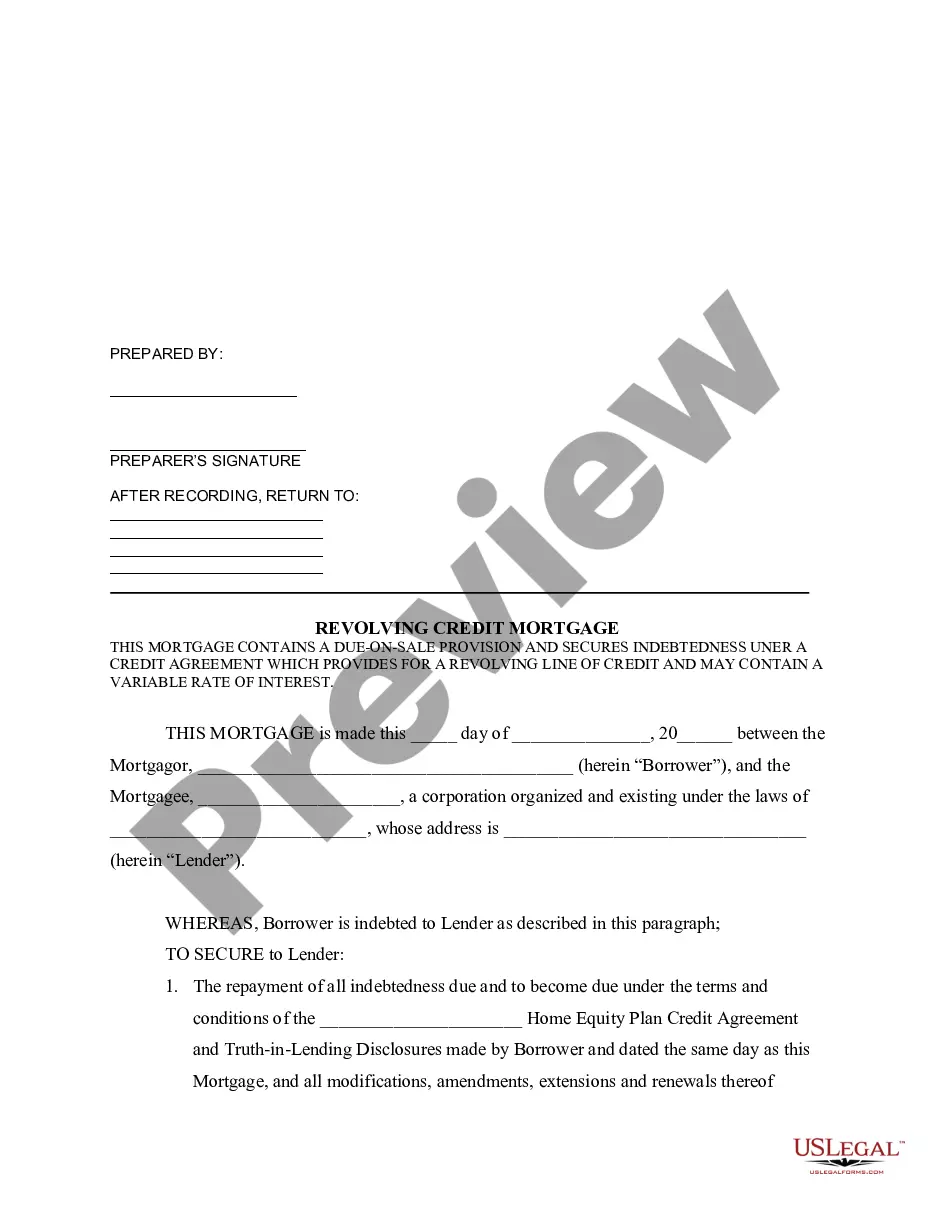
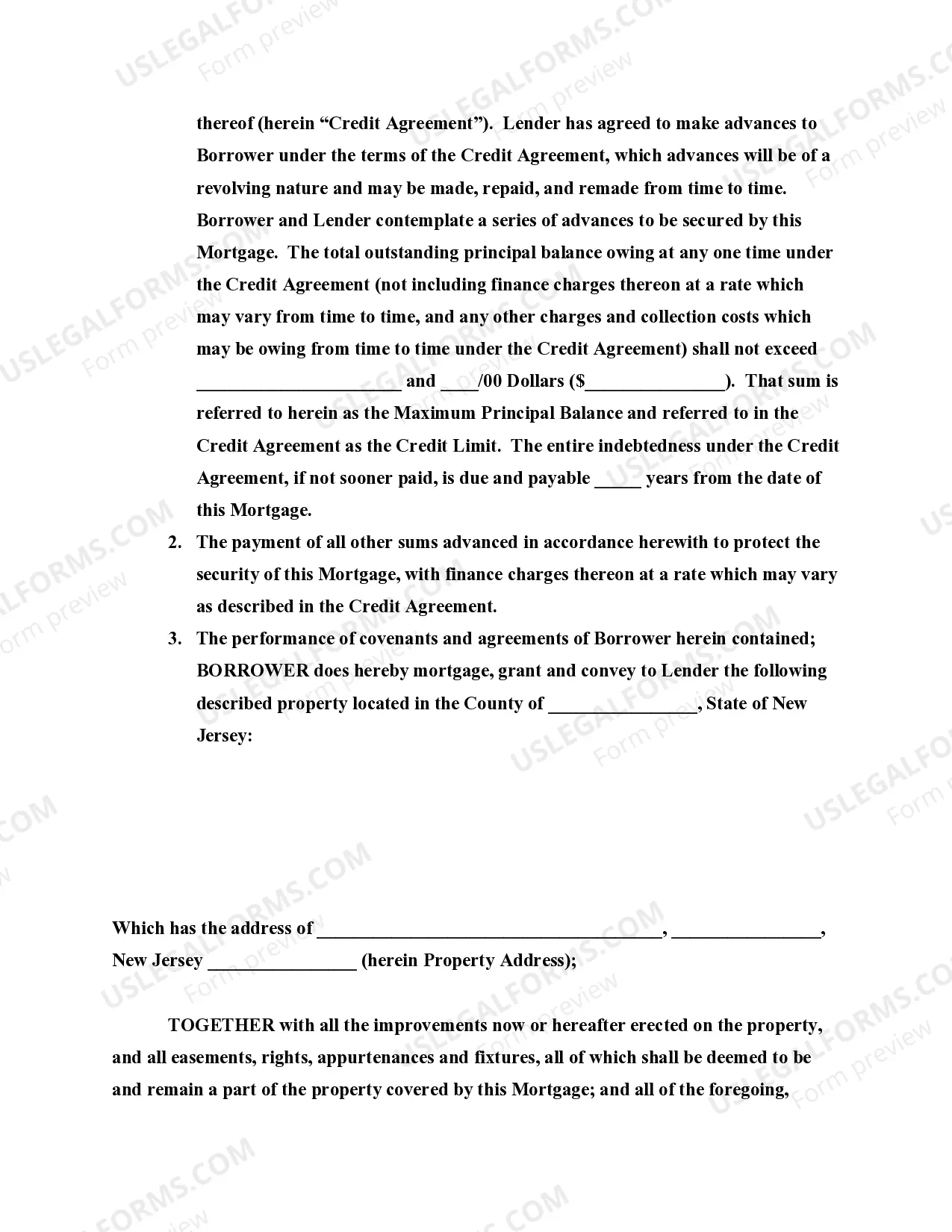
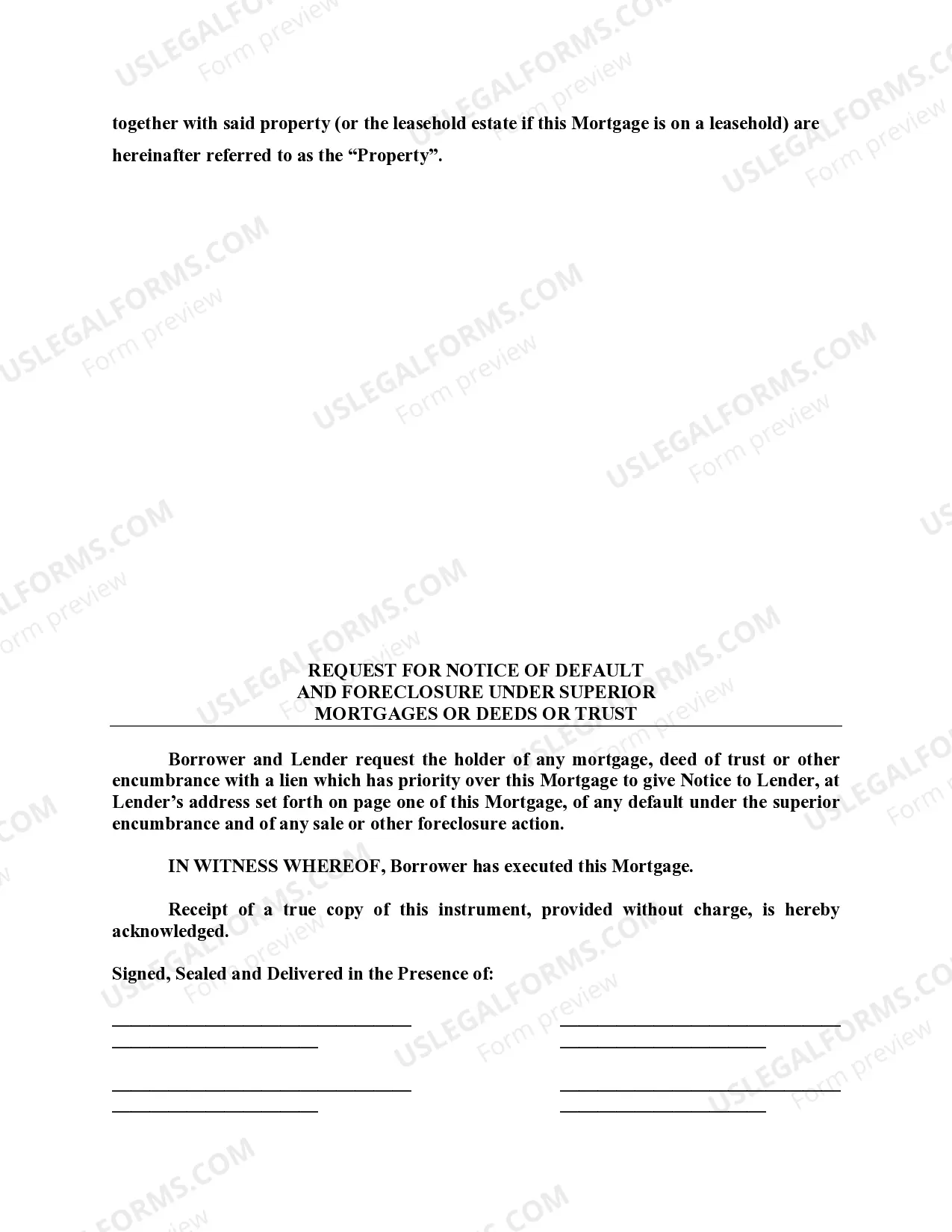
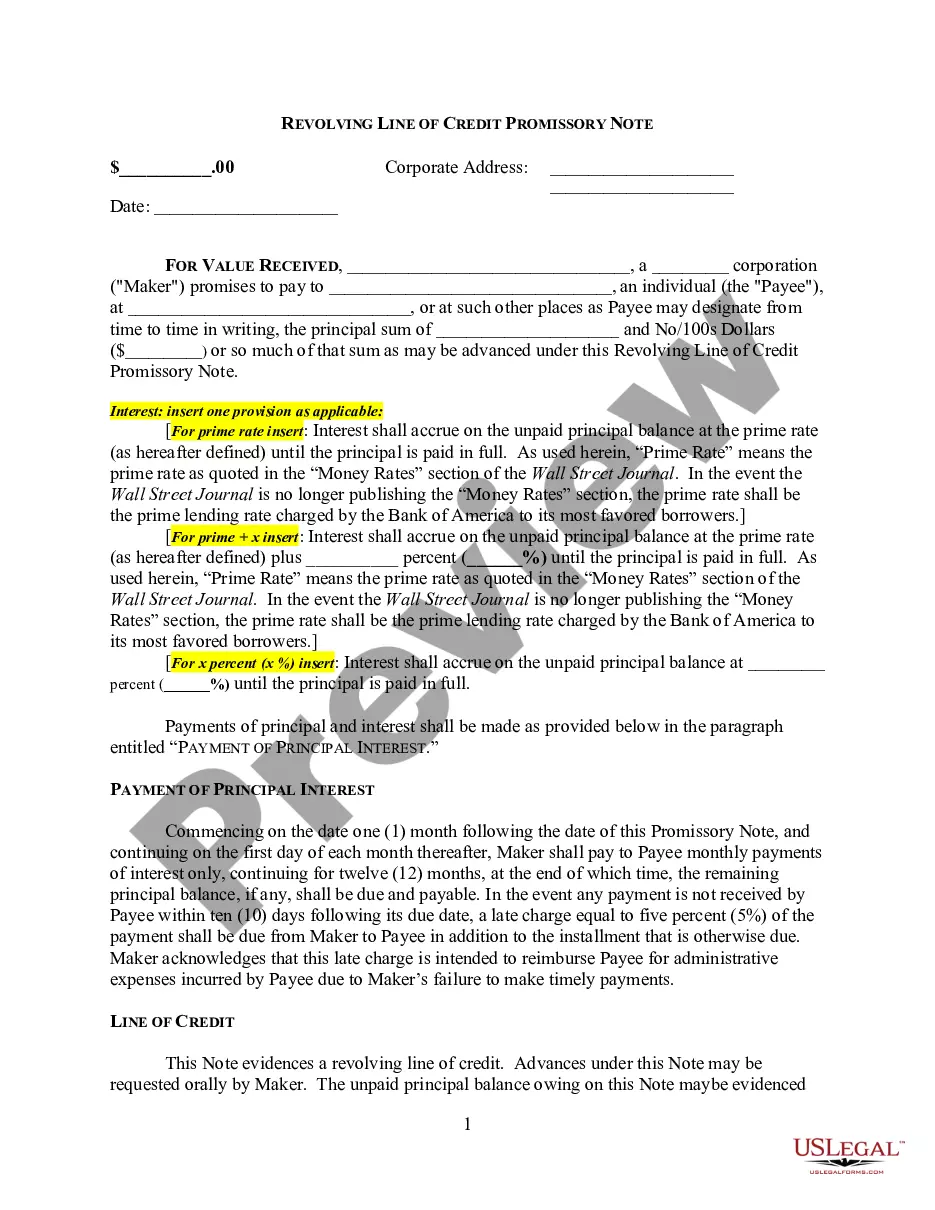
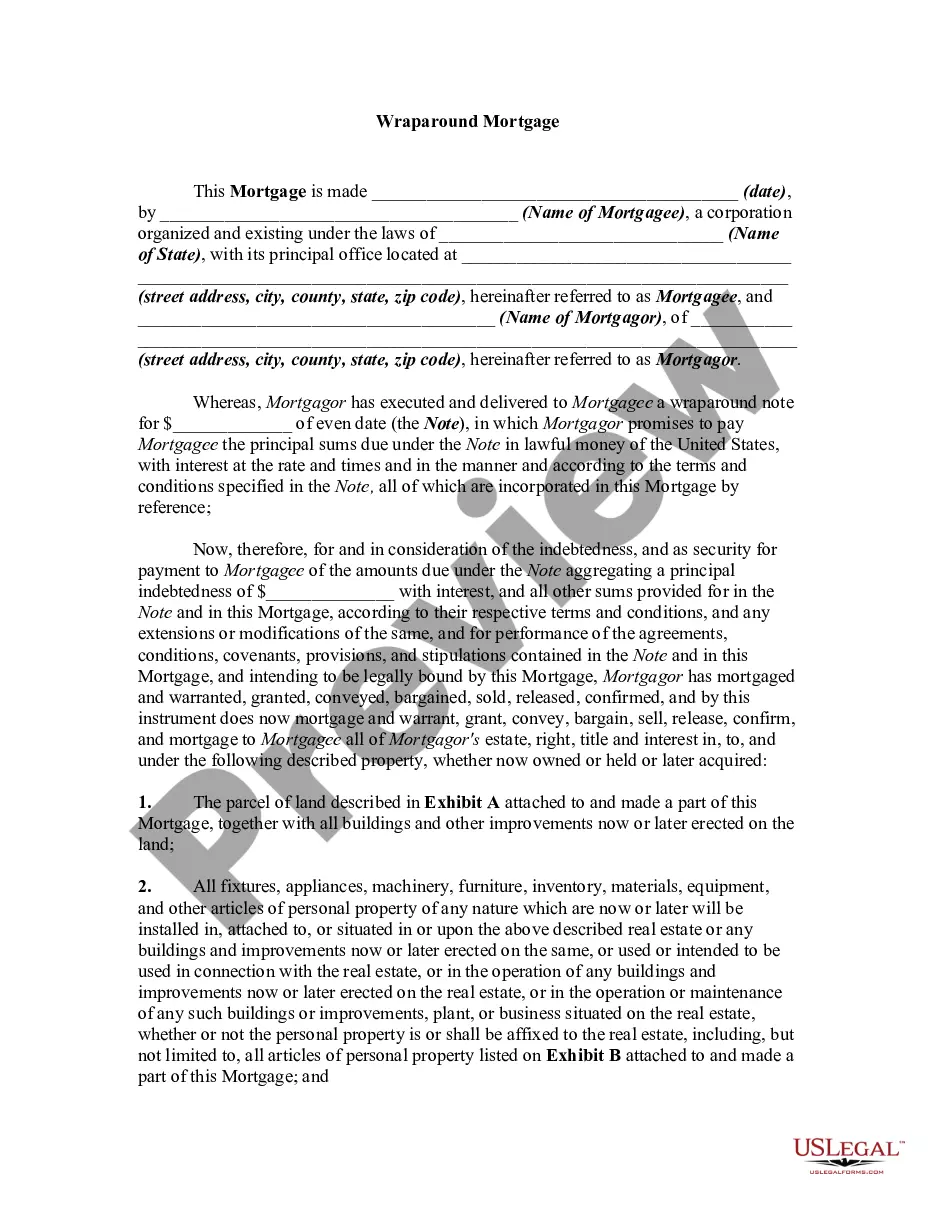
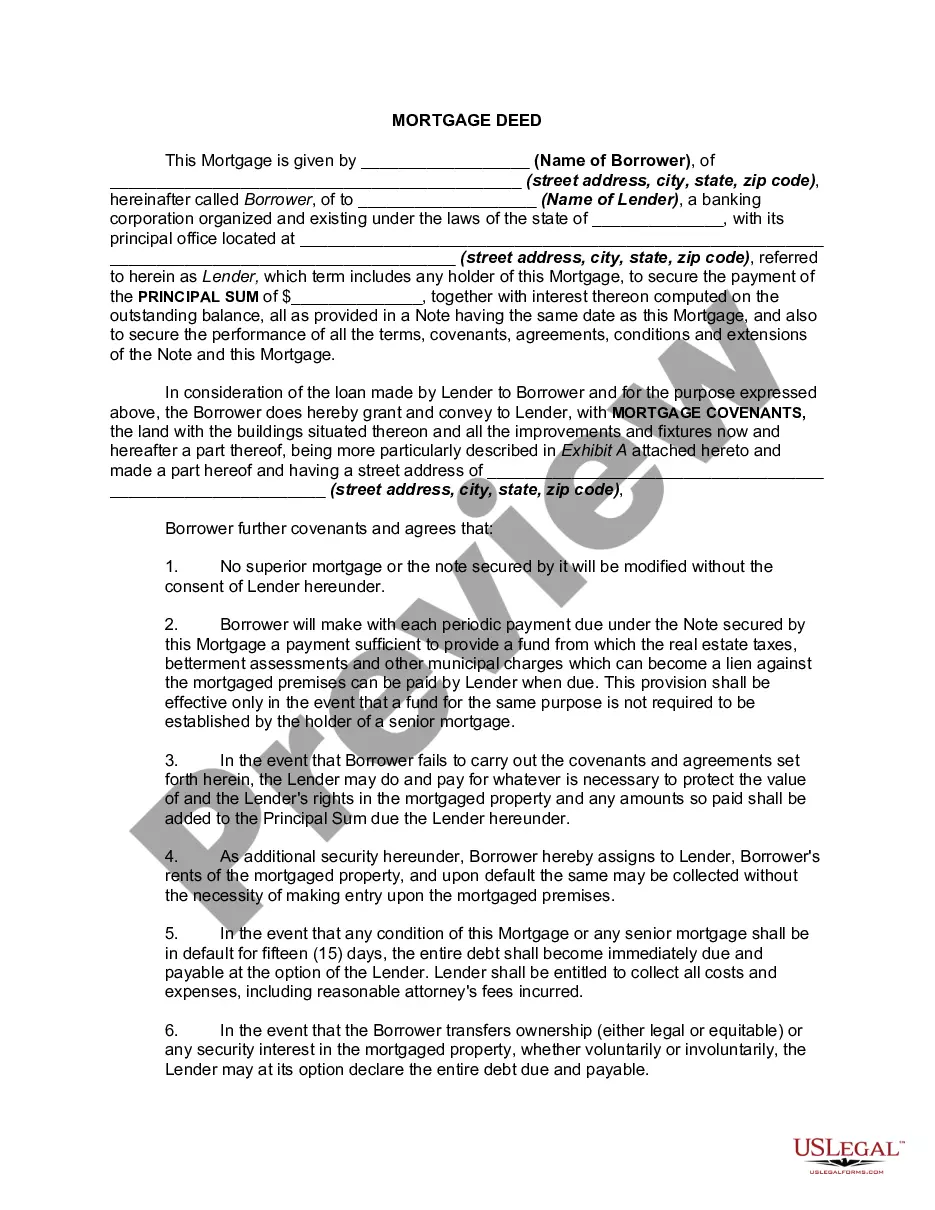
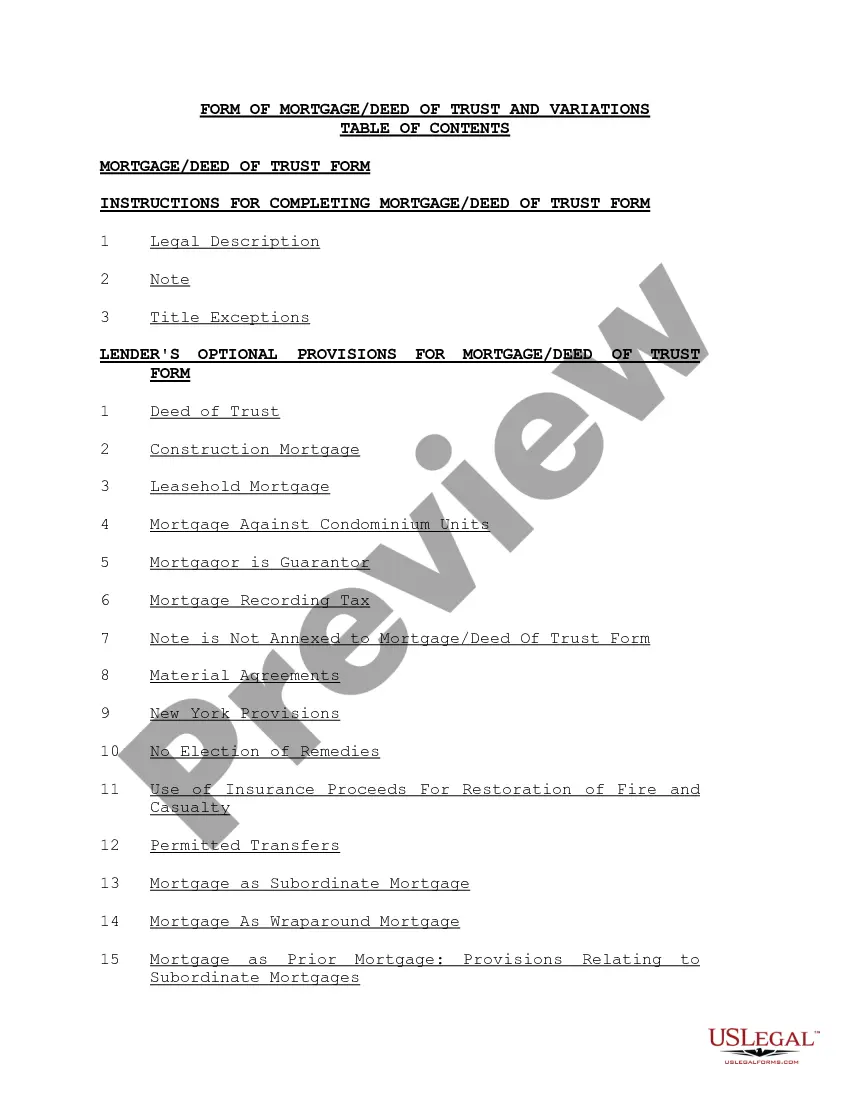
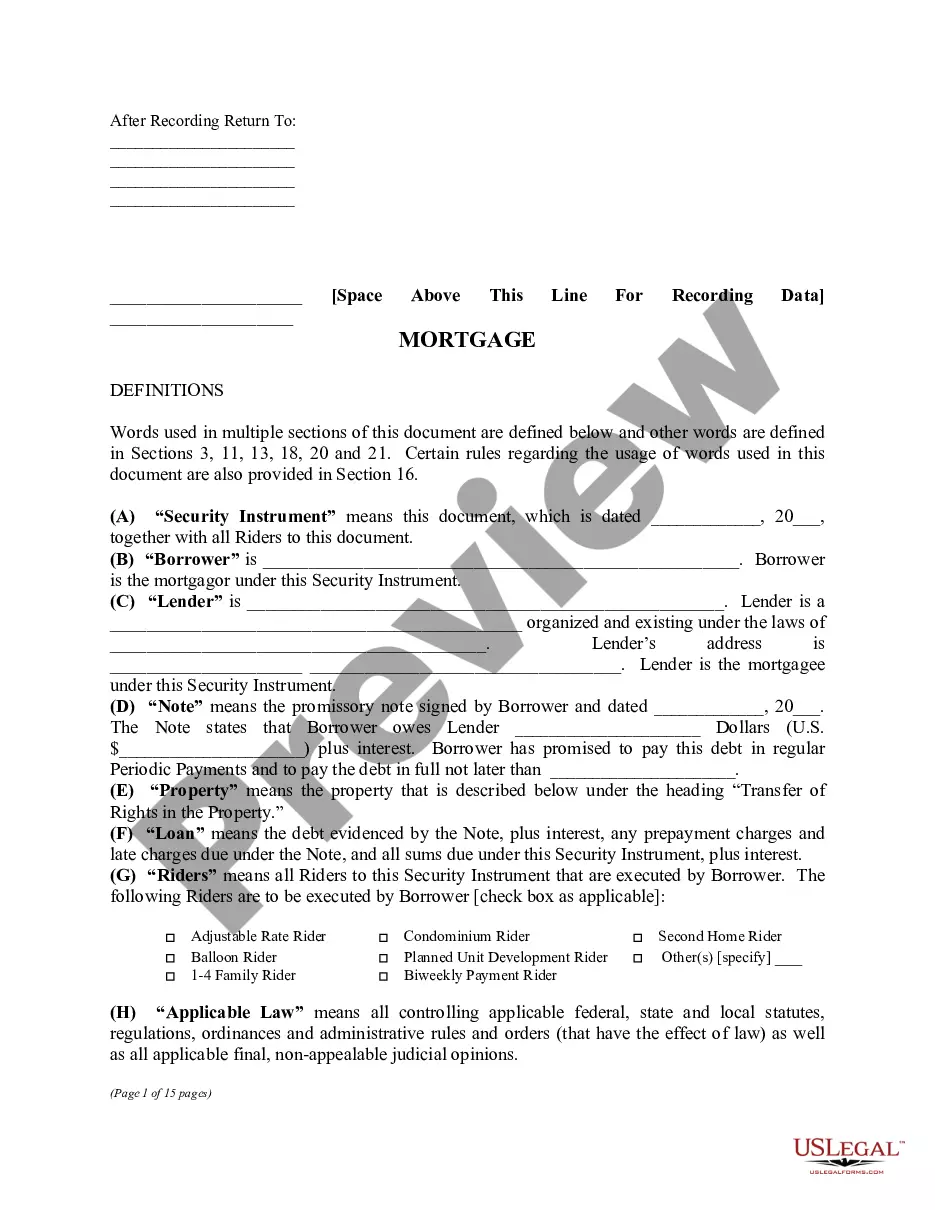
A revolving credit mortgage is a type of mortgage that allows borrowers to access their home's equity as a line of credit. This flexibility enables borrowers to use and reuse their borrowing limit at their discretion, unlike traditional mortgages that require fixed repayments. The mortgage remains open until either the lender or borrower decides to close it, making it a suitable option for individuals needing ongoing access to funds secured by their property.
What’s included in this form
- Identification of the parties: Includes information about the borrower (mortgagor) and lender (mortgagee).
- Description of the property: Specifies the location and details of the property securing the mortgage.
- Maximum principal balance: States the maximum borrowing limit under the credit agreement.
- Repayment terms: Outlines the conditions under which repayment of borrowed funds occurs.
- Due-on-sale provision: Indicates that the mortgage balance must be paid if the property is sold.
When this form is needed
This form is useful when you want to secure a line of credit against your home. You might consider using it to finance home improvements, manage expenses, or consolidate debt, especially if you anticipate needing ongoing access to funds. It is particularly beneficial for homeowners who have built significant equity in their property and wish to leverage it responsibly.
Intended users of this form
- Homeowners looking to access their home equity for financial needs.
- Individuals planning to make multiple advances and repayments on their mortgage.
- Borrowers seeking flexible financial solutions through a revolving line of credit.
- Anyone who understands the responsibilities and risks associated with a revolving credit mortgage.
Steps to complete this form
- Identify the parties: Fill in the names of the borrower and lender.
- Specify the property: Provide the address and description of the secured property.
- Enter the maximum principal balance: State the borrowing limit set within the credit agreement.
- Detail the repayment terms: Include the duration of the mortgage and any specific repayment conditions.
- Sign and date: Ensure all signatures are present and dated to make the document legally binding.
Notarization guidance
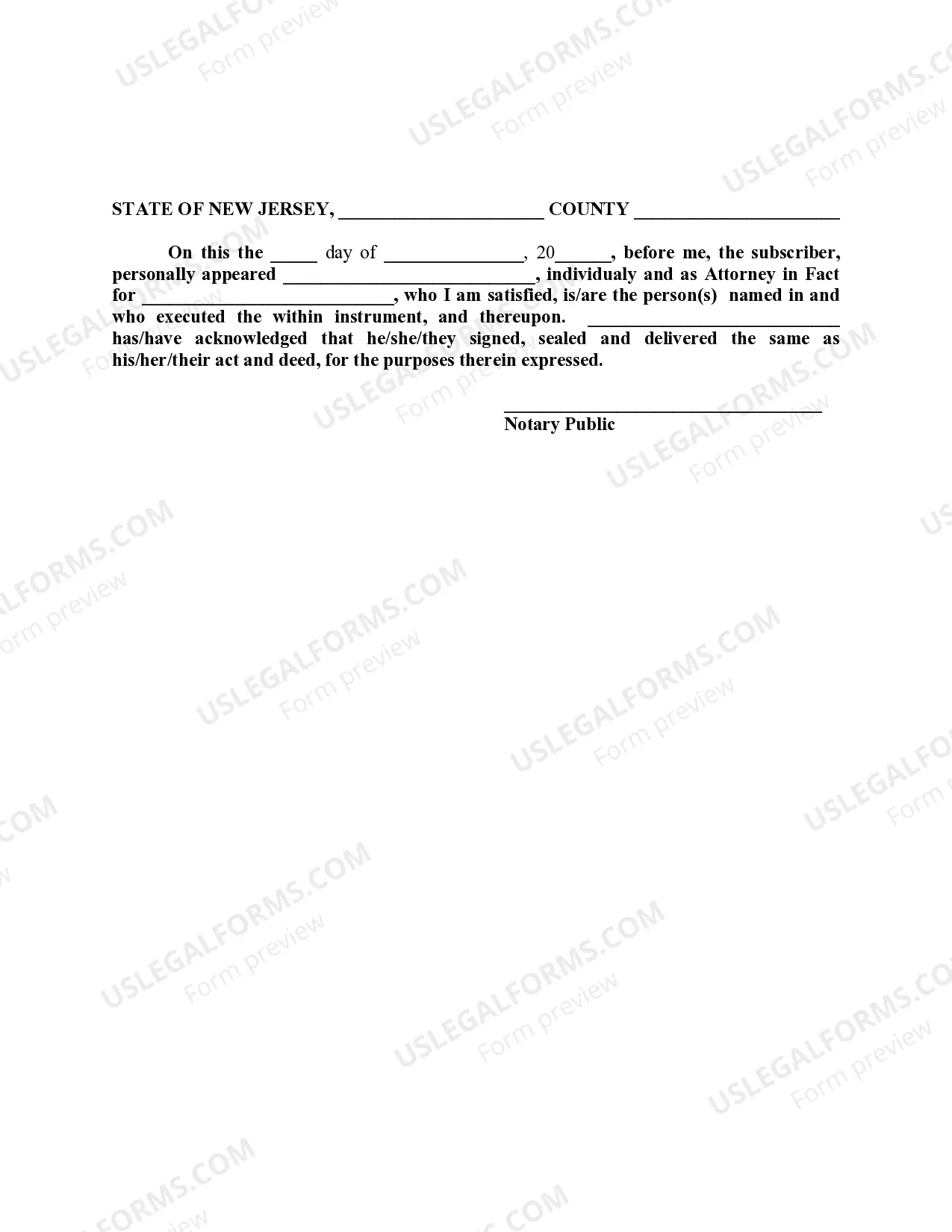
Yes, this form must be notarized to be legally valid. US Legal Forms provides integrated online notarization, allowing you to securely notarize documents via video call, without needing to travel.
Get your form ready online
Our built-in tools help you complete, sign, share, and store your documents in one place.
Make edits, fill in missing information, and update formatting in US Legal Forms—just like you would in MS Word.
Download a copy, print it, send it by email, or mail it via USPS—whatever works best for your next step.
Sign and collect signatures with our SignNow integration. Send to multiple recipients, set reminders, and more. Go Premium to unlock E-Sign.
If this form requires notarization, complete it online through a secure video call—no need to meet a notary in person or wait for an appointment.
We protect your documents and personal data by following strict security and privacy standards.

Make edits, fill in missing information, and update formatting in US Legal Forms—just like you would in MS Word.

Download a copy, print it, send it by email, or mail it via USPS—whatever works best for your next step.

Sign and collect signatures with our SignNow integration. Send to multiple recipients, set reminders, and more. Go Premium to unlock E-Sign.

If this form requires notarization, complete it online through a secure video call—no need to meet a notary in person or wait for an appointment.

We protect your documents and personal data by following strict security and privacy standards.
Common mistakes
- Failing to provide accurate property descriptions, which can lead to legal issues.
- Not specifying the repayment terms clearly, causing confusion later.
- Omitting required signatures, which can invalidate the agreement.
Benefits of completing this form online
- Convenience of immediate access to the form from any device.
- Editability to customize the form based on specific needs.
- Reliable guidance ensuring compliance with state requirements.
Looking for another form?
Form popularity
FAQ
California's usury statute restricts the amount of interest that can be levied on any loan or forbearance. According to California law, non-exempt lenders can place a maximum of ten-percent annual interest for money, goods or things utilized mainly for personal, family or household purposes.
The law says that lenders cannot charge more than 16 percent interest rate on loans. Unfortunately, some lending companies owned by or affiliated with vehicle makers have devised schemes whereby you are charged interest at rates exceeding the maximum permitted by law. This is called usury.
A. The Basic Rate: The California Constitution allows parties to contract for interest on a loan primarily for personal, family or household purposes at a rate not exceeding 10% per year.
The maximum legal interest rate is 8% per year, with different rates applicable if there is a written agreement. Specific provisions include those involving contract rates on home loans, high-cost home loans, savings and loan associations, bonds sold below par, loans for less than $300,000, and equity lines of credit.
If there is no stipulation, the legal interest which is 6% per annum shall apply. This is what is known as compensatory interest which is imposed against the borrower by reason of his default. Under Article 2210 of the Civil Code, interest may also be allowed on damages awarded for breach of contract.
What you may not know is that, on a federal level, there is no maximum interest a credit card company can charge. However, cardholders can find a bit of security in the CARD act and usury laws, which set limits on a state by state basis.
Usury is the act of lending money at an interest rate that is considered unreasonably high or that is higher than the rate permitted by law.Over time it evolved to mean charging excess interest, but in some religions and parts of the world charging any interest is considered illegal.
Depending on the lender and the borrower's credit score and financial history, personal loan interest rates can range from 6% to 36%. A personal loan is a form of credit that allows consumers to finance large purchases, such as a home renovation, or consolidate high interest debt from other products like credit cards.
As federal law preempts New Jersey State law, a prepayment penalty on these types of mortgage loan products would be legal.The disclosure of a prepayment penalty can be also found in the Truth-in-Lending statement required by federal law to be sent to a borrower during the application process.