Idaho Supplemental Residential Lease Forms Package
About this form package
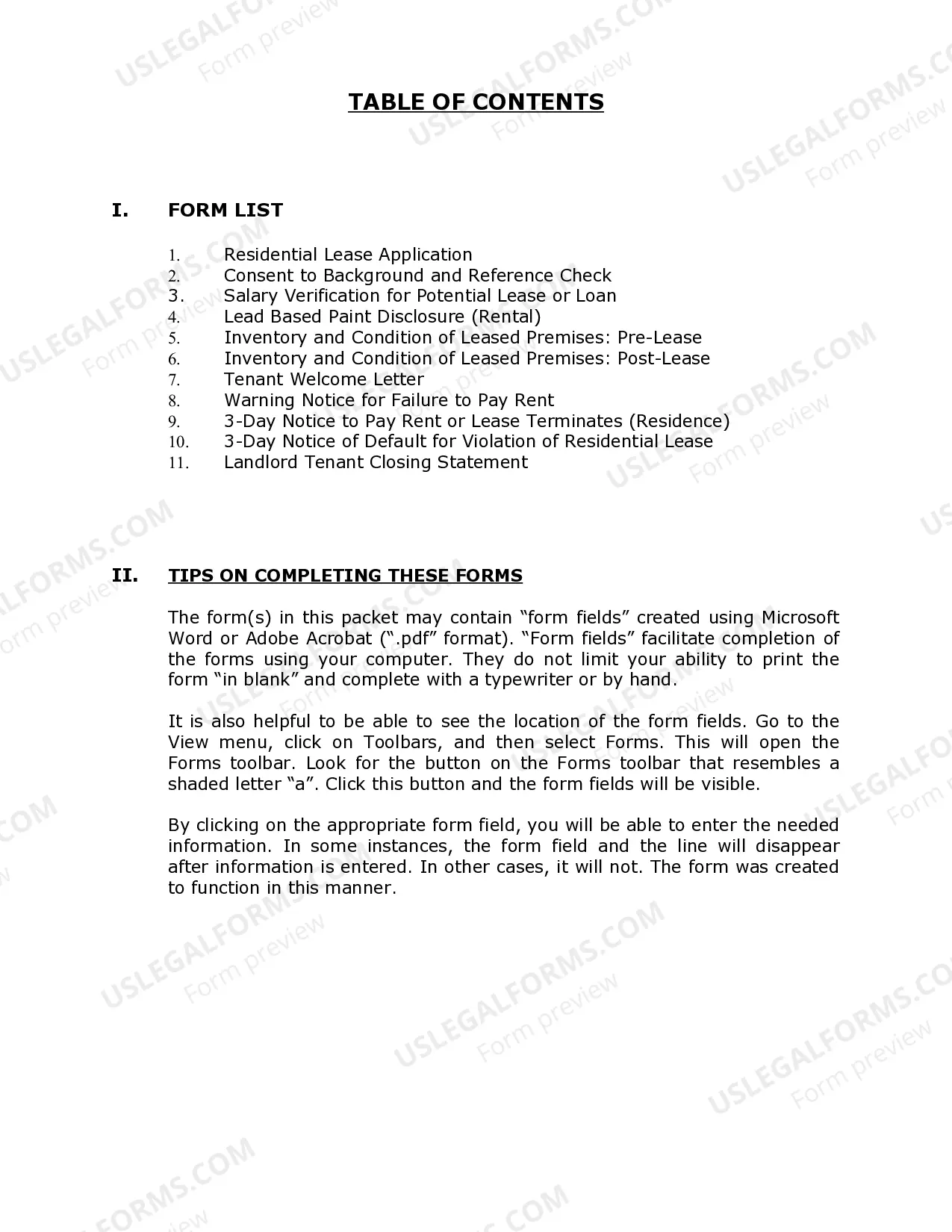
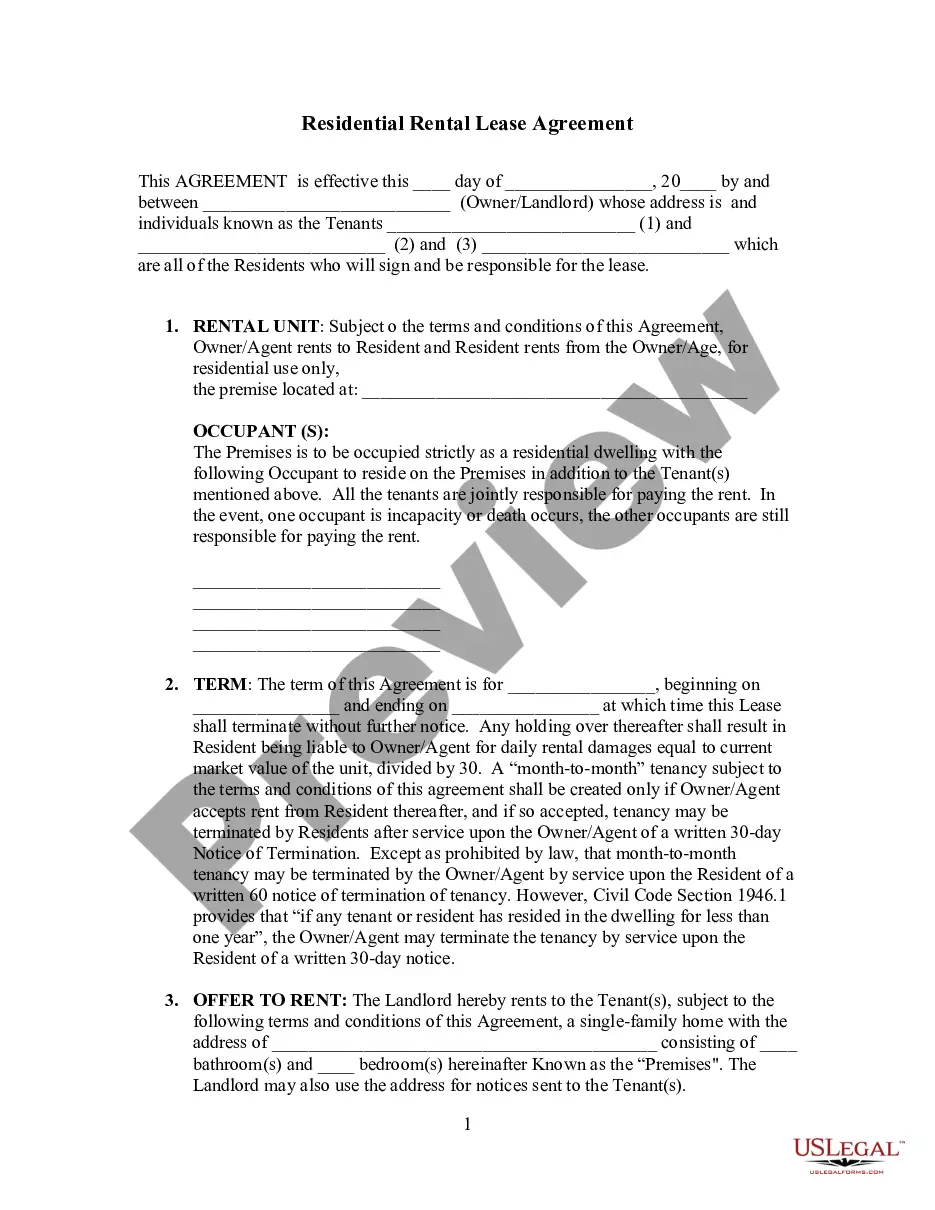
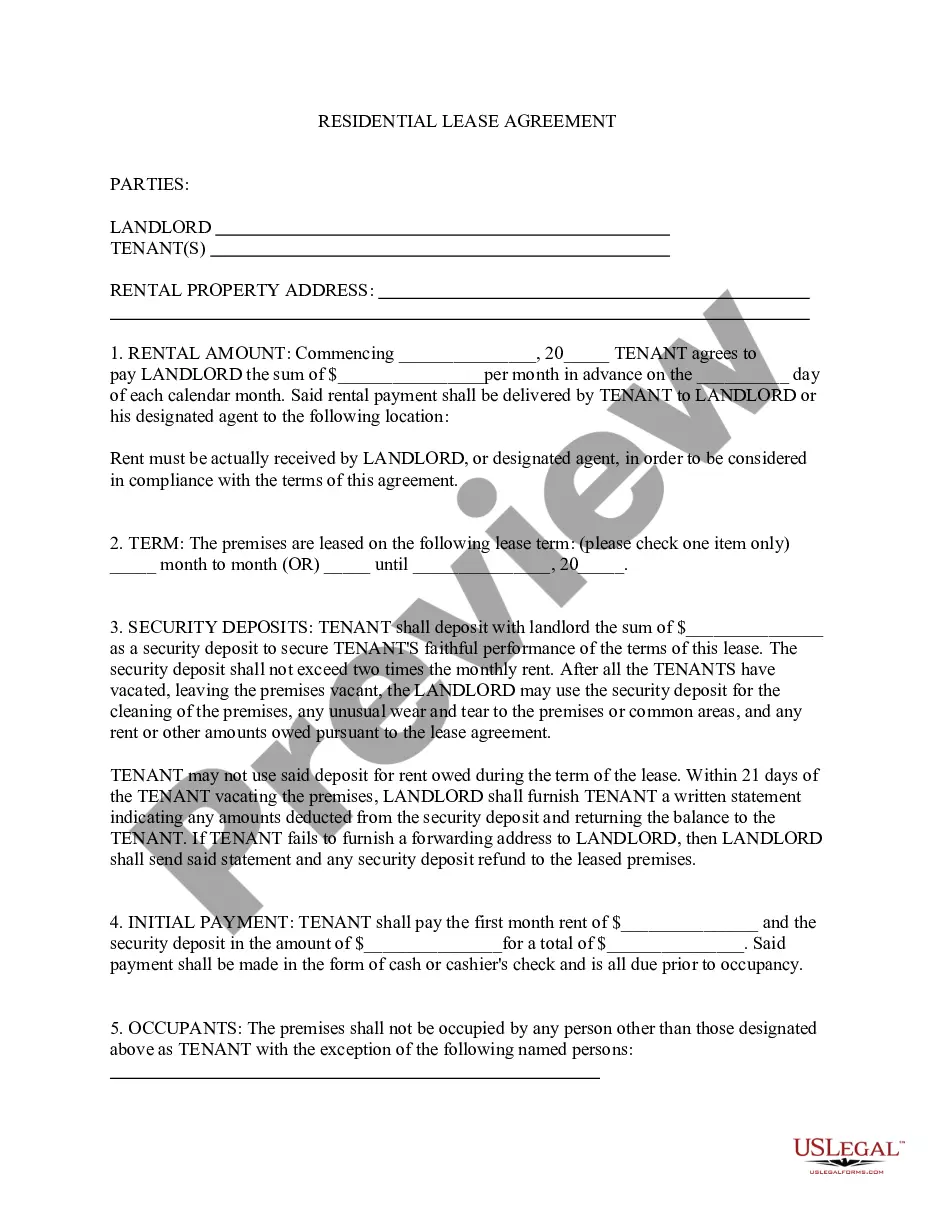
The Idaho Supplemental Residential Lease Forms Package provides essential documents for managing landlord-tenant relationships in Idaho. For just $31.95, you save substantially compared to purchasing these forms individually, which would cost $111.80. This package is designed specifically for landlords who already have a lease agreement but need additional critical forms to effectively oversee rental properties. Note that this package does not include a lease agreement.
What’s included in this form package
- 3 Day Notice to Pay Rent or Lease Terminated for Residential Property
- 3 Day Notice of Termination for Breach - Residential - Cure Possible from Landlord to Tenant
- Notice of Default in Payment of Rent as Warning Prior to Demand to Pay or Terminate for Residential Property
- Residential Rental Lease Application
- Salary Verification form for Potential Lease
- Inventory and Condition of Leased Premises for Pre Lease and Post Lease
- Tenant Consent to Background and Reference Check
- Tenant Welcome Letter
- Landlord Tenant Closing Statement to Reconcile Security Deposit
- Lead Based Paint Disclosure for Rental Transaction
Common use cases
This form package is useful in various scenarios, including:
- When renting to new tenants and needing to screen them with a lease application.
- When verifying a tenant's financial stability with salary verification forms.
- When conducting background checks using the reference check consent form.
- Before moving in or out, to document the condition of the rental property using inventory checklists.
- When issuing tenant reminders or important notices regarding rent.
- At lease-end, to settle any final financial matters with a closing statement.
Who needs this form package
- Landlords who manage rental properties in Idaho and require professional forms for lease management.
- Property managers handling multiple rental agreements.
- Individuals or businesses that conduct rental property transactions and need comprehensive lease management tools.
How to prepare this document
- Review all forms included in the package to understand their purposes.
- Identify the parties involved in the rental agreement and gather necessary information.
- Fill out the lease application and salary verification sections with accurate details about the potential tenant.
- Use the inventory and condition checklists to assess the property before and after tenancy.
- Complete any notices or letters as needed during the lease term.
- Finalize the lease-end closing statement to settle accounts and confirm property condition.
Do documents in this package require notarization?
Forms in this package typically do not require notarization unless required by local law. It is advisable to check Idaho-specific regulations to ensure compliance. If notarization becomes necessary, please consult with legal professionals to confirm the process.
Get your form ready online
Our built-in tools help you complete, sign, share, and store your documents in one place.
Make edits, fill in missing information, and update formatting in US Legal Forms—just like you would in MS Word.
Download a copy, print it, send it by email, or mail it via USPS—whatever works best for your next step.
Sign and collect signatures with our SignNow integration. Send to multiple recipients, set reminders, and more. Go Premium to unlock E-Sign.
If this form requires notarization, complete it online through a secure video call—no need to meet a notary in person or wait for an appointment.
We protect your documents and personal data by following strict security and privacy standards.

Make edits, fill in missing information, and update formatting in US Legal Forms—just like you would in MS Word.

Download a copy, print it, send it by email, or mail it via USPS—whatever works best for your next step.

Sign and collect signatures with our SignNow integration. Send to multiple recipients, set reminders, and more. Go Premium to unlock E-Sign.

If this form requires notarization, complete it online through a secure video call—no need to meet a notary in person or wait for an appointment.

We protect your documents and personal data by following strict security and privacy standards.
Typical mistakes to avoid
- Not verifying tenant information before acceptance.
- Failing to document property condition during move-in and move-out processes.
- Neglecting to customize templates to reflect specific landlord-tenant agreements.
- Missing deadlines for issuing rent warning letters or termination notices.
Benefits of using this package online
- Convenience of instant download, allowing landlords to access forms whenever needed.
- Editable documents that can be tailored to specific rental situations and agreements.
- Cost savings by purchasing a package rather than individual forms.
- Reliability backed by licensed attorneys who draft and update the forms according to state laws.
Looking for another form?

Form popularity
FAQ
Idaho does not currently enforce any kind of rent control so landlords are able to charge whatever they want in rental prices. Rental increases. Idaho landlords are not limited in how much they can raise rental prices but they must give tenants at least 15 days' advance notice before doing so.
In some circumstances, a tenant can break a fixed-term agreement early without penalty. A tenant can give 14 days' written notice to end an agreement early without penalty if: they have accepted an offer of social housing (e.g. from DCJ Housing)
Renters can also break a lease without incurring penalties if they are beginning active military service. In order to break the lease without penalty, they need to prove they signed the lease before entering active duty and that they will remain on active duty for at least 90 days.
Indiana. Indiana laws allow landlords to hold on to security deposits for 45 days to give them time to determine any damages caused by tenants. Colorado. Colorado is one of few states that allow landlords to access the rental property without an advance notice requirement. Georgia.
Idaho is a fairly landlord-friendly state because there are few limits on fees and other charges, and landlords can manage security deposits how they wish. Tenants are also not allowed to withhold rent, although they can make repairs and deduct the cost for smoke detectors alone.
The Idaho law enacted in 1977 clearly specifies the rights of landlords and tenants. Some of the tenant rights include: Right to remain on the property until they're properly evicted by a court order. Right to have repairs made within a reasonable amount of time after a request is made.
There are no limits on the number of times or the amount a landlord can increase the rent unless there is a provision in the lease. A tenant can move rather than pay the increase. Idaho Code Section 55-307.
A lease or rental agreement sets out the rules landlords and tenants agree to follow in their rental relationship. It is a legal contract, as well as an immensely practical document full of crucial business details, such as how long the tenant can occupy the property and the amount of rent due each month.
Fundamental responsibilities of landlords include: providing and maintaining the property in a clean and reasonable standard; giving proper receipts and maintaining records of all transactions pertaining to the tenancy; paying council rates and taxes; maintaining locks to ensure the property's security; and lodging the