Alabama Motion to Enforce Settlement
About this form
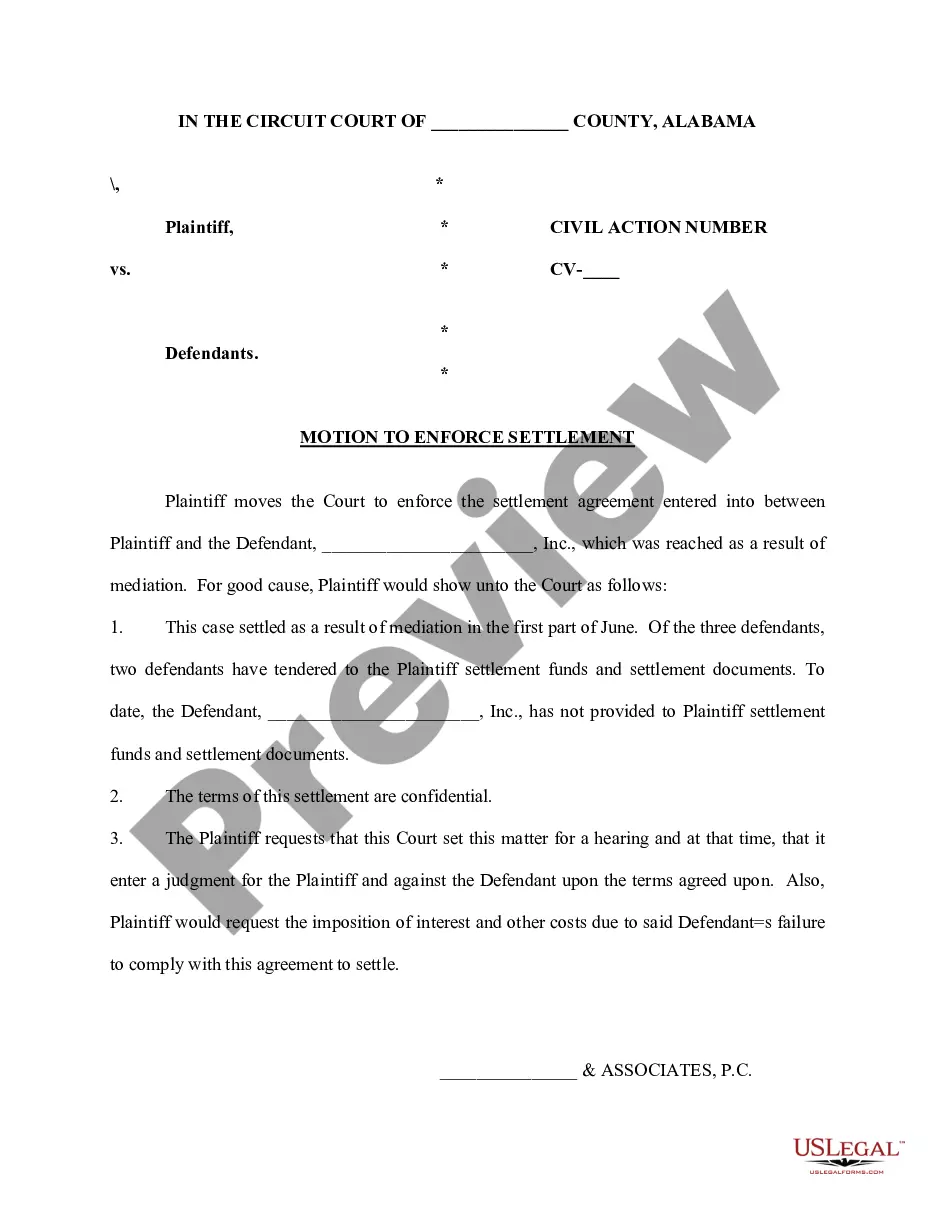
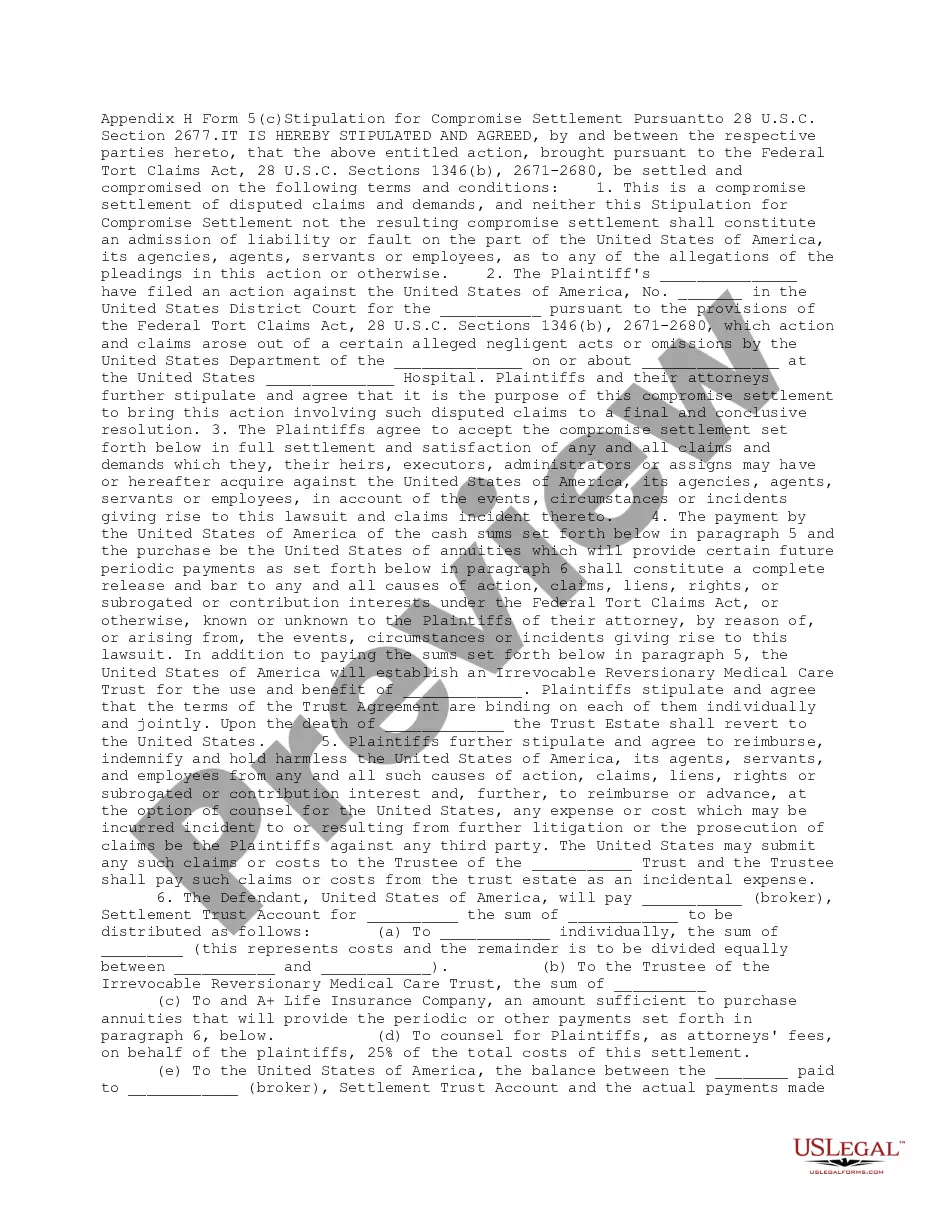
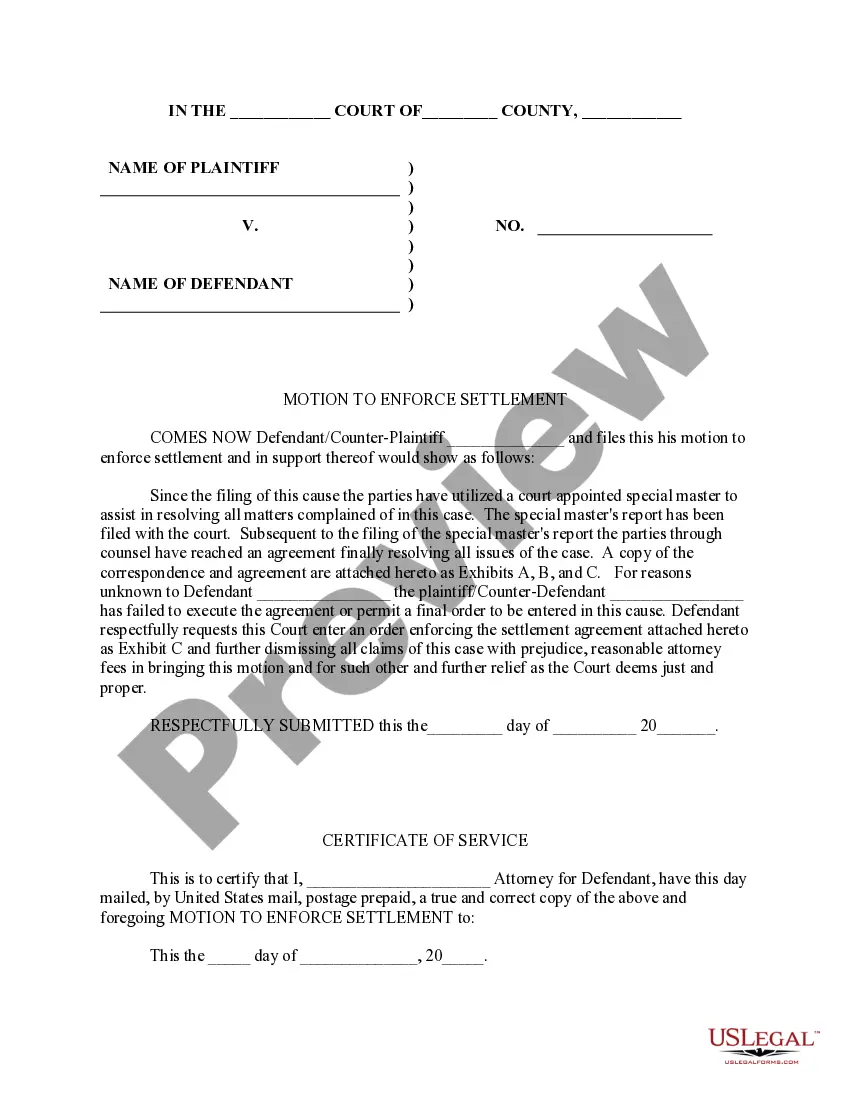
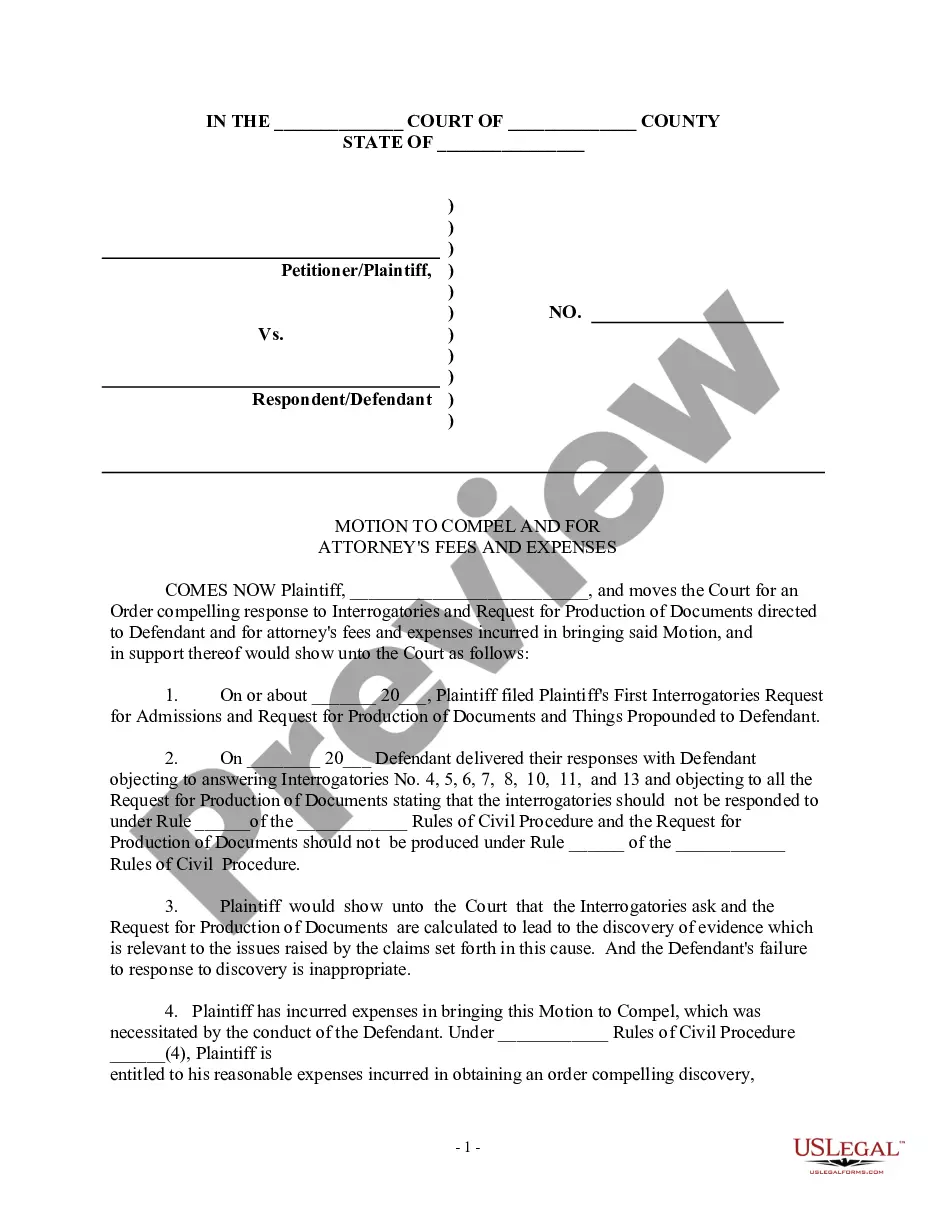
The Motion to Enforce Settlement is a legal document filed in circuit court to compel compliance with a settlement agreement that was previously reached during mediation. This motion specifically requests the court to enforce the terms of the agreement, including the collection of any owed interest and costs due to non-compliance by the other party. Unlike other legal motions, this document focuses on upholding a mediated settlement, making it essential in situations where one party fails to fulfill their obligations after mediation has concluded.
What’s included in this form
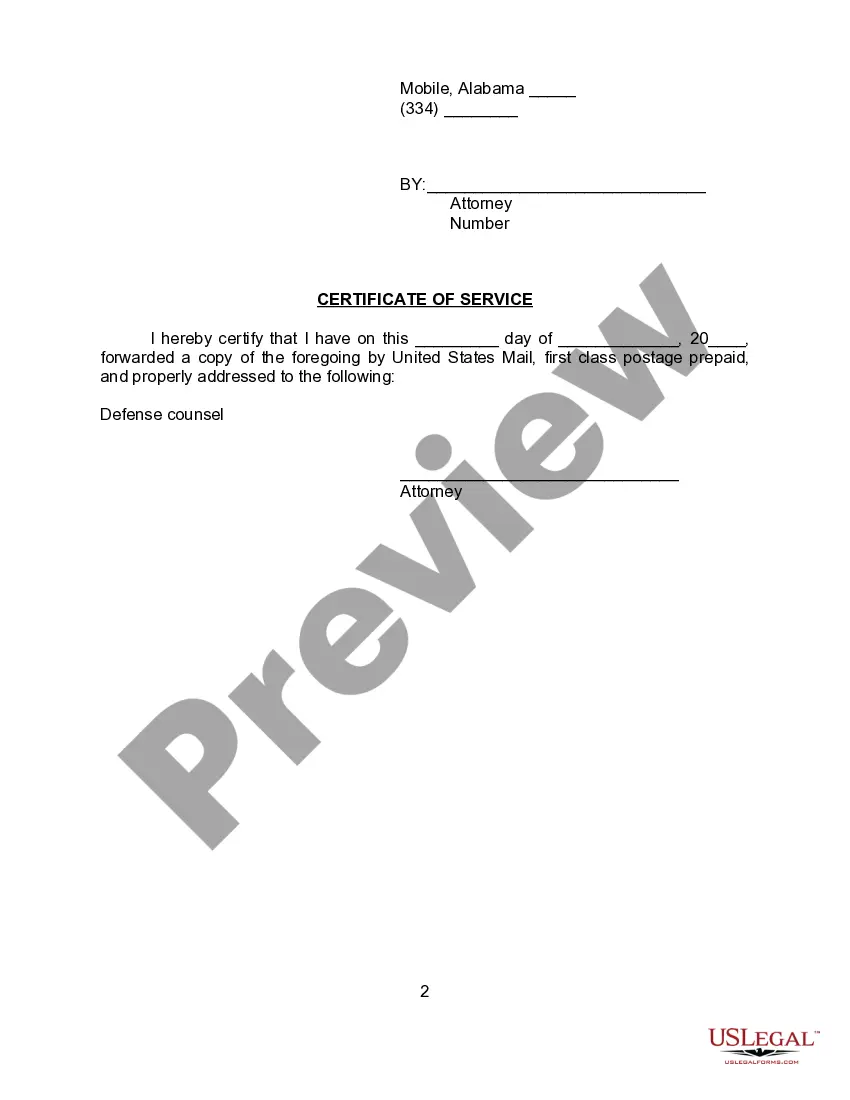
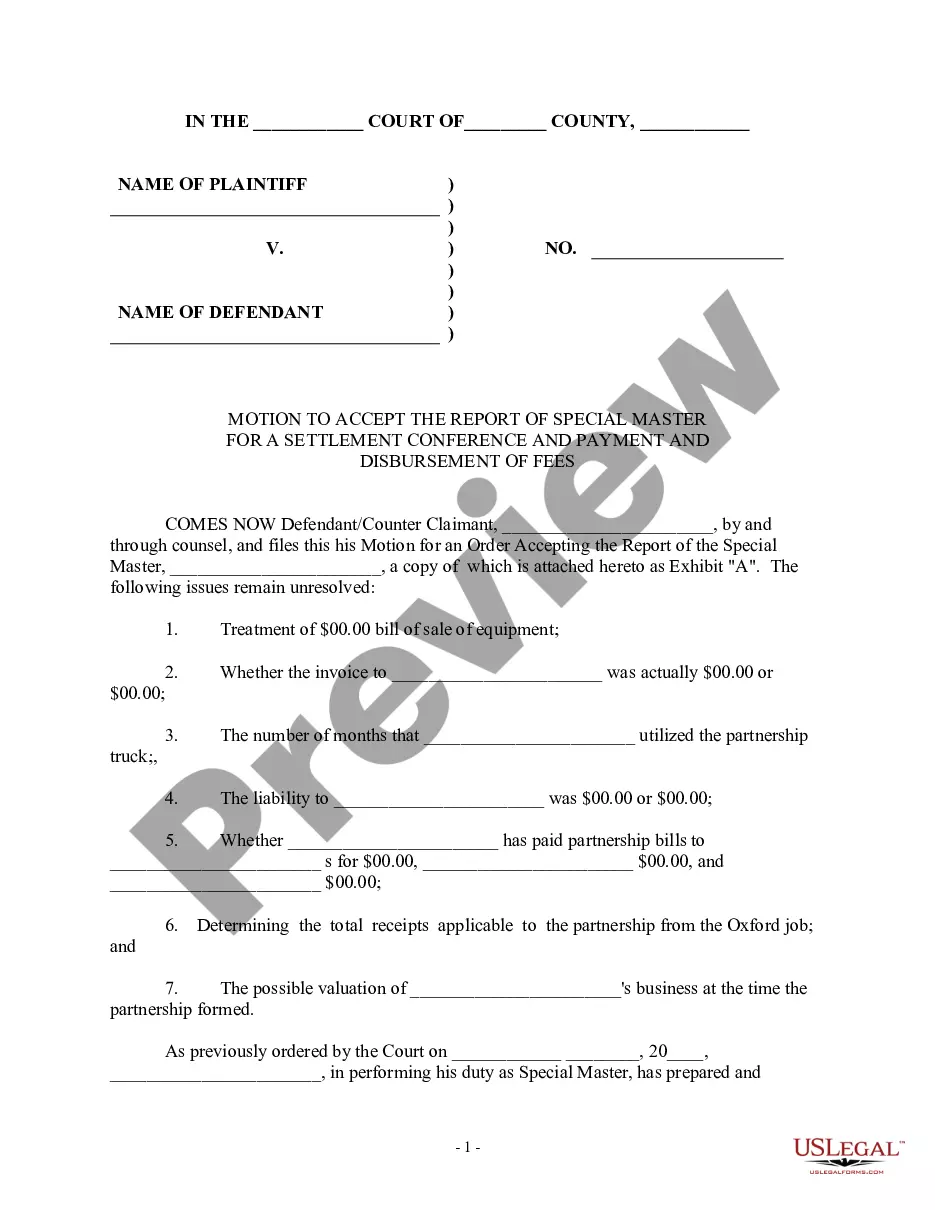
- Caption: Identifies the parties involved and the civil action number.
- Motion Statement: States the request to the court to enforce the settlement agreement.
- Facts Supporting Motion: Details the timeline and parties' compliance with the settlement.
- Request for Hearing: Asks the court to schedule a hearing regarding enforcement.
- Certificate of Service: Confirms that the motion has been sent to the opposing partyâs counsel.

When to use this form
This form is typically used when a party involved in a mediation has failed to comply with the settlement terms agreed upon by both sides. It is appropriate when the plaintiff has received settlement agreements from some defendants, but not from a specific defendant, requiring legal action to enforce the settlement. Use this form to ensure the court acknowledges the agreement and assists in rectifying any non-compliance.
Intended users of this form
- Parties who have successfully mediated a settlement agreement.
- Plaintiffs whose settlement terms have not been followed by one or more defendants.
- Individuals seeking to enforce their legal rights and obtain owed compensation after mediation.
- Attorneys representing clients in civil cases where a settlement agreement is in dispute.
Completing this form step by step
- Identify the parties: Clearly state the names of the plaintiff and defendant.
- Provide the civil action number: Ensure you include the correct case number for court reference.
- Summarize the facts: Detail when the settlement was reached and the non-compliance issues.
- Request for a hearing: Indicate that you would like the court to schedule a hearing to resolve the matter.
- Complete the certificate of service: Confirm that you have sent the motion to the opposing counsel.
Does this document require notarization?
This form does not typically require notarization unless specified by local law. However, some jurisdictions may have specific requirements, so it's important to check local regulations to ensure compliance.
Get your form ready online
Our built-in tools help you complete, sign, share, and store your documents in one place.
Make edits, fill in missing information, and update formatting in US Legal Forms—just like you would in MS Word.
Download a copy, print it, send it by email, or mail it via USPS—whatever works best for your next step.
Sign and collect signatures with our SignNow integration. Send to multiple recipients, set reminders, and more. Go Premium to unlock E-Sign.
If this form requires notarization, complete it online through a secure video call—no need to meet a notary in person or wait for an appointment.
We protect your documents and personal data by following strict security and privacy standards.

Make edits, fill in missing information, and update formatting in US Legal Forms—just like you would in MS Word.

Download a copy, print it, send it by email, or mail it via USPS—whatever works best for your next step.

Sign and collect signatures with our SignNow integration. Send to multiple recipients, set reminders, and more. Go Premium to unlock E-Sign.

If this form requires notarization, complete it online through a secure video call—no need to meet a notary in person or wait for an appointment.

We protect your documents and personal data by following strict security and privacy standards.
Mistakes to watch out for
- Failing to include the correct civil action number.
- Not providing sufficient details about the non-compliance.
- Neglecting to sign the motion or complete the certificate of service.
- Using vague language that does not clearly outline the request for enforcement.
Why complete this form online
- Convenient access: Download and complete the form at your own pace.
- Easy editability: Utilize templates that can be customized to fit your specific situation.
- Reliable resources: Drafted by licensed attorneys, ensuring legal accuracy and compliance.
Looking for another form?
Form popularity
FAQ
In most cases, the parties enter into an agreement settling their dispute before the court issues a final judgment in the case.
The agreement contains a provision which permits rescission. The other party allows you to rescind.
Settlement agreements are legally binding contracts. Settlement agreements (commonly known as compromise agreements prior to 2013) are legally binding contracts. They are drawn up to remove employees' rights to bring a claim arising out of their contracts of employment to an Employment Tribunal or other court.
It is possible to back out of a settlement agreement if both parties consent and it has not been incorporated into a court order. However, the issue arises if the other party does not agree.The settlement agreement can be voided if it was formed through fraud or misrepresentation.
Yes, generally an employer can withdraw a settlement offer at any stage before a binding settlement agreement is signed by the parties. This guide is for the purpose of information only and is not intended to replace, or to constitute, legal or professional advice.
Even when there has been a meeting of the minds sufficient to give rise to an enforceable contract, a settlement agreement can be rescinded for all the same reasons that any contract can be rescinded.
You can overturn a settlement agreement by demonstrating that the settlement is defective. A settlement agreement may be invalid if it's made under fraud or duress. A mutual mistake or a misrepresentation by the other party can also be grounds to overturn a settlement agreement.
Most often it will be from a qualified lawyer, but it could also be a trade union rep or advice worker who are authorised to advise on settlement agreements.