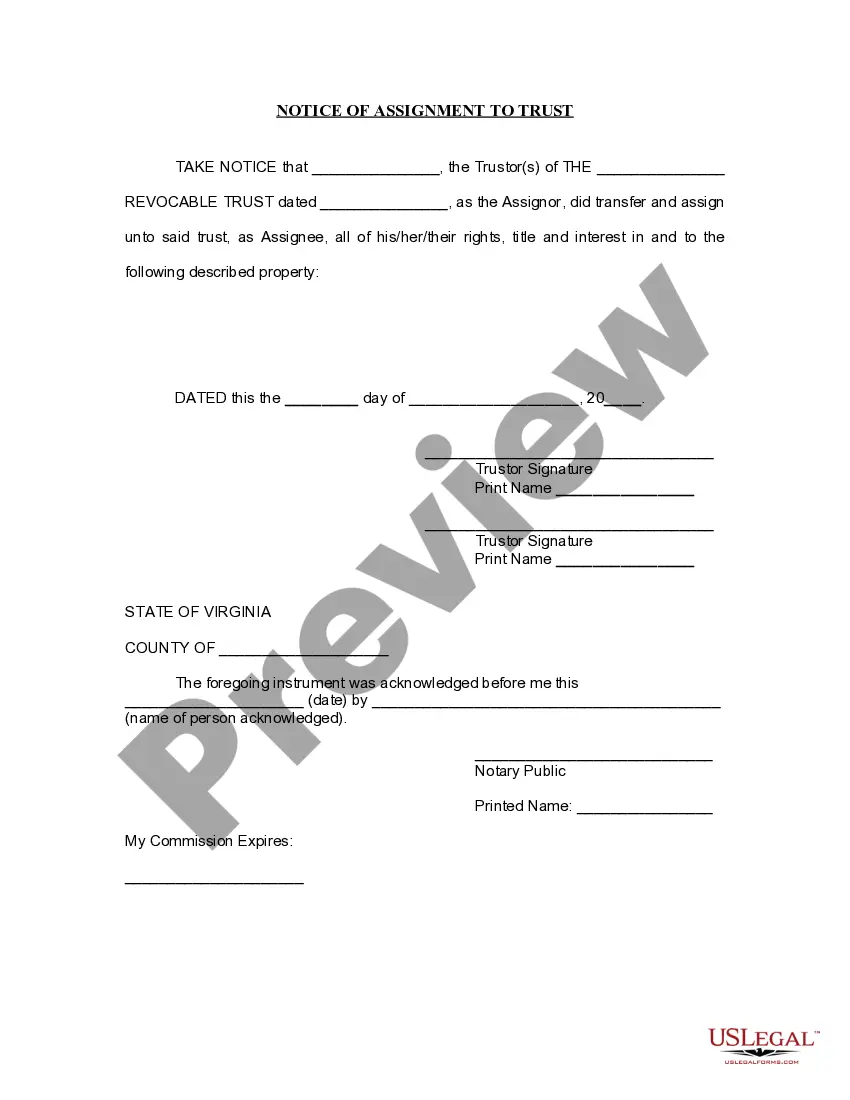
Revocable Living Trust Form For Nevada
Description
Get your form ready online
Our built-in tools help you complete, sign, share, and store your documents in one place.
Make edits, fill in missing information, and update formatting in US Legal Forms—just like you would in MS Word.
Download a copy, print it, send it by email, or mail it via USPS—whatever works best for your next step.
Sign and collect signatures with our SignNow integration. Send to multiple recipients, set reminders, and more. Go Premium to unlock E-Sign.
If this form requires notarization, complete it online through a secure video call—no need to meet a notary in person or wait for an appointment.
We protect your documents and personal data by following strict security and privacy standards.

Make edits, fill in missing information, and update formatting in US Legal Forms—just like you would in MS Word.

Download a copy, print it, send it by email, or mail it via USPS—whatever works best for your next step.

Sign and collect signatures with our SignNow integration. Send to multiple recipients, set reminders, and more. Go Premium to unlock E-Sign.

If this form requires notarization, complete it online through a secure video call—no need to meet a notary in person or wait for an appointment.

We protect your documents and personal data by following strict security and privacy standards.
Looking for another form?






How to fill out Virginia Notice Of Assignment To Living Trust?
Whether for corporate objectives or personal issues, everyone must confront legal circumstances at some point in their lives.
Completing legal documents demands meticulous focus, starting from choosing the right form template.
With an extensive US Legal Forms catalog available, you need not waste time searching for the correct template online. Leverage the library’s straightforward navigation to locate the suitable template for any occasion.
- Obtain the template you need via the search bar or catalog browsing.
- Review the form’s details to confirm it fits your case, jurisdiction, and locality.
- Click on the form’s preview to inspect it.
- If it is the incorrect form, return to the search feature to find the Revocable Living Trust Form For Nevada example you require.
- Acquire the template once it meets your needs.
- If you already possess a US Legal Forms account, simply click Log in to reach previously saved documents in My documents.
- If you do not have an account yet, you may download the form by clicking Buy now.
- Select the appropriate pricing option.
- Fill out the account registration form.
- Choose your payment method: use a credit card or PayPal account.
- Select the file format you prefer and download the Revocable Living Trust Form For Nevada.
- Once saved, you can complete the form using editing software or print it out and fill it in by hand.
Form popularity
FAQ
Completing a revocable living trust involves filling out the revocable living trust form for Nevada accurately and thoroughly. After you complete the form, you must sign it in front of a notary to make it legally binding. Next, you need to fund the trust by transferring your assets into it. This step is vital to ensure that the trust functions as intended and protects your assets.
Yes, you can write your own trust in Nevada as long as you follow the state’s legal requirements. However, it's crucial to ensure that the trust meets all necessary regulations to be valid. Utilizing a revocable living trust form for Nevada from sources like US Legal Forms can simplify this process by providing a template that meets legal standards, giving you peace of mind.
While a revocable living trust offers many benefits, it also has some downsides to consider. One disadvantage is that establishing the trust requires some upfront costs, including potential legal fees. Additionally, a revocable living trust does not provide asset protection from creditors. It's important to weigh these factors against the benefits of a revocable living trust form for Nevada to make an informed decision.
Creating a revocable living trust in Nevada involves several key steps. First, you need to decide on the assets you want to include in the trust. Next, you will need a revocable living trust form for Nevada, which can be obtained online or through legal services like US Legal Forms. Once you complete the form and sign it in front of a notary, you will also need to transfer your assets into the trust to ensure they are managed according to your wishes.
To transfer real property into your Trust, a new deed reflecting the name of the Trust must be executed, notarized and recorded with the County Recorder in the County where the property is located. Care must be taken that the exact legal description in the existing deed appears on the new deed.
The short answer is no. One of the great benefits of a living trust in this era ? where is it difficult to keep anything private and out of the public domain ? is that a living trust is confidential. It does not need to be recorded, filed, or registered except in certain circumstances discussed below.
To make a living trust in Nevada, you: Choose whether to make an individual or shared trust. Decide what property to include in the trust. Choose a successor trustee. Decide who will be the trust's beneficiaries?that is, who will get the trust property. Create the trust document.
Living Trusts Are Private, Usually In contrast to a will, trusts generally remain private. Unless there is litigation, a trust is not filed or recorded anywhere.
Creating a living trust in Nevada is accomplished when you do two things. You must sign the trust document before a notary. Secondly, you must fund the trust by transferring ownership of your assets to its name. This last step is crucial for the trust to be effective.