Supplementary
Description

Get your form ready online
Our built-in tools help you complete, sign, share, and store your documents in one place.
Make edits, fill in missing information, and update formatting in US Legal Forms—just like you would in MS Word.
Download a copy, print it, send it by email, or mail it via USPS—whatever works best for your next step.
Sign and collect signatures with our SignNow integration. Send to multiple recipients, set reminders, and more. Go Premium to unlock E-Sign.
If this form requires notarization, complete it online through a secure video call—no need to meet a notary in person or wait for an appointment.
We protect your documents and personal data by following strict security and privacy standards.

Make edits, fill in missing information, and update formatting in US Legal Forms—just like you would in MS Word.

Download a copy, print it, send it by email, or mail it via USPS—whatever works best for your next step.

Sign and collect signatures with our SignNow integration. Send to multiple recipients, set reminders, and more. Go Premium to unlock E-Sign.

If this form requires notarization, complete it online through a secure video call—no need to meet a notary in person or wait for an appointment.

We protect your documents and personal data by following strict security and privacy standards.
Looking for another form?
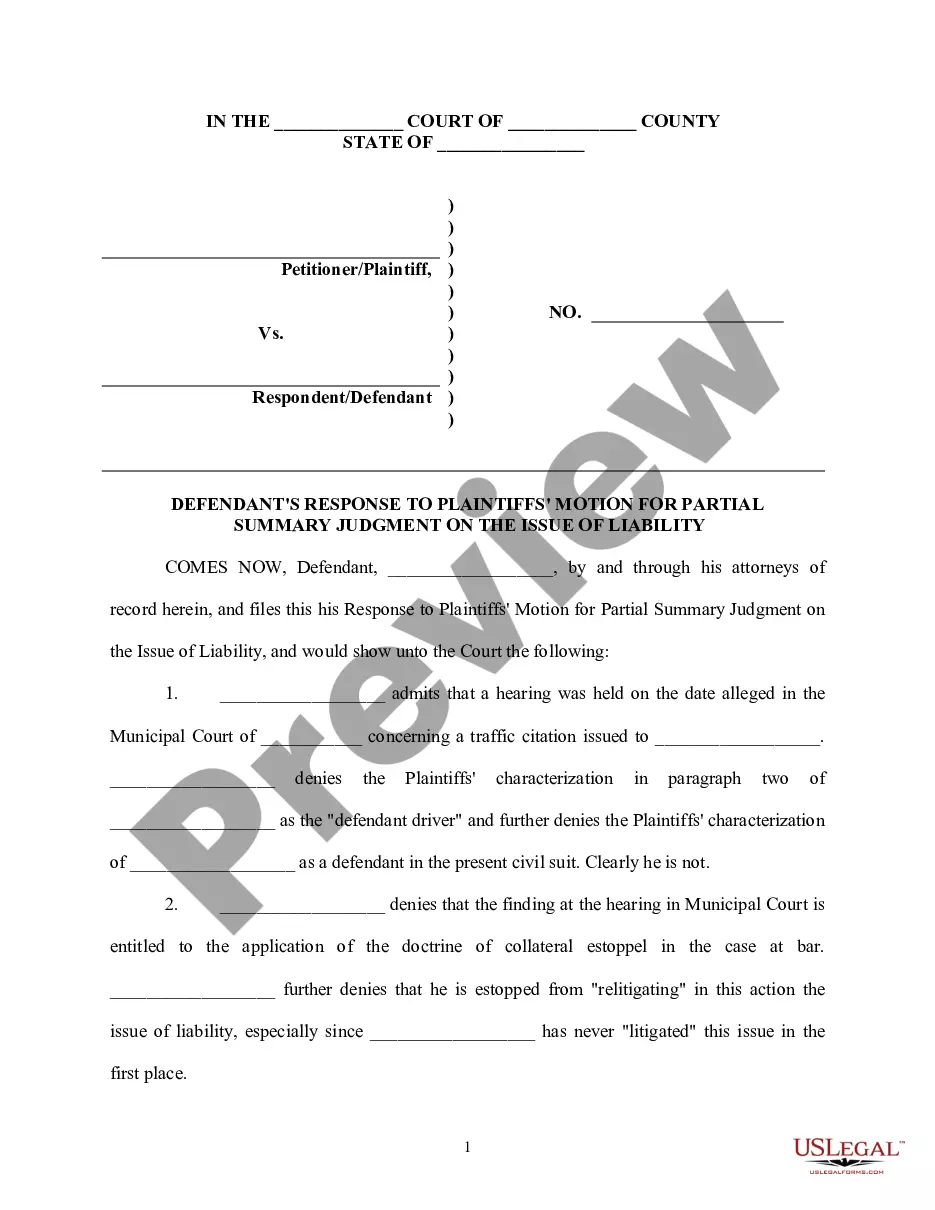

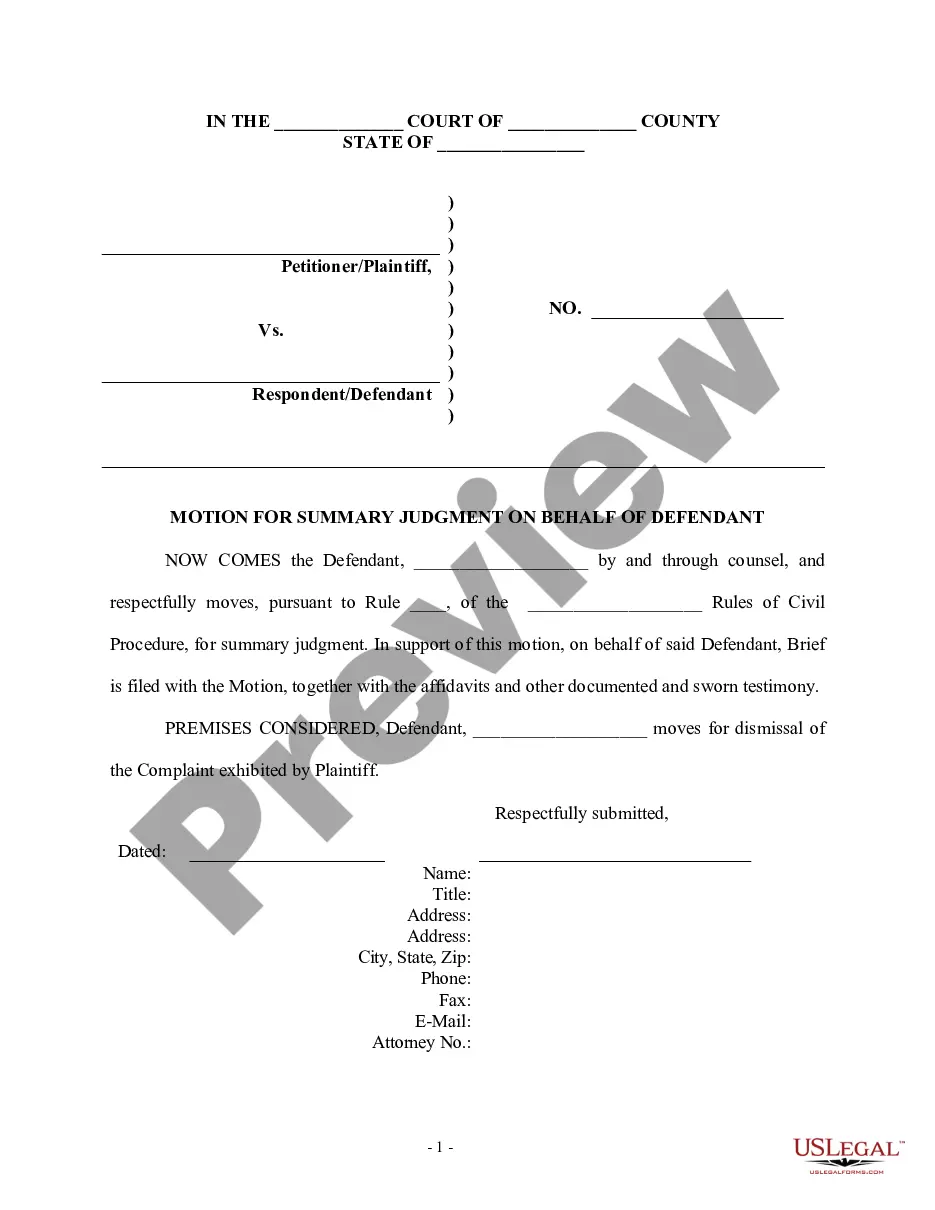
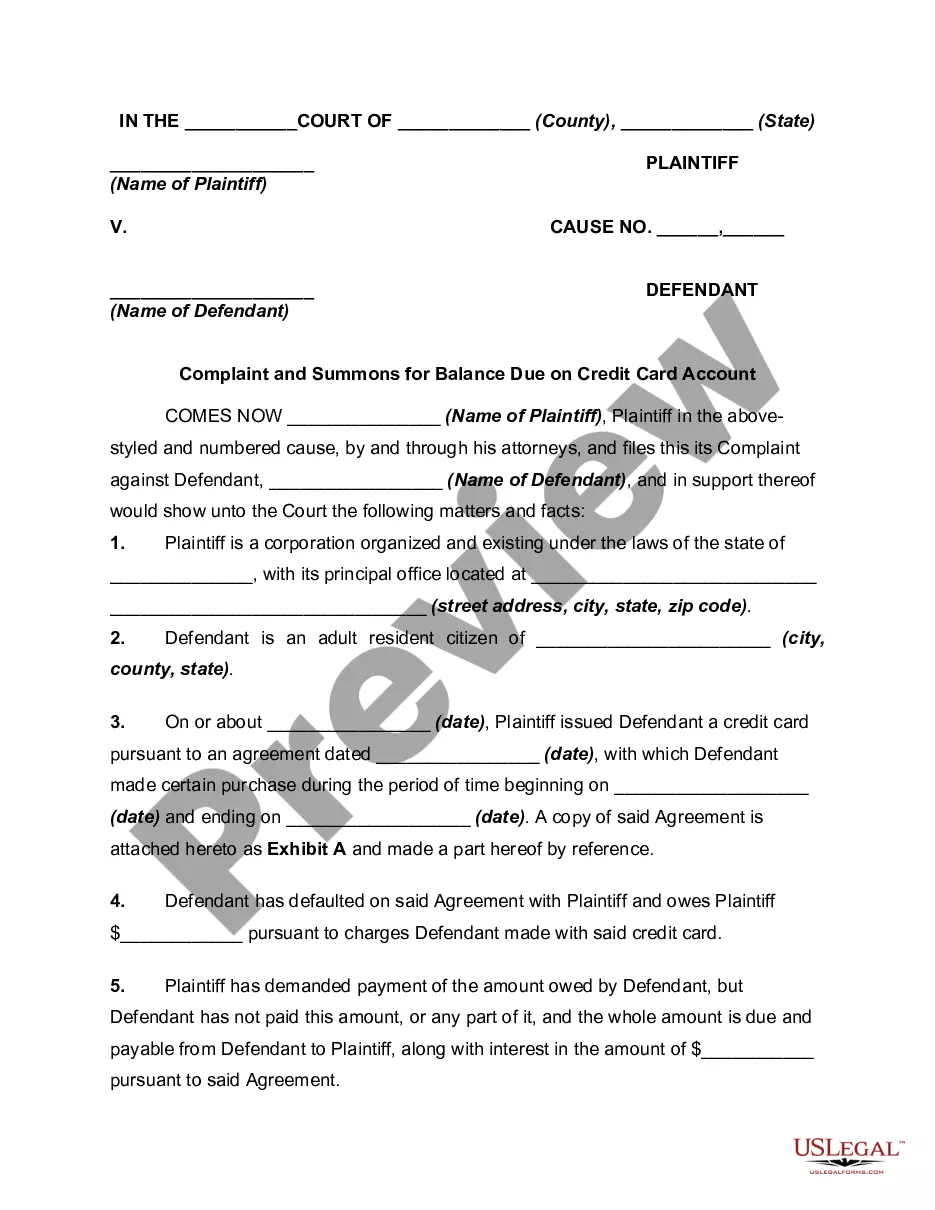
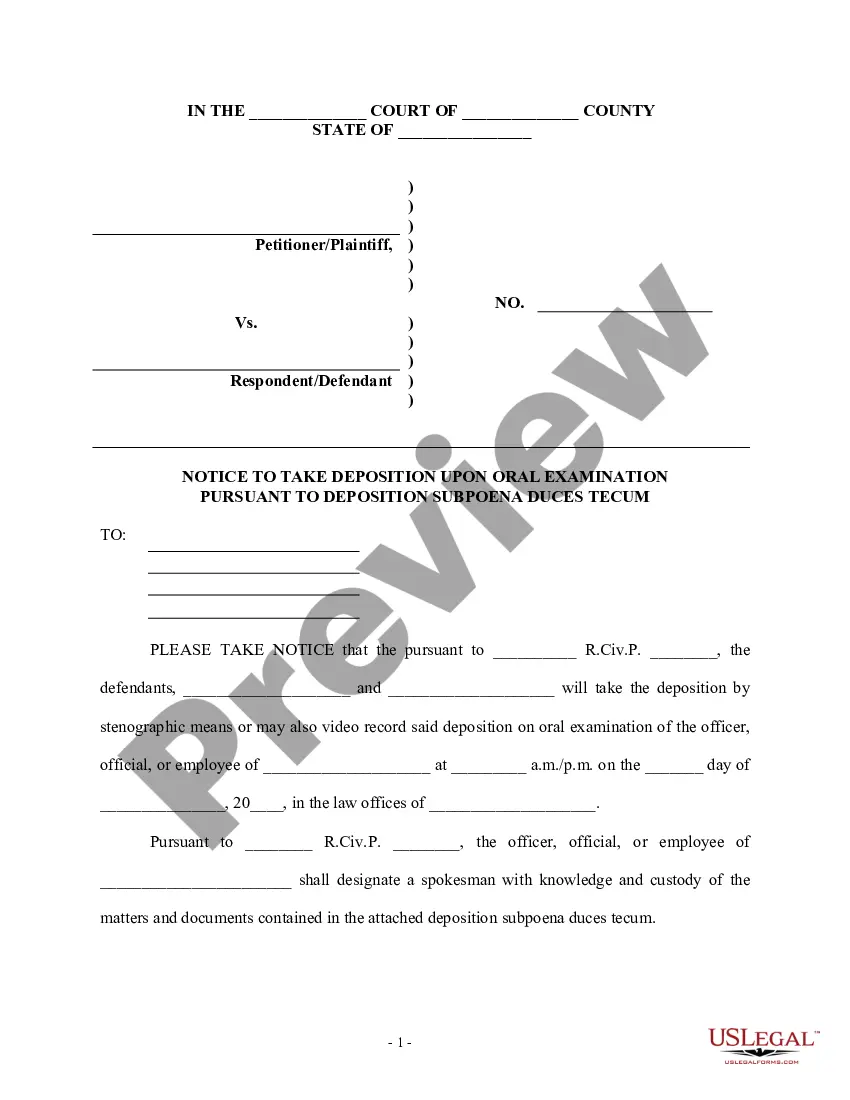
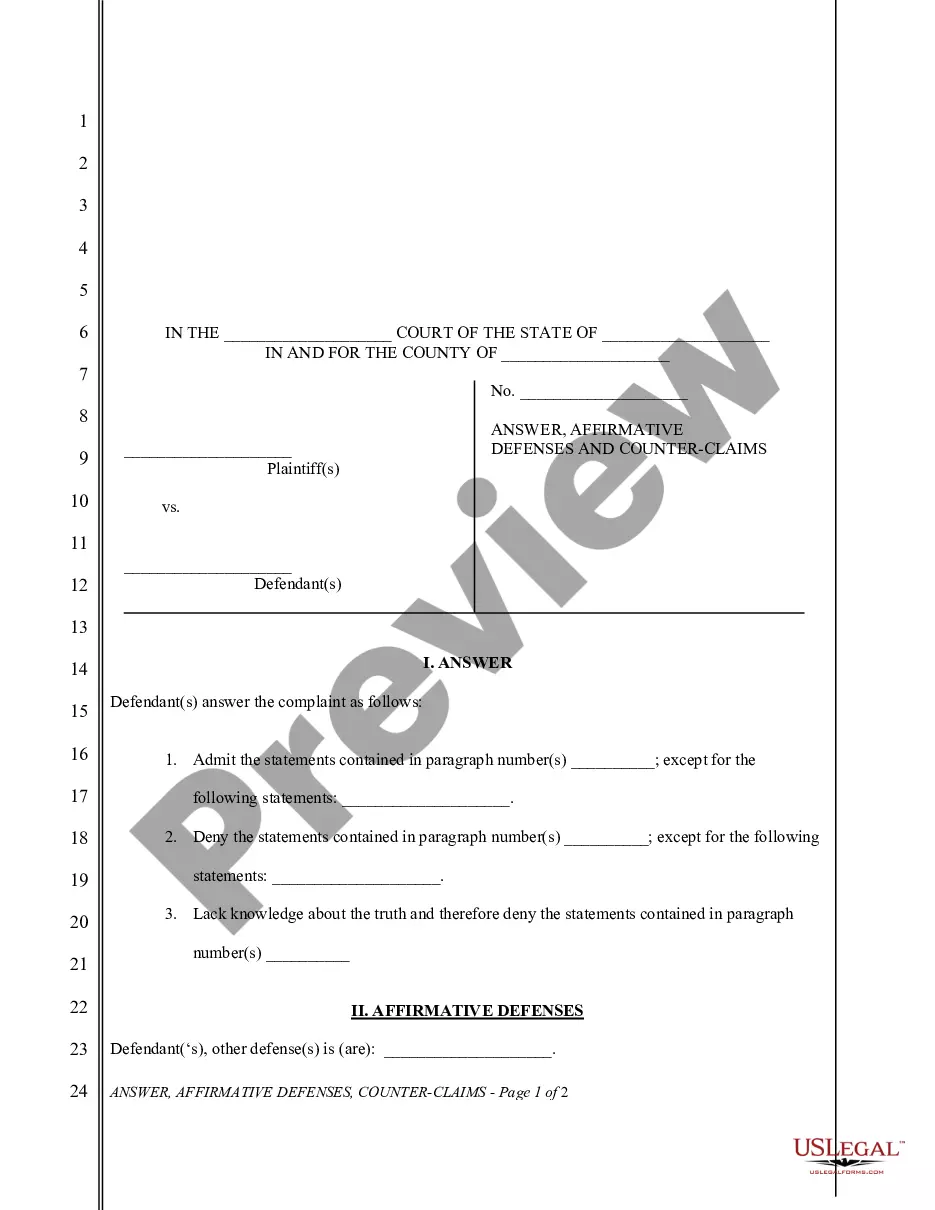

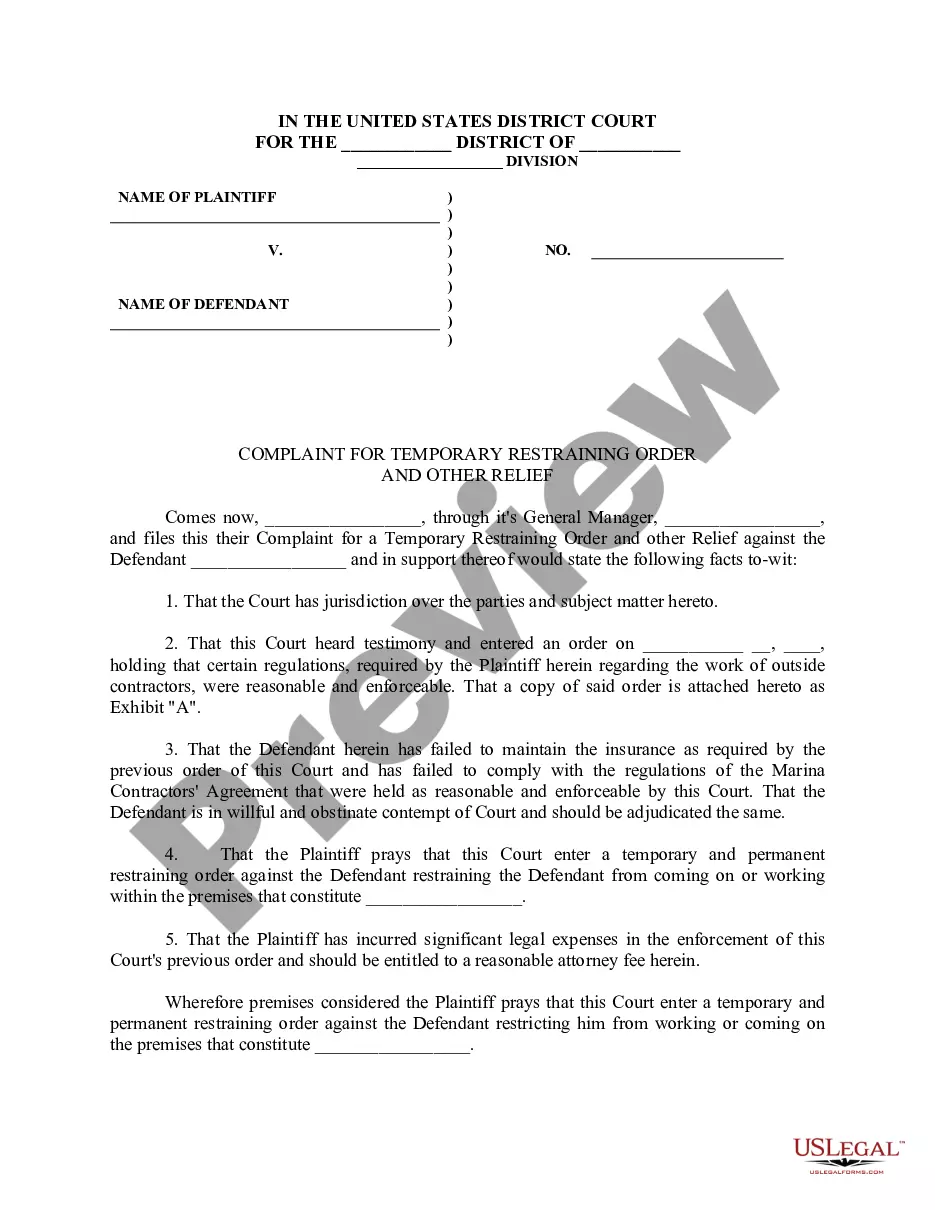
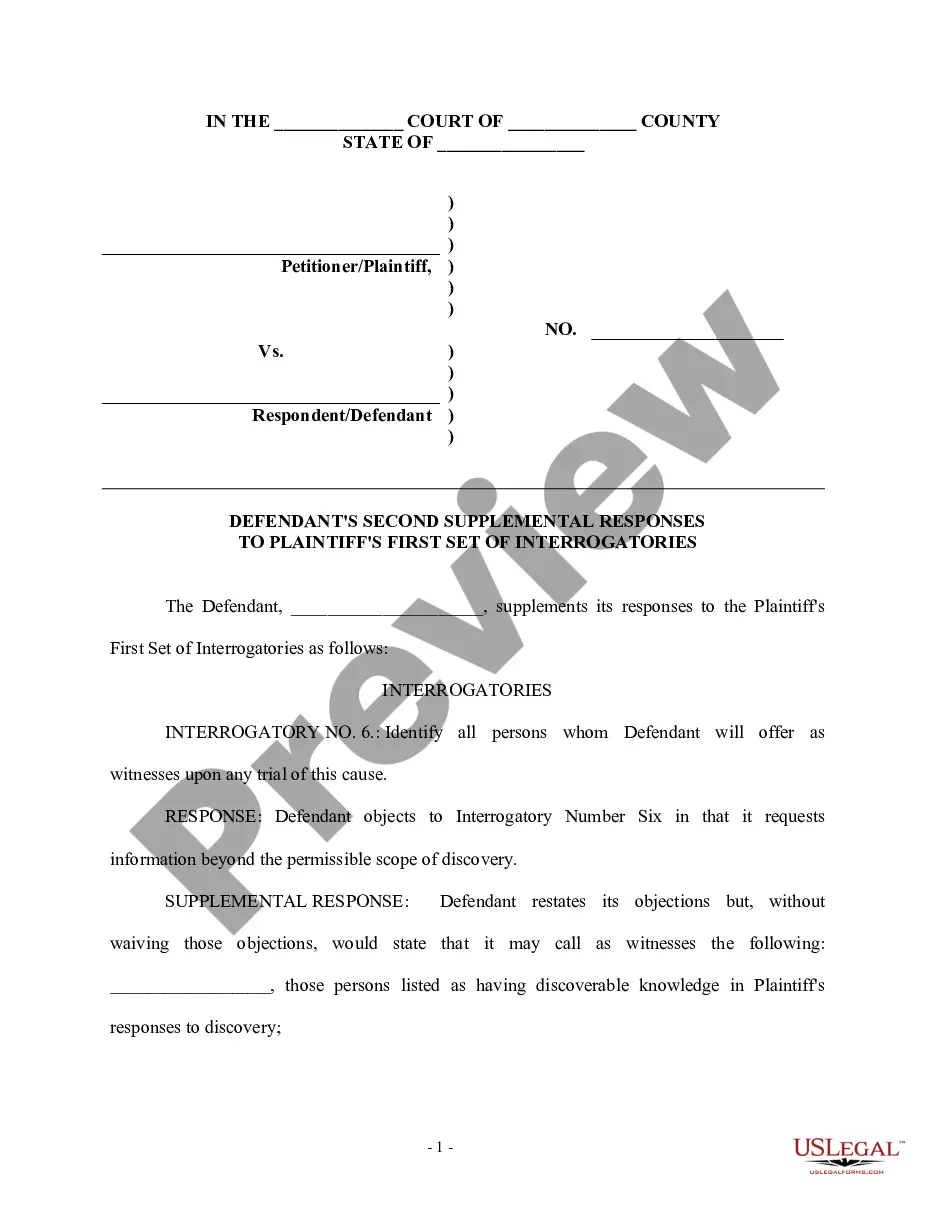
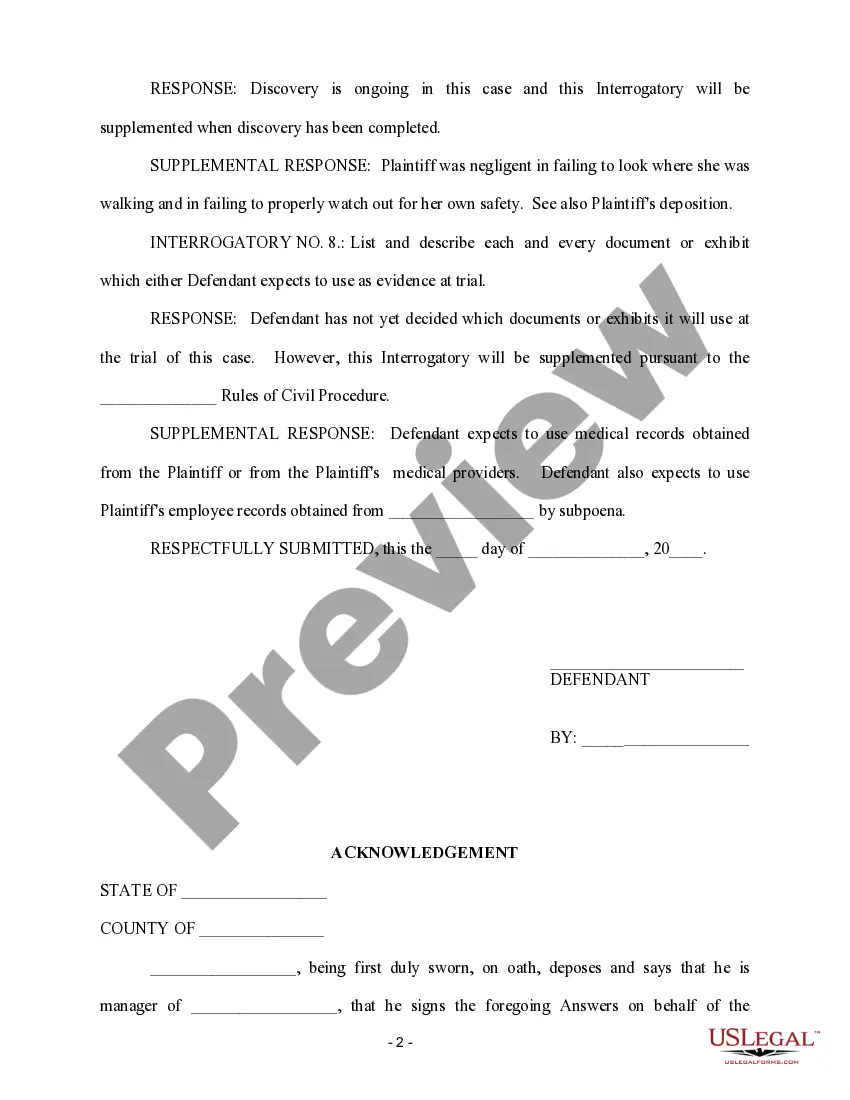
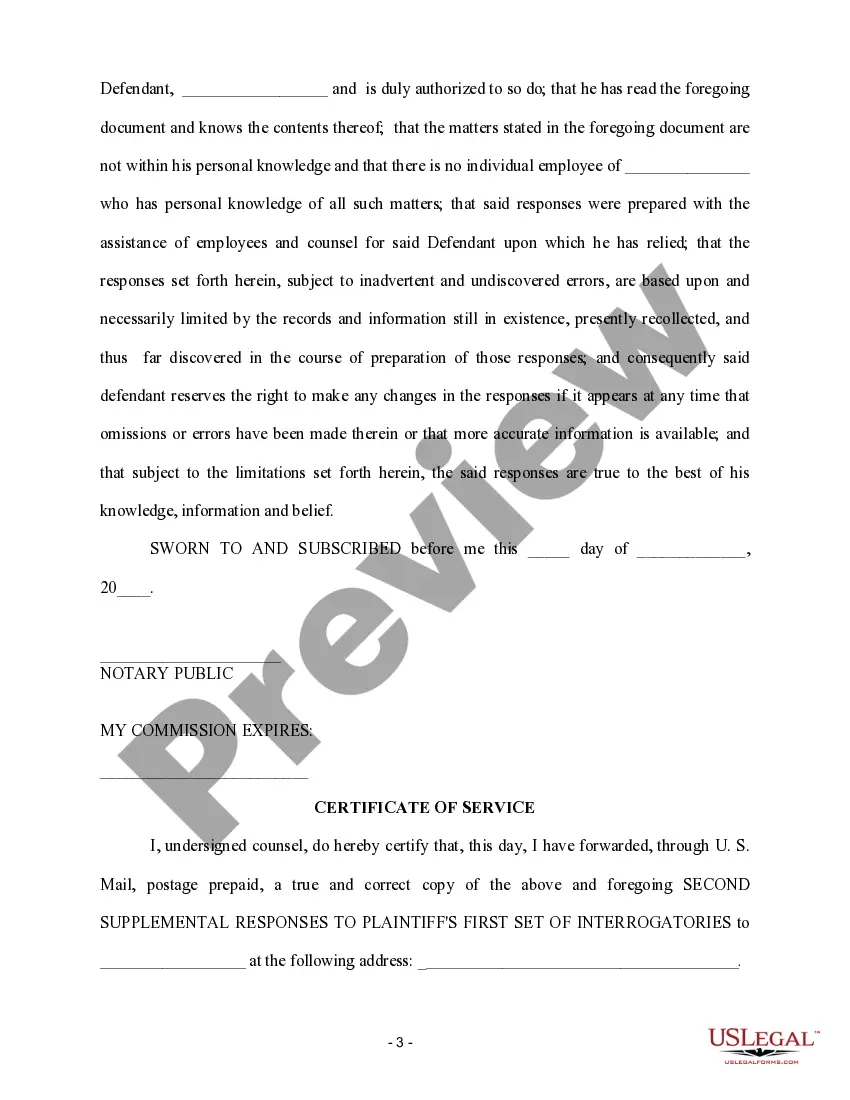
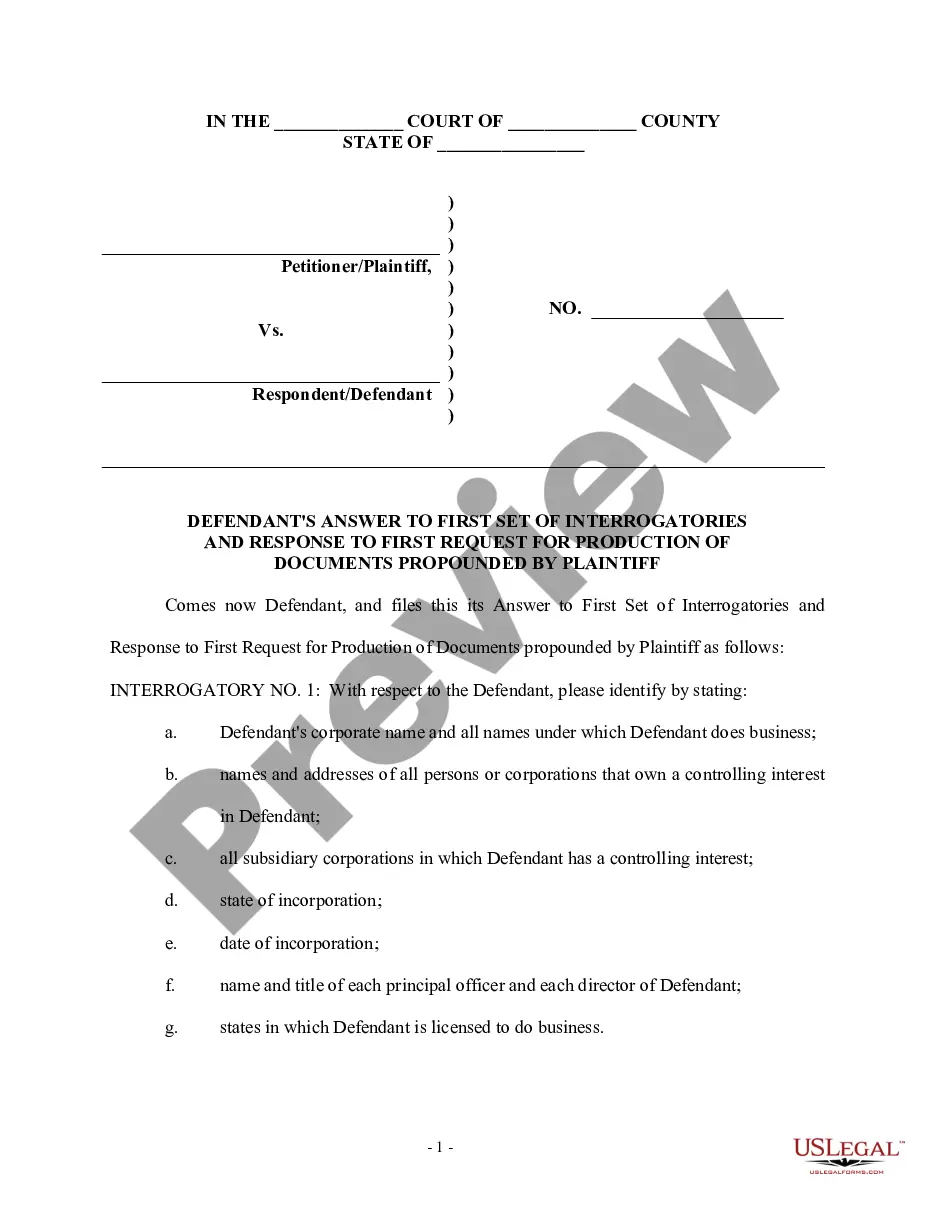
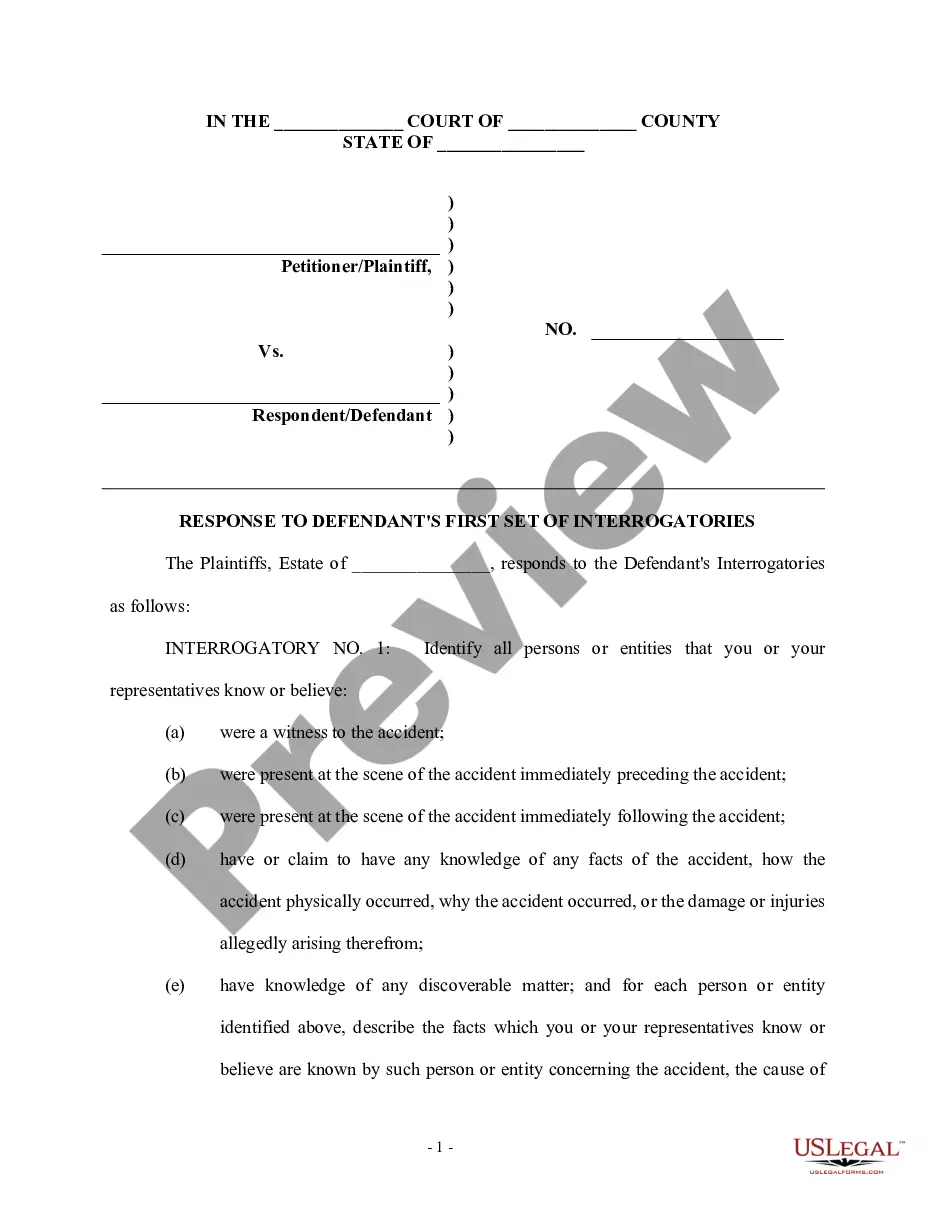
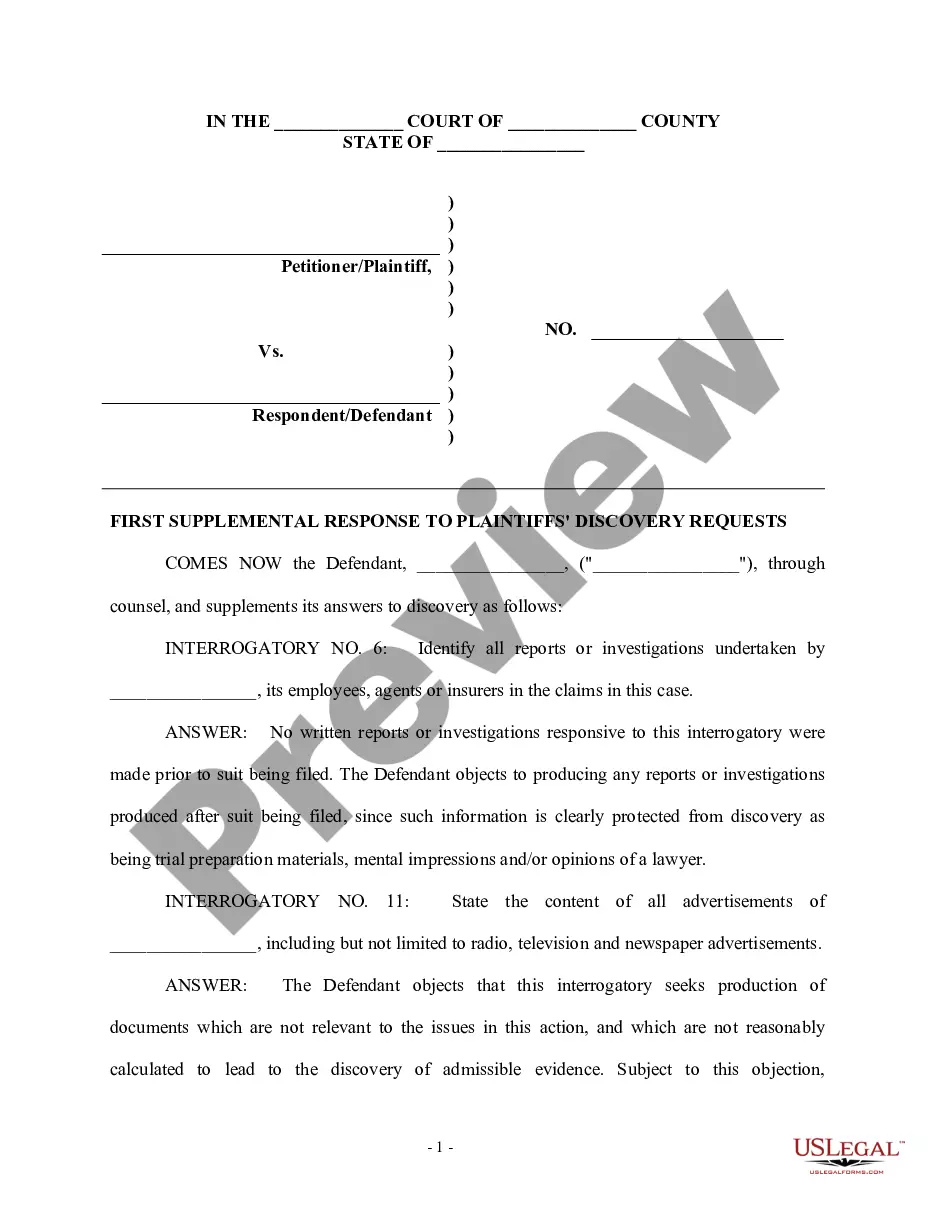
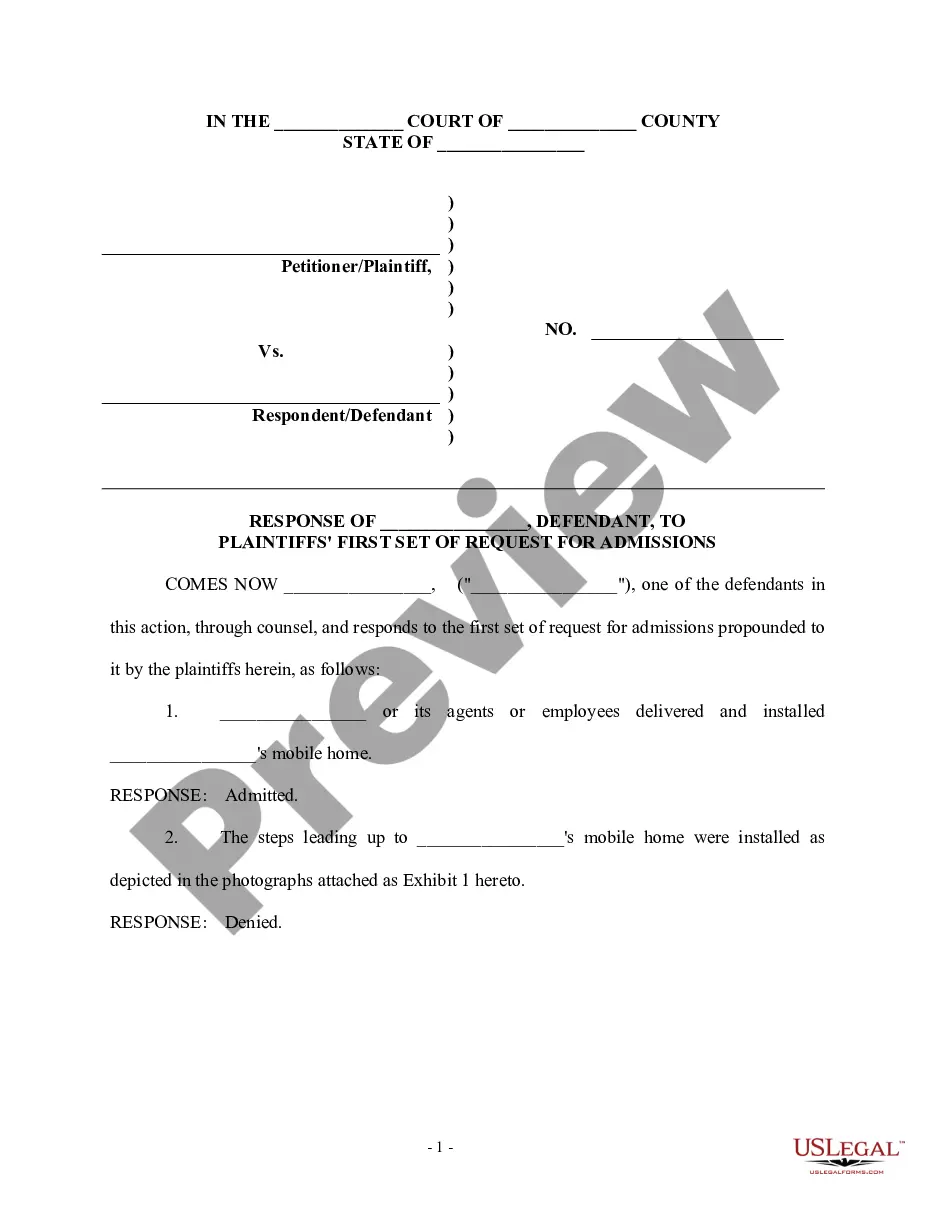
How to fill out Second Supplemental Responses To Plaintiff's First Set Of Interrogatories?
- For existing users, log in to your account and click the Download button for your required form template. Confirm your subscription is active; if not, please renew accordingly.
- If you are new to US Legal Forms, start by previewing the available forms and their descriptions to find the one that meets your local jurisdictional needs.
- If you notice any discrepancies, utilize the Search feature to find the appropriate document that fits your criteria.
- To purchase your selected document, click on the Buy Now button, choose your preferred subscription plan, and create an account to access the library.
- After purchasing, enter your payment information through credit card or your PayPal account to finalize the subscription.
- Once payment is confirmed, download your form template directly to your device and store it safely for future reference in the My Forms section of your account.
In conclusion, US Legal Forms empowers users with a comprehensive library that exceeds competitors in quantity and quality for legal documentation, backed by expert assistance.
Get started with US Legal Forms today and make your legal processing straightforward and efficient!
Form popularity
FAQ
If something is supplemental, it means it serves to add or support additional information. This term is often used interchangeably with supplementary, particularly in legal documents. Understanding both terms helps clarify their importance in creating thorough agreements on platforms like US Legal Forms.
When they are supplementary, it means that they provide additional information or support to the primary subject. In legal contexts, supplementary materials often enhance understanding and ensure completeness. This approach is crucial for creating strong, clear agreements.
A supplementary term refers to an additional clause or idea that clarifies or adds to the main subject. In legal documents, these terms can provide essential insight, ensuring all parties understand the agreement fully. Utilizing supplementary terms can prevent disputes and promote clarity.
No, supplementary does not refer to '180'. Supplementary relates to additional or supportive aspects in various contexts. It is vital to understand its correct application, especially in legal matters, where precise wording can significantly impact agreements.
If something is supplementary, it indicates that it serves to support or complement something else. In legal papers, supplementary clauses or documents can provide important context and detail. This added information helps clarify intentions, reducing potential misunderstandings.
Supplementary can imply extra in certain situations. However, it more precisely denotes components that enhance or complete the primary material, rather than just being surplus. It ensures that the overall information is thorough and robust.
Yes, supplementary indeed means additional. It identifies elements that support or complete another item. In legal contexts, supplementary sections often provide necessary information to ensure clarity and completeness.
Supplementary refers to something that adds to or enhances another element. In various contexts, it provides additional support or information. For instance, in legal terms, supplementary documents can clarify or expand upon a main contract, enhancing its understanding.
Supplemental claims do not always require a Compensation and Pension (C&P) exam, but it can depend on the specifics of your situation. The VA will inform you if an exam is necessary based on the evidence provided in your claim. Consulting the US Legal platform can clarify whether your claim might need this step.
The approval time for a supplemental claim can vary widely, often taking several months. Various factors, such as workload at the reviewing office and complexity of the evidence, can affect the timeline. Keeping track of your claim status through the US Legal platform can provide peace of mind during this waiting period.