Take Deposition Subpoena Duces Tecum With A Case
Description
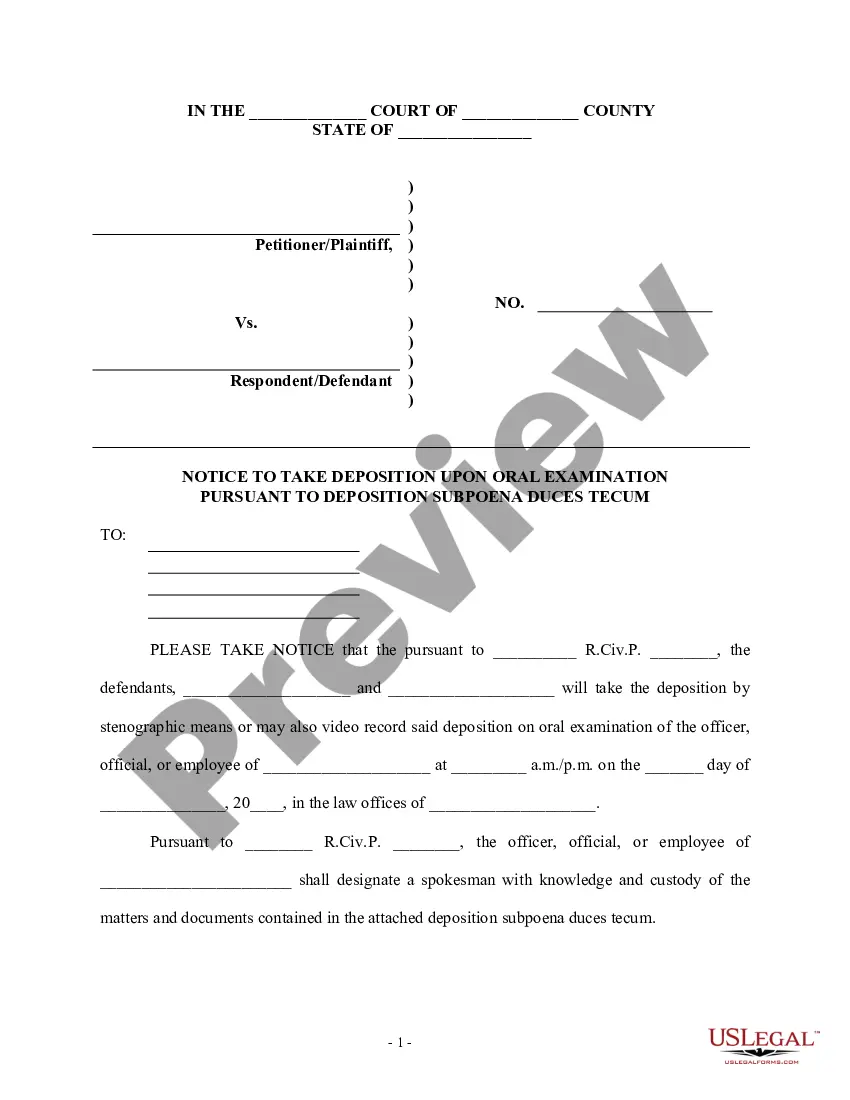
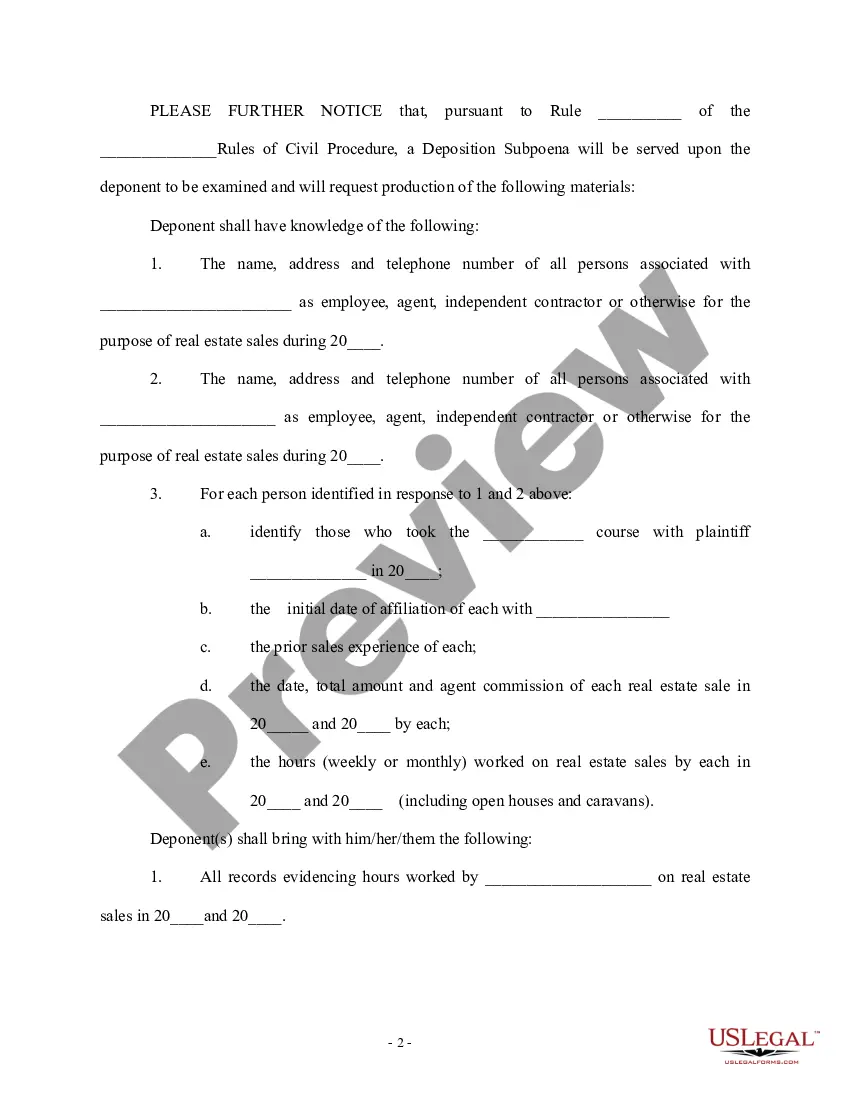
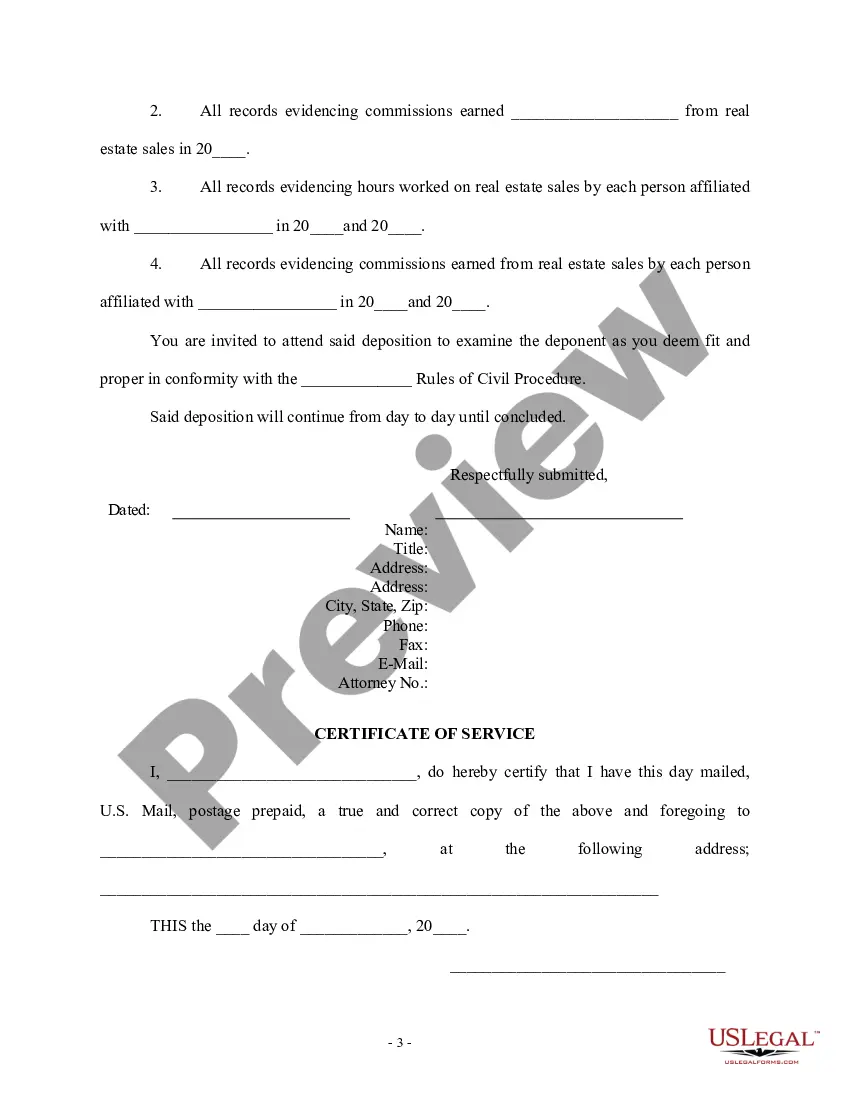
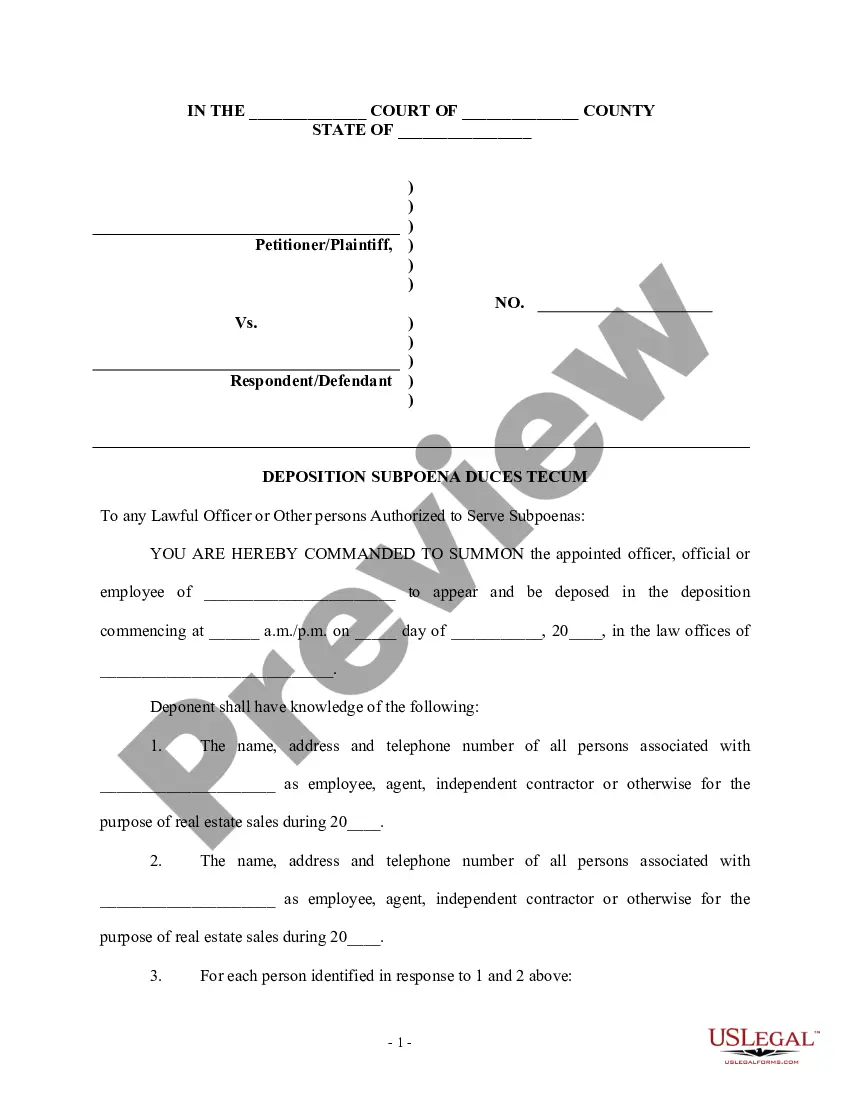
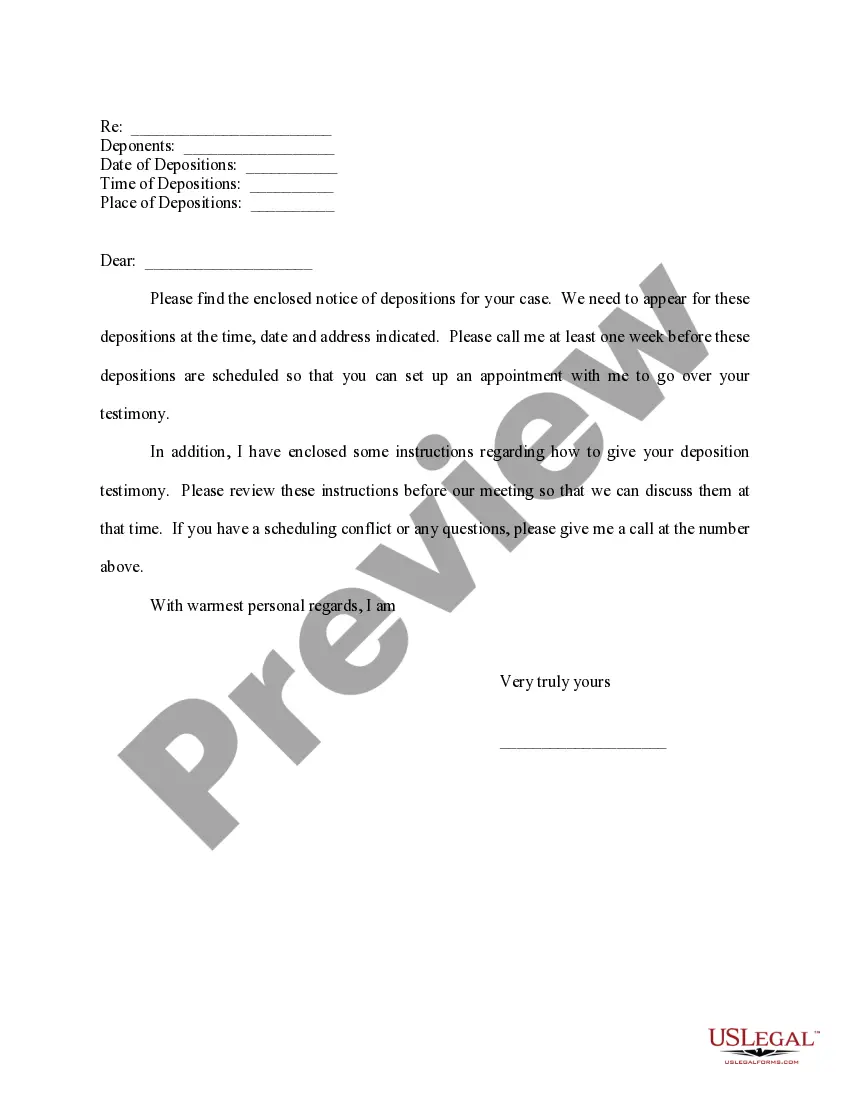
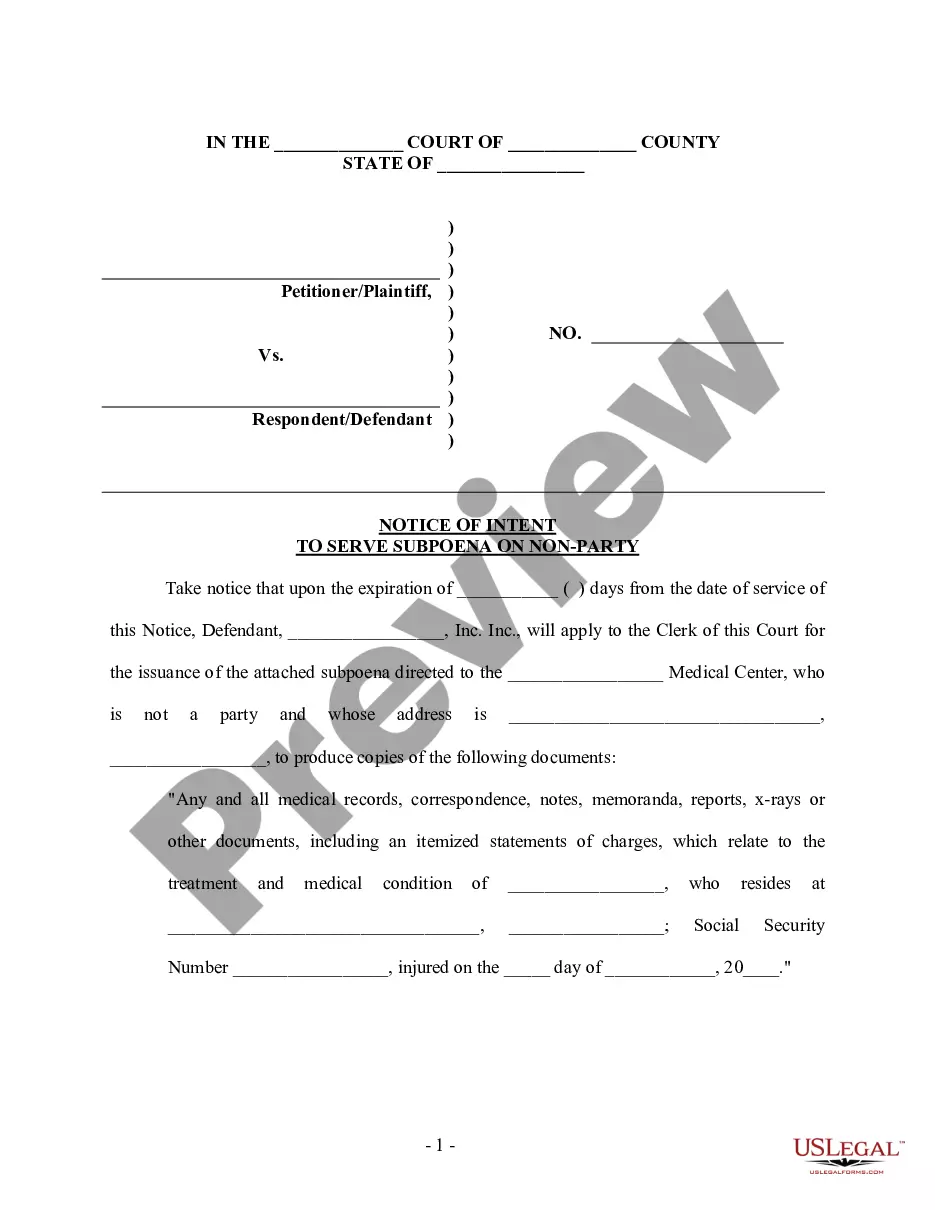
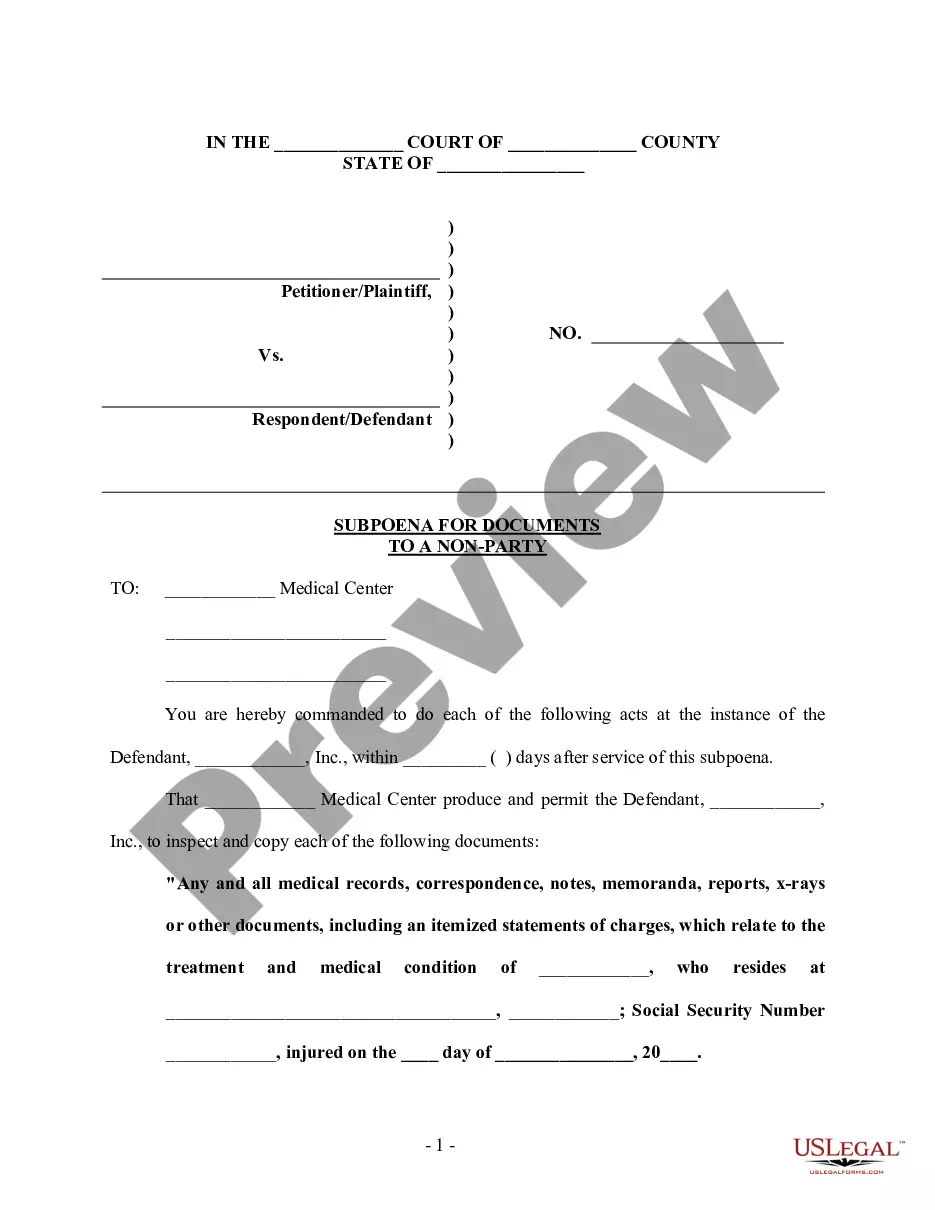
Get your form ready online
Our built-in tools help you complete, sign, share, and store your documents in one place.
Make edits, fill in missing information, and update formatting in US Legal Forms—just like you would in MS Word.
Download a copy, print it, send it by email, or mail it via USPS—whatever works best for your next step.
Sign and collect signatures with our SignNow integration. Send to multiple recipients, set reminders, and more. Go Premium to unlock E-Sign.
If this form requires notarization, complete it online through a secure video call—no need to meet a notary in person or wait for an appointment.
We protect your documents and personal data by following strict security and privacy standards.

Make edits, fill in missing information, and update formatting in US Legal Forms—just like you would in MS Word.

Download a copy, print it, send it by email, or mail it via USPS—whatever works best for your next step.

Sign and collect signatures with our SignNow integration. Send to multiple recipients, set reminders, and more. Go Premium to unlock E-Sign.

If this form requires notarization, complete it online through a secure video call—no need to meet a notary in person or wait for an appointment.

We protect your documents and personal data by following strict security and privacy standards.
Looking for another form?





How to fill out Notice To Take Deposition Subpoena Duces Tecum?
- Log into your US Legal Forms account if you're already a user, and check your subscription status to ensure it's valid.
- If you're a new user, start by accessing the preview mode of the desired document and confirm it aligns with your local jurisdiction's needs.
- Use the Search bar to look for any additional templates that may better suit your requirements if you find discrepancies.
- Click on 'Buy Now' once you have selected the correct document, and choose your preferred subscription plan.
- Complete the transaction by entering your payment details through credit card or PayPal.
- Finally, download the form to your device and access it later in the 'My Forms' section for further editing.
By following these steps, you will successfully obtain a deposition subpoena duces tecum tailored for your case. US Legal Forms not only offers a robust collection, but also connects users with premium experts ensuring documents are both accurate and compliant.
Don't hesitate—visit US Legal Forms today and empower your legal journey with the right tools!
Form popularity
FAQ
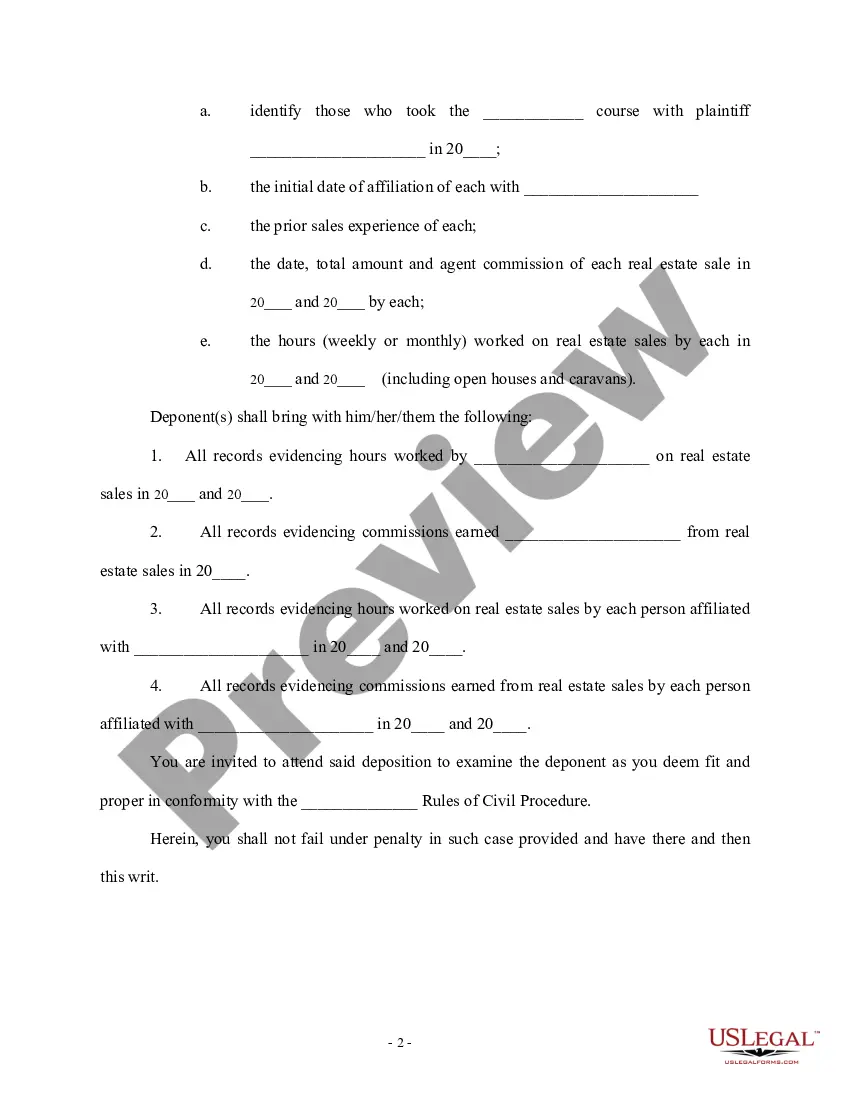
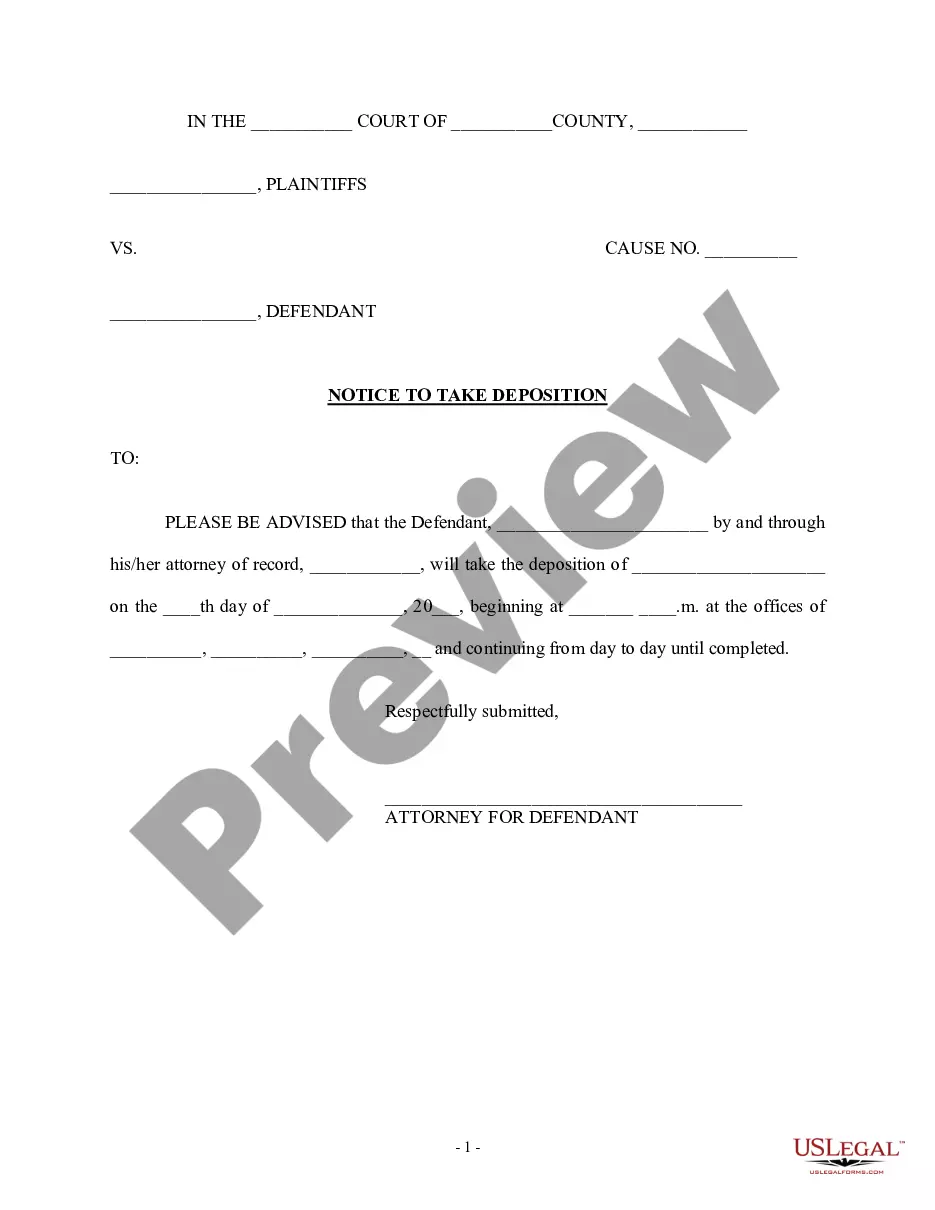
A notice of taking deposition duces tecum is a formal notification that instructs an individual to appear at a deposition and bring specific documents or evidence. This notice supports the legal process by allowing attorneys to gather essential information and records through the deposition. To take deposition subpoena duces tecum with a case, you need to follow the proper legal procedures to ensure that all parties are informed. Utilizing platforms like US Legal Forms can help streamline this process, providing tools and templates that assist in drafting effective notices.
The most common type of subpoena is the testimonial subpoena, which requires a person to appear in court or other legal proceedings. However, when it comes to requesting documents or evidence, many legal professionals take deposition subpoena duces tecum with a case. This type of subpoena helps obtain vital records necessary for crafting a strong case. By using the right subpoena effectively, you can strengthen your legal position.
During a deposition, it’s wise to avoid words and phrases that may suggest uncertainty, such as 'maybe' or 'I think.' Additionally, omitting emotional language or absolute terms can prevent misinterpretation. Focusing on factual statements will help you articulate your position clearly. Keeping these tips in mind will benefit your approach as you take deposition subpoena duces tecum with a case.
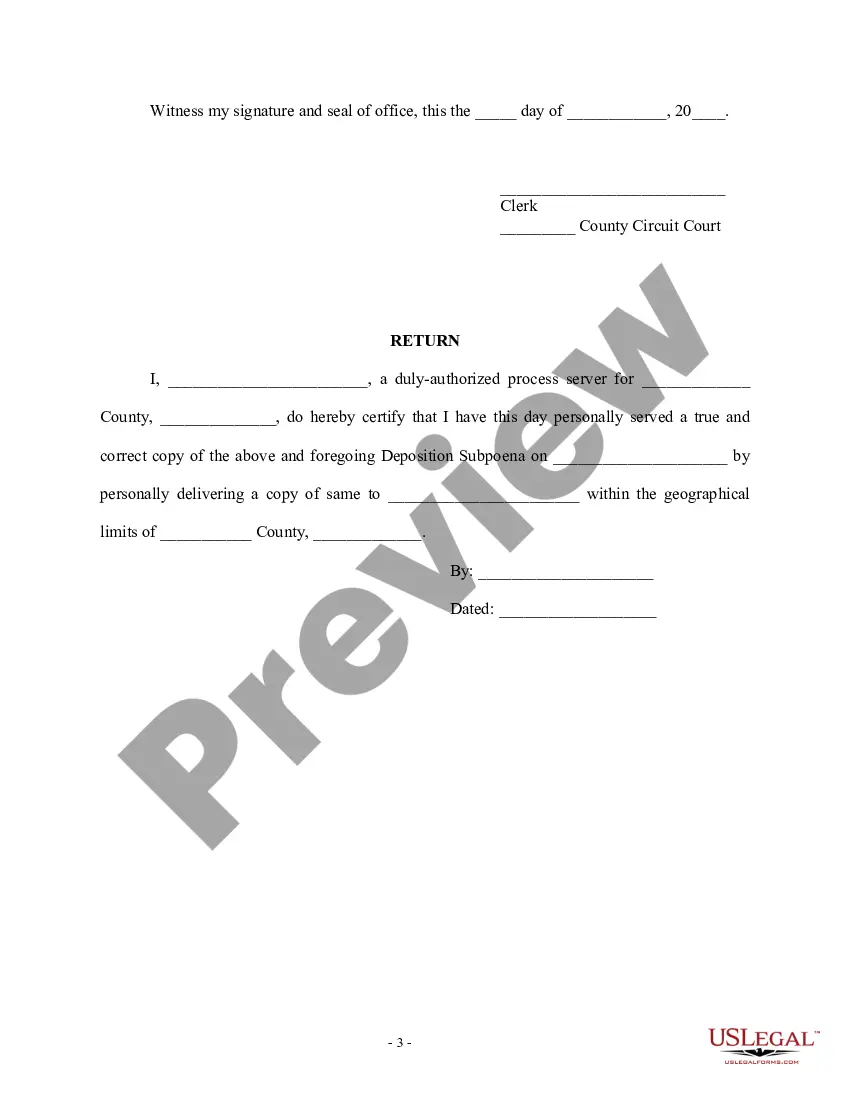
A deposition subpoena and a subpoena duces tecum are related but not identical. A deposition subpoena compels someone to testify, while a subpoena duces tecum specifically requires the production of documents or evidence. Understanding the difference can help manage expectations and prepare appropriately when you take deposition subpoena duces tecum with a case.
To succeed in a deposition, start by preparing thoroughly, reviewing relevant documents, and understanding your case well. Keep your answers focused, avoid volunteering extra information, and maintain a calm demeanor. Practicing with your attorney can enhance your confidence and delivery. These strategies are essential as you aim to take deposition subpoena duces tecum with a case effectively.
During a deposition, certain questions cannot be posed, including those that infringe on attorney-client privilege or that are irrelevant to the case. Questions that may lead to speculation or require expert knowledge may also be inappropriate. Familiarizing yourself with these limitations is vital as you prepare to take deposition subpoena duces tecum with a case.
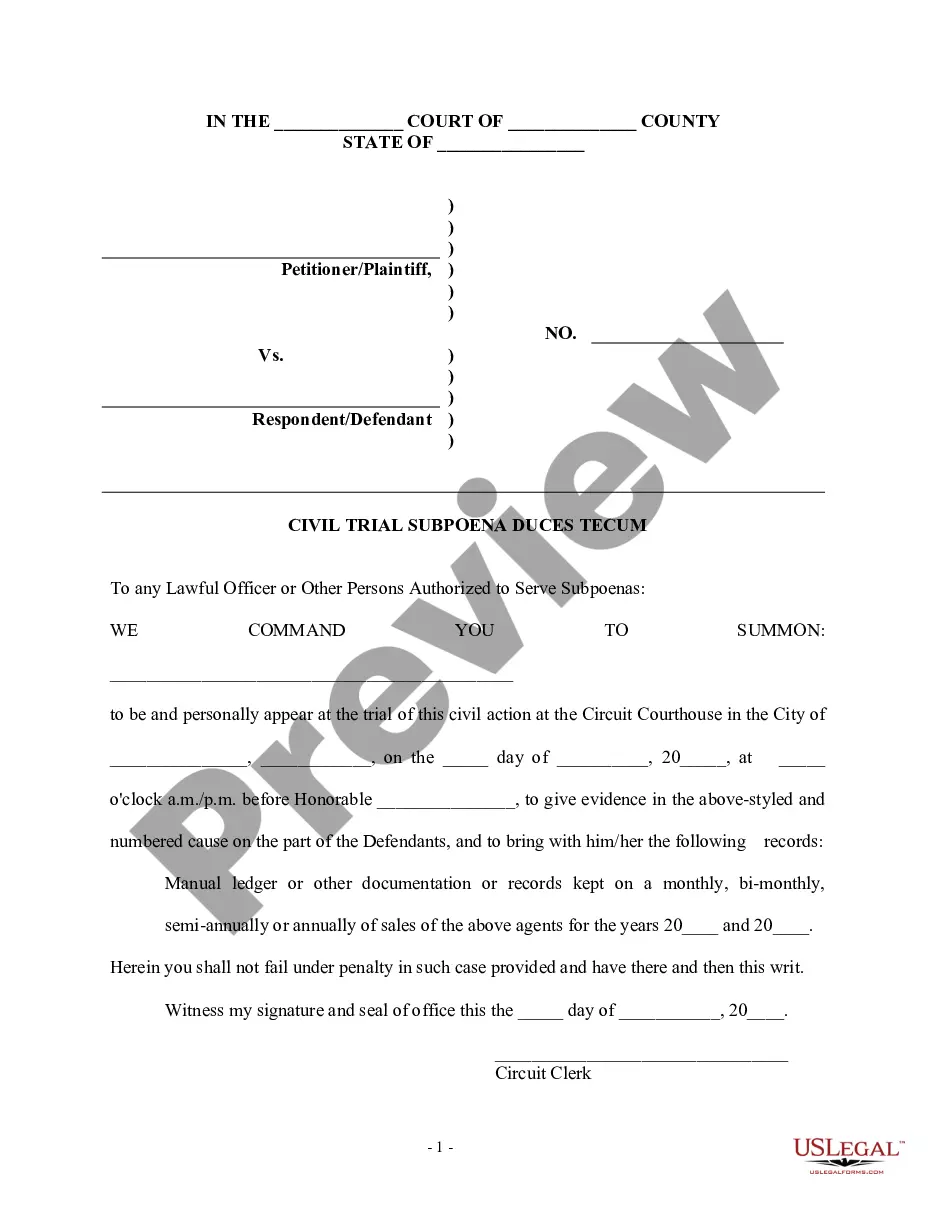
Attorneys utilize a subpoena duces tecum primarily to compel the production of documents or evidence pertinent to the case. This legal tool ensures that crucial records are available for review. By securing necessary documentation, attorneys can strengthen their arguments and build more effective strategies. Using a subpoena like this is often key when you take deposition subpoena duces tecum with a case.
In a deposition, attorneys commonly object to questions based on relevance, privilege, and form. Objections for relevance arise when a question does not pertain to the case. Privilege objections protect confidential communications, while form objections address how a question is structured. Understanding these objections will help you handle issues effectively when you take deposition subpoena duces tecum with a case.
When preparing to take deposition subpoena duces tecum with a case, it's crucial to avoid speaking beyond the question asked. Do not offer extraneous information or opinions that could lead to misunderstandings. Additionally, refrain from making emotional statements or volunteering unnecessary details. Keeping your responses clear and concise will protect your position.
A subpoena duces tecum can be considered invalid for several reasons, including lack of proper jurisdiction or failure to provide reasonable notice to the witness. Additionally, if the subpoena requests irrelevant or privileged information, it may not be enforceable. Understanding these criteria is essential when determining if enforcement is appropriate. US Legal Forms can aid you in identifying potential issues with a subpoena.