Subpoena Duces Tecum File Without Deposition Mean
Description
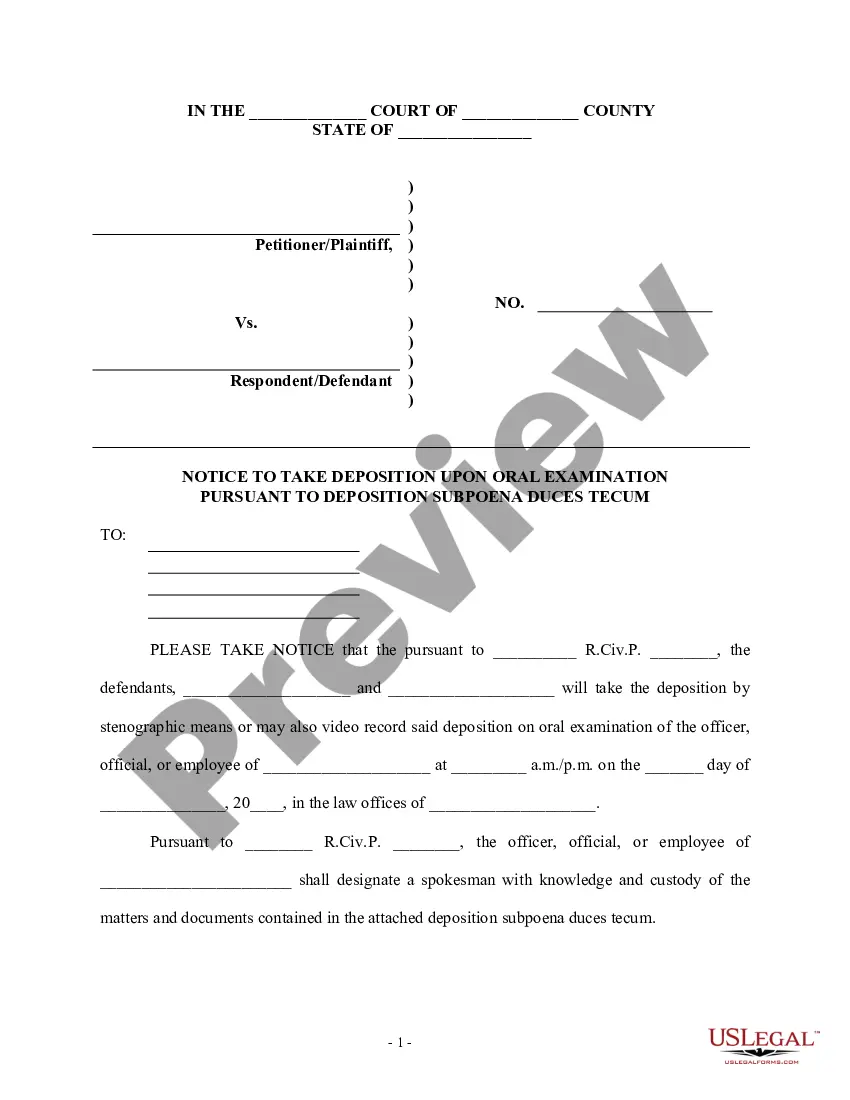
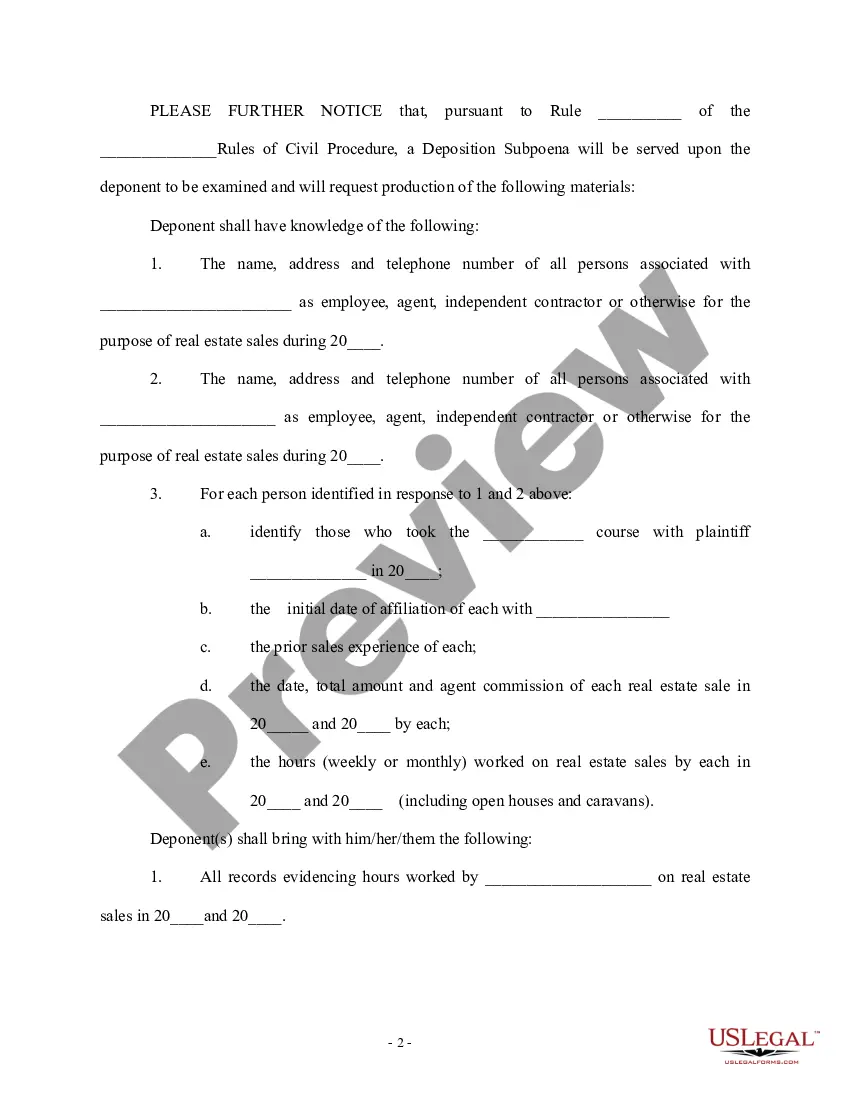
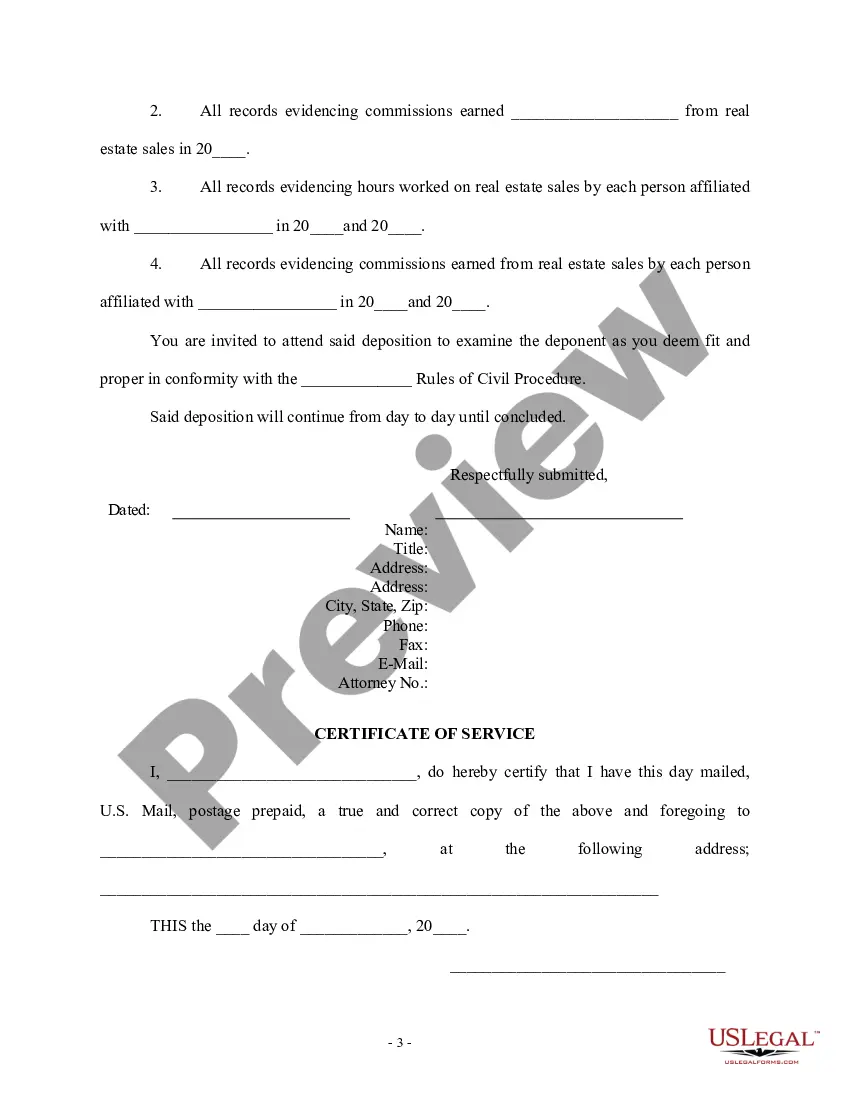
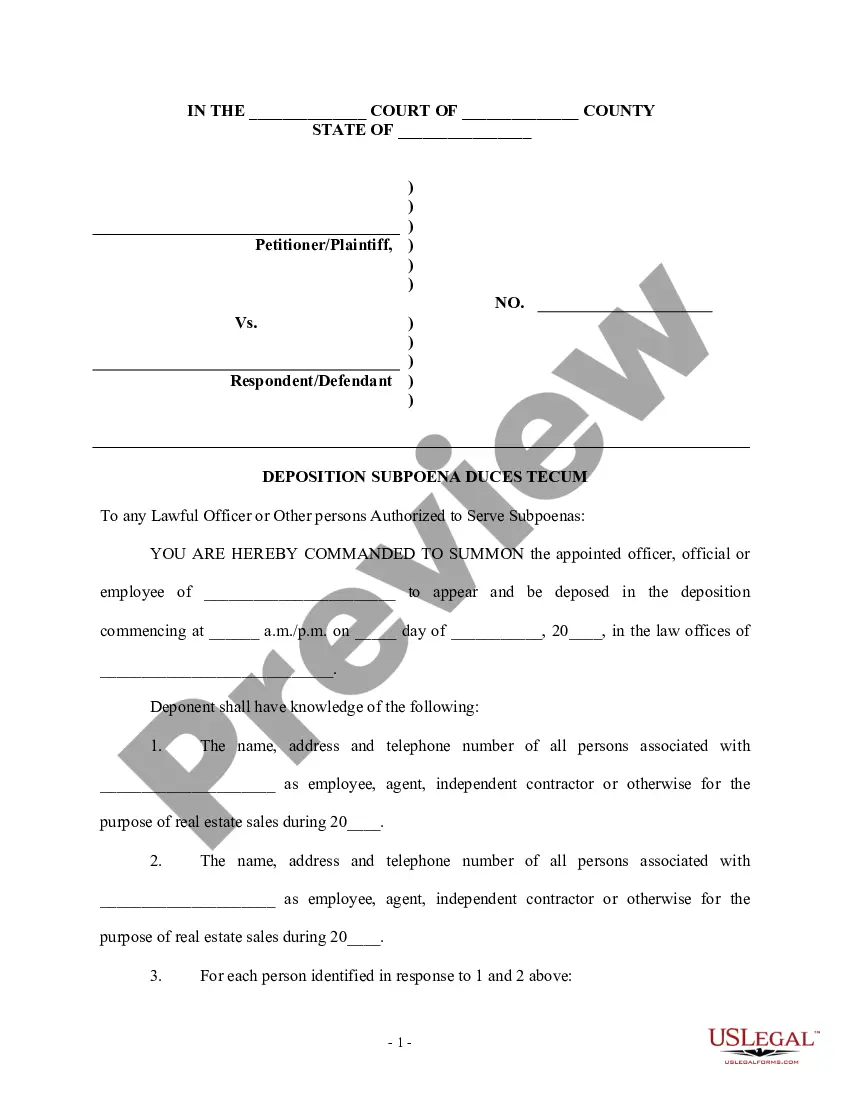
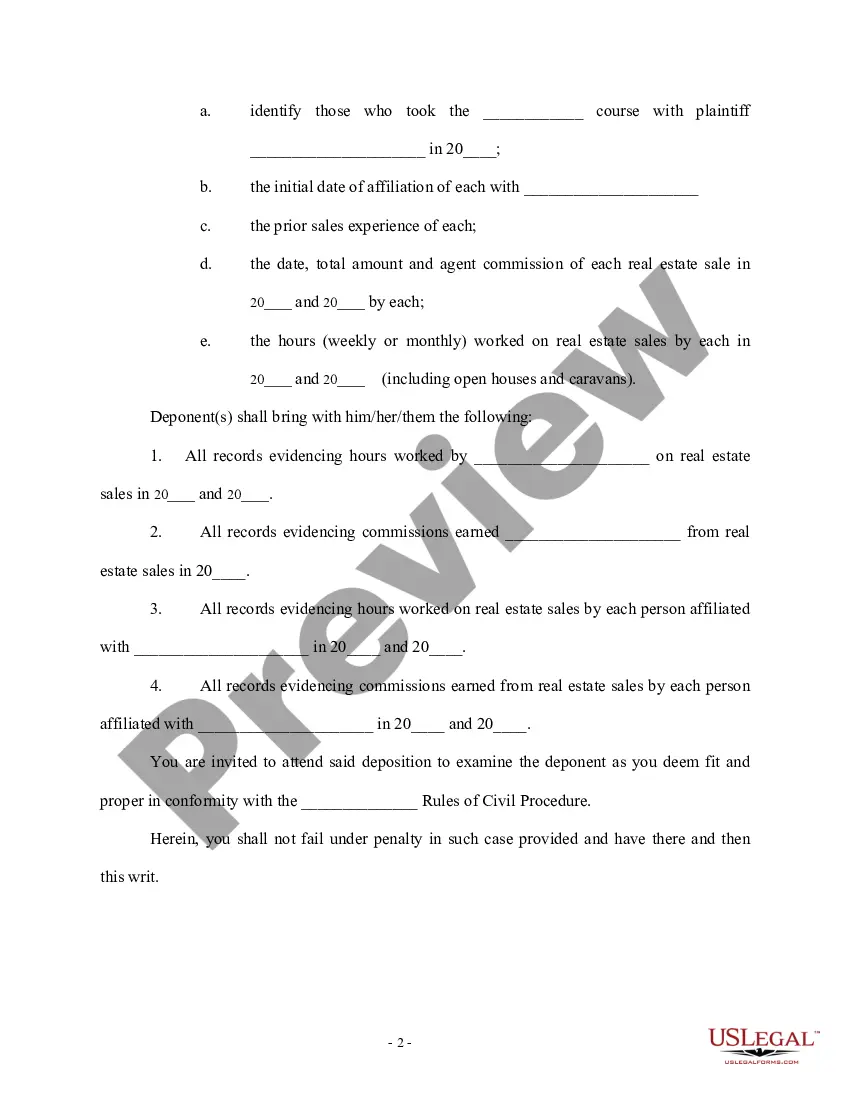
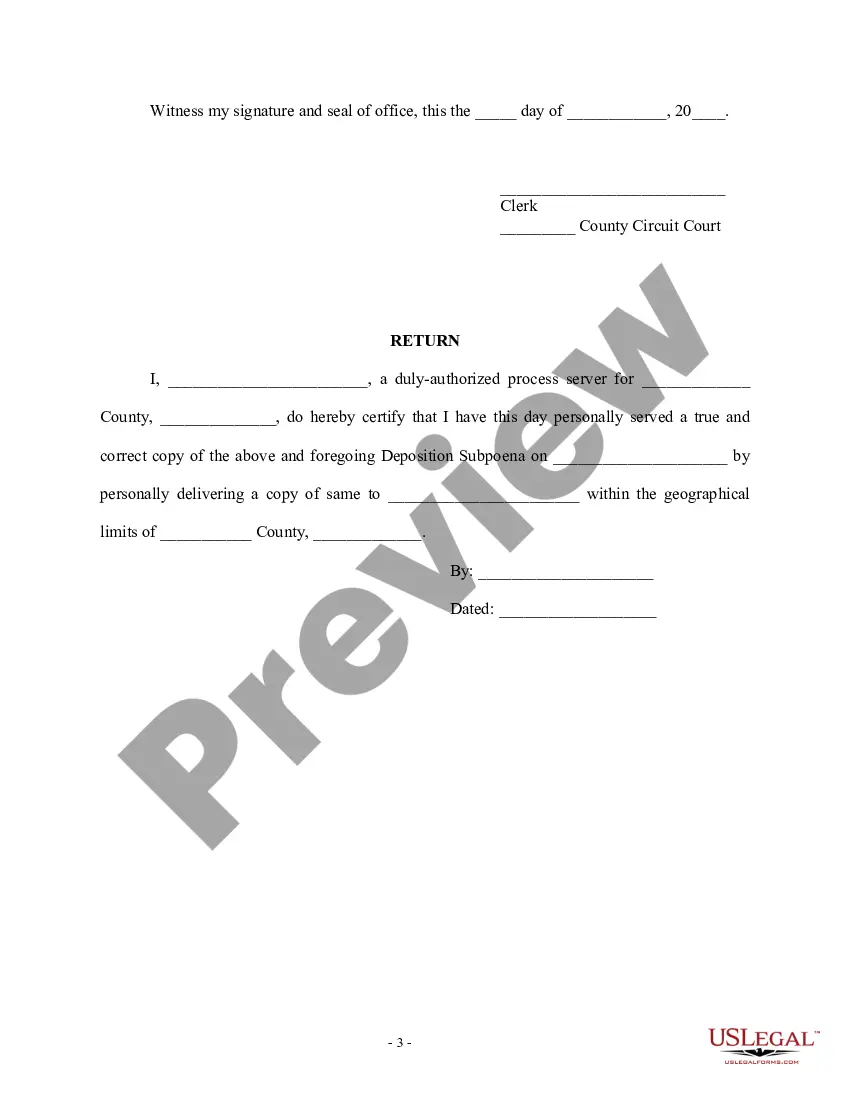
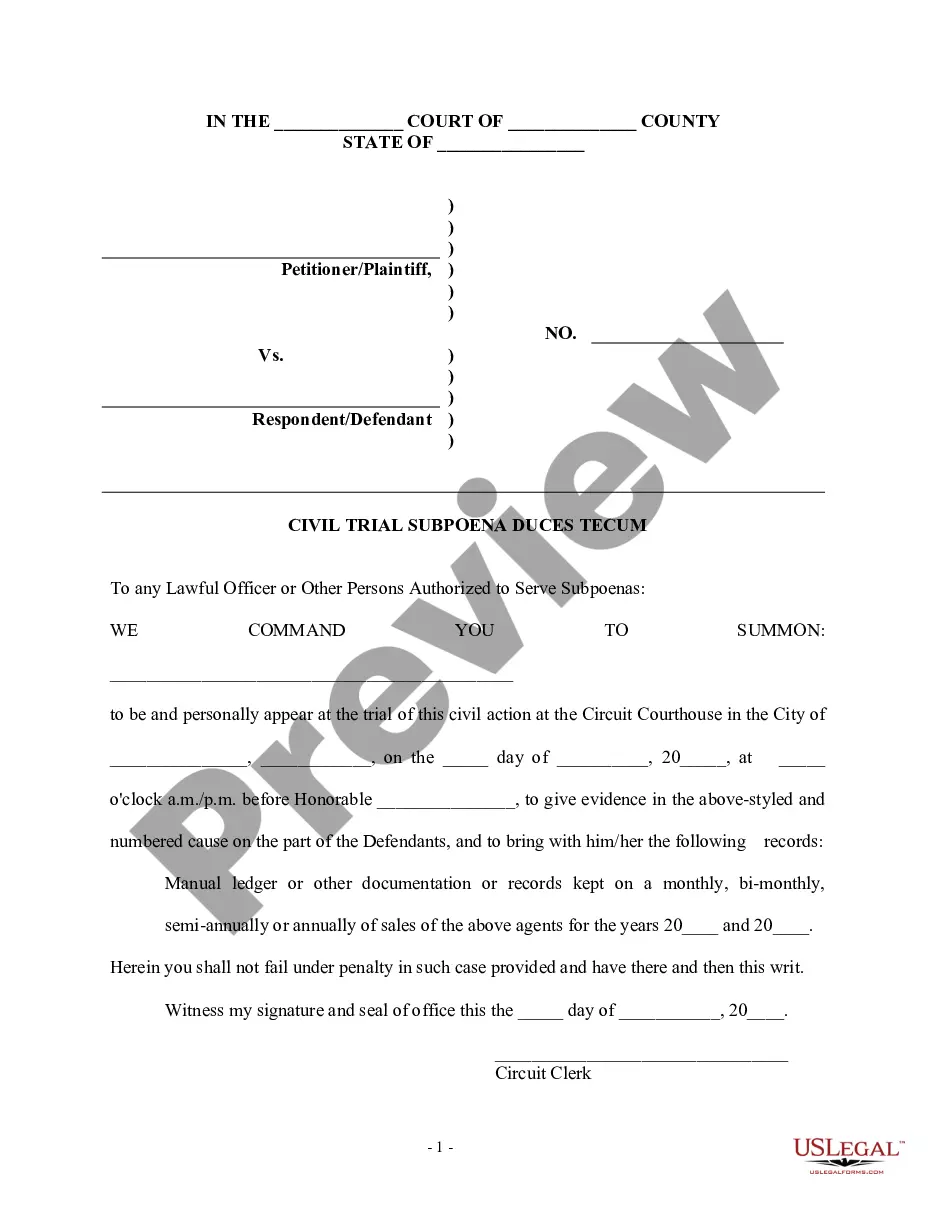
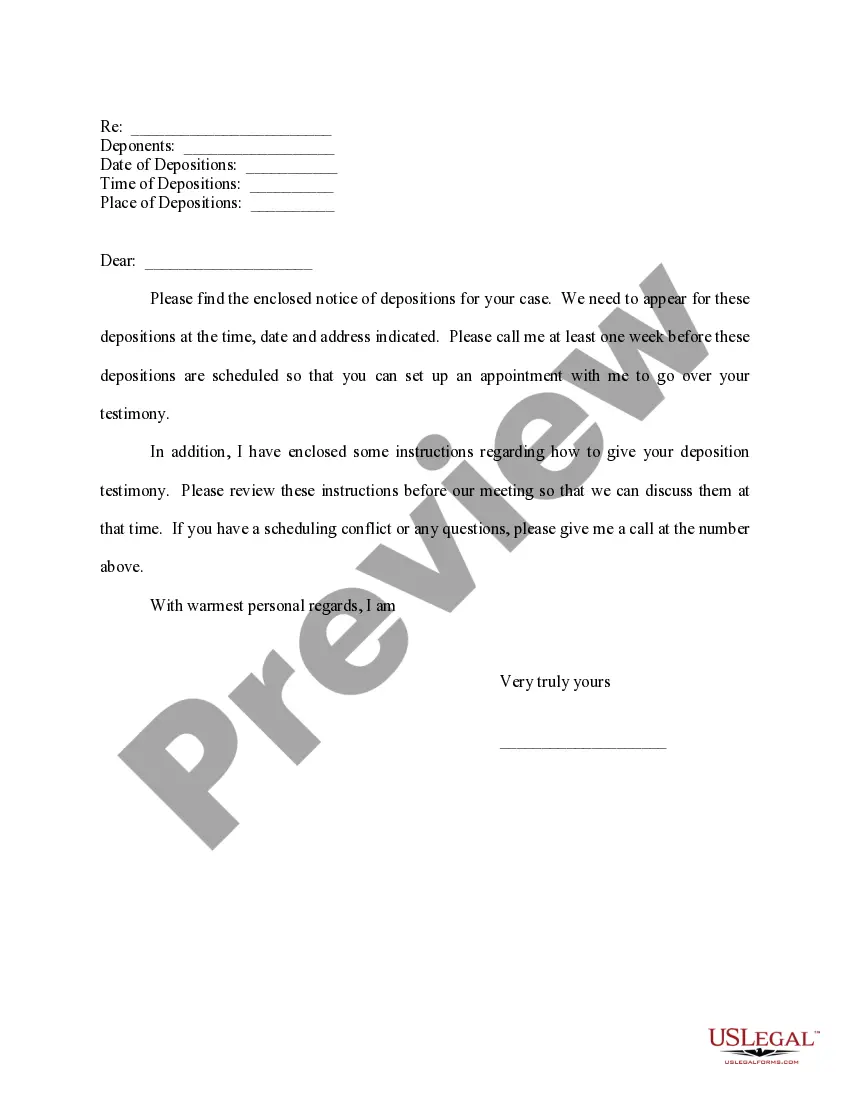
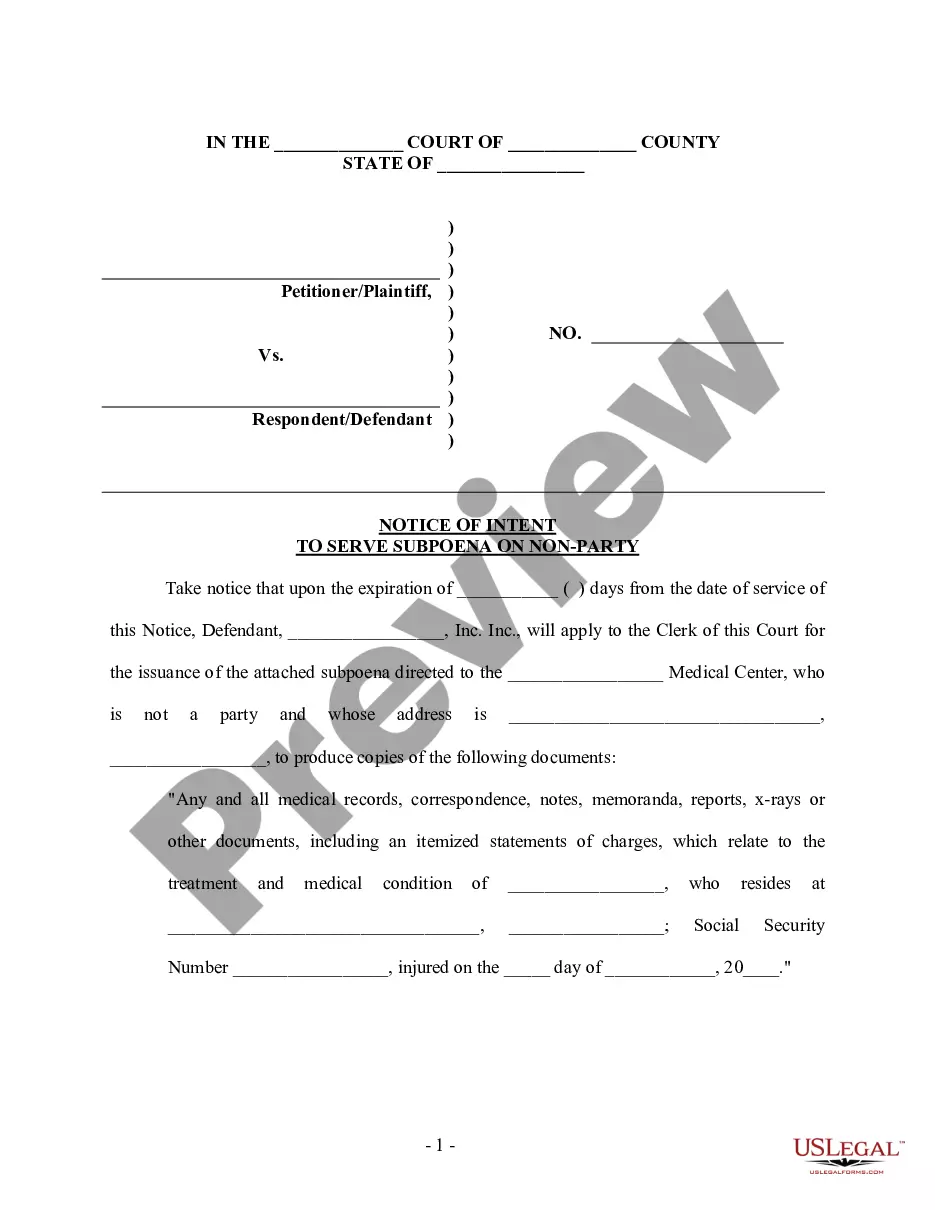
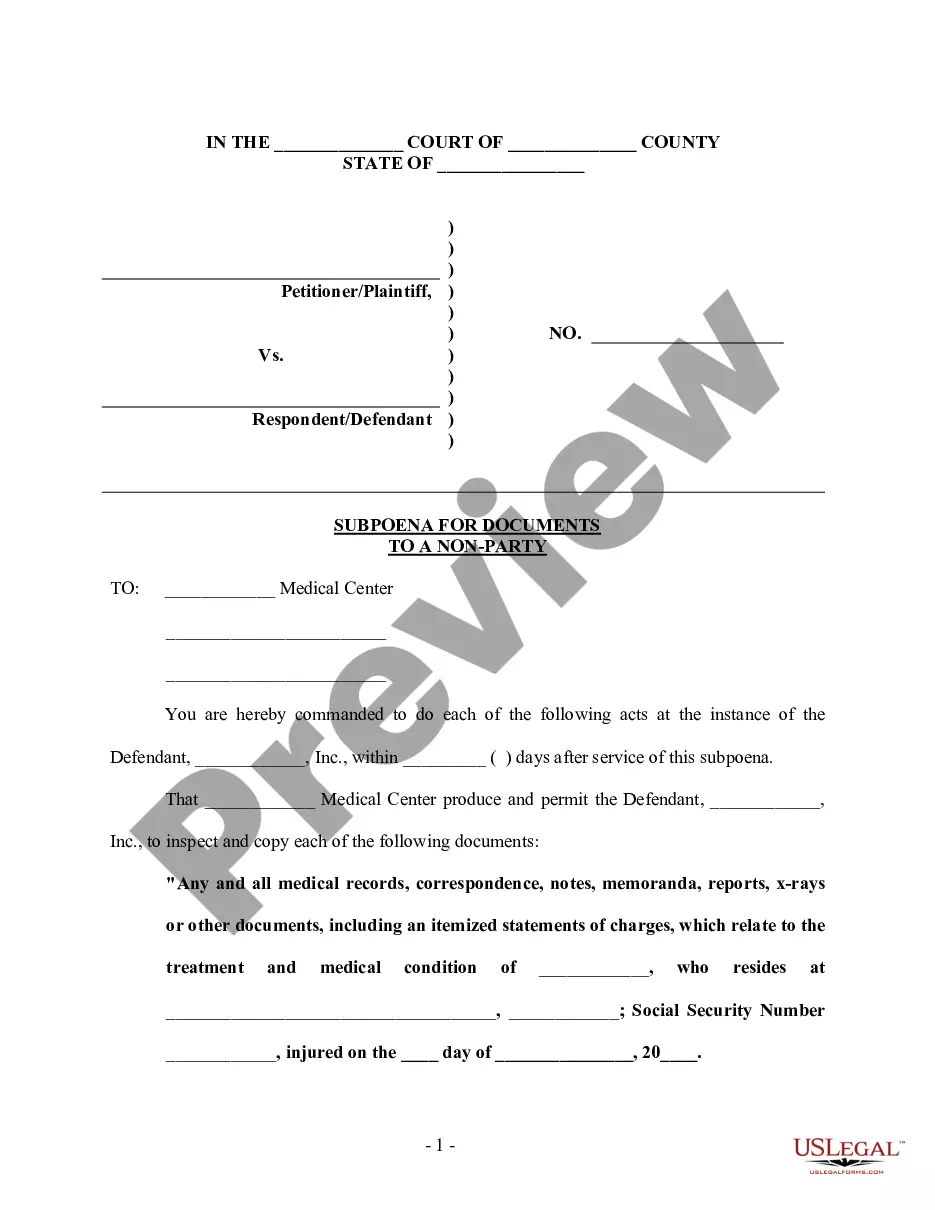
Get your form ready online
Our built-in tools help you complete, sign, share, and store your documents in one place.
Make edits, fill in missing information, and update formatting in US Legal Forms—just like you would in MS Word.
Download a copy, print it, send it by email, or mail it via USPS—whatever works best for your next step.
Sign and collect signatures with our SignNow integration. Send to multiple recipients, set reminders, and more. Go Premium to unlock E-Sign.
If this form requires notarization, complete it online through a secure video call—no need to meet a notary in person or wait for an appointment.
We protect your documents and personal data by following strict security and privacy standards.

Make edits, fill in missing information, and update formatting in US Legal Forms—just like you would in MS Word.

Download a copy, print it, send it by email, or mail it via USPS—whatever works best for your next step.

Sign and collect signatures with our SignNow integration. Send to multiple recipients, set reminders, and more. Go Premium to unlock E-Sign.

If this form requires notarization, complete it online through a secure video call—no need to meet a notary in person or wait for an appointment.

We protect your documents and personal data by following strict security and privacy standards.
Looking for another form?
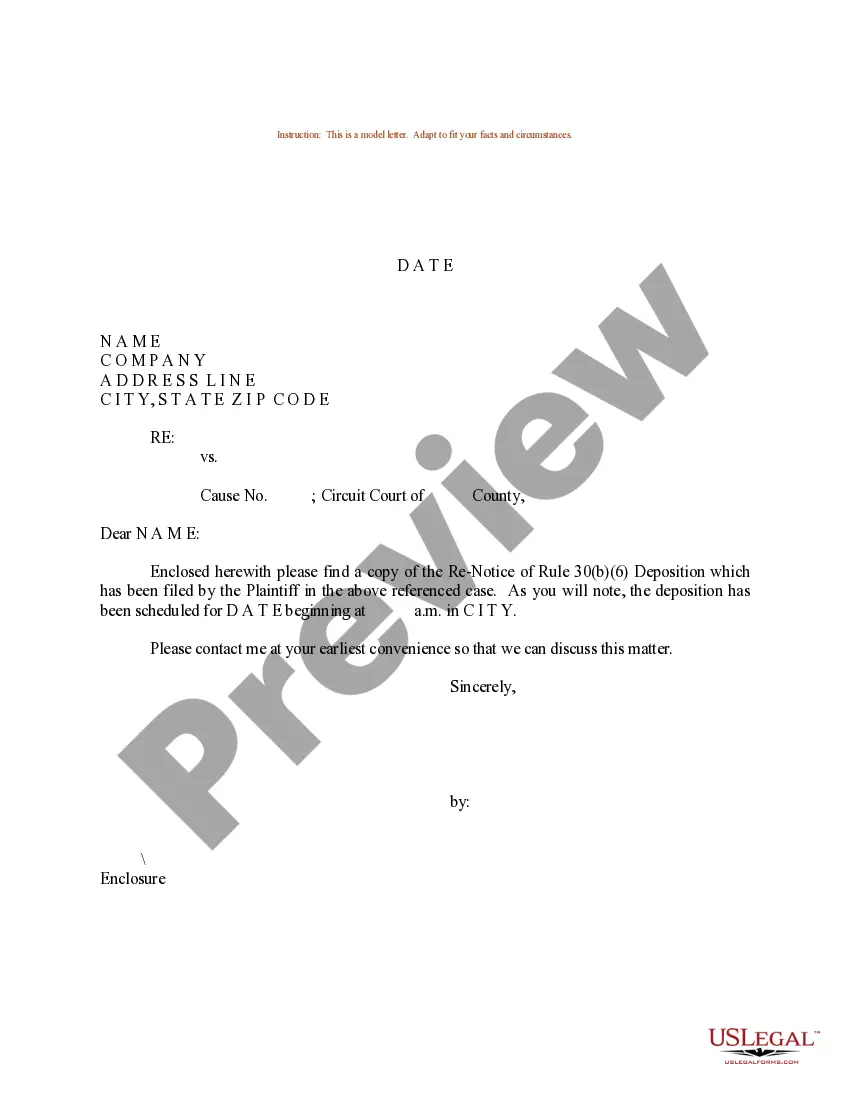


How to fill out Notice To Take Deposition Subpoena Duces Tecum?
Whether for corporate objectives or personal matters, everyone must handle legal scenarios at some point in their lives.
Completing legal documents demands meticulous focus, starting with selecting the correct form template.
Once it is saved, you can fill out the form using editing tools or print it and complete it by hand. With an extensive US Legal Forms catalog available, you do not have to waste time searching for the correct template online. Take advantage of the library’s user-friendly navigation to find the appropriate template for any situation.
- For example, if you choose an incorrect version of a Subpoena Duces Tecum File Without Deposition Mean, it will be rejected once submitted.
- Thus, it is crucial to have a trustworthy source of legal paperwork like US Legal Forms.
- If you need to acquire a Subpoena Duces Tecum File Without Deposition Mean template, follow these straightforward steps.
- Retrieve the sample you require by utilizing the search bar or catalog navigation.
- Examine the form’s details to confirm it meets your case, state, and locality.
- Click on the form’s preview to inspect it.
- If it is the incorrect document, return to the search feature to find the Subpoena Duces Tecum File Without Deposition Mean template you seek.
- Obtain the file if it aligns with your requirements.
- If you already possess a US Legal Forms account, simply click Log in to access previously saved templates in My documents.
- In the case you don’t have an account yet, you can acquire the form by clicking Buy now.
- Choose the suitable pricing option.
- Complete the account registration form.
- Select your payment method: you can use a credit card or PayPal account.
- Choose the file format you desire and download the Subpoena Duces Tecum File Without Deposition Mean.
Form popularity
FAQ
The primary difference between a deposition subpoena and a subpoena duces tecum lies in their purpose. A deposition subpoena compels a witness to provide testimony under oath, while a subpoena duces tecum requests specific documents or records to be produced. Knowing this distinction helps you navigate your legal strategy effectively, ensuring you utilize the right type of subpoena when you understand what subpoena duces tecum file without deposition means.
A subpoena duces tecum without deposition means that a party requests documents or records without requiring the presence of a witness for questioning. This type of subpoena is often used in legal situations where obtaining specific evidence is essential, but a formal deposition isn’t necessary. By understanding what subpoena duces tecum file without deposition means, you can streamline your legal processes and focus on gathering pertinent information efficiently.
Yes, a case can be settled without a deposition. Many parties reach agreements through negotiations, mediation, or other methods, circumventing the need for a Subpoena duces tecum file without deposition mean. Settlements often occur when both sides find common ground, allowing them to avoid the lengthy process of depositions. Therefore, if you are considering settlement options, explore various strategies that can lead to a resolution without the need for depositions.
Rule 1.351 allows a party to request documents and tangible items without requiring a deposition. This means you can obtain necessary evidence through a Subpoena duces tecum file without deposition mean, streamlining the process. Essentially, this rule facilitates quicker access to critical information, helping you build your case effectively. Utilizing this rule can save time and resources, making it a valuable tool in legal proceedings.
Yes, you can respond with 'I don't know' during a deposition when you genuinely do not have the answer to a question. This phrase is acceptable and indicates that you are not trying to provide false information. It's important to be honest in these situations, as saying 'I don't know' is better than guessing. If you want to prepare for a deposition or understand related processes better, US Legal Forms can provide valuable guidance and resources.
The term 'duces tecum' refers to a legal command to produce documents or evidence in a deposition. When you see this in a notice of taking deposition, it indicates that parties must bring specific records or items relevant to the case. Understanding the meaning of 'subpoena duces tecum file without deposition mean' can help you navigate legal processes more effectively. If you need assistance with documents or forms, consider using US Legal Forms for reliable resources.
A subpoena duces tecum is a type of subpoena that requires the witness to produce a document or documents pertinent to a proceeding. From the Latin duces tecum, meaning "you shall bring with you". See, e.g., United States v. Nixon, 418 U.S. 683 (1974).
A subpoena is an Order that is issued to require the attendance of a witness to testify at a particular time and place. A subpoena duces tecum is an Order that requires a witness to bring documents, books or other items under his, her or their control, that he she or they is bound by law to produce into evidence.
For example, if you are being investigated for a federal crime and investigators believe there is evidence on your computer, they may serve you with a subpoena duces tecum ordering you to produce the computer for inspection.