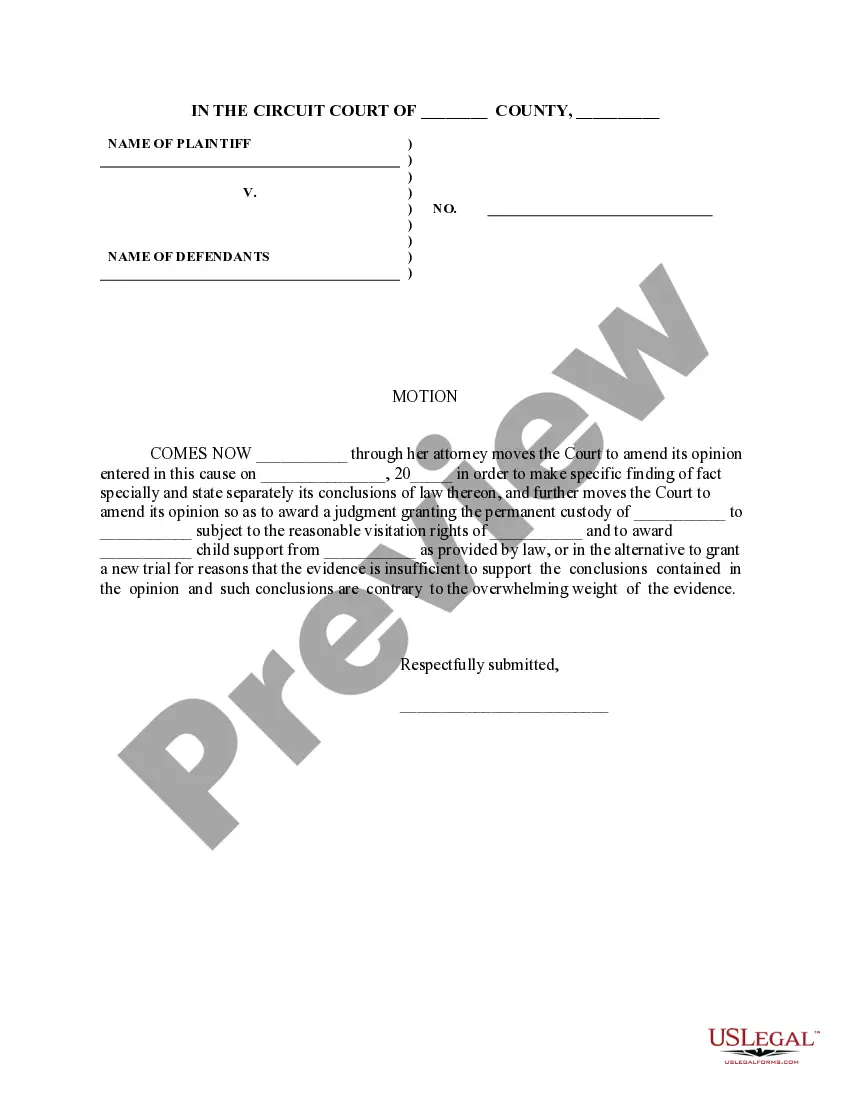
Fact Finding Summary
Description
Get your form ready online
Our built-in tools help you complete, sign, share, and store your documents in one place.
Make edits, fill in missing information, and update formatting in US Legal Forms—just like you would in MS Word.
Download a copy, print it, send it by email, or mail it via USPS—whatever works best for your next step.
Sign and collect signatures with our SignNow integration. Send to multiple recipients, set reminders, and more. Go Premium to unlock E-Sign.
If this form requires notarization, complete it online through a secure video call—no need to meet a notary in person or wait for an appointment.
We protect your documents and personal data by following strict security and privacy standards.

Make edits, fill in missing information, and update formatting in US Legal Forms—just like you would in MS Word.

Download a copy, print it, send it by email, or mail it via USPS—whatever works best for your next step.

Sign and collect signatures with our SignNow integration. Send to multiple recipients, set reminders, and more. Go Premium to unlock E-Sign.

If this form requires notarization, complete it online through a secure video call—no need to meet a notary in person or wait for an appointment.

We protect your documents and personal data by following strict security and privacy standards.
Looking for another form?


How to fill out Motion To Make Specific Findings Of Fact And State Conclusions Of Law - Domestic Relations?
Legal documents management may be daunting, even for the most skilled professionals.
When you are seeking a Fact Finding Summary and don’t have the opportunity to dedicate time to search for the correct and updated version, the processes can be stressful.
Access a resource library of articles, guides, handbooks, and materials related to your situation and needs.
Save time and energy searching for the documents you require, and use US Legal Forms’ sophisticated search and Preview tool to locate the Fact Finding Summary and obtain it.
Enjoy the US Legal Forms online library, supported by 25 years of experience and dependability. Transform your daily document management into a seamless and user-friendly experience today.
- If you have a membership, Log In to your US Legal Forms account, find the form, and obtain it.
- Check your My documents tab to review the documents you have previously downloaded and manage your folders as needed.
- If it is your first time with US Legal Forms, create a free account and gain unlimited access to all the platform's advantages.
- Ensure the form is the right one by previewing it and reviewing its details.
- Confirm that the template is acceptable in your state or county.
- Click Buy Now when you are ready.
- Select a subscription package.
- Choose the format you want, then Download, fill it out, sign it, print it, and send your documents.
- Access region- or county-specific legal and business documents.
- US Legal Forms addresses any needs you may have, from personal to corporate documents, all in one location.
- Utilize advanced tools to complete and manage your Fact Finding Summary.
Form popularity
FAQ
Findings of fact: Organize and record a series of statements that leads to the conclusion. Write concise statements, each statement stating one fact. Each fact is separated from the next by a line space. Use a bulleted format; do not write in narrative paragraphs.
Ask about the issues/events prompting this fact-finding. Chronological often works best. Start with more open-ended questions asking for their side in general and in broad terms. Ask more specific questions afterwards.
An advancing army will send out scouts to check out the terrain ahead. They will look out for enemy soldiers, hostile terrain, opportunities, strategic advantages, etc. The scouts go out on a fact-finding mission before the troops move forward.
Conduct conversations in an area ? of minimal confusion ? with some sense of privacy, ? Jot down brief notes after conversations with person bringing situation to your attention and any one else who was involved from an observation or hearing standpoint. Ask open-ended questions using: who, what, when, where, why, how.
Chronological often works best. Start with more open-ended questions asking for their side in general and in broad terms. Ask more specific questions afterwards. The idea is to not ask leading questions and to give employees a chance to explain and tell us what they feel is important.