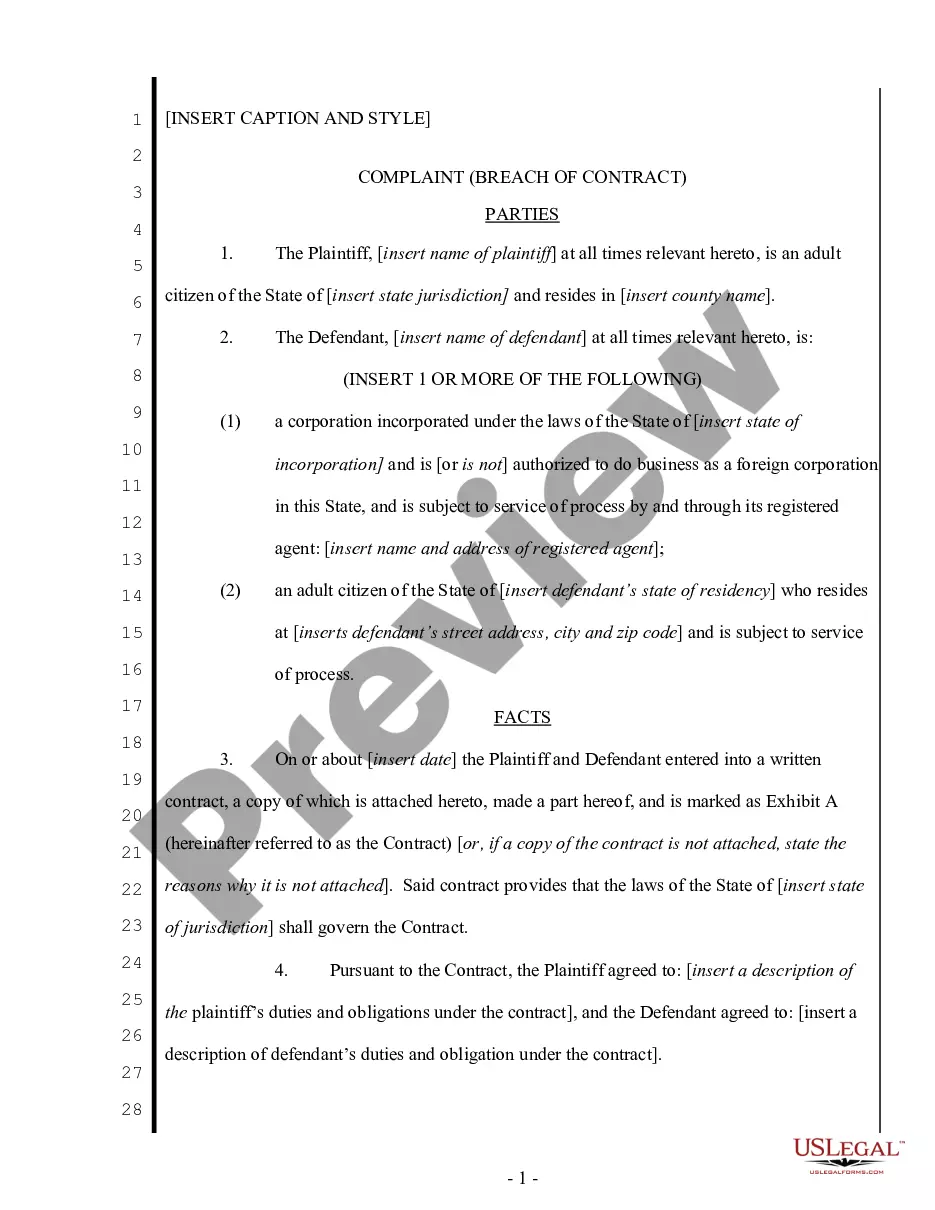
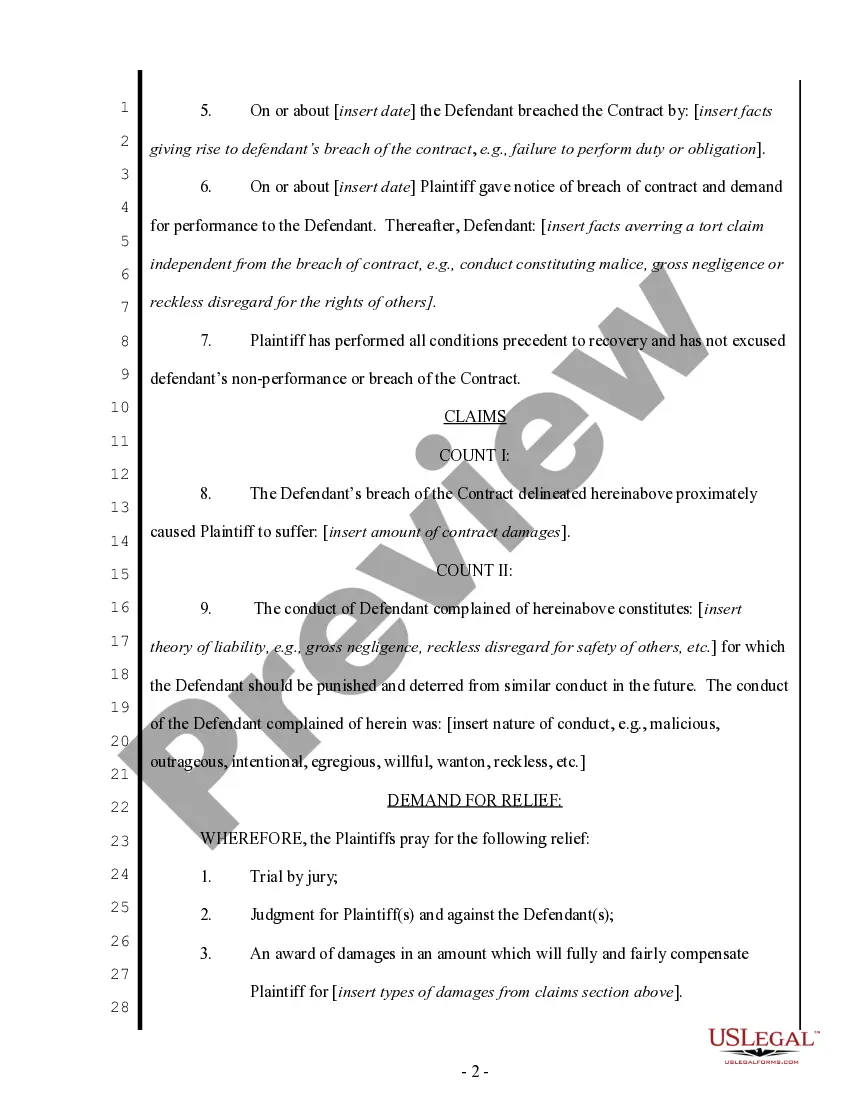
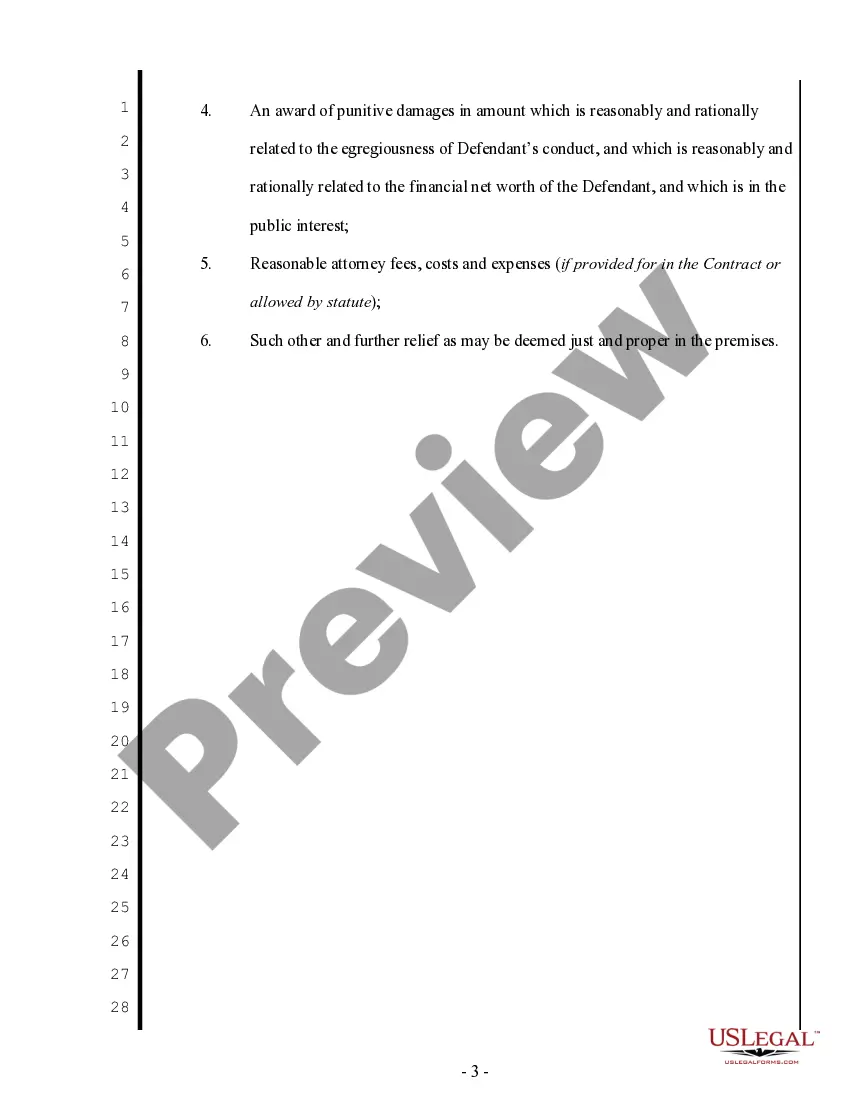
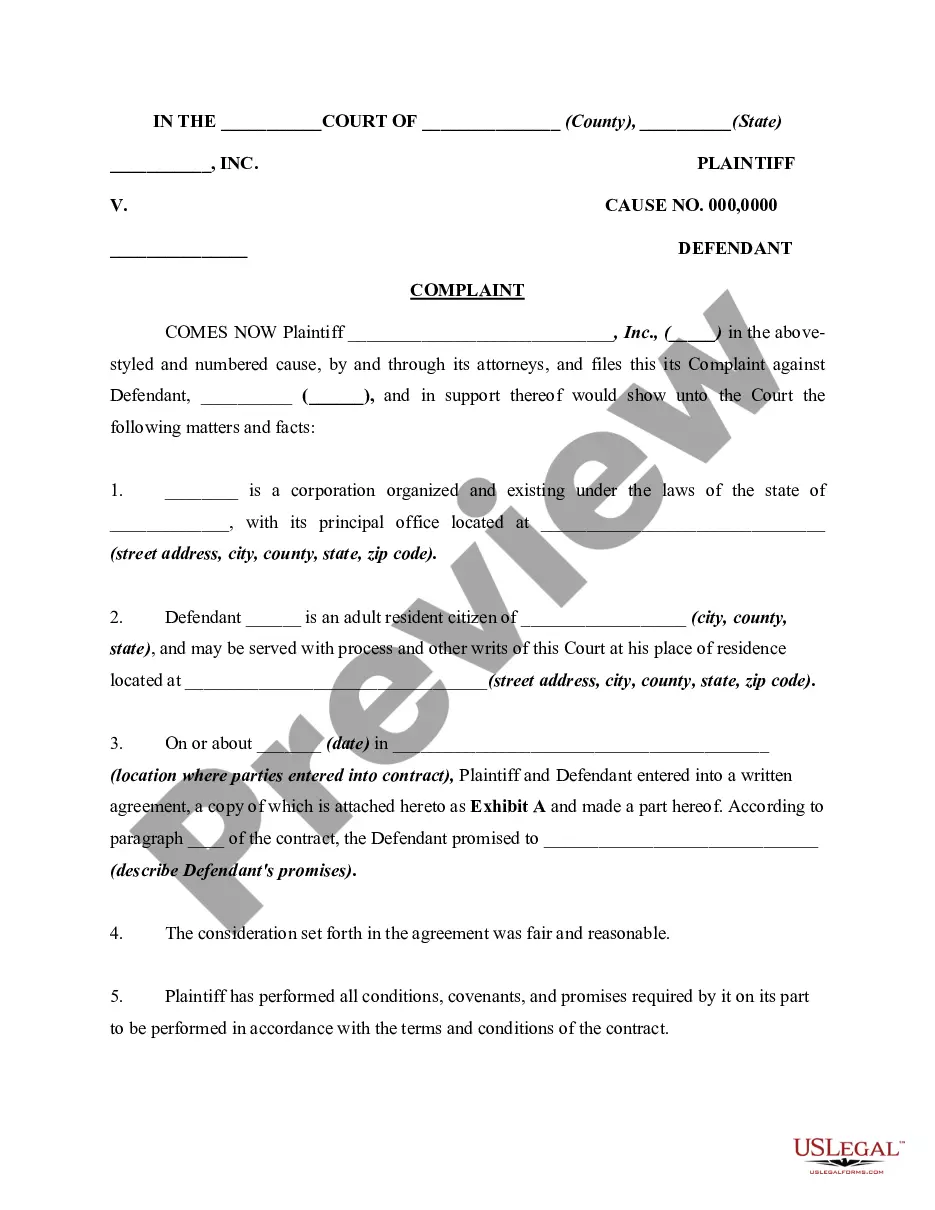
Actual Punitive Damages Sample With Replacement
Description
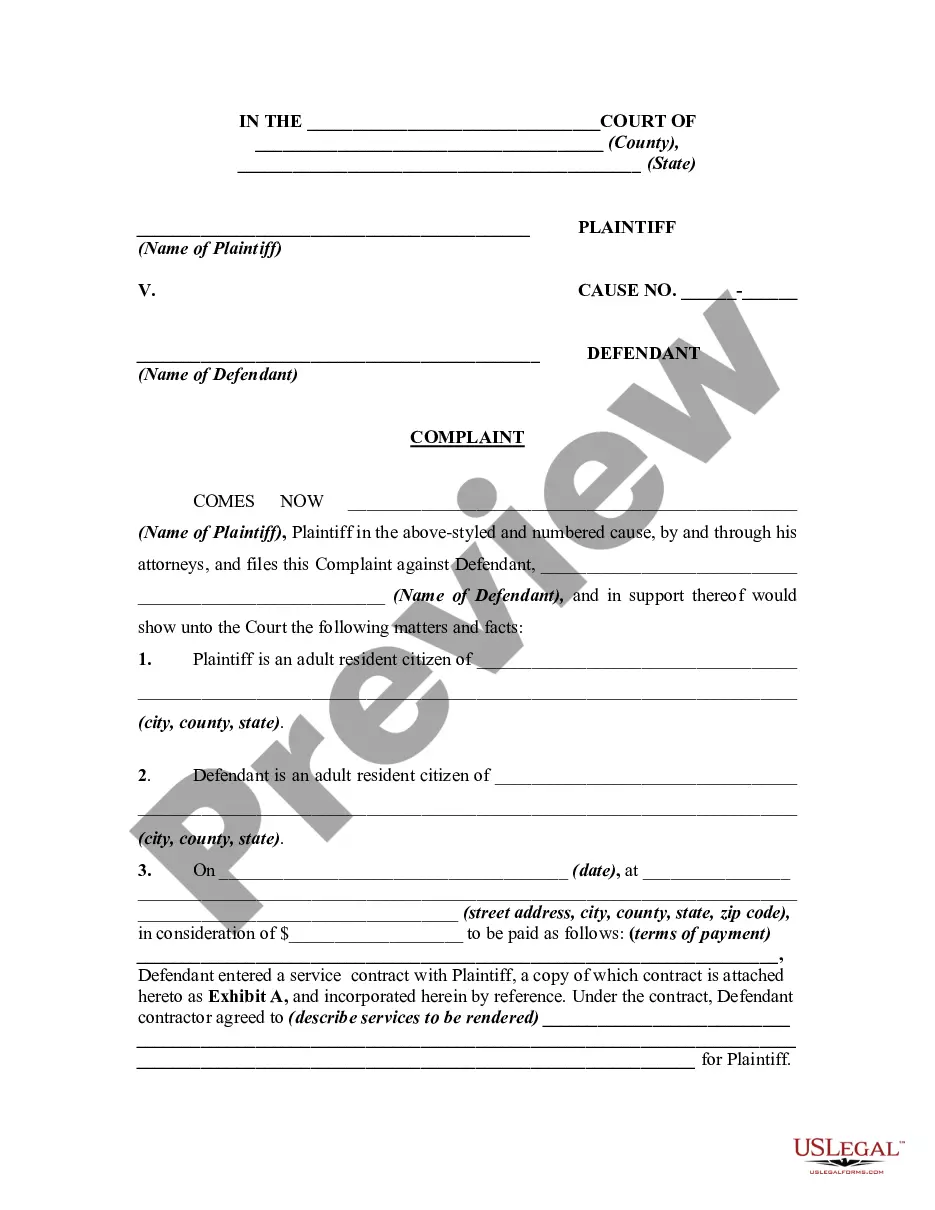
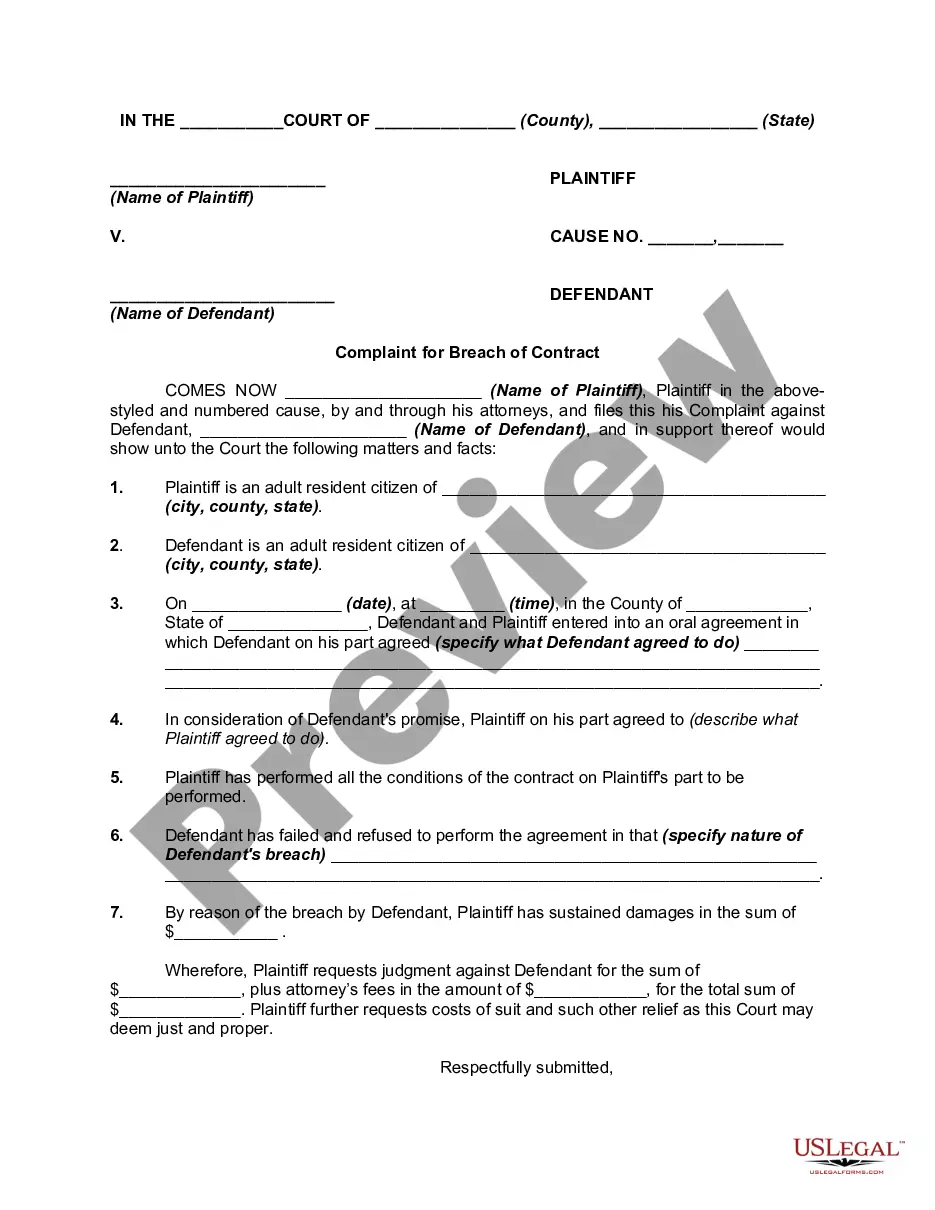
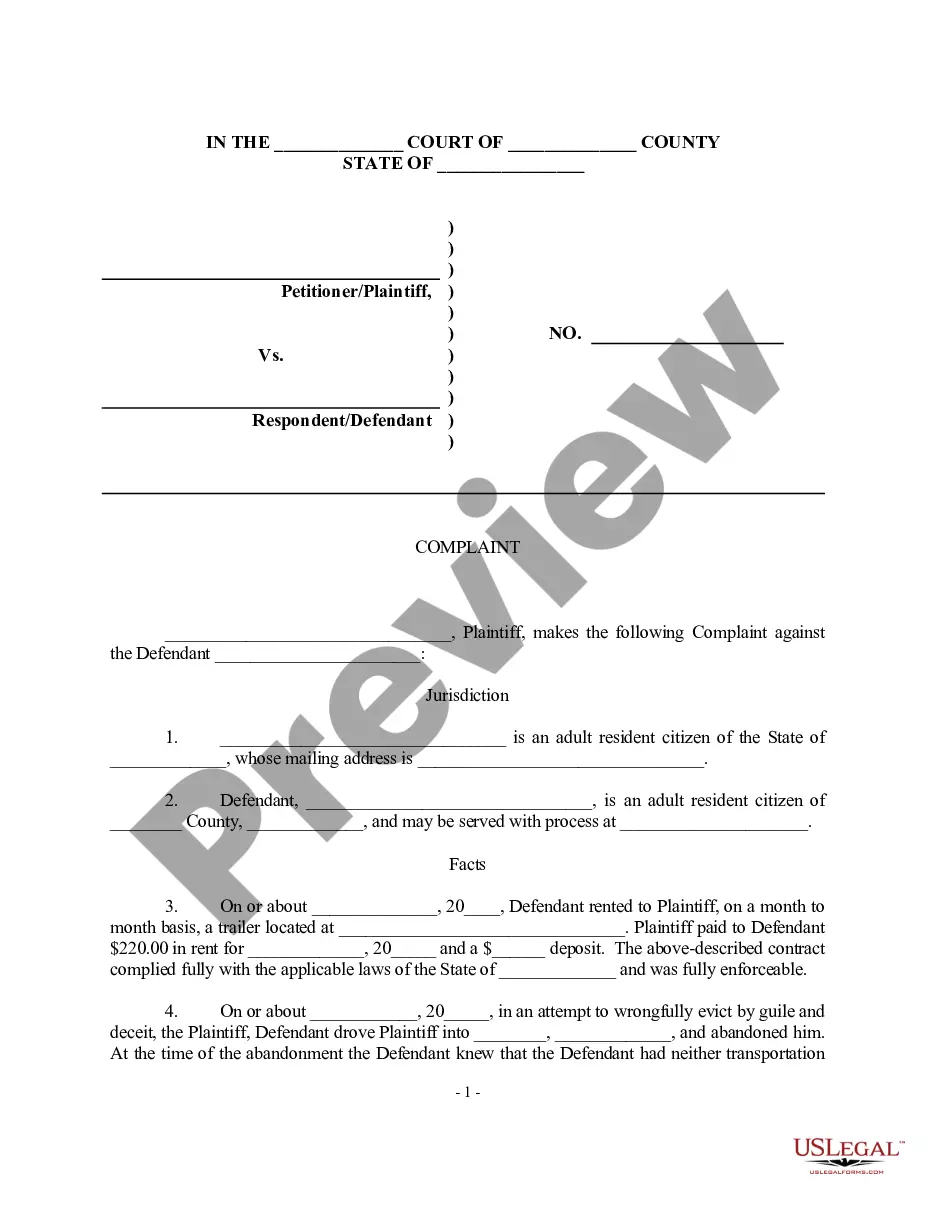
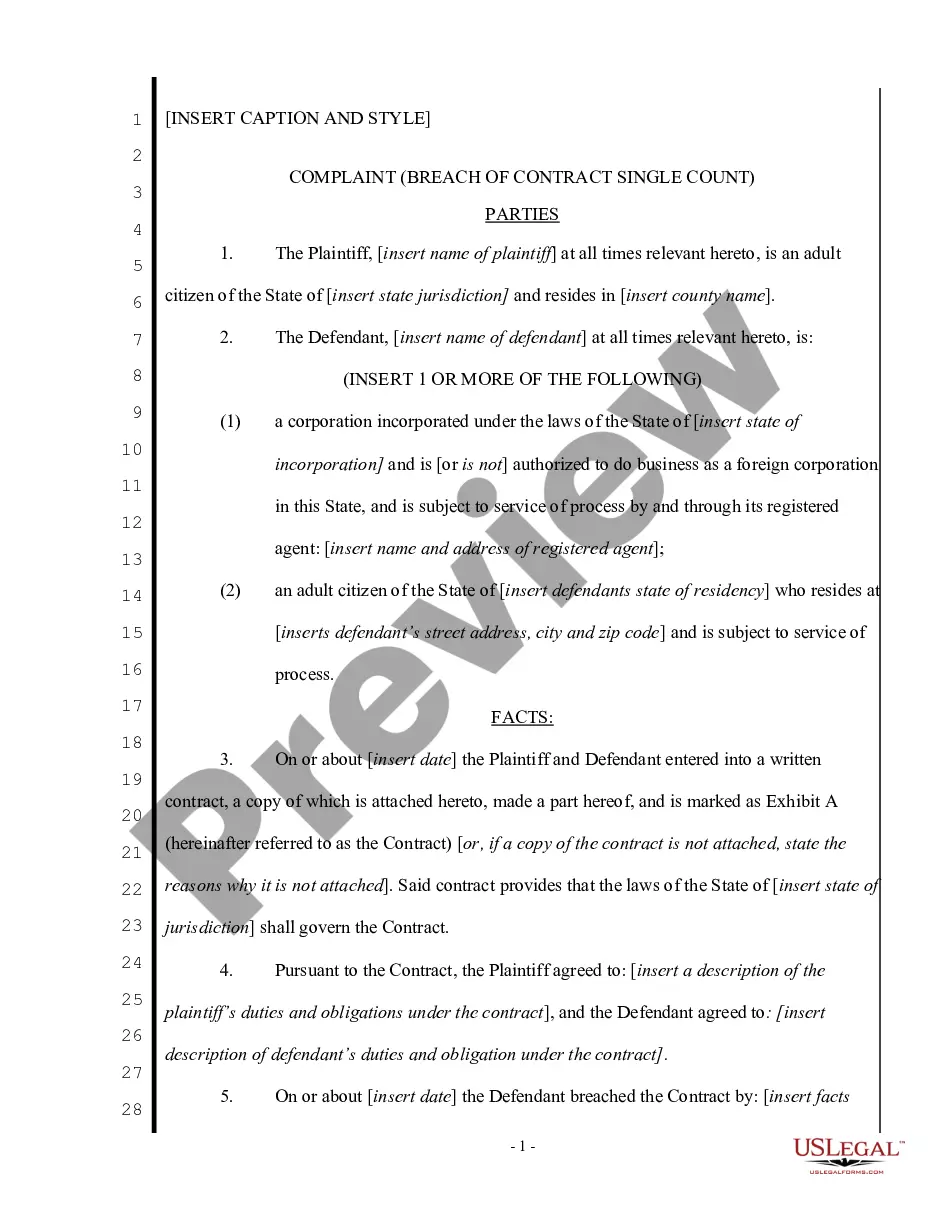
Get your form ready online
Our built-in tools help you complete, sign, share, and store your documents in one place.
Make edits, fill in missing information, and update formatting in US Legal Forms—just like you would in MS Word.
Download a copy, print it, send it by email, or mail it via USPS—whatever works best for your next step.
Sign and collect signatures with our SignNow integration. Send to multiple recipients, set reminders, and more. Go Premium to unlock E-Sign.
If this form requires notarization, complete it online through a secure video call—no need to meet a notary in person or wait for an appointment.
We protect your documents and personal data by following strict security and privacy standards.

Make edits, fill in missing information, and update formatting in US Legal Forms—just like you would in MS Word.

Download a copy, print it, send it by email, or mail it via USPS—whatever works best for your next step.

Sign and collect signatures with our SignNow integration. Send to multiple recipients, set reminders, and more. Go Premium to unlock E-Sign.

If this form requires notarization, complete it online through a secure video call—no need to meet a notary in person or wait for an appointment.

We protect your documents and personal data by following strict security and privacy standards.
Looking for another form?


How to fill out Complaint Regarding Breach Of Contract For Actual And Punitive Damages?
The Current Punitive Damages Example With Replacement you observe on this page is a reusable legal template created by expert attorneys in accordance with federal and local laws.
For over 25 years, US Legal Forms has supplied individuals, businesses, and lawyers with more than 85,000 validated, state-specific documents for any commercial and personal situation. It’s the fastest, simplest, and most reliable method to acquire the paperwork you require, as the service guarantees the utmost level of data protection and anti-malware security.
Register for US Legal Forms to have confirmed legal templates for all of life’s situations at your fingertips.
- Search for the document you require and examine it.
- Sign up and Log In.
- Acquire the editable template.
- Fill out and sign the document.
- Re-download your papers.
Form popularity
FAQ
Generally the courts have held that the acts of a defendant for which the plaintiff is awarded punitive or exemplary damages must be characterized by being wanton, wilful, reckless, or malicious.
418, the California Supreme Court articulated 'three guideposts' for courts reviewing punitive damages: ?(1) the degree of reprehensibility of the defendant's misconduct; (2) the disparity between the actual or potential harm suffered by the plaintiff and the punitive damages award; and (3) the difference between the ...
Before awarding punitive damages, the court must take several factors into account. The following points are of particular importance: Assessing if the defendant's actions were malicious, intentional, or grossly negligent. Looking at similar cases to determine if punitive damages were awarded.
Receiving actual damages does not prevent a party from also receiving punitive damages. When calculating actual damages, courts will often look at the fair market value of destroyed/damaged property, lost wages/income, and necessarily incurred expenses.
Individuals can also be ordered to pay punitive damages that injure someone else due to negligent behavior. Examples of this would be drunk driving or distracted driving. In both cases, the defendant would have made a conscious decision to engage in behavior that could easily harm another person.