Application Variance Online With Random Forest
Description
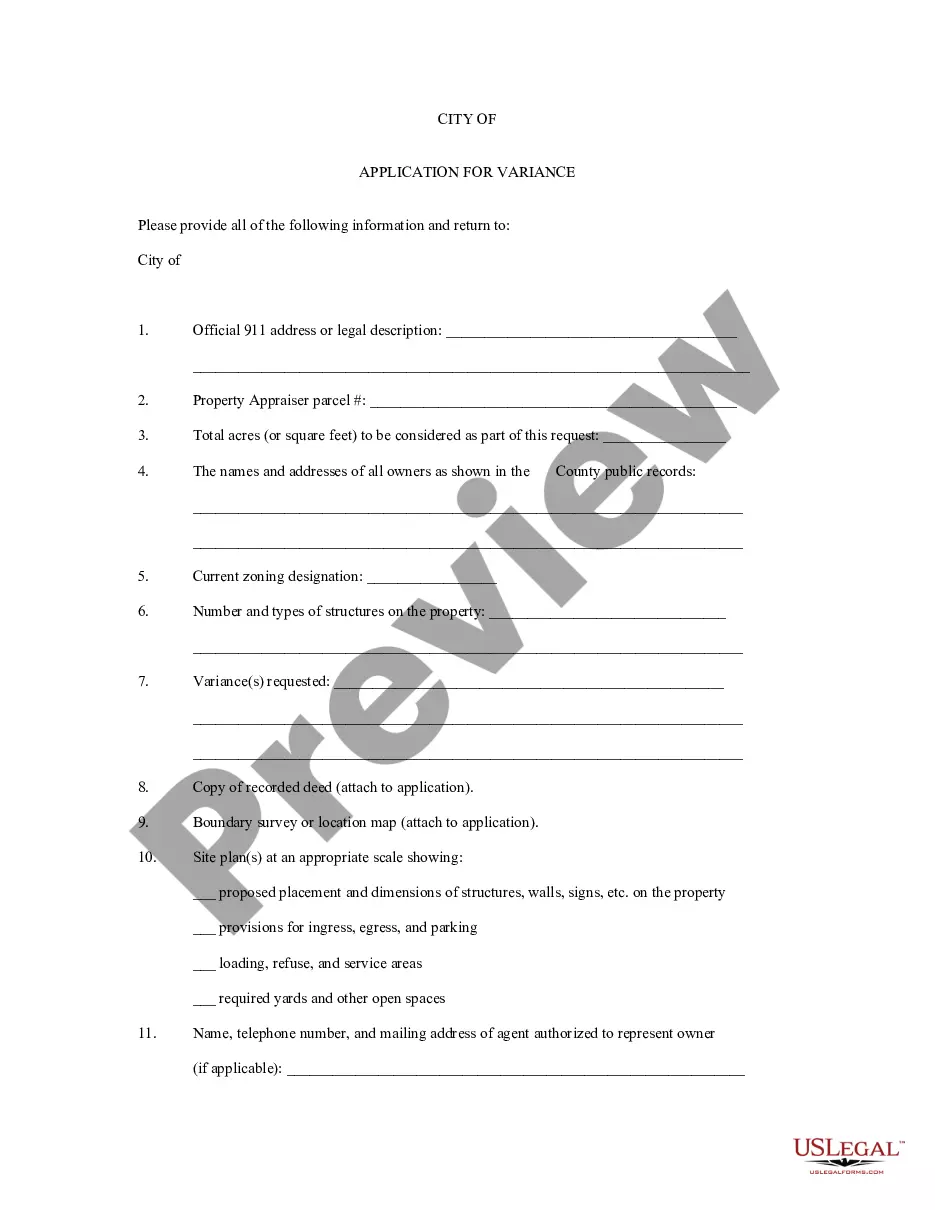

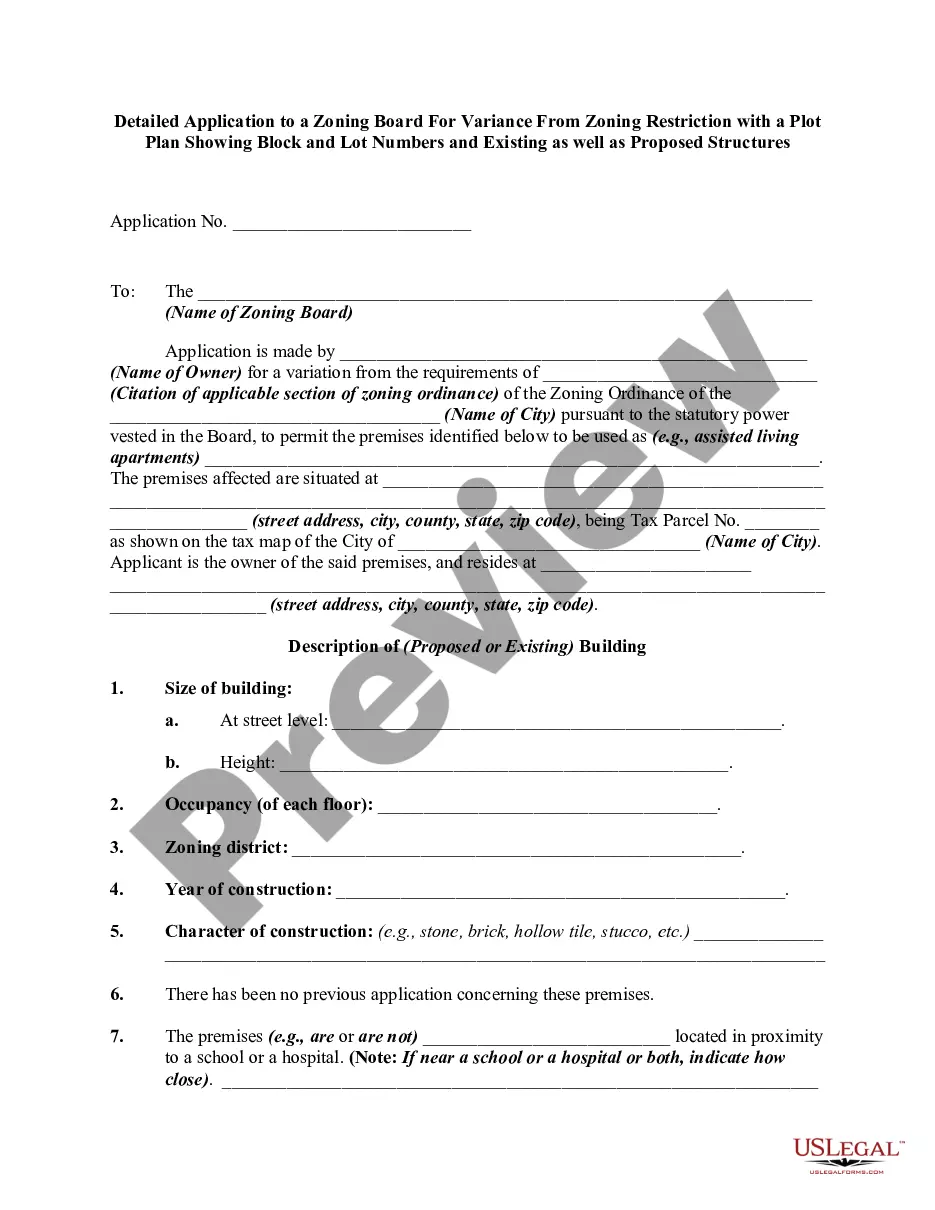
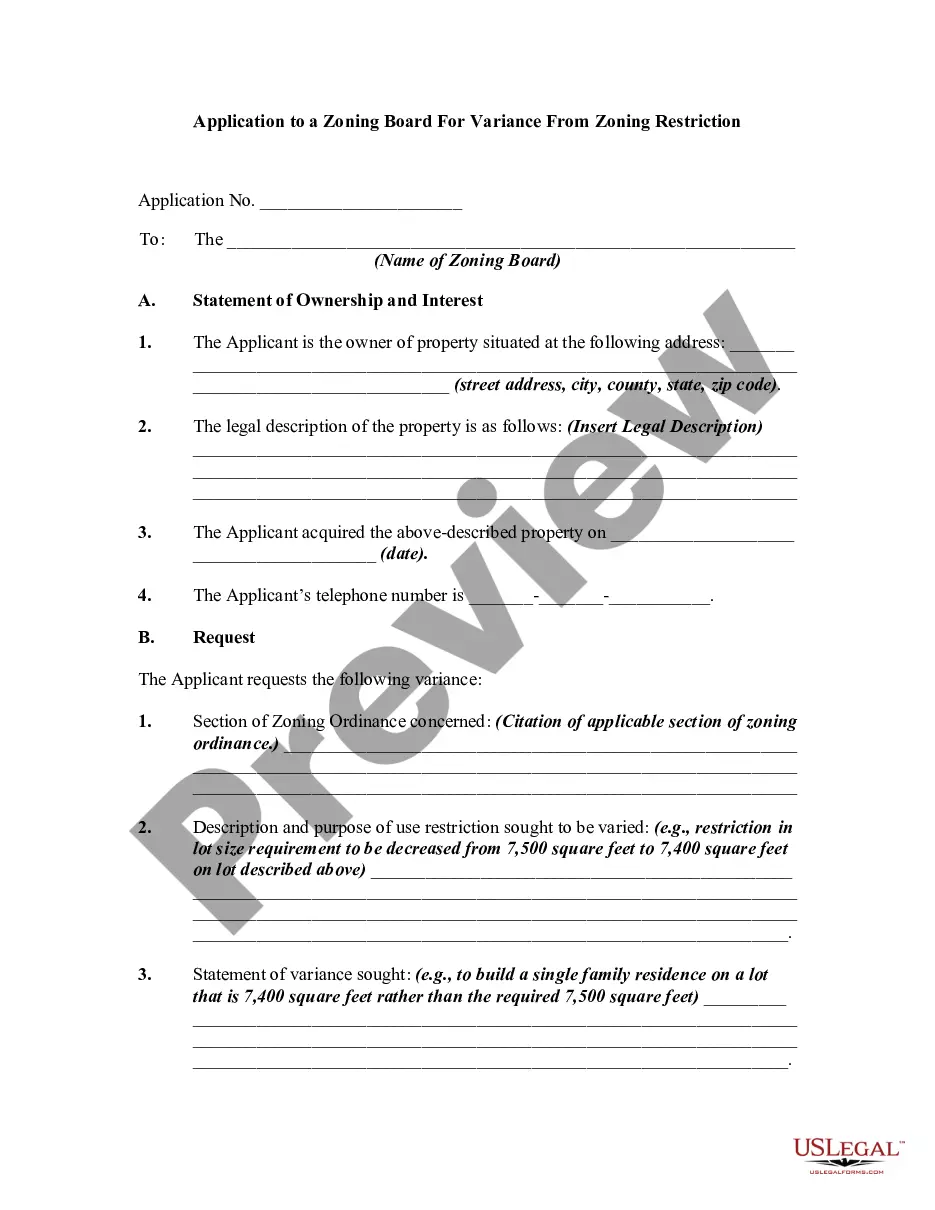


Get your form ready online
Our built-in tools help you complete, sign, share, and store your documents in one place.
Make edits, fill in missing information, and update formatting in US Legal Forms—just like you would in MS Word.
Download a copy, print it, send it by email, or mail it via USPS—whatever works best for your next step.
Sign and collect signatures with our SignNow integration. Send to multiple recipients, set reminders, and more. Go Premium to unlock E-Sign.
If this form requires notarization, complete it online through a secure video call—no need to meet a notary in person or wait for an appointment.
We protect your documents and personal data by following strict security and privacy standards.

Make edits, fill in missing information, and update formatting in US Legal Forms—just like you would in MS Word.

Download a copy, print it, send it by email, or mail it via USPS—whatever works best for your next step.

Sign and collect signatures with our SignNow integration. Send to multiple recipients, set reminders, and more. Go Premium to unlock E-Sign.

If this form requires notarization, complete it online through a secure video call—no need to meet a notary in person or wait for an appointment.

We protect your documents and personal data by following strict security and privacy standards.
Looking for another form?

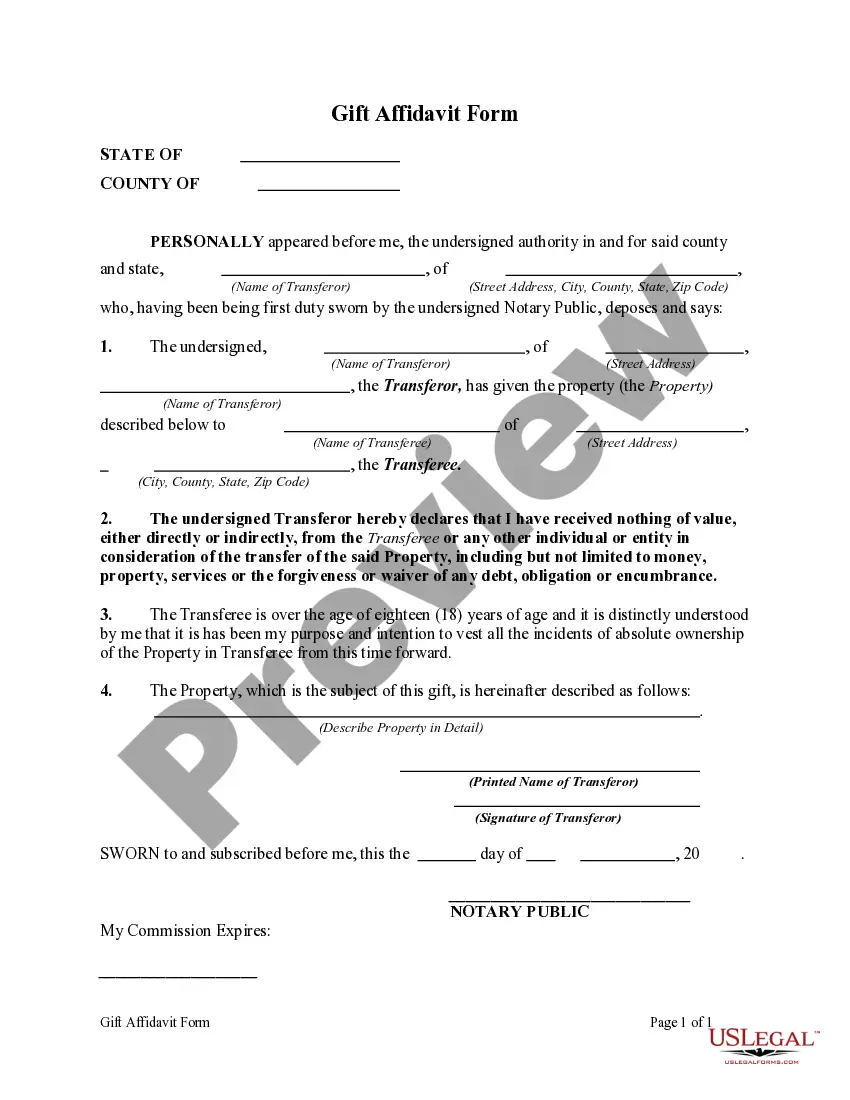



How to fill out Application For Variance?
Finding a go-to place to take the most recent and appropriate legal samples is half the struggle of working with bureaucracy. Choosing the right legal documents requirements precision and attention to detail, which is the reason it is vital to take samples of Application Variance Online With Random Forest only from trustworthy sources, like US Legal Forms. An improper template will waste your time and delay the situation you are in. With US Legal Forms, you have very little to be concerned about. You can access and view all the information concerning the document’s use and relevance for your circumstances and in your state or county.
Consider the following steps to finish your Application Variance Online With Random Forest:
- Use the library navigation or search field to locate your sample.
- Open the form’s description to ascertain if it suits the requirements of your state and area.
- Open the form preview, if there is one, to ensure the form is definitely the one you are looking for.
- Return to the search and find the appropriate template if the Application Variance Online With Random Forest does not suit your needs.
- If you are positive about the form’s relevance, download it.
- When you are a registered user, click Log in to authenticate and access your picked forms in My Forms.
- If you do not have an account yet, click Buy now to get the form.
- Select the pricing plan that fits your needs.
- Proceed to the registration to complete your purchase.
- Complete your purchase by choosing a transaction method (credit card or PayPal).
- Select the document format for downloading Application Variance Online With Random Forest.
- When you have the form on your device, you may modify it with the editor or print it and complete it manually.
Eliminate the headache that accompanies your legal paperwork. Explore the extensive US Legal Forms library where you can find legal samples, check their relevance to your circumstances, and download them on the spot.
Form popularity
FAQ
To sum up, the Random Forest employs a number of techniques to reduce variance in predictions while maintaining (to some extent) the low variance that was characteristic of the lone Decision Tree. It does this primarily by averaging together a number of very weakly correlated (if not completely uncorrelated) trees.
To understand bias variance in random forest it is important to understand bias variance in decision trees. In a decision tree if the tree is shallow then it might have a high bias i.e underfitting. If the tree is too deep then it will have a high variance i.e overfitting.
2. Random Forest algorithm intuition Randomly select k features from a total of m features where k < m . Among the k features, calculate the node d using the best split point. Split the node into daughter nodes using the best split. Repeat 1 to 3 steps until l number of nodes has been reached.
Coding in Python ? Random Forest Let's import the libraries. ... Import the dataset. ... Putting Feature Variable to X and Target variable to y. ... Train-Test-Split is performed. ... Let's import RandomForestClassifier and fit the data. ... Let's do hyperparameter tuning for Random Forest using GridSearchCV and fit the data.
The following steps will tell you how random forest works: Create Bootstrap Samples: Construct different samples of the dataset with replacements by randomly selecting the rows and columns from the dataset. ... Build Decision Trees: Construct the decision tree on each bootstrap sample as per the hyperparameters.