Excavation Construction
Description
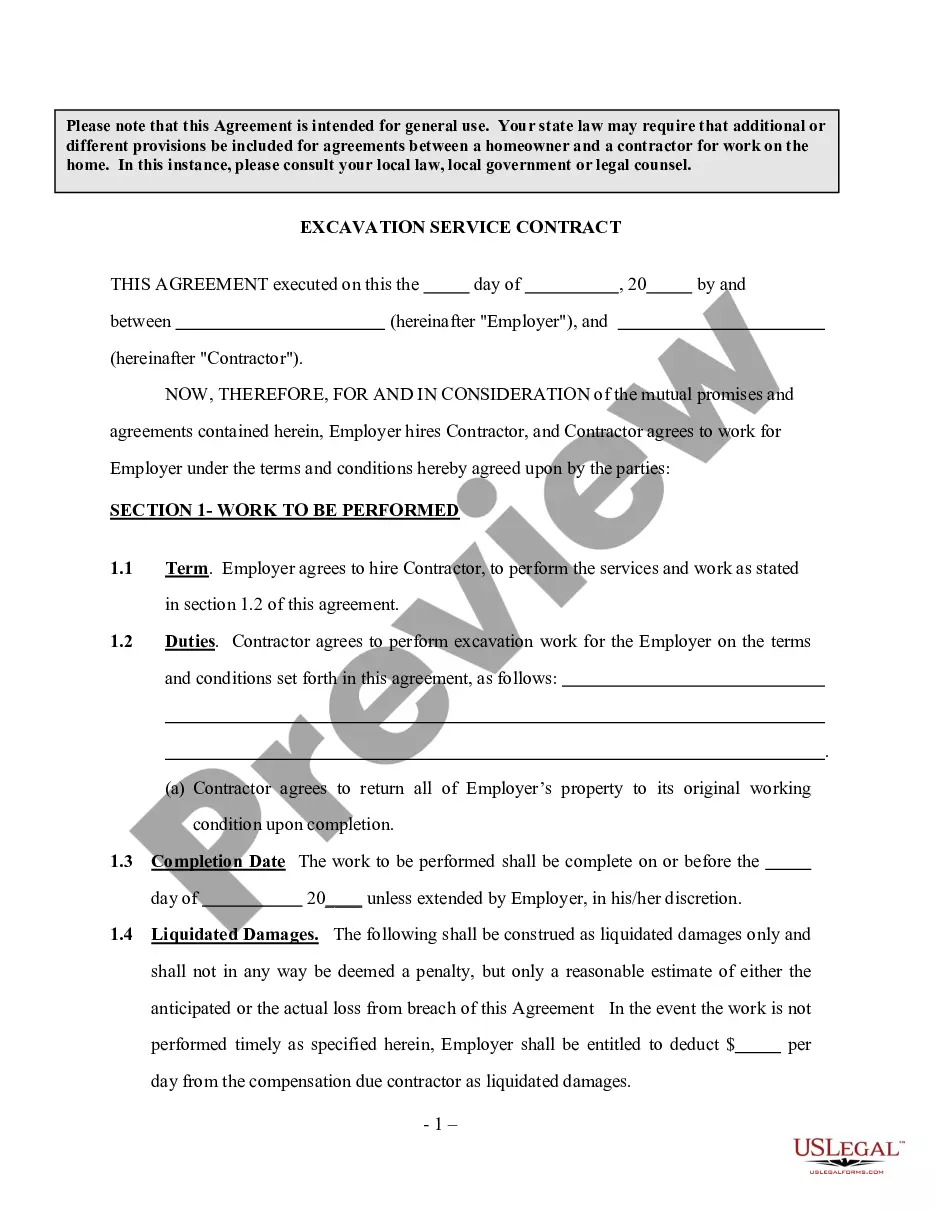
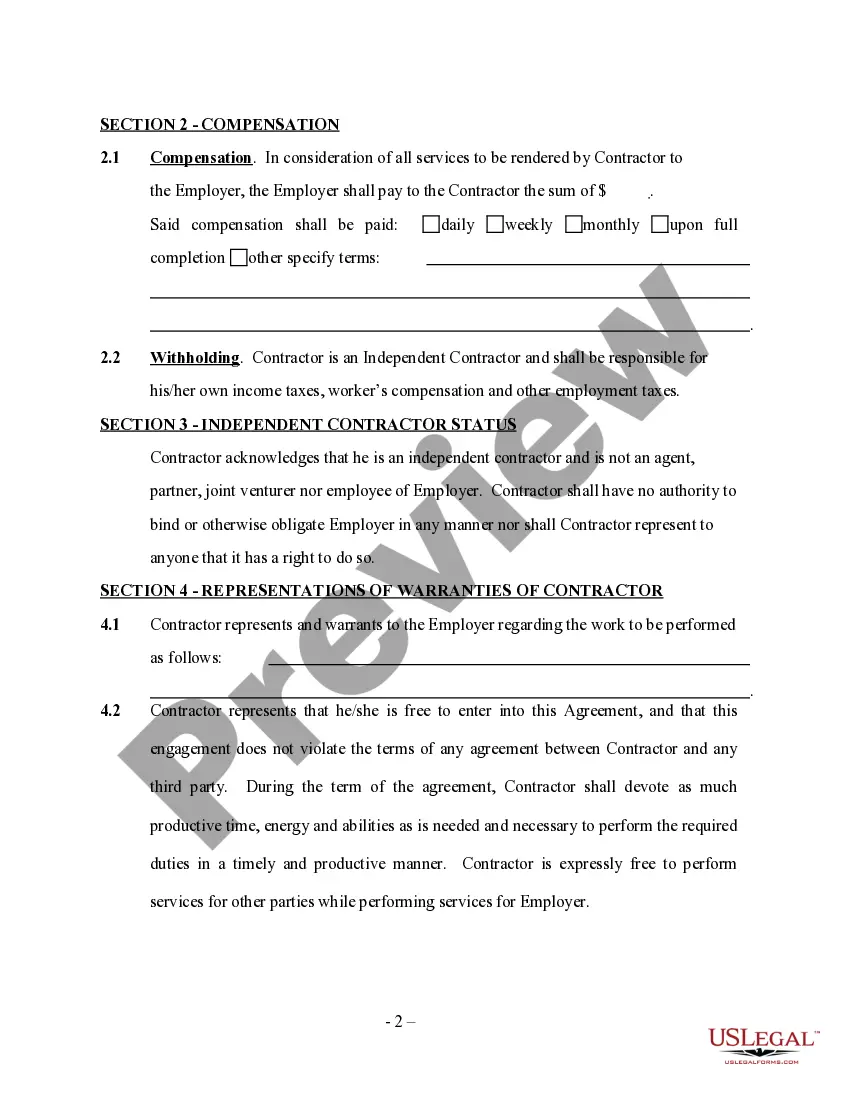
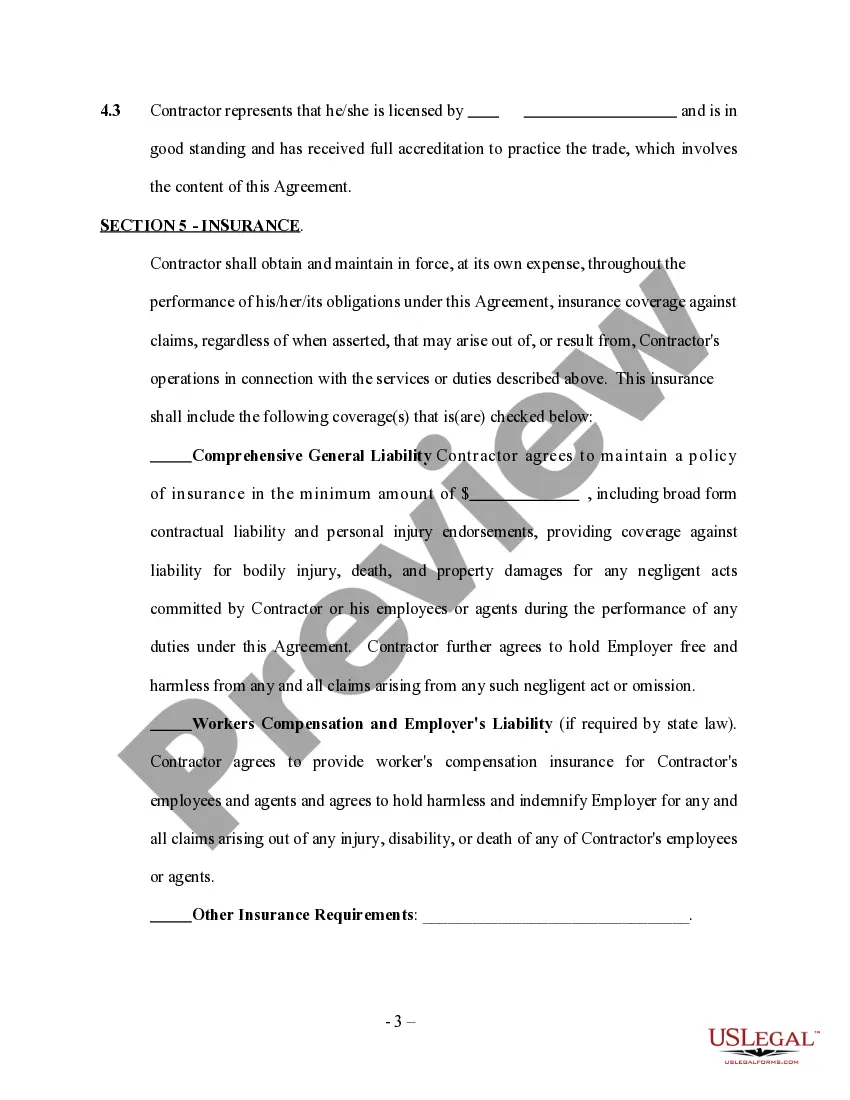
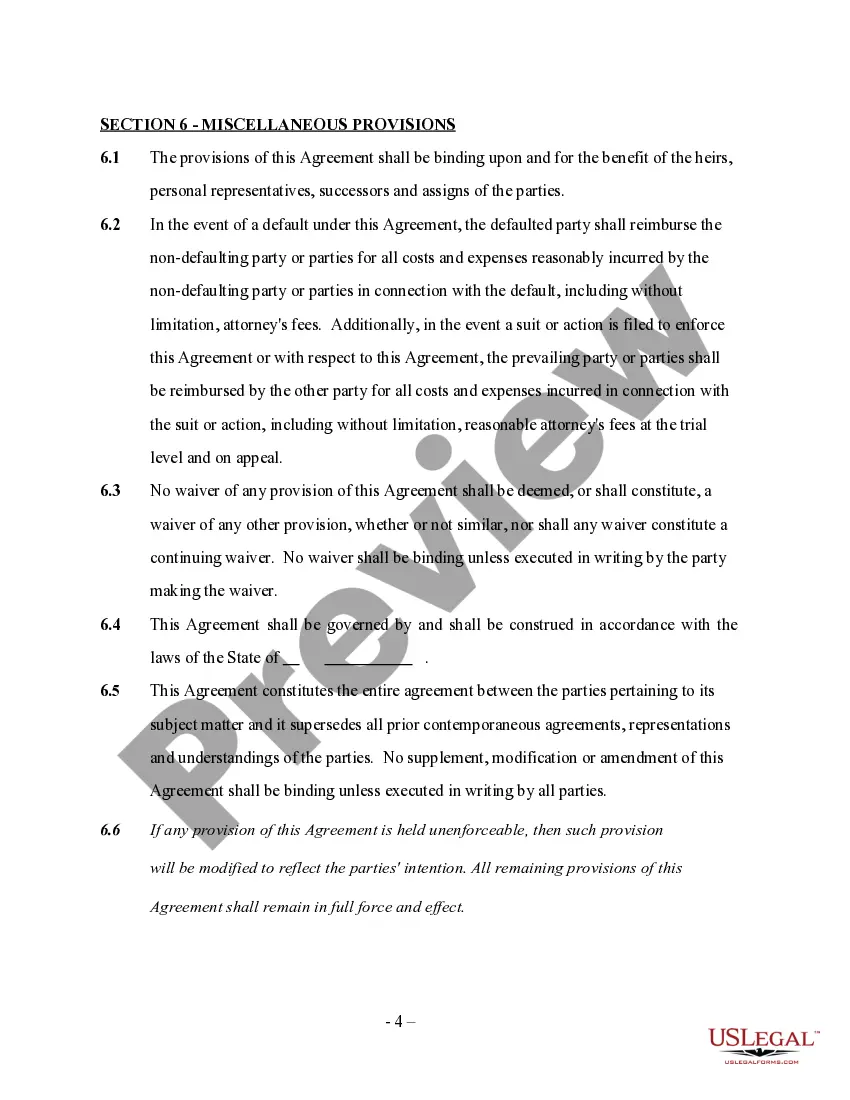
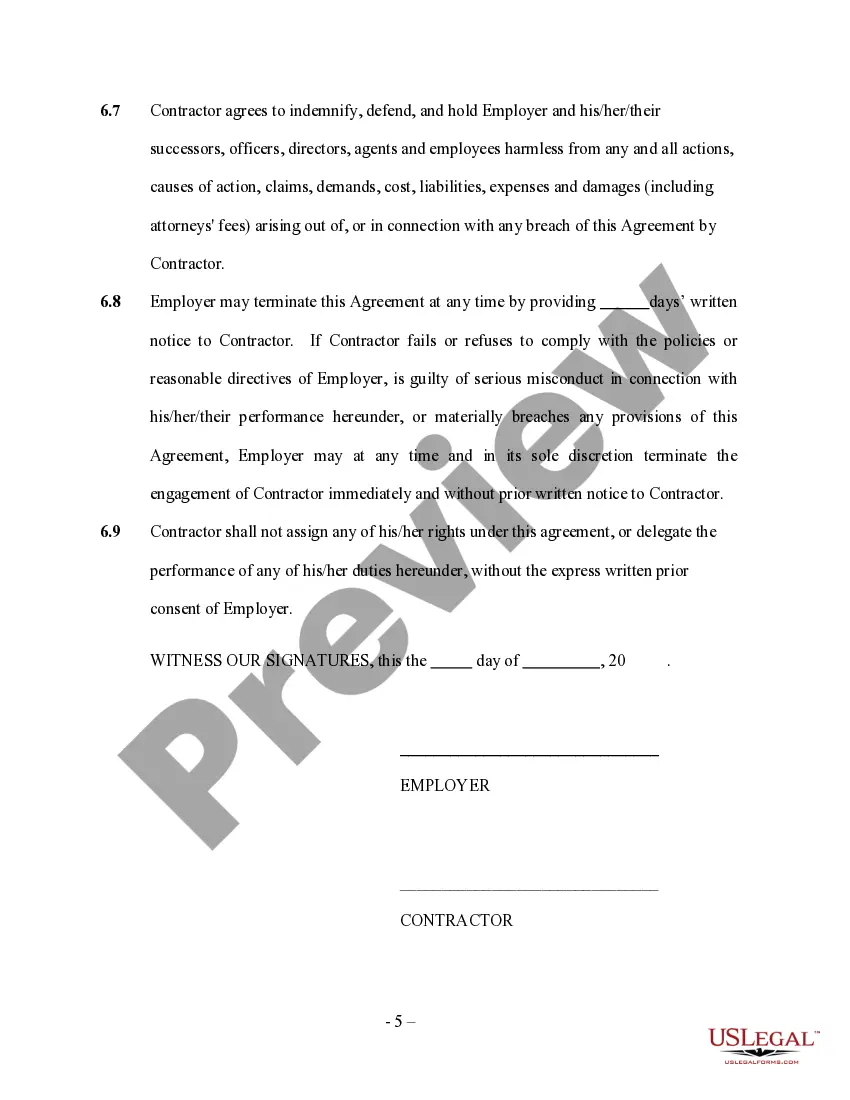
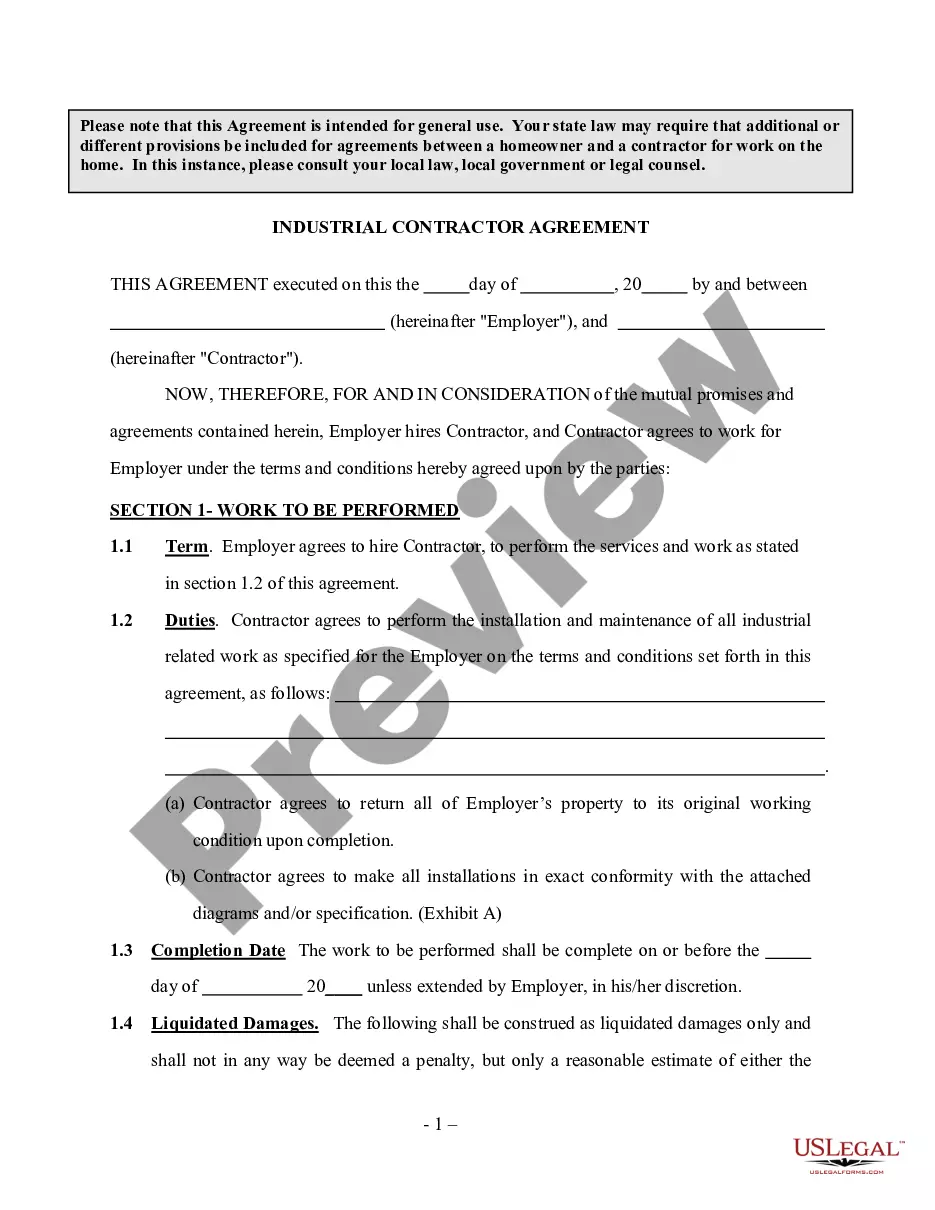
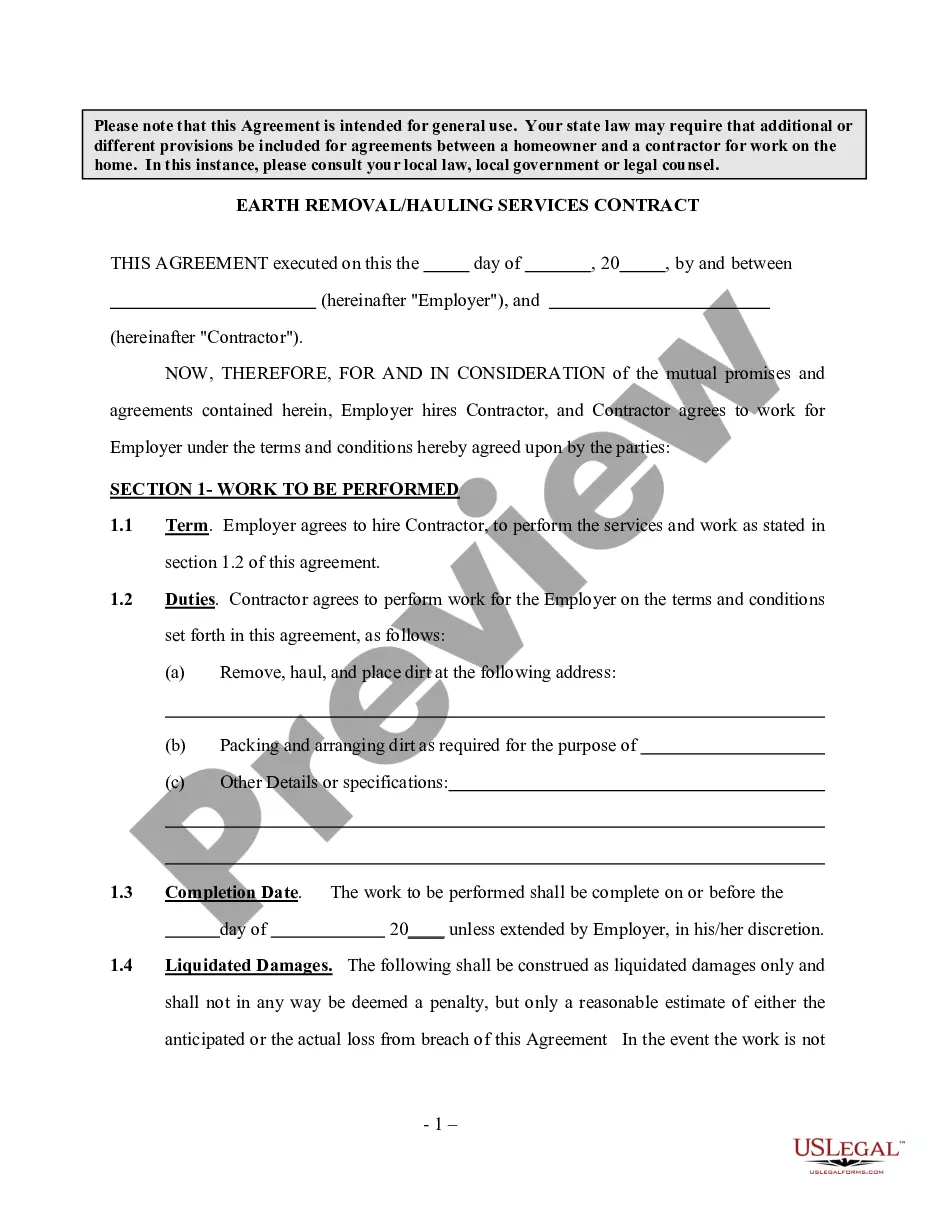
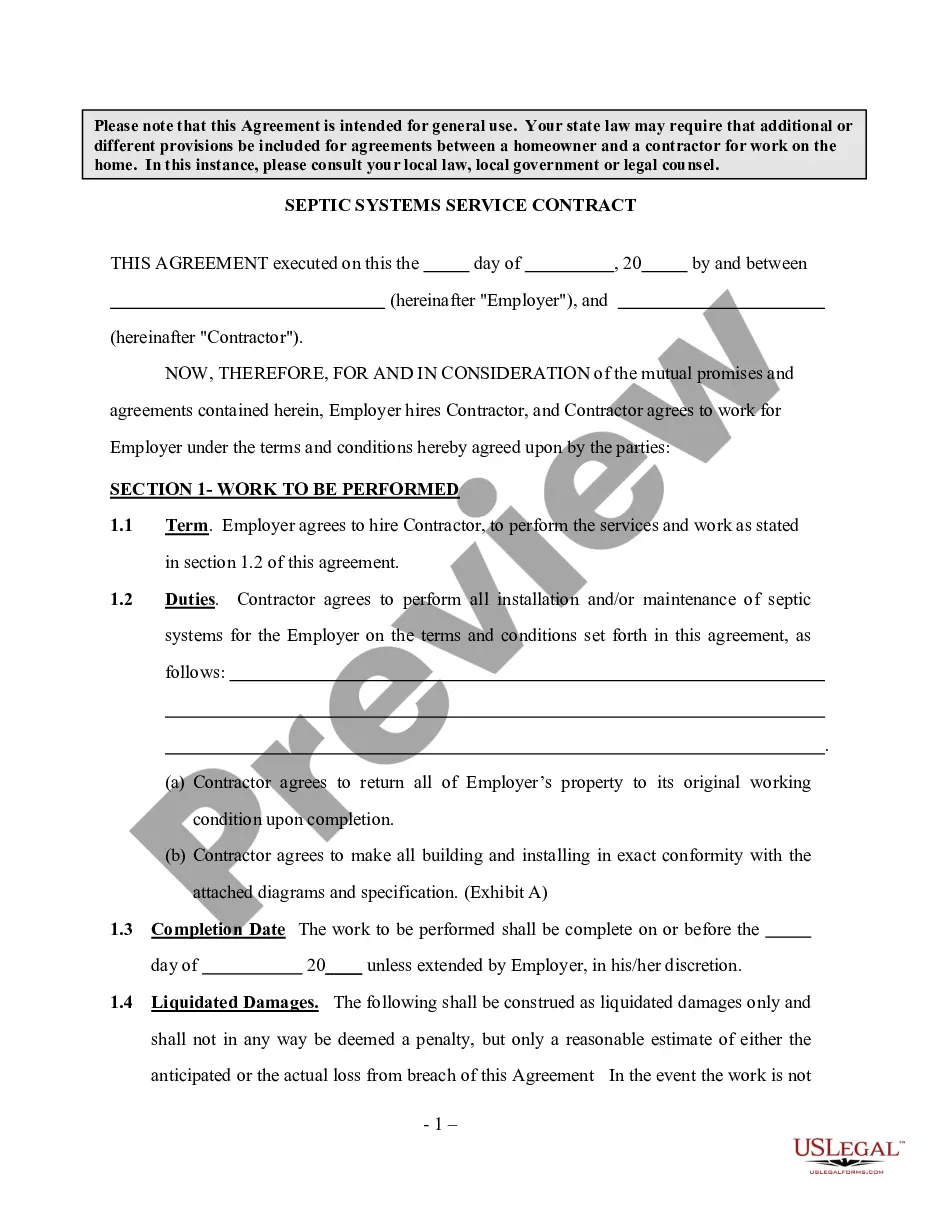

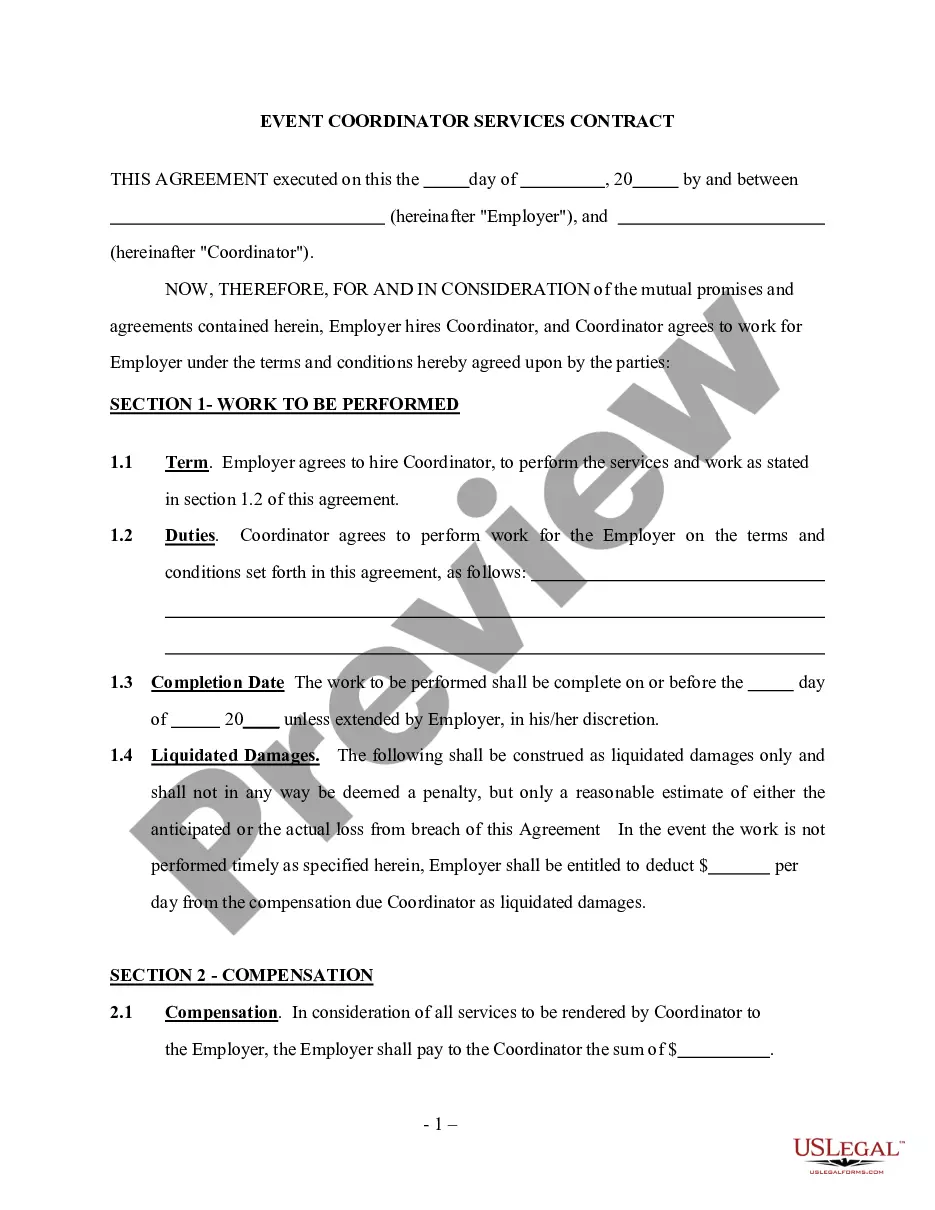





How to fill out Self-Employed Excavation Service Contract?
- Log in to your US Legal Forms account by clicking here, and ensure your subscription is current to access all features.
- If you’re a new user, start by browsing the extensive library. Use the Preview mode to review form descriptions, ensuring you select the right one for your excavation construction needs.
- Should you need additional templates, utilize the search functionality to find other relevant forms that align with your local regulations.
- Purchase the desired document by clicking the 'Buy Now' button. Choose from the subscription plans available that best suit your needs while creating an account.
- Complete your payment using a credit card or PayPal and finalize your subscription.
- Download your legal form to your device. Access it anytime through the My Forms section of your profile.
By following these straightforward steps, you can leverage US Legal Forms to manage your excavation construction paperwork efficiently. The platform offers a robust collection of legal documents tailored to your needs.
Get started today and ensure your excavation construction projects are legally sound with US Legal Forms. Visit the site to explore the resources!
Form popularity
FAQ
Starting an excavation construction business can be a rewarding venture due to the steady demand for excavation services in various industries. As infrastructure projects and development continue to grow, having the right skills and equipment can position you well in the market. Additionally, by leveraging platforms like US Legal Forms, you can easily access legal documents to help establish your business efficiently. Overall, with proper planning and execution, it could prove to be a viable option.
To begin excavation construction, first, you need to create a detailed plan that outlines your project goals, scope, and requirements. Next, obtain the necessary permits and licenses, as local regulations often govern excavation activities. Invest in quality equipment and tools to ensure efficiency and safety during the process. Finally, familiarize yourself with safety protocols and best practices to protect yourself and your workers.
To calculate excavation in construction, you need to measure the length, width, and depth of the excavation site. Then, multiply these dimensions to find the volume, often represented in cubic yards. It’s essential to account for any over-excavation and soil displacement during the process. For accurate documentation, consider using resources from US Legal Forms to ensure compliance with construction regulations.
Organizing an excavation involves careful planning and coordination among team members. Start by creating a detailed project schedule that outlines tasks, deadlines, and responsibilities. Consult with site managers and operators to ensure clear communication throughout the excavation process. By utilizing organizational tools and platforms, like US Legal Forms for contracts and agreements, you can streamline the legal and administrative aspects of your excavation construction project.
The steps of excavation involve thorough planning, marking the site, digging, and final site preparation. Begin by assessing the site and marking boundaries. Next, carefully excavate the area while ensuring safety protocols are followed. Finally, review the excavation for any necessary adjustments before moving on to the next construction stage. A well-managed excavation construction project will save time and resources.
The three S's of excavation construction refer to Safety, Support, and Stability. Safety involves implementing stringent safety measures to protect workers on site. Support focuses on using tools and equipment that provide adequate support to excavation walls. Stability refers to maintaining the integrity of the soils and structures adjacent to the excavation. Together, these principles ensure successful excavation practices.
Excavation construction involves several key steps that begin with site assessment and planning. Next, you must mark the excavation area and ensure all utilities are identified and relocated if necessary. Afterward, you can begin digging, taking care to monitor wall stability and depth. Finally, properly grade and compact the site as needed to prepare for the next phase of construction.
The best way to enter an excavation is by using designated entry points rather than climbing over the edges. Ensure that ladders or ramps are installed for safe access, as they provide stability when entering and exiting. Always check that the surrounding area is clear of hazards and follow your site’s safety plan. By prioritizing safety in excavation construction, you protect yourself and your team.
The 5 4 3 2 1 rule in excavation construction refers to the system of safety that helps manage excavation sites. It emphasizes that at least five feet, four feet, three feet, two feet, and one foot intervals must be observed to ensure stability and safety. This approach helps prevent cave-ins and maintains proper angles of repose. Adopting this rule is crucial for any excavation project to mitigate risk.
Excavation construction requires three main types of protection: sloping, shoring, and shielding. Sloping involves cutting back the sides of the excavation to reduce the risk of collapse. Shoring uses supports to hold up trench walls and prevent cave-ins. Shielding employs protective structures that safeguard workers from falling soil, ensuring safety on the site.