Assignment of Rights under Executed Contract
What is this form?
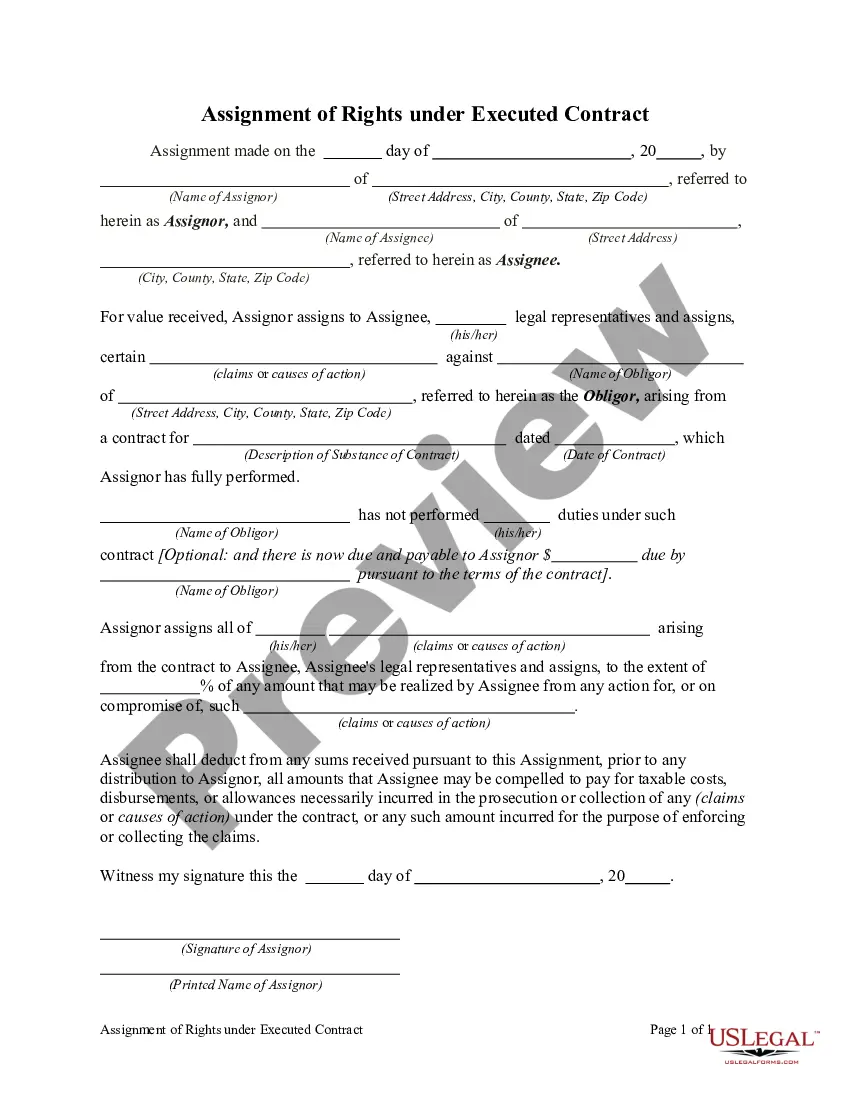
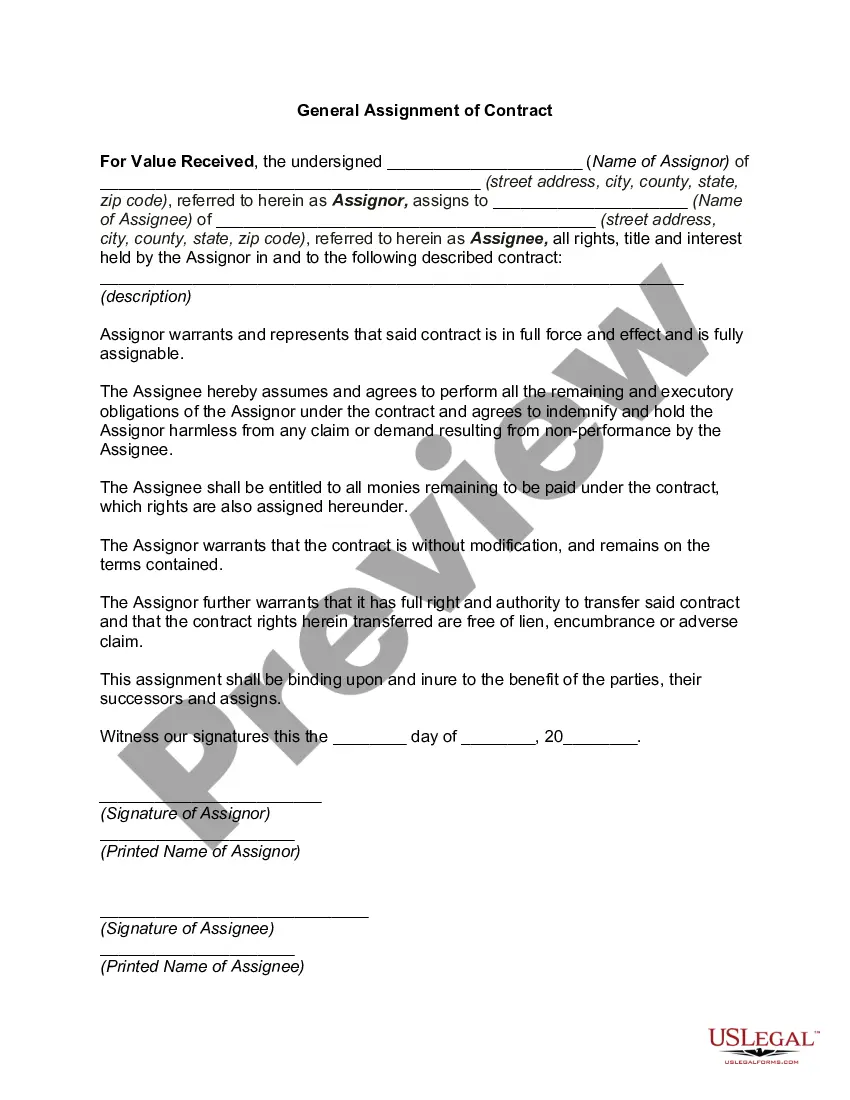
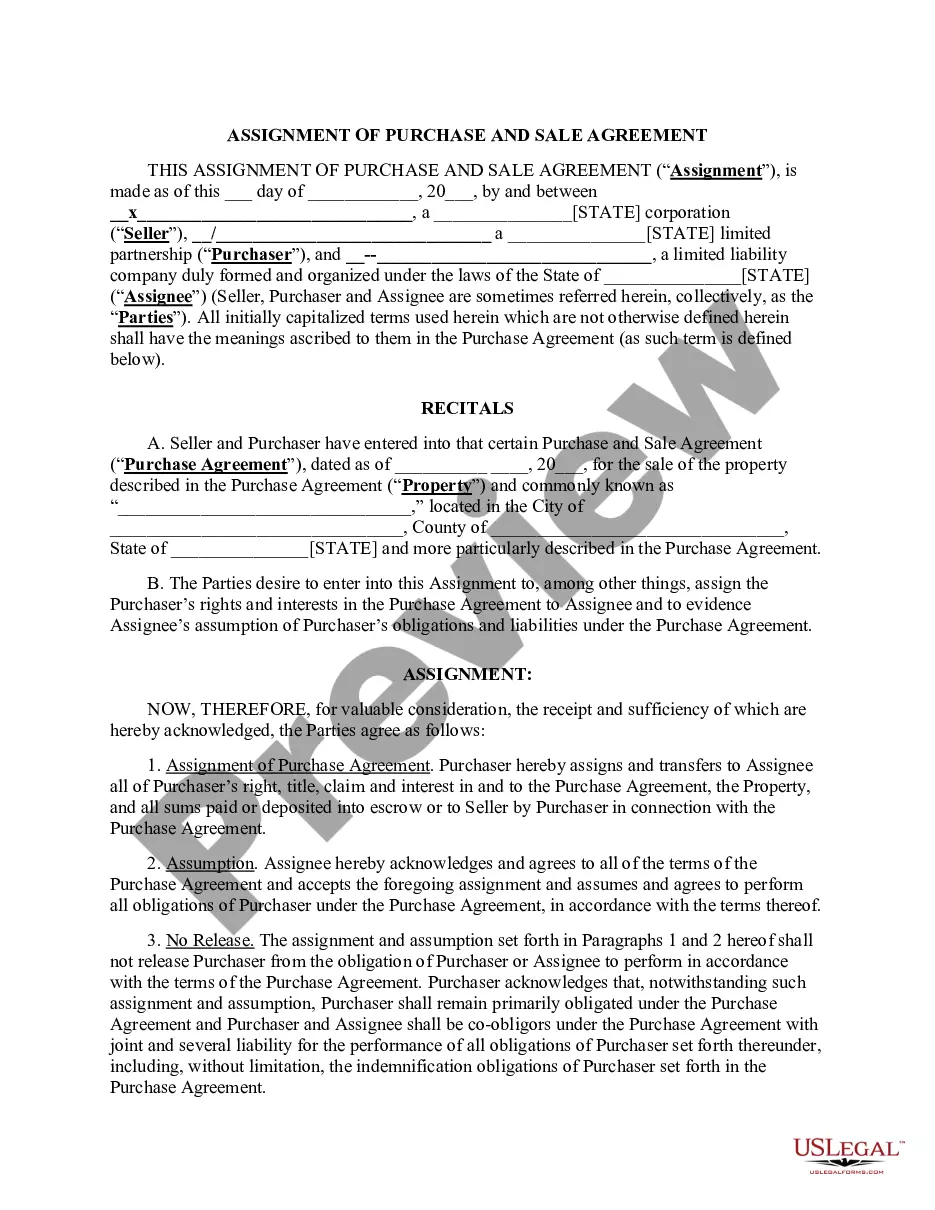
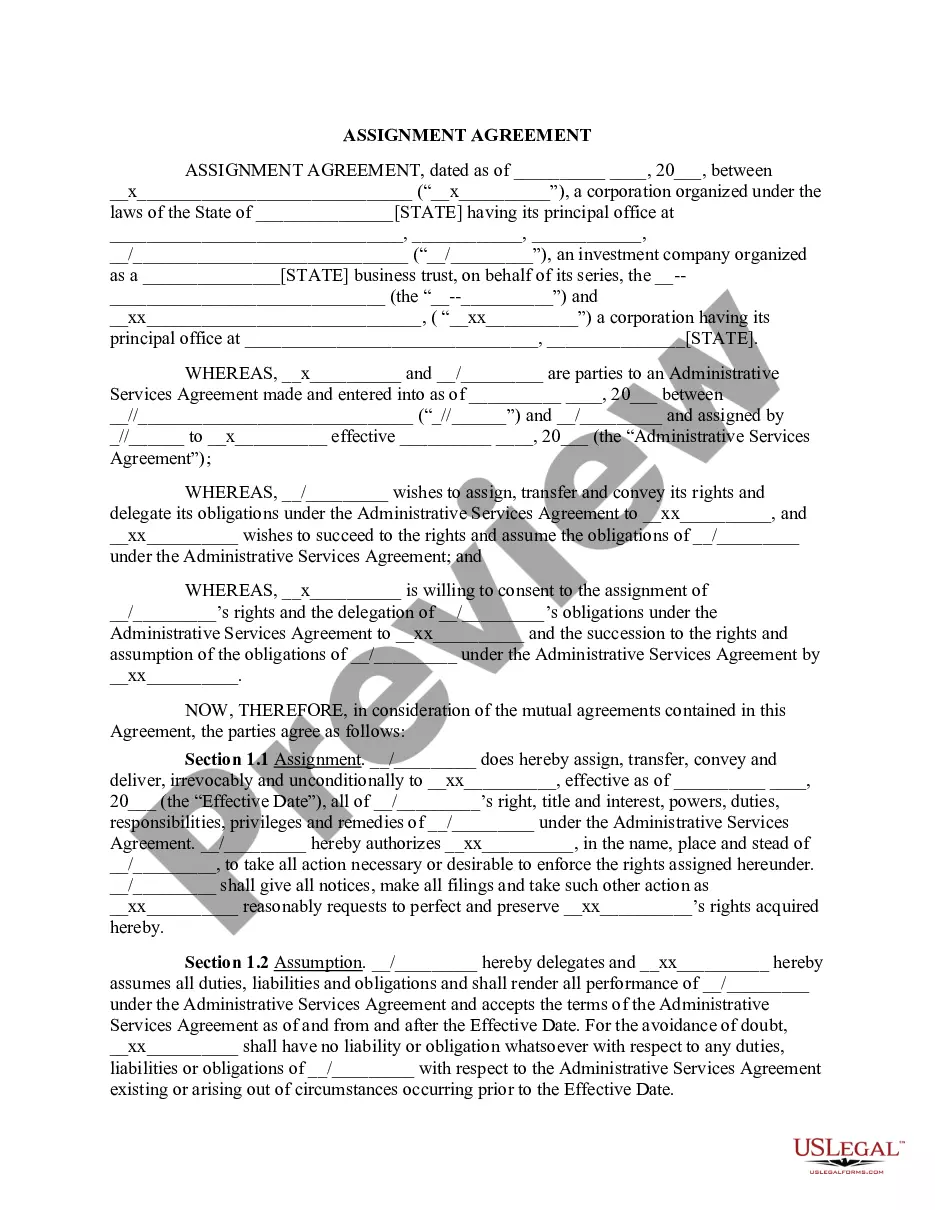
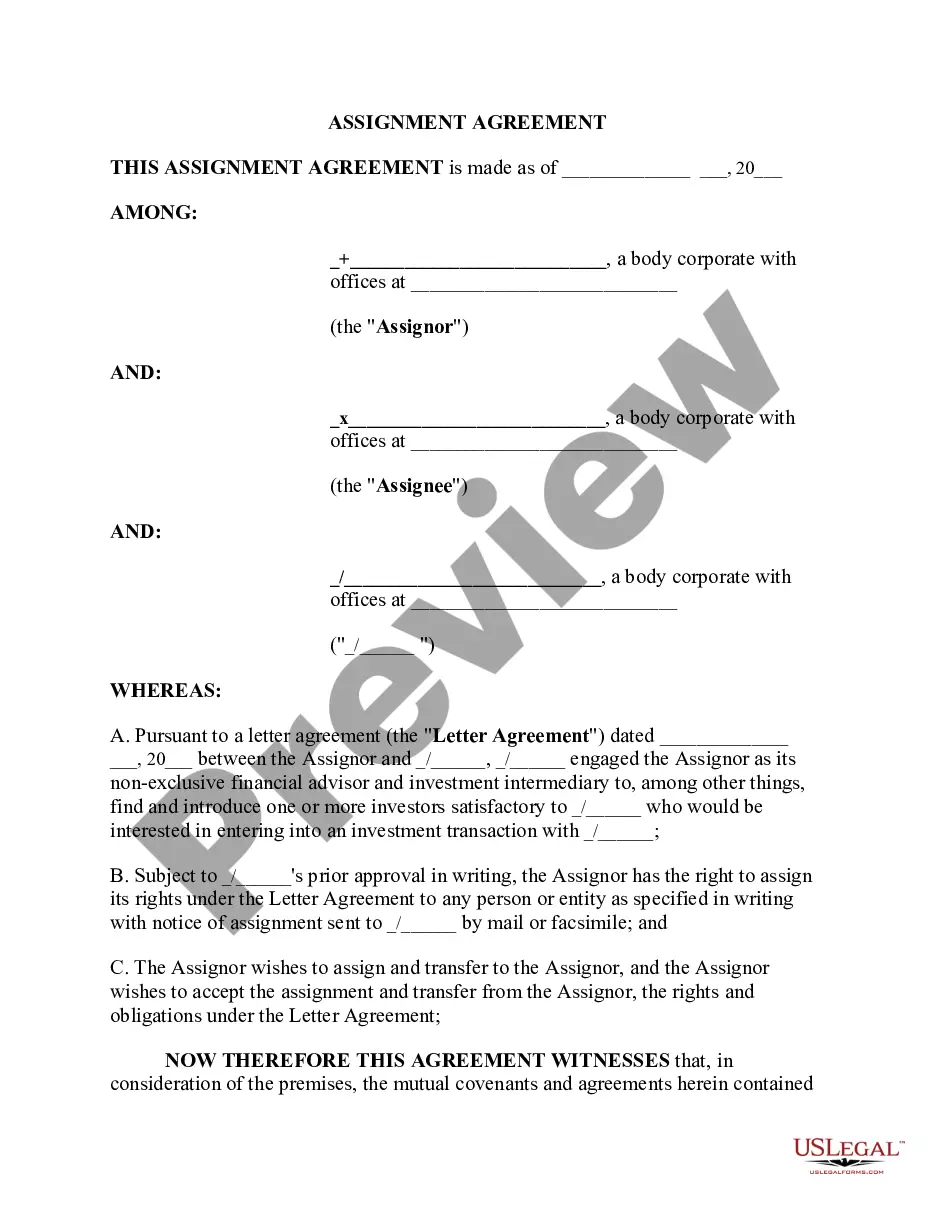
The Assignment of Rights under Executed Contract is a legal document that allows one party (the assignor) to transfer their rights and benefits under an existing contract to another party (the assignee). This form is essential for ensuring that the assignee can enforce the rights originally granted to the assignor without the need for creating a new contract. This process is common in various scenarios, including business partnerships and real estate transactions where rights need to be transferred without renegotiating the original terms.
Key parts of this document
- Identifying Information: Names and addresses of the assignor and assignee.
- Contract Reference: Details about the executed contract being assigned.
- Assignment Clause: Statement confirming the rights being transferred.
- Signature Section: Spaces for both parties to sign and date the form.
Situations where this form applies
This form is used in situations where an individual or business needs to transfer their rights as outlined in an existing contract. Common scenarios include selling a business interest, transferring rights in a lease agreement, or when one partner in a business wants to assign their rights to another partner. By utilizing this assignment form, the parties ensure clarity and legal enforceability of the rights being transferred.
Who needs this form
This form is suitable for:
- Business owners looking to assign rights related to contracts.
- Parties involved in real estate transactions needing to transfer rights.
- Individuals who are part of a partnership or agreement and wish to assign their rights to another party.
Instructions for completing this form
- Identify the parties: Write the names and addresses of the assignor and assignee.
- Reference the contract: Include details about the executed contract, such as its title and date.
- State the assignment: Clearly state the rights being assigned in the assignment clause.
- Sign and date: Ensure both parties sign and date the form to validate the assignment.
Notarization requirements for this form
This form does not typically require notarization unless specified by local law. It is advisable to check specific state regulations to ensure compliance.
Get your form ready online
Our built-in tools help you complete, sign, share, and store your documents in one place.
Make edits, fill in missing information, and update formatting in US Legal Forms—just like you would in MS Word.
Download a copy, print it, send it by email, or mail it via USPS—whatever works best for your next step.
Sign and collect signatures with our SignNow integration. Send to multiple recipients, set reminders, and more. Go Premium to unlock E-Sign.
If this form requires notarization, complete it online through a secure video call—no need to meet a notary in person or wait for an appointment.
We protect your documents and personal data by following strict security and privacy standards.

Make edits, fill in missing information, and update formatting in US Legal Forms—just like you would in MS Word.

Download a copy, print it, send it by email, or mail it via USPS—whatever works best for your next step.

Sign and collect signatures with our SignNow integration. Send to multiple recipients, set reminders, and more. Go Premium to unlock E-Sign.

If this form requires notarization, complete it online through a secure video call—no need to meet a notary in person or wait for an appointment.

We protect your documents and personal data by following strict security and privacy standards.
Common mistakes
- Failing to include all necessary party information.
- Not referencing the correct executed contract.
- Omitting signatures or dates from the document.
Benefits of completing this form online
- Convenience: Easily download the form from your device.
- Editability: Modify the form to fit your specific needs.
- Reliability: Access forms drafted by licensed attorneys, ensuring legal compliance.
Legal use & context
- An Assignment of Rights under Executed Contract is enforceable in most jurisdictions if completed correctly.
- Ensure that the original contract allows for rights to be assigned, or consult an attorney for guidance.
- Keep in mind that some contracts may have clauses that restrict assignment without consent from other parties involved.
Key takeaways
- The Assignment of Rights under Executed Contract allows for the transfer of rights from one party to another.
- It is essential for various business and real estate transactions.
- Ensure proper completion and consideration of state specific requirements.
Looking for another form?
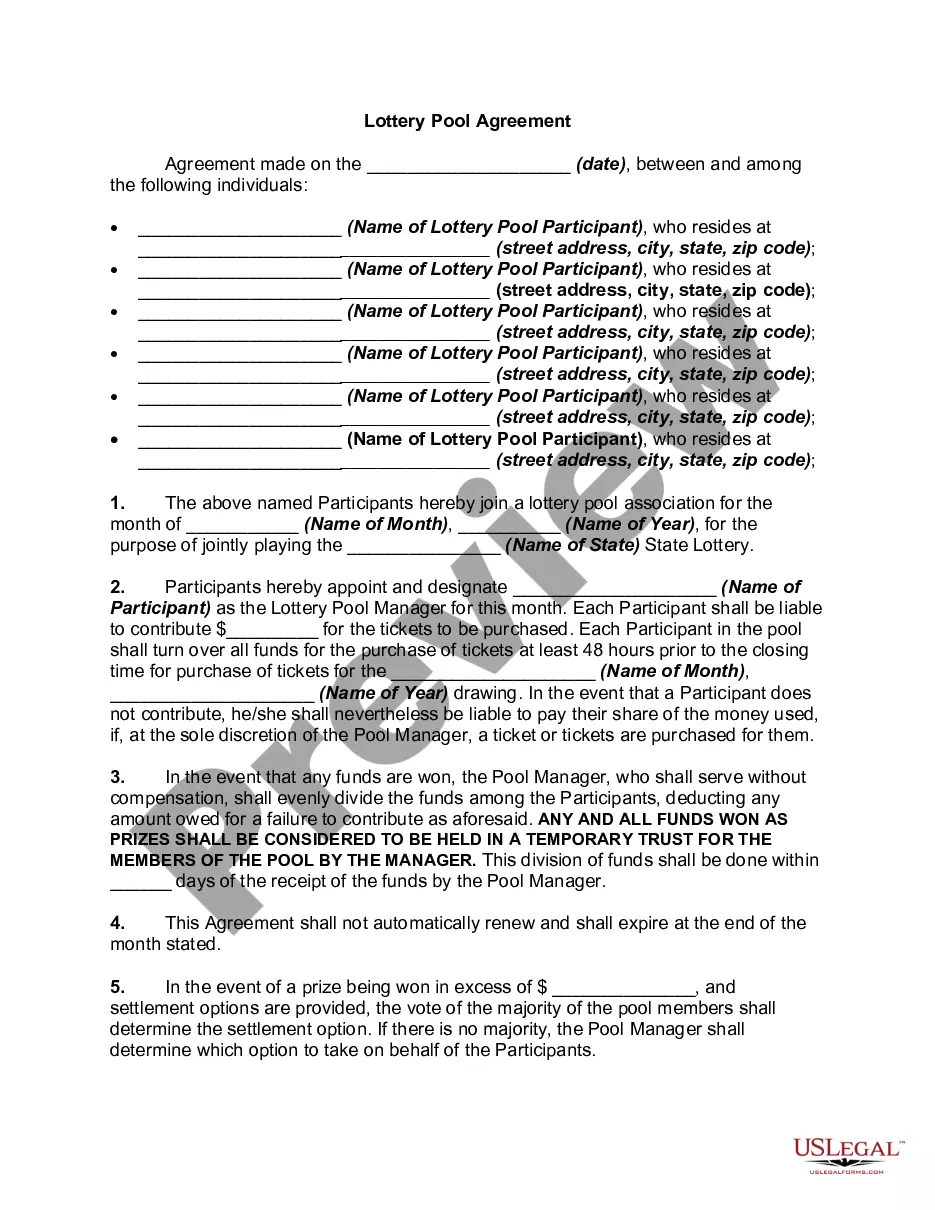



Form popularity
FAQ
Assignment involves the transfer of an interest or benefit from one person to another. However the 'burden', or obligations, under a contract cannot be transferred.
Generally speaking, contracts can be freely assigned to third parties.This contract cannot be assigned to anyone without the written consent of both parties.
Contractual rights are the set of rights guaranteed whenever people enter into a valid contract with one another. Contract rights usually involve business matters, including the provision of products and services.Rights to purchase a particular product or service. Rights to be sell a product or service.
The right or benefit being assigned may be a gift (such as a waiver) or it may be paid for with a contractual consideration such as money. The rights may be vested or contingent, and may include an equitable interest. Mortgages and loans are relatively straightforward and amenable to assignment.
An assignment of rights agreement refers to a situation in which one party, known as the assignor, shifts contract rights to another party. The party taking on the rights is known as the assignee.
An assignment of contract occurs when one party to an existing contract (the "assignor") hands off the contract's obligations and benefits to another party (the "assignee"). Ideally, the assignor wants the assignee to step into his shoes and assume all of his contractual obligations and rights.
Contracts can usually be "assigned" to another party, so long as that party agrees to uphold your end of the bargain. However, some contracts prohibit assignment. When you draft a contract, consider whether you would like the right to assign it to someone else.
An assignment of rights agreement refers to a situation in which one party, known as the assignor, shifts contract rights to another party. The party taking on the rights is known as the assignee.
A right cannot be assigned if the assignment will significantly increase or alter the risks to or the duties of the obligor (the party owing performance under the contract).