Phlebotomist Tradução
Description
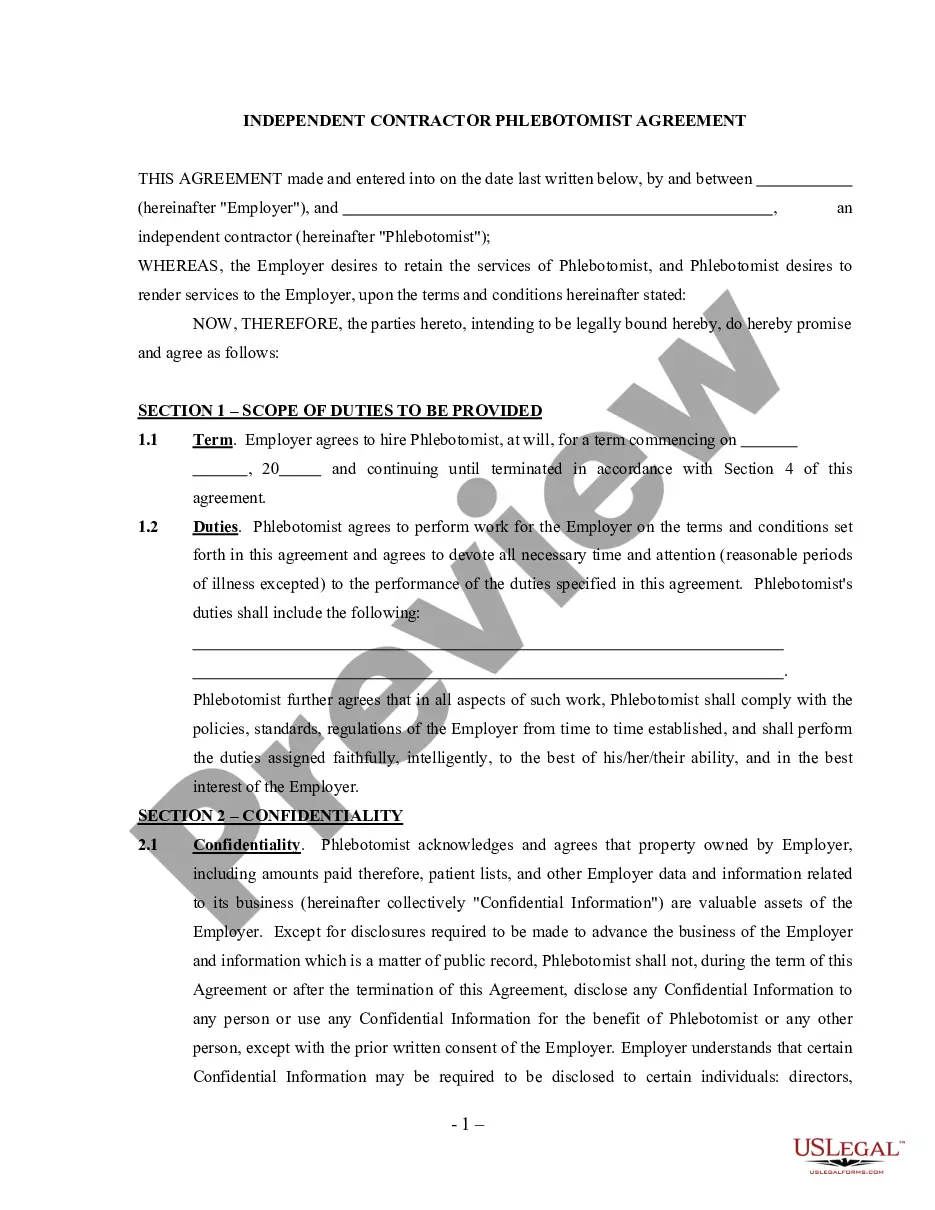
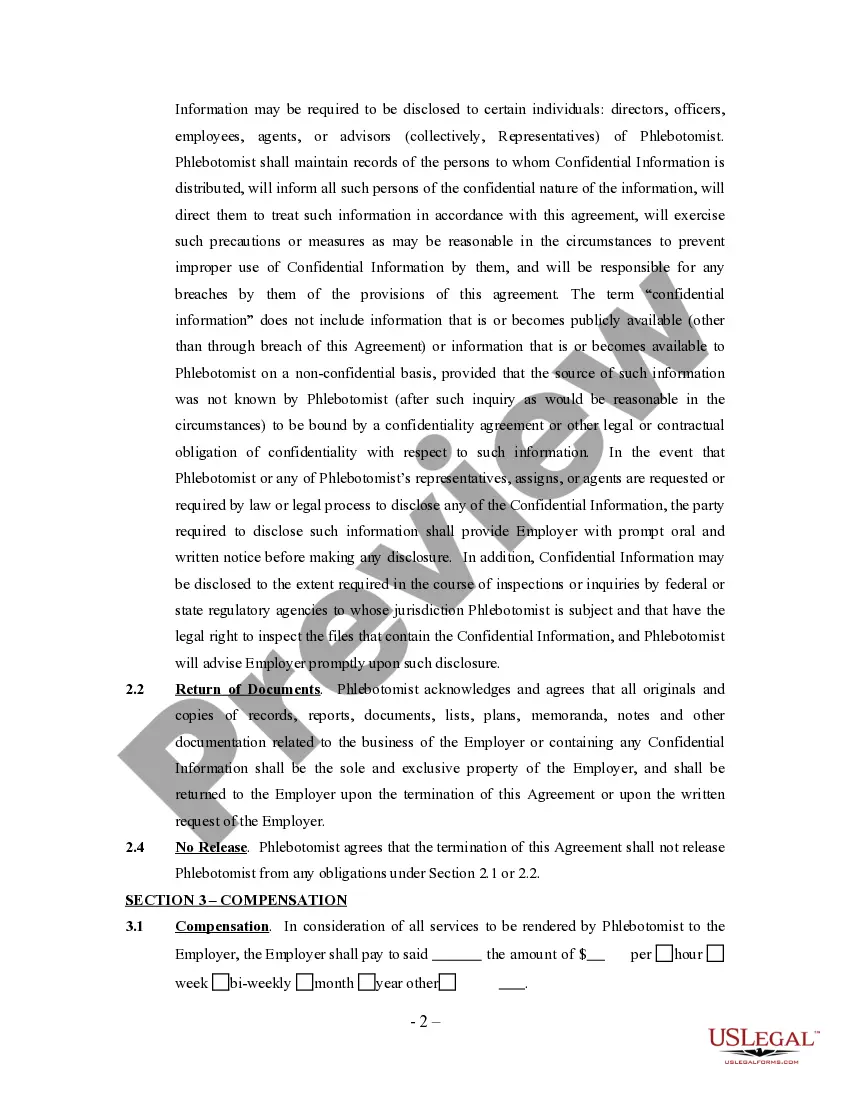
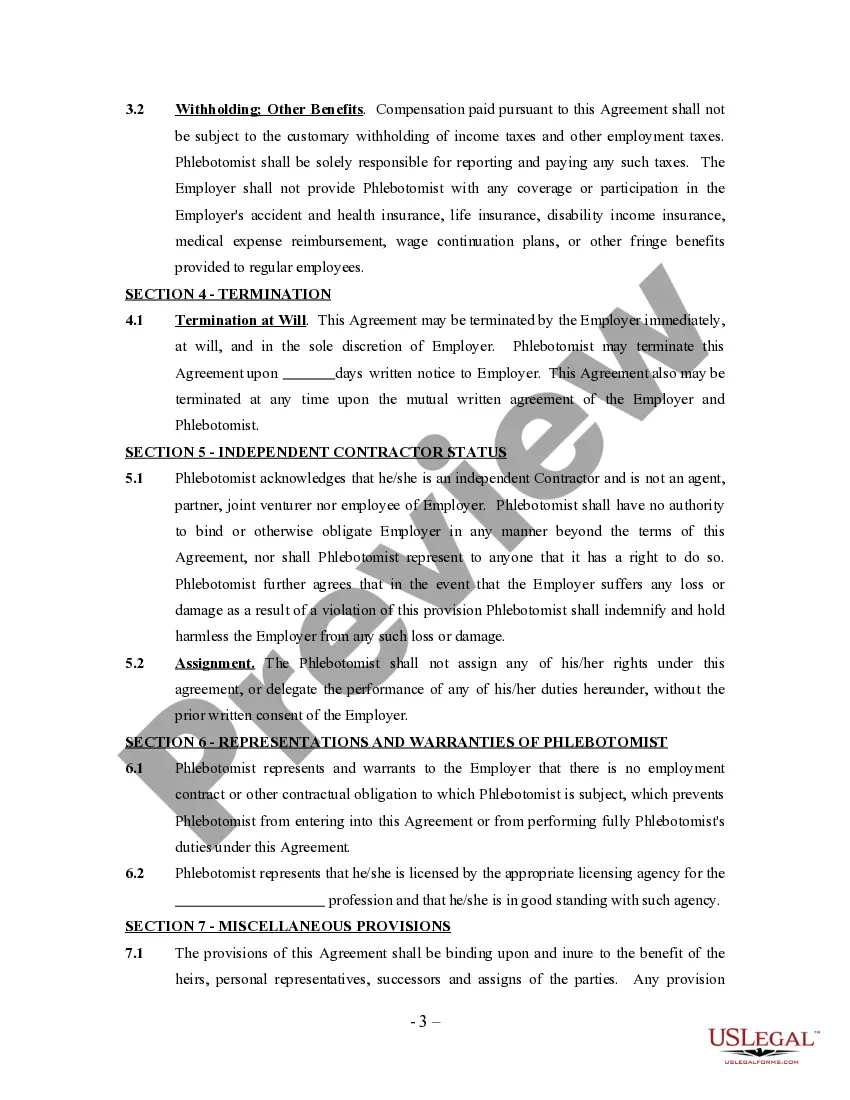
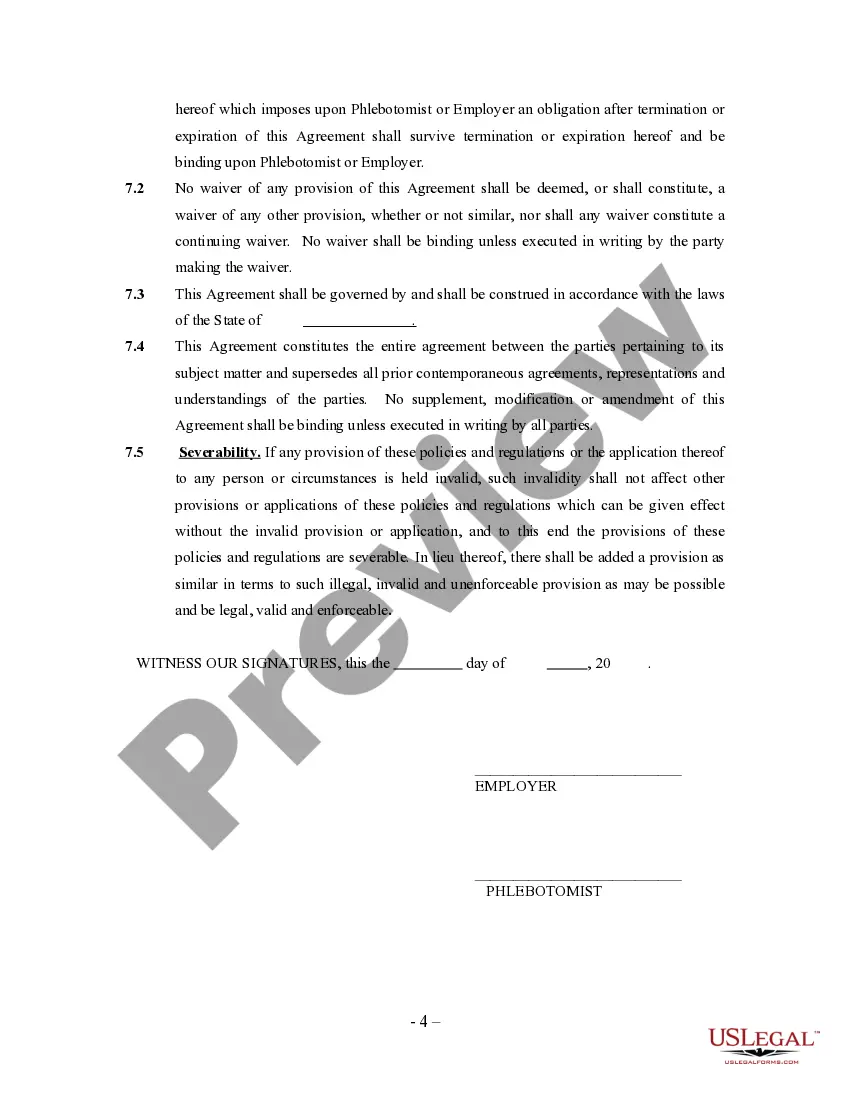
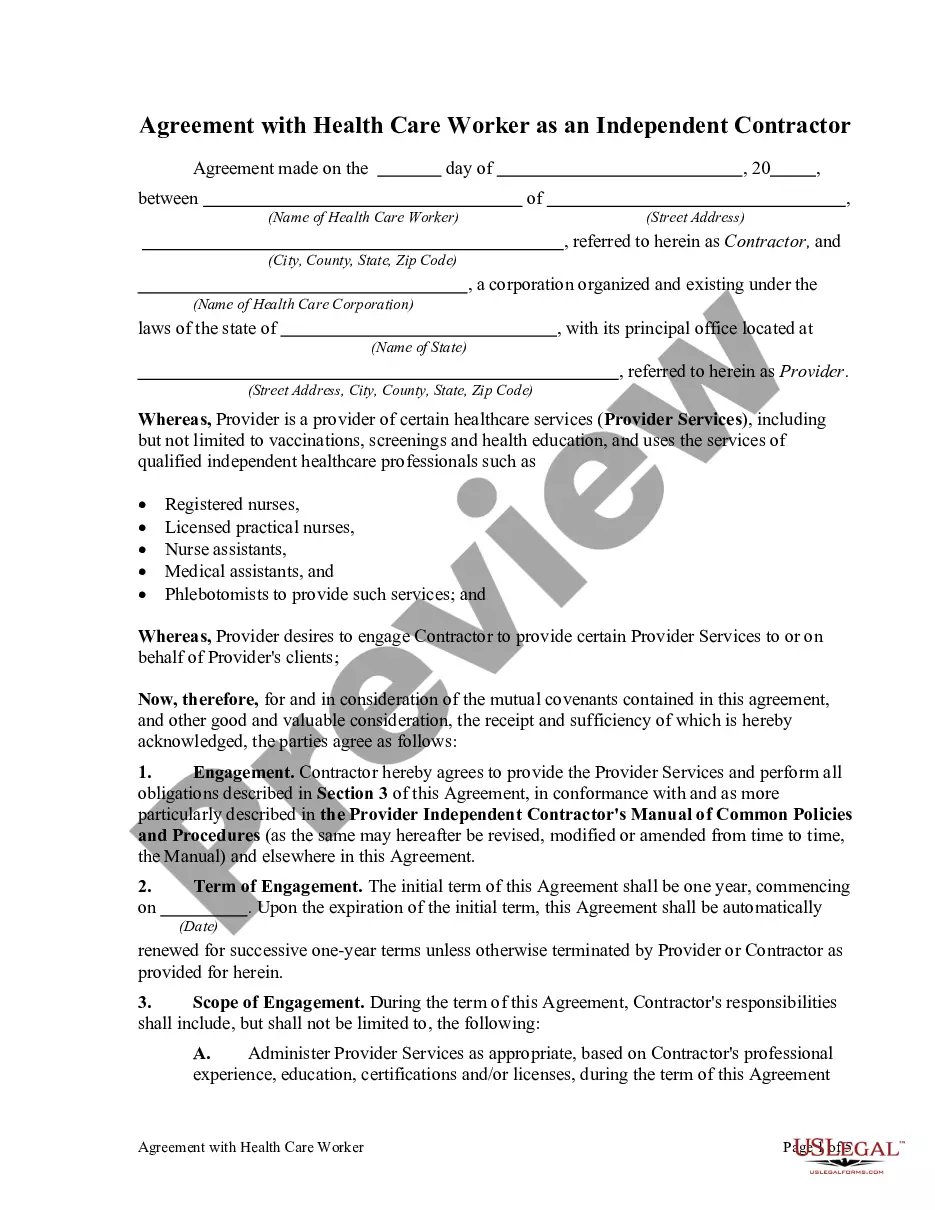
Get your form ready online
Our built-in tools help you complete, sign, share, and store your documents in one place.
Make edits, fill in missing information, and update formatting in US Legal Forms—just like you would in MS Word.
Download a copy, print it, send it by email, or mail it via USPS—whatever works best for your next step.
Sign and collect signatures with our SignNow integration. Send to multiple recipients, set reminders, and more. Go Premium to unlock E-Sign.
If this form requires notarization, complete it online through a secure video call—no need to meet a notary in person or wait for an appointment.
We protect your documents and personal data by following strict security and privacy standards.

Make edits, fill in missing information, and update formatting in US Legal Forms—just like you would in MS Word.

Download a copy, print it, send it by email, or mail it via USPS—whatever works best for your next step.

Sign and collect signatures with our SignNow integration. Send to multiple recipients, set reminders, and more. Go Premium to unlock E-Sign.

If this form requires notarization, complete it online through a secure video call—no need to meet a notary in person or wait for an appointment.

We protect your documents and personal data by following strict security and privacy standards.
Looking for another form?


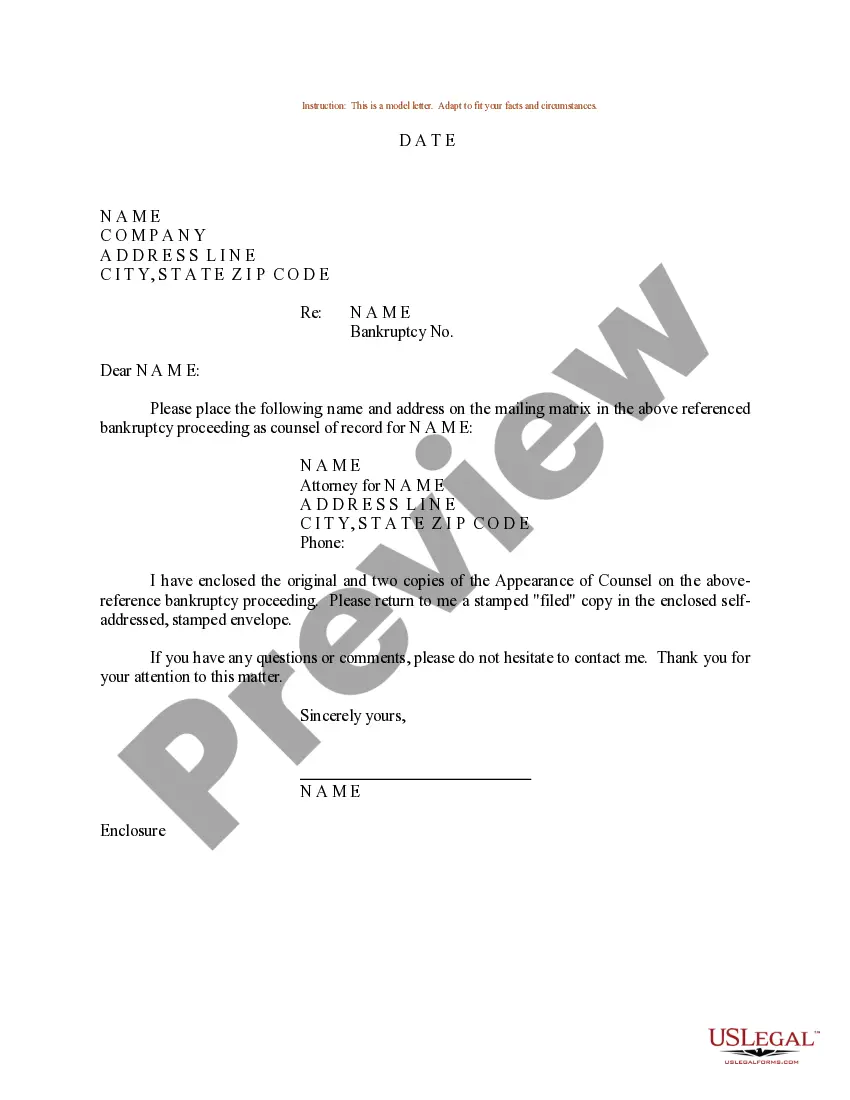


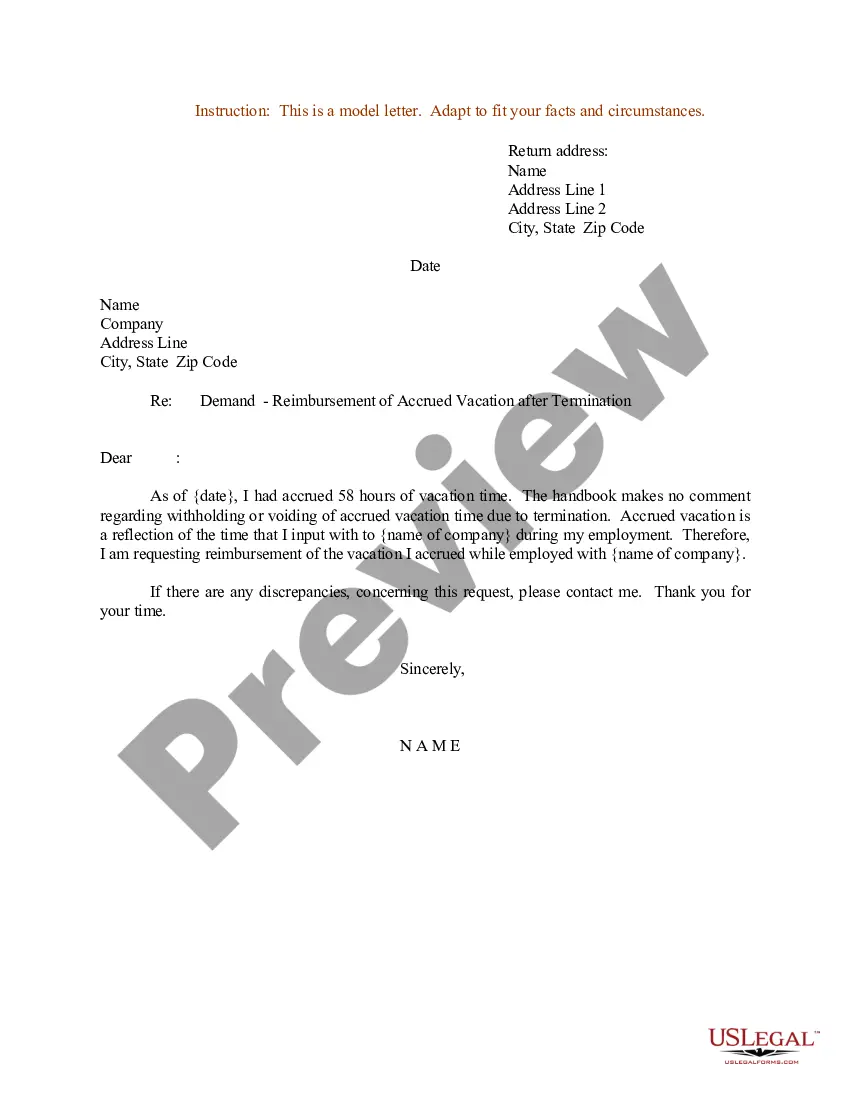
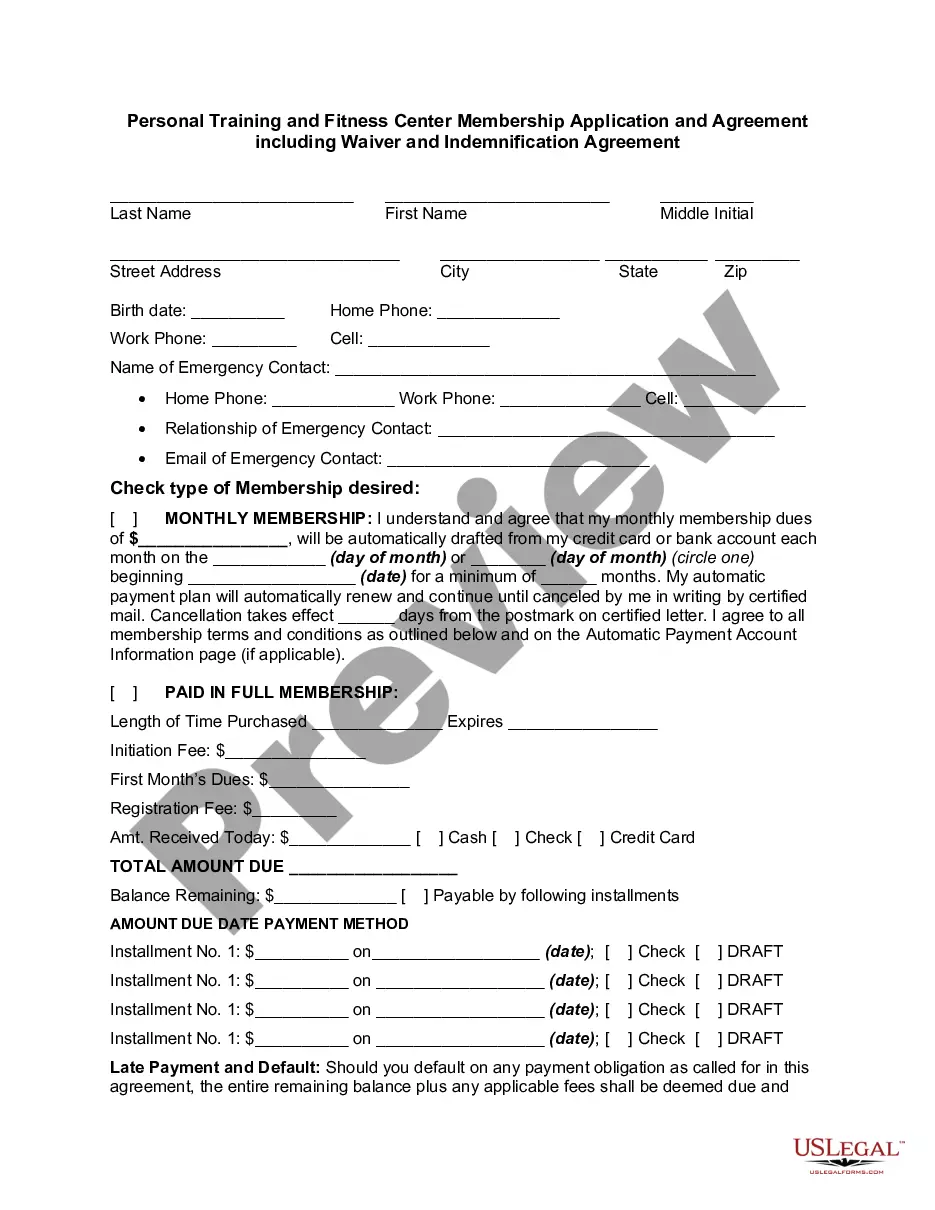
How to fill out Phlebotomist Agreement - Self-Employed Independent Contractor?
- If you already have an account, log in and select the form you need before clicking the Download button.
- Ensure your subscription is current. If it's expired, renew it according to your chosen payment plan.
- For first-time users, start by reviewing the Preview mode and description of the document. Confirm it meets your local jurisdiction standards.
- If you uncover discrepancies, utilize the Search tab to find a suitable template.
- Click on the Buy Now button to select your preferred subscription plan and create an account for library access.
- Complete your purchase by entering your payment details via credit card or PayPal.
- Once the transaction is finalized, download your form and save it on your device. Access it anytime from the My Forms section in your profile.
In conclusion, US Legal Forms provides an extensive collection of legal documents that empower both individuals and attorneys to execute necessary paperwork quickly and efficiently. With access to premium customization and expert assistance, you can ensure your legal needs are met with precision.
Ready to simplify your legal documentation process? Explore US Legal Forms today!
Form popularity
FAQ
The seven basic steps to a blood draw include: preparing your equipment, identifying the patient, applying a tourniquet, selecting the site, cleansing the area, inserting the needle, and aftercare. Each step is vital to ensure both the safety of the patient and the integrity of the sample. Mastering these steps can improve your confidence and efficiency as a phlebotomist. Utilize US Legal forms for templates and guides that can assist you in your practice.
To perform phlebotomy, first, gather your materials, including a needle, collection tubes, and gloves. Next, identify the patient's vein and apply a tourniquet to make the vein more visible. After cleaning the site with an antiseptic, insert the needle and collect the blood sample. Finally, remove the needle, apply pressure to the site, and properly label the sample for testing. If you want to enhance your skills, US Legal provides useful resources to support your training.
The DOT code for a phlebotomist is 079.362-010. This classification helps identify the job and provides standardized information about the role. Knowing the DOT code can be useful when you are searching for job prospects or researching educational programs related to phlebotomy. If you're looking for comprehensive resources, US Legal can help streamline your search.
Yes, there are registries for phlebotomists that maintain lists of qualified professionals. These registries often require certification and provide resources for continuing education. Being listed in a phlebotomist registry can enhance your credibility and job opportunities. If you're seeking to improve your career prospects, consider platforms like uslegalforms to navigate the certification and registration processes effectively.
No, a phlebotomist is not a registered nurse. While both professions work in healthcare, they have distinct roles and responsibilities. A phlebotomist specializes in blood collection and handling, whereas a registered nurse provides comprehensive patient care, including medication administration and patient education. If you're exploring a career in healthcare, you can choose the path that aligns with your interests.
The primary difference between a registered and a certified phlebotomist lies in the process of recognition. A registered phlebotomist typically undergoes a state-specific registration process, while a certified phlebotomist has achieved certification through an accredited organization. Both credentials validate skills, but certification often carries more weight in job applications. Understanding these distinctions can help you choose the right path in your phlebotomy career.
Yes, NPS certification is a legitimate credential for phlebotomy. It demonstrates that an individual has met specific training and competency requirements in this field. This certification can enhance job prospects, as employers often look for certified professionals. Moreover, a valid NPS certification reassures patients of the provider's qualifications.
The biggest mistake a phlebotomist can make is improperly handling blood samples, which can lead to incorrect test results. This error can cause significant issues for patient diagnosis and treatment, emphasizing the importance of attention to detail and proper training. Consequently, phlebotomists must remain vigilant and uphold high standards in their work. Resources like USLegalForms can provide the necessary tools and documentation to maintain these standards and support your journey in the field, including insights on phlebotomist tradução.
No, a phlebotomist is not a doctor. Phlebotomists are trained to perform specific procedures related to blood collection, whereas doctors have extensive education and training in diagnosing and treating medical conditions. Both roles are essential in the healthcare system, but they serve different purposes. Understanding phlebotomist tradução can help clarify the unique contributions of each profession.
Phlebotomy can indeed enhance your medical school application, but it typically does not fulfill specific medical school prerequisites. This experience provides practical skills and insights into patient interaction, which can be invaluable during your medical career. Additionally, working as a phlebotomist enhances your understanding of the healthcare environment. For those interested, exploring phlebotomist tradução can further clarify its relevance.