Forward Contract With Bank
Description
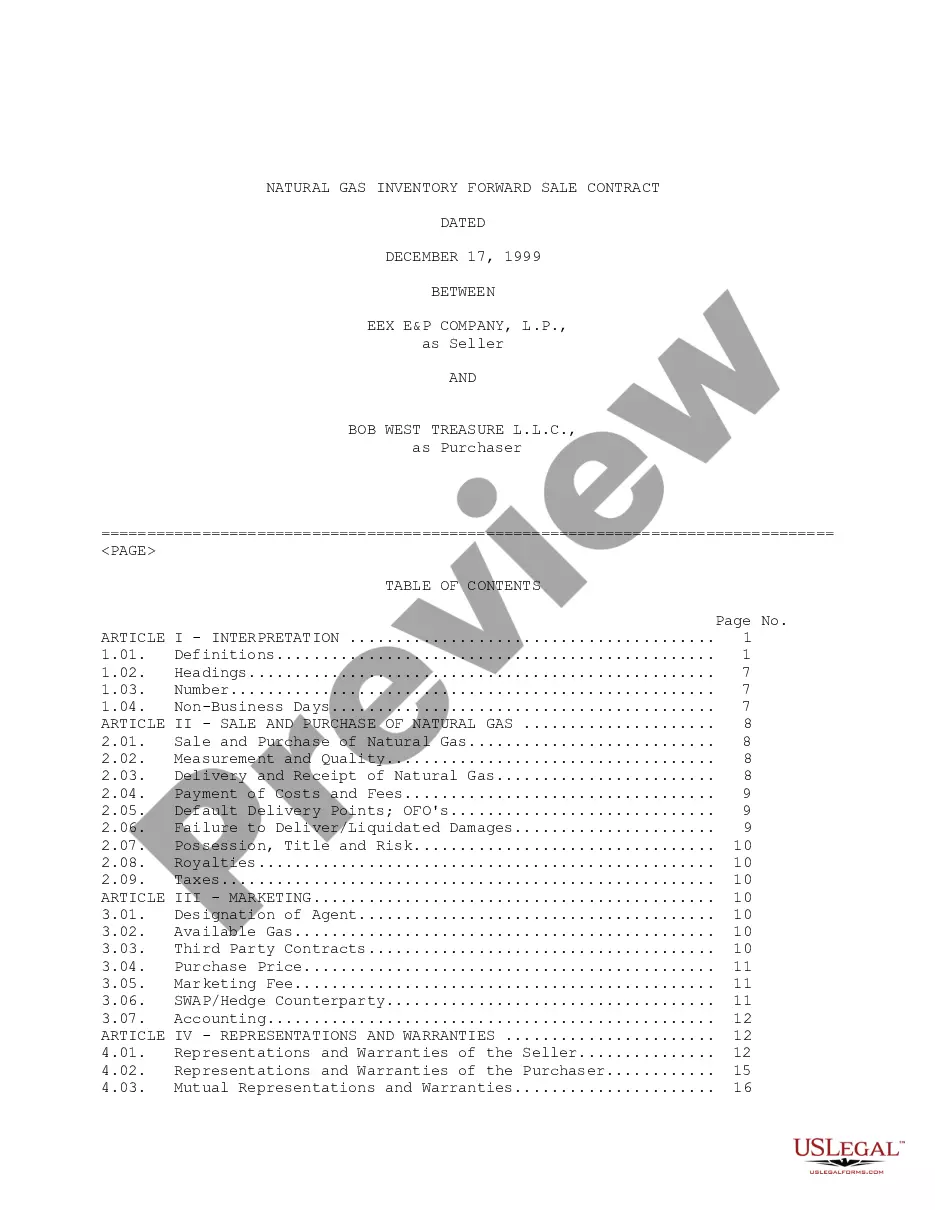
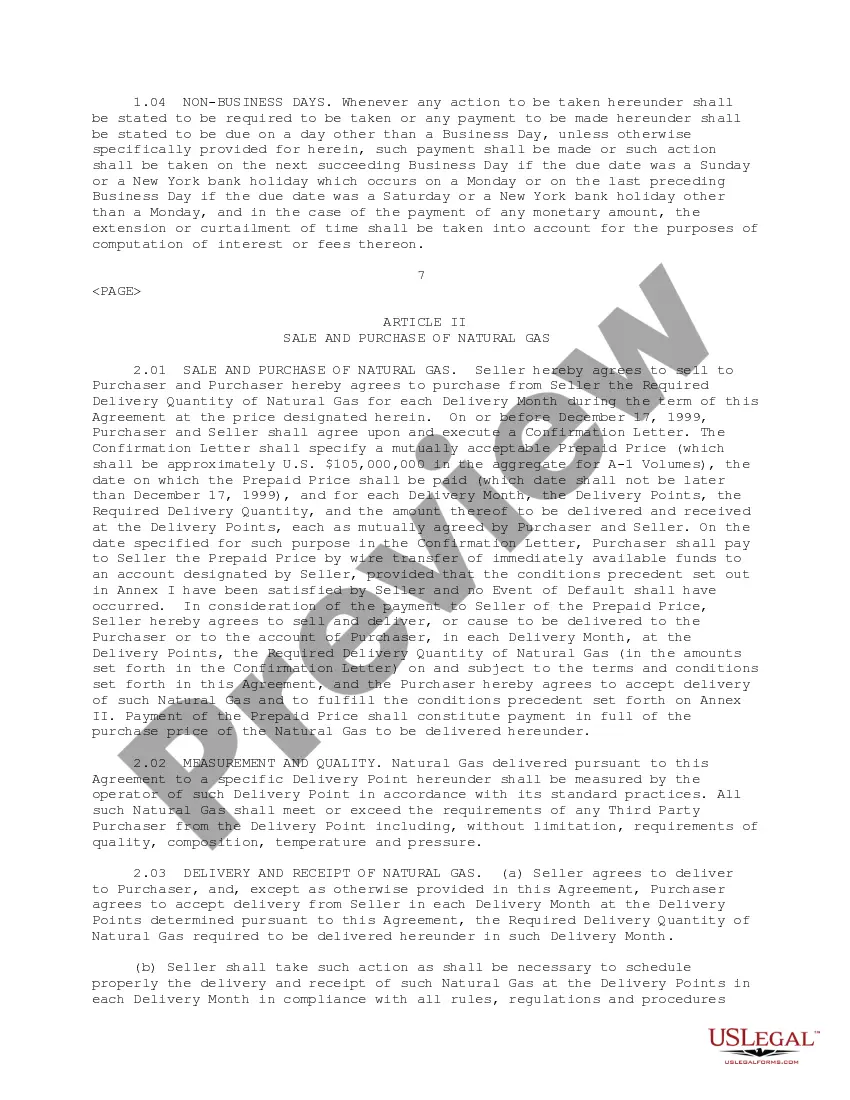
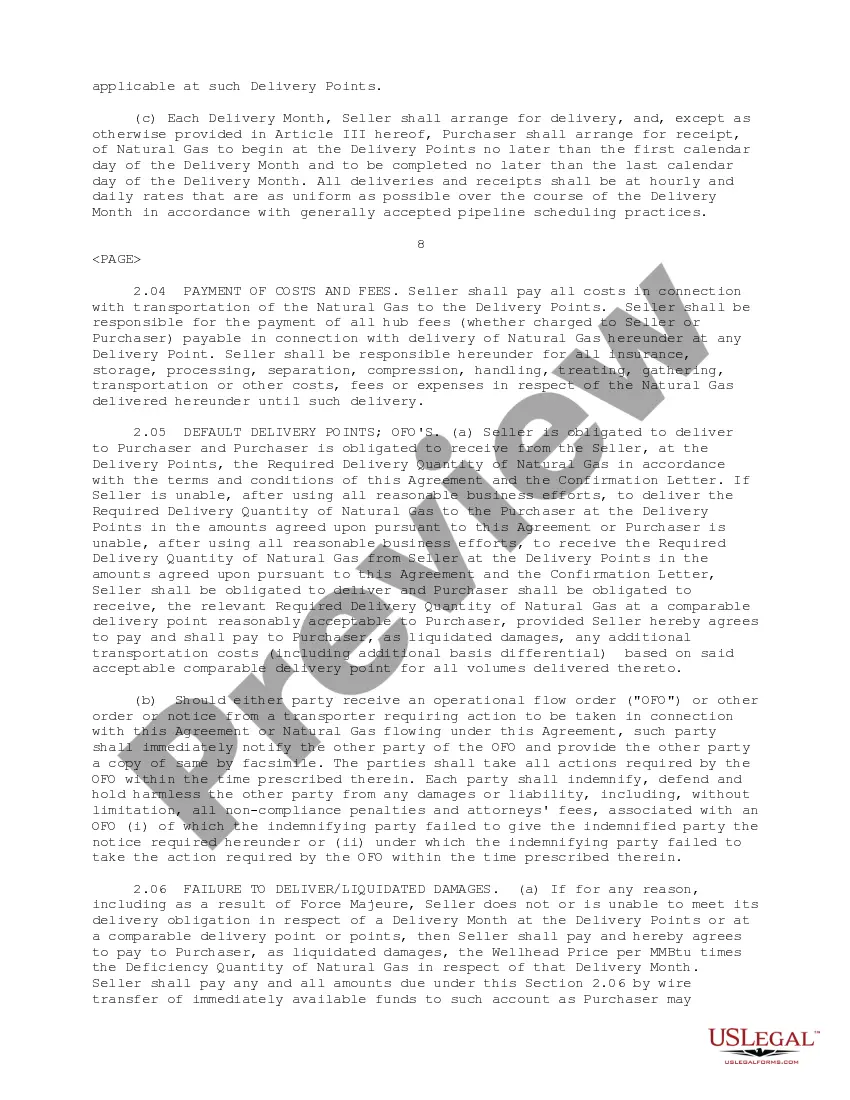

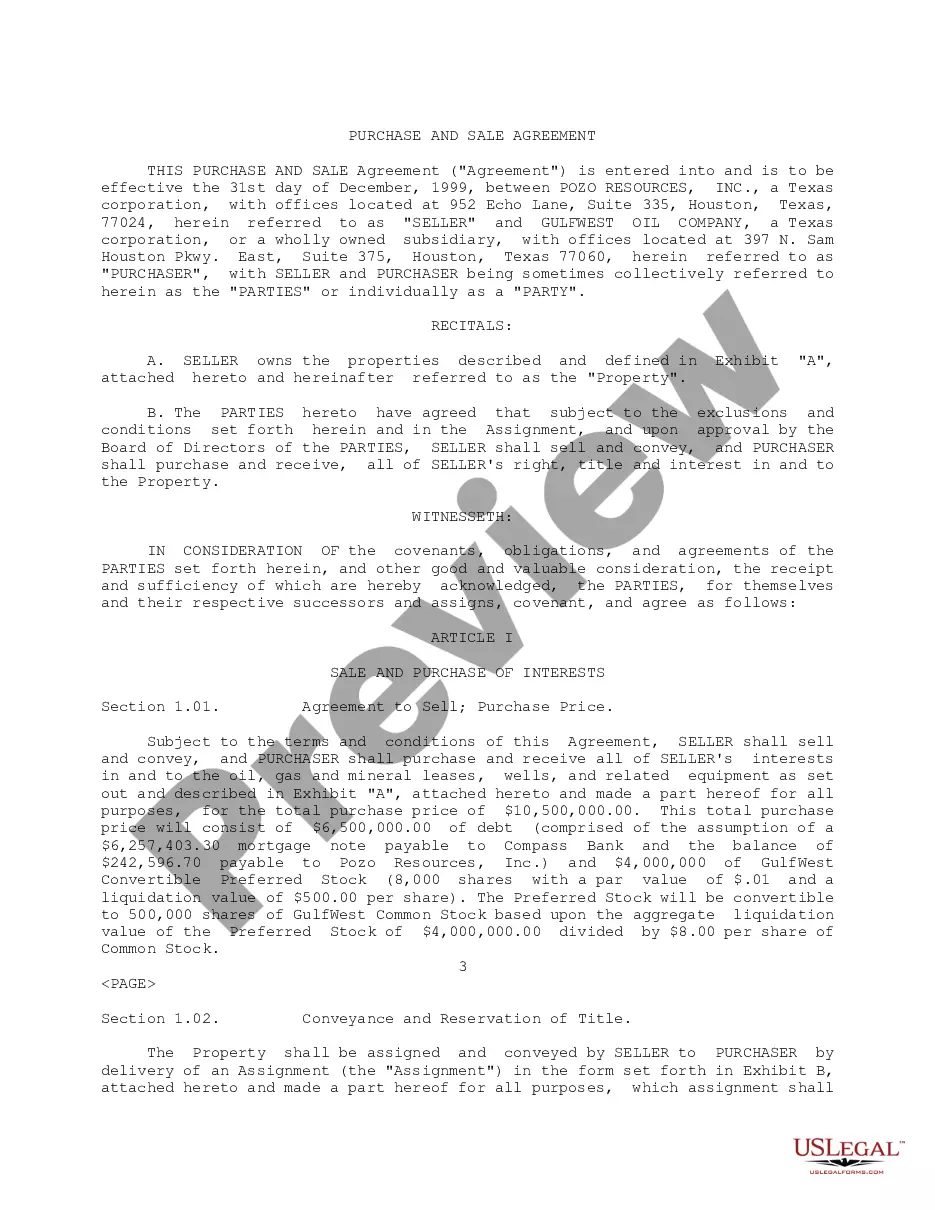
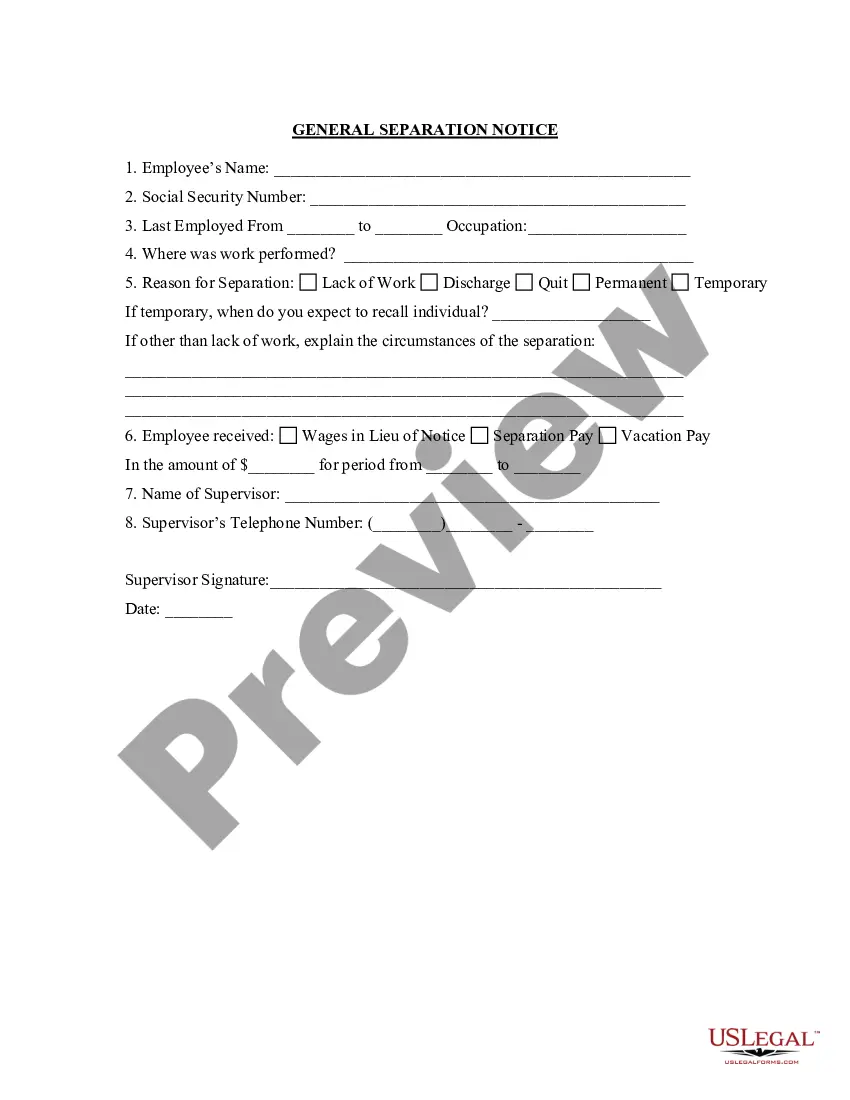
How to fill out Natural Gas Inventory Forward Sale Contract?
Securing a reliable resource to obtain the most updated and pertinent legal templates is a significant part of navigating bureaucracy.
Identifying the accurate legal document prerequisites demands precision and meticulousness, which is why sourcing samples of Forward Contract With Bank solely from trustworthy providers, such as US Legal Forms, is crucial. A faulty template will squander your time and stall the situation you are facing. With US Legal Forms, you have minimal concerns.
Eliminate the hassles associated with your legal paperwork. Browse the extensive US Legal Forms catalog where you can discover legal samples, assess their relevance to your situation, and download them instantly.
- Utilize the library navigation or search function to locate your template.
- Examine the form’s description to verify if it aligns with the requirements of your state and area.
- View the form preview, if it's available, to ensure the form is indeed the one you need.
- Continue the search and find the appropriate document if the Forward Contract With Bank does not meet your needs.
- Once you are certain about the form’s applicability, download it.
- If you are a registered user, click Log in to verify and access your selected templates in My documents.
- If you haven't created a profile yet, click Buy now to obtain the template.
- Choose the payment plan that suits your preferences.
- Proceed to the registration process to complete your purchase.
- Finish your transaction by selecting a payment option (credit card or PayPal).
- Choose the format for downloading Forward Contract With Bank.
- Once the form is on your device, you can edit it using the editor or print it for manual completion.
Form popularity
FAQ
Forward booking in banking refers to the process of agreeing on a trade to be executed at a future date, locking in current prices. This process is used to mitigate risks associated with currency swings. By utilizing a service like US Legal Forms, you can understand better how to navigate forward bookings and their implications.
The formula for a forward contract with a bank typically involves the initial exchange rate, adjusted for the interest rate differential between the two currencies involved. This calculation helps determine the forward rate agreed upon in the contract. For clarity on complex financial formulas, consider resources, including those available through US Legal Forms.
Booking a forward contract with a bank involves finalizing the agreed-upon terms and entering the transaction into the bank’s trading system. You will need to provide all relevant details, like the amounts and dates. Platforms like US Legal Forms can help you find templates and resources to guide you through the booking process.
To buy a forward contract with a bank, contact your bank's foreign exchange department and express your intent to lock in a currency rate for a future date. They will guide you through the necessary steps and documentation. Using a reliable platform like US Legal Forms can assist you in navigating the paperwork involved.
To enter a forward contract with a bank, you typically need to approach the bank and negotiate terms based on your currency requirements. Once you reach an agreement, the bank will draft a contract that outlines the specifics of the transaction. Utilizing resources like US Legal Forms can help streamline this process.
An example of a forward contract with a bank occurs when a company agrees to buy a specific amount of foreign currency at a set exchange rate for delivery in six months. This arrangement helps protect against potential fluctuations in currency values. By using US Legal Forms, you can find templates that illustrate various examples of how forward contracts work.
You can record a forward contract with a bank by documenting the agreement details, including the currencies involved, the agreed-upon exchange rate, and the contract expiration date. Both parties should keep copies of this documentation. If using a platform like US Legal Forms, you can easily find templates that guide you through the process of recording your forward contract.
The major limitations of a forward contract with a bank include limited availability on standardized exchanges and the complexity of negotiation. These contracts are often bespoke arrangements, requiring more effort to establish. Additionally, they are subject to counterparty risk, which can lead to potential financial exposure should the bank fail to fulfill its obligations.
Forward contracts with banks offer customization benefits, such as tailoring terms to fit specific needs, unlike standardized futures contracts. However, while forwards may provide flexibility, they also carry higher counterparty risk since they are private agreements. Conversely, futures contracts have more regulation and liquidity, but they may not cater to individual specifications as precisely as forwards.
A forward contract with a bank often lacks the flexibility found in other financial instruments. If market conditions shift, you may not have the option to exit the contract without incurring costs or penalties. Moreover, if the market moves against your position, the losses can be significant, leading to financial strain.