Leasehold Improvement
Description
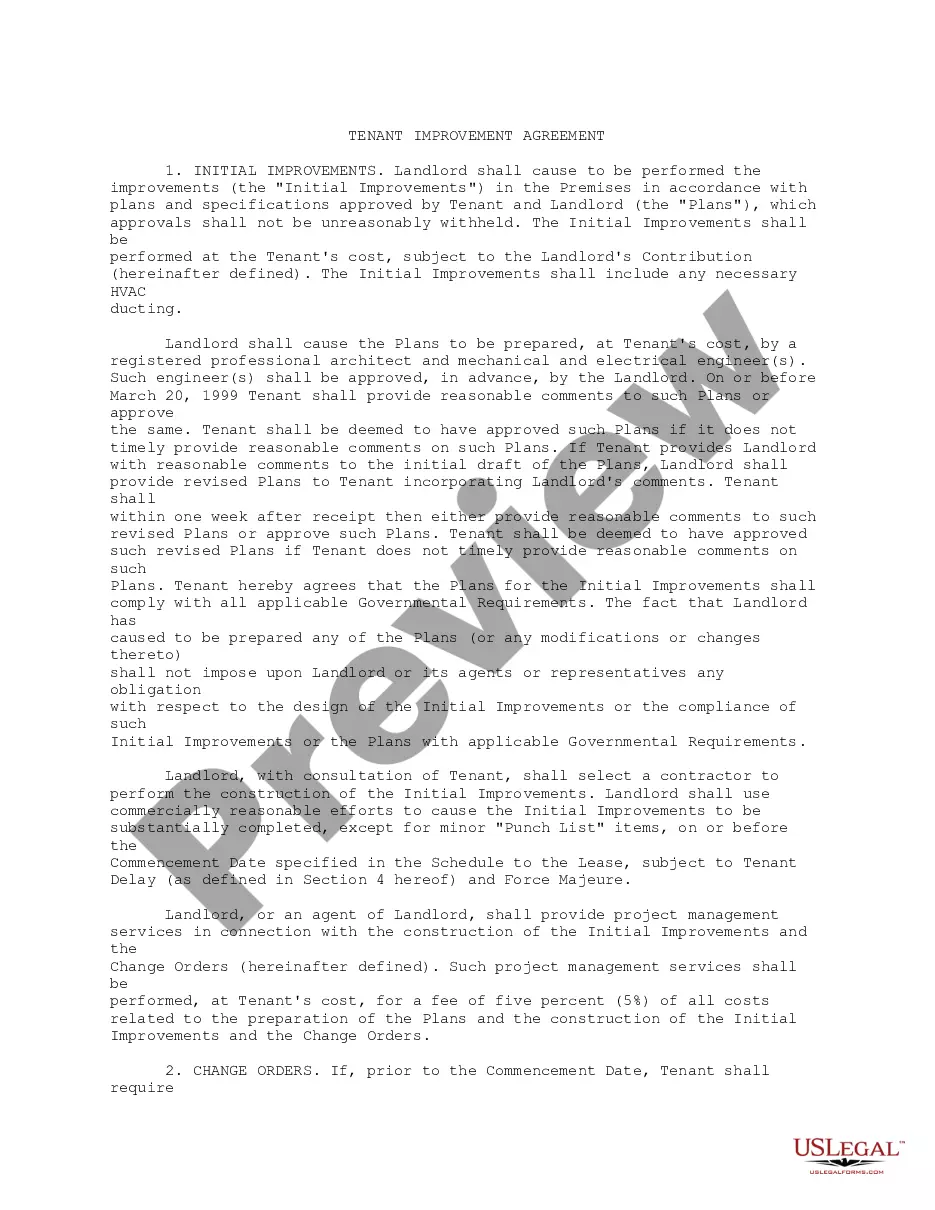
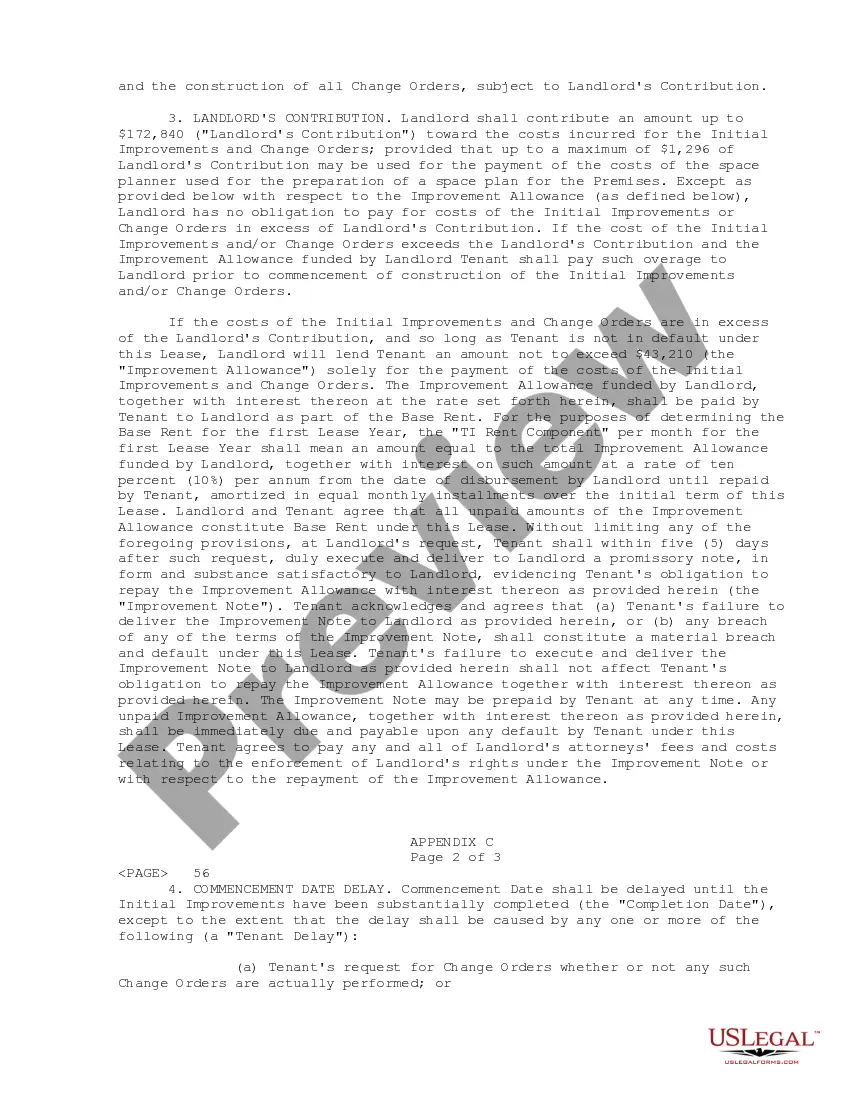
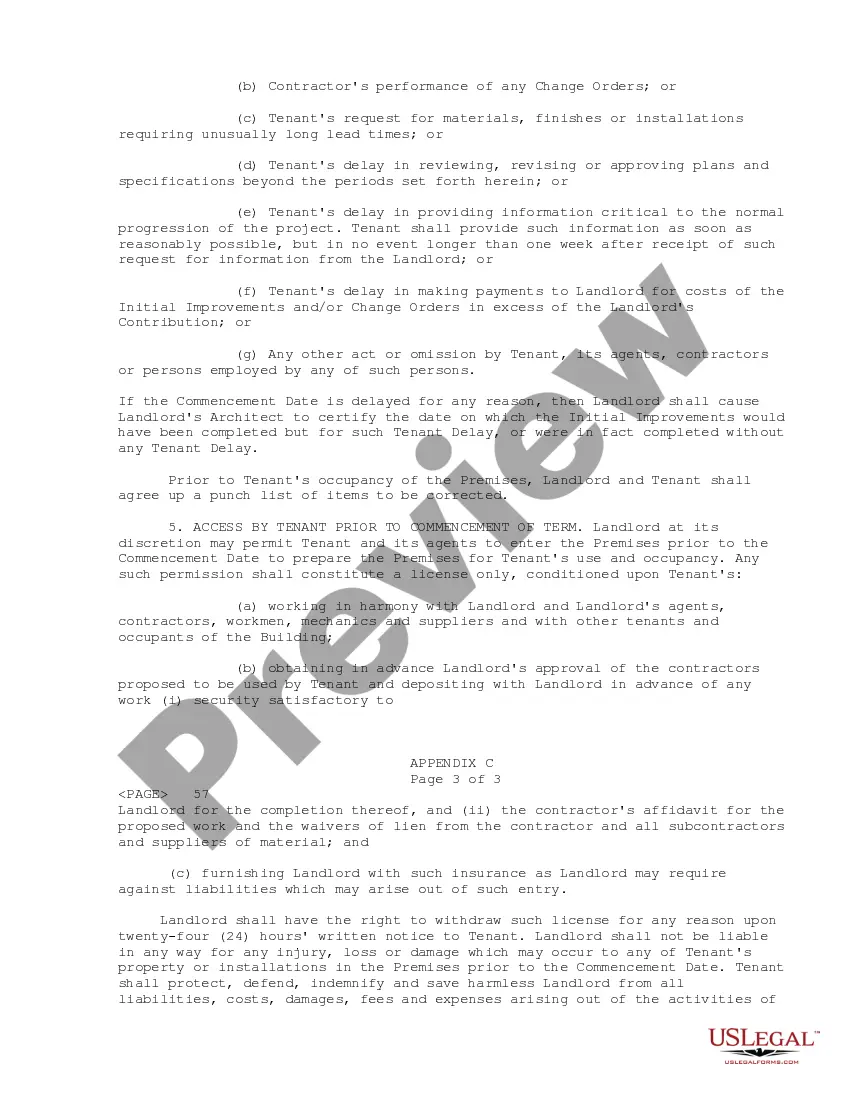
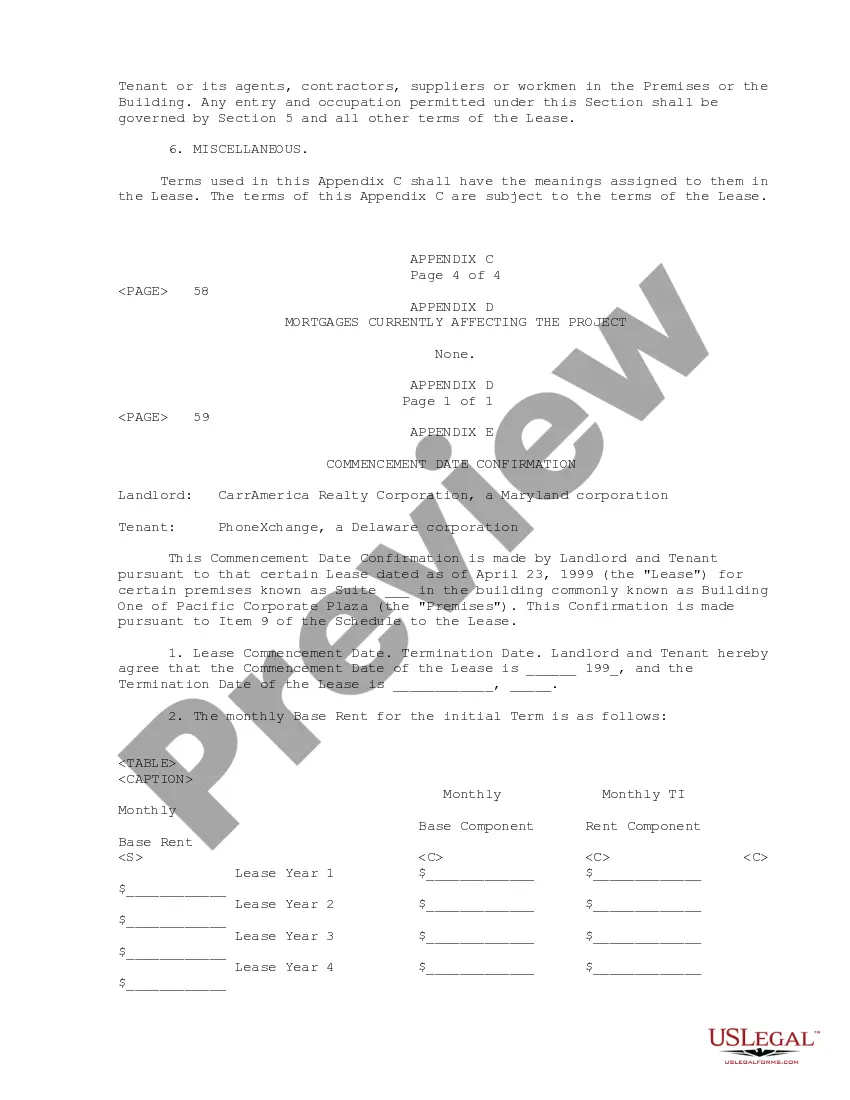
Get your form ready online
Our built-in tools help you complete, sign, share, and store your documents in one place.
Make edits, fill in missing information, and update formatting in US Legal Forms—just like you would in MS Word.
Download a copy, print it, send it by email, or mail it via USPS—whatever works best for your next step.
Sign and collect signatures with our SignNow integration. Send to multiple recipients, set reminders, and more. Go Premium to unlock E-Sign.
If this form requires notarization, complete it online through a secure video call—no need to meet a notary in person or wait for an appointment.
We protect your documents and personal data by following strict security and privacy standards.

Make edits, fill in missing information, and update formatting in US Legal Forms—just like you would in MS Word.

Download a copy, print it, send it by email, or mail it via USPS—whatever works best for your next step.

Sign and collect signatures with our SignNow integration. Send to multiple recipients, set reminders, and more. Go Premium to unlock E-Sign.

If this form requires notarization, complete it online through a secure video call—no need to meet a notary in person or wait for an appointment.

We protect your documents and personal data by following strict security and privacy standards.
Looking for another form?

How to fill out Tenant Improvement Lease?
- If you're a returning user, simply log in to your account and select the leasehold improvement form you need. Ensure your subscription is active; renew it if necessary.
- For first-time users, start by checking the descriptions and preview of the available forms to ensure you select one that complies with local laws.
- If needed, utilize the search feature to locate alternative templates that may better suit your requirements.
- Once satisfied with your choice, click on the 'Buy Now' button and select your preferred subscription plan. You will need to create an account for full access.
- Proceed to payment by submitting your credit card information or via your PayPal account to complete the purchase.
- Finally, download the form to your device and access it anytime from the My Forms section of your account.
In conclusion, with US Legal Forms, gaining access to leasehold improvement documents is straightforward and efficient. Their extensive library, combined with premium support, ensures you get the right forms tailored to your requirements.
Start enhancing your property today by visiting US Legal Forms and navigating their impressive collection of legal documents.
Form popularity
FAQ
Leasehold improvements are recorded under non-current assets on your balance sheet. This classification reflects their long-term nature and helps in assessing the value of your property over time. Additionally, as you depreciate these improvements, the asset balance will decrease, providing a clear picture of your financial health. Properly listing leasehold improvements enhances your overall financial reporting.
To record leasehold improvements, you should create an asset account specifically for these improvements on your balance sheet. Once you complete the project, add the total costs, including materials, labor, and other expenses. Regularly review and update the asset value to reflect depreciation or any enhancements made later. This method keeps your financial records organized and transparent regarding your leasehold improvements.
Yes, you can capitalize design costs as part of your leasehold improvements. These costs include architectural fees, engineering expenses, and other related expenditures that contribute to your project's value. Capitalizing these costs allows you to spread them over time, aligning expenses with the benefits received from the leasehold improvements. Doing so can enhance your financial reporting and improve your budget management.
When you receive a leasehold improvement allowance, you should account for it as a liability until you incur expenses for the improvements. This allowance can offset costs, making it crucial for your financial planning. Proper accounting ensures that your leasehold improvements and their corresponding allowances accurately reflect your financial position. Tracking these allowances helps you maximize the benefits of your leasehold improvements.
Leasehold improvements are typically depreciated rather than amortized. This practice allows businesses to recover costs over the useful life of the improvements. For commercial properties, the IRS allows a schedule of 15 years for depreciation. Understanding this can help you make informed financial decisions regarding your leasehold improvements.
Costs that can be capitalized as leasehold improvements include materials and labor for renovations or modifications. This category also covers expenses for design work, permits, and other fees directly related to the improvements. Typically, costs that enhance the value or extend the life of the property are classified as capital expenditures. By accurately identifying these costs, you can better manage your financial strategy and use platforms like US Legal Forms for necessary documentation.
Writing off leasehold improvements involves depreciating those expenses over a certain period, typically 15 years for qualified improvements. You can claim these deductions on your tax returns to reduce taxable income. It's essential to maintain accurate records of your expenses and improvements for IRS purposes. You may want to consult a tax professional for advice tailored to your specific situation.
Qualified leasehold improvements refer to enhancements that meet specific IRS criteria for tax benefits. Generally, these improvements should be made to a space you rent and should not exceed a standard depreciation period. They must also improve the functionality of the building for business use. Understanding which improvements qualify can help you save on taxes and maximize your investment.
You can find various examples of leasehold improvements in commercial and residential settings. Often, businesses create custom offices by installing new partitions, upgrading bathrooms, or adding specialized lighting. Other examples include installing new carpeting, creating an outdoor patio, or equipping spaces with new technology. Each of these enhancements serves to tailor the space to specific needs and preferences.
A leasehold improvement involves any modification or upgrade made to a rental space. Typically, these improvements enhance the property’s functionality or appearance. Common examples include adding walls, flooring, lighting, or cabinetry. It's essential to keep in mind that leasehold improvements must remain a permanent fixture to the property.