Good Faith With Kay
Description
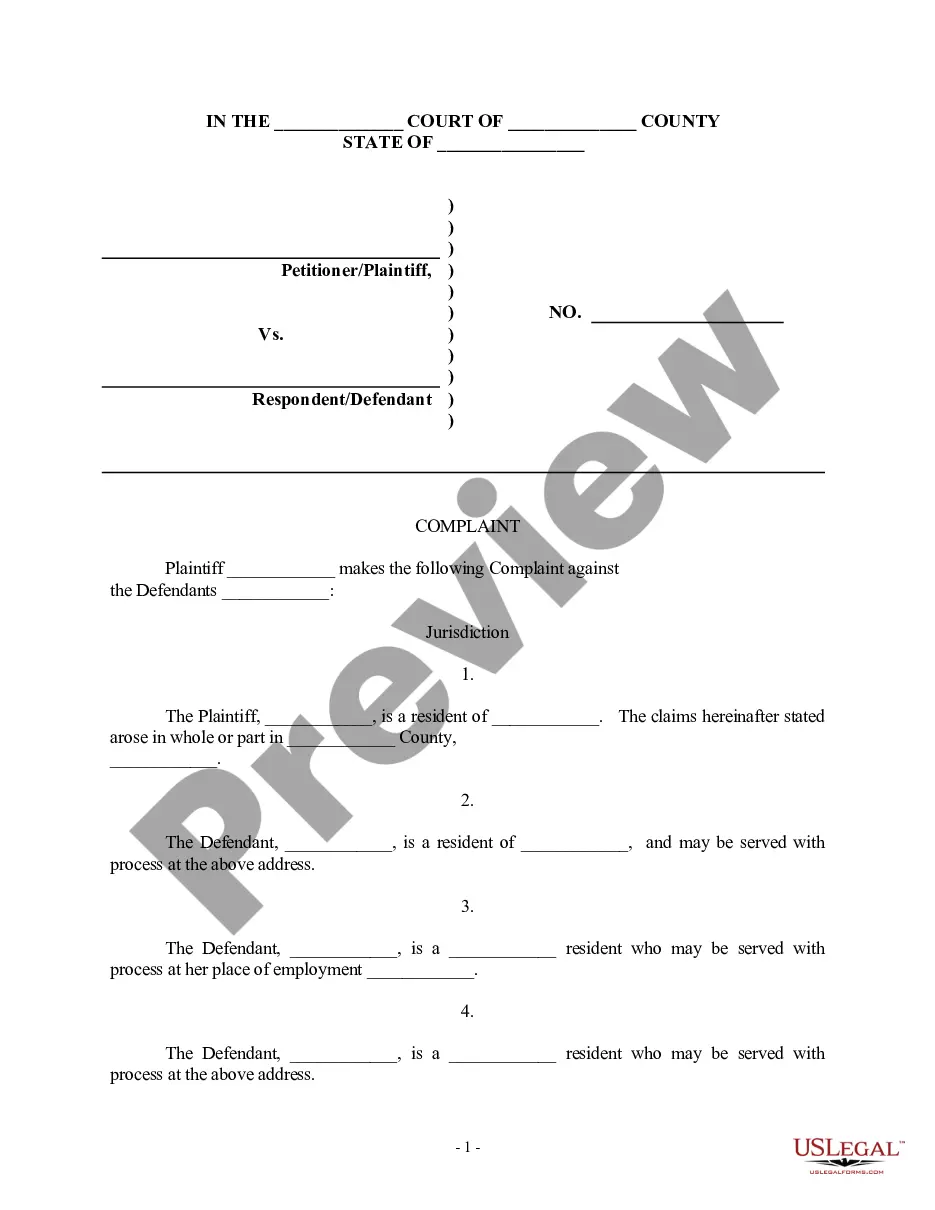
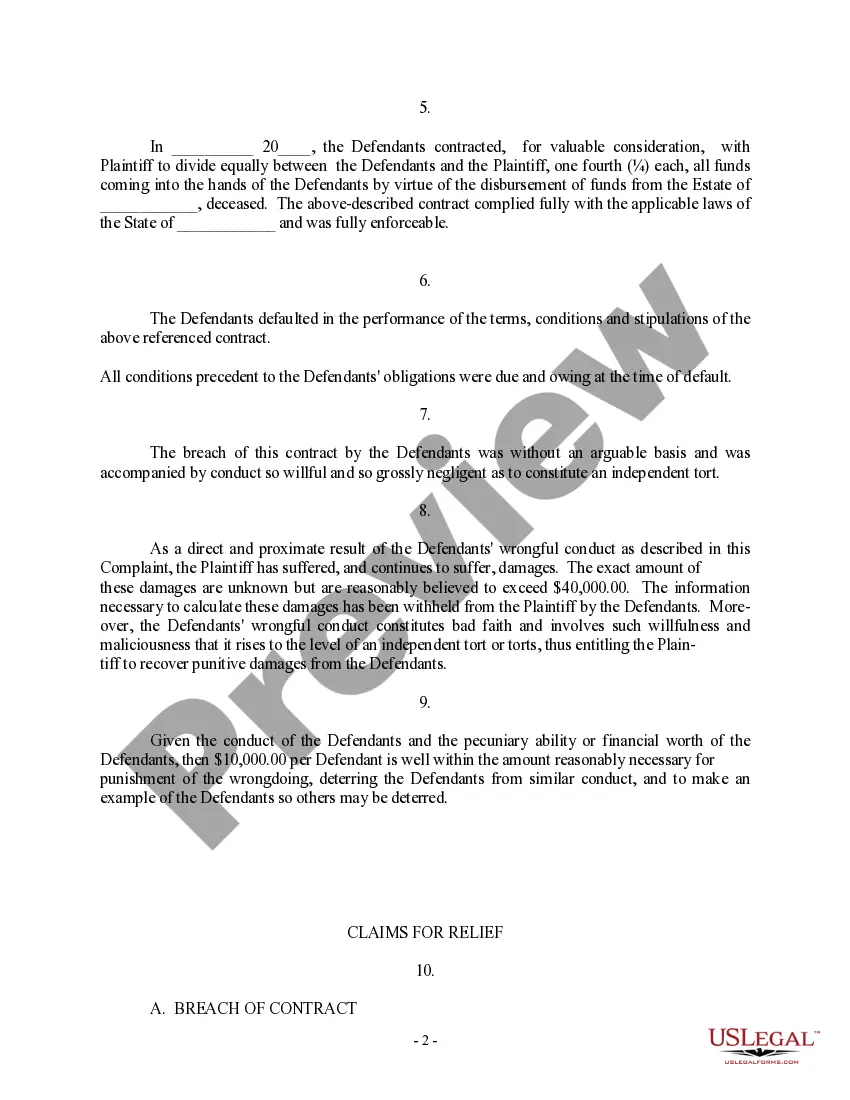
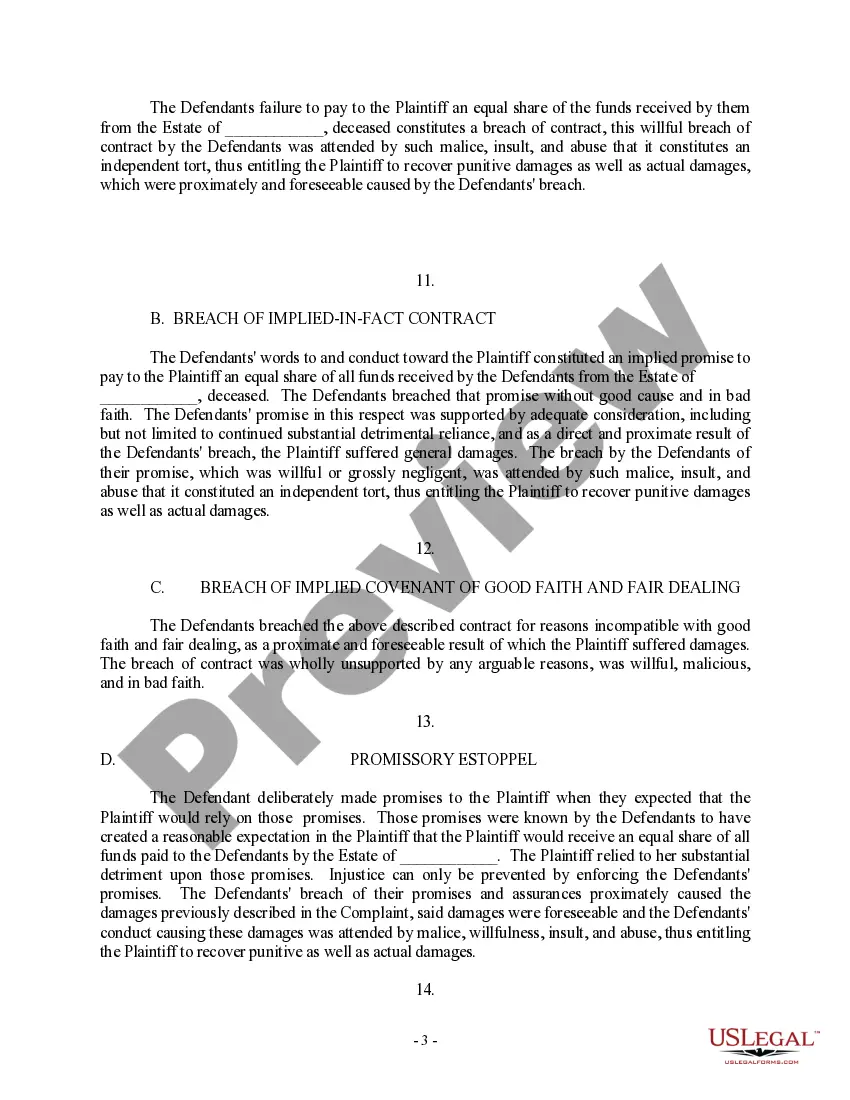
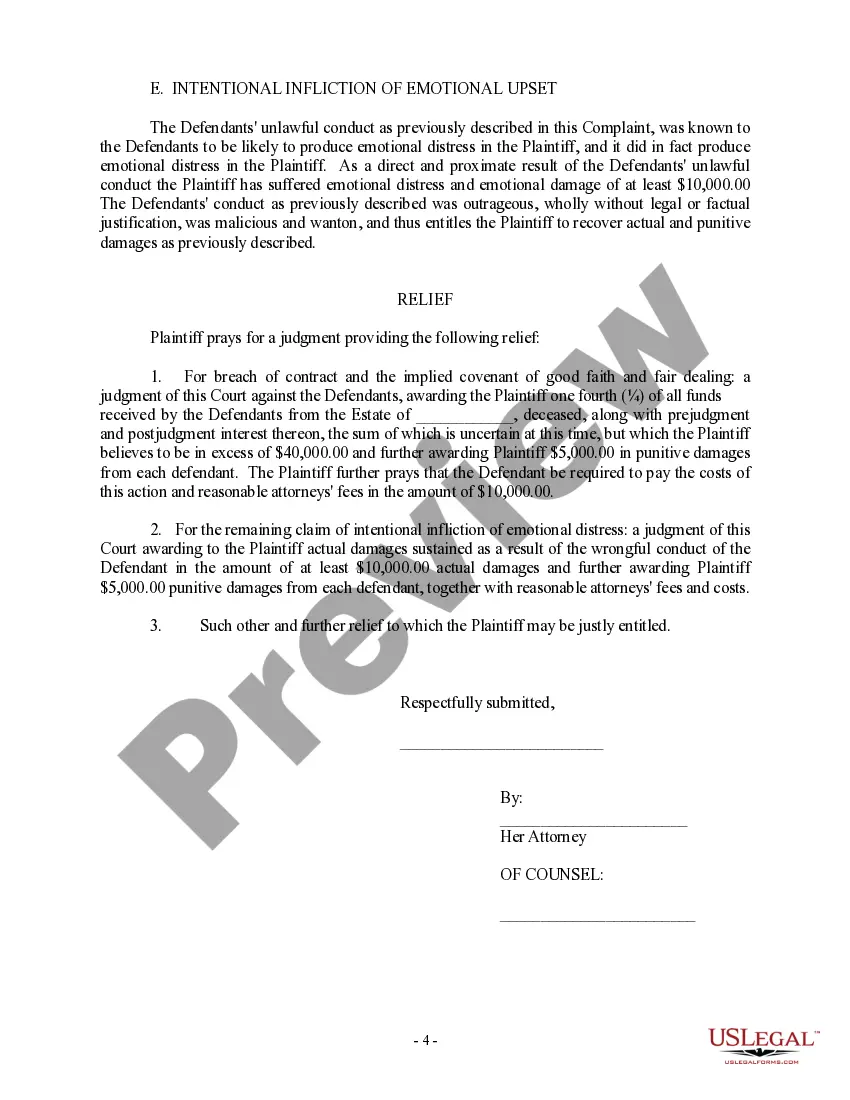
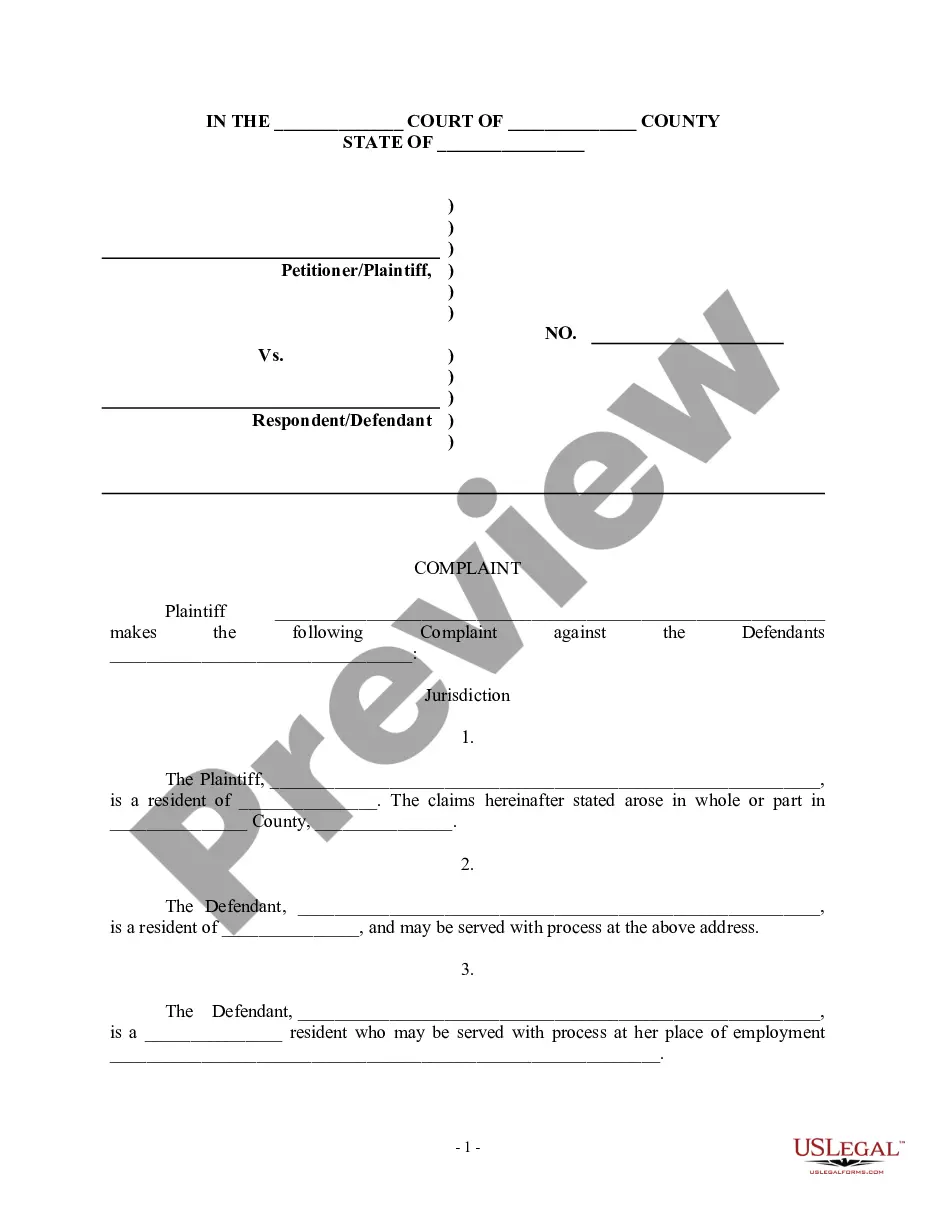
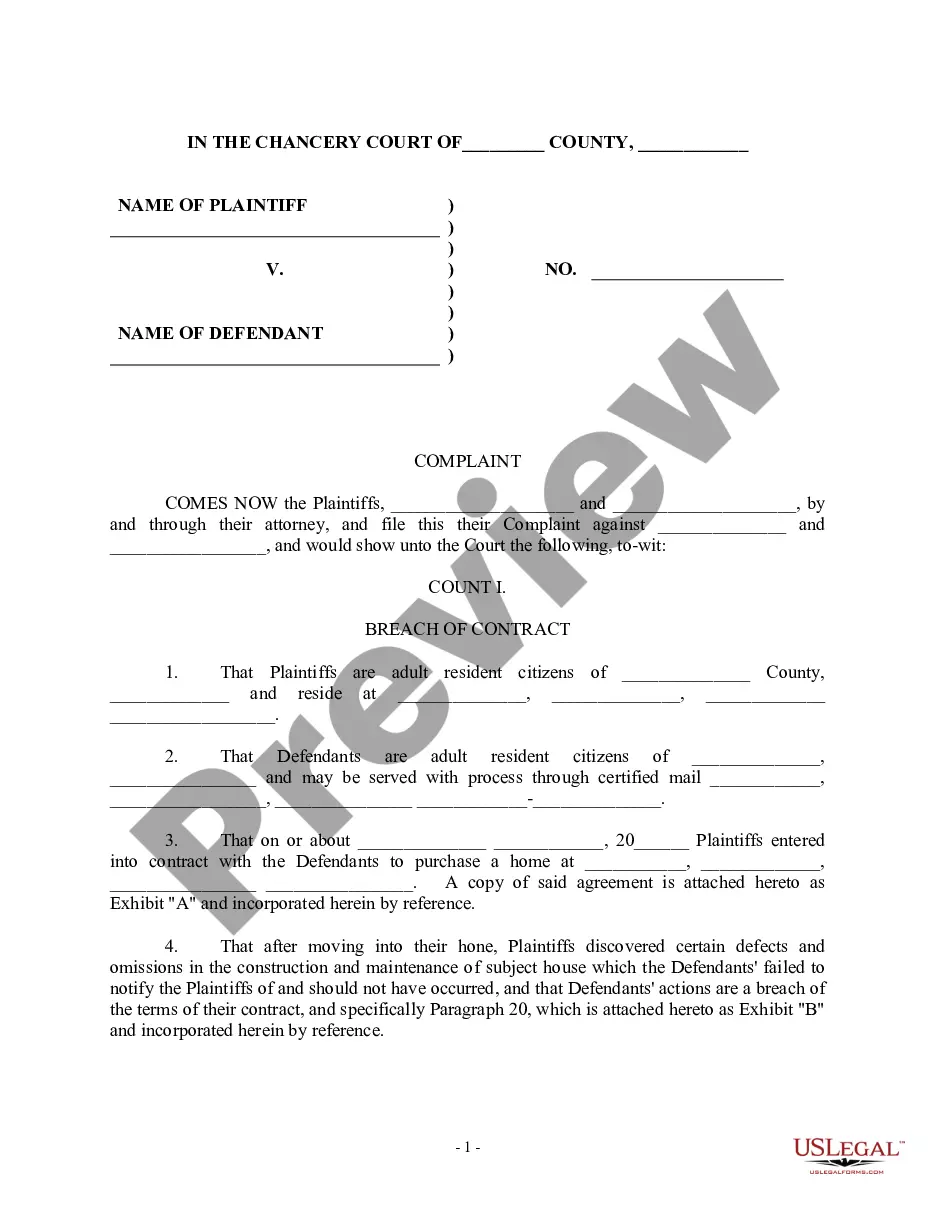
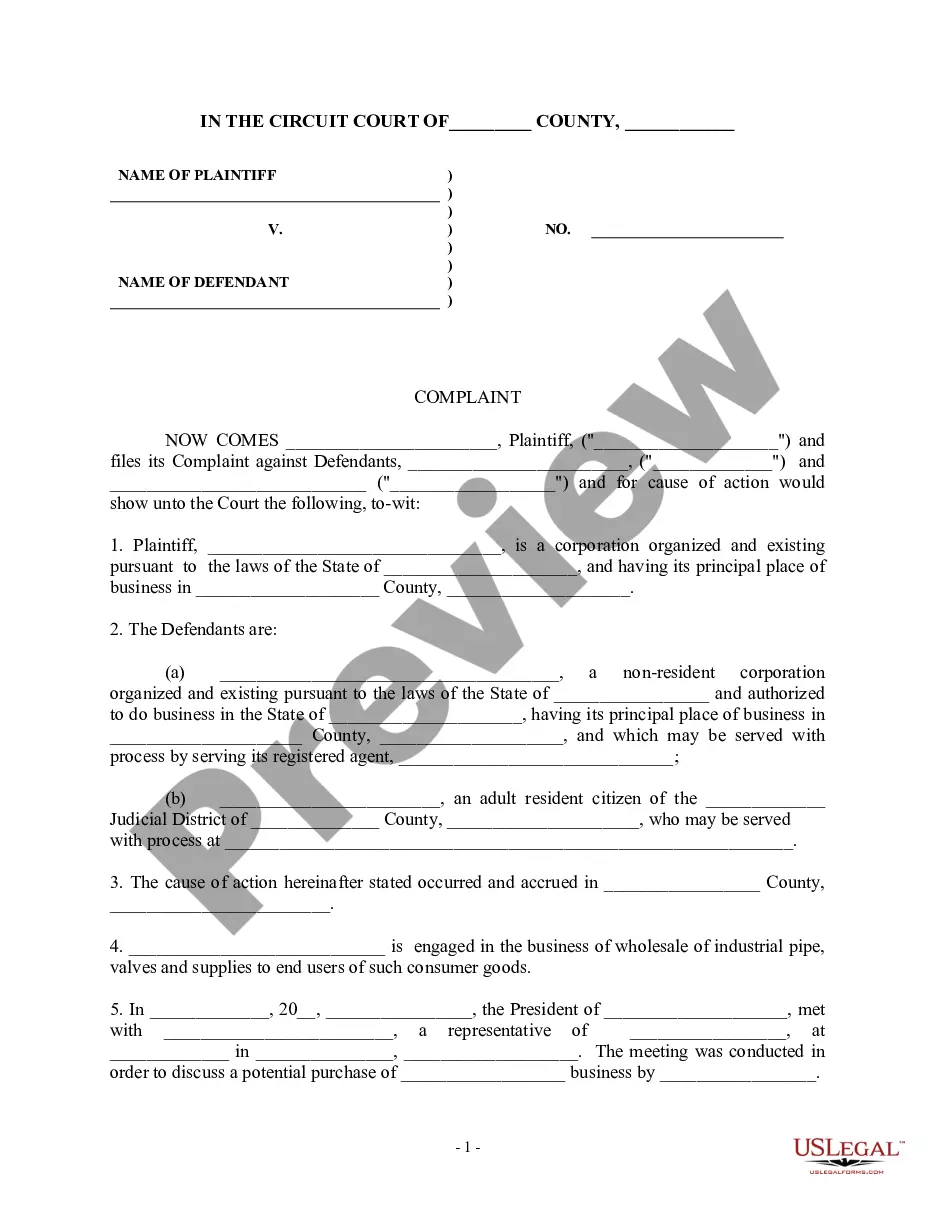
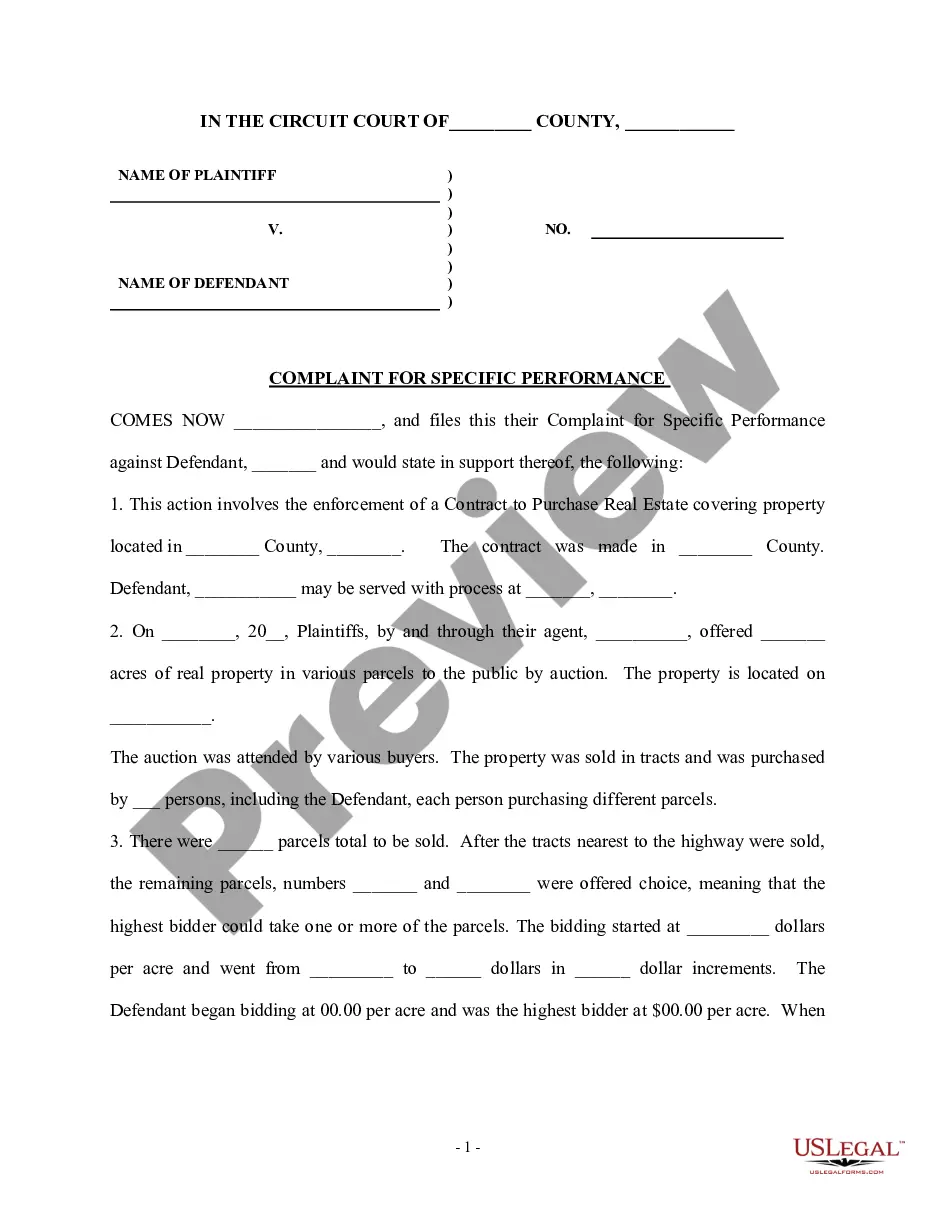

How to fill out Complaint Regarding Breach Of Contract To Divide Estate Proceeds, Implied Contract, Good Faith And Fair Dealing, Promissory Estoppel, Emotional Distress?
- If you're a returning user, log into your account. Confirm that your subscription is active to avoid interruptions.
- For new users, begin by entering the Preview mode to review the form descriptions carefully. Ensure the selected document adheres to your local jurisdiction requirements.
- If the form doesn’t match your needs, utilize the Search tab at the top of the page to locate the correct template.
- Once you've found the suitable form, click the Buy Now button to proceed with your chosen subscription plan.
- Complete your purchase by entering your payment details or using PayPal for transaction security.
- After the purchase is finalized, download your form to your device, ensuring you can access it anytime in the My Forms section.
By streamlining the process of obtaining legal documents, US Legal Forms distinguishes itself with a robust collection of over 85,000 customizable templates, more than most competitors offer for a similar price.
Whether you are an individual or an attorney, US Legal Forms ensures that you can securely and efficiently create your legal documents. Ready to get started? Explore their platform today!
Form popularity
FAQ
A suitable sentence could be, 'We made a good faith effort to resolve the conflict before seeking legal action.' This reflects a genuine commitment to finding a resolution without jumping to litigation. Expressing good faith efforts with kay emphasizes your dedication to resolution and cooperation. Such language can greatly enhance your negotiations.
You might say, 'The negotiation was conducted in good faith, ensuring that both parties felt valued.' This illustrates a scenario where honesty and fairness are at the forefront of the interaction. Integrating good faith with kay into your communication elevates the trust level in discussions. It sets a positive tone for any agreement you wish to achieve.
'Good faith' denotes a commitment to honesty, fairness, and integrity in dealings with others. It serves as a guiding principle in various legal frameworks, ensuring that all parties fulfill their obligations without deceit. Utilizing the notion of good faith with kay bolsters cooperation among parties involved. This understanding can pave the way for smoother negotiations and interactions.
You can use good faith in various legal and business contexts. It usually applies to negotiations, contracts, and transactions where parties are expected to act honestly. By incorporating good faith with kay into your business practices, you can foster transparency and minimize disputes. This can lead to more successful outcomes and stronger partnerships.
The term 'in good faith' refers to a sincere intention to deal fairly with others. In legal contexts, it often means that parties are expected to act honestly and not misleadingly during transactions. When you engage with the principle of good faith with kay, you help create trusting relationships that are essential for effective agreements. Understanding this concept can significantly enhance your legal dealings.
To write in good faith, prioritize clarity, honesty, and respect in your messaging. Begin by stating your true thoughts while considering the impact of your words on others. Avoid ambiguity and be ready to provide context, which helps readers understand your intentions. By doing so, you embody the essence of good faith with kay, enhancing your communication effectiveness.
Good faith questions are inquiries designed to promote open dialogue and understanding. They often revolve around intentions, agreements, and personal commitments. For instance, you might ask, 'Can we discuss how we both ensure we meet our obligations?' These questions encourage cooperation and embody the spirit of good faith with kay, leading to more productive interactions.
An example of acting in good faith could be a business owner who promptly informs clients about potential service delays. This action demonstrates honesty and responsibility, which fosters trust. Acting in good faith with kay means prioritizing transparent communication and ethical behavior in all your dealings. Such actions can lead to stronger relationships and reputations.
You can use 'in good faith' by incorporating it into contexts that reflect honest intentions. For example, you might say, 'The parties negotiated the contract in good faith, aiming for a fair agreement.' This usage illustrates a commitment to transparency. By using phrases like this, you reinforce the principles of good faith with kay in your communication.
To write a good faith statement, start by clearly defining the intentions behind your actions. Use straightforward language and express your commitment to honesty and fairness. Consider including any relevant circumstances that led to your commitment, as this adds context. Overall, ensure the statement reflects trust and transparency in your interactions, aligning with the concept of good faith with kay.