Res Ipsa Loquitur For Dummies
Description
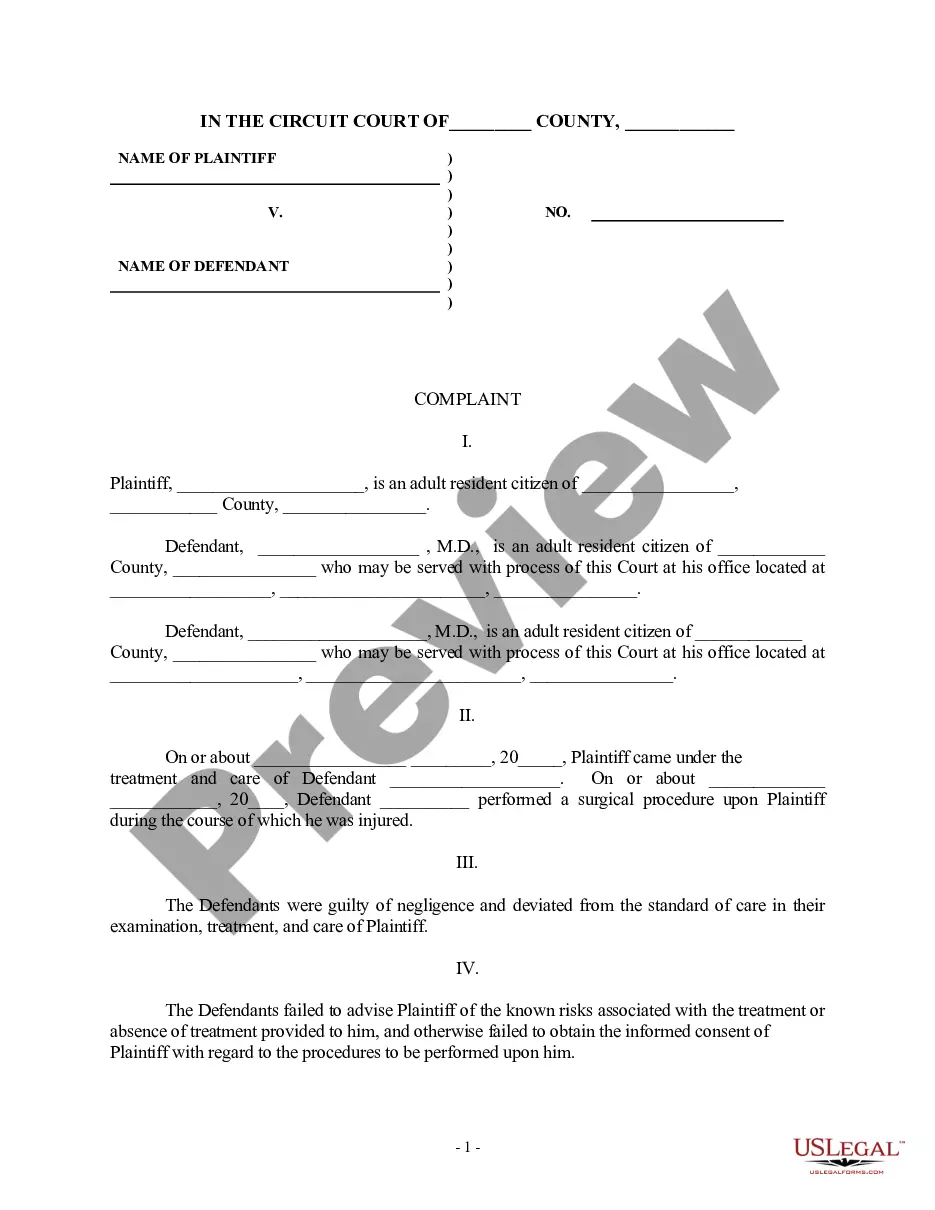
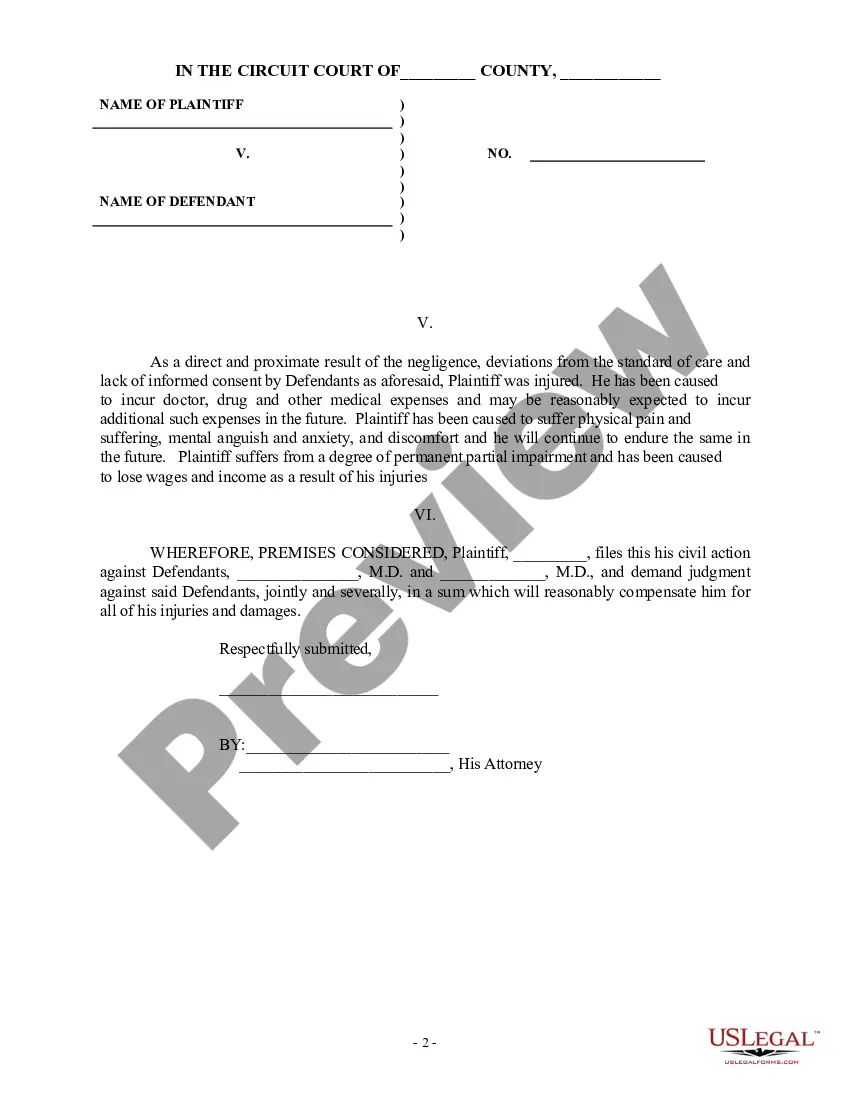
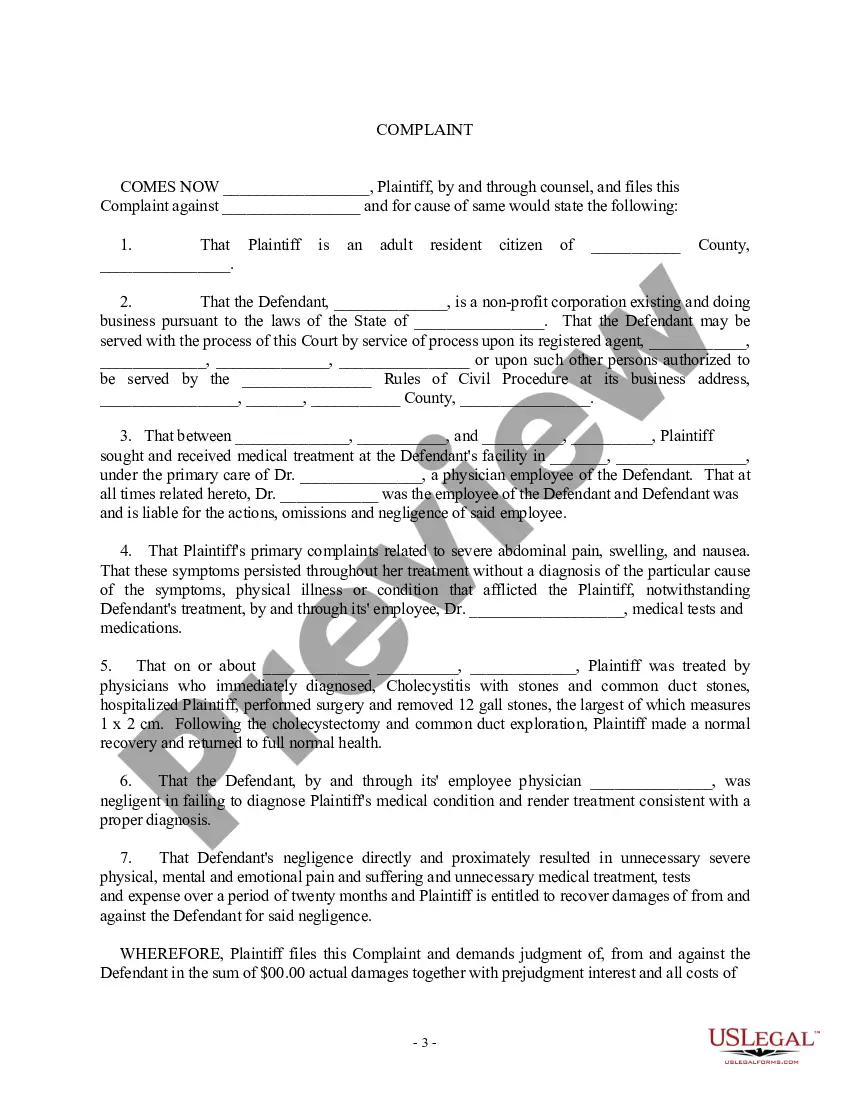
Get your form ready online
Our built-in tools help you complete, sign, share, and store your documents in one place.
Make edits, fill in missing information, and update formatting in US Legal Forms—just like you would in MS Word.
Download a copy, print it, send it by email, or mail it via USPS—whatever works best for your next step.
Sign and collect signatures with our SignNow integration. Send to multiple recipients, set reminders, and more. Go Premium to unlock E-Sign.
If this form requires notarization, complete it online through a secure video call—no need to meet a notary in person or wait for an appointment.
We protect your documents and personal data by following strict security and privacy standards.

Make edits, fill in missing information, and update formatting in US Legal Forms—just like you would in MS Word.

Download a copy, print it, send it by email, or mail it via USPS—whatever works best for your next step.

Sign and collect signatures with our SignNow integration. Send to multiple recipients, set reminders, and more. Go Premium to unlock E-Sign.

If this form requires notarization, complete it online through a secure video call—no need to meet a notary in person or wait for an appointment.

We protect your documents and personal data by following strict security and privacy standards.
Looking for another form?



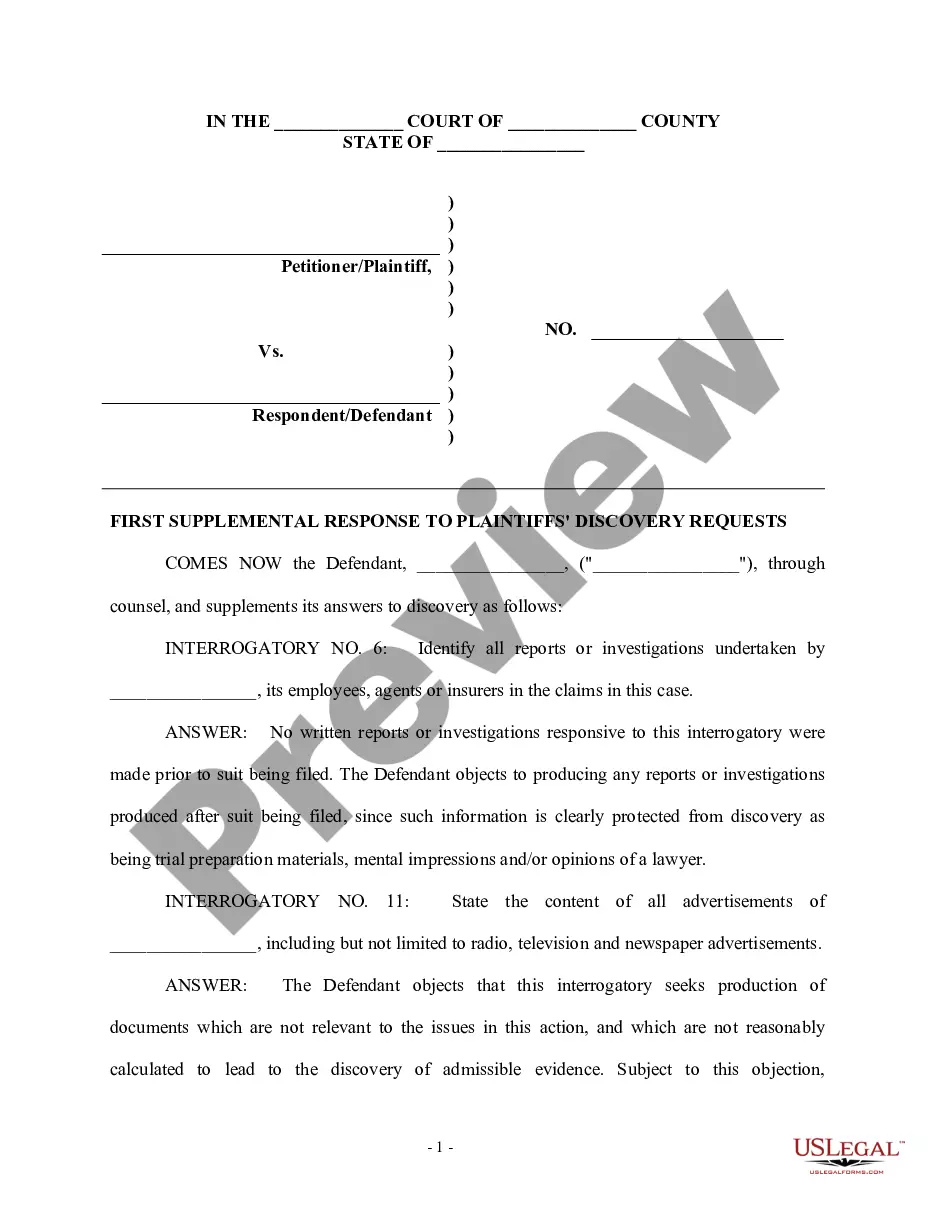


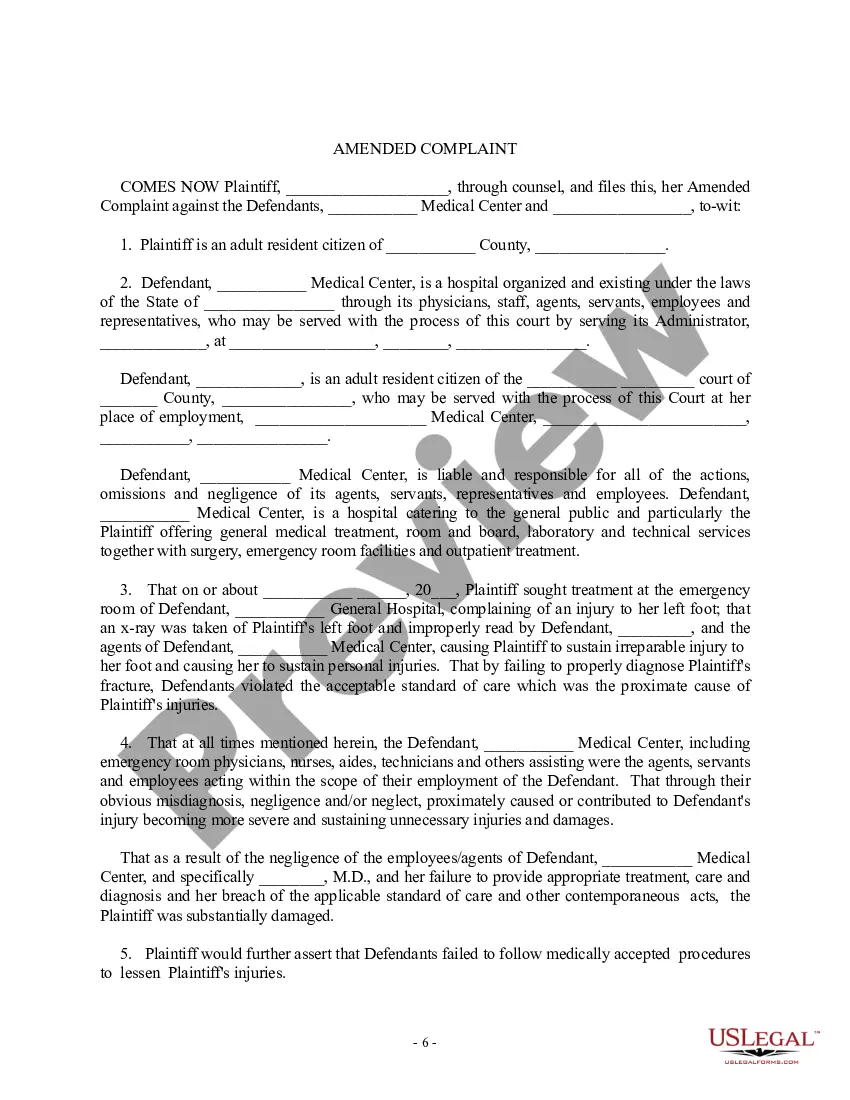
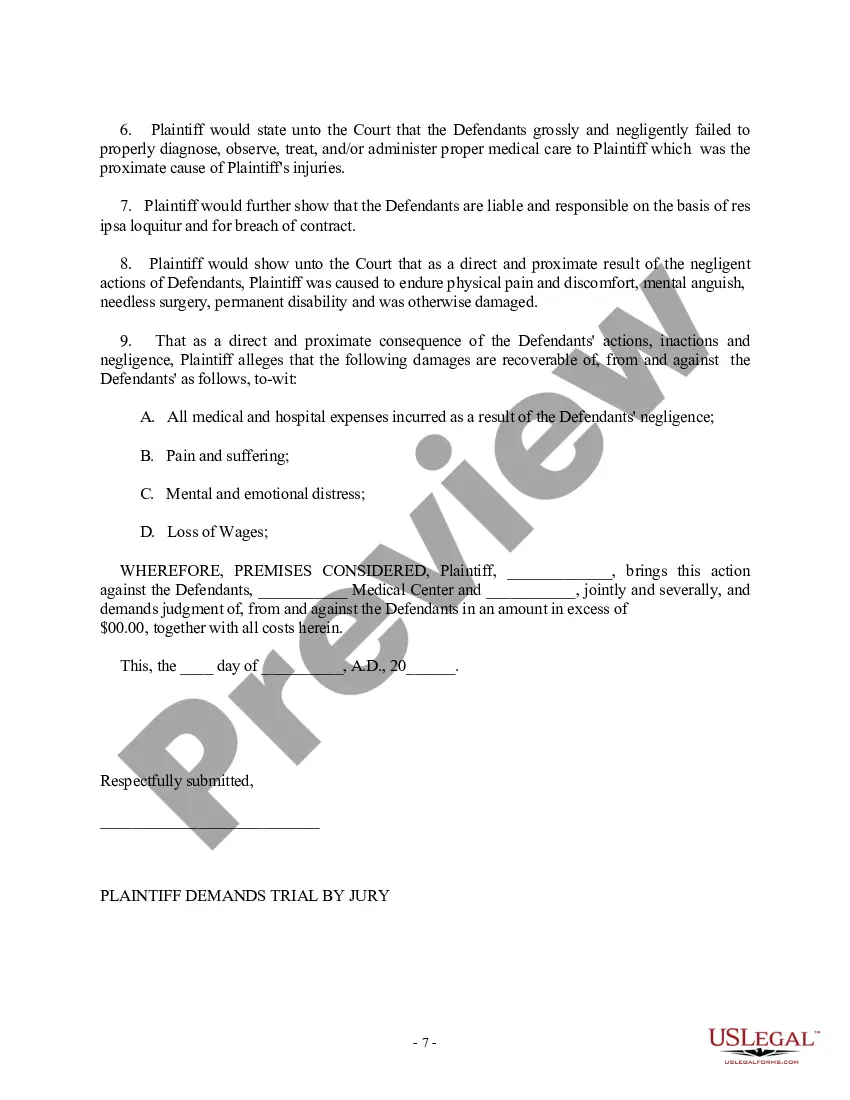
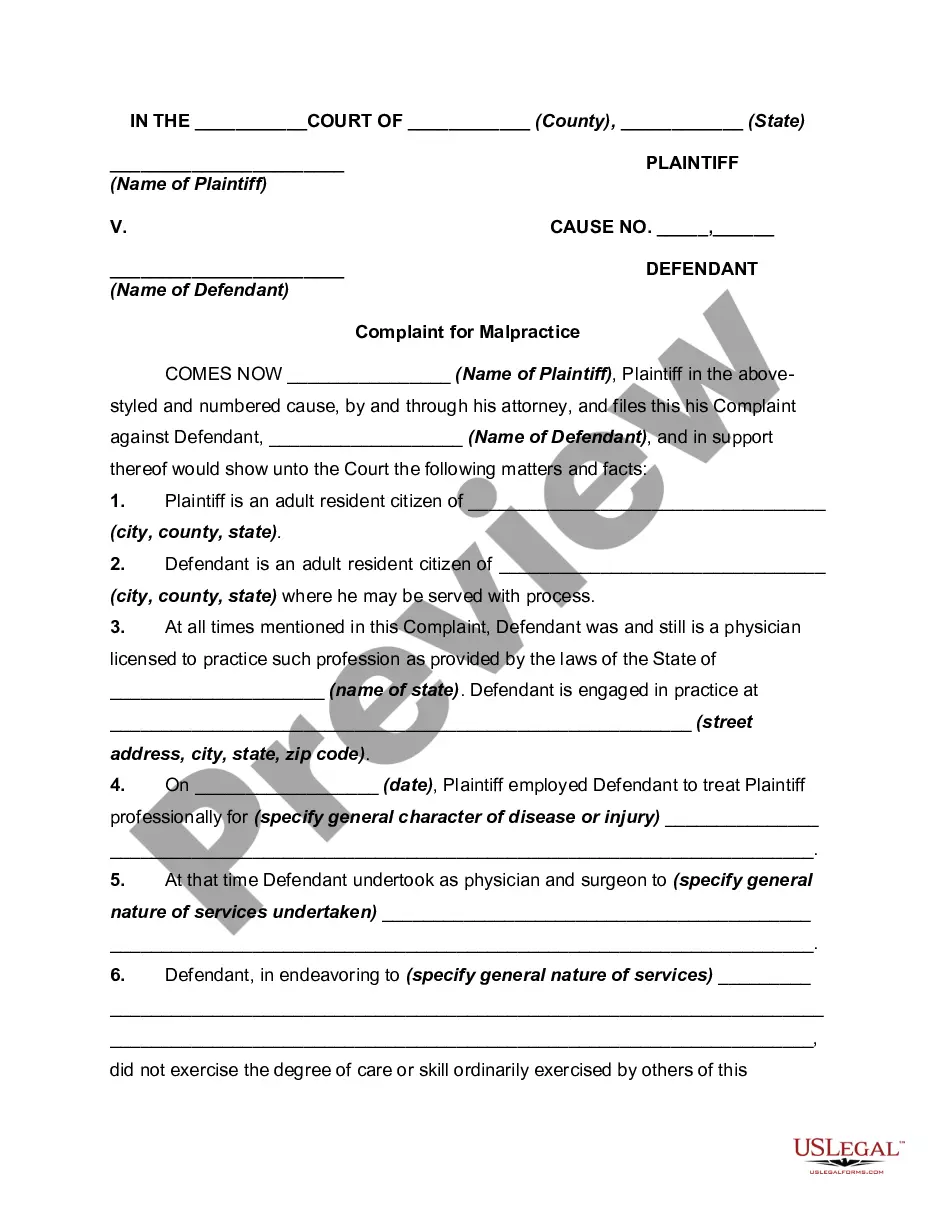
How to fill out Complaint For Medical Malpractice Regarding Surgical Procedure?
The Res Ipsa Loquitur For Beginners you see on this page is a reusable legal template crafted by professional attorneys in accordance with federal and state statutes and regulations.
For over 25 years, US Legal Forms has supplied individuals, businesses, and lawyers with more than 85,000 authenticated, state-specific documents for any business and personal requirement. It is the quickest, simplest, and most trustworthy method to acquire the paperwork you need, as the service promises bank-level data confidentiality and anti-malware safeguards.
Register for US Legal Forms to have authenticated legal templates for all of life’s circumstances available at your fingertips.
- Search for the document you require and verify it.
- Select the pricing plan that fits you and set up an account. Use PayPal or a credit card for a swift payment. If you have an account already, Log In and verify your subscription to proceed.
- Acquire the editable template.
- Fill out and sign the document. Print the template to complete it by hand. Alternatively, use an online multifunctional PDF editor to quickly and accurately fill out and sign your form with a legally valid electronic signature.
- Access your paperwork once more.
Form popularity
FAQ
Understanding the limitations of res ipsa loquitur for dummies is crucial. This doctrine cannot apply in all situations and is generally limited to cases where the evidence is clear and obvious. Additionally, it may not suffice if there are competing explanations for the event, or if the incident falls outside the common experiences the doctrine intends to cover. Therefore, a thorough examination of all evidence is essential.
In the context of res ipsa loquitur for dummies, defending against such a claim often involves rebutting the presumption of negligence. A defendant can illustrate that they acted with reasonable care, thus breaking the connection between their actions and the incident. They may also present evidence indicating that the accident could have occurred regardless of any negligence on their part.
To establish res ipsa loquitur for dummies, three key elements must be present. First, the event itself must be of a type that normally does not occur without negligence. Second, the defendant must have had control over the instrumentality that caused the injury. Lastly, the plaintiff must demonstrate that the injury was not due to their own actions, ensuring a strong link to the defendant's responsibility.
When dealing with the concept of res ipsa loquitur for dummies, several defenses may come into play. A defendant might argue that the event was caused by a third party's actions, not their own negligence. Another defense could involve proving that the phenomenon was not typically associated with negligence. Additionally, the defendant may show that appropriate precautions were taken, thereby negating the claim.
Prima facie means that a plaintiff has sufficient evidence to prove a case unless contradicted by further evidence. In contrast, res ipsa loquitur is used when the occurrence of an accident itself infers negligence without needing direct evidence. Understanding these distinctions can deepen your grasp of important legal concepts, especially when looking to simplify tricky ideas like res ipsa loquitur for dummies.
A commonly cited best example is an elevator that malfunctions and falls, causing injury to passengers. The failure indicates a lack of proper maintenance or care, allowing the injured parties to claim res ipsa loquitur without needing extensive evidence. Such examples clarify res ipsa loquitur for dummies, reassuring those who are new to the concept.
Res ipsa loquitur quizlet refers to the online study sets that help individuals learn legal principles associated with this doctrine. It provides an interactive way to explore different aspects and examples of res ipsa loquitur, making it more digestible for beginners. This is particularly useful when studying res ipsa loquitur for dummies.
One of the best examples of res ipsa loquitur involves a falling object from a construction site that strikes someone below. The event itself implies negligence by the construction company due to their responsibility to maintain safety. Explaining concepts like this can help readers understand res ipsa loquitur for dummies with ease.
Yes, to use res ipsa loquitur in court, a plaintiff generally must plead it as part of their case. This means they need to assert explicitly how the circumstances fit this legal concept. Simplifying these legal nuances with resources about res ipsa loquitur for dummies can be very beneficial.
A classic example of res ipsa loquitur is a surgical instrument left inside a patient after surgery. In this case, the patient doesn't need to show specific evidence of negligence, as it is assumed that such an event does not happen without some failure in care. This helps illustrate res ipsa loquitur for dummies effectively.