Form Promissory Note With Interest
Description
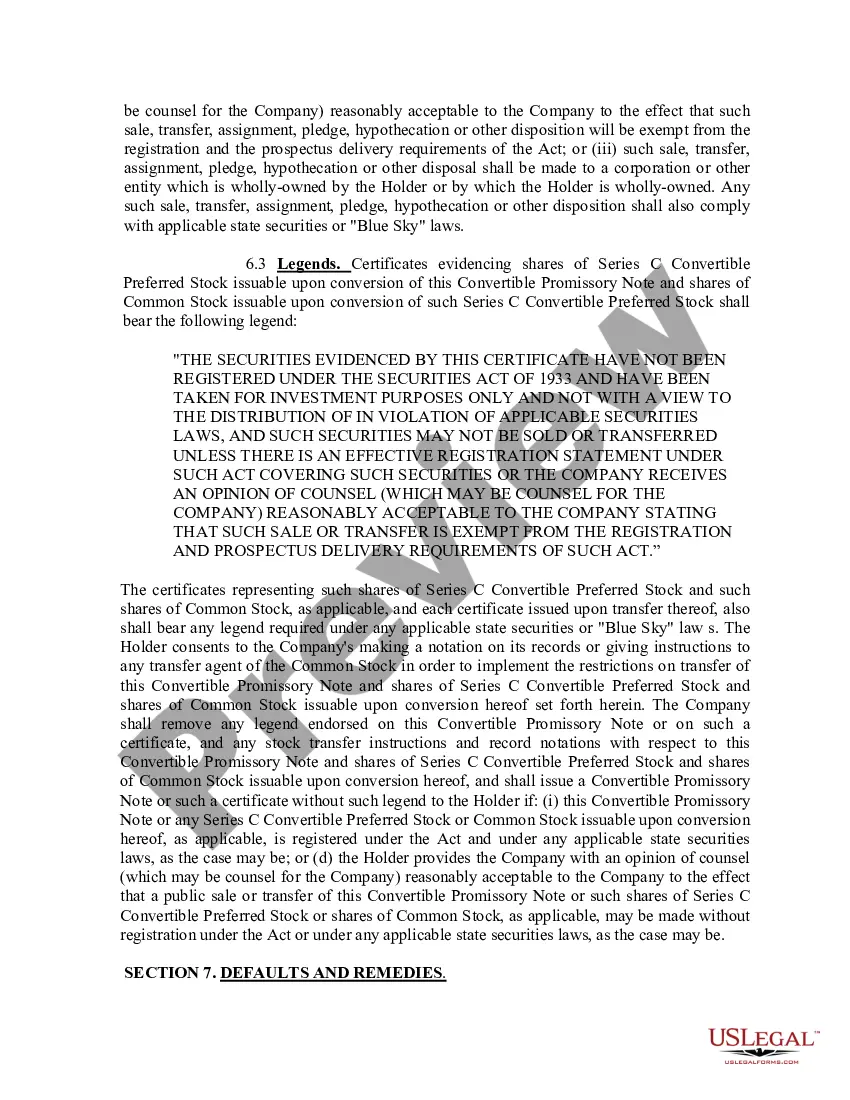
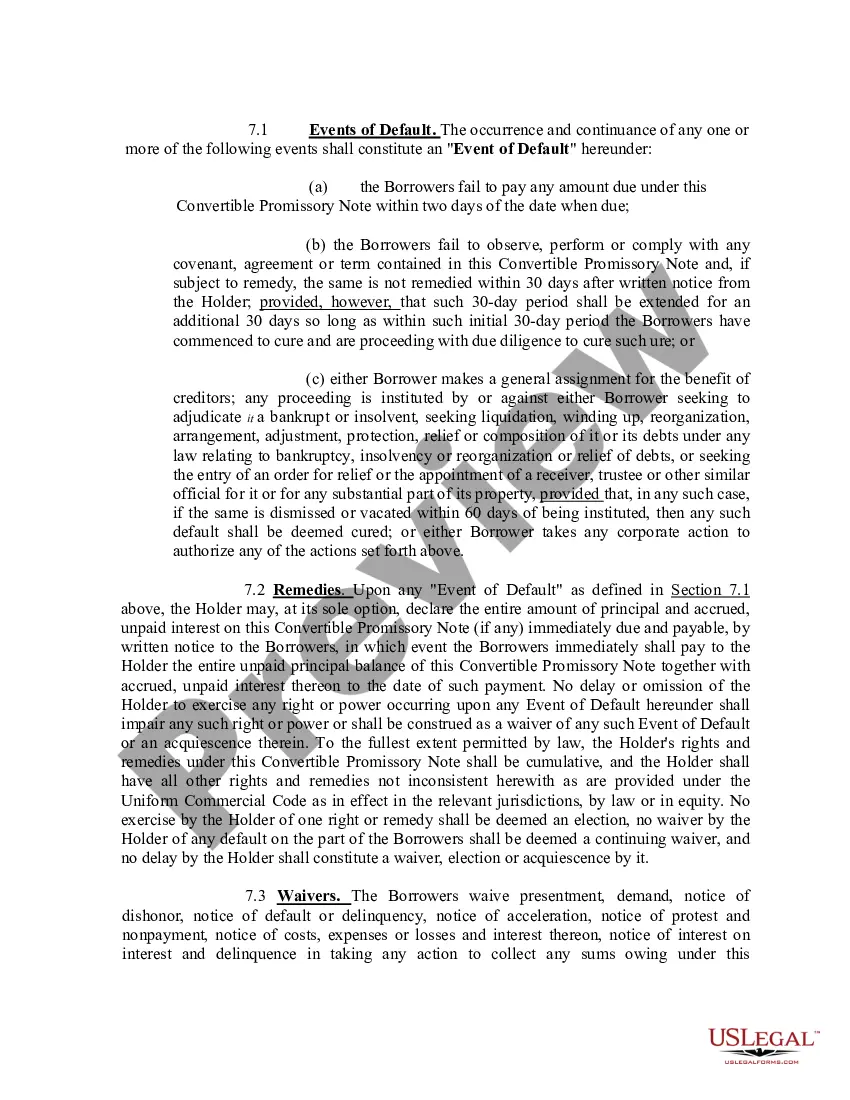

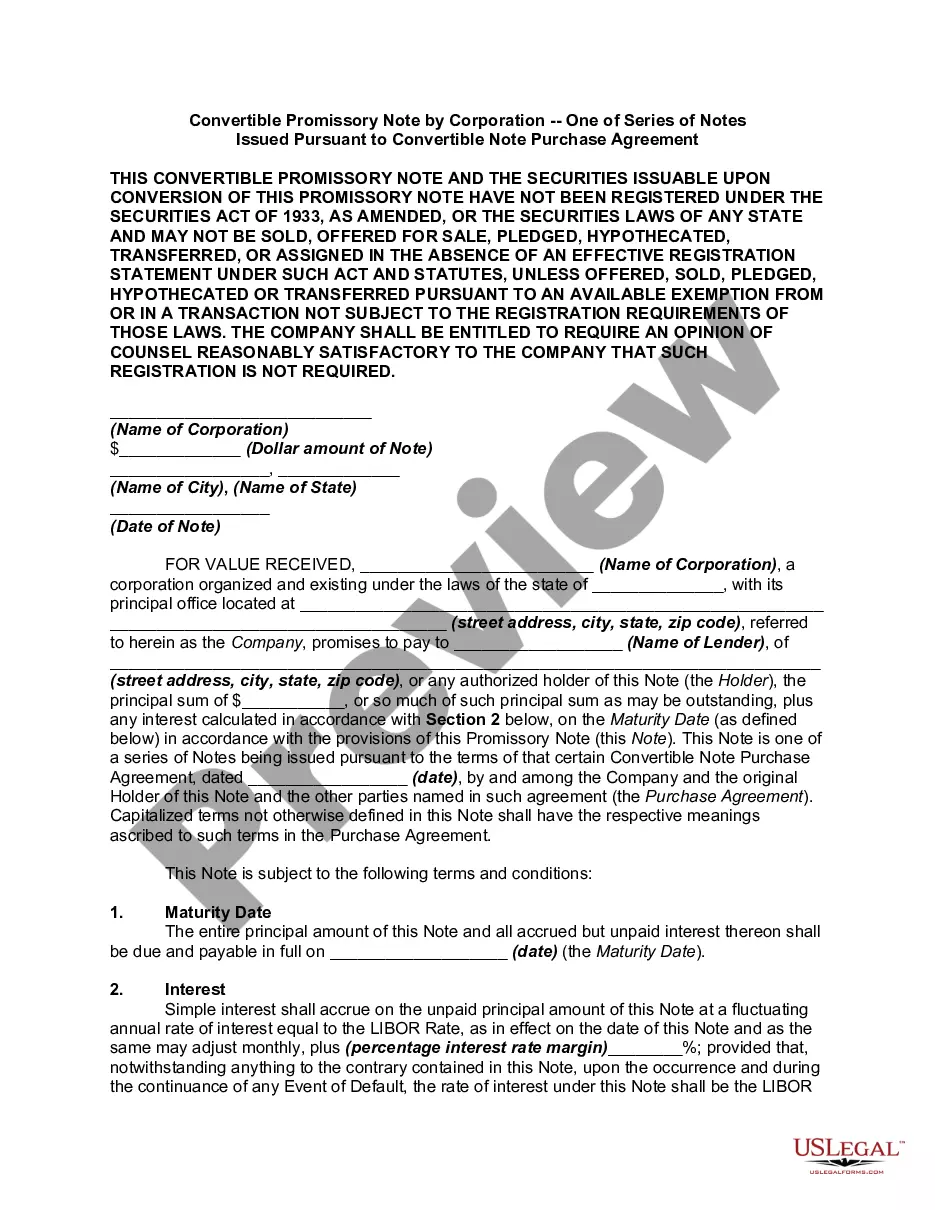
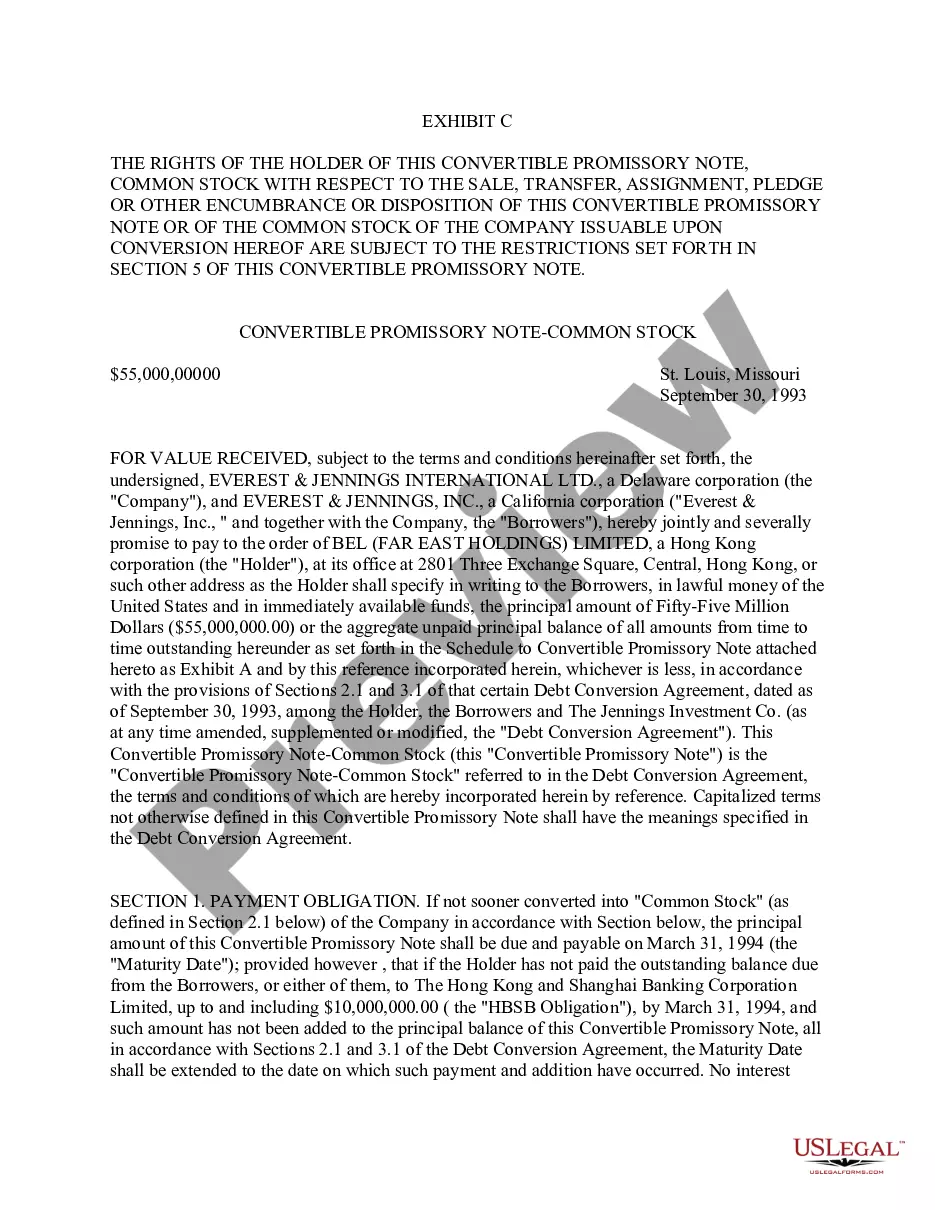
Get your form ready online
Our built-in tools help you complete, sign, share, and store your documents in one place.
Make edits, fill in missing information, and update formatting in US Legal Forms—just like you would in MS Word.
Download a copy, print it, send it by email, or mail it via USPS—whatever works best for your next step.
Sign and collect signatures with our SignNow integration. Send to multiple recipients, set reminders, and more. Go Premium to unlock E-Sign.
If this form requires notarization, complete it online through a secure video call—no need to meet a notary in person or wait for an appointment.
We protect your documents and personal data by following strict security and privacy standards.

Make edits, fill in missing information, and update formatting in US Legal Forms—just like you would in MS Word.

Download a copy, print it, send it by email, or mail it via USPS—whatever works best for your next step.

Sign and collect signatures with our SignNow integration. Send to multiple recipients, set reminders, and more. Go Premium to unlock E-Sign.

If this form requires notarization, complete it online through a secure video call—no need to meet a notary in person or wait for an appointment.

We protect your documents and personal data by following strict security and privacy standards.
Looking for another form?

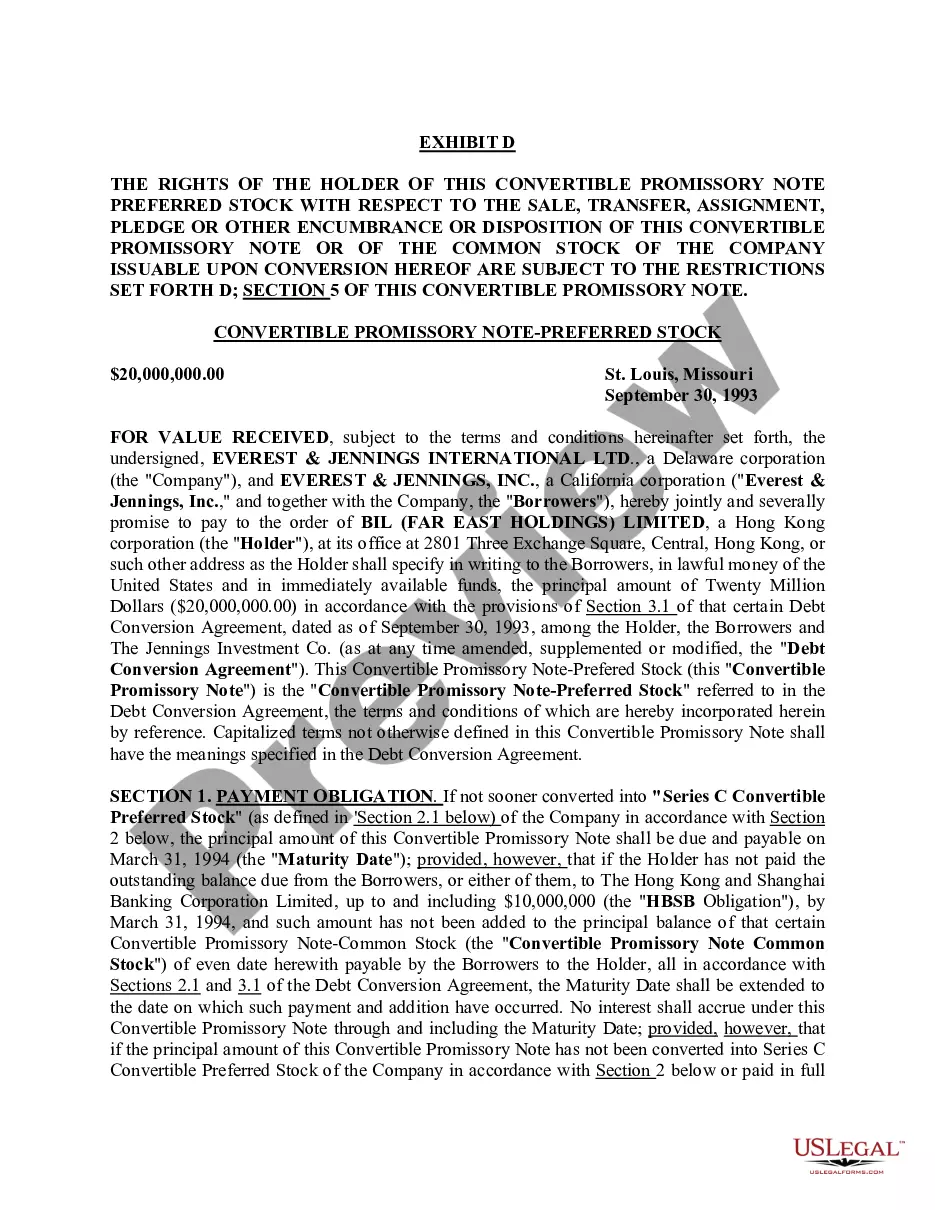
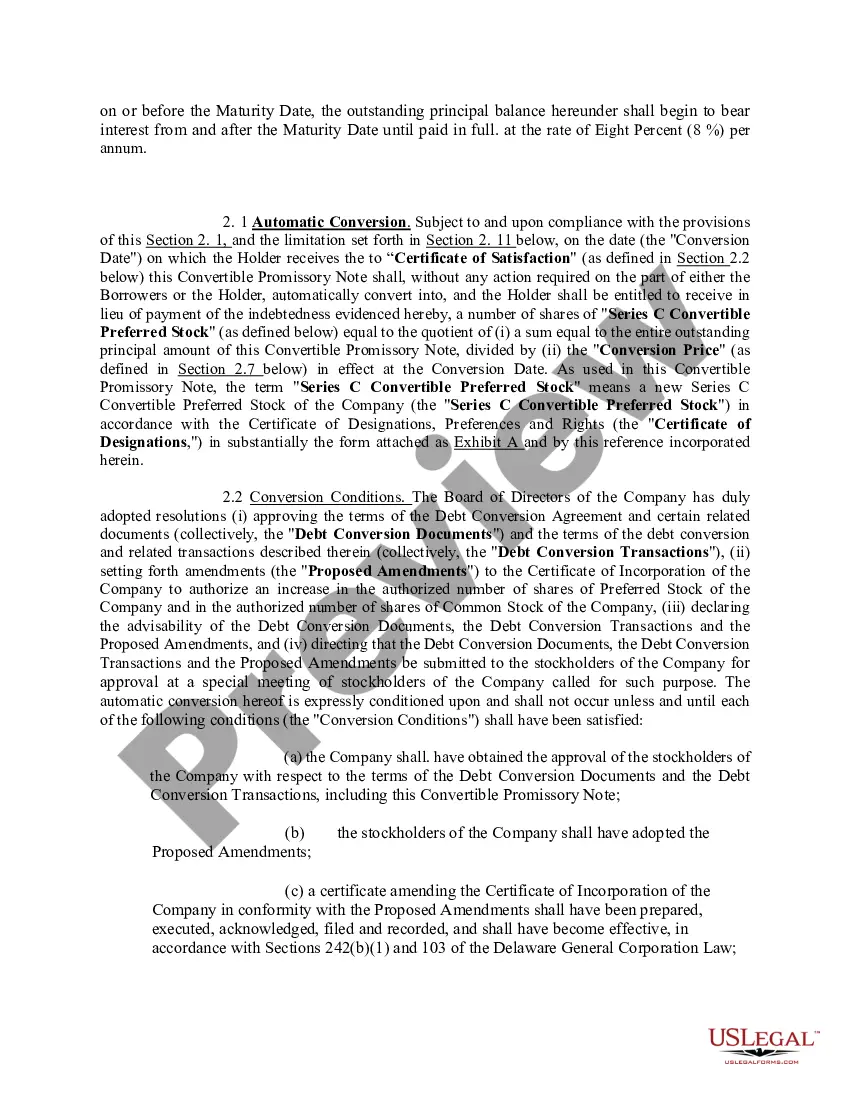
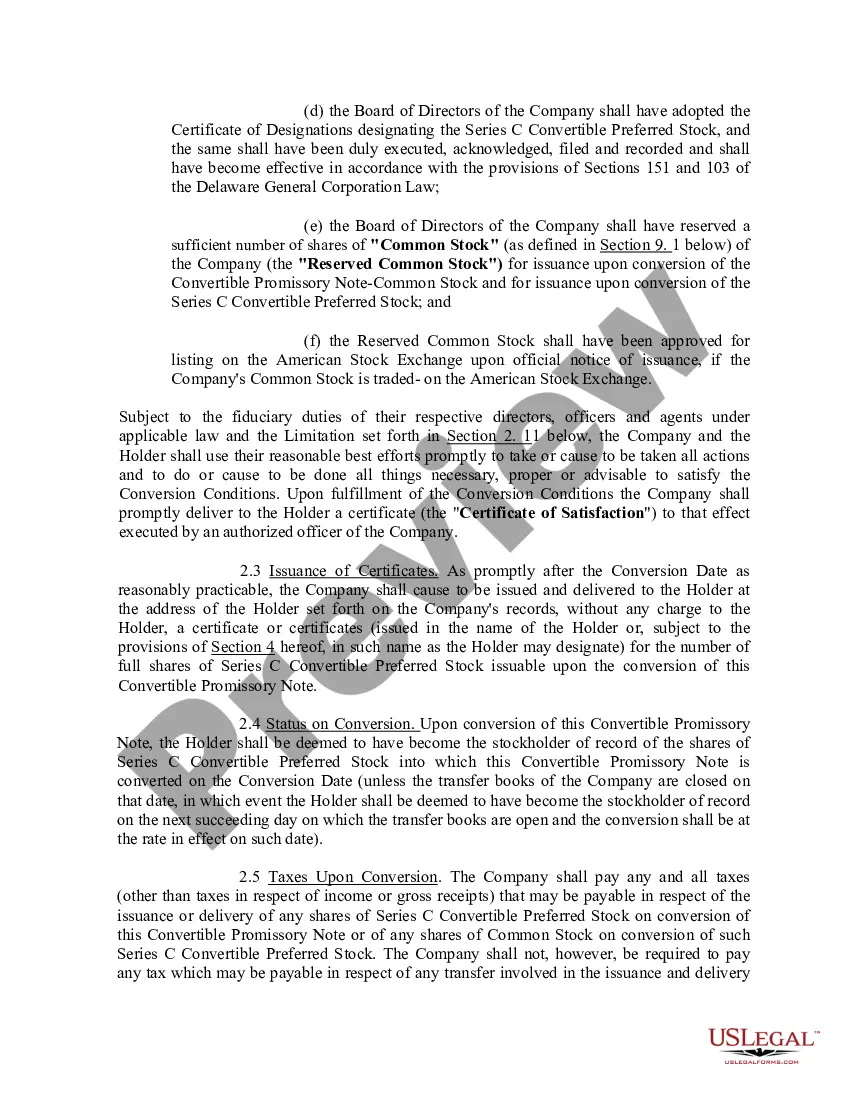
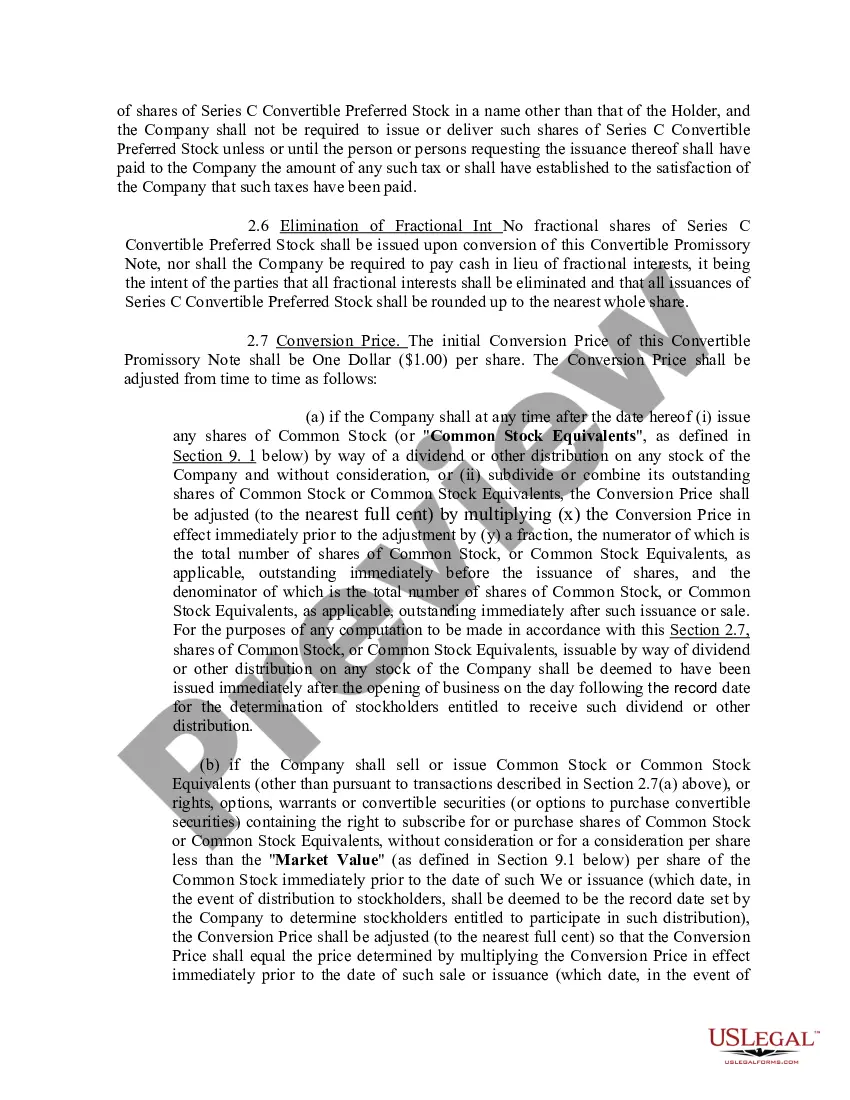
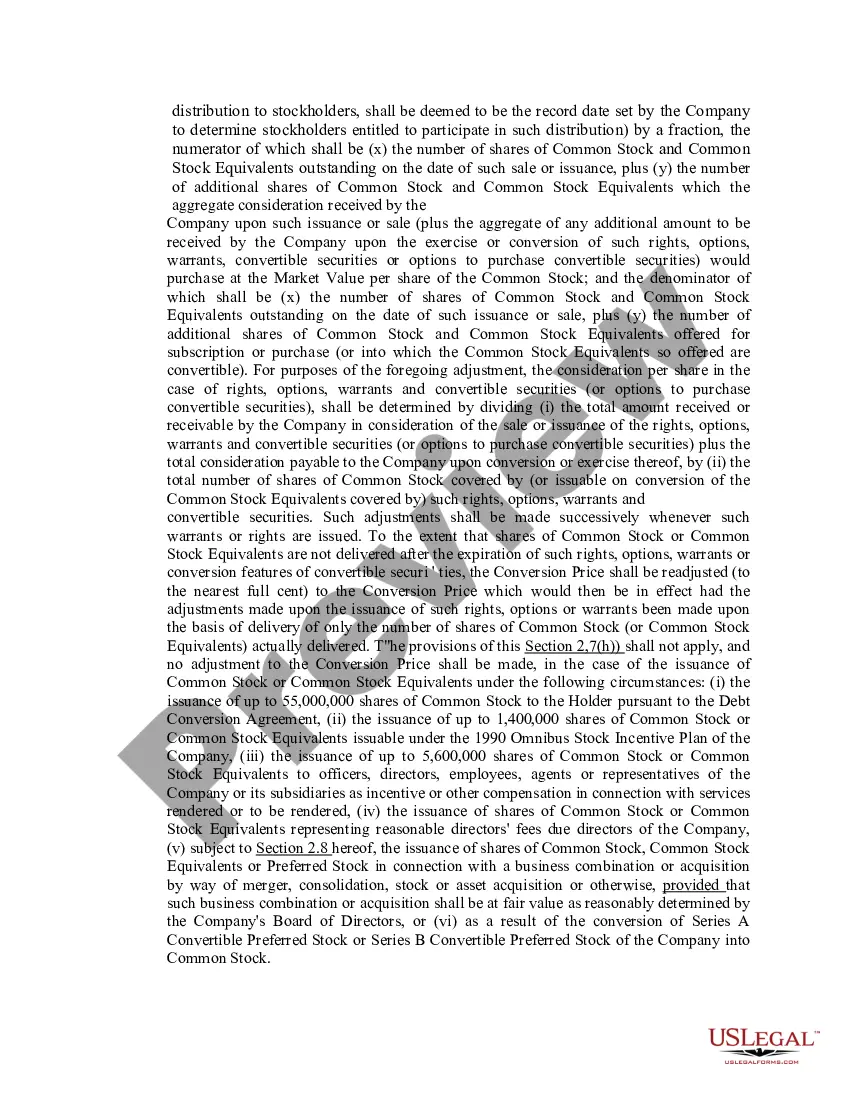
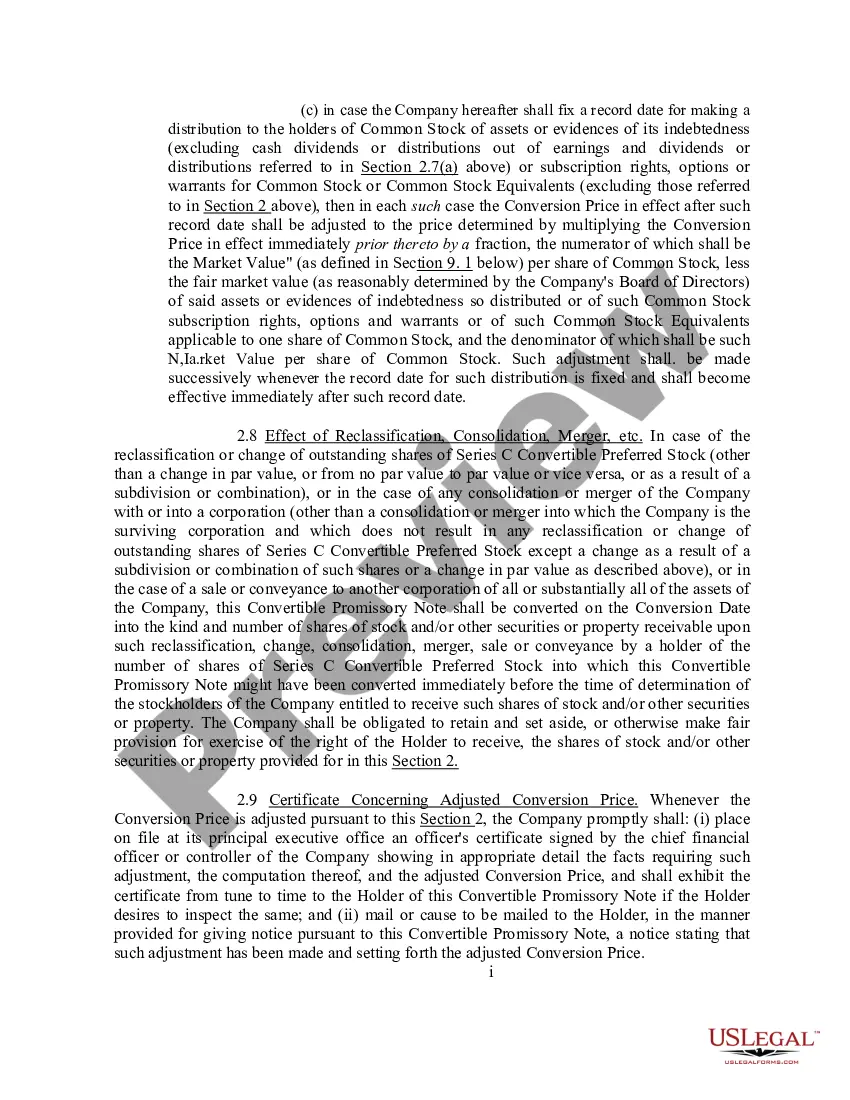
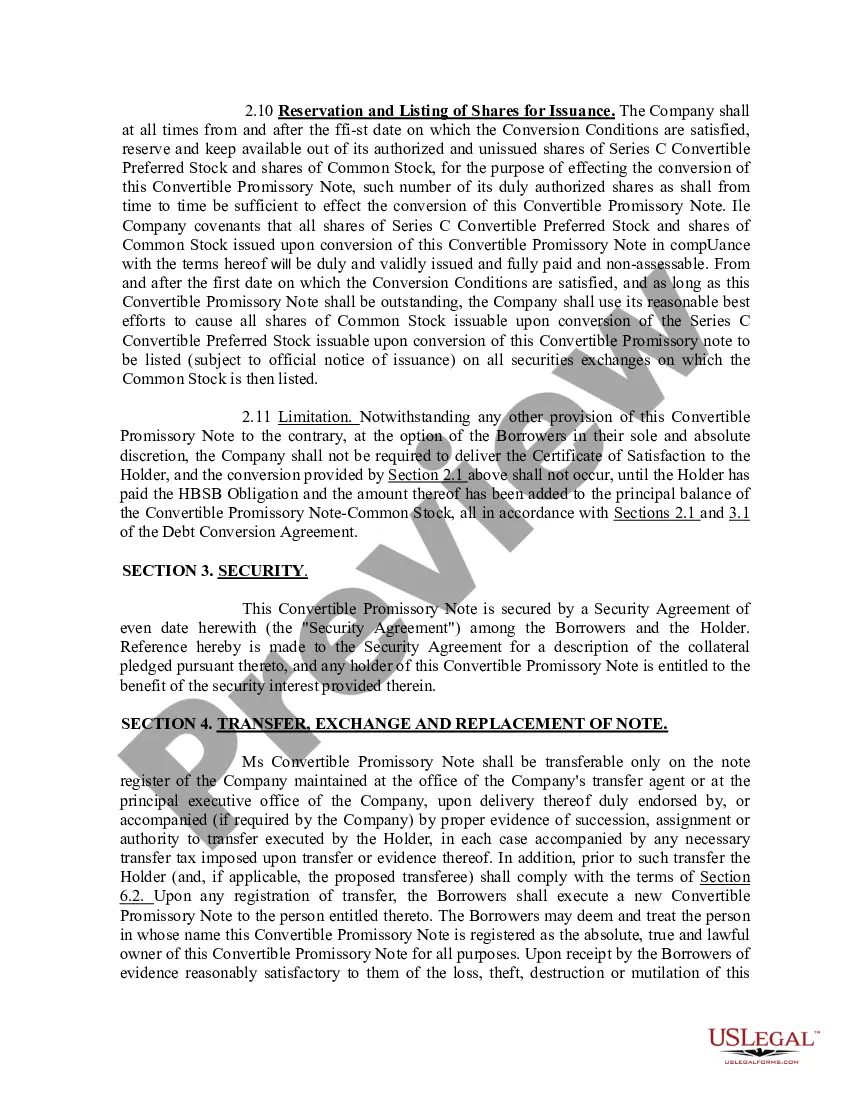
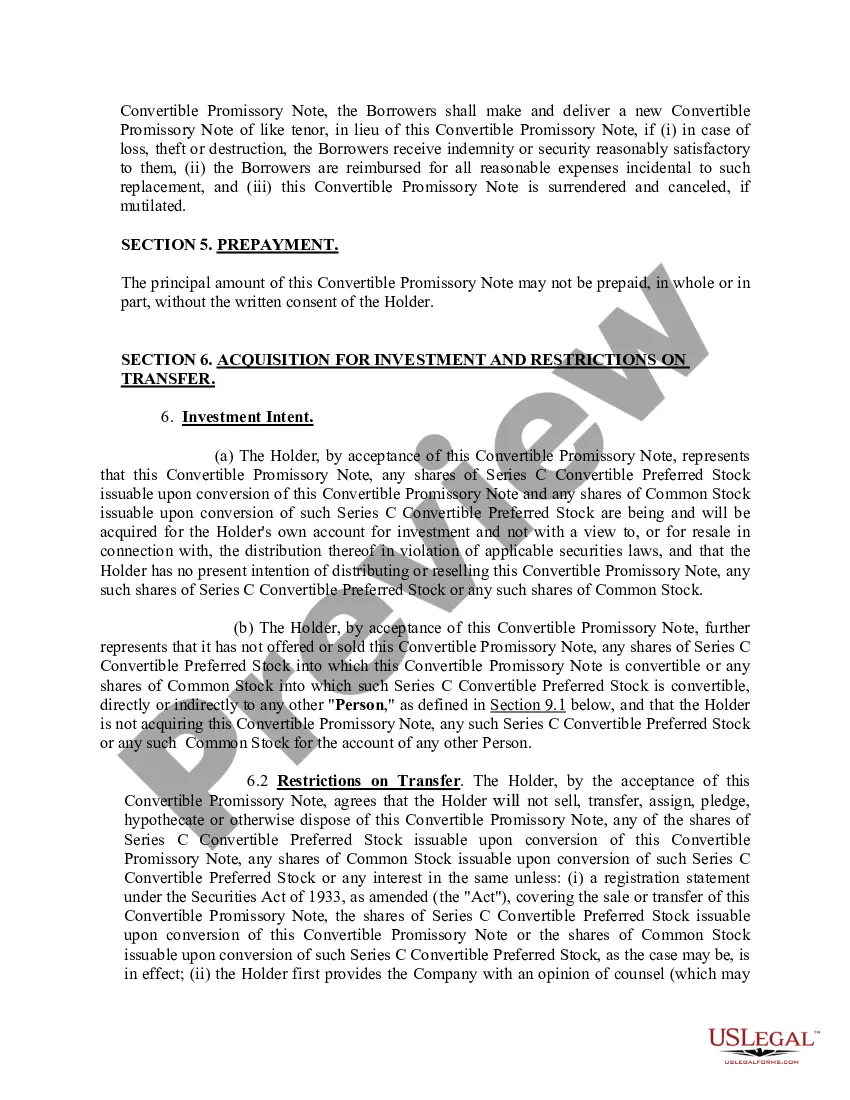
How to fill out Form Of Convertible Promissory Note, Preferred Stock?
Whether for commercial reasons or personal matters, everyone must handle legal situations at some point during their life.
Filling out legal documents demands meticulous care, starting with choosing the appropriate form sample.
With an extensive US Legal Forms library at your disposal, you never have to waste time searching for the suitable sample online. Utilize the library’s clear navigation to discover the right form for any circumstance.
- Obtain the sample you need by using the search box or catalog navigation.
- Review the form’s details to confirm it matches your situation, state, and county.
- Click on the form’s preview to review it.
- If it is the incorrect form, return to the search feature to find the Form Promissory Note With Interest sample you need.
- Download the template when it suits your requirements.
- If you already have a US Legal Forms account, just click Log in to access previously saved documents in My documents.
- If you don’t have an account yet, you can acquire the form by clicking Buy now.
- Select the appropriate pricing option.
- Complete the profile registration form.
- Choose your payment method: utilize a credit card or PayPal account.
- Select the file format you desire and download the Form Promissory Note With Interest.
- After it is downloaded, you can complete the form using editing software or print it and fill it out manually.
Form popularity
FAQ
The borrower records the note by debiting the cash account and crediting the notes payable account. The rest of the notes payable formula includes that interest due to date is accrued at the end of each financial period by debiting the interest expense account and crediting the interest payable liability account.
A journal entry for a promissory note receivable is a financial record that documents the cash amount owed by one party to another. The entry typically includes the date of issue, as well as the principal amount, interest rate, and payment due date.
At its most basic, a promissory note should include the following things: Date. Name of the lender and borrower. Loan amount. Whether the loan is secured or unsecured. If it's secured with collateral: What is the collateral? ... Payment amount and frequency. Payment due date. Whether the loan has a cosigner, and if so, who.
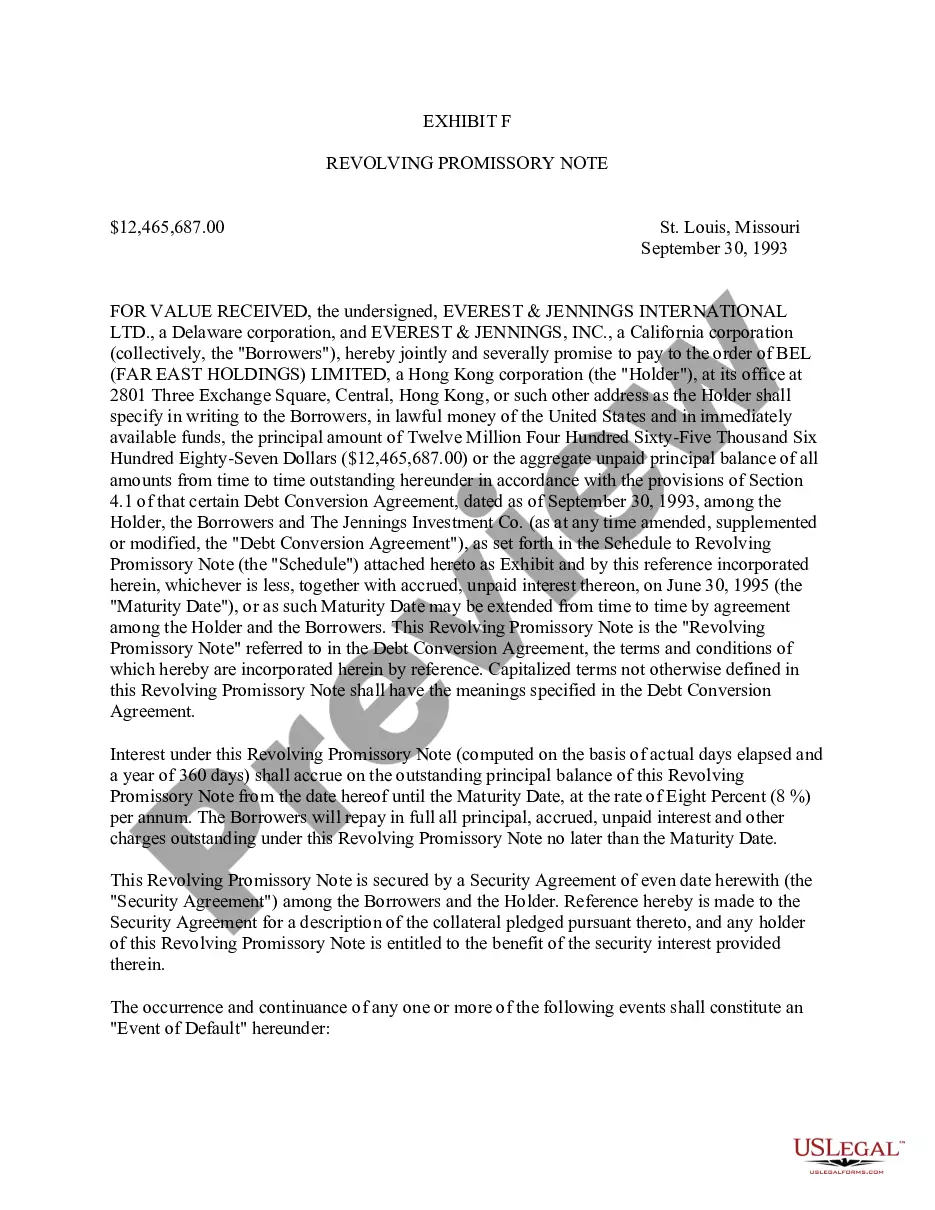
A promissory note is a written and signed promise to repay a sum of money in exchange for a loan or other financing. A promissory note typically contains all the terms involved, such as the principal debt amount, interest rate, maturity date, payment schedule, the date and place of issuance, and the issuer's signature.
Interest rate: A promissory note typically includes the amount of interest that a borrower will agree to pay the lender as a fee for granting them the loan. Interest may be charged as an incremental fixed rate percentage of the unpaid balance of the loan, or a variable rate that changes with time.