Placement In Stock
Description
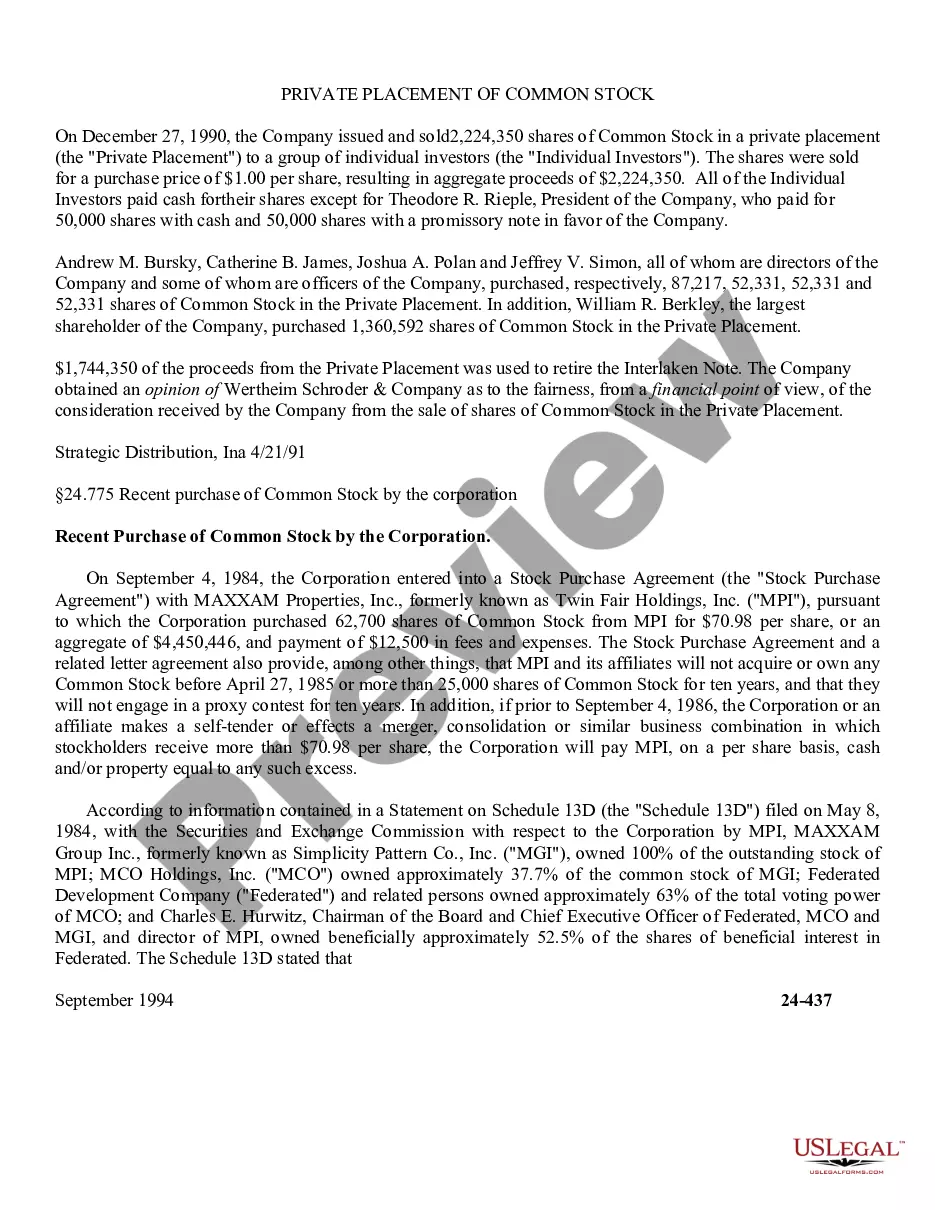
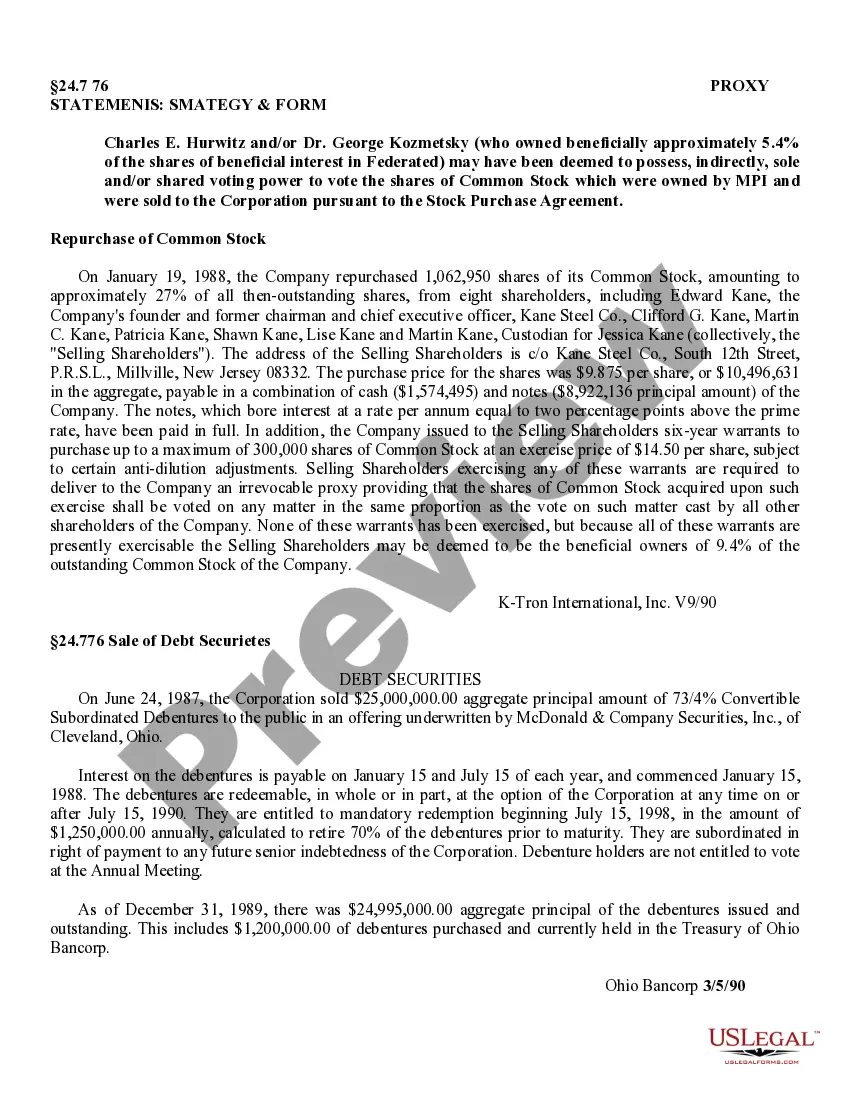

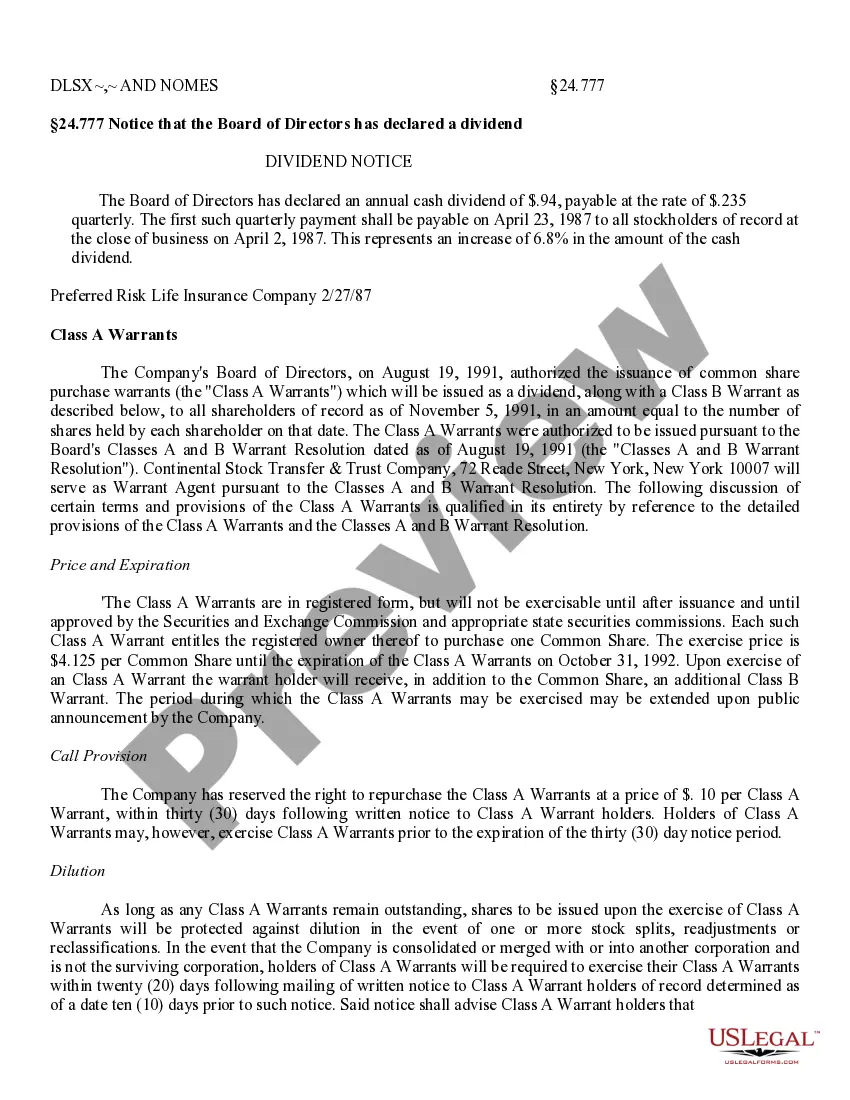

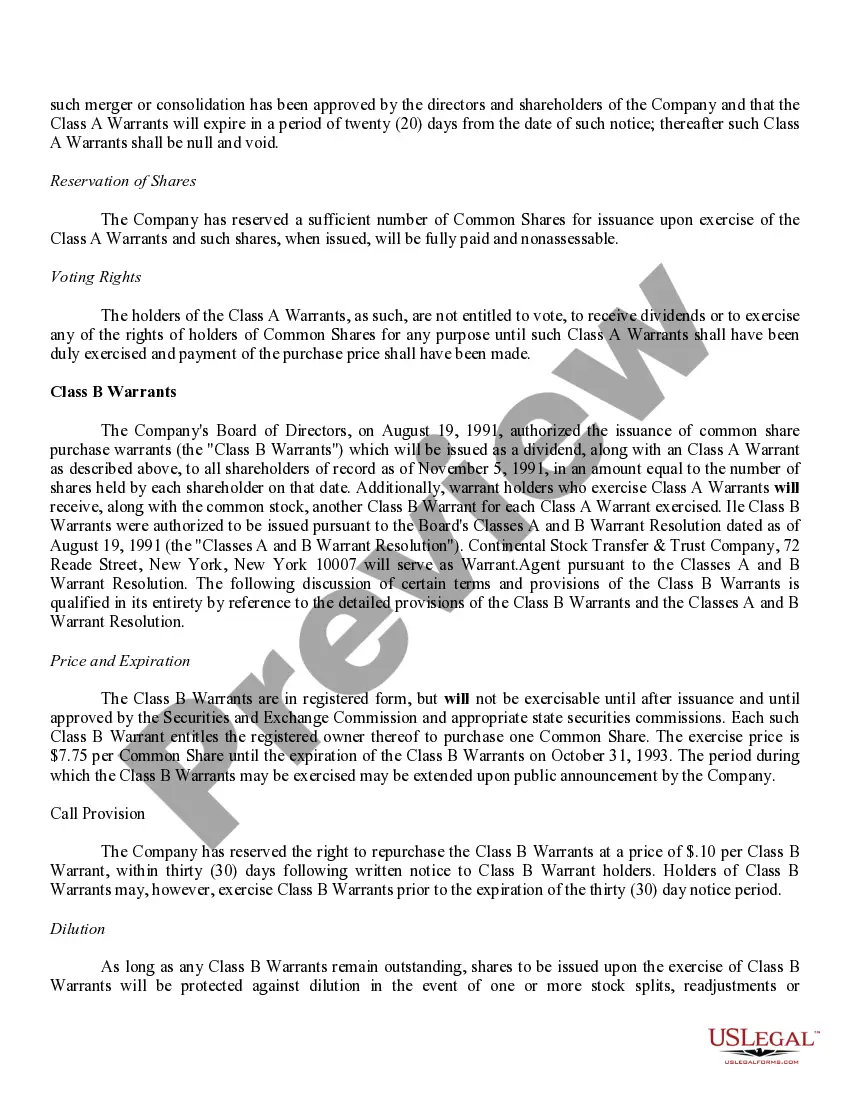



Get your form ready online
Our built-in tools help you complete, sign, share, and store your documents in one place.
Make edits, fill in missing information, and update formatting in US Legal Forms—just like you would in MS Word.
Download a copy, print it, send it by email, or mail it via USPS—whatever works best for your next step.
Sign and collect signatures with our SignNow integration. Send to multiple recipients, set reminders, and more. Go Premium to unlock E-Sign.
If this form requires notarization, complete it online through a secure video call—no need to meet a notary in person or wait for an appointment.
We protect your documents and personal data by following strict security and privacy standards.

Make edits, fill in missing information, and update formatting in US Legal Forms—just like you would in MS Word.

Download a copy, print it, send it by email, or mail it via USPS—whatever works best for your next step.

Sign and collect signatures with our SignNow integration. Send to multiple recipients, set reminders, and more. Go Premium to unlock E-Sign.

If this form requires notarization, complete it online through a secure video call—no need to meet a notary in person or wait for an appointment.

We protect your documents and personal data by following strict security and privacy standards.
Looking for another form?

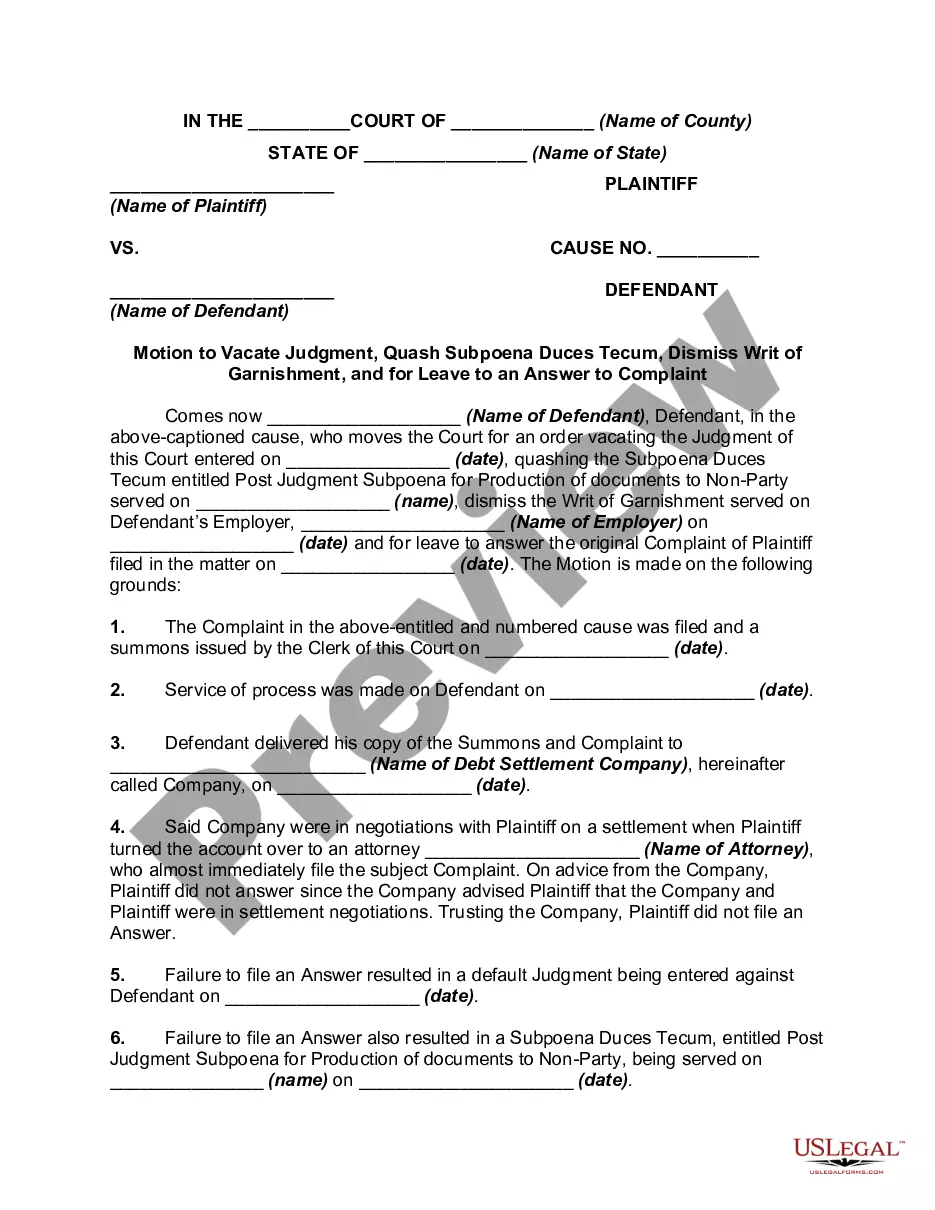




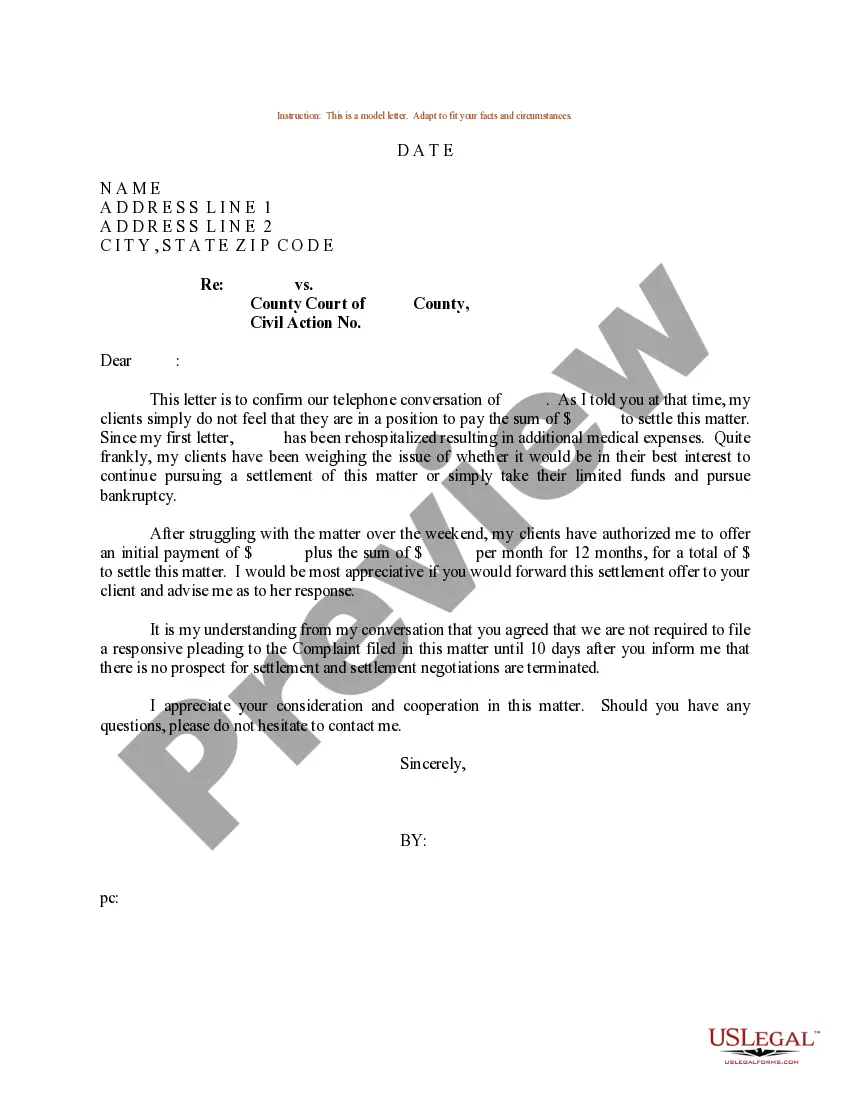

How to fill out Private Placement Of Common Stock?
Finding a reliable source for the latest and applicable legal templates is a significant part of dealing with red tape.
Identifying the appropriate legal documents requires precision and meticulousness, which is why it is essential to obtain Placement In Stock samples exclusively from established providers, like US Legal Forms. An incorrect template can squander your time and prolong your current situation. With US Legal Forms, you have minimal concerns. You can access and review all the pertinent information about the document's application and significance for your specific circumstances and locality.
Eliminate the hassle associated with your legal paperwork. Explore the vast collection at US Legal Forms to find legal templates, assess their relevance to your needs, and download them instantly.
- Use the catalog navigation or search bar to locate your document.
- Review the form’s details to ensure it aligns with the stipulations of your area and state.
- Check the form preview, if available, to confirm the template is the one you desire.
- Return to the search to find the appropriate template if the Placement In Stock does not meet your needs.
- Once confident in the form’s applicability, download it.
- If you are a registered user, click Log in to verify and access your selected forms in My documents.
- If you lack an account, click Buy now to acquire the template.
- Choose the pricing option that suits your needs.
- Proceed with the registration to complete your purchase.
- Finish your transaction by selecting a payment method (credit card or PayPal).
- Choose the document format for downloading Placement In Stock.
- Once the form is on your device, you may modify it with the editor or print it out and fill it in by hand.
Form popularity
FAQ
You meet with or speak with a stockbroker, who accepts your market orders and facilitates payments between you and other trading parties. Unless you are borrowing on margin, you have a cash account with your broker to help identify your investor profile. You buy at the offer (or ask) price and sell at the bid price.
For example, if there were 1 million shares of a company's stock outstanding prior to a private placement offering of 100,000 shares, then the private placement would result in existing shareholders having 10 percent less of an equity interest in the company.
Issuing in the private placement market offers companies a variety of advantages, including maintaining confidentiality, accessing long-term, fixed-rate capital, diversifying financing sources and creating additional financing capacity.
Placement refers to the sale of securities to a group of investors, either on a public or private level. A public offering would typically involve registering with the Securities and Exchange Commission, while a private placement is exempt from registering.