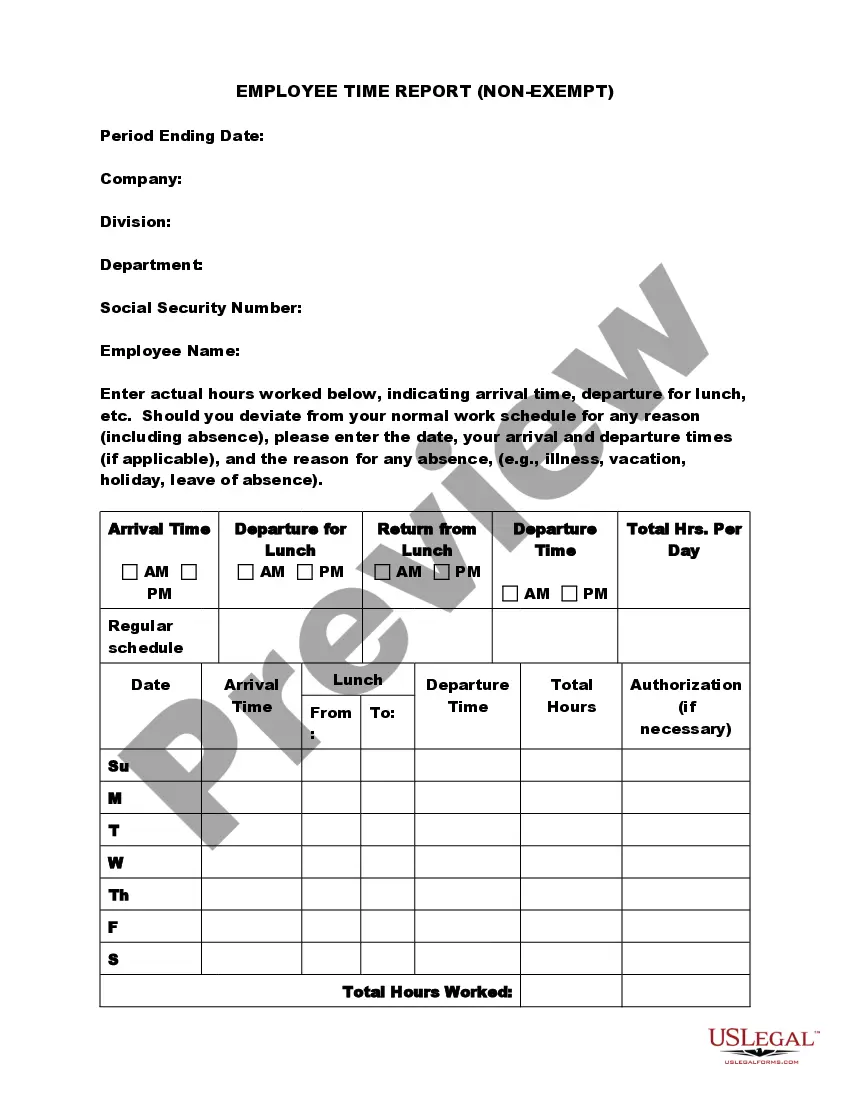
Exempt Vs Non Exempt Withholding
Description
Get your form ready online
Our built-in tools help you complete, sign, share, and store your documents in one place.
Make edits, fill in missing information, and update formatting in US Legal Forms—just like you would in MS Word.
Download a copy, print it, send it by email, or mail it via USPS—whatever works best for your next step.
Sign and collect signatures with our SignNow integration. Send to multiple recipients, set reminders, and more. Go Premium to unlock E-Sign.
If this form requires notarization, complete it online through a secure video call—no need to meet a notary in person or wait for an appointment.
We protect your documents and personal data by following strict security and privacy standards.

Make edits, fill in missing information, and update formatting in US Legal Forms—just like you would in MS Word.

Download a copy, print it, send it by email, or mail it via USPS—whatever works best for your next step.

Sign and collect signatures with our SignNow integration. Send to multiple recipients, set reminders, and more. Go Premium to unlock E-Sign.

If this form requires notarization, complete it online through a secure video call—no need to meet a notary in person or wait for an appointment.

We protect your documents and personal data by following strict security and privacy standards.
Looking for another form?
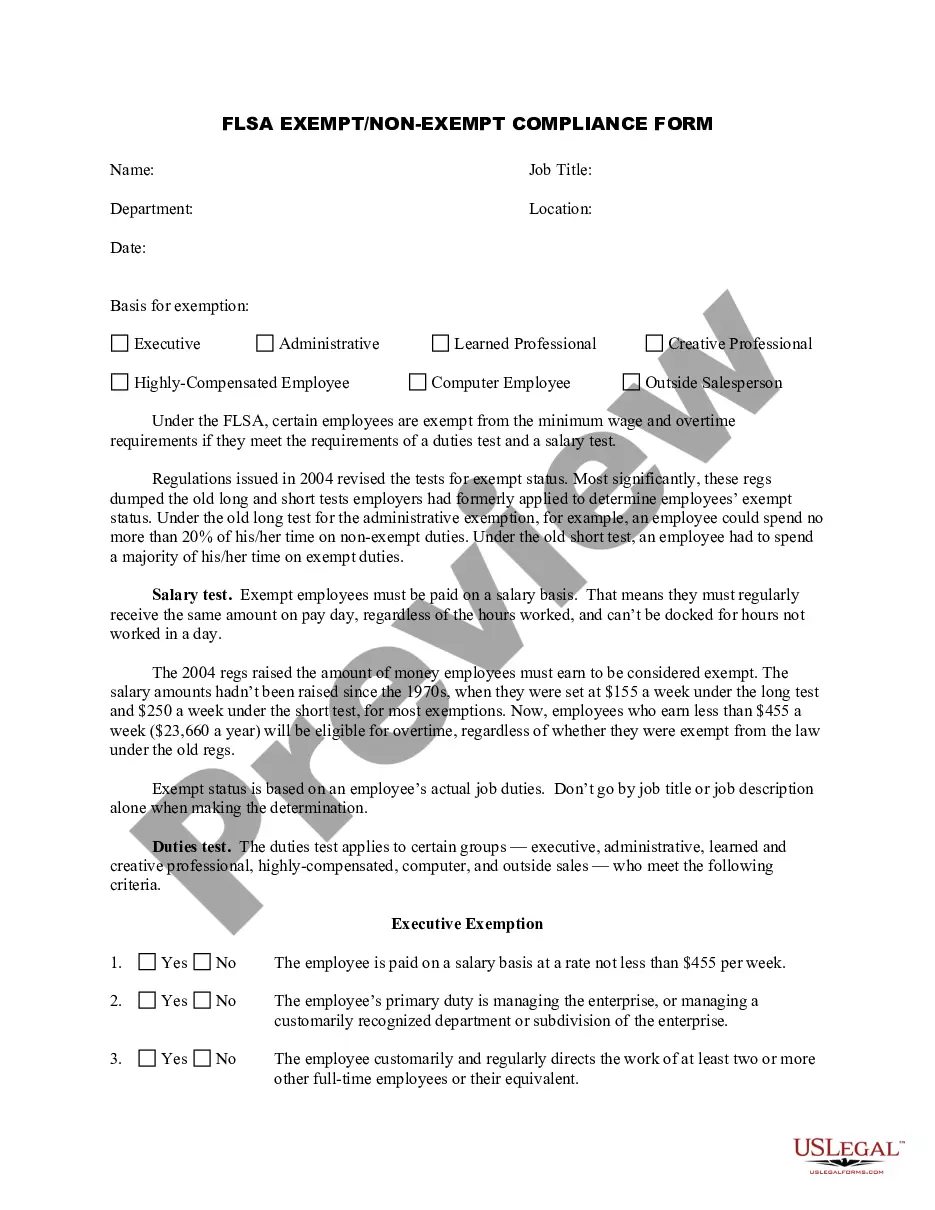
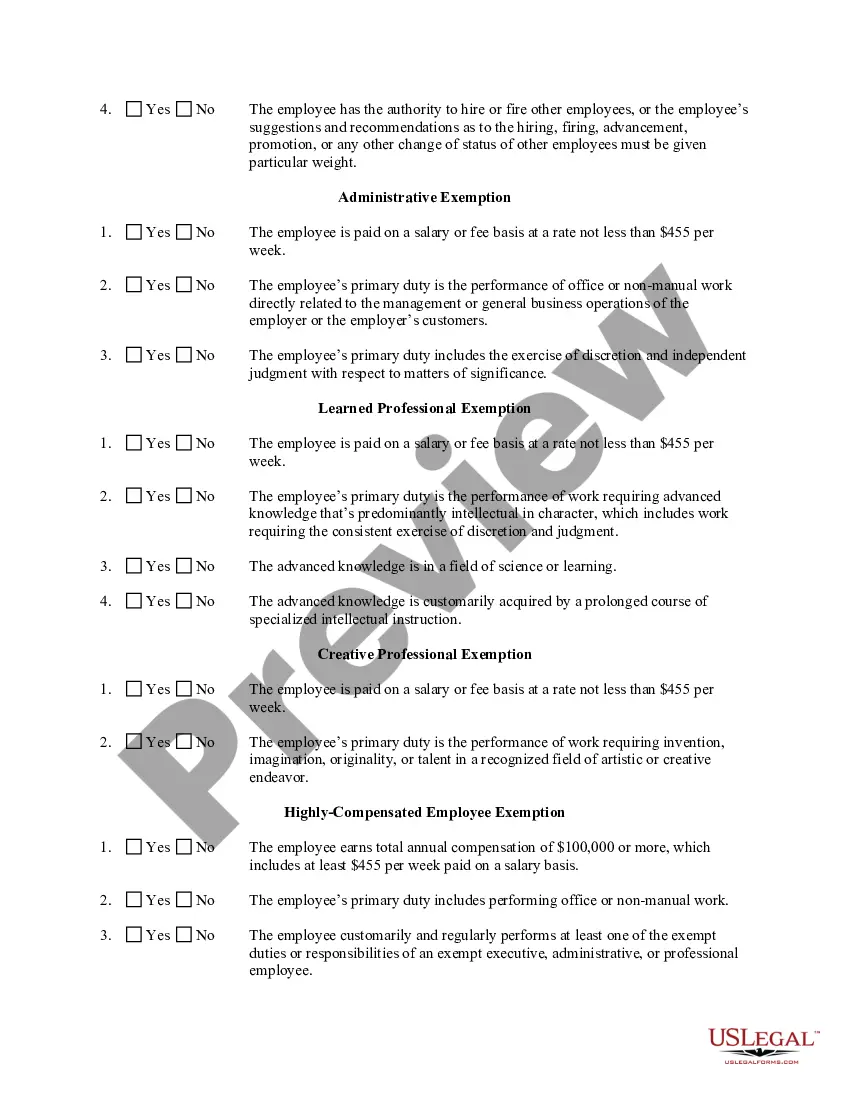
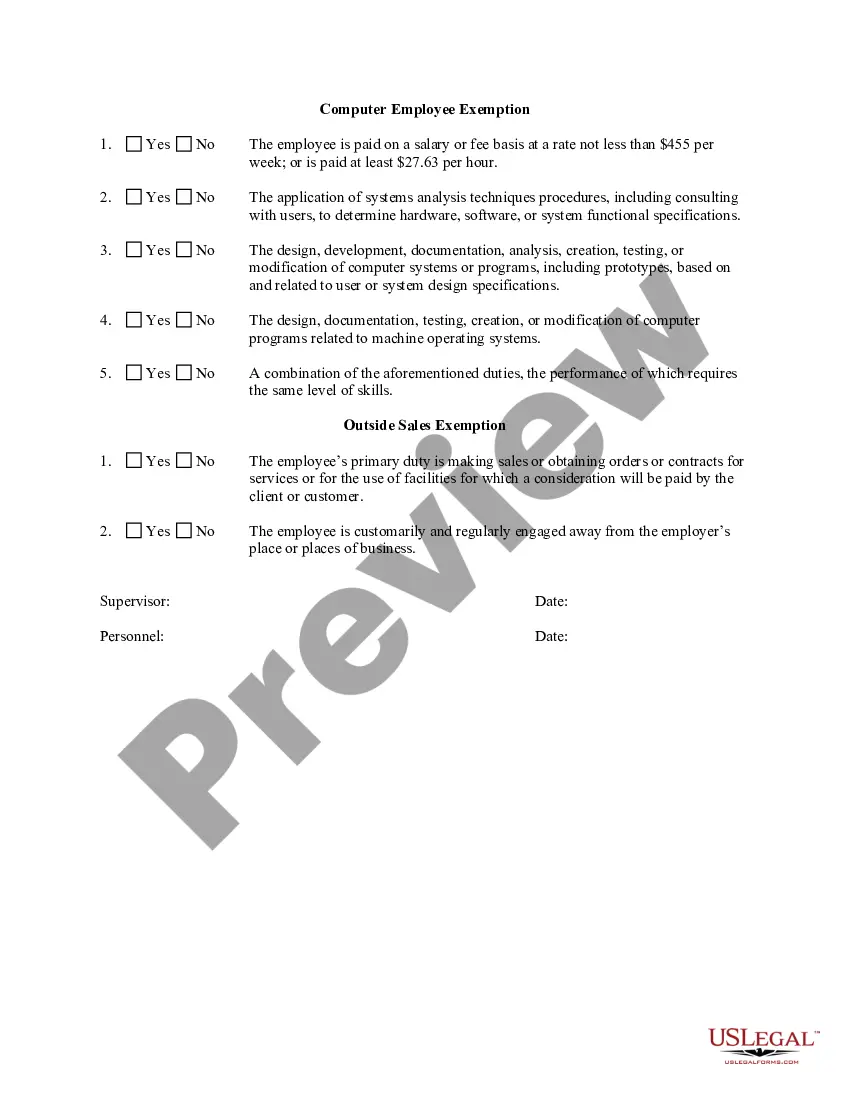
How to fill out FLSA Exempt / Nonexempt Compliance Form?
Dealing with legal documentation and protocols can prove to be a lengthy addition to your whole day.
Exempt vs Non Exempt Withholding and similar forms frequently necessitate you to search for them and maneuver your way to fill them out correctly.
Consequently, if you are managing financial, legal, or personal affairs, utilizing a comprehensive and user-friendly online library of forms when required will be immensely beneficial.
US Legal Forms is the top online platform for legal templates, providing over 85,000 state-specific forms along with various resources that will assist you in completing your paperwork effortlessly.
Is this your first time using US Legal Forms? Create an account and set it up in just a few minutes to access the form library and Exempt vs Non Exempt Withholding. Then, follow the steps outlined below to complete your form.
- Browse the library of relevant documents available with a mere click.
- US Legal Forms offers you state- and county-specific forms available anytime for downloading.
- Protect your document management processes by using a reliable service that allows you to prepare any form in minutes without any extra or concealed fees.
- Simply Log In to your account, find Exempt vs Non Exempt Withholding, and obtain it immediately from the My documents section.
- You can also access previously saved forms.
Form popularity
FAQ
Claiming exempt on your tax withholding can offer immediate financial relief by reducing the amount taken from your paycheck. However, this may lead to a tax bill at the end of the year if your income does not align with the exempt criteria. Finding the right balance requires an understanding of exempt vs non exempt withholding and your projected earnings. Consulting with a tax professional can help clarify when claiming exempt is advantageous.
To determine whether you are exempt or nonexempt, evaluate your tax filings and income projections. Focus on any tax liability you had last year, as this is a key indicator. If you expect to earn below the income threshold set by the IRS, you might qualify as exempt. Using resources from USLegalForms can simplify this process, providing essential tools for understanding your withholding options.
To find out if you are exempt or non-exempt from withholding, analyze your income, tax returns, and current financial status. If you did not owe any taxes last year and your situation remains unchanged, you may be exempt. It is vital to gather all relevant financial documents and seek assistance from USLegalForms for personalized guidance. By doing this, you make informed decisions regarding your withholding status.
You can identify if you are exempt from withholding by assessing your tax situation from the previous year. If your total tax liability was zero, and you expect to earn less than the minimum income threshold this year, you might be exempt. Additionally, consult IRS guidelines or use tools from USLegalForms to ensure accurate understanding. This clarity can assist you in managing your finances effectively.
To determine exempt vs non-exempt withholding, start by reviewing your income sources and filing status. Generally, if you had no tax liability last year and expect none this year, you may qualify as exempt. However, be sure to consider all factors, including any new income streams. A tax professional or resources from USLegalForms can help clarify your situation.
The distinction between exempt and non-exempt withholding primarily hinges on your income and tax obligations. If you expect to owe no tax due to low income or other reasons, you may be classified as exempt. Conversely, if you have a higher income and are likely to owe, you fall under non-exempt withholding, making it essential to understand these classifications thoroughly.
To change your federal withholding to exempt, you need to fill out a new W-4 form and indicate your exempt status clearly. Be sure to follow the IRS guidelines for exempt vs non exempt withholding to ensure you meet the criteria. If you need assistance navigating this process, consider utilizing resources available on the uslegalforms platform.
Claiming non-exempt means that your employer will withhold taxes from your paycheck based on your expected income and tax bracket. This can help you avoid a large tax bill when filing your tax return, as you will already be paying taxes throughout the year. Understanding exempt vs non exempt withholding can help you make informed decisions about your tax strategy.
Several factors can make you exempt from withholding, primarily tied to your income level and tax liability. If your income is below the minimum threshold for tax obligations or if you had no tax liability in the prior year, you may qualify for exempt status. Understanding these criteria is vital for managing your tax withholdings effectively.
Whether you should claim exempt or non-exempt largely depends on your specific financial situation. While exempt withholding can provide immediate financial relief, it may lead to a larger tax bill later if not managed properly. Therefore, weighing the benefits and risks of both options is important for your financial health.