Full And Final Settlement
Description
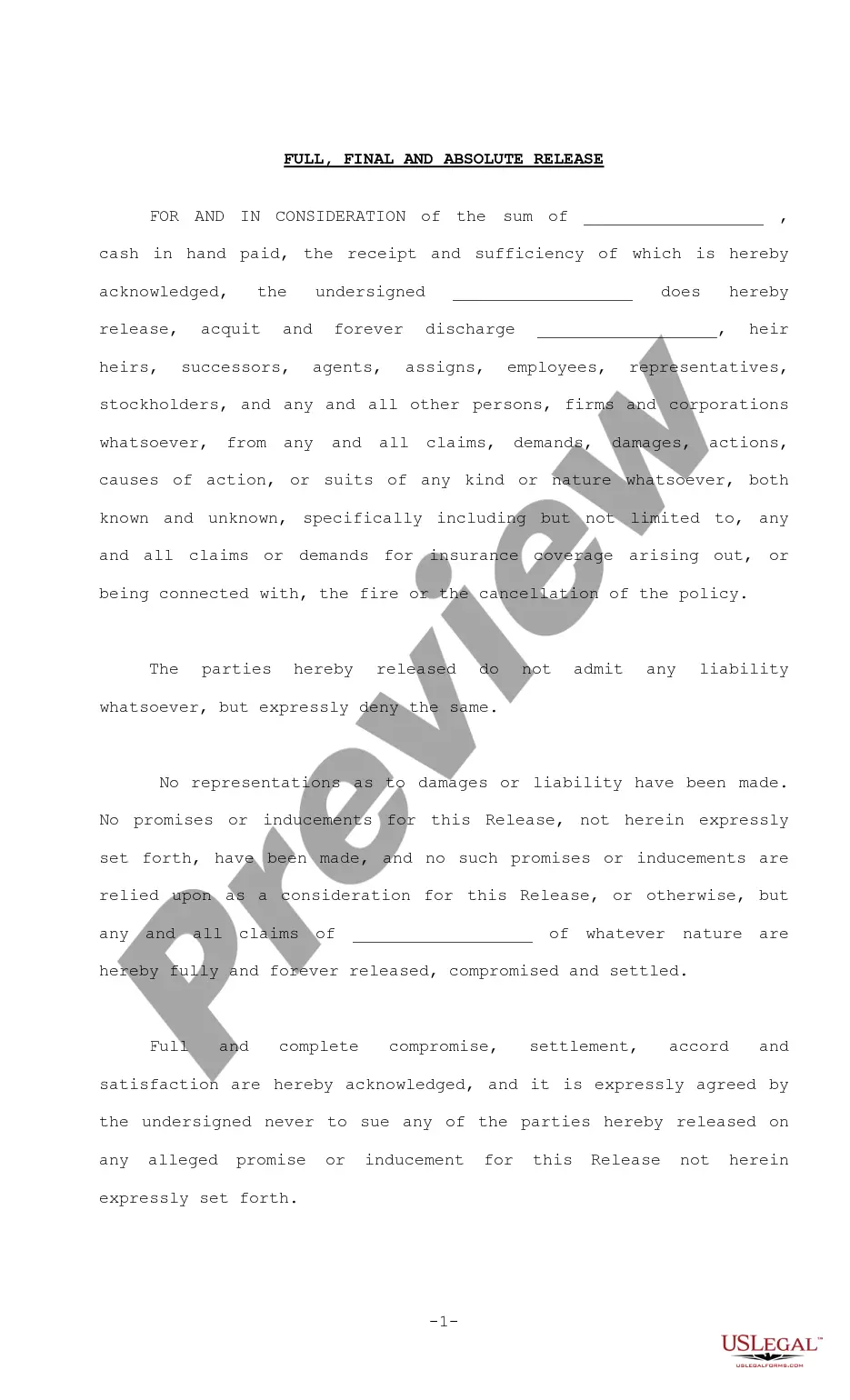
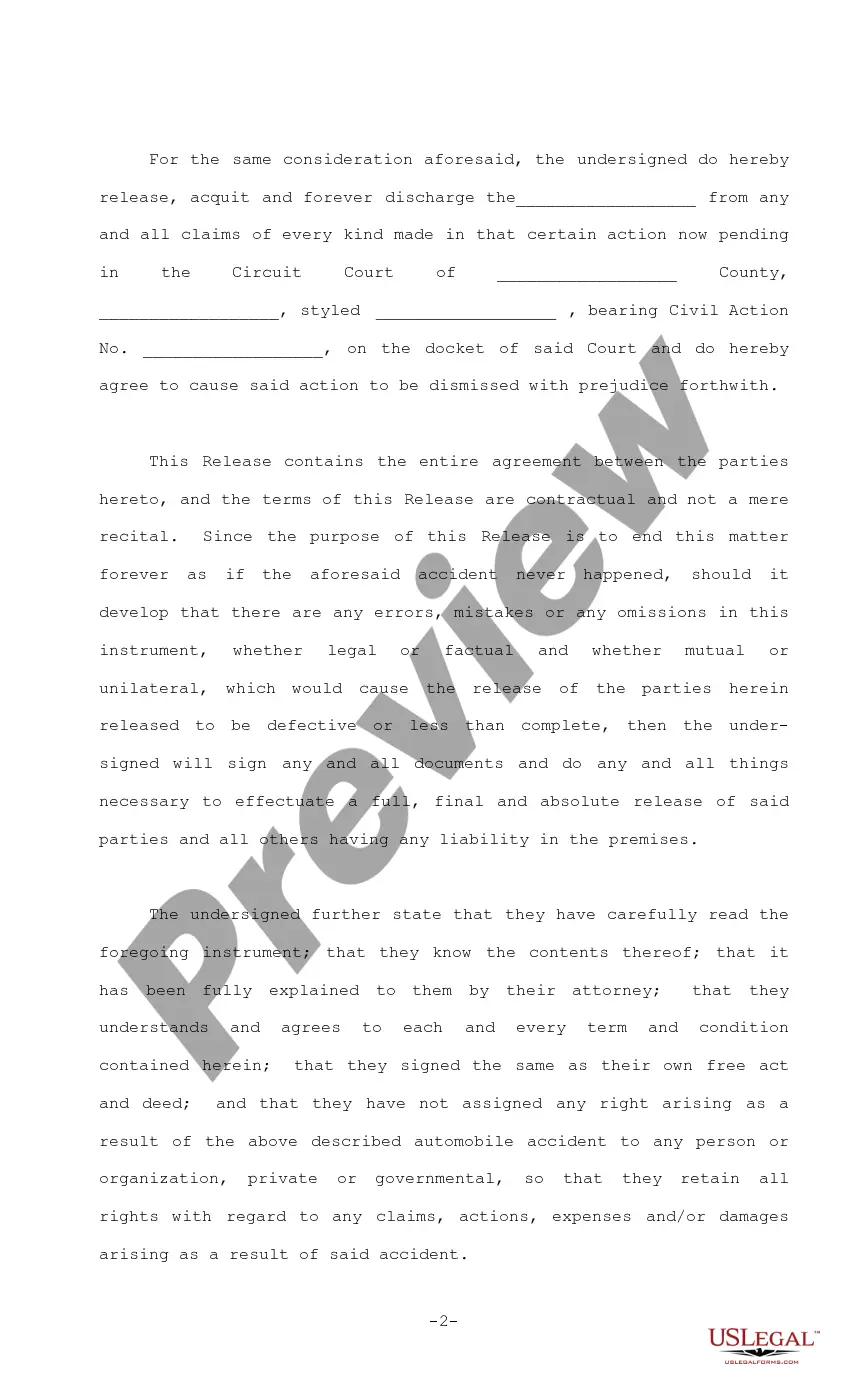
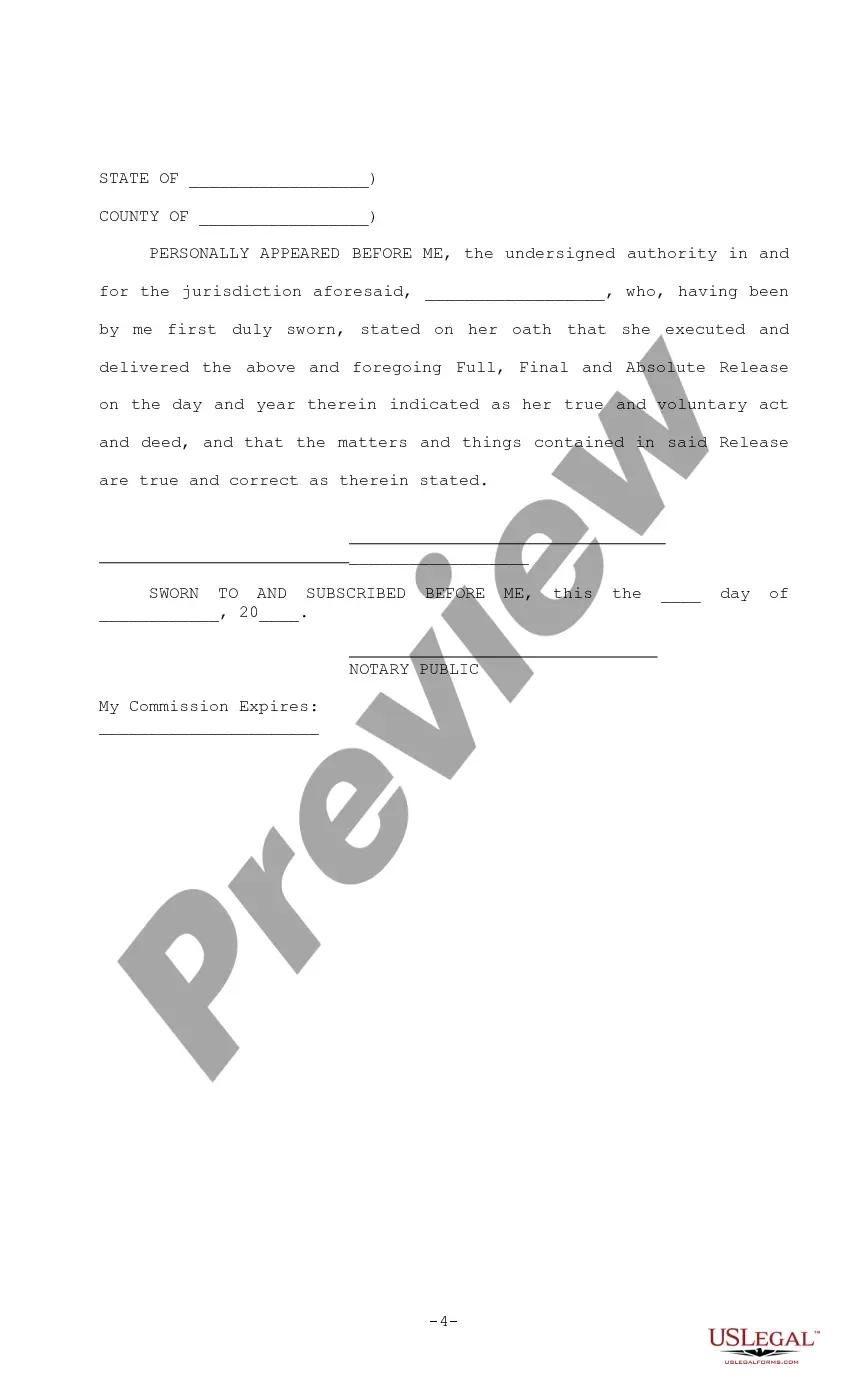
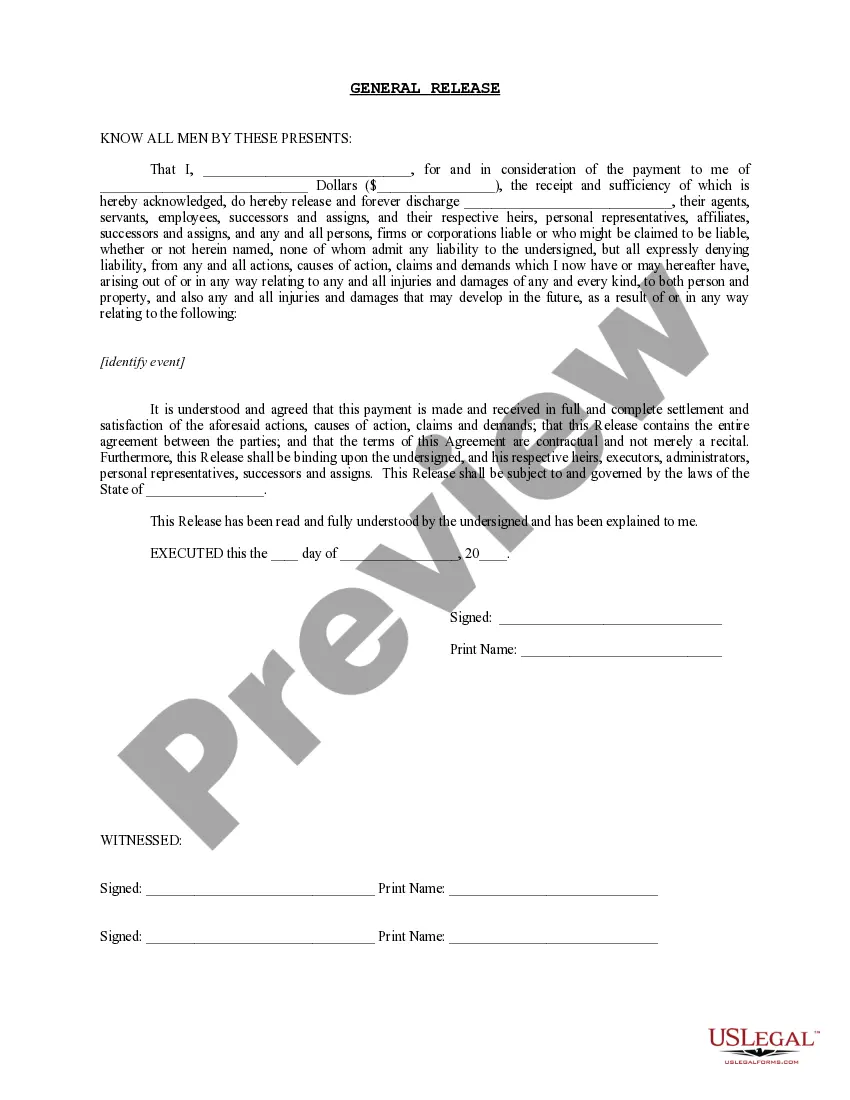
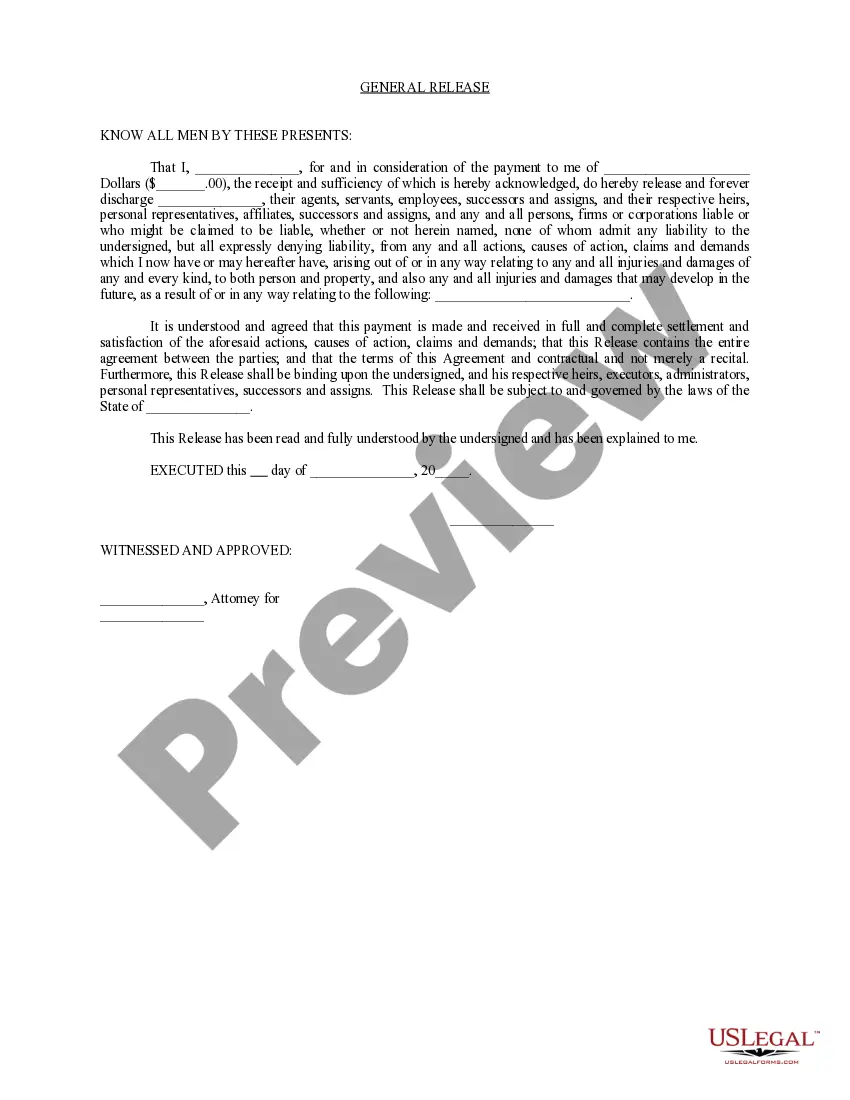
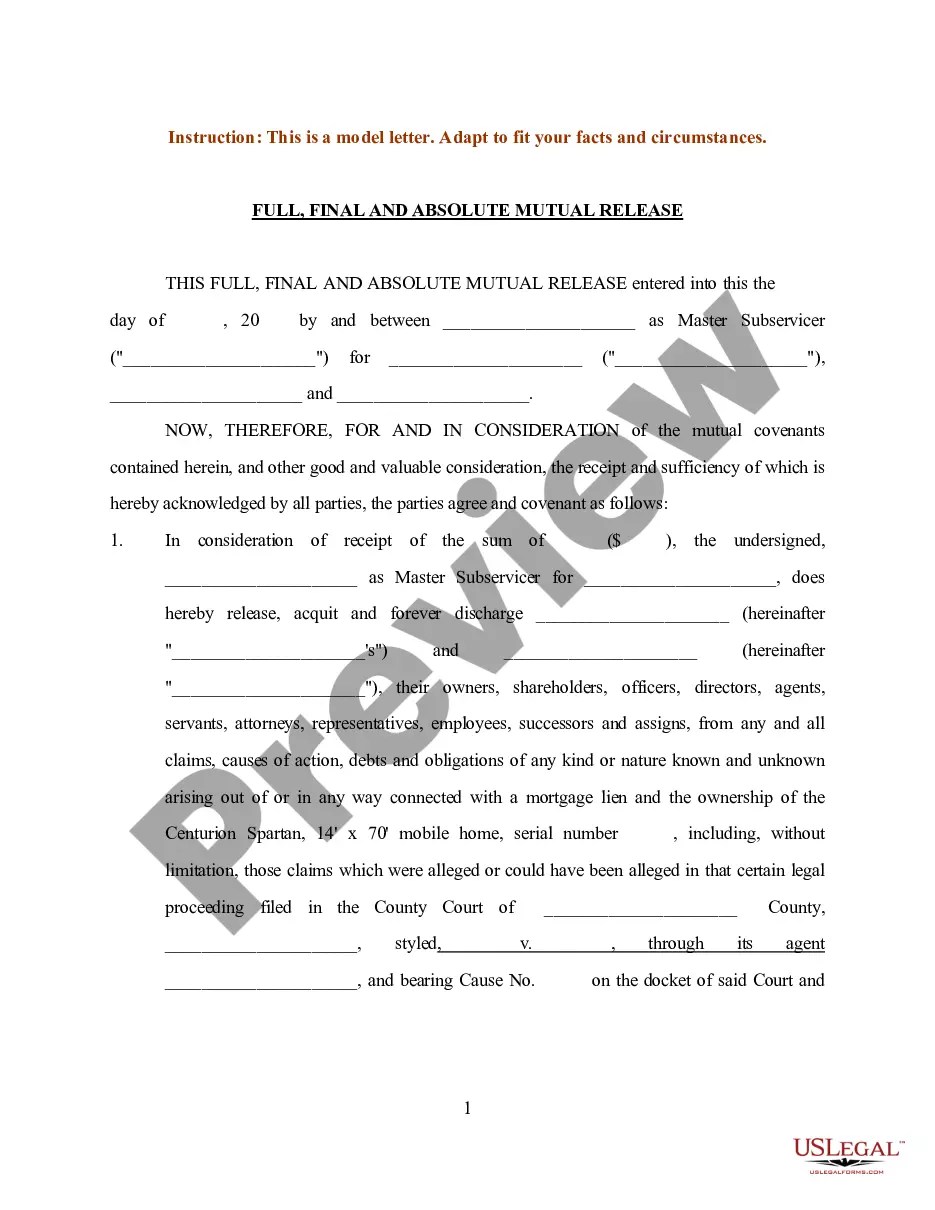
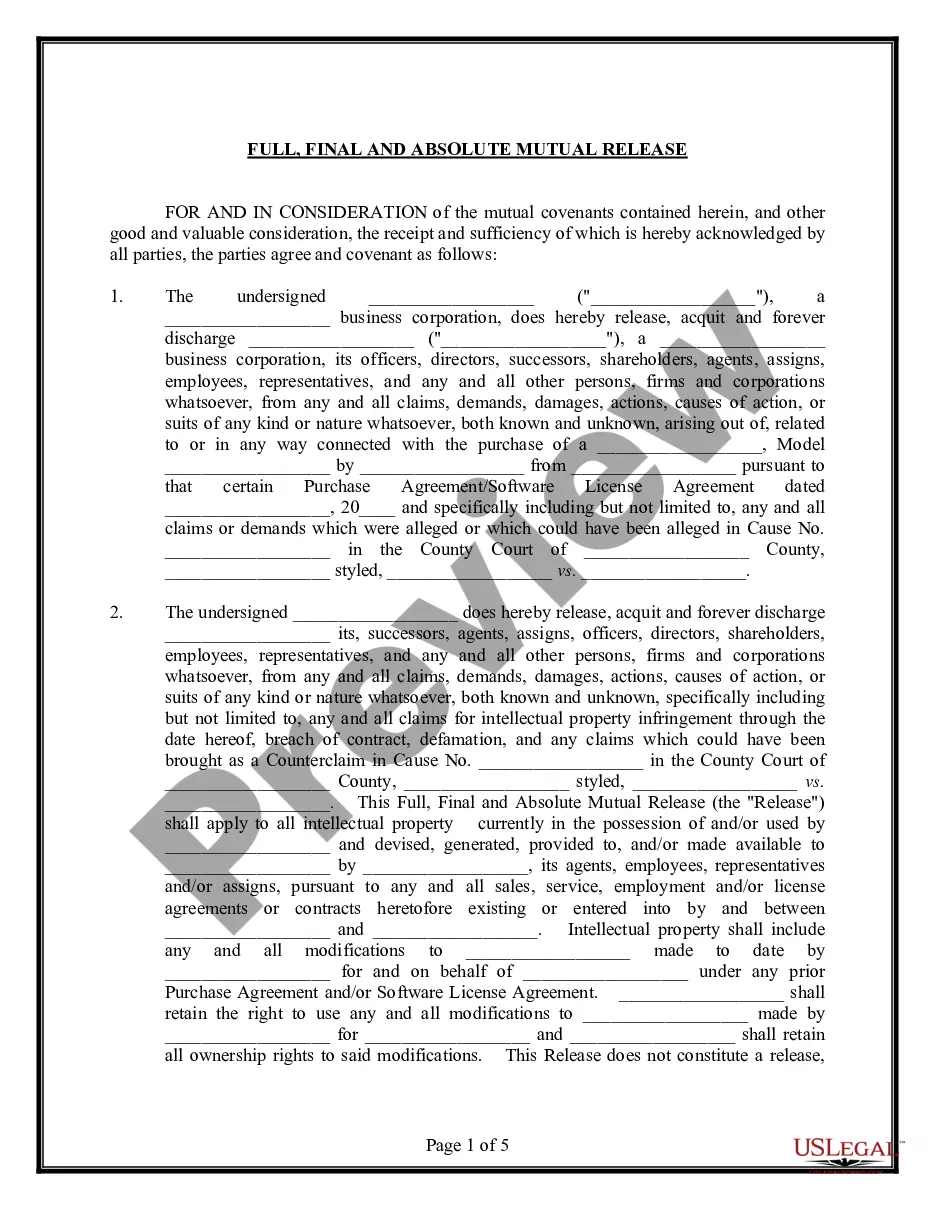
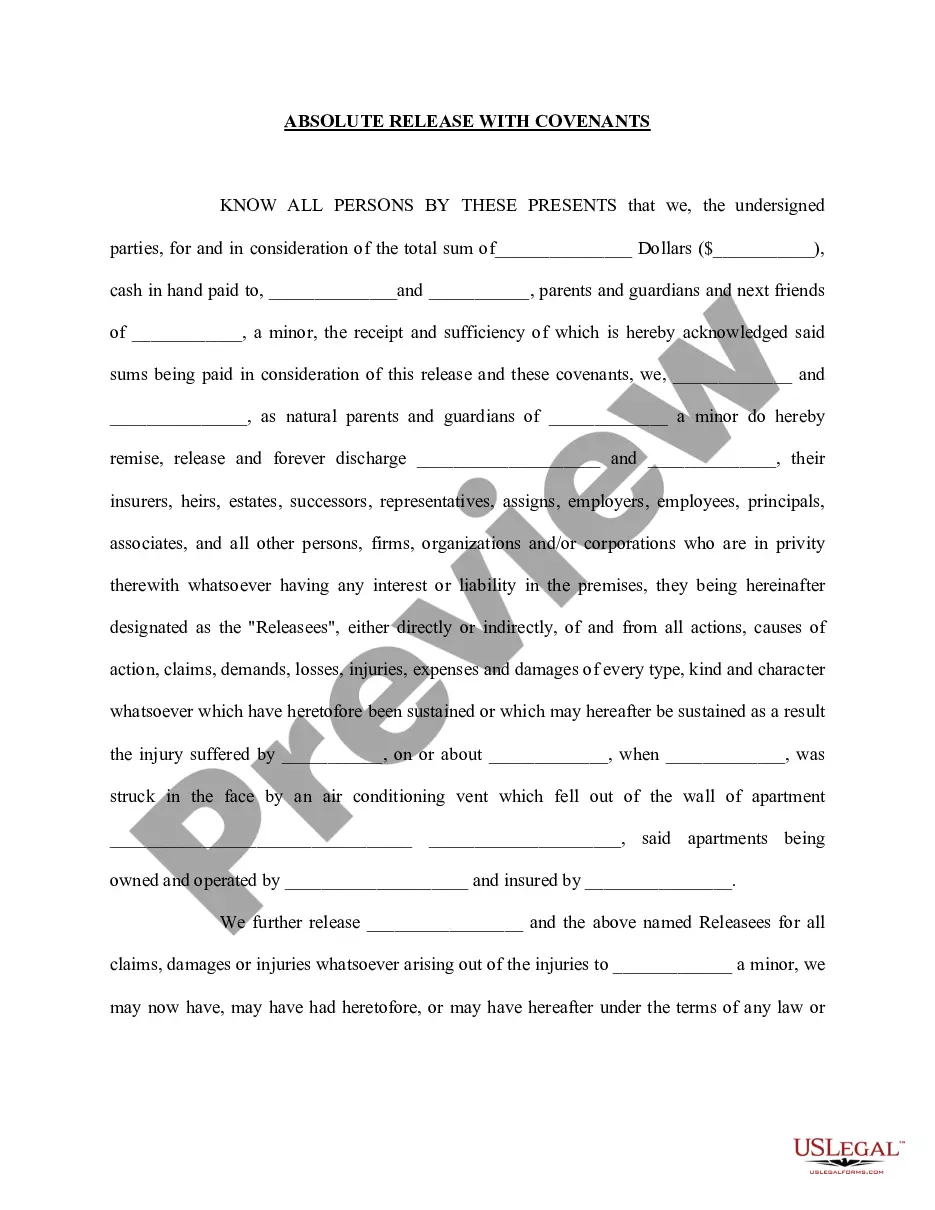

How to fill out Full, Final And Absolute Release?
- Start by logging into your US Legal Forms account. If this is your first visit, create an account to access a vast library of forms.
- Navigate to the form you need using the preview mode. Verify that it correctly aligns with your requirements and jurisdiction.
- If the document isn't what you expected, utilize the search feature to locate a more suitable form.
- Select the Buy Now option and choose your subscription plan. Make sure to register to access all available resources.
- Complete your purchase using credit card information or your PayPal account for a seamless transaction.
- Finally, download the form to your device and access it anytime from the My Forms section of your account.
In conclusion, US Legal Forms provides a robust collection of templates and expert support to ensure your full and final settlement is handled effortlessly. Whether you are a first-time user or familiar with our services, our platform is designed to benefit you.
Start simplifying your legal documentation process today by visiting US Legal Forms!
Form popularity
FAQ
The offer in a full and final settlement is the specific amount you propose to your creditor as a settlement for your debt. This amount is typically less than what you owe, and should be calculated based on your financial situation and negotiation strategy. It's important that both you and the creditor agree on this offer, and that it is clearly documented. This process often provides a practical way to resolve debt issues while securing a beneficial arrangement for everyone involved.
Yes, many creditors are open to accepting a 50% settlement, especially if it means receiving payment quickly. The success of such an offer largely depends on the creditor's policies and your payment history with them. Engaging in effective communication can increase your chances of reaching a full and final settlement that satisfies both parties. Remember, being prepared and informed can help you negotiate more effectively.
An acceptable settlement offer is a proposal you make to your creditor that aims to resolve your debt for less than the total amount owed. Generally, offers ranging from 30% to 70% of the debt can be considered acceptable, depending on your specific circumstances and the creditor’s willingness to negotiate. Remember, an effective offer is often based on what you can afford, so assess your financial situation carefully. A full and final settlement means both parties reach an agreement that concludes the debt obligation.
To calculate a settlement payment, start by determining the total settlement amount agreed upon in your full and final settlement. From there, divide this amount by the number of payments, if applicable. Make sure to account for any fees or taxes that may affect the final payment amount, ensuring you have a clear understanding of your financial obligations.
Yes, it is possible to negotiate for a lower settlement, but keep in mind that this generally refers to reaching an agreement on a full and final settlement amount that is fair for both parties. During negotiation, present clear evidence and justifications for your suggested amount. Utilizing services like USLegalForms can equip you with templates and strategies for effective negotiation.
Settlement value often utilizes the total of economic damages, such as lost wages and healthcare costs, and combines it with non-economic damages, like emotional distress. This total can then be adjusted based on the specifics of your situation, including liability and the strength of your case. Remember, a full and final settlement encapsulates all aspects of your losses.
To calculate a settlement amount, you should first gather all relevant expenses related to your case, including medical bills and lost income. Next, you can add any additional compensation for pain and suffering based on local laws or guidelines. By utilizing a legal platform like USLegalForms, you can ensure that you have all the necessary documentation and insights for an effective calculation.
The formula for a full and final settlement calculation generally includes the total losses incurred, such as medical expenses, lost wages, and property damage, minus any applicable deductions or liabilities. You can also consider factors like pain and suffering, which may require specific guidelines. It’s important to have a comprehensive understanding of each element involved to ensure an accurate calculation.
Writing a good debt settlement letter involves being clear and direct about your intent to settle an outstanding debt. Begin by clearly stating your details, the amount owed, and a reasonable offer for settlement. Be polite but firm, and express your desire for a mutually beneficial resolution, emphasizing your commitment to settle the matter. Formally end the letter with your signature and any enclosed documentation that may support your offer.
To request a full and final settlement letter from HR, start by drafting a clear and concise email or letter explaining your request. Mention the reason for your request, whether it’s employment termination, a contract ending, or another circumstance. Include any necessary details, such as your employee ID or relevant dates, to facilitate the process. Sending this request through formal communication channels is essential for accountability.