Personal Property With Example
Description
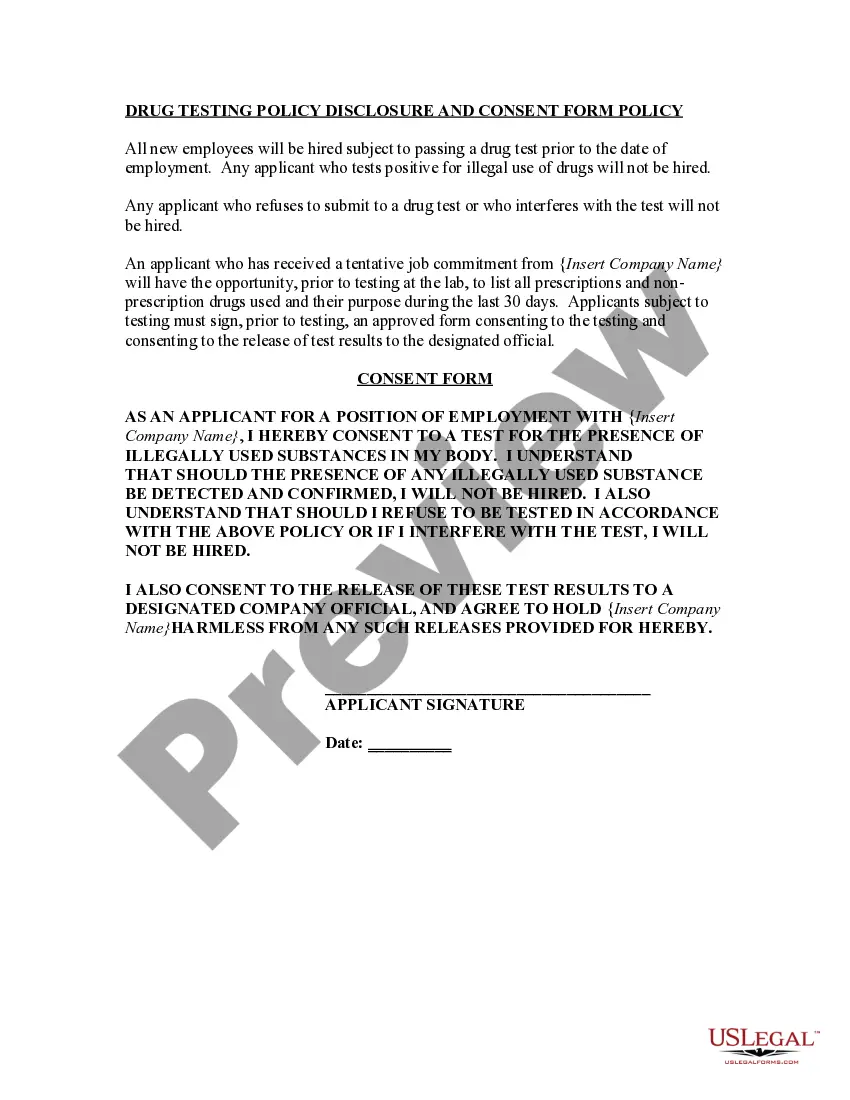
Get your form ready online
Our built-in tools help you complete, sign, share, and store your documents in one place.
Make edits, fill in missing information, and update formatting in US Legal Forms—just like you would in MS Word.
Download a copy, print it, send it by email, or mail it via USPS—whatever works best for your next step.
Sign and collect signatures with our SignNow integration. Send to multiple recipients, set reminders, and more. Go Premium to unlock E-Sign.
If this form requires notarization, complete it online through a secure video call—no need to meet a notary in person or wait for an appointment.
We protect your documents and personal data by following strict security and privacy standards.

Make edits, fill in missing information, and update formatting in US Legal Forms—just like you would in MS Word.

Download a copy, print it, send it by email, or mail it via USPS—whatever works best for your next step.

Sign and collect signatures with our SignNow integration. Send to multiple recipients, set reminders, and more. Go Premium to unlock E-Sign.

If this form requires notarization, complete it online through a secure video call—no need to meet a notary in person or wait for an appointment.

We protect your documents and personal data by following strict security and privacy standards.
Looking for another form?
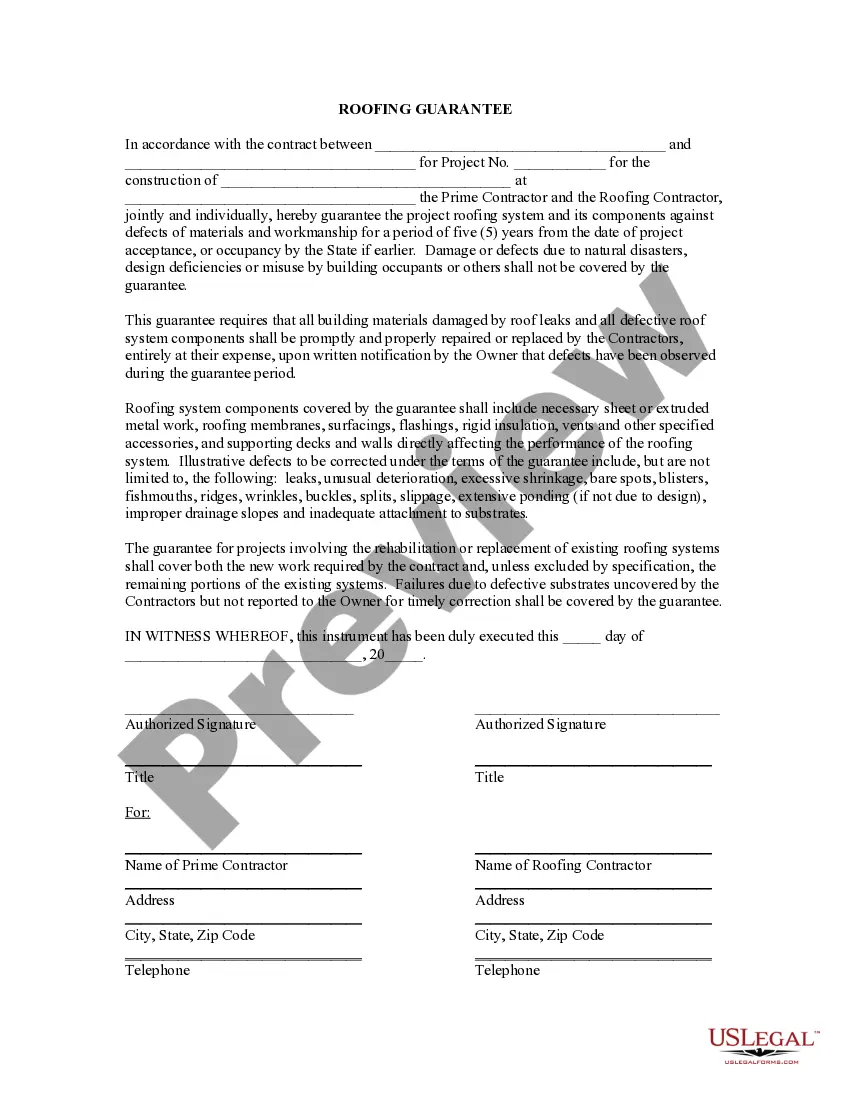
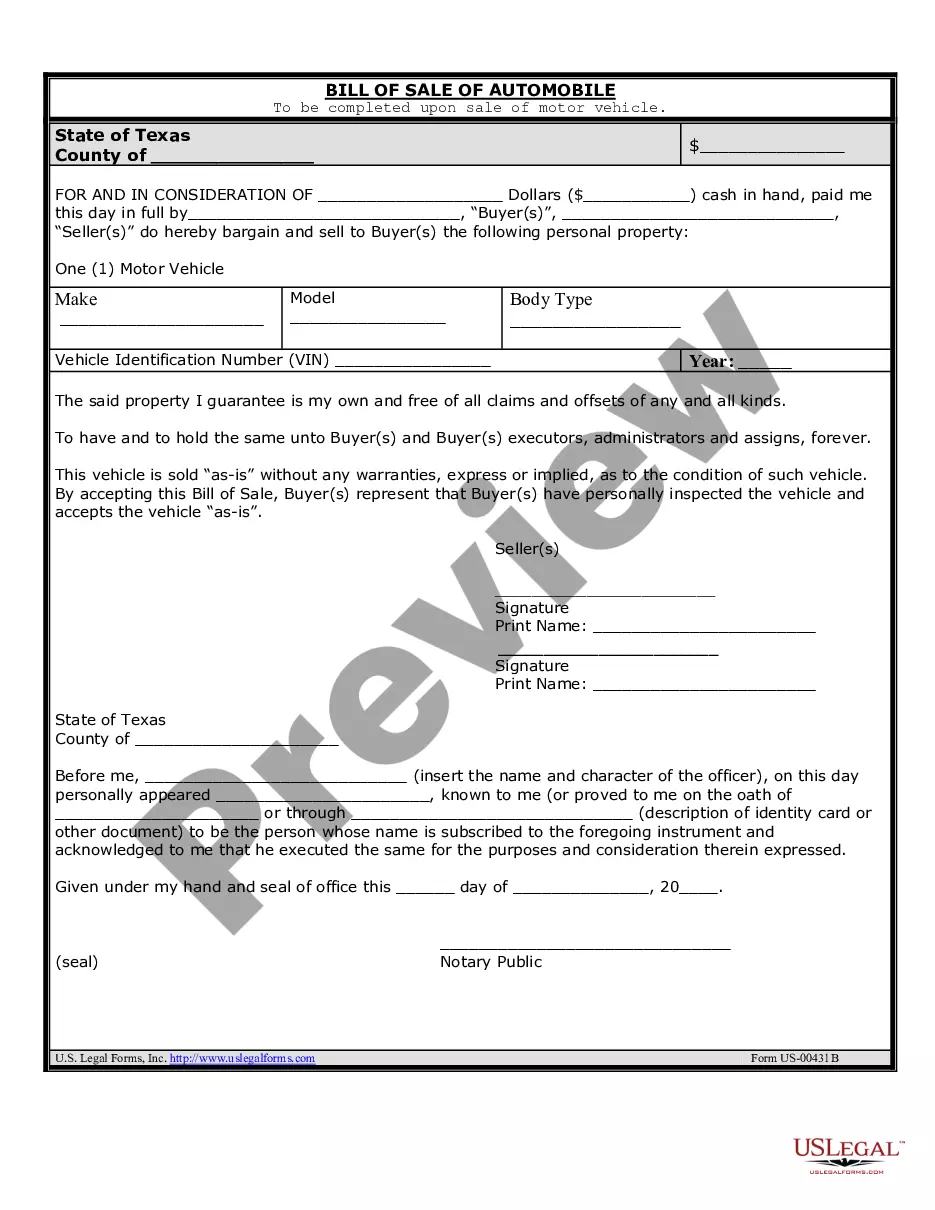
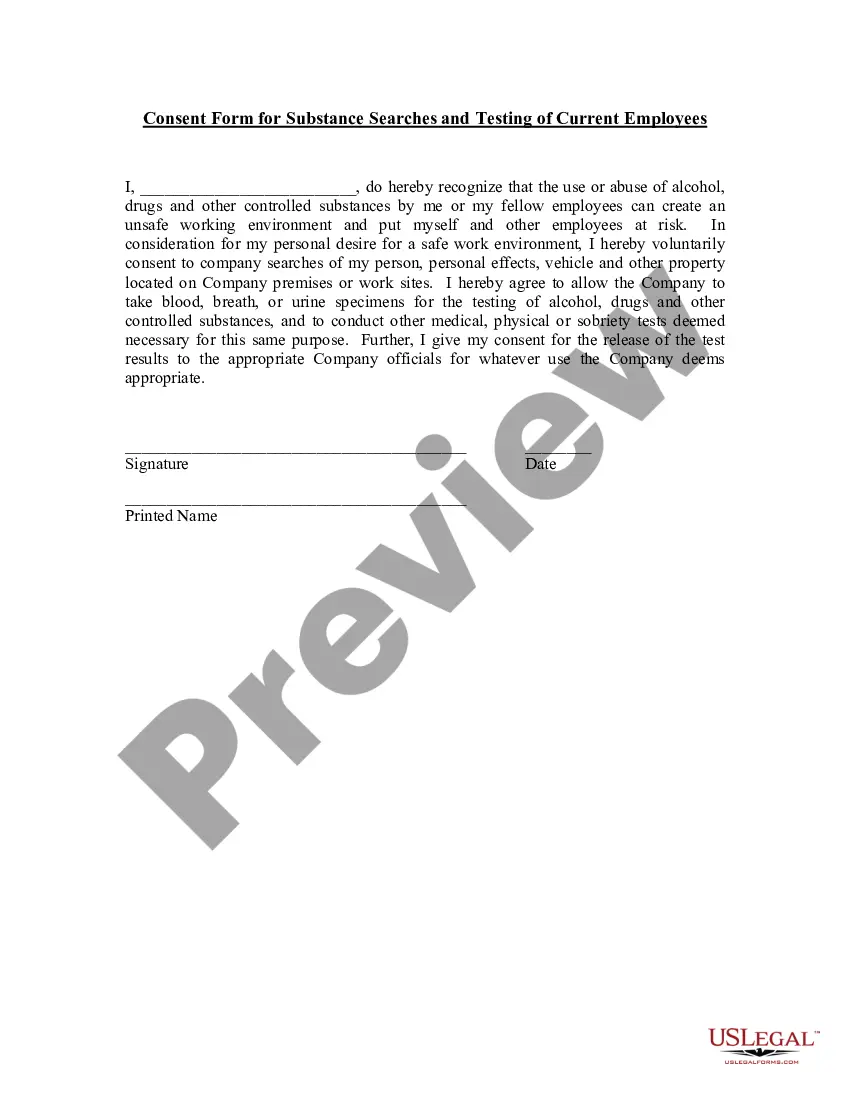
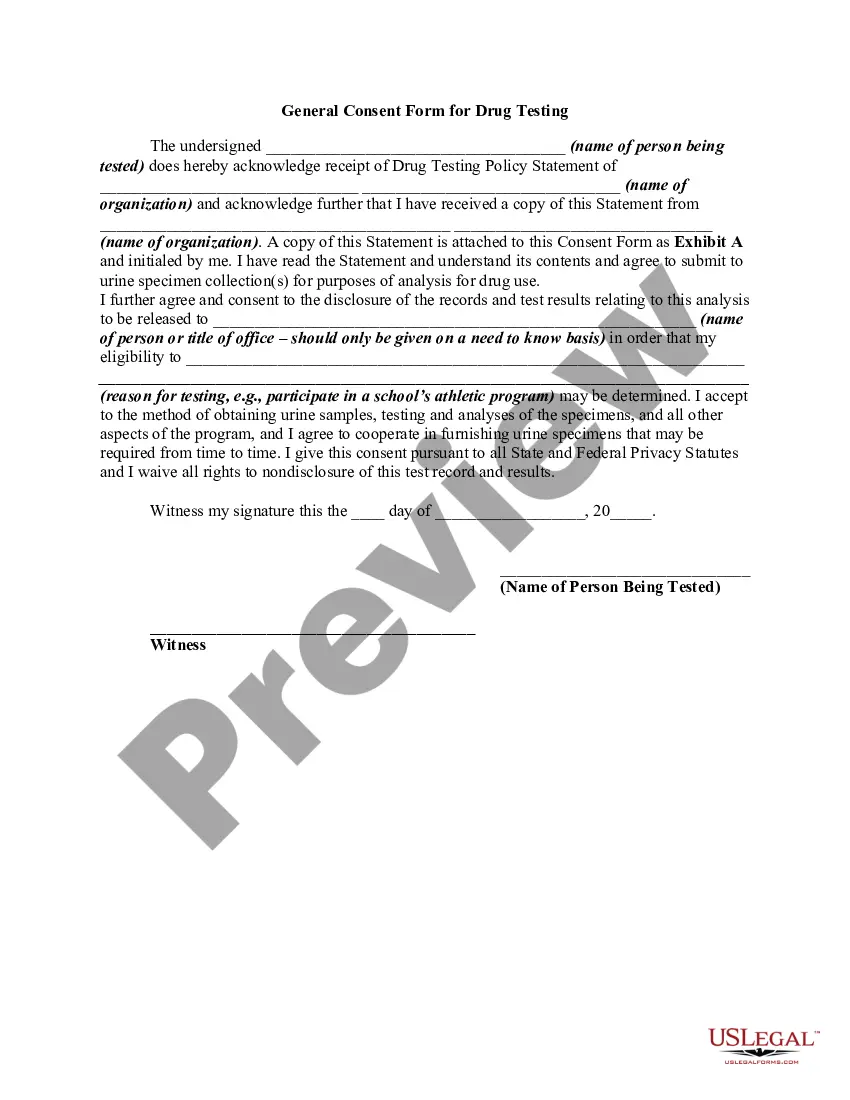
How to fill out Consent Form For Substance Searches Of Vehicles And Personal Effects And For Testing Of Employees?
Accessing legal documents that comply with national and local regulations is crucial, and the web provides a plethora of choices.
However, why spend time searching for the right Personal Property With Example template online when the US Legal Forms digital library has such documents compiled in a single location.
US Legal Forms is the largest online legal collection featuring over 85,000 editable templates prepared by attorneys for any business and personal situation.
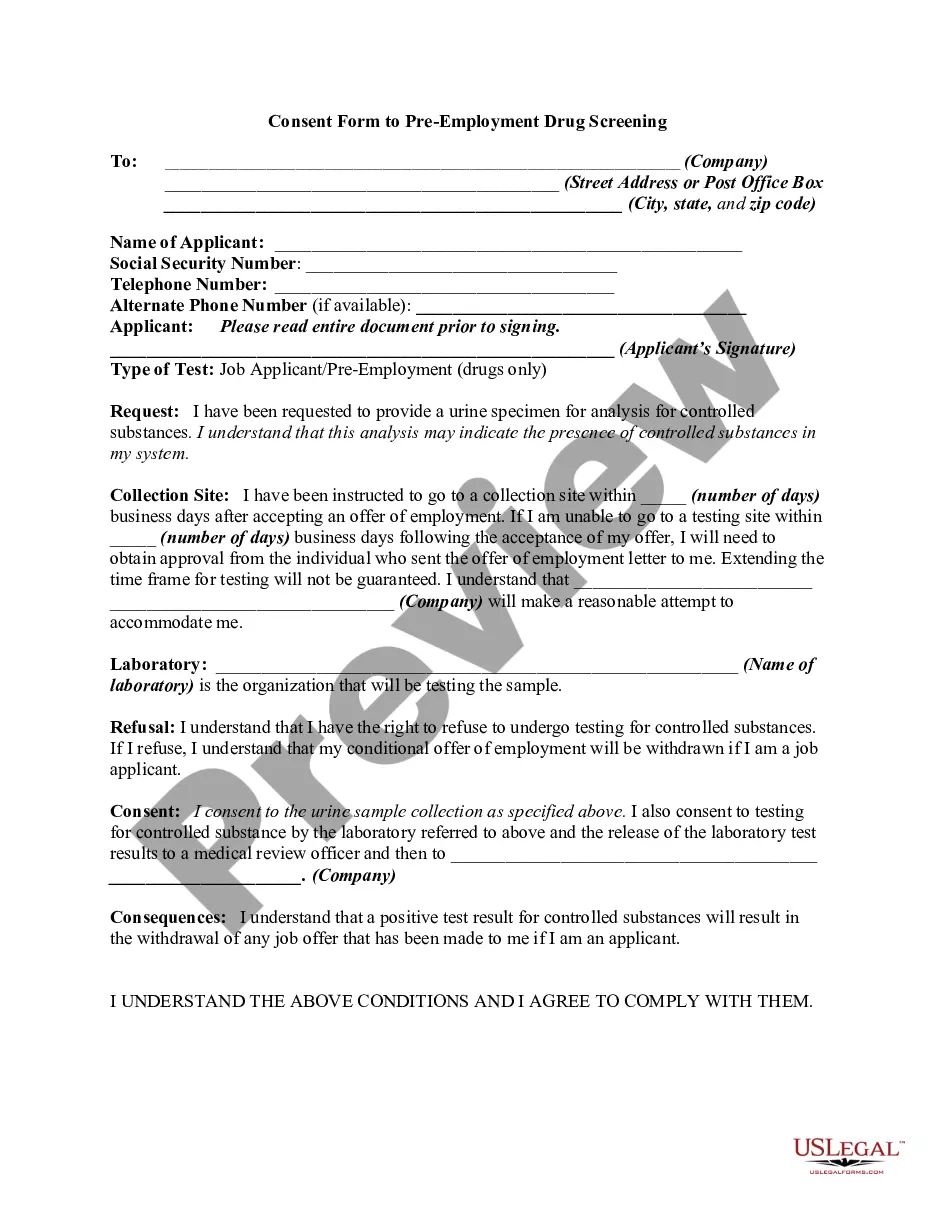
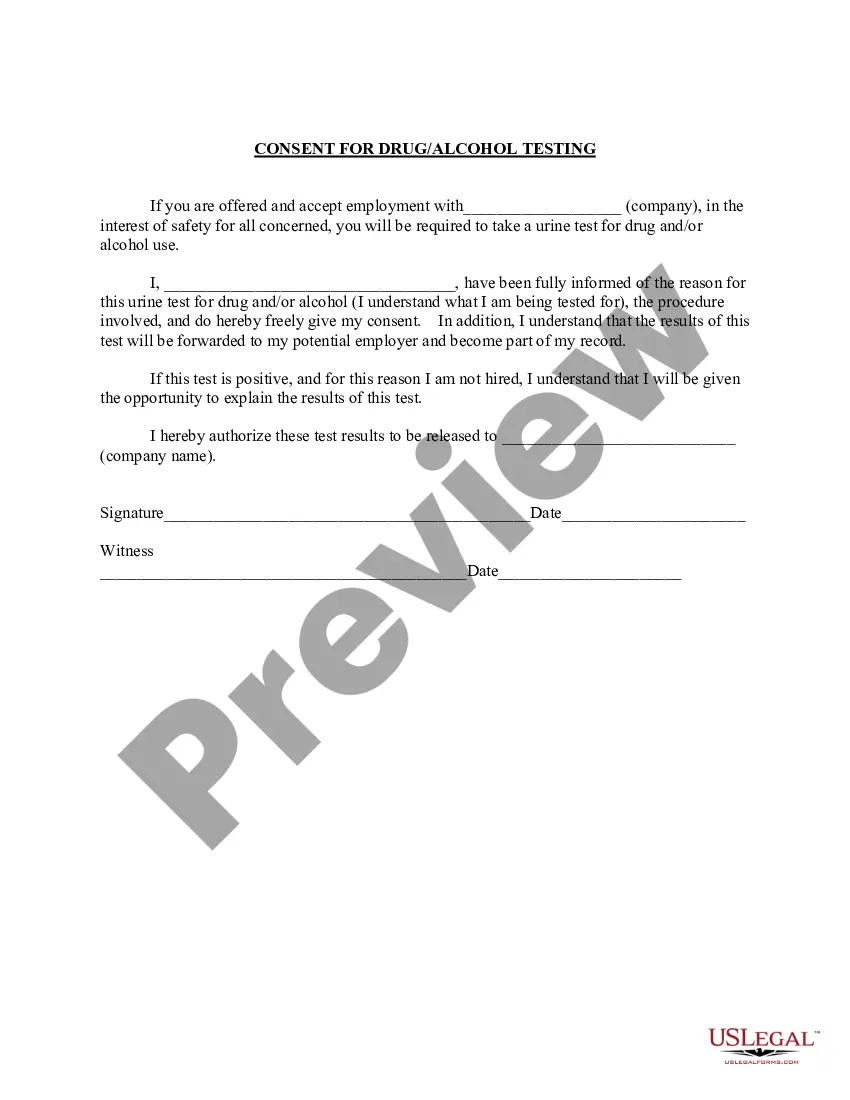
Review the template using the Preview feature or through the text description to confirm it meets your requirements.
- They are easy to navigate, with all documents organized by state and purpose of use.
- Our experts stay informed about legislative changes, so you can always trust that your documentation is current and compliant when acquiring a Personal Property With Example from our platform.
- Getting a Personal Property With Example is quick and straightforward for both existing and new users.
- If you already hold an account with a valid subscription, Log In and download the document template you require in the correct format.
- For new users, follow the steps outlined below.
Form popularity
FAQ
To Begin With, Firstly, Remember These Major Types Of Property: Movable property and Immovable property. Tangible property and Intangible property. Private property and Public property. Personal property and Real property. Corporeal property Incorporeal property.
Personal property, also known as ?chattels,? could be further subdivided into chattels personal (interests in tangible movables and in intangibles) and chattels real (personal property interests in land, of which leaseholds were the most important).
The Internal Revenue Service splits personal property into two types: Tangible personal property ? includes vehicles, antiques, silver, artwork, collectibles, furniture, machinery and equipment. Intangible personal property ? includes patents, copyrights, stocks and the goodwill value of a business.
Real property generally includes land, houses and unextracted natural resources. Personal property includes both tangible and intangible goods such as clothing and financial holdings.
Personal property can be characterized as either tangible or intangible. Examples of tangible personal property include vehicles, furniture, boats, and collectibles. Stocks, bonds, and bank accounts fall under intangible personal property.