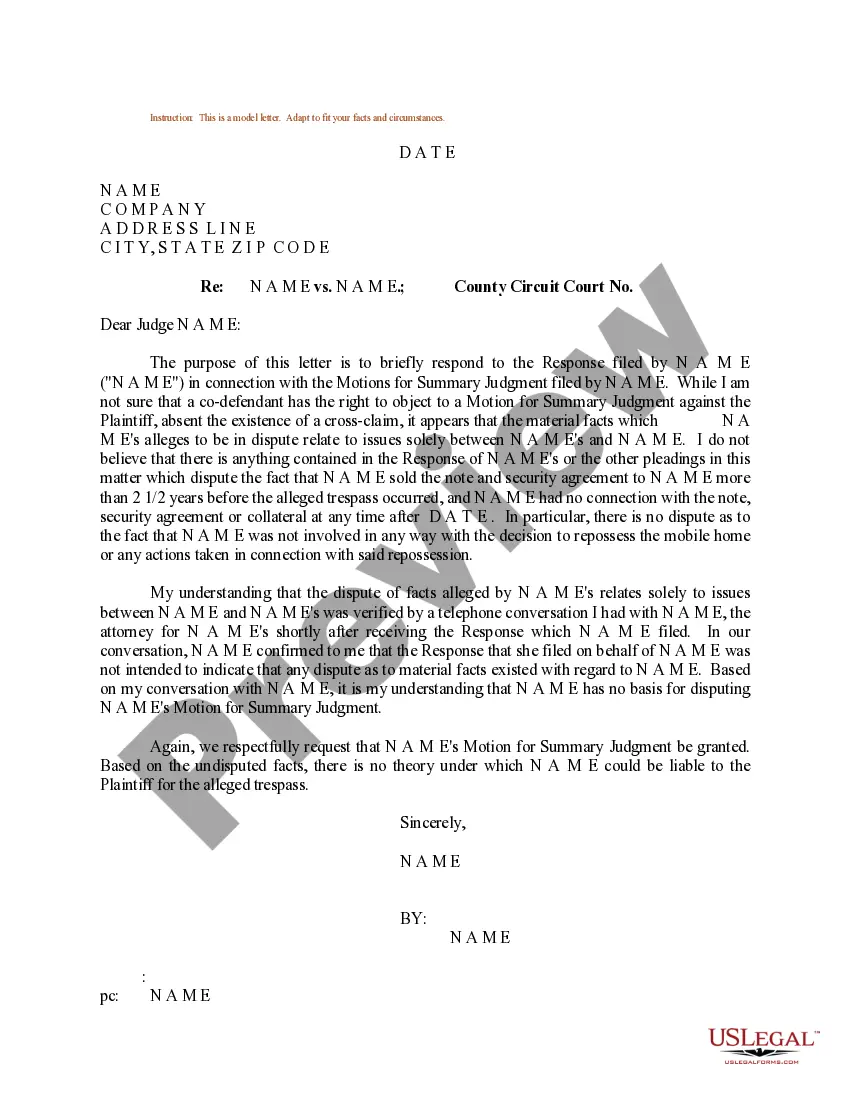
Summary Judgment Legal For Civil Case
Description
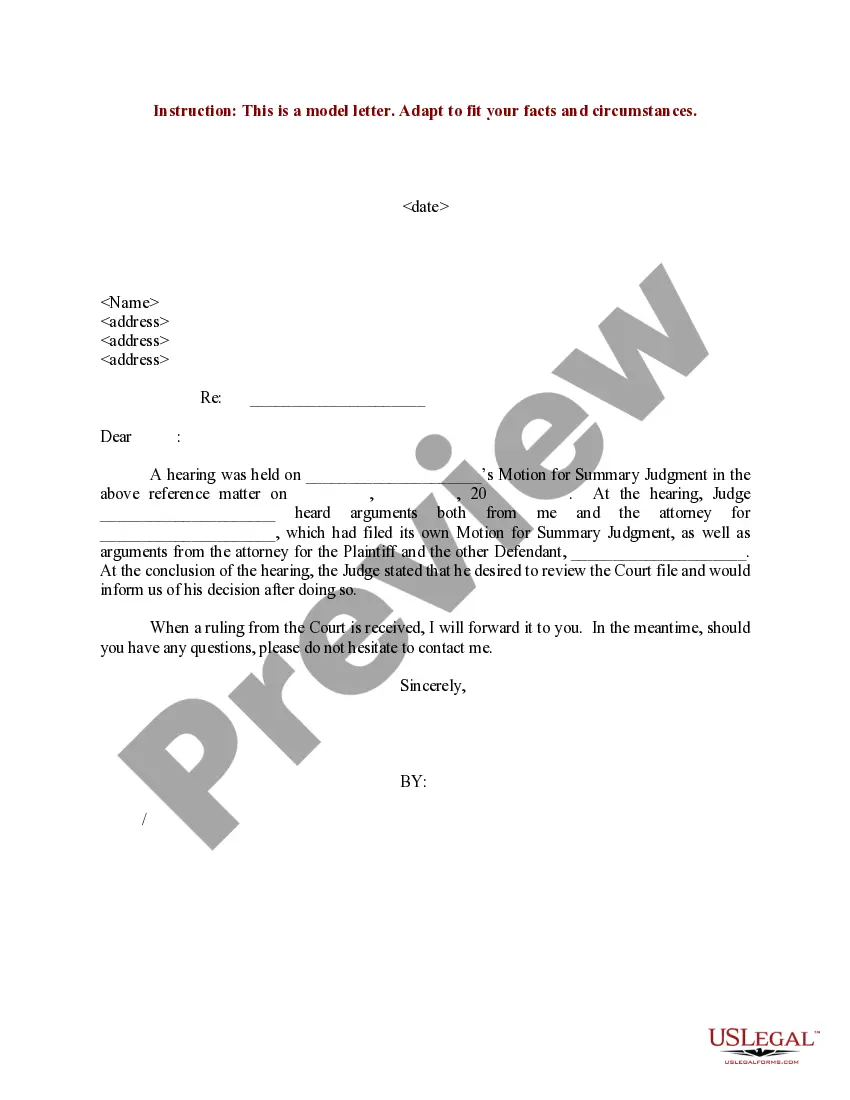
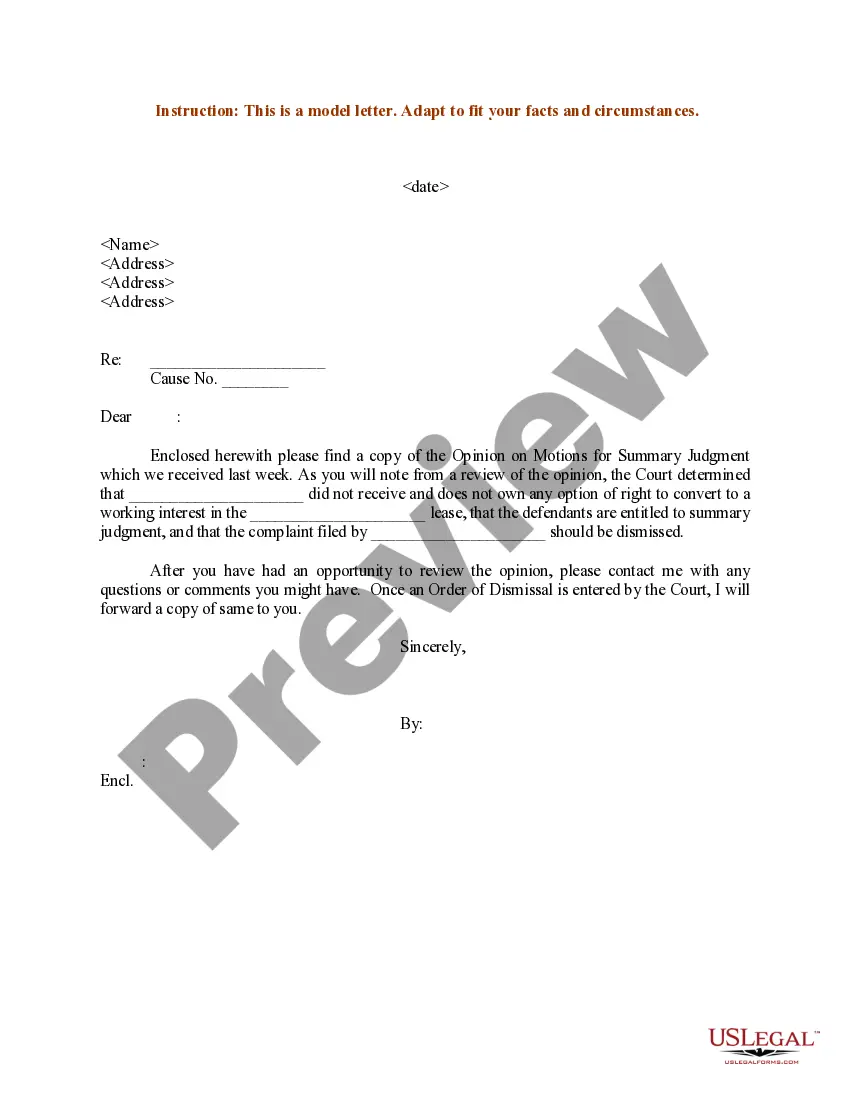
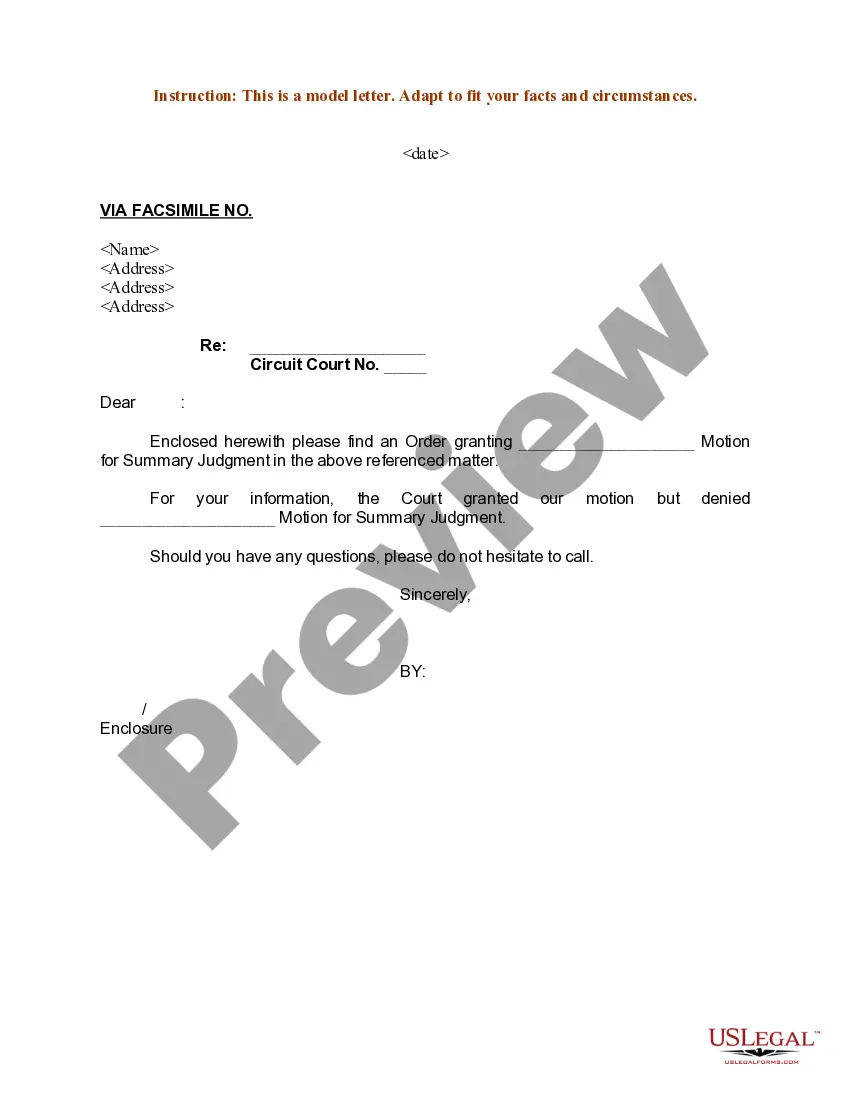
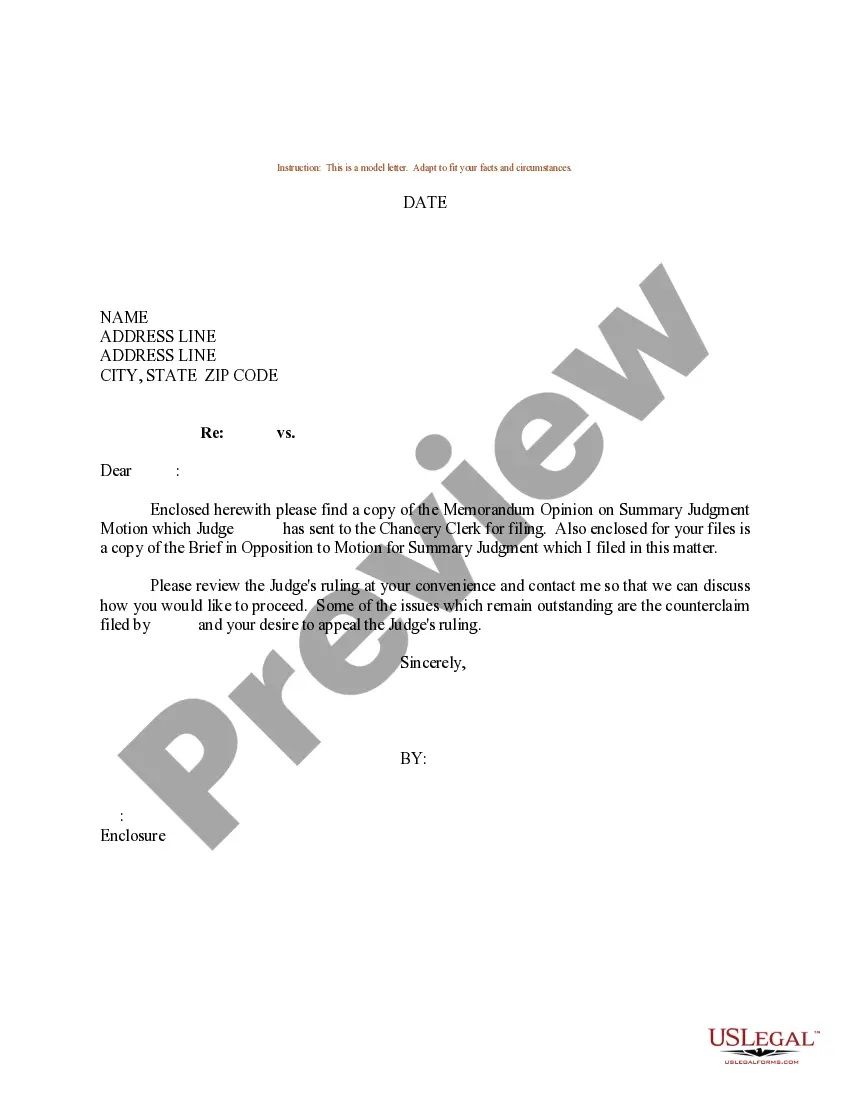
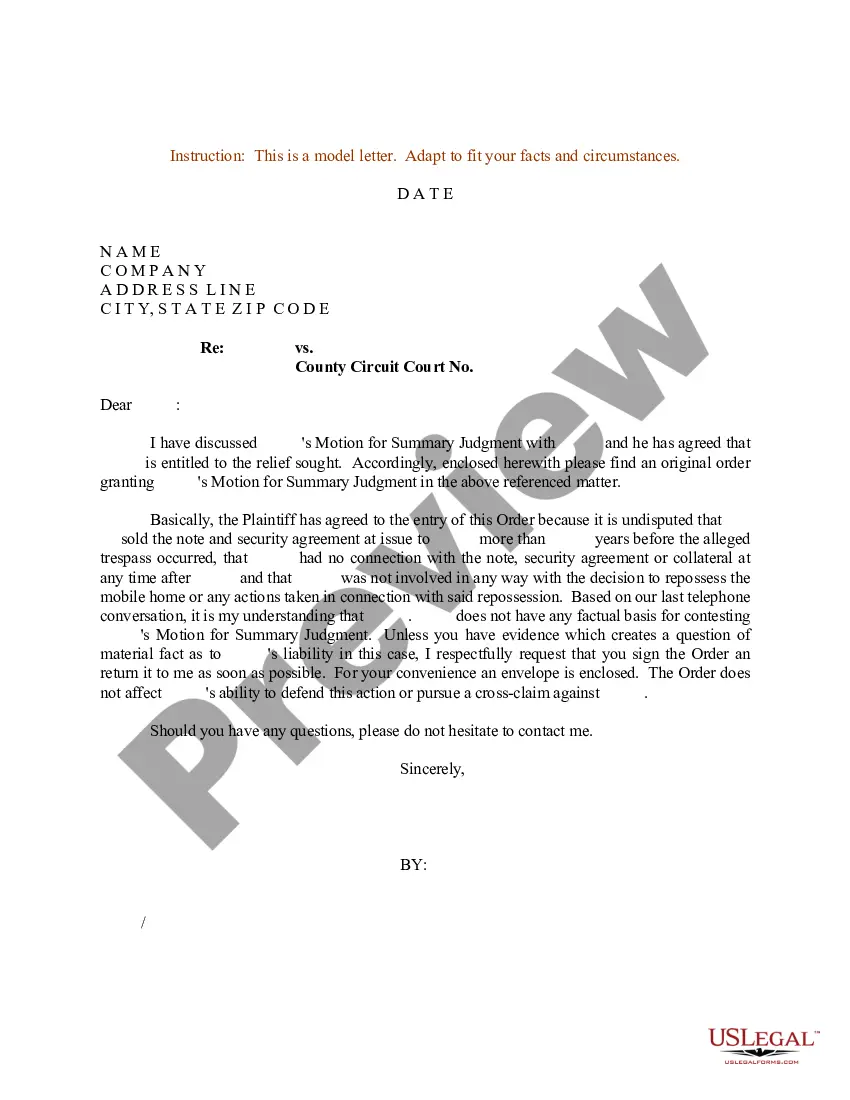
Get your form ready online
Our built-in tools help you complete, sign, share, and store your documents in one place.
Make edits, fill in missing information, and update formatting in US Legal Forms—just like you would in MS Word.
Download a copy, print it, send it by email, or mail it via USPS—whatever works best for your next step.
Sign and collect signatures with our SignNow integration. Send to multiple recipients, set reminders, and more. Go Premium to unlock E-Sign.
If this form requires notarization, complete it online through a secure video call—no need to meet a notary in person or wait for an appointment.
We protect your documents and personal data by following strict security and privacy standards.

Make edits, fill in missing information, and update formatting in US Legal Forms—just like you would in MS Word.

Download a copy, print it, send it by email, or mail it via USPS—whatever works best for your next step.

Sign and collect signatures with our SignNow integration. Send to multiple recipients, set reminders, and more. Go Premium to unlock E-Sign.

If this form requires notarization, complete it online through a secure video call—no need to meet a notary in person or wait for an appointment.

We protect your documents and personal data by following strict security and privacy standards.
Looking for another form?



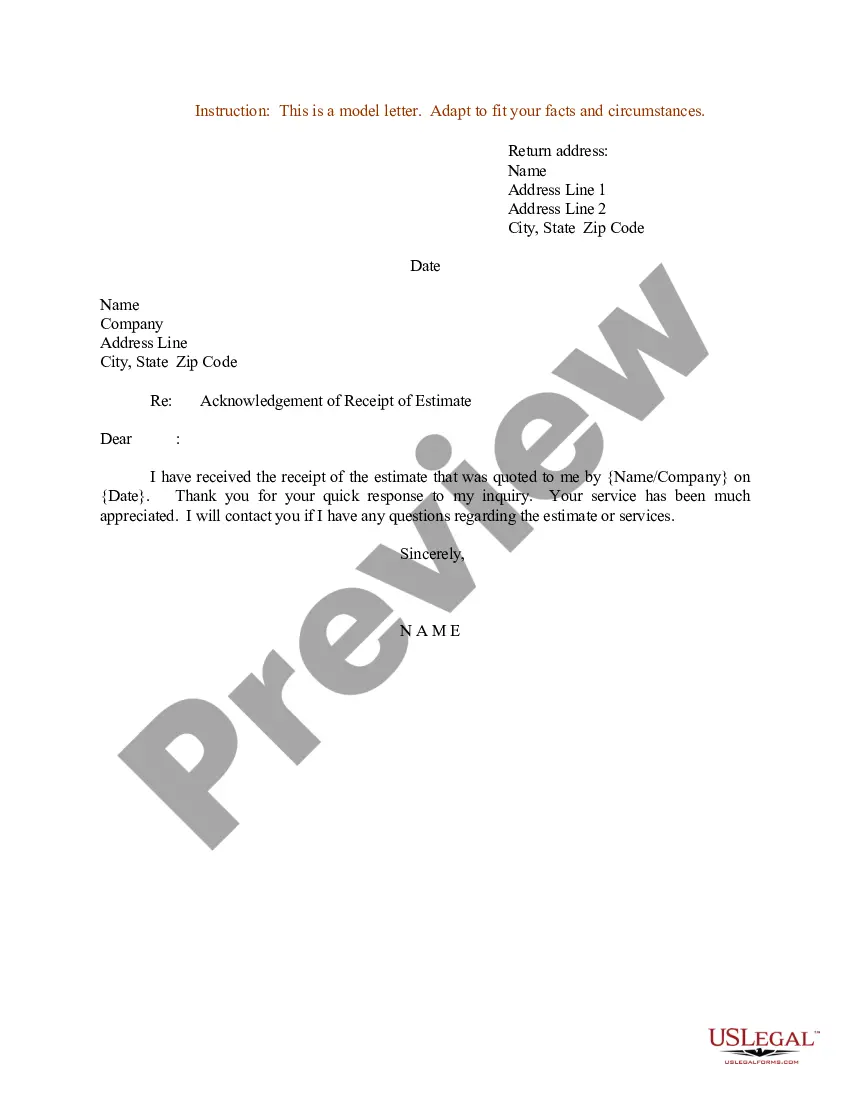


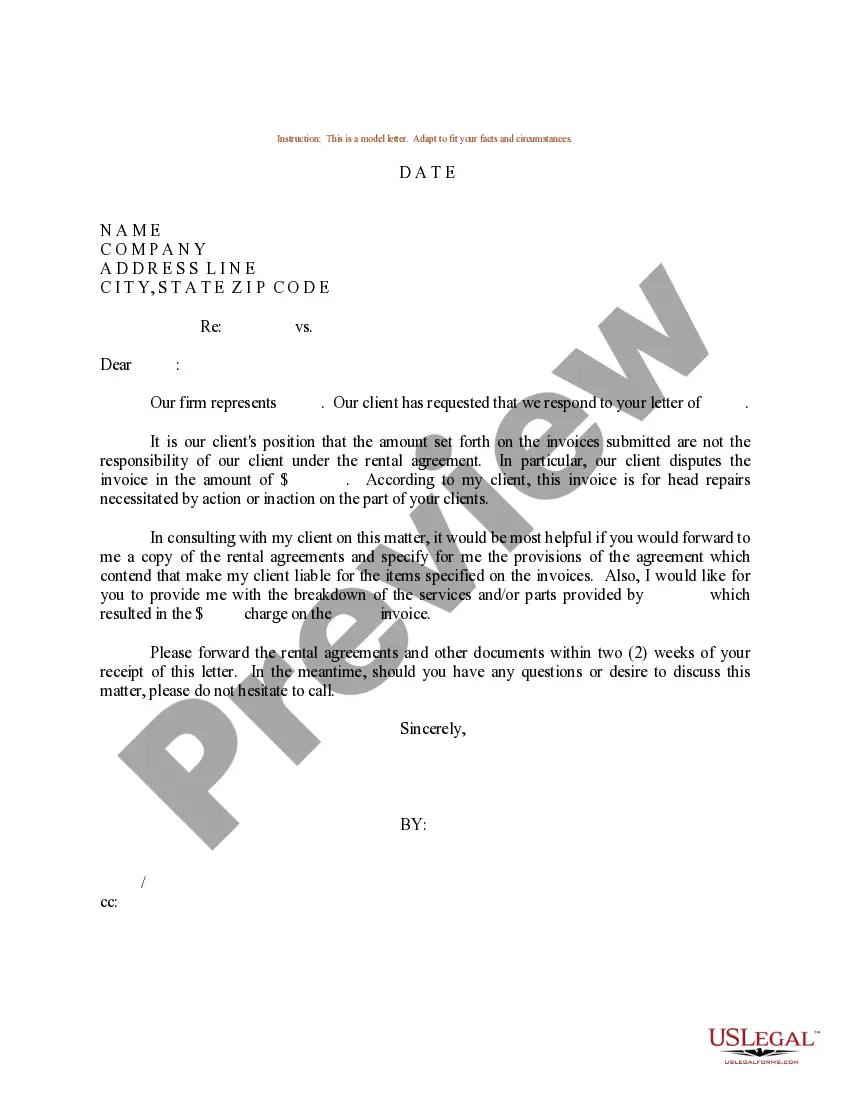

How to fill out Sample Letter For Response In Connection With Motions For Summary Judgment?
Engaging with legal documents and processes can be a laborious extension of your day.
Summary Judgment Legal For Civil Case and similar forms frequently require you to search for them and maneuver through the steps to fill them out accurately.
As a result, if you're handling financial, legal, or personal issues, utilizing a thorough and user-friendly online collection of forms at your disposal will be extremely beneficial.
US Legal Forms is the leading online service for legal templates, boasting over 85,000 state-specific documents along with various resources to aid in the seamless completion of your paperwork.
Simply Log In to your account, locate Summary Judgment Legal For Civil Case, and download it instantly from the My documents section. You can also access forms you previously saved.
- Explore the collection of pertinent documents available to you with just a single click.
- US Legal Forms provides you state- and county-specific documents available for download at any time.
- Protect your document management processes by utilizing a premium service that enables you to prepare any form within minutes without additional or concealed fees.
Form popularity
FAQ
When a summary judgment is granted in a civil case, the court determines that there are no significant facts in dispute and that one party is entitled to judgment as a matter of law. This means the case is resolved without going to trial, saving time and resources for both parties. The losing party may have the option to appeal, but the judgment often concludes the litigation. For those navigating summary judgment legal for civil cases, understanding the implications can guide future legal strategies.
The burden of proof for summary judgment focuses on establishing that no material facts are in genuine dispute, making a trial unnecessary. In a summary judgment legal for civil case, the moving party must provide sufficient evidence to show that they are entitled to judgment as a matter of law. This might include affidavits, documents, and deposition excerpts. Failing to meet this burden can hinder your chances of achieving a favorable decision.
To request summary judgment, you need to file a motion with the court that includes your arguments and supporting evidence. This filing should clearly demonstrate that no genuine dispute remains regarding material facts in your case, justifying the summary judgment legal for civil case. It is crucial to follow specific court rules and procedures when making this request to ensure that the motion is properly considered. Seeking assistance from professionals can help streamline this process.
The burden of proof in a judgment involves the obligation to present evidence that supports your claims in a civil case. In the context of summary judgment legal for civil case, the party seeking summary judgment must demonstrate that there are no genuine issues of material fact. This means they must show that their evidence is compelling enough to support their position without further trial. Understanding this concept is essential for crafting strong arguments in any legal proceeding.
Filing for summary judgment comes with potential downsides, such as the possibility of incurring significant legal costs without guaranteeing a favorable outcome. Additionally, if the motion is denied, it may weaken your position during the trial. It is important to weigh these factors carefully before pursuing summary judgment legal for civil cases, and consulting with experts can help you make an informed decision.
The odds of winning a summary judgment legal for civil case depend on the strength and clarity of the evidence presented. Generally, if a party can effectively show that there are no genuine disputes regarding material facts, the chances of success increase significantly. However, if the opposing party presents credible evidence that introduces factual disputes, the motion may not succeed. Hence, it’s crucial to prepare thoroughly and assess the evidence meticulously before proceeding.
Therefore, to win on summary judgment you have to convince a judge that it is a good use of his or her very limited time and resources to write the decision. This means that your written material has to demonstrate that the law and facts support summary judgment, and contain no misstatements of law or fact. How To Win A Summary Judgment by Attorney Nina Kallen kallenlawyer.com ? articles ? winning kallenlawyer.com ? articles ? winning
Answer each numbered fact proposed by the moving party in separate paragraphs, using the same number. The court strongly prefers that the responding party repeat verbatim the moving party's proposed fact and then respond to it. 2. All responses should be succinctly stated. 1 MOTIONS FOR SUMMARY JUDGMENT These procedures ... Western District of Wisconsin (.gov) ? default ? files Western District of Wisconsin (.gov) ? default ? files PDF
The theory of summary judgment is that judges may rule for one side or the other only after finding that no "genuine" issues of "material" fact are in dispute.
Judges may grant partial summary judgment. For example, a judge might rule on some factual issues, but leave others for trial. Alternately, a judge might grant summary judgment regarding liability, but still hold a trial to determine damages. summary judgment | Wex | US Law - Law.Cornell.Edu LII / Legal Information Institute ? Wex LII / Legal Information Institute ? Wex