Attorneys
Description
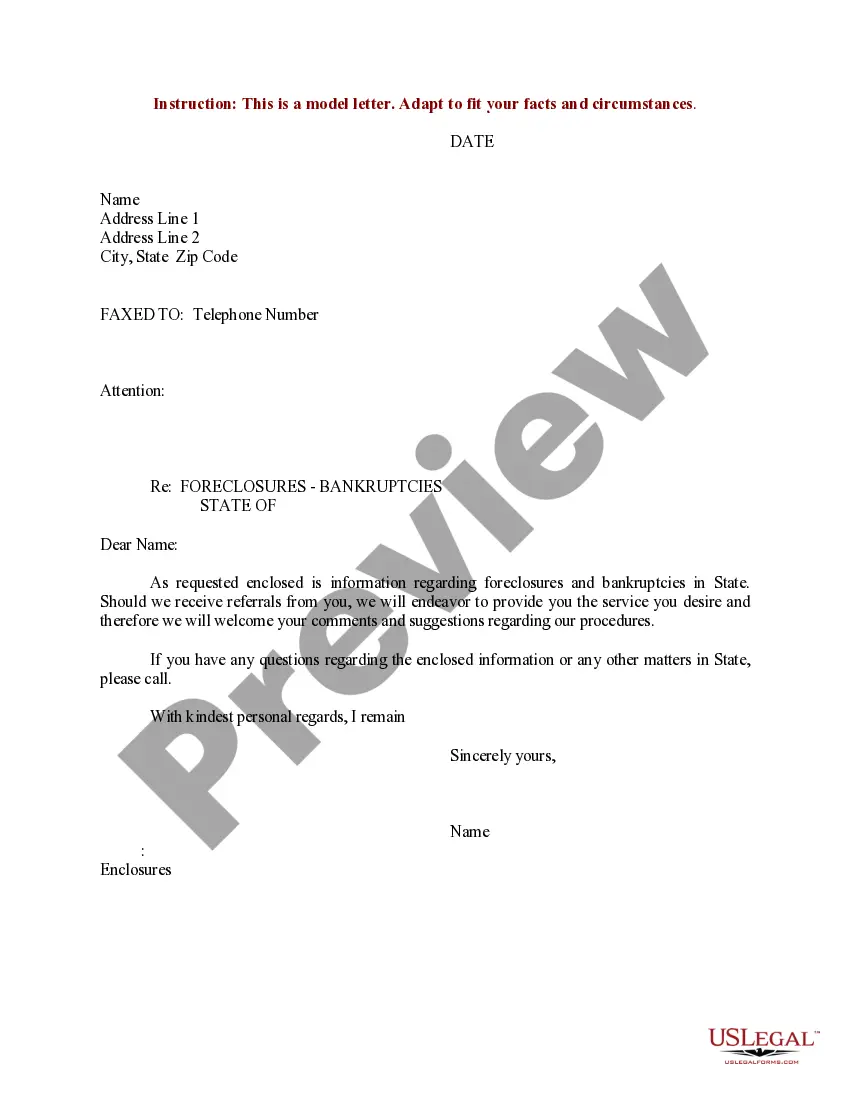
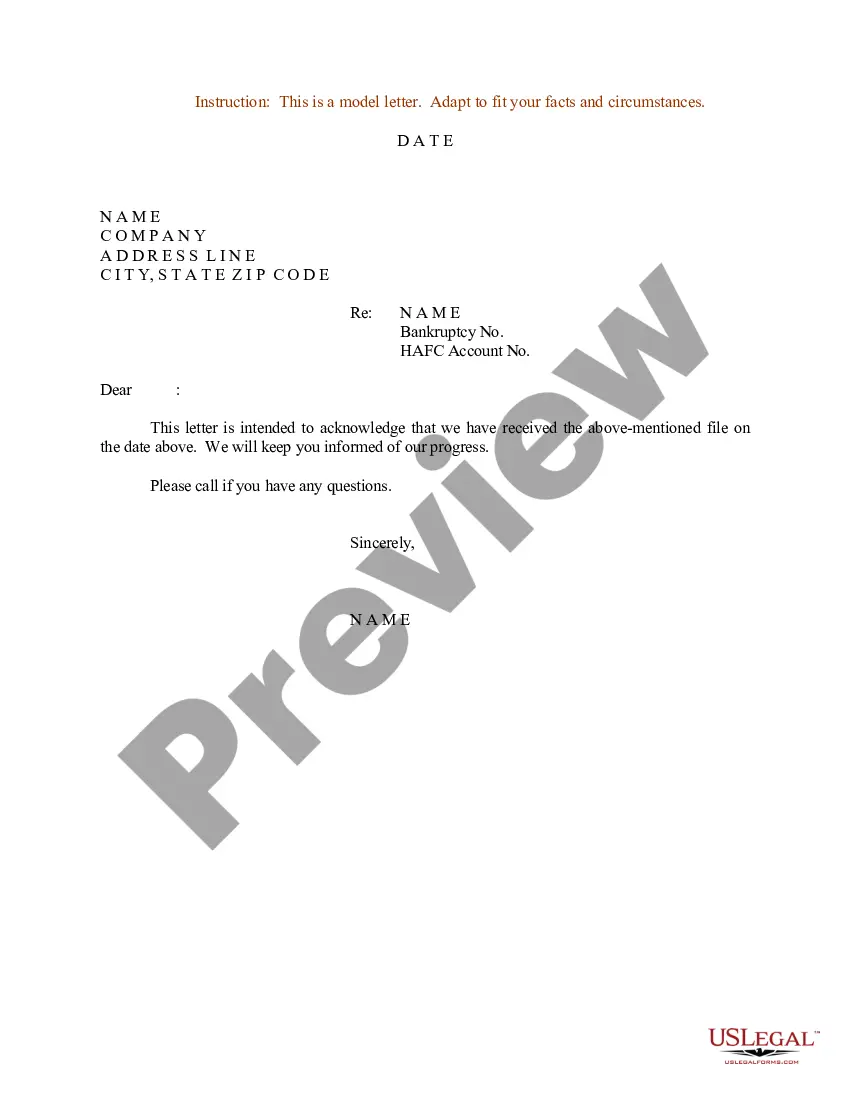
Get your form ready online
Our built-in tools help you complete, sign, share, and store your documents in one place.
Make edits, fill in missing information, and update formatting in US Legal Forms—just like you would in MS Word.
Download a copy, print it, send it by email, or mail it via USPS—whatever works best for your next step.
Sign and collect signatures with our SignNow integration. Send to multiple recipients, set reminders, and more. Go Premium to unlock E-Sign.
If this form requires notarization, complete it online through a secure video call—no need to meet a notary in person or wait for an appointment.
We protect your documents and personal data by following strict security and privacy standards.

Make edits, fill in missing information, and update formatting in US Legal Forms—just like you would in MS Word.

Download a copy, print it, send it by email, or mail it via USPS—whatever works best for your next step.

Sign and collect signatures with our SignNow integration. Send to multiple recipients, set reminders, and more. Go Premium to unlock E-Sign.

If this form requires notarization, complete it online through a secure video call—no need to meet a notary in person or wait for an appointment.

We protect your documents and personal data by following strict security and privacy standards.
Looking for another form?
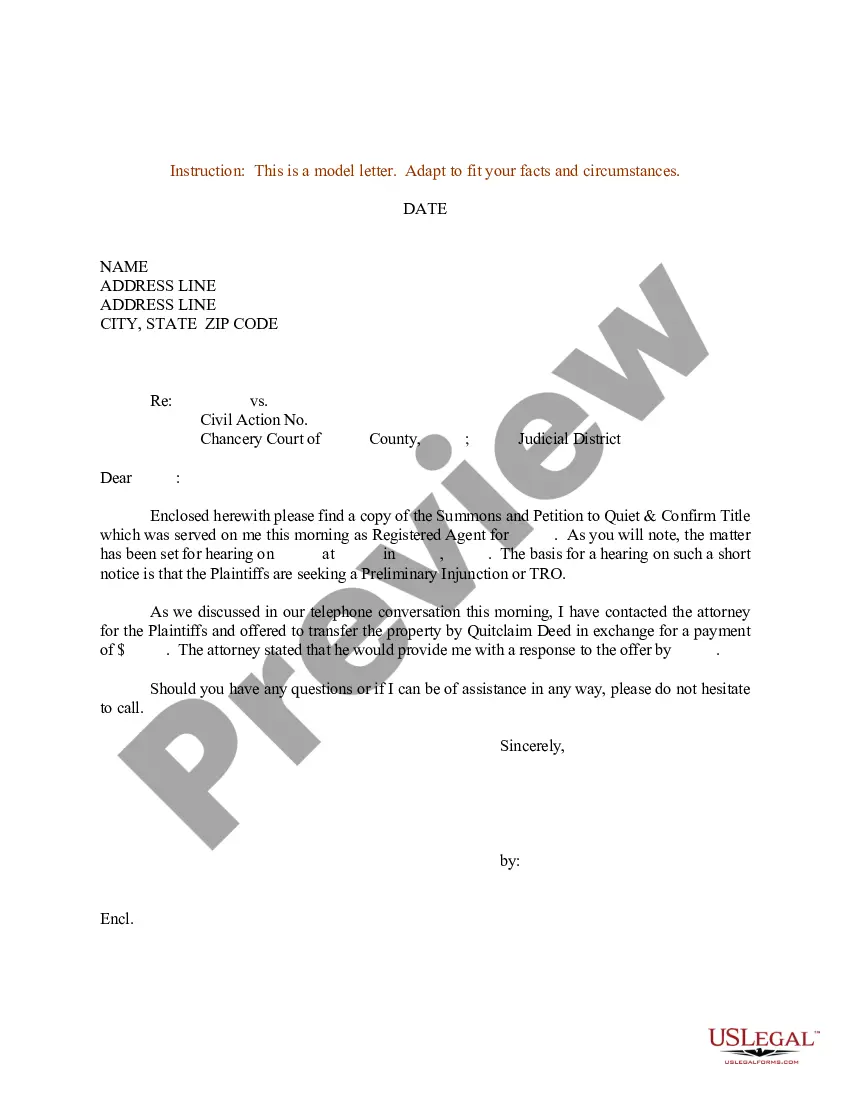
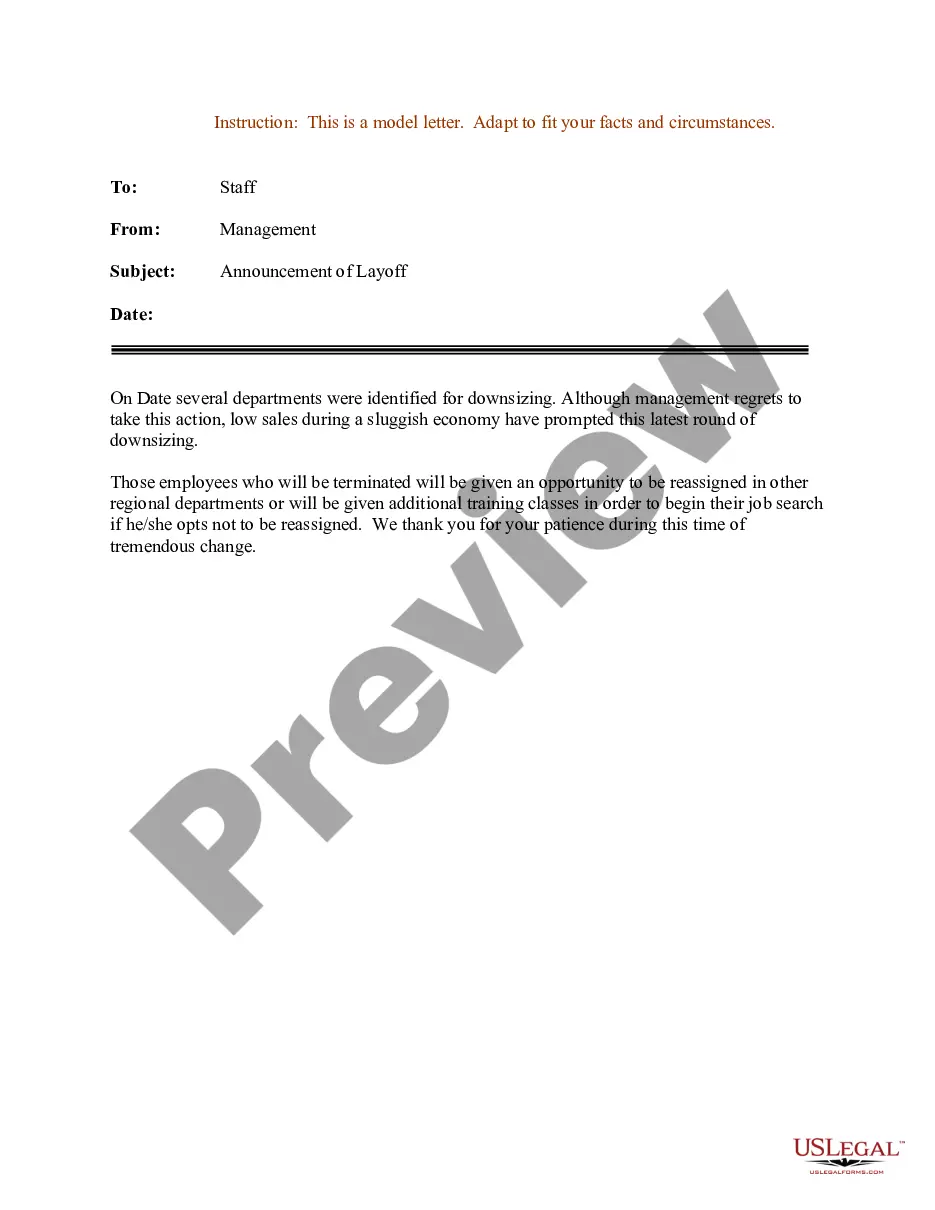
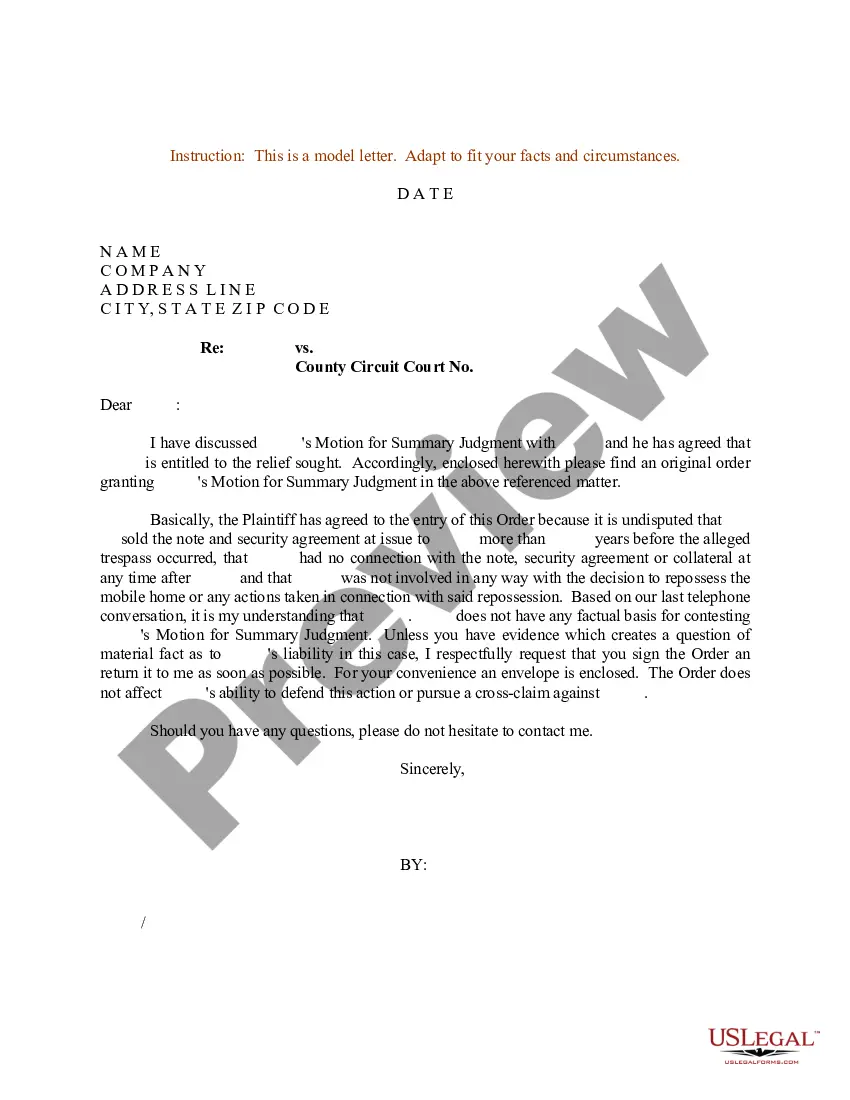

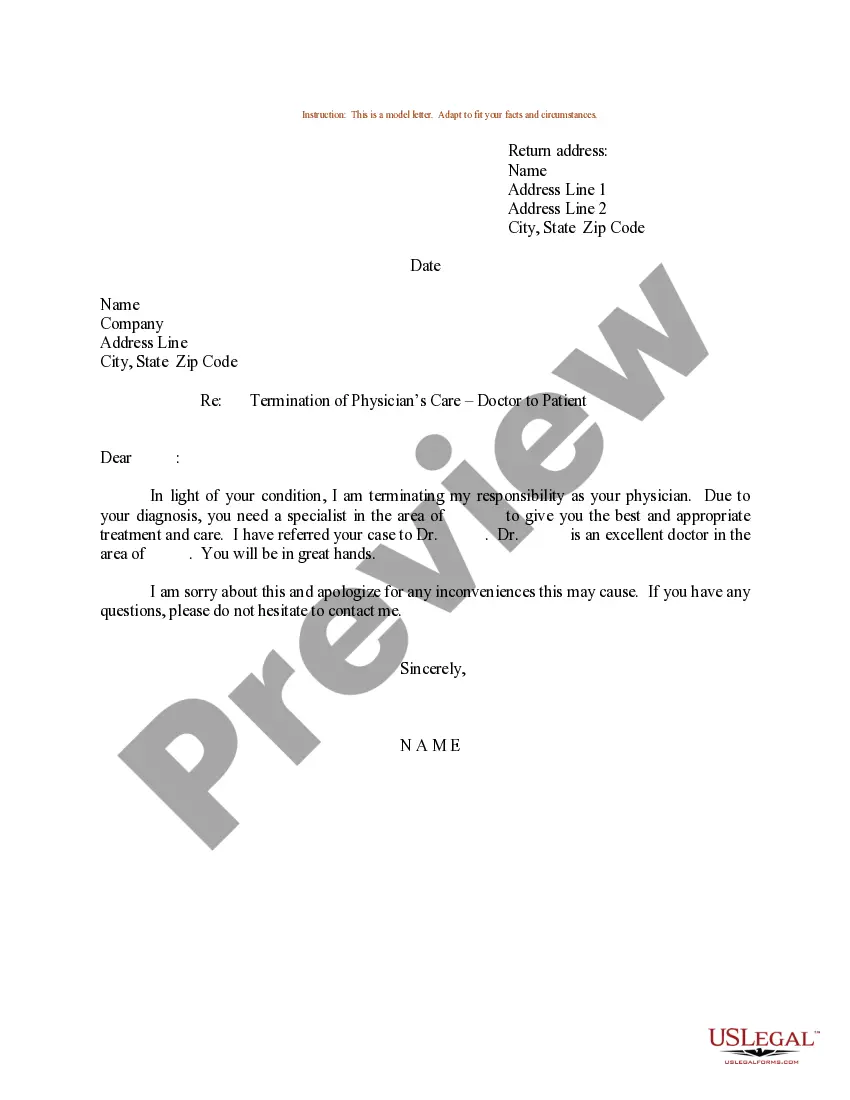
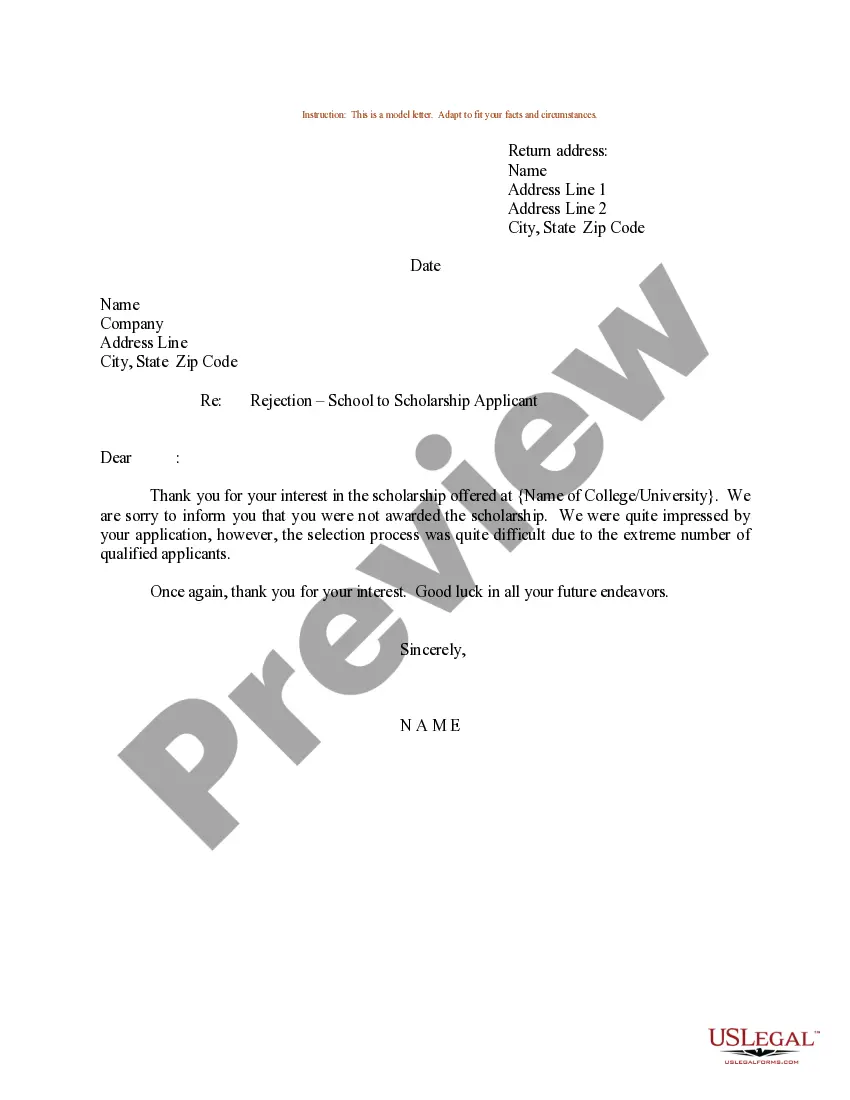
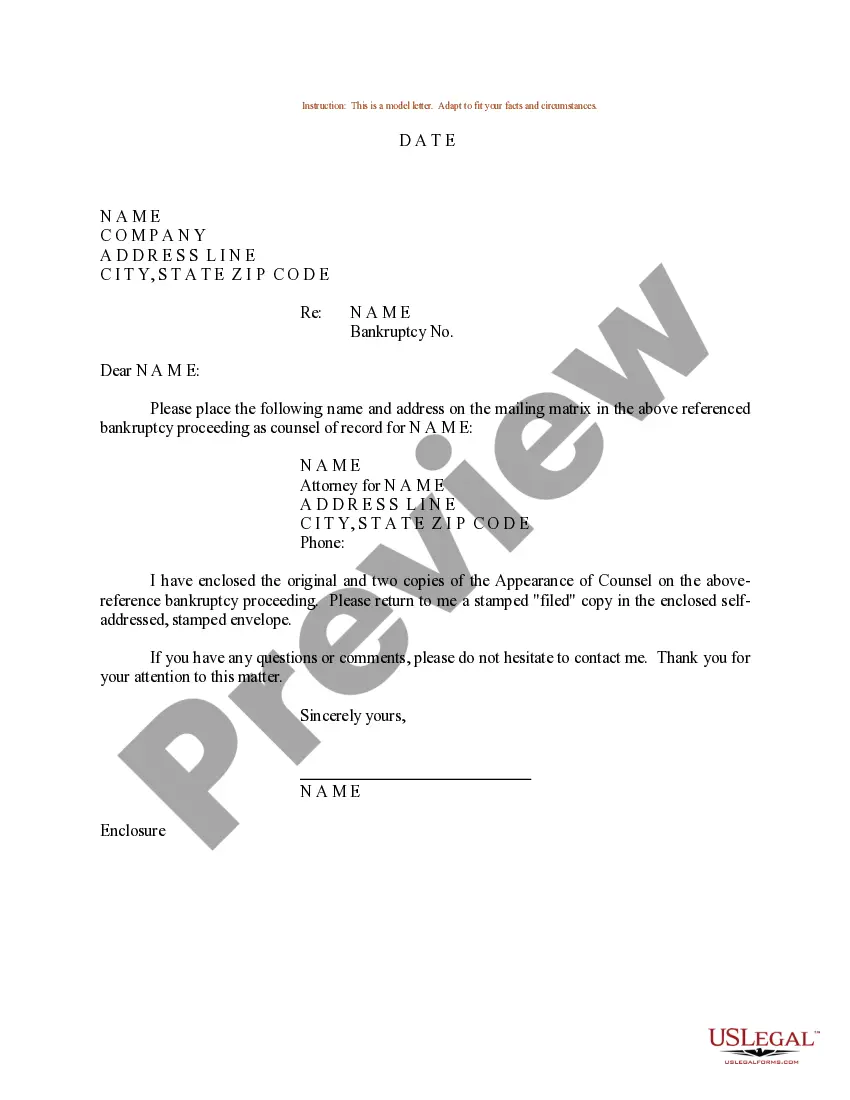
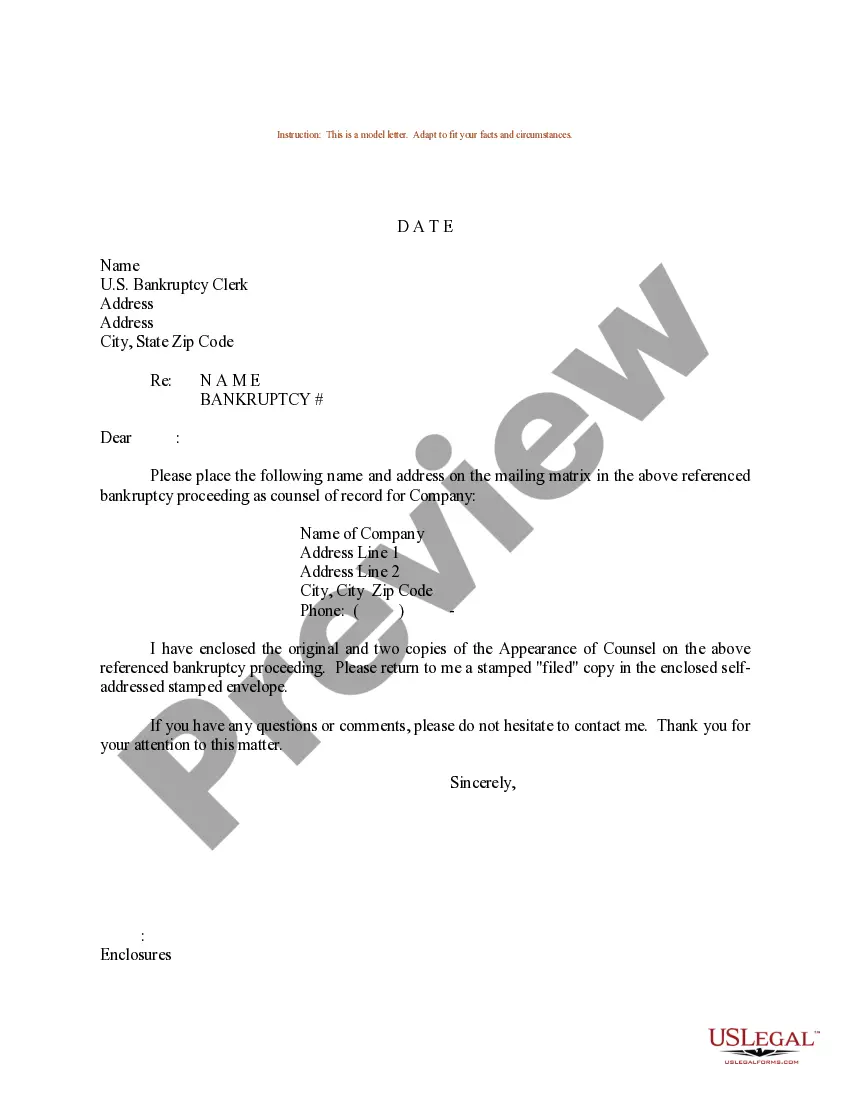
How to fill out Sample Letter For Appointment Of Attorney's Information On Mailing Matrix Concerning Bankruptcy Proceeding?
- Log in to your account if you're a returning user. Ensure that your subscription is active before proceeding.
- If it's your first visit, browse through the Preview mode and descriptions to select the appropriate form that meets your jurisdiction's requirements.
- Use the Search function if the first option doesn't fit; look for another template that suits your needs.
- Once you find the correct document, click the Buy Now button and choose a subscription plan that works for you. You will need to create an account at this stage.
- Complete your purchase with your credit card or PayPal to finalize your subscription.
- After your purchase, download the form to your device. You can access it later from the My Forms section in your profile.
By utilizing US Legal Forms, attorneys can benefit from an extensive collection of over 85,000 easily editable documents and receive assistance from premium experts, ensuring compliance and accuracy in their legal paperwork.
Get started today and simplify your legal document needs with US Legal Forms, tailored specifically for attorneys.
Form popularity
FAQ
Attorney fees in Ohio can vary considerably based on the attorney's experience and the complexity of the case. On average, hourly rates for attorneys in Ohio range from $150 to $400. Some attorneys may offer flat fees for specific services, so it's a good idea to discuss fees upfront to find a billing structure that meets your needs.
Private attorneys provide legal services in various areas, including family law, criminal defense, and civil litigation. They represent clients in negotiations, draft legal documents, and advocate on their behalf in court. Hiring a private attorney can offer personalized guidance tailored to your unique situation, ensuring your rights and interests are protected.
While the terms lawyer and attorney are often used interchangeably, there are key differences. An attorney is a lawyer who has passed the bar exam and is licensed to practice law, representing clients in court. Lawyers can offer legal advice, but only attorneys have the authority to act on behalf of clients, making their role crucial in legal proceedings.
The correct spelling is attorneys, with one 't'. This common misconception often arises from the similar pronunciation of the two words. When discussing legal professionals who represent clients in various matters, it's essential to use the proper term, attorneys. Using the correct terminology helps convey professionalism and clarity in legal contexts.
You do not send 1099s to corporations, including C corporations and S corporations. If the attorney is operating as a corporation, they are exempt from receiving a 1099 regardless of the payment amount. Similarly, payments made for goods or for services that do not require reporting also do not necessitate a 1099.
Unethical attorney behavior includes actions like misappropriating client funds, making false statements to clients, or failing to communicate important information. Additionally, attorneys should never represent conflicts of interest without full disclosure. Such behaviors violate ethical standards and can lead to disciplinary actions.
When listing an attorney, provide their full name and title, followed by their area of practice or specialization. Include any firm or organization they are associated with, along with their contact details. For clarity, organize this information neatly, perhaps in a section about your legal support network. This approach presents your connections clearly and simplifies communication.
To properly address an attorney, use 'Mr.' or 'Ms.' followed by their last name, or 'Attorney' followed by their full name in a formal letter. When in direct conversation, you can also address them using their title, such as 'Counselor' or 'Attorney.' This conveys respect and acknowledges their professional status in legal matters.
To fill out a power of attorney letter, title the document clearly and include your name, the attorney's name, and their authority scope. Specify the powers you grant, detailing the attorney’s decision-making capabilities. Finally, both parties should sign the document in the presence of a notary or witnesses as required by law. Utilizing a reliable service, like uslegalforms, can streamline this process.
When writing an attorney's name, start with their first name followed by the last name. If applicable, include any relevant titles or qualifications, such as 'Esq.' after their name to denote they are licensed. Always ensure correct spelling and use appropriate capitalization. This attention to detail reflects professionalism and respect for the attorney.