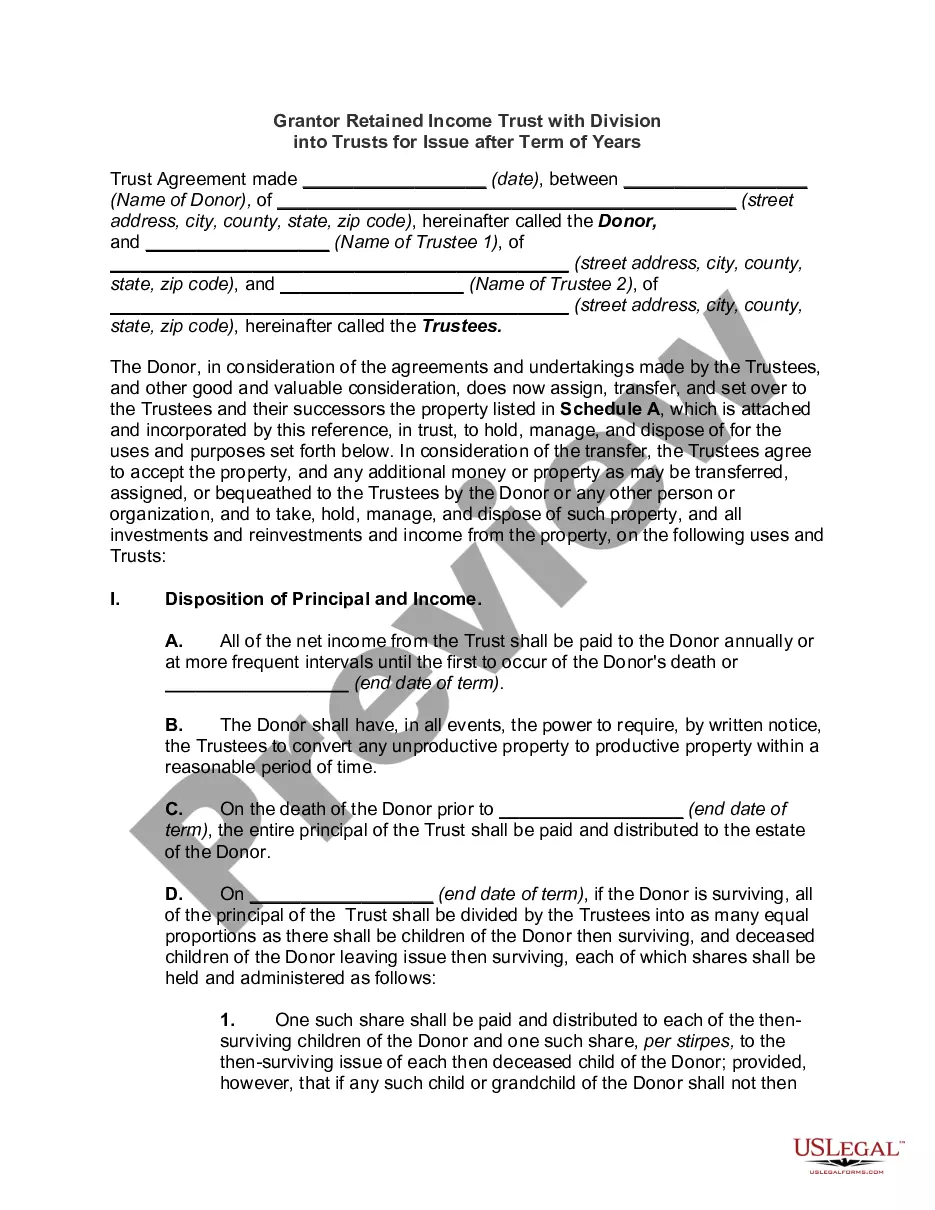
Grantor Income Trust With Medicaid
Description
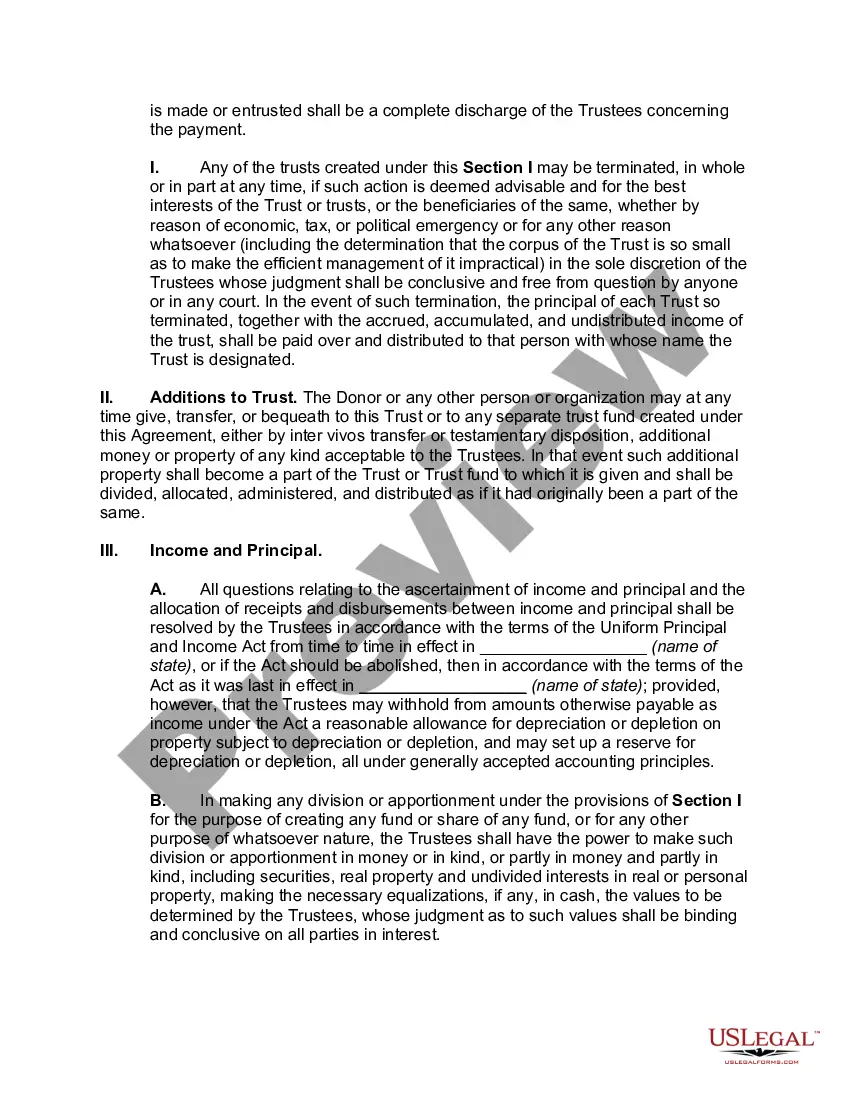
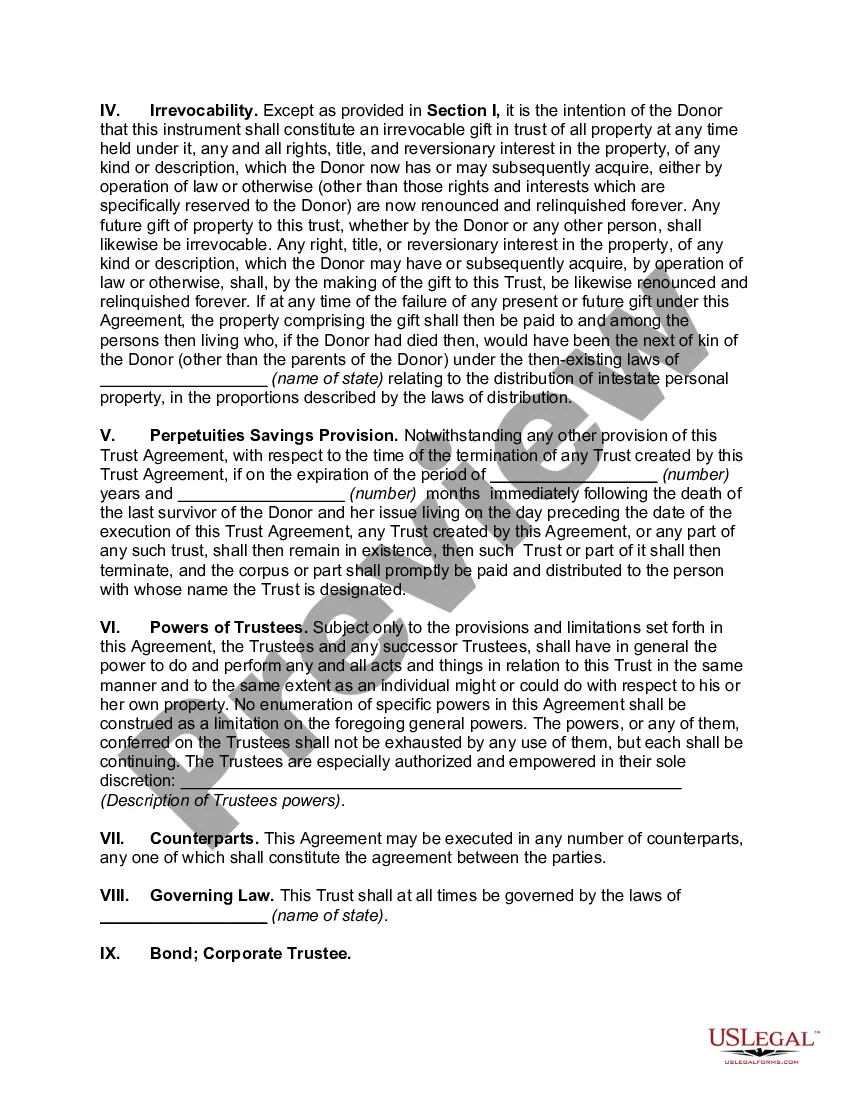
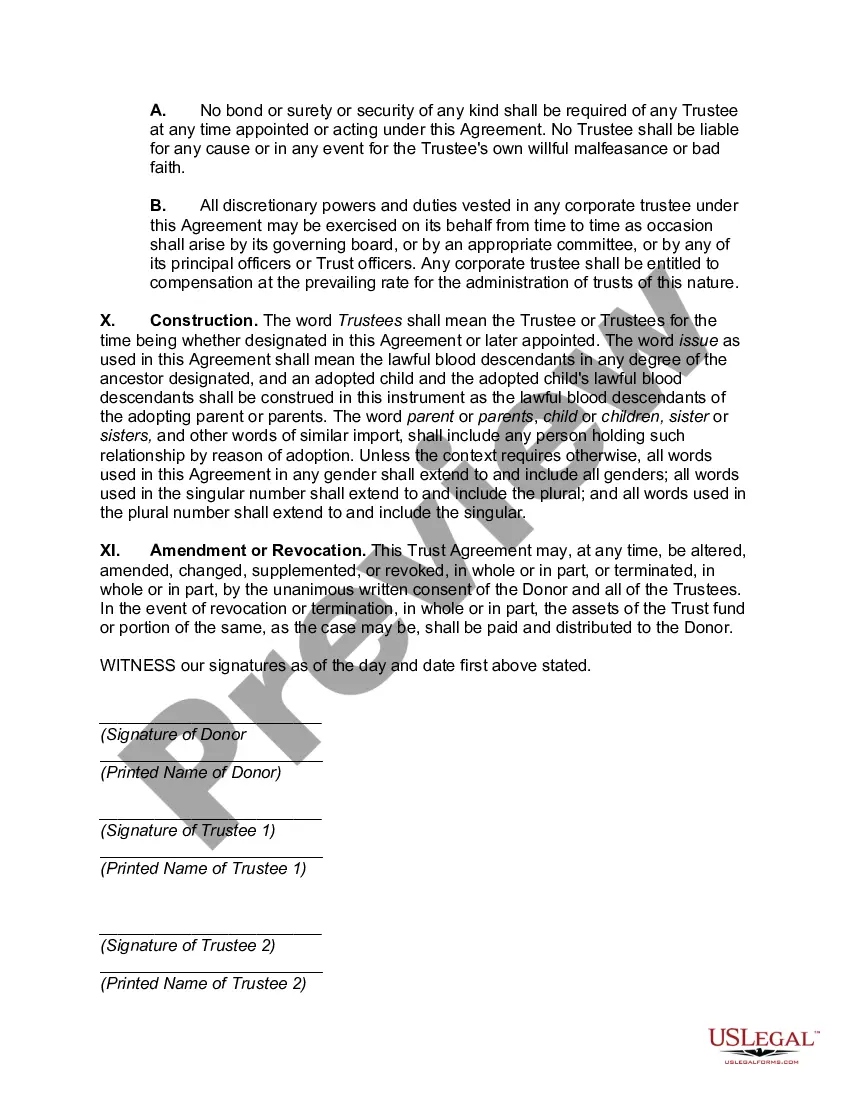

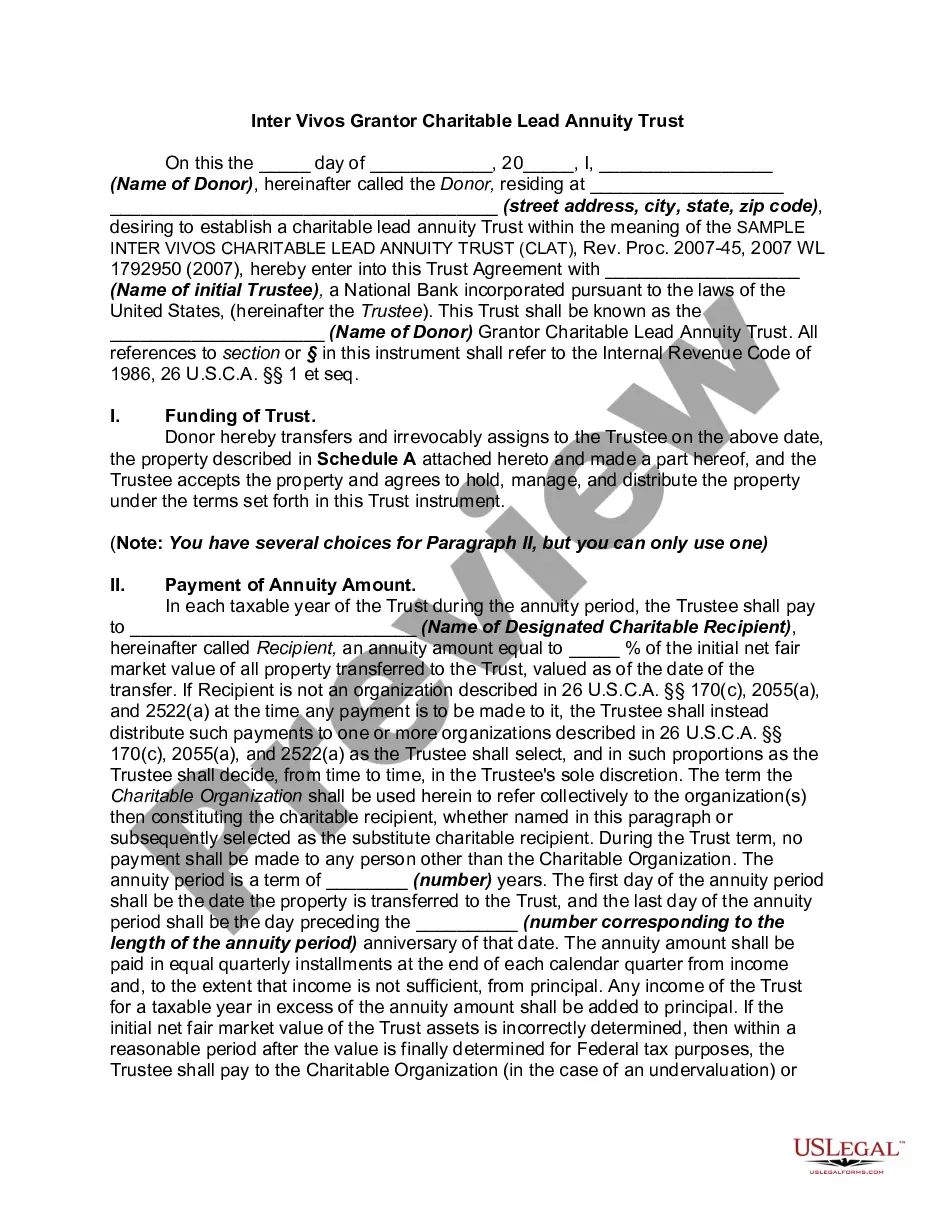
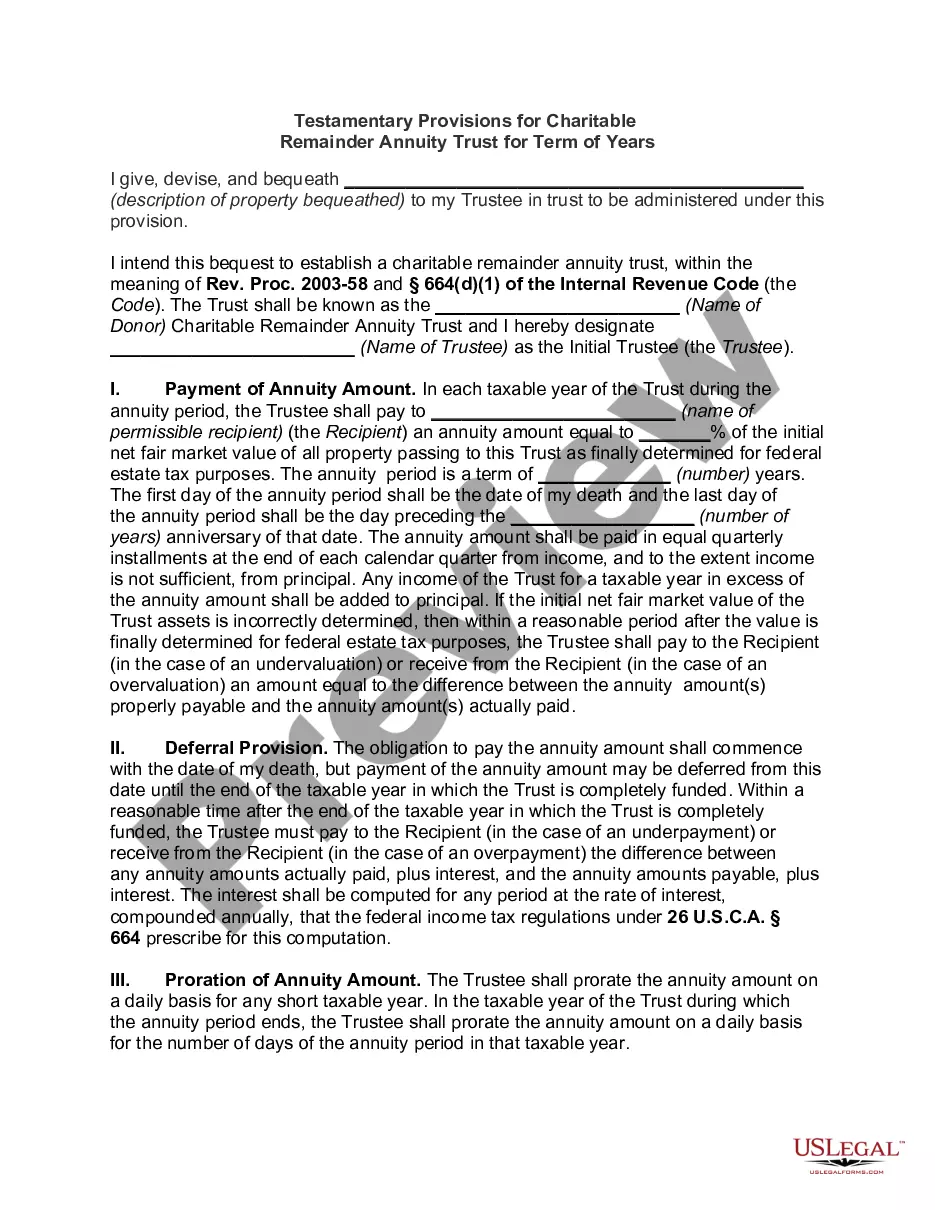
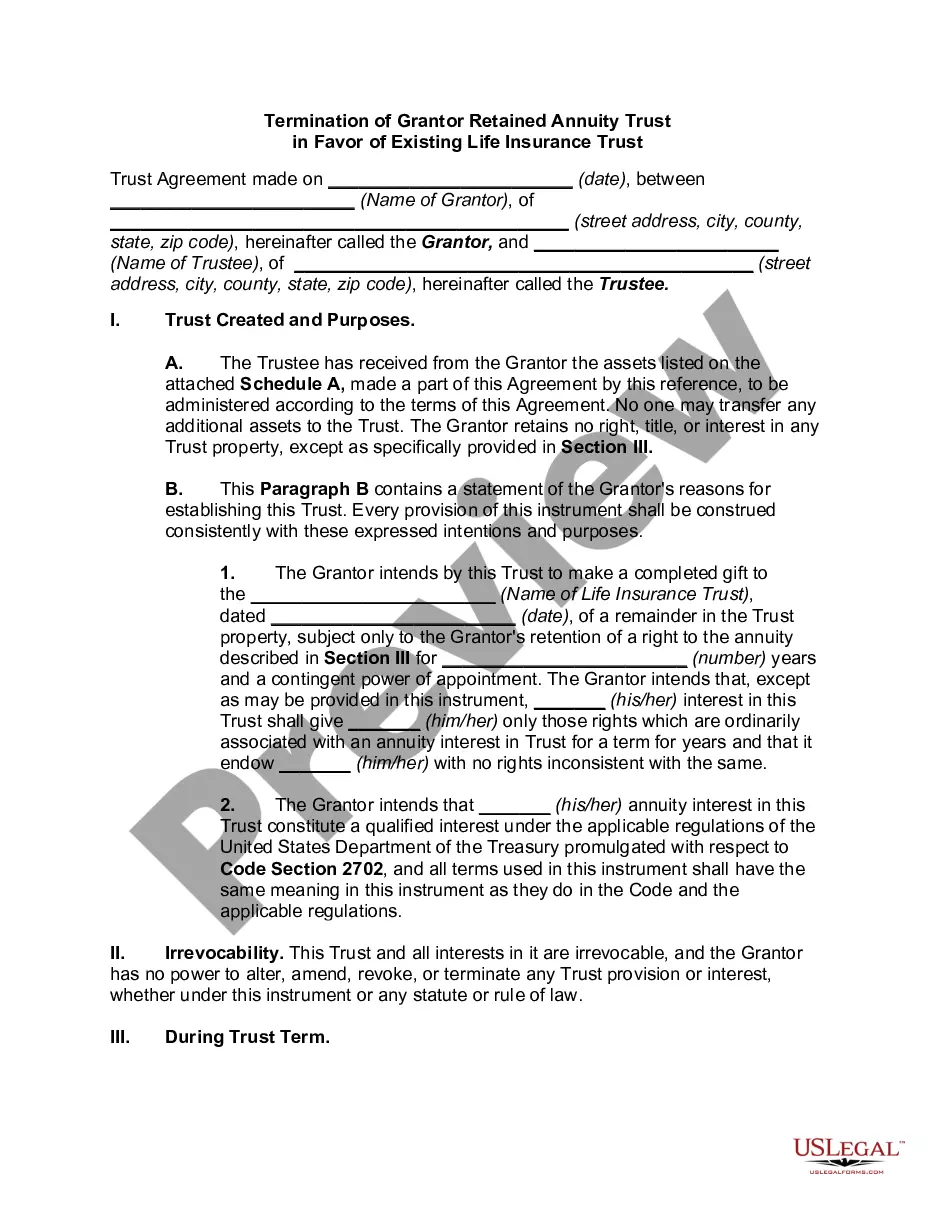
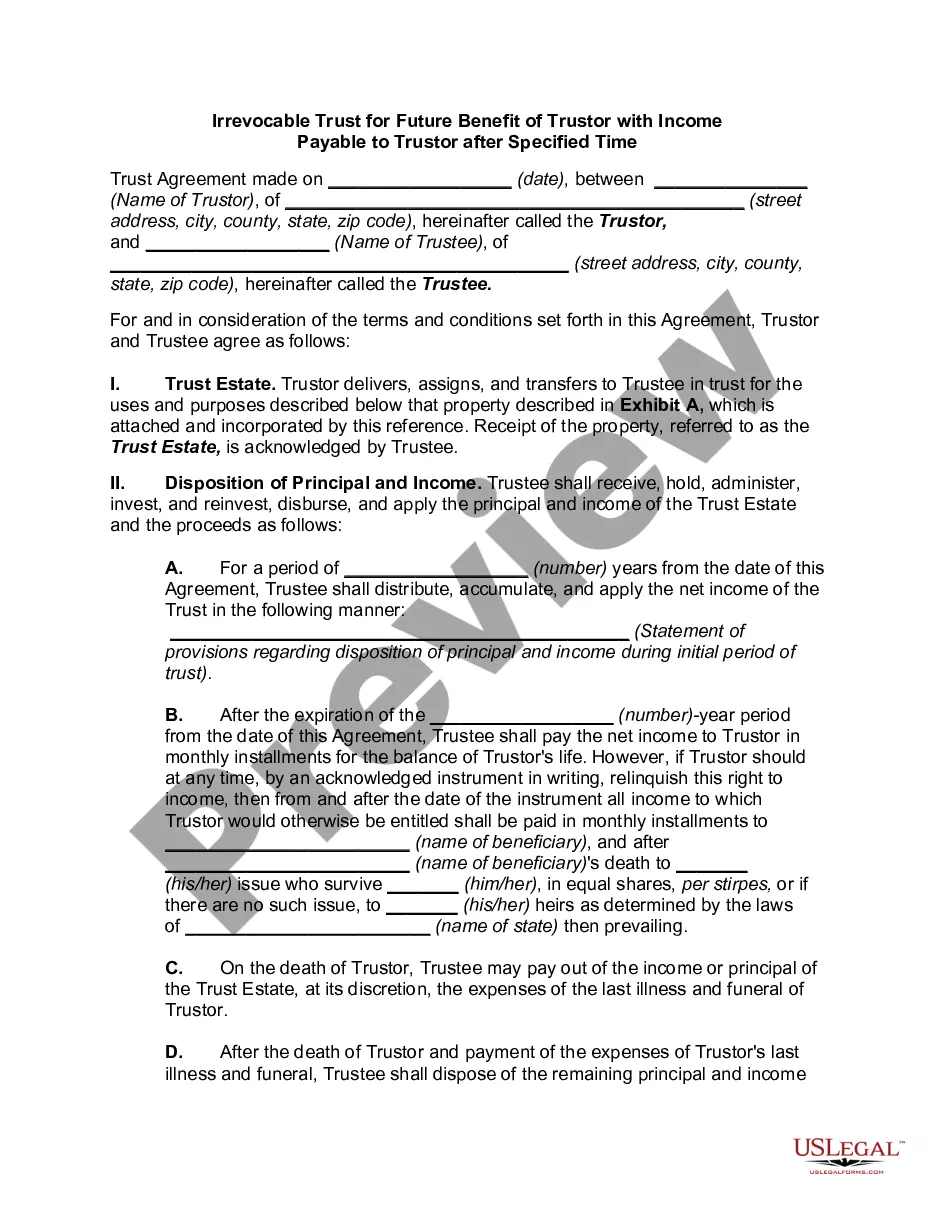
Get your form ready online
Our built-in tools help you complete, sign, share, and store your documents in one place.
Make edits, fill in missing information, and update formatting in US Legal Forms—just like you would in MS Word.
Download a copy, print it, send it by email, or mail it via USPS—whatever works best for your next step.
Sign and collect signatures with our SignNow integration. Send to multiple recipients, set reminders, and more. Go Premium to unlock E-Sign.
If this form requires notarization, complete it online through a secure video call—no need to meet a notary in person or wait for an appointment.
We protect your documents and personal data by following strict security and privacy standards.

Make edits, fill in missing information, and update formatting in US Legal Forms—just like you would in MS Word.

Download a copy, print it, send it by email, or mail it via USPS—whatever works best for your next step.

Sign and collect signatures with our SignNow integration. Send to multiple recipients, set reminders, and more. Go Premium to unlock E-Sign.

If this form requires notarization, complete it online through a secure video call—no need to meet a notary in person or wait for an appointment.

We protect your documents and personal data by following strict security and privacy standards.
Looking for another form?




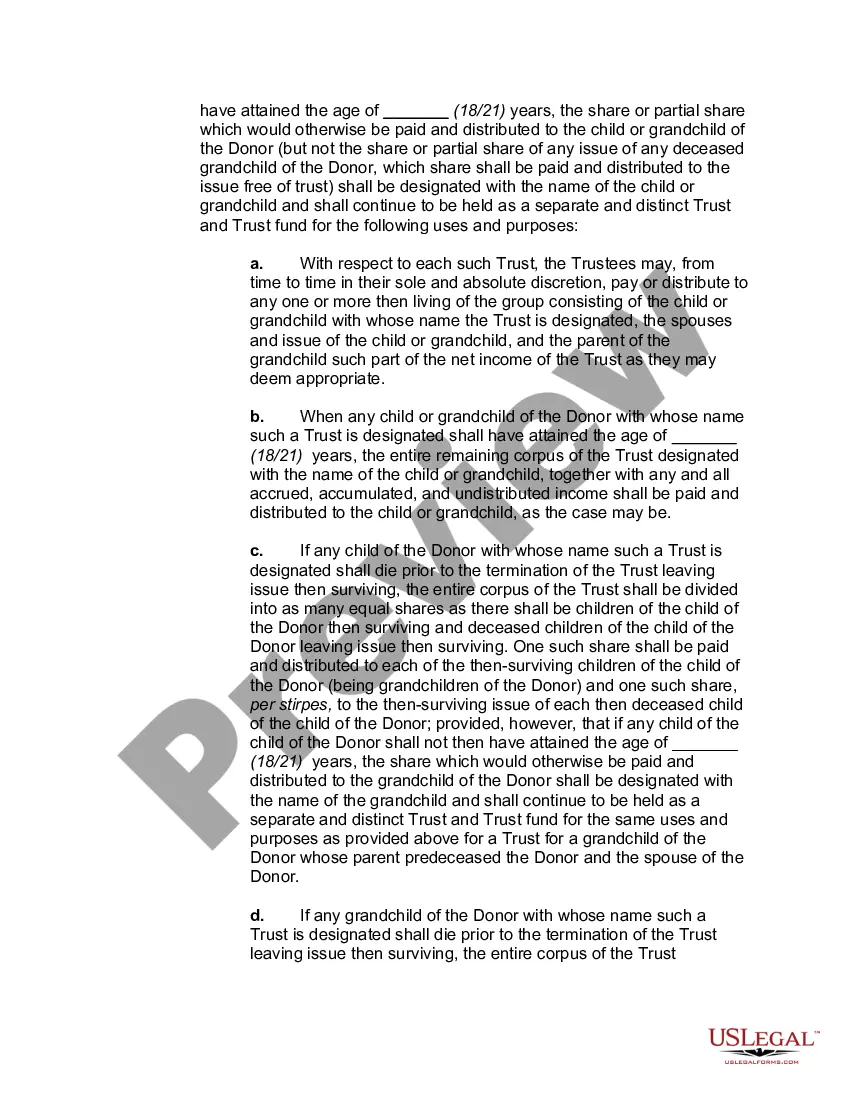
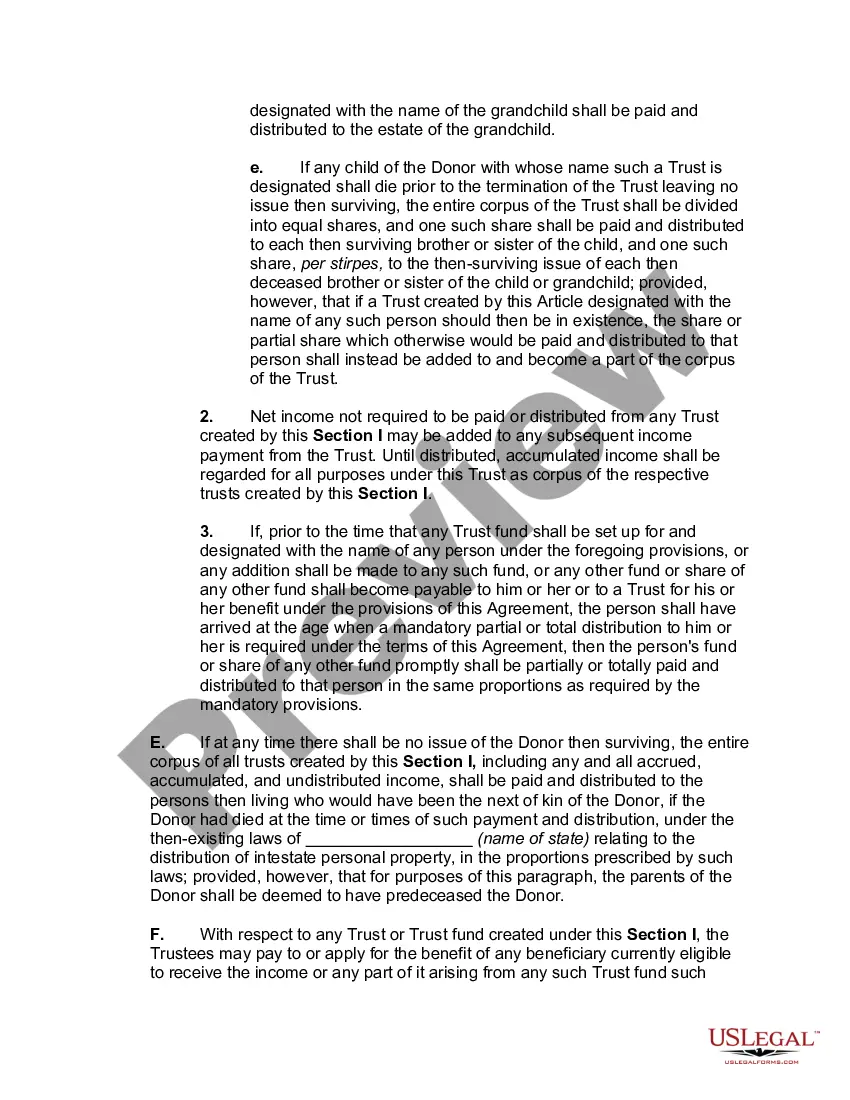
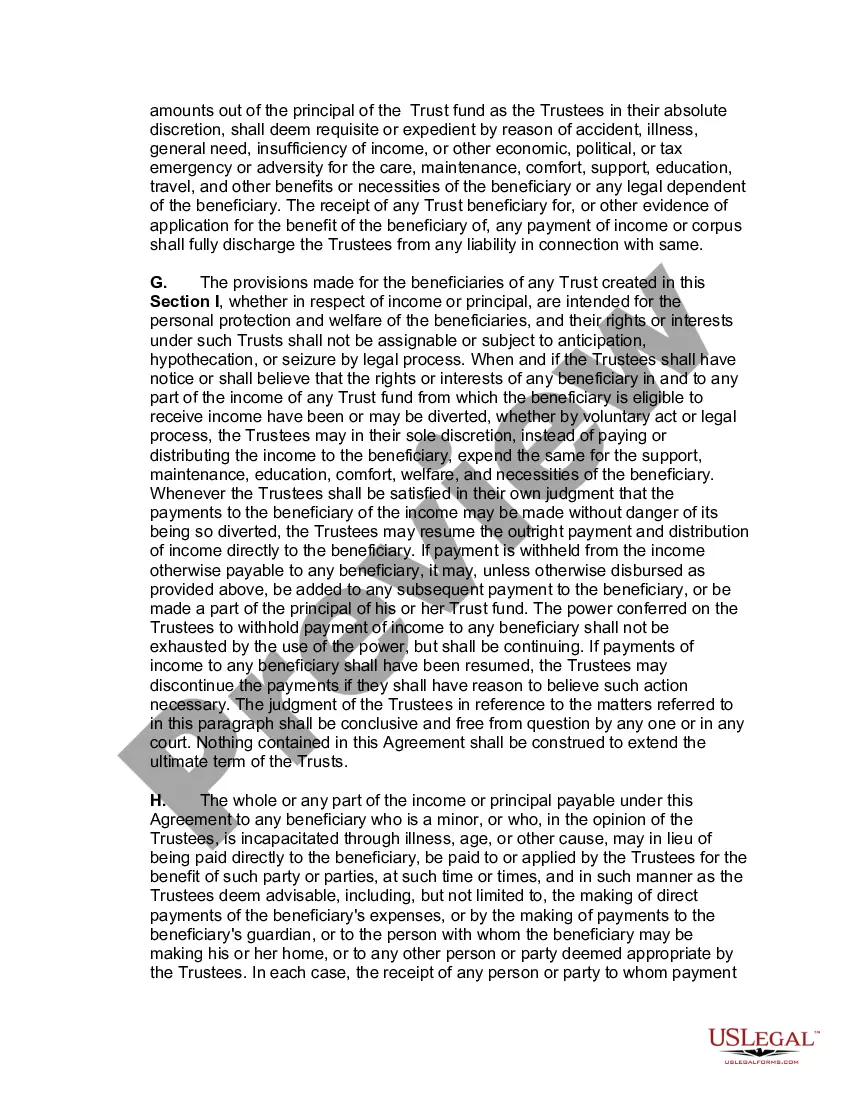
How to fill out Grantor Retained Income Trust With Division Into Trusts For Issue After Term Of Years?
Engaging with legal documents and processes can be a lengthy addition to the day.
Grantor Income Trust With Medicaid and similar forms often necessitate you to locate them and navigate how to fulfill them correctly.
Consequently, if you are managing financial, legal, or personal affairs, utilizing a thorough and user-friendly online directory of forms at your disposal will be greatly beneficial.
US Legal Forms is the leading online source of legal templates, boasting over 85,000 state-specific documents and numerous resources to help you complete your paperwork effortlessly.
Is it your first time using US Legal Forms? Register and create your account in a matter of minutes, and you will gain access to the form directory and Grantor Income Trust With Medicaid. Then, follow the instructions outlined below to complete your document: Ensure you have located the correct document by utilizing the Review option and examining the document description. Click Buy Now when ready, and choose the subscription plan that fits your needs. Click Download then fill out, eSign, and print the document. US Legal Forms has 25 years of expertise assisting clients manage their legal documents. Locate the document you need now and simplify any process with ease.
- Browse the directory of pertinent documents available with a single click.
- US Legal Forms provides you with state- and county-specific documents available at any time for download.
- Protect your document management processes with superior assistance that allows you to prepare any document in minutes without additional or concealed charges.
- Simply Log In to your account, locate Grantor Income Trust With Medicaid, and obtain it immediately from the My documents section.
- You can also access forms you have downloaded previously.
Form popularity
FAQ
When discussing the Grantor income trust with Medicaid, it's essential to understand which assets remain protected from recovery. Generally, your primary residence, personal belongings, and certain retirement accounts may be exempt. Additionally, if you set up a Grantor income trust with Medicaid, it can help safeguard specific assets while still allowing you to qualify for benefits. This strategy can be an effective way to manage your financial resources while meeting Medicaid requirements.
An income trust for Medicaid, often referred to as a grantor income trust with Medicaid, is designed to manage excess income while allowing individuals to qualify for Medicaid. This type of trust allows you to place your income into a trust, which then disburses funds for your care without affecting your eligibility. It serves as a strategic tool to ensure that you receive necessary medical assistance while safeguarding your financial future. For personalized assistance, consider platforms like US Legal Forms, which can guide you through the process.
Yes, Medicaid does review trusts as part of the eligibility determination process. When you apply for Medicaid benefits, they will assess the assets held in a trust, including a grantor income trust with Medicaid. Understanding how Medicaid views your trust can help you make informed decisions about your estate planning. Consulting with a knowledgeable advisor can ensure your trust aligns with Medicaid regulations while protecting your assets.
Yes, a Medicaid trust can indeed be a grantor trust. In this case, the grantor retains certain rights and control over the trust assets, which can provide flexibility in managing your finances. Utilizing a grantor income trust with Medicaid can help you maintain your eligibility for benefits while ensuring that your income is structured properly. It is advisable to seek expert guidance to navigate the complexities involved.
A trust can significantly impact Medicaid eligibility, particularly when considering a grantor income trust with Medicaid. Generally, Medicaid evaluates the assets and income of applicants, and certain trusts may be counted as resources. However, a properly structured grantor income trust can help protect your assets while allowing you to qualify for Medicaid benefits. It is essential to consult with a professional to ensure your trust meets all requirements.
Hear this out loud PauseIn general, every trust must file Form 1041, U.S. Income Tax Return for Estates and Trusts (Reg. §1.641(b)-2). Grantor trusts are not recognized as separate taxable entities for federal income tax purposes because the grantor has not relinquished complete dominion and control over the trust.
Hear this out loud PauseThe income the trust generates is taxed to the grantor's income tax rate rather than to the trust itself. In this regard, grantor trust rules offer individuals a certain degree of tax protection because tax rates are generally more favorable at the individual level than they are for trusts.
Hear this out loud PauseTrust income is treated as earned by the grantor, even if it is distributed to someone else. Examples of these trusts include grantor-retained annuity trusts, some charitable lead trusts, intentionally defective grantor trusts, and some life insurance trusts.
Hear this out loud PauseFile Form 541 in order to: Report income received by an estate or trust.
If a trust is a grantor trust, then the grantor is treated as the owner of the assets, the trust is disregarded as a separate tax entity, and all income is taxed to the grantor.