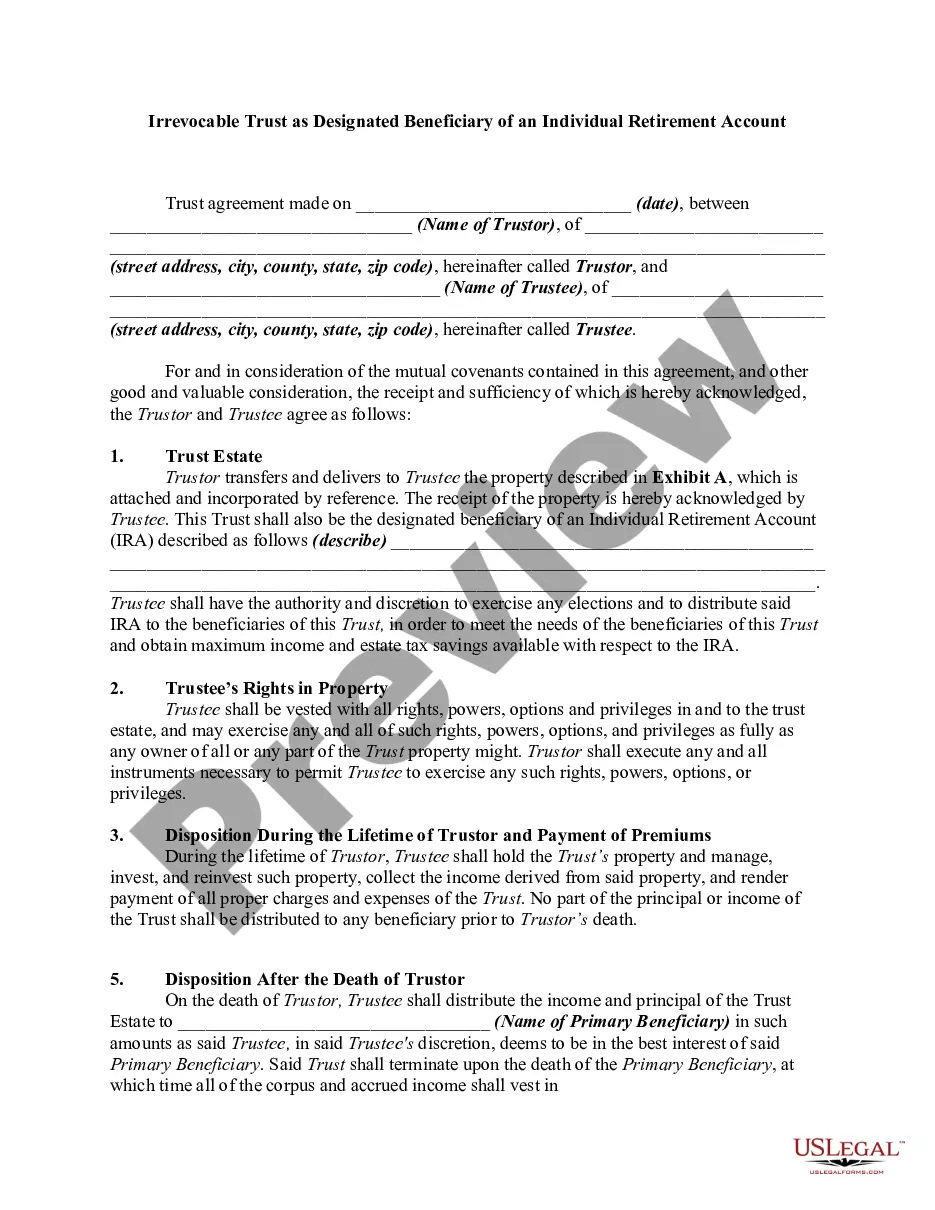
Trust Beneficiary Rights For
Description


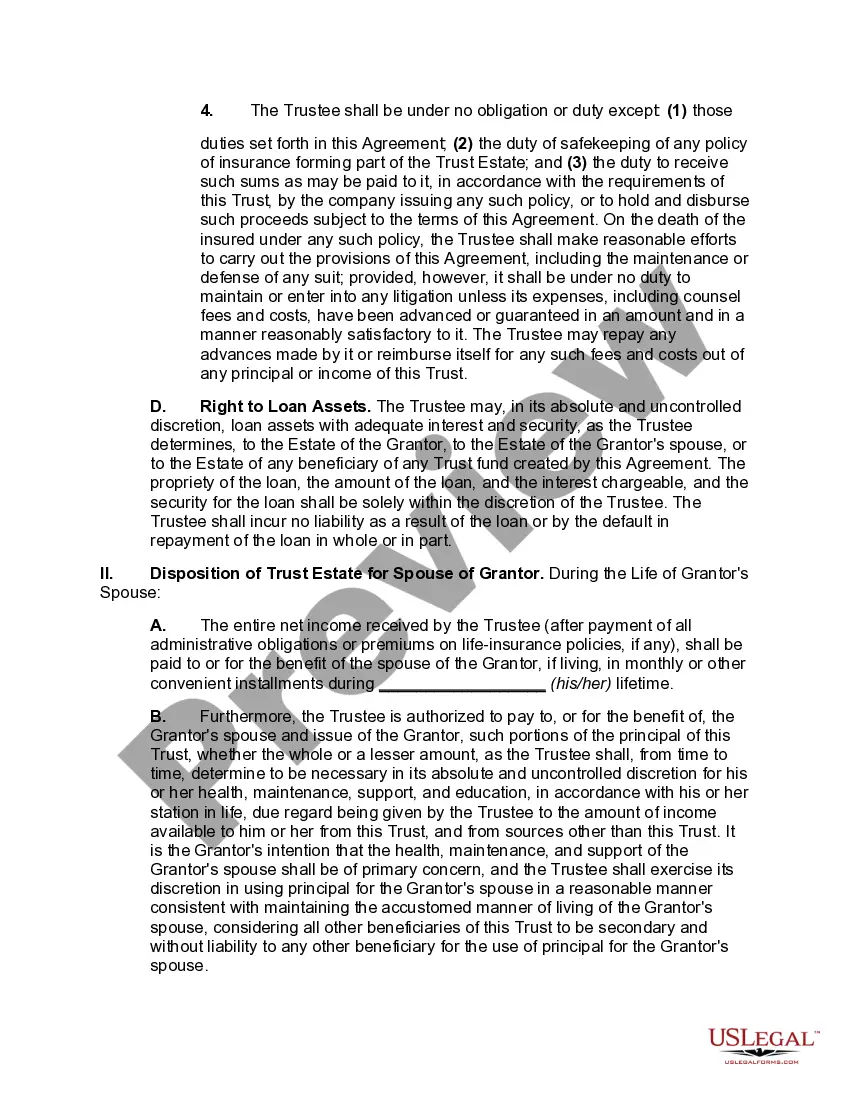
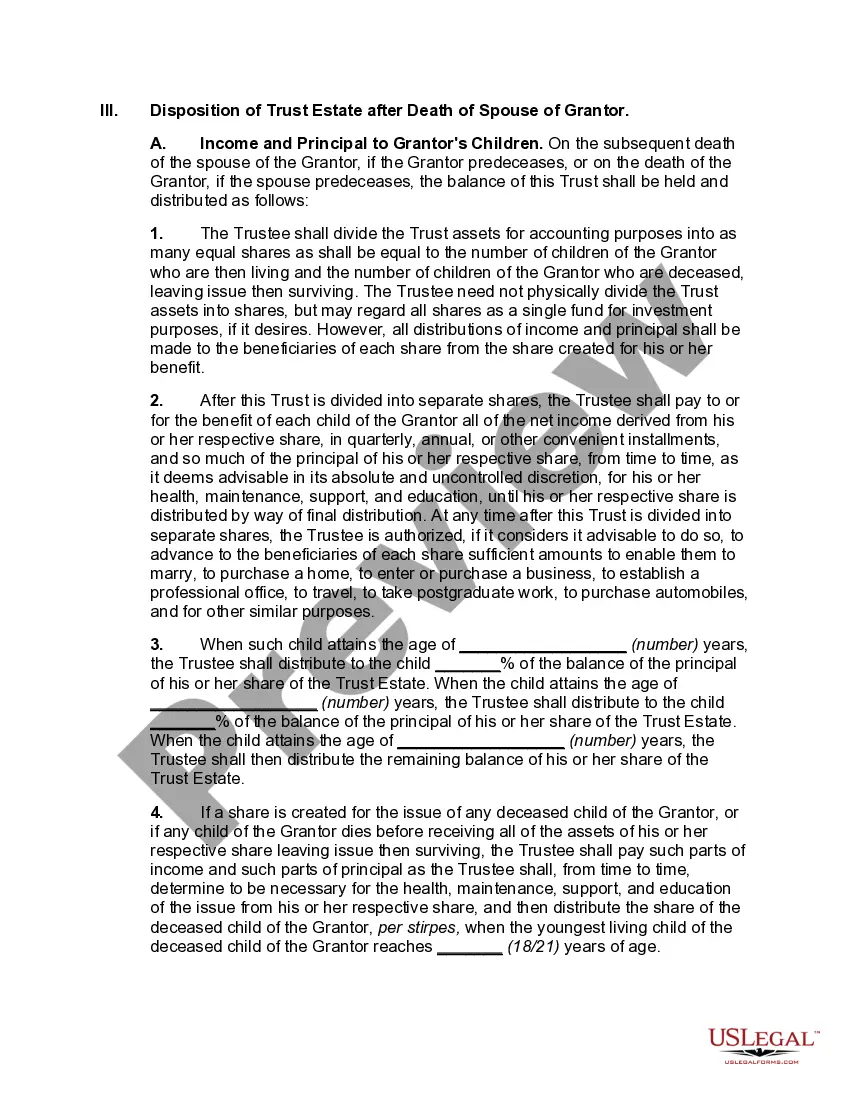





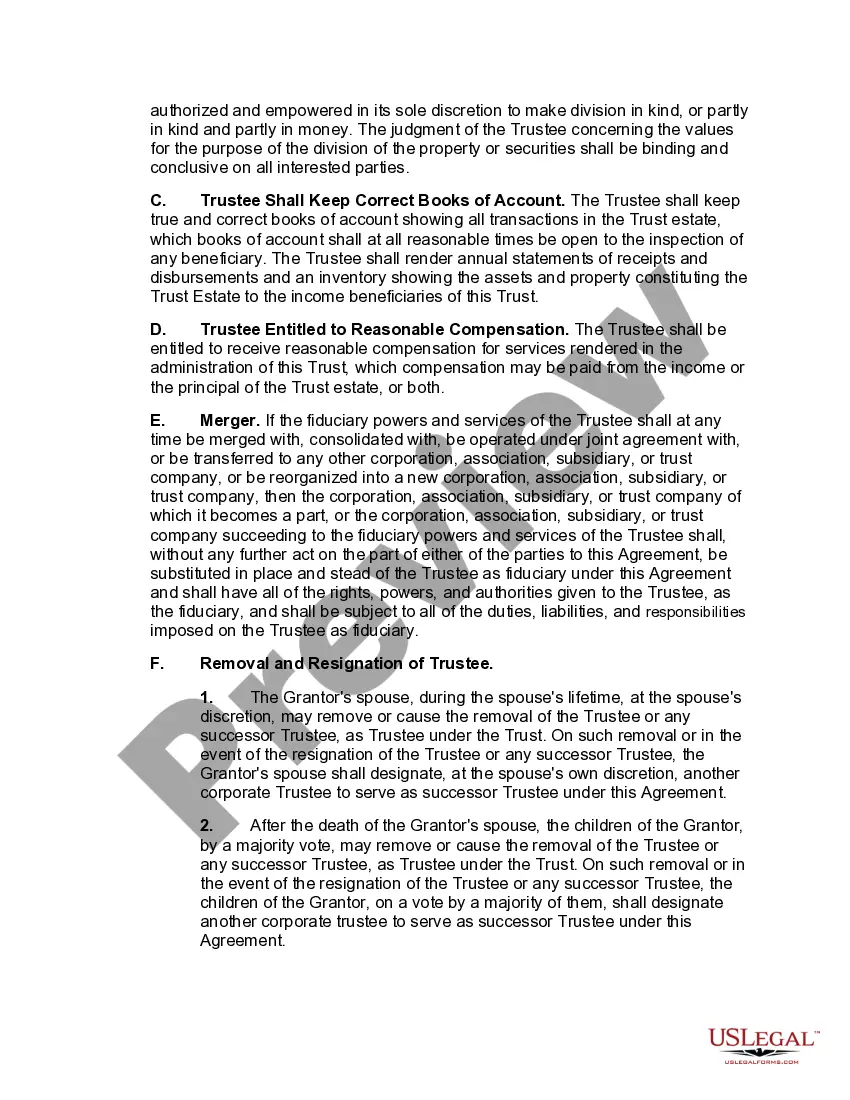

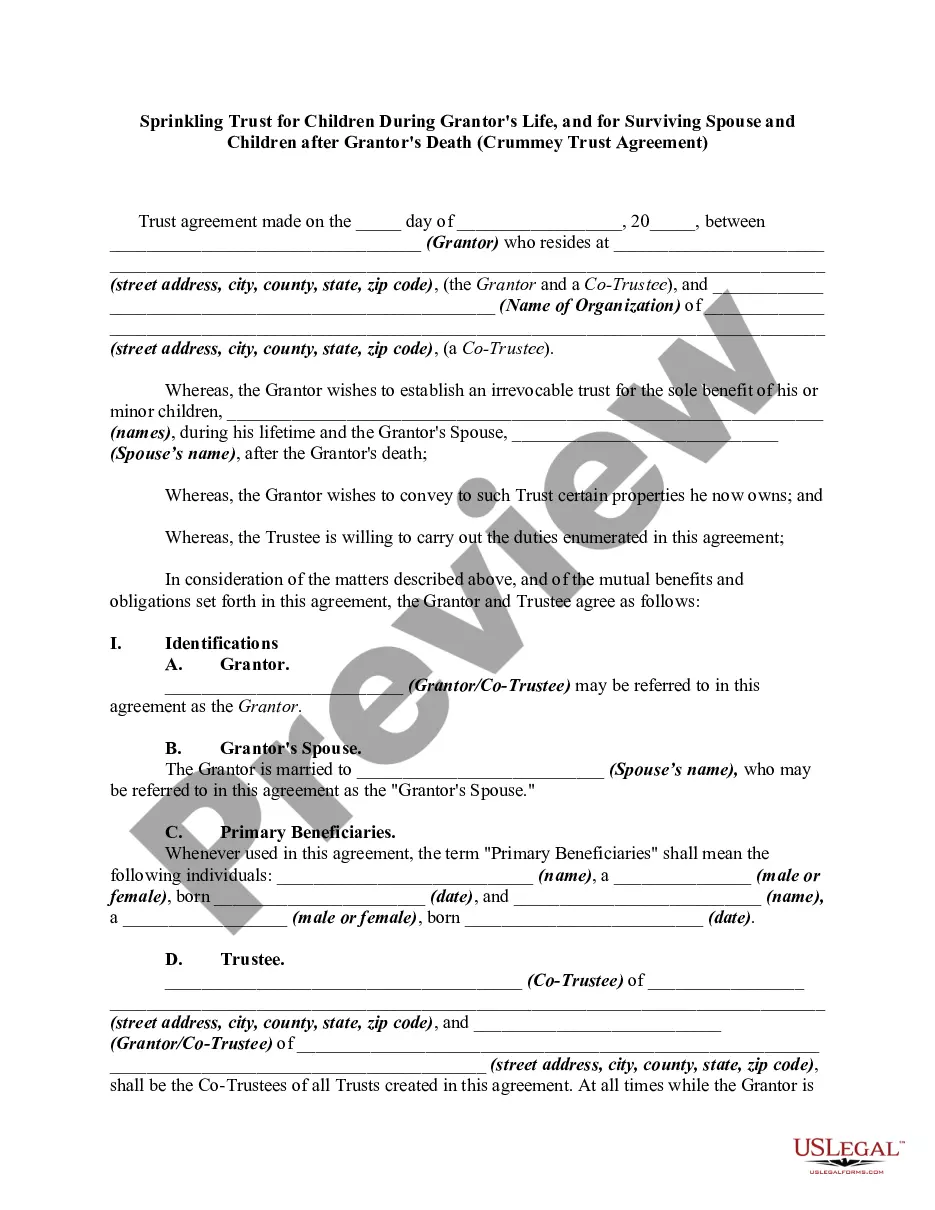

Get your form ready online
Our built-in tools help you complete, sign, share, and store your documents in one place.
Make edits, fill in missing information, and update formatting in US Legal Forms—just like you would in MS Word.
Download a copy, print it, send it by email, or mail it via USPS—whatever works best for your next step.
Sign and collect signatures with our SignNow integration. Send to multiple recipients, set reminders, and more. Go Premium to unlock E-Sign.
If this form requires notarization, complete it online through a secure video call—no need to meet a notary in person or wait for an appointment.
We protect your documents and personal data by following strict security and privacy standards.

Make edits, fill in missing information, and update formatting in US Legal Forms—just like you would in MS Word.

Download a copy, print it, send it by email, or mail it via USPS—whatever works best for your next step.

Sign and collect signatures with our SignNow integration. Send to multiple recipients, set reminders, and more. Go Premium to unlock E-Sign.

If this form requires notarization, complete it online through a secure video call—no need to meet a notary in person or wait for an appointment.

We protect your documents and personal data by following strict security and privacy standards.
Looking for another form?








How to fill out Irrevocable Life Insurance Trust - Beneficiaries Have Crummey Right Of Withdrawal?
Locating a reliable source for obtaining the latest and most suitable legal templates is a significant part of dealing with bureaucratic processes. Selecting the appropriate legal paperwork requires accuracy and careful attention, which is why it's crucial to obtain samples of Trust Beneficiary Rights For exclusively from trustworthy sources, such as US Legal Forms. An incorrect template can squander your time and prolong your current situation. With US Legal Forms, there is minimal to worry about. You can access and review all the information regarding the document’s application and pertinence for your circumstances and in your jurisdiction.
Consider the subsequent steps to complete your Trust Beneficiary Rights For.
After you have the form on your device, you can modify it using the editor or print it and fill it out manually. Remove the stress associated with your legal documents. Browse the comprehensive US Legal Forms library to discover legal templates, assess their relevance to your situation, and download them instantly.
- Utilize the catalog navigation or search box to find your template.
- Examine the form’s description to determine if it meets the criteria of your state and locality.
- Review the form preview, if available, to confirm that it is the document you are looking for.
- Return to the search and find the appropriate template if the Trust Beneficiary Rights For does not align with your needs.
- Once you are certain about the form’s applicability, download it.
- If you are a registered user, click Log in to verify your identity and access your chosen templates in My documents.
- If you do not possess an account yet, click Buy now to acquire the form.
- Select the pricing plan that best fits your needs.
- Proceed to the registration process to complete your purchase.
- Conclude your transaction by selecting a payment option (credit card or PayPal).
- Select the document format for downloading Trust Beneficiary Rights For.
Form popularity
FAQ
To leave property to your living trust, name your trust as beneficiary for that property, using the trustee's name and the name of the trust. For example: John Doe as trustee of the John Doe Living Trust, dated January 1, 20xx.
An irrevocable trust is a trust that cannot be changed except in rare cases by court order. Beneficiaries of an irrevocable trust have rights to information about the trust and to make sure the trustee is acting properly. The scope of those rights depends on the type of beneficiary.
To leave property to your living trust, name your trust as beneficiary for that property, using the trustee's name and the name of the trust. For example: John Doe as trustee of the John Doe Living Trust, dated January 1, 20xx.
Typically, beneficiaries of a standard revocable trust can anticipate their inheritance distribution within a 12 to 18-month window. However, this duration can vary based on the trust's intricacies and any potential challenges faced during administration.
Generally speaking, California law states that beneficiaries have a right to information and accounting regarding the trust. More specifically, beneficiaries have a right to information regarding all changes made to the trust promptly, and they have a right to know the plan to administer and distribute the estate.